2027 Best Online Bachelor's in Information Technology Degree Programs Ranking in the USA

Co-Founder and Chief Data Scientist
Choosing the right online bachelor's degree in Information Technology can feel overwhelming. To help, this article features the 2027 Best Online Bachelor's in Information Technology Degree Programs Ranking in the USA, created by the Research.com team of data scientists.
By exploring this ranking, you'll gain valuable insights into programs that truly stand out. Earning an Information Technology degree opens doors to exciting career opportunities and personal growth.
Whether you're starting fresh or advancing your skills, this guide supports making an informed, confident decision about your education.
Key benefits of getting online information technology degree in America
- Information technology degree graduates often enter rewarding careers such as software developers, who earn a median annual wage of around $120,000, reflecting strong salary potential.
- Graduates commonly pursue diverse paths including network administration, cybersecurity, and software engineering, with many successful alumni from universities like Arizona State University thriving in dynamic tech roles.
- Online IT degrees offer flexible schedules and the ability to learn from anywhere, as experienced by online graduates from institutions like Western Governors University, making education more accessible without sacrificing quality.
- 2027 Best Online Bachelor's in Information Technology Degree Programs Ranking in the USA
- What can I expect from online information technology degree in America?
- Where can I work with online information technology degree in America?
What can I expect from online information technology degree in America?
The average cost of an online information technology degree in America generally ranges from $15,000 to $40,000 for a bachelor's program, depending on the institution and residency status. For example, graduates from well-known public universities offering online IT degrees often report paying closer to $20,000, while private or highly ranked schools may reach $35,000 to $40,000. Many students find this investment worthwhile as these programs combine theoretical learning with practical labs, often using simulation tools.
Graduates frequently highlight the value of programs that align coursework with industry certifications like CompTIA or Cisco, which boosts job readiness. A common experience is balancing work and study, enabled by flexible class schedules offered by prominent colleges recognized for their online IT curricula.
Financial aid options such as FAFSA and university grants often help reduce out-of-pocket costs. Students who thoroughly check accreditation, such as ABET approval at their chosen college, feel confident their degree will hold weight with employers across the tech sector in the U.S.
Where can I work with online information technology degree in America?
Graduates with an online information technology degree from respected American universities often find roles in software development, where they build and maintain applications for industries like finance, healthcare, and retail. Many alumni from schools such as Arizona State University share how their program's strong practical curriculum helped them land software developer positions earning around $120,000 annually.
Cybersecurity is another fast-growing path, with graduates protecting company networks against breaches. For example, graduates from Penn State's online IT program praise how hands-on projects prepared them for analyst roles offering salaries near $104,000. This work often involves collaborating with government agencies or private firms to strengthen digital defenses.
Others take on network administration or database management jobs, ensuring systems operate efficiently for hospitals or educational institutions. Graduates report that remote-friendly degrees give them flexibility to work across the country, expanding job options beyond their local area.
Top employers like Microsoft or Google frequently hire IT graduates, reflecting the sector's robust demand and promising career trajectories.
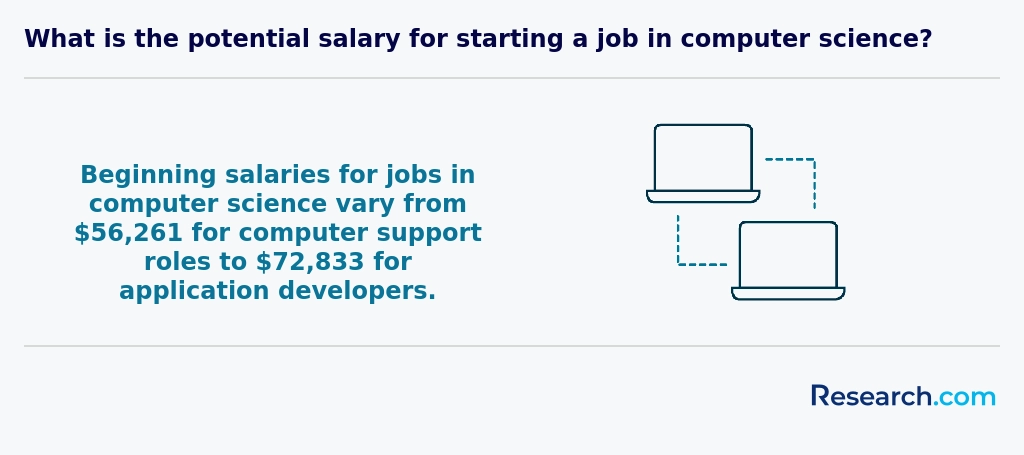
Graduates with an online information technology degree in America can expect initial salaries typically between $55,000 and $75,000 annually. For instance, entry-level IT support roles often start near the lower end, reflecting the experience level of new graduates from institutions like Arizona State University or University of Florida, both known for strong online IT programs.
As these graduates gain practical experience and earn certifications, they often see their salaries rise significantly. It's common for professionals moving into roles like network administration or cybersecurity analysis to surpass $100,000 per year, especially in tech hubs such as California or Texas. Many online graduates working in IT report salary increases once their degree is complete, unlocking advanced career opportunities and specialized positions.
Focusing on continual skill development in areas like cloud computing or data analytics can further boost earning potential. The growing demand for tech talent means those with online IT degrees are well-positioned to secure competitive salaries across America's diverse job markets.
- Many accredited U.S. schools offer fully online IT bachelor's programs covering cybersecurity, network administration, software development, and database management.
- The total tuition for public universities typically ranges from $15,000 to $40,000, while private institutions can charge over $50,000.
- Graduates earn about $60,000 to $70,000 annually at the start, with experienced professionals earning $85,000 to over $100,000 depending on specialization and location.
- Employment in computer and information technology fields is projected to grow 15% from 2021 to 2031, faster than the average for all jobs.
- Many programs offer access to internships and certifications like CompTIA Security+, Cisco CCNA, and Microsoft Certified Solutions Expert, enhancing job prospects.
Completing an online information technology degree in America typically takes around four years for full-time students, mirroring the pace of traditional on-campus programs at well-known schools like Arizona State University or the University of Florida. These programs usually require completing 120 to 135 credit hours across eight semesters.
Graduates often share how balancing their schedules with work or family commitments motivated them to stay on track. Some accelerated their progress by taking extra courses during summer or winter sessions, finishing in as little as three years. Others relied on transferring credits earned from community colleges or Advanced Placement exams, effectively shortening their degree timeline.
Part-time students, such as many working adults enrolled at schools like Oregon State University, can expect to take five or six years, adjusting course loads based on their personal responsibilities. The flexibility of year-round enrollment enables many ambitious learners to customize their pace.
Understanding and leveraging transfer credits and flexible course options can positively impact both the emotional satisfaction of progress and the financial savings from reduced tuition costs over time.
Choosing between online and on-campus information technology degrees in America largely comes down to how you prefer to learn and manage your time. On-campus students at universities like the University of Texas at Austin often share the buzz of campus life-attending scheduled classes, collaborating face-to-face in labs, and networking directly with professors and peers. This setting works well if you thrive on routine and hands-on experiences.
Online learners, such as those enrolled at Western Governors University, appreciate the flexibility of studying from anywhere. They balance coursework around jobs or family schedules, accessing lectures and assignments on their own time through digital platforms. Graduates often mention the relief of cutting down on commuting and housing costs, making the experience feel more manageable financially and logistically.
Regardless of the route, both paths follow similar accredited curriculum standards, covering essential IT topics like programming and cybersecurity. Virtual labs and group projects mean online students don't miss out on practical skills. The key is matching the delivery style with your daily routine and learning preferences to stay motivated and succeed.
The average cost of an online information technology degree in America varies based on residency and institution type. Typically, the median total expenses for online IT bachelor's degrees range around $48,240. For out-of-state students attending popular schools like Arizona State University or the University of Florida, costs can increase to about $50,331. Meanwhile, in-state students usually pay closer to $37,010, making public universities an economical choice for many.
Graduates from these programs often recall how budgeting for tuition alongside textbooks and fees was essential. Choosing a public university in your state can save thousands, allowing you to focus on gaining skills rather than stressing financial strain. For example, students at well-known institutions like the University of Illinois or Penn State see tangible benefits from reduced in-state rates, which contributes to manageable expenses without sacrificing quality education.
Planning finances around the total expenses for online IT bachelor's degree in the USA means accounting for program length and specialization-fields like cybersecurity or software development might have slightly varied costs. Many students find success tapping into scholarships or employer tuition reimbursement to lower their out-of-pocket payments, stretching budgets further.
Those curious about specific career paths can explore mba in it job roles to understand how investing in these degrees pays off as demand for IT professionals grows nationwide.
If you're pursuing an online information technology degree in America, start by completing the FAFSA. This opens doors to federal grants like Pell Grants, which students at schools such as Arizona State University have used to cover thousands in tuition with awards up to $7,395 per year. Applying early maximizes your chances, so don't delay.
Federal loans are another option. Many graduates from programs like those at the University of Florida recommend subsidized loans because the government covers interest while you study, easing financial pressure. Unsubsidized loans offer higher limits but start accruing interest immediately, so borrow cautiously to avoid heavy debt after graduation.
Also explore your state's specific grants or scholarships. For example, students in Texas enrolling in online IT programs at Texas A&M often find valuable state aid reserved for residents. These awards reduce out-of-pocket costs significantly but require checking state education websites for details.
Don't overlook merit-based scholarships offered by many institutions for strong academic or professional backgrounds. Graduates from popular colleges like Purdue have benefited by combining these with employer tuition assistance, greatly lightening their financial load.
Private scholarships from organizations like CompTIA add another funding layer, rewarding dedication and promoting diversity in IT fields. These practical steps help students manage costs effectively on their path to a successful IT career.
To enroll in an online information technology degree in America, start by ensuring you have a high school diploma or GED-this is the essential baseline. For example, graduates from popular schools like Arizona State University often highlight how having official transcripts ready helped streamline their admission.
Next, focus on maintaining a GPA around 2.5 to 3.0, as many universities, including state schools, use this as a benchmark for academic readiness. While SAT or ACT scores might be optional at places like the University of Florida, presenting strong scores can still boost your application.
International students must prove English proficiency via TOEFL or IELTS, something many find achievable with focused preparation. Also, having some background in math and basic computer science-like algebra and programming fundamentals-greatly eases the transition, as graduates from Georgia Tech attest.
Don't overlook technical readiness: reliable internet and a capable computer are non-negotiable tools for success. Many students appreciate that mastering software basics early on made their online learning smoother and less stressful.

Online information technology degrees in America usually start with practical courses that build a strong foundation. Graduates from well-known universities find that learning programming languages like Python, Java, or C++ in early classes helps them solve real-life tech problems quickly, from automating daily tasks to creating simple apps.
Core courses commonly include database design and management, where students learn to organize data efficiently-skills used in managing company records or customer information systems. Network fundamentals and operating systems classes teach how computers communicate and operate, which is crucial when handling office systems or troubleshooting connectivity issues.
- Introduction to Computer Programming
- Database Design and Management
- Network Fundamentals
- Systems Analysis and Design
- Cybersecurity Principles
- Operating Systems
- Information Systems Management
- Web Development
- IT Project Management
Many students appreciate specialized courses in cybersecurity and cloud computing, reflecting the high demand they've seen in their internships or entry roles. These classes prepare them to protect data against cyber threats or manage cloud services-skills that have boosted confidence and job readiness after graduation from colleges known for strong IT programs.
When choosing an online information technology degree in America, it's essential to consider the wide range of specializations available that match specific career paths. Popular areas include cybersecurity, where graduates report confidence in defending organizations from cyber threats, and network administration, suited for those who enjoy managing and maintaining business IT systems. Software development is highly practical for students passionate about coding, while database management appeals to those who like organizing and securing large data sets.
Other valuable specializations include IT project management, blending technical skills with leadership, and cloud computing, which prepares students for the growing cloud services market. Graduates from universities known for their strong IT programs often highlight how selecting the right specialization tailored to industry demand transformed their job prospects.
For a clear overview of these options and to find your perfect match, consider checking institutions offering the easiest online information technology program to start your path effectively. These specializations represent the core of online information technology degree specializations USA students pursue to stay competitive and satisfied in their careers.
Start by confirming the program's accreditation; graduates from well-known public universities with ABET accreditation often share how this recognition helped them secure internships and job offers. Next, review the curriculum to ensure it covers essential IT topics like cybersecurity, programming, and networking. Many students appreciate programs that include current specializations such as cloud computing or data analytics, aligning with industry demands.
Consider the support system-graduates frequently mention that accessible instructors and career counseling services boosted their confidence and career prospects. Cost is a practical concern; affordable online IT bachelor's degrees in America typically come from public colleges, which also offer financial aid and scholarship opportunities that can ease tuition burdens.
Finally, try to understand the technology platform and flexibility. Students balancing work and study often recommend programs with asynchronous classes and easy-to-navigate learning systems. For those still unsure about the field, exploring the difference between computer science and information technology can clarify career paths and help in making an informed decision.
Graduates with an online information technology degree in America can pursue diverse career paths tailored to their interests and skills. For example, some start as network and computer systems administrators, maintaining robust infrastructures for organizations, a role that many from popular colleges, like those in Virginia or Texas, find rewarding and stable with median wages around $84,000.
Others move into cybersecurity analysis, a rapidly growing field focused on guarding digital assets. Graduates say this path offers both challenge and high earning potential, with salaries near $103,000. Many also transition to software development, leveraging programming skills gained alongside their IT degree at institutions known for strong tech programs, with wages surpassing $120,000.
Opportunities also exist in database administration and IT support roles, both offering practical career steps. As more students seek affordable education options, numerous online programs provide quality training at competitive rates. For those comparing costs, this cheap online it degree option helps balance budget with career growth in the information technology degree jobs in America.
Emerging roles like cloud computing specialists and data analysts further expand online information technology career opportunities in USA, especially as industries embrace digital transformation.
The job market for graduates with an online information technology degree in America shows strong promise. Employment opportunities for IT graduates in America are expanding due to a 15% projected growth in computer and information technology roles through 2031, according to the U.S. Bureau of Labor Statistics. Graduates from well-known institutions, including those offering remote learning options, often find positions as network administrators, cybersecurity analysts, or software developers in sectors like healthcare and finance. These roles come with competitive salaries-median annual pay approaches $97,430-making the investment in online IT degrees worthwhile.
Many graduates appreciate that online programs from reputable universities provide practical skills employers seek, enabling them to enter the workforce confidently and advance quickly. For prospective students weighing costs, options range widely; public universities offer more affordable tuition, while private colleges can be pricier. For those interested in combining business and technology skills, exploring an affordable online mba in information systems can be a strategic step for career growth.
With a job outlook for online information technology degrees in the USA looking very positive, students feel motivated pursuing this education path knowing the demand is strong and rising.
2027 Best Online Bachelor's in Information Technology Degree Programs Ranking in the USA
Investing in your education is a significant decision that can shape your future, and the Research.com team understands the importance of making informed choices. To assist prospective students, we have meticulously developed the "2027 Best Online Bachelor's in Information Technology Degree Programs Ranking in the USA." Our commitment to quality, credibility, and accuracy is reflected in the comprehensive research and careful analysis behind this ranking.
We utilized the following reputable data sources to ensure a thorough evaluation of IT programs:
By exploring this ranking, readers will gain valuable insights into the top online IT degree programs in the USA, empowering them to make strategic educational choices that align with their career goals. For more information on how this ranking was created, please visit our Research.com methodology page.


# 8 position
Amridge University
Bachelor of Information Systems Management


# 11 position
East Carolina University
Bachelor of Industrial Technology, Information and Computer Technology

# 12 position
Penn State University Park
Bachelor of Information Sciences and Technology


Frequently Asked Questions About information technology
To maximize their learning experience, online information technology degree students in America should actively engage with course materials and participate in virtual discussions. Studies from the National Center for Education Statistics show that students who regularly interact with instructors and peers online tend to perform better academically.
Setting a structured study schedule helps manage coursework alongside professional or personal obligations. Many U.S. schools offer access to virtual labs and internships, providing practical experience crucial in IT fields.
Additionally, leveraging industry certifications like CompTIA or Cisco alongside degree programs can enhance job readiness. According to the U.S. Bureau of Labor Statistics, employment in IT occupations is projected to grow 15% from 2021 to 2031, reflecting strong demand for qualified graduates.
Emerging niches within the information technology field reflect the rapid evolution of technology and its application. Cybersecurity remains a top priority, with the U.S. Bureau of Labor Statistics projecting a 35% job growth from 2021 to 2031, driven by increasing cyber threats. Cloud computing is another expanding area, as businesses migrate services to platforms such as AWS and Microsoft Azure.
Data science and artificial intelligence are also growing fields, with AI specialists expected to see a rise in demand due to advances in machine learning. Additionally, IT roles focused on the Internet of Things (IoT) are increasing, as connected devices multiply in homes and industries.
Preparing for the job market after completing an online information technology degree in America requires a strategic approach. According to the U.S. Bureau of Labor Statistics, IT occupations are projected to grow 15% from 2021 to 2031, faster than the average for all professions. Graduates should focus on building practical skills through internships or freelance projects to enhance their resumes.
Networking is critical; joining professional organizations such as the Association for Computing Machinery (ACM) can provide valuable connections. Additionally, obtaining industry-recognized certifications like CompTIA or Cisco can improve employability.
Finally, staying updated on emerging technologies and tailoring job applications to specific roles strengthens one's position in a competitive market.
Employers in the United States highly value practical and technical skills when hiring graduates from online information technology degree programs. Core competencies include proficiency in programming languages such as Python, Java, and SQL, which are essential for software development and database management. Additionally, strong knowledge of cybersecurity principles is increasingly critical, with the U.S. Bureau of Labor Statistics projecting a 35% growth in information security analyst jobs through 2031.
Beyond technical skills, employers seek graduates with problem-solving abilities and effective communication skills. The ability to work collaboratively in teams and manage IT projects is also vital, as many IT roles require coordinating with diverse departments. These combined skills prepare graduates to meet evolving industry demands across America's technology sector.
Finding internships in America relevant to an information technology degree involves a strategic approach. Start by exploring resources offered through your online program's career services, as many universities partner with companies in sectors like software development, cybersecurity, and data management. According to the National Association of Colleges and Employers (NACE), about 66% of IT-related internships lead to job offers, highlighting their importance.
Use specialized job boards such as Indeed, Glassdoor, and government portals like USAJOBS for IT-specific roles. Networking through professional groups like the Association for Computing Machinery (ACM) can also open opportunities. Additionally, consider attending virtual career fairs and leveraging LinkedIn to connect with recruiters in tech firms.
Remember to tailor your resume and cover letter to highlight your tech skills, certifications, and relevant coursework. Applying early, especially for summer internships, enhances your chances of placement in competitive IT roles.
Online information technology degrees in America significantly enhance career mobility and advancement opportunities. According to the U.S. Bureau of Labor Statistics, employment in computer and information technology occupations is projected to grow 15% from 2021 to 2031, much faster than the average for all professions. An online degree offers flexible access to updated skills needed for IT roles such as network administration, cybersecurity, and software development.
Employers increasingly recognize accredited online degrees, especially from regionally accredited institutions, as equivalent to traditional degrees. This recognition helps graduates qualify for promotions and higher-paying jobs.
Additionally, many programs integrate practical certifications like CompTIA or Cisco, boosting employability within competitive U.S. IT markets.
Studying for an information technology degree in America offers strong preparation for interdisciplinary roles by combining technical skills with knowledge from business, healthcare, and engineering fields. Many online programs emphasize teamwork, problem-solving, and communication, skills essential in diverse workplace settings. According to the National Center for Education Statistics, IT graduates often take roles that require collaboration across various departments. Coursework typically includes topics like data management, cybersecurity, and software development, alongside electives in management or healthcare informatics. This diversified approach helps graduates adapt to complex projects where IT solutions intersect with other industries, boosting their employment flexibility and career growth.
Choosing between a thesis and a non-thesis information technology degree in America depends on your career goals and learning preferences. Thesis programs require students to conduct original research, which can be beneficial for those aiming for research, development, or graduate studies. According to the National Center for Education Statistics, about 30% of IT bachelor's programs offer a thesis option.
Non-thesis programs focus more on practical skills and internships, ideal for students seeking direct entry into the IT workforce. These programs often include capstone projects instead of research. The Bureau of Labor Statistics reports that IT careers are expected to grow 15% from 2021 to 2031, favoring hands-on experience.
Consider the time commitment: thesis programs usually take longer and demand strong research skills. Non-thesis paths offer more flexibility and faster completion.
American students seeking to study information technology abroad have several online options through partnerships between U.S. institutions and foreign universities. Many accredited U.S. schools offer dual-degree or exchange programs that enable students to earn IT degrees recognized both in the U.S. and internationally. These programs often include international coursework delivered online, which allows students to gain global perspectives without relocating. According to the National Center for Education Statistics, over 10% of U.S. postsecondary institutions participate in study abroad or international exchange programs, which often cover STEM fields like IT.
Additionally, students can enroll in globally focused online IT programs accredited by organizations recognized in the U.S., such as ABET. Such programs emphasize cross-cultural IT practices and may offer internships or virtual collaborations with international companies. This approach provides U.S.-based learners access to diverse methodologies and emerging technologies shaping the global IT landscape.
Part-time job opportunities valuable to students pursuing online information technology degrees in America often include roles such as IT support technician, help desk analyst, and junior web developer. According to the U.S. Bureau of Labor Statistics (BLS), many IT positions allow flexible schedules suitable for students.
Jobs in cybersecurity internships and network support can also provide practical experience essential for building a resume. These positions help students develop skills in troubleshooting, coding, and system management while earning income.
Additionally, freelance work in software testing and content management remains popular among IT students seeking to balance employment with coursework. Gaining hands-on experience through part-time roles strengthens employment prospects after graduation.
Online information technology students in America have several valuable networking opportunities despite the remote nature of their studies. Many universities offer virtual career fairs and online events, connecting students with industry professionals nationwide. According to the National Center for Education Statistics, nearly 70% of U.S. colleges provide digital platforms for student collaboration, allowing IT students to engage in discussion forums and group projects.
Professional organizations such as the Association for Computing Machinery (ACM) and CompTIA also offer virtual networking events and webinars. These platforms help students build contacts and stay updated on industry trends. Furthermore, some programs facilitate internships and mentorships with U.S.-based companies, enhancing real-world connections and career prospects.
Alumni networks play a significant role in supporting students of online information technology degrees in America. These networks connect current students with graduates who have practical experience and industry insights. According to the National Association of Colleges and Employers (NACE), 85% of jobs are filled through networking, highlighting the value of these connections.
Through alumni platforms, students gain access to mentorship, job leads, and professional events tailored to IT careers. Additionally, alumni can provide guidance on emerging technologies and certifications valued by employers in the rapidly evolving US IT sector.
This support helps online students bridge the gap between academic learning and workforce demands, enhancing their employment opportunities after graduation.
Customizing an online information technology degree program in America allows students to align their education with specific career goals. Many accredited universities offer flexible curricula where learners can choose electives in areas like cybersecurity, data analytics, or software development. According to the National Center for Education Statistics, nearly 60% of IT students select concentrations to build specialized skills highly demanded by employers. Students may also engage in internships or capstone projects tailored to their interests, which enhances practical experience. Additionally, some programs provide certification options, such as CompTIA or Cisco, integrated into coursework, helping graduates stand out in the competitive US IT job market.
Online information technology students in America often face challenges related to self-discipline and time management. Without in-person classes, staying motivated can be difficult, especially while balancing work or family commitments. Technical issues also present obstacles; reliable internet access and adequate computer hardware are necessary to engage fully in coursework and labs.
Another common difficulty is limited interaction with professors and peers, which can affect networking and collaborative learning opportunities. According to the National Center for Education Statistics, 65% of IT students report wanting more direct faculty support in online courses. Furthermore, students may struggle with recognizing credible sources and staying updated in a fast-evolving IT field.
An online information technology degree from a U.S. institution can open doors to various professional certifications that enhance career prospects. Popular certifications include the CompTIA A+, which validates foundational IT skills, and the Certified Information Systems Security Professional (CISSP), ideal for cybersecurity roles. According to the U.S. Bureau of Labor Statistics, demand for information security analysts is expected to grow 35% by 2031, emphasizing the value of certifications in this field.
The Certified Information Technology Professional (CITP) and Amazon Web Services (AWS) Certified Solutions Architect are also frequently pursued, reflecting industry trends toward cloud computing and IT management. Many online degree programs prepare students to meet certification requirements, supporting a smooth transition into these credentials.
Applying for an online information technology program in America requires clear presentation of your qualifications and goals. Start by highlighting your academic background in math, science, or computer-related courses, as these form a strong foundation. Demonstrate relevant work experience or certifications such as CompTIA or Cisco, which can improve your chances. According to the Bureau of Labor Statistics, IT jobs are projected to grow 15% from 2021 to 2031, emphasizing industry demand.
Write a focused personal statement explaining why you want to study IT online and how it fits your career ambitions. Be concise and specific, showing knowledge of the program's strengths. Finally, ensure all materials meet the school's application deadlines and format requirements to avoid disqualification.
Information technology (IT) careers in America have strong global relevance, as IT skills are essential worldwide. The U.S. leads in technology innovation and contributes significantly to global IT standards. According to the U.S. Bureau of Labor Statistics, IT employment is expected to grow 15% from 2021 to 2031, much faster than average. This reflects a global demand for IT professionals with expertise in cybersecurity, software development, and data management.
Online IT degrees from American universities increasingly incorporate global perspectives, preparing students to work in diverse, international environments. Graduates often find opportunities with multinational companies or government agencies collaborating abroad.
Gaining practical experience while studying for an online information technology degree in America is crucial for career readiness. Many programs incorporate virtual labs that simulate real-world IT environments, allowing students to practice skills like coding, network setup, and cybersecurity safely.
Internships are also valuable and widely supported by universities, with about 70% of IT students nationally participating in some form of internship, according to the National Association of Colleges and Employers (NACE) 2023 report.
Additionally, students can join professional organizations such as the Association for Computing Machinery (ACM) or participate in hackathons and online coding competitions, which enhance hands-on learning and networking opportunities.
Choosing the right concentration within an online information technology degree in America depends on your career goals and interests. Popular concentrations include cybersecurity, data analytics, software development, and network administration. According to the U.S. Bureau of Labor Statistics, cybersecurity jobs are projected to grow 35% from 2021 to 2031, much faster than average, highlighting strong demand in this area.
Research program curricula carefully, as some schools emphasize practical skills while others focus on theory. Look for accredited programs recognized by bodies like ABET, which ensure quality education.
Consider industry certifications aligned with each concentration to enhance employability, such as CompTIA Security+ for cybersecurity or Cisco's CCNA for networking roles.
- Best Online Bachelor's in Information Technology Programs I Computerscience.org https://www.cyberdegrees.org/listings/best-online-bachelors-in-information-technology-programs/
- How Technology Enhances Career Development Strategies | Manpower Ireland https://www.manpower.ie/blog/2024/02/how-technology-can-enhance-your-career-development-strategy
- 4 Ways Technology Improves Student Learning and Higher Education https://nttdata-solutions.com/fr/blog/4-ways-technology-improves-student-learning-and-higher-education/
- Online Technology Degree Programs | University of Phoenix https://www.phoenix.edu/online-information-technology-degrees.html
- Online Degree vs. Traditional: Choosing the Right Path https://beal.edu/online-degree-vs-traditional/
- Information Technology Degree Jobs: 5 In-Demand Careers to Consider https://www.umassglobal.edu/blog-news/information-technology-degree-jobs-5-demand-careers-consider
- Top 10 Technology Challenges for Schools and How to Solve Them | Modern Office Methods https://www.momnet.com/top-10-technology-challenges-for-schools-and-how-to-solve-them/
- IT Cover Letter Examples (Information Technology Jobs) https://zety.com/blog/it-cover-letter-example
- The 4 Best Online Colleges that Accept FAFSA https://joinjuno.com/financial-literacy/financial-aid/online-colleges-accept-fafsa
- gradireland https://gradireland.com/careers-advice/information-technology/what-skills-are-employers-seeking-it-graduates