2027 Best Online Bachelor's in Information Technology Degree Programs Ranking in the Midwest

Co-Founder and Chief Data Scientist
Choosing the right online bachelor's in Information Technology program can feel overwhelming, especially with so many options across the Midwest. This article presents the 2027 Best Online Bachelor's in Information Technology Degree Programs Ranking in the Midwest, carefully crafted by Research.com's data science team to guide you toward programs that truly stand out.
By exploring this ranking, you'll gain valuable insights to help make an informed decision that fits your goals and lifestyle. Earning an IT degree opens exciting career paths, and this guide supports you in taking that important step forward.
Key benefits of getting online information technology degree in the Midwest
- Information technology graduates in the Midwest often find rewarding careers with competitive salaries, typically ranging from $60,000 to $90,000 annually in related fields across the US.
- A graduate from a well-known Midwestern university can pursue diverse career paths like network administration, software development, or cybersecurity, fitting various interests and goals.
- Completing an IT degree online from a respected Midwestern school offers flexibility for working students and faster entry into the workforce without sacrificing quality education.
- 2027 Best Online Bachelor's in Information Technology Degree Programs Ranking in the Midwest
- What can I expect from online information technology degree in the Midwest?
- Where can I work with online information technology degree in the Midwest?
What can I expect from online information technology degree in the Midwest?
The average cost of an online information technology degree in the Midwest typically ranges from $7,000 to $12,000 per year, according to data from the National Center for Education Statistics. This cost variability depends heavily on the institution, with public universities in states like Illinois, Michigan, and Ohio often offering in-state tuition rates that make the programs more affordable than comparable degrees elsewhere.
Graduates from well-known Midwestern universities frequently praise the balance these programs strike between cost and quality. Many highlight how affordable tuition combined with access to faculty experts and practical coursework enhances their learning experience and career readiness. For example, students at institutions popular for IT degrees appreciate being able to maintain full-time jobs or family commitments while progressing through the program efficiently.
These affordable online degrees open doors to meaningful career opportunities in a region where IT job growth matches the national average of 13%. The cost-effectiveness paired with career prospects creates a positive, motivating environment for many aspiring IT professionals in the Midwest.
Where can I work with online information technology degree in the Midwest?
Graduates with an online information technology degree in the Midwest can pursue roles in diverse sectors such as finance, healthcare, manufacturing, education, and government. For example, Chicago's vibrant fintech industry and corporate headquarters create strong demand for cybersecurity analysts, network administrators, and software developers. Illinois has seen a 7% growth in IT jobs, reflecting real opportunities for recent graduates.
Midwestern schools like the University of Illinois and Minnesota State University provide practical training that helps alumni secure positions in the Twin Cities' healthcare technology companies, focusing on data analysis and IT project management. Graduates often describe feeling motivated by contributing to rapidly expanding healthcare IT fields.
Ohio's growing tech markets, especially in Columbus and Cleveland, offer engaging careers in cloud computing and cybersecurity, supported by local government and manufacturing industries. Many graduates from Ohio State University report satisfaction working in innovative environments that blend education, logistics, and consumer tech.
Government agencies in Michigan also recruit IT professionals to maintain secure digital infrastructure, creating career stability for graduates who value public service and technical challenges.
Graduates holding an online information technology degree in the Midwest typically see starting salaries ranging from $50,000 to $60,000, especially in entry-level roles like help desk technicians or junior network administrators. This aligns with reports highlighting Midwest states such as Ohio, Indiana, and Michigan, where industrial and tech sectors coexist, creating balanced employment opportunities.
As graduates from popular institutions like the University of Illinois at Urbana-Champaign or Michigan State University gain experience, they often progress into specialized positions-such as cybersecurity analysts or software developers-commanding salaries that can reach between $75,000 and $90,000. Metropolitan areas like Chicago and Minneapolis provide added earning potential, reflecting a 10% to 15% premium over rural Midwest locations due to greater tech company density and living costs.
Beyond base wages, graduates appreciate how accredited online programs prepare them for certifications like CompTIA Security+ and Cisco's CCNA, which enhance marketability and salary growth. Employers in sectors such as healthcare and finance increasingly prioritize IT expertise, offering enriching career pathways for degree holders who pursue continuous skill development.
- The average cost for an online IT bachelor's degree in the Midwest ranges from $25,000 to $40,000 for the full program.
- Entry-level IT graduates in the Midwest earn between $55,000 and $65,000 annually, with mid-career salaries averaging $80,000 to $95,000.
- Employment in computer and information technology occupations in the Midwest is expected to grow about 15% over the next decade.
- Midwest cities like Chicago, Minneapolis, Indianapolis, and Columbus are regional tech hubs offering jobs in software development, cybersecurity, network administration, and data analytics.
- Many online IT programs include virtual labs, internships, and align curricula with certifications such as CompTIA, Cisco, or Microsoft to improve job prospects.
Completing an online information technology degree in the Midwest typically takes about four years for full-time students, aligning with traditional on-campus programs. Many graduates from institutions like the University of Illinois Springfield and Western Governors University appreciate this timeframe as it balances academic rigor with flexibility. These schools emphasize individualized pacing, which allows students to manage coursework alongside work or family commitments effectively.
Accelerated options are available for highly motivated students willing to engage year-round, including summer terms, reducing completion time to as little as three years. This appeals to professionals eager to advance their careers quickly while maintaining their jobs. Part-time learners, on the other hand, may take five to six years depending on course load and personal schedules.
Transfer credits and prior IT certifications often shorten degree completion, offering a practical route for those with previous experience. This approach helps many Midwest students feel confident and optimistic, knowing their previous learning is valued and contributes to faster graduation.
Online and on-campus information technology degrees in the Midwest differ primarily in delivery and student experience, though the curriculum remains comparable. Graduates from Midwestern universities like the University of Illinois Urbana-Champaign report that online programs offer unmatched flexibility, allowing them to balance full-time jobs and family responsibilities while accessing coursework remotely. This format often suits working professionals who appreciate studying at their own pace without the need to commute.
In contrast, students attending on-campus programs at institutions such as Michigan State University highlight the benefits of face-to-face interaction with faculty and peers. The hands-on experience provided by campus labs and immediate access to university career services enhances networking opportunities and practical skills development. These aspects are particularly valuable for those seeking internships or collaborative projects.
Cost considerations also play a role; public universities in the Midwest typically charge $9,000 to $12,000 annual tuition for in-state on-campus students, while online programs can lower overall expenses by eliminating commuting and housing fees. Some schools further reduce costs with flat-rate online tuition, providing financial relief for out-of-state students.
Overall, online IT students appreciate the flexibility and accessibility, while on-campus students benefit from enriched engagement and resource availability, tailored to diverse Midwestern lifestyles and career goals.
The average cost of an online information technology degree in the Midwest typically centers around $48,240 in total. In-state students benefit from significantly lower tuition, averaging approximately $38,685 for their complete program. Meanwhile, out-of-state students often face steeper costs, with median expenses reaching close to $55,794. These figures reflect general affordability trends known to prospective students and help explain why many Midwest residents prioritize public universities with solid online IT programs.
Many graduates from well-regarded institutions such as Illinois State University and the University of Wisconsin report satisfaction with these lower-cost options. These schools balance affordable tuition with quality education, enabling students to pursue careers in technology fields without overwhelming debt. Their affordability aligns with common credit hour requirements, which usually range from 120 to 130 credits, and additional fees for technology and resources often included in the total cost.
Students interested in exploring career opportunities after completing their degree often look into a mis career path, which can complement an IT degree with versatile skills highly valued across industries. Midwest affordable online IT bachelor programs make this path accessible, especially when accelerated options reduce the time and overall expense needed for completion.

Online information technology students in the Midwest often rely on multiple financial aid sources to manage tuition costs, which typically range from $8,000 to $15,000 annually at public universities. Federal aid is a primary resource, with the Pell Grant offering up to $7,395 per year for eligible students, significantly easing the financial burden. For example, graduates from institutions like the University of Illinois or Michigan State University frequently cite federal grants and loans as essential for affordability.
State-specific programs further support residents; Illinois' Monetary Award Program (MAP) and Michigan's Tuition Grant are commonly used by online IT students to offset expenses. Additionally, many Midwestern colleges provide institutional scholarships targeting technology learners, rewarding academic merit or professional experience.
Employer tuition reimbursement programs add another layer of aid, especially in tech-driven job markets such as Chicago or Detroit, where companies encourage staff to upskill. Nonprofit scholarships from organizations like the Midwest IT Professional Association also help students feel empowered and supported throughout their studies.
To enroll in an online information technology degree program in the Midwest, most institutions require a high school diploma or GED as a baseline credential. Graduates from universities such as the University of Illinois at Urbana-Champaign report that submitting official transcripts highlighting strong performance in mathematics, science, and English was essential. These core subjects support the analytical foundation necessary for success in IT studies.
Some programs at schools like Michigan State University expect either prior completion of math prerequisites or placement into foundational courses during the first semesters. Standardized test scores like the SAT or ACT are increasingly optional, reflecting a wider trend among Midwest colleges to prioritize holistic admissions.
Transfer credits from accredited institutions play a significant role for returning students, enabling faster progression at more affordable rates. For example, graduates from Indiana University note that leveraging transfer options helped reduce costs in line with the Midwest's average annual tuition of about $10,440.
Additionally, practical IT experience and industry certifications such as CompTIA and Cisco often enhance applications. Adult learners appreciate the flexibility to receive credit for these credentials, facilitating smoother entry into degree programs designed for working professionals.

Online information technology degree programs in the Midwest commonly include core courses such as Introduction to Information Technology, computer programming, network administration, cybersecurity, and database management. Graduates from institutions like the University of Illinois at Urbana-Champaign report that courses emphasizing Java, Python, or C++ help them develop practical coding skills directly applicable to software development roles.
Networking classes focus on understanding local and wide-area network protocols, which students find crucial for managing IT infrastructure in businesses across Ohio and Michigan. Cybersecurity modules, including Network Security and Information Assurance, are particularly valued due to the region's projected 32% job growth in this sector through 2030, according to the U.S. Bureau of Labor Statistics. Many students appreciate learning how to implement protective measures and risk management strategies.
Database management courses teach SQL and optimization techniques, enabling graduates from Midwest schools to confidently handle data-driven projects. Electives like cloud computing and project management further enhance their readiness for diverse tech roles, often culminating in capstone projects or internships that provide hands-on experience within local industries.
Online information technology degree specializations Midwest programs typically include cybersecurity, networking and systems administration, data analytics and database management, software development, and information systems management. Graduates from well-known Midwest colleges often highlight how these concentrations directly prepared them for dynamic roles, such as protecting corporate networks from cyber threats or designing cloud-based infrastructures in Chicago's tech hubs. Cybersecurity stands out, with job growth projected at 35% nationally through 2031, making it a particularly attractive path for those wanting job security and impact.
Students appreciate that Midwest IT degree concentration options online emphasize practical skills tailored to regional industry needs. For example, networking specializations often focus on managing enterprise systems relevant to local businesses in cities like Minneapolis. Software development tracks foster innovation by teaching programming languages vital across multiple sectors, enhancing employability post-graduation.
Many graduates praise programs for blending technical training with real-world applications, sometimes combined with certifications, as a way to boost career readiness. Those interested in advancing beyond bachelor's degrees also explore options such as the fastest management information systems online masters, which builds on undergraduate concentrations to solidify management and technical expertise.
Choosing the best online information technology degree Midwest students should consider begins with accreditation. Programs recognized by the Higher Learning Commission (HLC) are common in this region and ensure coursework meets rigorous standards and credits transfer smoothly. Graduates from these programs report feeling confident about the value of their degrees in the job market.
Cost also plays a crucial role; tuition for affordable IT bachelor's programs in Midwest institutions ranges widely, so comparing annual expenses helps avoid unexpected financial burdens. Students often appreciate programs that balance price with quality, especially when working part-time while studying.
Curriculum strength ties directly to job readiness. Many successful graduates highlight programs offering specializations in cybersecurity and network administration, which aligns with local industry demand growing about 12% yearly. Schools with strong ties to Midwest tech companies often facilitate internships and career opportunities, enhancing employment outcomes.
Faculty expertise and student support shape the learning experience significantly. Graduates frequently praise instructors with real-world IT backgrounds and responsive career services that helped them navigate the job market.
For those comparing options, examining data on graduation rates and job placement is essential. Some Midwest universities boast online IT graduation rates over 60%, a testament to effective program delivery.
Prospective students should also explore flexible scheduling and transfer credit policies, crucial for balancing study with work or family obligations. Additionally, reviewing technology requirements ensures smooth access to course materials.
Students interested in related fields can also review well-ranked mis online degree programs, which sometimes share similar logistical and career advantages.
Graduates holding an online information technology degree in the Midwest benefit from diverse career paths aligned with the region's growing tech sector. Popular roles include software development, where graduates design and maintain applications with median salaries near $95,000, and network and systems administration, supporting infrastructure with about $70,000 median pay. These opportunities are common among alumni from well-regarded Midwest universities, enhancing their job prospects in cities like Chicago and Minneapolis.
Many students pursuing online information technology careers Midwest also move into cybersecurity, a rapidly expanding field showing over 10% growth with salaries averaging $85,000, reflecting increasing digital security demands. Additionally, positions in IT project management and business analysis attract graduates, combining technical and organizational skills with median earnings around $105,000.
Some alumni from Midwest colleges capitalize on emerging fields such as cloud computing and database administration, taking advantage of local investments in tech infrastructure. Prospective students exploring these options can find useful resources about it training courses online to align their skills with market needs.
The online information technology careers in the Midwest remain strong, supported by consistent growth in IT-related occupations across states like Illinois, Michigan, Ohio, and Minnesota. Graduates from popular universities and colleges offering online IT degrees in this region often find rewarding job prospects in metropolitan hubs such as Chicago and Minneapolis, where demand from startups, healthcare organizations, and established corporations continues to rise.
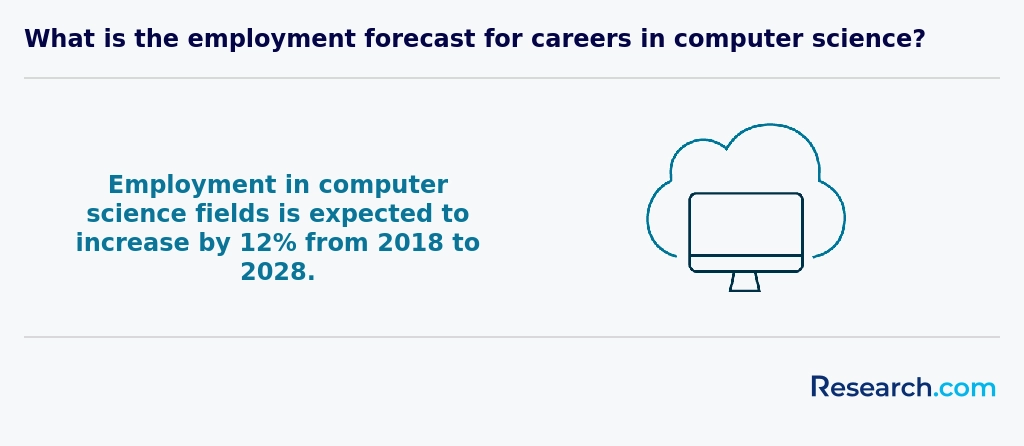
Data-driven analysts highlight that employment in computer and information technology occupations in the Midwest is expected to grow approximately 13% from 2020 to 2030, a rate outpacing the national average. Graduates report positive experiences securing roles as software developers, cybersecurity analysts, and data analysts, benefiting from the accessibility and practicality of accredited online IT programs offered by regional institutions. The affordability of tuition, typically around $10,000 annually for public universities, further enhances the value proposition for students.
Many Midwestern IT graduates also leverage remote work opportunities, expanding their reach beyond local markets. For those aiming to advance even further, understanding how do you become a cto provides a valuable pathway to leadership roles in technology.
2027 Best Online Bachelor's in Information Technology Degree Programs Ranking in the Midwest
Investing in your education is a significant decision that can shape your future, and the Research.com team understands the importance of making informed choices. To assist prospective students in the Midwest, we have meticulously crafted the "2027 Best Online Bachelor's in Information Technology Degree Programs Ranking in the Midwest." Our commitment to quality, credibility, and accuracy is reflected in the extensive research and analysis conducted to compile this ranking.
We utilized the following reputable data sources to ensure a comprehensive evaluation of information technology programs:
By exploring this ranking, readers will gain valuable insights into the leading online IT bachelor's programs in the Midwest, enabling them to make well-informed decisions about their educational and professional futures. For more details on our methodology, please visit our Research.com methodology page.


# 17 position
University of Detroit Mercy
Bachelor of Health Information Management and Technology (HIMT)


# 20 position
Fort Hays State University
Bachelor of Information Networking and Telecommunications (Information Systems)

Frequently Asked Questions About information technology
Online information technology students in the Midwest can maximize their learning by engaging actively with their coursework and instructors. Research from the National Center for Education Statistics shows that students who participate in discussion forums and virtual labs tend to achieve higher grades.
Midwestern universities often offer access to local tech industry mentors, internships, and networking events, which help students apply theoretical knowledge practically. Leveraging cloud-based tools and staying current with emerging technologies is also vital in this fast-evolving field.
Moreover, students should take advantage of campus resources such as tutoring centers and career services, even while studying online. According to the Computing Technology Industry Association, the Midwest sees a growing demand for IT professionals, supporting graduates' job prospects.
The information technology field is rapidly evolving, with new niches gaining importance, especially in the Midwest. Cybersecurity remains a top priority due to increasing digital threats, driving demand for specialists. Cloud computing is another expanding niche, as many Midwest businesses migrate to cloud services to improve efficiency. Data analytics is growing fast, supported by the region's strong manufacturing and healthcare sectors that rely on big data for decision-making.
Emerging areas like artificial intelligence (AI) and machine learning are also prominent, bolstered by research institutions in states such as Illinois and Ohio. According to the Bureau of Labor Statistics, jobs in these IT specialties in the Midwest are expected to grow by over 15% through 2029, outpacing many other sectors.
After completing an online information technology degree in the Midwest, preparing for the job market involves several key steps. First, gaining practical experience through internships or project-based courses is critical, as employers in Midwest tech hubs like Chicago and Minneapolis value hands-on skills. The Bureau of Labor Statistics projects a 15% growth in IT employment in the Midwest by 2030, emphasizing strong local demand. Networking through professional groups such as the Midwest Technology Network can open doors to job opportunities. Additionally, obtaining certifications in cloud computing, cybersecurity, or data analytics can improve job prospects in a competitive market.
Employers in the Midwest prioritize a mix of technical and soft skills for information technology graduates. Key technical abilities include proficiency in programming languages such as Python, Java, and SQL, along with knowledge of cybersecurity principles and cloud computing platforms. According to the U.S. Bureau of Labor Statistics, demand for IT professionals with skills in data analysis and network management is growing rapidly across the region.
Communication and problem-solving skills also rank highly, as Midwestern companies value IT graduates who can collaborate effectively and adapt to evolving technologies. A 2023 report from CompTIA highlights that 65% of employers in the Midwest seek candidates with both technical expertise and strong interpersonal abilities.
Finding internships relevant to an online information technology degree in the Midwest involves leveraging regional resources and university partnerships. Many universities partner with local tech companies in hubs like Chicago, Minneapolis, and Indianapolis, providing students access to internship listings through their career services.
The U.S. Bureau of Labor Statistics reports that IT employment in the Midwest grew by approximately 5% annually, increasing internship opportunities. Utilizing platforms such as Handshake or university portals specifically tailored to Midwest employers can help locate openings.
Additionally, professional organizations like the Midwest Technology Association offer networking events that connect students with industry professionals. Students should also consider contacting career centers directly to inquire about internships tailored to IT disciplines.
Online information technology degrees significantly enhance career mobility and advancement opportunities in the Midwest. Many Midwest employers, including top companies in Chicago, Indianapolis, and Minneapolis, increasingly recognize online degrees from accredited institutions, especially in IT fields.
According to the U.S. Bureau of Labor Statistics, IT roles in the Midwest are growing faster than average, with a projected 12% increase in tech jobs by 2030. Graduates with online IT degrees often gain flexibility to work remotely, which expands job prospects beyond local markets.
Additionally, employers value updated technical skills and certifications frequently offered through online IT programs, improving chances for promotions and specialized roles in cybersecurity, systems analysis, and software development.
Studying for an information technology degree online in the Midwest equips students with skills that cross traditional disciplinary boundaries. Many programs emphasize integrating IT knowledge with business, healthcare, and engineering, reflecting regional economic needs.
Midwestern institutions often collaborate with local industries, enabling students to engage with real-world problems requiring combined expertise in software, data management, and organizational strategy. According to the Metropolitan Policy Program at Brookings, the Midwest has seen a notable rise in tech-related interdisciplinary jobs, growing by 12% between 2017 and 2022.
This interdisciplinary approach prepares graduates for roles such as IT project managers, health informatics specialists, and systems analysts, where understanding multiple fields improves decision-making and innovation. As a result, students gain a competitive edge in a diverse and evolving job market.
Choosing between a thesis and a non-thesis online information technology degree in the Midwest depends on your career goals and learning preferences. A thesis option requires conducting original research and writing a comprehensive paper, which may benefit those pursuing roles in IT research, development, or planning for graduate studies.
Non-thesis programs focus on practical, coursework-driven learning, ideal for students seeking to enter the IT workforce quickly or advance technical skills. According to the National Center for Education Statistics, Midwest IT graduates often find employment in software development, cybersecurity, and network administration, sectors valuing hands-on experience over research.
Consider your preferred balance of research versus applied skills and review specific university requirements before enrolling.
Midwestern students seeking to study information technology (IT) abroad have several pathways, often through partnerships between US and international universities. Many Midwest institutions, such as the University of Illinois and Ohio State University, offer exchange programs allowing students to earn credits overseas while staying enrolled at their home school. These programs provide exposure to global IT trends and networks without the full cost of studying abroad.
Additionally, some Midwestern online IT degree programs integrate global coursework and virtual international collaboration projects. This option benefits students who cannot travel but want international experience.
Data from the Institute of International Education (IIE) reveals that about 10% of US IT undergraduates participate in study abroad activities, with growing interest in virtual global learning due to recent travel limitations.
Part-time job opportunities in the Midwest that complement online information technology (IT) degrees are diverse and growing. Roles such as IT support specialist, help desk technician, and junior network administrator are commonly available, providing relevant hands-on experience. According to the U.S. Bureau of Labor Statistics, the Midwest has seen a 5% growth in computer and IT jobs from 2021 to 2023, reinforcing demand.
Students can also explore internships with local tech firms or university IT departments. These positions enhance practical skills and improve resumes. Additionally, remote freelance work in coding, website development, and cybersecurity is increasingly accessible, matching the flexible schedules of online learners.
Online information technology students in the Midwest benefit from diverse networking opportunities despite studying remotely. Many Midwestern universities offer virtual career fairs, connecting students with regional employers in tech hubs like Chicago, Minneapolis, and Indianapolis. Professional associations such as the Midwest Chapter of the Association for Computing Machinery (ACM) provide online events and forums tailored to IT students.
Additionally, Midwestern states report a growing IT sector, with over 300,000 tech-related jobs in Illinois and Ohio combined, according to the U.S. Bureau of Labor Statistics (2023). This growth supports numerous local meetups, hackathons, and workshops accessible via digital platforms. Such events allow online students to build professional relationships and practical skills without leaving their home.
Alumni networks play a crucial role for students pursuing online information technology degrees in the Midwest. These networks offer access to professional connections, mentorship, and job opportunities within the region's growing IT sector. According to the Computing Technology Industry Association, the Midwest hosts over 80,000 IT jobs, making alumni ties valuable for entering the competitive job market.
Alumni often share insights about local employers, industry trends, and certifications that can boost employability. They also provide support through job boards and exclusive events, which enhance career development for online students who may lack on-campus resources.
Strong alumni communities help build a sense of belonging, encouraging students to engage with peers and professionals across the Midwest's diverse tech landscape.
Customizing an online information technology degree program in the Midwest allows students to align their studies with specific career goals. Many Midwestern universities offer flexible curricula with concentrations such as cybersecurity, data analytics, software development, and network administration.
Students can often choose electives or specialized tracks tailored to industry demands in this region, where IT jobs are growing at a rate of 11% annually according to the U.S. Bureau of Labor Statistics. Additionally, programs frequently include opportunities for virtual labs, internships, and capstone projects, which help develop practical skills.
Advisors at these institutions assist students in mapping their courses to achieve certifications or roles preferred in Midwestern technology sectors. This approach helps graduates enter fields relevant to their ambitions with a focused skill set, increasing their employability in a competitive market.
Online information technology students in the Midwest often face challenges related to technology access and stable internet connectivity. Rural areas in states like Iowa and Nebraska have reported slower broadband speeds, which can hinder participation in live lectures and timely submission of assignments, according to the Federal Communications Commission (FCC) 2023 Broadband Report.
Another common difficulty is balancing coursework with work and family obligations. Many IT students are working adults who find online learning demanding alongside professional and personal responsibilities. Additionally, some students report feeling isolated without in-person interaction, impacting motivation and engagement.
Lastly, navigating varied state accreditation and transfer policies can complicate program selection and credit transfer.
With an online information technology degree in the Midwest, you can pursue numerous professional certifications that enhance your career prospects. Popular options include CompTIA certifications such as Security+, Network+, and A+, which validate foundational IT skills and cybersecurity knowledge. Cisco's CCNA certification is also widely recognized, focusing on networking expertise. For those interested in project management, the PMP (Project Management Professional) certification is valuable. According to the U.S. Bureau of Labor Statistics, IT jobs in the Midwest are expected to grow by around 13% through 2031, emphasizing the demand for certified professionals. Earning certifications can substantially boost your salary potential and job opportunities.
Writing a strong application for an online information technology program in the Midwest requires clear focus on your academic background and relevant experience. Admissions committees often look for candidates with solid math and computer science foundations. Highlight any certifications, like CompTIA or Cisco, to boost your profile.
Include specific reasons for choosing the Midwest and the particular institution, as regional ties can be important. According to the National Center for Education Statistics, Midwest schools see steady enrollment growth in IT, signaling demand.
Demonstrate your communication skills and ability to learn online, since self-discipline plays a vital role in successful remote study. Lastly, tailor your personal statement to align with emerging industry needs in Midwestern tech hubs like Chicago or Minneapolis.
The global perspective on an information technology (IT) career emphasizes strong demand and diverse opportunities, especially for graduates in the Midwest. The U.S. Bureau of Labor Statistics projects 15% employment growth in computer and IT occupations from 2021 to 2031, faster than the average for all occupations.
Midwest states like Illinois, Ohio, and Michigan have growing tech hubs supporting IT roles with competitive salaries. According to CompTIA's 2023 report, the region hosts over 20,000 tech companies, reflecting a robust ecosystem for IT careers.
Globally, IT professionals help drive innovation and digital transformation, with skills in cybersecurity, software development, and cloud computing highly sought after. For Midwest students, earning an online IT degree can provide a strong foundation for these global demands.
Gaining practical experience is essential while pursuing an online information technology degree in the Midwest. Many programs incorporate virtual labs and simulation tools that allow students to practice coding, network configuration, and cybersecurity tasks in real time.
Additionally, internships with regional tech companies offer valuable hands-on opportunities. According to the Midwest Association of Technology Professionals, over 60% of IT students find internships through university partnerships. These internships often lead to full-time roles after graduation.
Students can also participate in local hackathons and virtual tech meetups, which are increasingly popular in cities like Chicago and Minneapolis. Such events foster collaboration and problem-solving skills vital for IT careers.
Choosing the right concentration within an online information technology degree program in the Midwest involves understanding local industry demands and personal career goals. The U.S. Bureau of Labor Statistics projects a 13% growth for IT jobs nationwide through 2032, with the Midwest showing strong demand in cybersecurity, data analytics, and network administration.
Students should research concentrations offered by schools accredited regionally, such as those recognized by the Higher Learning Commission. Reviewing regional employer needs can guide concentration choices; for example, Chicago and Minneapolis hubs often seek cybersecurity experts.
Additionally, consider programs providing hands-on labs or virtual internships, as practical experience is highly valued. Finally, reflect on interests and long-term goals to select a focus aligning with both passion and Midwest industry trends.
- Online Degree vs. Traditional: Choosing the Right Path https://beal.edu/online-degree-vs-traditional/
- Computer and Information Technology Jobs | University of Phoenix https://www.phoenix.edu/articles/it/computer-and-information-technology-careers.html
- How to Network with Alumni | Student Guide to Alumni Networking 2026 https://digitalrecordboard.com/blog/how-to-network-with-alumni/
- Careers in IT: Lucrative Fields for Recent Grads https://www.onlinemastersdegrees.org/careers/information-technology-it/
- Top 10 Emerging Business Niches of 2026 & How to Plan for Them https://prometai.app/blog/emerging-niches-business-planning
- Financial Aid for Online Programs | Illinois College https://www.ic.edu/online/tuition/financial-aid
- Information Technology Assistant Cover Letter Sample https://www.kickresume.com/en/help-center/information-technology-assistant-1-cover-letter-sample/
- How Technology Enhances Career Development Strategies | Manpower Ireland https://www.manpower.ie/blog/2024/02/how-technology-can-enhance-your-career-development-strategy
- Information Technology Master's Program (without Thesis) | Eastern Mediterranean University Cyprus https://www.emu.edu.tr/en/programs/information-technology-masters-program-without-thesis/1070
- IT Cover Letter Examples (Information Technology Jobs) https://zety.com/blog/it-cover-letter-example