2027 Easiest Online Information Technology Degree Programs Ranking in the South

Co-Founder and Chief Data Scientist
Choosing the right Information Technology degree program can feel overwhelming, especially with so many online options available in the South. To make this easier, the Research.com team of data scientists created the 2027 Easiest Online Information Technology Degree Programs Ranking in the South.
This article will guide you through programs that balance quality and accessibility, helping you find a path suited to your goals. Pursuing an IT degree opens doors to exciting careers, and we're here to support your journey toward success in this dynamic field.
Key benefits of getting online information technology degree in the South
- Information technology graduates in the South often enjoy competitive salaries, with many entry-level IT positions nationwide offering an average annual wage around $60,000 to $80,000, reflecting strong job market demand.
- Career paths include roles such as network administrator, systems analyst, or cybersecurity specialist, as seen in graduates from popular Southern universities who quickly find diverse opportunities in growing tech sectors.
- Online IT degrees from reputable Southern institutions provide flexible schedules and affordable access, helping students balance work and study while gaining practical skills valued by employers.
- 2027 Easiest Online Information Technology Degree Programs Ranking in the South
- What can I expect from online information technology degree in the South?
- Where can I work with online information technology degree in the South?
What can I expect from online information technology degree in the South?
The average cost of an online information technology degree in the South typically ranges from $10,000 to $25,000 for a full bachelor's program. Many Southern universities, such as those in Texas or North Carolina, offer competitive tuition rates, especially for in-state residents, which can significantly reduce expenses. For example, graduates often recall the relief of affordable tuition combined with strong financial aid options, making it feasible to balance work and study without excessive debt.
Students also appreciate programs that provide transparent cost structures upfront, helping them plan finances without surprises. One common scenario involves learners managing family obligations while leveraging flexible payment plans or scholarships available through Southern Association of Colleges and Schools Commission on Colleges (SACSCOC) accredited schools.
Beyond tuition, students often budget for minimal technology fees or online resource costs. Graduates highlight how choosing well-established online IT programs in growth hubs like Florida or Georgia not only lowers costs but also connects them to vibrant local job markets, reassuring them that their investment translates into strong career prospects.
Where can I work with online information technology degree in the South?
Online information technology graduates in the South find diverse career options in cities like Atlanta, Dallas, and Charlotte, where tech sectors are booming. Many alumni from popular Southern institutions enter roles such as network administrators or cybersecurity analysts at healthcare organizations managing patient data securely.
Graduates from well-known Southern colleges often land IT project manager or software developer positions with large corporations in finance and telecommunications. These companies value the versatile skills taught in online programs and offer steady growth paths. For instance, one graduate secured a remote cybersecurity role supporting a Dallas-based firm, enjoying the flexibility to work without relocating.
Government agencies and educational institutions across Southern states also hire IT specialists to maintain infrastructure and public service systems. Graduates appreciate how these jobs provide stability alongside opportunities to advance technical expertise.
Ultimately, Southern students earning online IT degrees can confidently target metropolitan hubs and remote roles, leveraging the region's expanding tech market to build rewarding, future-proof careers.
Graduates with online information technology degrees in the South typically start with salaries around $50,000 to $60,000, especially in entry-level roles like help desk technicians or junior network administrators. Many who studied at universities known for IT programs, such as those in Atlanta or Raleigh, have shared how these starting figures quickly improve when combined with internships or certifications.
As experience is gained, especially through roles like software development, median salaries can reach approximately $95,000 annually in key Southern cities like Dallas and Charlotte. These cities benefit from growing tech sectors, giving recent graduates clear pathways to higher-paying opportunities.
Pragmatically, focusing on skills in cybersecurity, cloud computing, and data analysis can significantly boost earning potential. Graduates who strategically build these skills often find themselves earning 10-15% more than the state average in urban tech hubs, turning their online degrees into valuable investments with measurable returns.
- Tuition for online IT degrees at public institutions in the South ranges from $7,000 to $15,000 per year, with private schools typically charging more but offering scholarships and financial aid.
- Programs often cover key IT topics such as cybersecurity, network administration, and software development with flexible schedules for working professionals.
- Entry-level IT jobs in the South have average starting salaries between $55,000 and $65,000 annually, reflecting strong regional demand.
- After five to ten years, IT professionals can earn between $85,000 and $110,000, especially in cybersecurity and cloud computing roles.
- Many Southern universities have solid industry connections that support internships and job placements, and accreditation by bodies like ABET is important for quality and recognition.
Completing an online information technology degree in the South mostly depends on your chosen level and pace. For full-time students aiming for a bachelor's degree, expect about four years, aligned with standard U.S. credit requirements. For example, graduates from the University of Alabama at Birmingham often follow this timeline, balancing coursework confidently with personal commitments.
If you're juggling work or family, part-time options can extend your journey to six years or more. Many students at the University of North Texas appreciate this flexibility, tailoring their study around demanding schedules without sacrificing progress.
Accelerated bachelor's programs offer a faster route-some finish in three years by taking extra credits or summer classes. Southern Association of Colleges and Schools accredited schools ensure these programs maintain high standards, giving students the confidence to commit to a faster track.
Associate degrees, common in specialties like cybersecurity, typically take two to three years online and serve as solid foundations or quick workforce entry points. For those targeting a master's, expect around two years full-time, with some Southern universities offering intensive formats completing in 12 to 18 months.
Choosing between online and on-campus information technology degrees in the South mainly comes down to how you want to learn and manage your schedule. Graduates from popular Southern universities often highlight the convenience of online programs that let them study remotely without relocating or dealing with daily commutes. This flexibility is ideal if you're balancing work or family, and it can save you thousands by avoiding housing and travel expenses. For instance, students enrolled in University of North Carolina system schools appreciate that online tuition closely matches on-campus costs, making it easier to budget.
On the other hand, on-campus programs at Southern colleges provide hands-on access to labs and face-to-face interactions with peers and professors. Graduates frequently mention the value of campus resources and in-person networking, which can open doors in competitive IT fields like cybersecurity and software development. If you thrive in real-time group projects and live discussions, the on-campus experience may suit you better.
Both formats maintain strong regional accreditation through SACSCOC, guaranteeing your degree is respected by employers in the South and beyond. Online students often develop independence and tech-savviness through virtual tools, while on-campus learners benefit from immediate collaboration. Deciding which environment fits your life means weighing these practical trade-offs carefully.
The average cost of an online information technology degree in the South typically centers around $15,000 for in-state students, according to recent data. Graduates from well-known Southern public universities have found this investment manageable, especially when considering the opportunities for scholarships and financial aid. For example, students attending popular schools like those in Texas or North Carolina report that staying in-state substantially reduces their total expenses compared to out-of-state peers.
Out-of-state students often face steeper costs, commonly nearing or exceeding $32,000 in total tuition fees. Private institutions in the South may charge even more, reflecting varied funding models and fewer subsidies than public colleges. However, many students appreciate the flexibility and program variety at these schools, which sometimes justifies the higher cost. When planning finances, keeping in mind all fees-such as technology and materials fees-is crucial as they can add several hundred to a few thousand dollars to the total.
To budget effectively for an affordable online information technology degrees southern US, prospective students should research each school's specific tuition rates and available aid programs. Graduates from regional universities often highlight the importance of leveraging in-state tuition eligibility and financial scholarships to reduce costs. Also, exploring career prospects connected to the program can help balance expenses, especially when considering the positive outlook on mis salary and related fields.

When pursuing an online information technology degree in the South, the first step is completing the FAFSA to access federal aid like Pell Grants, which can offer up to $7,395 for those demonstrating financial need. Graduates from well-known Southern institutions often emphasize how this non-repayable aid significantly eased their initial tuition burden. Next, explore your state's financial aid options-Texas residents can apply to the Texas Grant Program, while students in Georgia benefit from the HOPE Scholarship, and Florida learners from Bright Futures. These state-specific programs provide vital tuition support, especially for public universities.
Merit-based scholarships are another practical resource. Many Southern universities with strong IT programs, such as those in North Carolina or Alabama, offer scholarships rewarding academic achievement or IT field dedication. Several graduates recall that these scholarships helped reduce their reliance on loans.
Working students should investigate employer tuition assistance programs, common in Southern tech and healthcare sectors. Combining these with federal student loans-which offer low-interest rates and flexible repayment-creates a manageable financial plan without overwhelming debt.
To enroll in an online information technology degree program in the South, the first step is securing a high school diploma or an equivalent like a GED. This baseline is non-negotiable across institutions such as those in Texas and Florida, where many graduates attest that having this credential opened doors to accessible online learning options.
Next, be ready to provide official transcripts verifying your prior education. Some Southern colleges, aiming to maintain academic standards, ask for a minimum GPA around 2.0 to 2.5. Many students who balanced work and studies found this requirement manageable with consistent effort.
Demonstrating competency in math and English is also crucial. Graduates from popular Southern universities emphasize that solid math skills eased their grasp of IT concepts, whether proven through SAT scores or placement tests. Even when test submissions are optional, strong communication and analytical abilities remain vital.
- Basic computer literacy and familiarity with software tools like Microsoft Office or coding platforms
- Proficiency in reading and writing in English for effective online communication
- Self-discipline to successfully navigate self-paced, virtual learning environments
Some programs, especially associate degrees or tech certificates, value prior IT-related work experience. Many students reported that experience from internships or entry-level jobs accelerated their understanding of coursework and practical challenges.
Lastly, reliable access to a computer and high-speed internet is essential for fully participating in virtual labs and discussions, often highlighted by graduates who balanced family and study commitments from home.

Online information technology degree programs in the South typically include foundational courses that build essential skills and knowledge. Graduates from institutions like those in Texas or Georgia recall how courses such as Introduction to Information Technology laid the groundwork by explaining IT systems, hardware, and software in relatable terms. Programming Fundamentals, covering languages like Python or Java, gave them practical coding abilities needed for real-world projects.
Networking Concepts and Administration courses taught students about network setups and cybersecurity basics, crucial for protecting systems in industries prevalent in the South. Database Management classes prepared graduates to handle data efficiently, while Systems Analysis and Design helped them plan IT solutions that meet business needs.
Students appreciate that many programs add electives like Web Development and Mobile App Design, letting them tailor their skills toward careers in booming Southern tech markets. These course combinations create a balanced, practical education that graduates find both empowering and relevant to rapidly growing IT jobs in the region.
Online information technology degree programs in the South typically offer specializations tailored to meet regional industry needs. Graduates from universities in states like Georgia and Florida often highlight cybersecurity, network administration, and data analytics as practical options. Cybersecurity equips students to address rising concerns over data breaches, a vital skill in Southern metro hubs such as Atlanta.
Popular South regional IT degree concentration options include software development and cloud computing, where students learn to build and manage applications using platforms like AWS and Microsoft Azure. For example, graduates from prominent Southern colleges find that cloud computing skills help them secure roles in fast-growing tech sectors.
Many students also benefit from interdisciplinary tracks, combining IT with business or healthcare, enabling them to engage with emerging fields like healthcare informatics. This approach reflects the increasing demand for adaptable tech professionals in the South.
Those looking for accelerated options might explore programs like the fastest online masters in management information systems to enhance their career trajectories efficiently.
Start by verifying the accreditation of the program, focusing on regional ones like SACSCOC that Southern universities hold. Graduates from schools with ABET-accredited IT degrees often speak highly of their in-depth, industry-aligned curriculum, which gave them confidence when entering competitive job markets in cities like Atlanta or Charlotte. Consider programs offering diverse specializations such as cybersecurity or data analytics since many students have benefited from tailoring their studies to the fastest-growing fields in the region.
Cost is another major factor-many find affordable IT degree programs Southern US residents value, especially at public universities where in-state tuition significantly reduces their financial burden. Online flexibility is equally crucial; asynchronous courses and strong technical support have helped numerous graduates balance work and study without stress. Finally, check job placement rates and alumni networks to ensure the program's practical impact on career success. For those comparing options, exploring online management information systems programs can also offer complementary paths in IT-related fields.
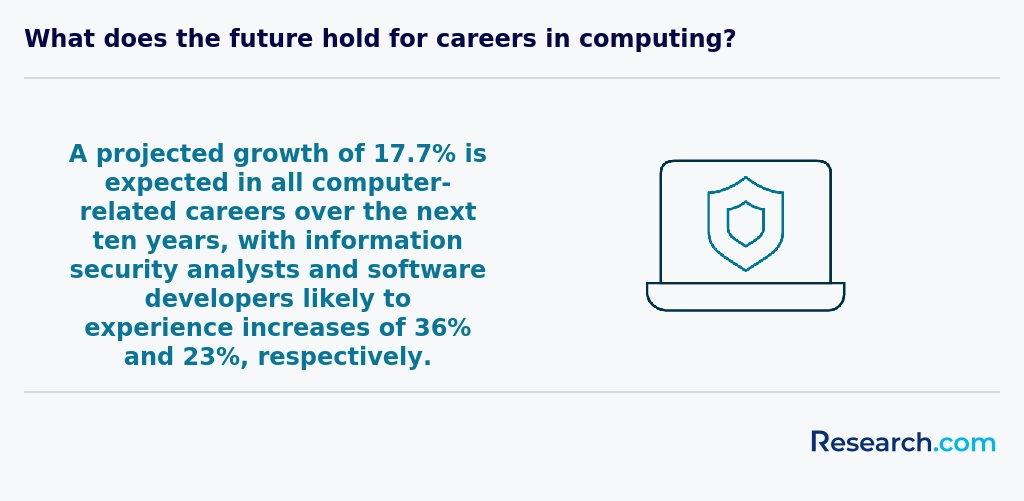
Graduates with an online information technology degree in the South find diverse career paths aligned with the region's expanding tech landscape. Popular roles include network administration, where graduates support secure communication systems at companies across Texas or Florida. Cybersecurity positions are increasingly available, reflecting the South's rising cyber threat landscape, offering graduates a chance to protect critical data in healthcare or finance sectors.
Software development is another common path, with many alumni building mobile and web applications directly impacting enterprise efficiency. Data analysis roles also attract graduates, helping Southern businesses harness big data for smarter decisions. Technical support and IT consulting provide practical, hands-on problem-solving jobs that many new graduates from universities like Georgia Tech's online programs appreciate for their real-world applicability. For those weighing options, exploring an online information technology course in the South can open doors to these opportunities and position students well for IT degree job opportunities in Southern states.
The online information technology job market in the South is robust, with graduates from popular universities like those in Austin and Raleigh finding numerous opportunities. Graduates often share how their flexible online IT degrees helped them quickly adapt to growing demands in cybersecurity, cloud computing, and data analysis fields. Metropolitan areas such as Atlanta and Miami have seen employer growth that values tech skills paired with practical experience and certifications. For many students from Southern schools, internships facilitated by online programs have been critical in landing competitive roles.
South region IT degree employment opportunities benefit from tuition costs lower than the national average, making it financially feasible for students balancing work and study. Salaries in southern tech hubs range between $70,000 and $95,000 annually, encouraging graduates to pursue specialized certifications alongside their degrees. Many graduates find that applying the steps to becoming a cto helps them plan a long-term career path within these expanding tech sectors.
2027 Easiest Online Information Technology Degree Programs Ranking in the South
Investing in your education is a significant decision that can shape your future, and the Research.com team understands the importance of making informed choices. To assist prospective students in the South, we have meticulously crafted the "2027 Easiest Online Information Technology Degree Programs Ranking in the South." Our commitment to quality, credibility, and accuracy is reflected in the extensive research and analysis conducted to compile this ranking.
We utilized the following reputable data sources to ensure a comprehensive evaluation of online IT degree programs:
By exploring this ranking, readers will gain valuable insights into the most accessible and quality online Information Technology degree programs in the South, enabling them to make informed decisions tailored to their educational goals. For more details on our methodology, please visit our Research.com methodology page.
# 1 position
University of Maryland Global Campus
Master of Cybersecurity Technology

# 2 position
University of Maryland Global Campus
Bachelor of Cyber Operations





# 19 position
Seminole State College of Florida
Bachelor of Information Systems Technology


Frequently Asked Questions About information technology
Online information technology degree students in the South can maximize their learning by engaging actively with their coursework and utilizing available resources. Many Southern schools offer access to virtual labs, allowing practical experience in network configuration and cybersecurity, which are critical IT skills. According to the Southern Regional Education Board, nearly 60% of Southern institutions provide dedicated online tutoring and technical support. Students should also participate in online forums and study groups to collaborate and solve real-world problems together. Leveraging internship opportunities within Southern tech hubs like Atlanta or Dallas can further enhance practical knowledge and job readiness.
Maintaining consistent communication with instructors and setting a regular study schedule helps manage time effectively in an online setup. Southern universities often provide career services specifically tailored for IT students, including resume workshops and interview preparation. Staying updated with the latest IT trends through professional organizations such as the Association for Computing Machinery (ACM) can also improve learning outcomes. These strategies foster a comprehensive and interactive educational experience tailored to online learners in the South.
The information technology field is rapidly evolving, with new niches emerging that offer exciting career opportunities. In the South, growth in sectors like cybersecurity, data science, and cloud computing is especially strong. According to the U.S. Bureau of Labor Statistics, cybersecurity jobs are projected to grow 35% nationally by 2031, with technology hubs in states like Texas and Georgia leading the way. Additionally, artificial intelligence and machine learning are becoming key focus areas in many Southern universities' online IT programs.
Healthcare IT and Internet of Things (IoT) technologies are also expanding, driven by regional investments. These niches provide students with innovative skills that align well with current job market demands.
After completing an online information technology degree in the South, graduates should focus on gaining practical experience. Internships and cooperative education programs can enhance skills and improve employability. Many Southern states, including Texas and Georgia, have strong IT job markets, with expected growth rates of 15% to 20% over the next decade according to the U.S. Bureau of Labor Statistics.
Networking is essential; joining local chapters of professional organizations such as the Association for Computing Machinery (ACM) or local tech meetups can lead to job opportunities. Additionally, obtaining industry certifications like CompTIA or Cisco can boost credentials and attract employers.
Soft skills such as communication and teamwork are also critical. Employers in the South increasingly seek candidates with both technical expertise and the ability to collaborate effectively in diverse workplaces.
Employers in the Southern US prioritize a mix of technical and soft skills for information technology graduates. Key technical skills include proficiency in cybersecurity, cloud computing, and data analytics, reflecting the region's growing tech industry demands. According to the Computing Technology Industry Association (CompTIA), 65% of Southern IT jobs require cloud expertise as of 2023.
Equally important are soft skills such as problem-solving, communication, and teamwork. The Southern Regional Education Board highlights that 72% of employers value graduates who can adapt quickly in dynamic work environments.
Understanding programming languages like Python and Java remains crucial for many IT roles in the South.
Finding internships in the South for information technology students often begins with leveraging university career services. Many Southern universities maintain partnerships with local businesses in growing tech hubs like Atlanta, Austin, and Raleigh. The Tech Talent Pipeline initiative reports that IT job growth in these cities has exceeded 10% annually, making internships more available.
Online platforms such as Handshake and LinkedIn specifically list regional internships, helping students connect with employers remotely. Additionally, professional networks like the Southern District ISA provide events and resources tailored to IT students. Registering early and preparing a strong resume increases a candidate's chances substantially.
The U.S. Bureau of Labor Statistics confirms that technology fields remain among the fastest-growing sectors in Southern states, underscoring the ongoing demand for interns. Combining university support, regional networking, and targeted online searches is crucial for success.
Obtaining an online information technology (IT) degree in the South can significantly enhance career mobility and advancement. The Southern U.S. has a growing technology sector, with states like Texas, Georgia, and North Carolina leading in IT job growth, according to the U.S. Bureau of Labor Statistics. This growth creates new opportunities for professionals holding relevant degrees.
Online IT programs offer flexibility for working adults, enabling them to upskill without interrupting their careers. Employers in the South increasingly recognize accredited online degrees, valuing practical skills in cybersecurity, data management, and software development.
Graduates with online IT degrees often qualify for higher-level positions and salary increases, contributing to long-term career growth.
Studying for an information technology degree in the South equips students with skills that extend beyond traditional IT roles. Many Southern universities incorporate interdisciplinary coursework, blending IT with business, healthcare, and cybersecurity. This approach prepares students to work effectively in diverse industries where technology intersects with other fields.
According to the Southern Regional Education Board, over 60% of IT programs in the region offer dual-focus degrees or minors. These programs develop critical thinking and problem-solving skills applicable to roles such as health informatics, financial technology, and data analytics.
Additionally, Southern schools emphasize practical, real-world projects and collaborations across departments, fostering teamwork and communication skills that are vital in interdisciplinary careers. This comprehensive preparation supports graduates aiming to lead in complex, technology-driven environments.
Choosing between a thesis and a non-thesis online information technology (IT) degree program in the South involves understanding your career goals and learning preferences. Thesis programs typically require original research and are suited for students aiming for advanced technical roles or doctoral studies.
Non-thesis options focus more on practical skills and coursework, appealing to working professionals seeking immediate application in IT fields such as cybersecurity or network administration. According to the Southern Regional Education Board, many Southern universities tailor non-thesis programs to industry needs, reflecting the region's growing tech job market.
Consider your available time and whether you prefer research or hands-on experience. Reviewing program curriculum and asking about support services can provide clarity on which path fits best.
Students in the South seeking to study information technology abroad have several online pathways available through accredited U.S. universities offering global IT programs. Many southern institutions partner with international universities to provide joint online degrees or study-abroad options tailored for IT majors. For example, Georgia Tech's online Master of Science in Computer Science enables students to engage with international tech communities virtually.
According to the Southern Regional Education Board (SREB), over 60% of southern colleges have agreements supporting overseas study, often embedded within online IT courses. These programs enhance students' global competencies without relocating physically, making them ideal during travel or visa restrictions.
Ultimately, leveraging these partnerships can expand international experience while earning recognized IT credentials entirely online.
Part-time job opportunities in the South that complement information technology degree education are diverse and growing. Due to the region's expanding tech industry, students can find roles such as IT support specialists, web developers, and cybersecurity assistants. These positions provide practical experience alongside academic learning, enhancing skills vital for future employment. According to the U.S. Bureau of Labor Statistics, IT job growth in Southern states is expected to outpace national averages by 2028, particularly in cities like Atlanta and Austin.
Many universities and community colleges also offer campus jobs focused on IT, including help desk support and network maintenance.
These part-time roles not only build technical competence but also improve problem-solving and communication skills relevant in IT careers.
Online information technology students in the South have access to diverse networking opportunities both virtually and in person. Many universities in this region offer online platforms, virtual career fairs, and alumni networks specifically for IT students. Additionally, southern metropolitan areas like Atlanta, Austin, and Raleigh host numerous tech meetups and conferences, which are often accessible to students through discounted virtual passes or local chapters.
Industry organizations such as CompTIA and local IT associations provide resources and networking events tailored to southern professionals. According to the Southern Regional Education Board, over 30% of Southern IT graduates engage in professional networking within six months post-graduation, enhancing job placement prospects.
Alumni networks offer significant benefits to online information technology degree students in the South. These networks provide access to experienced professionals who can offer mentorship and career advice tailored to the regional IT landscape. According to the Southern Regional Education Board, strong alumni ties improve job placement rates by connecting students with local tech companies and startups thriving in the region.
Many Southern universities host virtual networking events and job fairs, which enable students to build valuable connections despite remote learning. Furthermore, alumni often share insider knowledge about evolving industry trends and certifications, helping students stay competitive.
Studies show that graduates engaged with alumni groups are 30% more likely to receive interview opportunities in their first year post-graduation.
Online information technology degree programs in the South often offer flexible curricula that allow students to tailor their studies to specific career goals. Many schools provide concentrations such as cybersecurity, data analytics, or network administration, letting students focus on in-demand skills. According to the Southern Regional Education Board, customizing your coursework can enhance job readiness and earning potential.
Elective courses and certification opportunities, such as CompTIA or Cisco credentials, are often integrated into online programs. This helps align academic work with industry needs.
Advising services and career counseling available through southern universities support students in mapping education to their professional objectives.
Online information technology students in the South often face several challenges that can impact their educational experience. One major issue is unreliable internet access in rural areas; according to the Federal Communications Commission, about 22% of Southern rural residents lack broadband, which hampers consistent participation in online classes. Additionally, balancing work, family, and study is a common difficulty, as many IT students in the South are adult learners juggling multiple responsibilities.
Technical support and hands-on labs can also be less accessible in online programs, making it harder to gain practical skills. Finally, fewer local networking opportunities may limit connections vital for career growth in IT fields.
With an online information technology degree, you can pursue a variety of professional certifications that enhance your career prospects in the Southern U.S. Common certifications include CompTIA A+, Network+, and Security+, which validate foundational IT skills. More advanced options like Cisco's CCNA and Microsoft Certified: Azure Fundamentals are also popular among graduates.
The Southern job market heavily values certifications; for example, a 2023 report from the Southern Regional Education Board noted that IT certifications increase employment chances by up to 20% in states like Texas and Georgia. Certifications prove your expertise and often lead to higher salaries in the region.
Many programs in the South align their curricula to prepare students for these well-recognized industry certifications, providing focused training to support exam success.
To write a winning application for an online information technology program in the South, start by highlighting your relevant skills and experience clearly. Emphasize practical IT knowledge, such as proficiency in programming languages or cybersecurity tools, since Southern employers value hands-on expertise (Bureau of Labor Statistics, 2023).
Next, tailor your personal statement to reflect why you chose the South's online programs, noting the region's growing tech hubs in cities like Atlanta and Raleigh. Demonstrate an understanding of local industry needs and how the program aligns with your career goals.
Include any certifications or prior coursework related to IT, as many Southern universities prefer applicants with some foundational knowledge. Lastly, request strong recommendation letters from professionals or educators familiar with your technical abilities to strengthen your application.
The global perspective on an information technology (IT) career highlights strong and growing demand. In the United States, including the South, the Bureau of Labor Statistics projects a 13% growth in IT jobs from 2022 to 2032, faster than average for all occupations. This growth is driven by expanding digital infrastructure and cybersecurity needs.
Southern states like Texas, Florida, and Georgia are significant IT hubs with increasing opportunities in cloud computing and software development. According to CompTIA's 2023 report, Southern tech sectors contribute substantially to innovation and exports, positioning graduates well for both national and international careers.
Additionally, a global IT workforce demands adaptability and ongoing learning, skills emphasized in many online IT degree programs available in the South.
Gaining practical experience while studying for an online information technology degree in the South is crucial for career readiness. Many Southern universities partner with local businesses in tech hubs like Atlanta and Austin to offer virtual internships.
Students can also participate in project-based courses where they work on real-world IT problems. According to the National Center for Education Statistics, the Southern region accounts for over 30% of U.S. IT job growth, making local connections valuable.
Additionally, certifications such as CompTIA or Cisco offered alongside degree programs enhance hands-on skills. Volunteering for nonprofits or joining IT-focused student groups further builds experience during studies.
Choosing the right concentration within an online information technology degree in the South begins with evaluating your career goals. Popular concentrations include cybersecurity, data management, software development, and network administration. According to the U.S. Bureau of Labor Statistics, the Southern states are experiencing a 12% faster growth rate in cybersecurity roles compared to the national average, highlighting a regional demand. Research state labor market trends and regional industry needs, as this can influence job availability after graduation.
Consider program accreditation as well, which ensures education quality and can affect job prospects. Look for concentrations offering hands-on experience or virtual labs, helping you develop practical skills. Finally, seek programs with strong faculty expertise and alumni networks in your desired concentration.
- Best Online Bachelor's in Information Technology Programs I Computerscience.org https://www.cyberdegrees.org/listings/best-online-bachelors-in-information-technology-programs/
- How long does it take to complete an IT program? | WCC - Western Community College https://wcc.ca/blog/how-long-does-it-take-to-complete-an-it-program/
- 2. How to Chart Your Connections https://ohioemploymentfirst.org/expanding-your-opportunities-through-networking-pre-ets/activity-2
- The Best Online Bachelor's in Information Technology Programs https://www.onlinecolleges.net/rankings/best-online-bachelors-information-technology-degree-programs/
- INFORMATION TECHNOLOGIES (THESIS / NON-THESIS) - Lisansüstü Eğitim Enstitüsü https://lee.nisantasi.edu.tr/en/information-technologies-thesis-non-thesis/
- International Careers and Global Opportunities https://www.teachforlife.com/post/how-international-opportunities-shape-future-careers
- Online Information Technology Degrees https://mycollegeguide.org/online-information-technology-degrees/
- (apply for a place in the Bachelor of Information Technology) Letter of Motivation https://essayforum.com/letters/apply-place-bachelor-information-technology-39720/
- How Educational Technologies Impact Student Success and Equitable Learning Experiences - Every Learner Everywhere® https://www.everylearnereverywhere.org/blog/how-educational-technologies-impact-student-success-and-equitable-learning-experiences/
- IT Cover Letter Examples (Information Technology Jobs) https://zety.com/blog/it-cover-letter-example