2027 Most Affordable Online Bachelor's in Information Technology Degree Programs Ranking in Wisconsin

Co-Founder and Chief Data Scientist
If you're a Wisconsin resident considering an online bachelor's degree in Information Technology, this article is designed just for you. It features the 2027 Most Affordable Online Bachelor's in Information Technology Degree Programs Ranking in Wisconsin, developed by the Research.com team of data scientists to guide your decision.
Choosing the right program can feel overwhelming, but this ranking highlights quality options that balance cost and value. Earning an IT degree can open doors to exciting career opportunities and personal growth. Dive in to explore programs that fit your goals and budget with confidence.
Key benefits of getting online information technology degree in Wisconsin
- Information technology degree graduates in Wisconsin can expect rewarding careers with the average salary for IT professionals in the US typically ranging from $60,000 to $100,000 annually, reflecting strong earning potential.
- A graduate from the University of Wisconsin's IT program often pursues diverse roles such as system analysts, network administrators, or cybersecurity specialists, offering varied and exciting career paths.
- Completing an online IT degree from a university like UW Flexible Option provides flexibility, allowing you to balance work and study while gaining practical skills that employers highly value.
- 2027 Most Affordable Online Bachelor's in Information Technology Degree Programs Ranking in Wisconsin
- What can I expect from online information technology degree in Wisconsin?
- Where can I work with online information technology degree in Wisconsin?
What can I expect from online information technology degree in Wisconsin?
The average cost of pursuing an online information technology degree in Wisconsin is quite reasonable, especially when compared to out-of-state alternatives. Many students at well-known institutions like the University of Wisconsin-Milwaukee or Madison Area Technical College benefit from in-state tuition rates that keep expenses manageable. Graduates often share how this affordability allowed them to focus more on learning and less on financial stress, making their educational journey smoother and more rewarding.
In practical terms, public universities in Wisconsin typically charge in-state tuition for online courses, which can be as low as half the cost of private or out-of-state programs. Coupled with the availability of scholarships and financial aid specifically for tech students, the total investment feels achievable. Imagine balancing work, family, and education without the burden of overwhelming costs-this is a reality many Wisconsin IT students experience.
This financial advantage opens doors for more students to gain critical skills like cybersecurity and programming, paving the way for careers in thriving local sectors such as healthcare or manufacturing. With Wisconsin's strong tech job market, investing in an online IT degree here isn't just affordable, it's a smart move for your future.
Where can I work with online information technology degree in Wisconsin?
Graduates with an online IT degree in Wisconsin find a wide range of job opportunities across thriving industries. Many graduates from institutions like the University of Wisconsin-Madison or Milwaukee School of Engineering land roles in manufacturing companies that emphasize automation and cybersecurity. Imagine yourself optimizing network systems or protecting valuable data in these fast-paced environments, where your skills directly impact production efficiency.
Healthcare is another vibrant field where employers seek IT talents. Graduates often work on electronic health record systems or support telemedicine technologies, helping hospitals and clinics improve patient care through technology. This real-world impact brings both professional satisfaction and a sense of contribution.
Financial institutions in Wisconsin, especially in Milwaukee, offer careers managing secure online platforms and fraud detection systems. With your degree, you could be the one safeguarding critical data for banks and credit unions, enjoying the rewarding challenge of combating cyber threats.
Tech startups and established firms in Madison provide dynamic environments to develop software, manage databases, or lead IT projects. Many graduates describe the excitement of working in these innovative hubs, where their ideas fuel real innovation.
Wisconsin's government jobs also value IT expertise to maintain vital public services and infrastructure. Here, you bring your knowledge to serve your community, ensuring technology runs smoothly behind the scenes.
Graduates with an online information technology degree in Wisconsin typically start their careers earning between $50,000 and $65,000 annually. I've seen recent grads from well-known schools like the University of Wisconsin-Milwaukee step confidently into roles such as IT support specialists or help desk technicians, building solid foundations while gaining practical skills. As these graduates gain experience and certifications-like CompTIA Security+ or Cisco-they often move into mid-level roles, where salaries range from $75,000 to $100,000. For example, alumni working as network administrators or cybersecurity analysts in Madison find that the state's growing tech scenes offer real opportunities to increase earning power quickly.
Senior IT professionals in Wisconsin, including project managers and senior software engineers, can earn over $110,000 a year, especially in cities like Green Bay and Milwaukee where tech companies thrive. Graduates who combine their degree with hands-on experience and strong certifications find their salaries reflecting their growing expertise and the state's demand for specialized skills.
- Online IT degrees in Wisconsin cost between $30,000 and $45,000, with public schools offering lower tuition for in-state students.
- The state employs about 100,000 IT professionals in areas like software development, cybersecurity, and network administration.
- The demand for IT workers in Wisconsin is projected to grow by 10% over the next decade.
- Entry-level IT salaries start around $55,000 to $65,000, with mid-career earnings ranging from $80,000 to $100,000.
- Many programs focus on industry certifications such as CompTIA, CISSP, and Cisco to boost job prospects.
If you're pursuing an online information technology degree in Wisconsin, expect a typical timeline of about four years for full-time study, much like many graduates from the University of Wisconsin system experience. They often balance busy schedules by taking summer courses or enrolling year-round, which helps keep momentum and finish on time. For part-time students, especially those juggling careers or family commitments, the journey may stretch to five or six years, but the flexibility lets them progress steadily without overwhelming stress.
Many students leverage transfer credits from Wisconsin's community colleges, cutting their study time to two or three years. Imagine a student who starts at a local technical college, then transfers seamlessly to a UW campus, accelerating their path thanks to credits already earned. This kind of strategic planning fills students with confidence, knowing their hard work counts toward their degree.
Online programs here are designed with adults in mind, blending quality with efficient pacing so learners feel supported every step of the way. By embracing these options, you can tailor your education to your life and goals, making the journey both achievable and rewarding.
Choosing between an online or on-campus IT degree in Wisconsin hinges on how you envision your learning journey. Imagine a working professional juggling family duties in Milwaukee who values the freedom to study anytime-online programs at institutions like the University of Wisconsin-Milwaukee offer that flexible schedule, letting you dive into cybersecurity or software development courses without leaving your home. Graduates often share how mastering time management became their greatest reward.
Conversely, envision a student at the Milwaukee School of Engineering immersing themselves in hands-on labs and face-to-face collaboration that sparks creativity and immediate feedback. The vibrant campus environment enhances networking, fostering friendships and career connections that online learners might miss.
Financially, online students commonly celebrate savings on housing and commuting, while on-campus peers balance tuition with enriching experiences in libraries and student organizations. Both paths equip you with valuable skills; it's about matching your lifestyle and learning style to what feels right in Wisconsin's dynamic IT landscape.
The average cost of an online information technology degree in Wisconsin typically centers around a median total of $47,160, with many students finding their investment well worth the opportunity to advance their careers. Graduates from well-known institutions such as the University of Wisconsin consistently highlight the balance between affordable tuition and quality education as a key factor in their satisfaction. Public universities often offer in-state tuition that is more accessible, generally falling within the $7,000 to $12,000 range annually, which has helped many local students embark on their IT journey without overwhelming debt.
For those exploring affordable online IT bachelor's programs Wisconsin tuition can vary depending on residency and school choice, but the smart budgeting of additional expenses like books and software can make the overall experience manageable. Graduates often share how pursuing their degree online allowed them to save on living costs, making the path to a degree more flexible and financially feasible.
Out-of-state students should prepare for potentially higher total costs, sometimes reaching around $55,800, but numerous private colleges offer financial support that can ease this burden. Many successful alumni credit financial aid and scholarships as vital to accessing quality IT education in Wisconsin.
It's also worth exploring current career outcomes through resources like mba in information technology management jobs to understand long-term value. Being informed about both costs and career prospects ensures wise investment in your future in this thriving technology field.

Students pursuing online information technology degrees in Wisconsin can find strong financial support through federal aid like Pell Grants, which provide up to $7,395 for eligible students during the 2023-2024 academic year. For example, graduates from the University of Wisconsin's online IT programs often recall how Pell Grants helped them ease tuition worries while focusing on mastering their skills.
State aid also plays a crucial role. The Wisconsin Higher Education Grant (WHEG) offers need-based assistance of $500 to over $2,500 annually, making a real difference for many at schools like Wisconsin Lutheran College. Additionally, the Wisconsin Tuition Grant supports students at private nonprofit colleges, sometimes benefitting those enrolled in online IT tracks.
Many institutions provide scholarships tailored to IT students based on merit or need; these awards can range from $1,000 to several thousand dollars. Graduates from Marquette University's IT programs have shared how institutional scholarships lifted financial stress and fueled their motivation toward success.
Working professionals can tap into employer tuition reimbursement, especially in Wisconsin's vibrant tech sector, turning career growth and education into a rewarding journey. Private scholarships from groups like the Wisconsin Technology Council also add valuable funding opportunities, helping online IT students transform ambitions into reality.
To enroll in an online information technology degree program in Wisconsin, you'll first need a high school diploma or equivalent like a GED. Many graduates from popular institutions like the University of Wisconsin system found that strong foundations in math and science made their transition into IT courses smoother and more confident.
Most programs expect a minimum GPA around 2.5 to 3.0, which shows you're ready for the rigors of technical study. Some universities still consider SAT or ACT scores, though many have shifted to test-optional policies, offering flexibility especially after recent challenges like the pandemic.
Having basic computer skills is crucial; alumni often recall how early exposure to programming or computer applications helped them breeze through foundational classes. Transfer students will want to prepare official transcripts showing prior credits, especially if you've taken related courses elsewhere or gained practical IT experience on the job.
Finally, personal statements play a key role. Graduates highlight how sharing their passion for technology and career goals in these statements helped admissions teams see their potential beyond grades.
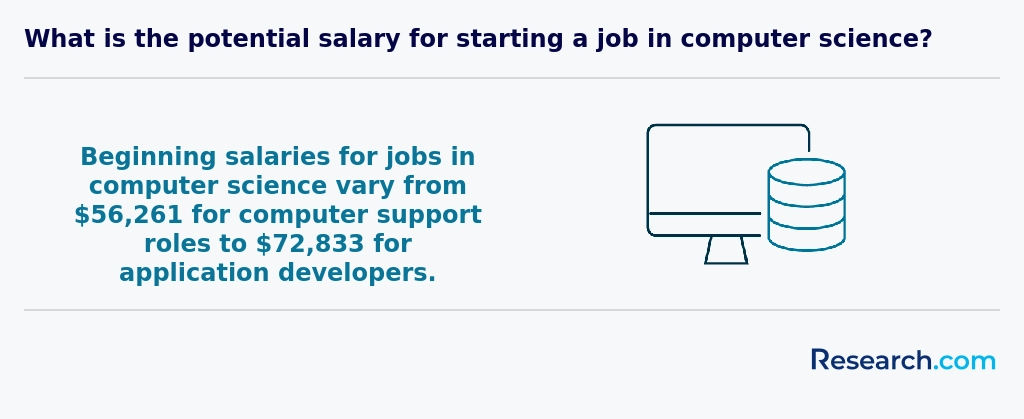
When pursuing an online information technology degree in Wisconsin, you'll dive into courses that truly prepare you for the tech world ahead. Graduates from well-known state universities often reflect on how core classes like Introduction to Information Technology helped them grasp the essentials-think understanding how your laptop really works and the digital systems behind everyday apps.
Programming courses using languages like Python or Java transform theory into practical skills, sparking excitement when you solve real problems through code. Picture designing your own app or automating tasks, just like many students at popular Wisconsin colleges do.
Network fundamentals and cybersecurity classes bring you face to face with protecting vital information and designing systems resilient to threats, something graduates say feels empowering given today's digital challenges. Database management and systems analysis further equip you to build and maintain the backbone of the tech ecosystem.
Many programs also offer electives like cloud computing or data analytics, enabling you to tailor your path. Hands-on virtual labs used by Wisconsin institutions simulate real-world IT environments, making learning interactive and highly relevant.
When exploring online information technology specializations Wisconsin offers, you'll find options designed to boost your career in cutting-edge areas. Graduates from popular colleges in Wisconsin often share how focusing on cybersecurity equipped them to defend critical networks against real-world threats, a skill in high demand thanks to state initiatives supporting tech growth. Others have thrived by choosing network administration, mastering the management of systems that keep businesses connected and efficient across Wisconsin's diverse economy.
IT degree concentration options in Wisconsin also include software development, where students learn to create tailored applications that solve practical problems, and data management and analytics, helping companies harness the power of large datasets for smarter decisions. Many graduates from Wisconsin's leading institutions emphasize how IT project management prepared them to lead complex tech initiatives smoothly, blending leadership with technical savvy.
For those beginning their journey, considering programs that offer certifications like CompTIA or Cisco can be a game-changer. If you're looking for the easiest online degree in information technology with meaningful specialization, Wisconsin's online programs provide supportive paths tailored to your goals and the state's vibrant tech community.
When selecting the best online IT degree in Wisconsin, start by confirming regional accreditation, such as from the Higher Learning Commission, to ensure your credits transfer smoothly and your education holds value. Graduates from well-known universities in Wisconsin often praise programs that blend core subjects like network security and programming with hands-on projects reflecting the state's growing tech scene. Many affordable information technology degrees Wisconsin offer flexible schedules and strong student support, making it easier to juggle work or family while studying.
Look for programs that emphasize real-world skills, internship opportunities, and connections with local employers-features that have helped graduates from Wisconsin's top colleges secure great jobs earning close to the state's $91,000 median IT salary. Also, review faculty profiles to find instructors with relevant industry experience who inspire confidence and engagement. If you're deciding between paths, understanding the difference between comp sci and it can clarify your goals and guide your choice toward the best online IT degree programs Wisconsin offers.
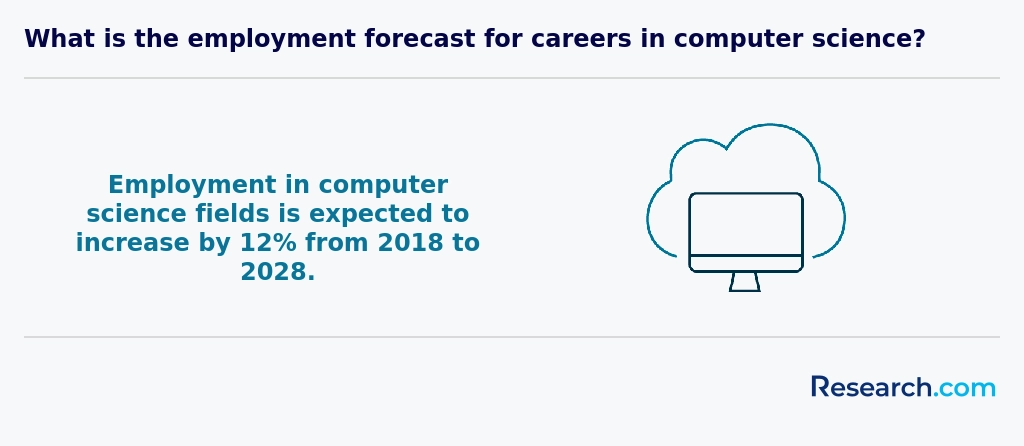
Graduates with an online information technology degree in Wisconsin find themselves on an exciting journey toward diverse career paths that match their passions and skills. Many from popular institutions like the University of Wisconsin and Milwaukee School of Engineering embark on careers in network administration, ensuring businesses run smoothly behind the scenes. Others dive into cybersecurity, motivated by the rewarding challenge of safeguarding sensitive data from rising cyber threats. Some graduates become software developers, creating apps that transform everyday experiences.
For students eager to explore the wide spectrum of IT degree job opportunities Wisconsin offers, roles such as systems analyst and IT support specialist are both fulfilling and essential. One grad shared how working as a data analyst helped them turn complex business data into actionable insights, boosting decision-making in healthcare-a booming sector in the state.
Wisconsin's strong manufacturing and healthcare industries create unique chances for specialization, making an IT degree versatile and practical. For those mindful of costs, looking into a cheap it degree online can also lead to valuable career growth without financial strain.
The job market for online information technology degree holders in Wisconsin is vibrant and full of opportunity. Graduates from state universities often find themselves quickly absorbed into roles like network administrators, cybersecurity analysts, and software developers within thriving metropolitan hubs such as Milwaukee and Madison. These cities not only offer competitive salaries but also a strong concentration of tech companies eager to hire well-educated professionals. Many Wisconsin IT degree employment opportunities come from a diverse economy where sectors like healthcare, manufacturing, and finance constantly seek skilled technologists, making the career path both stable and rewarding.
Graduates frequently share how flexible online programs from popular Wisconsin colleges enabled them to balance work and study, accelerating their entry into the workforce. With cybersecurity roles especially in demand, students feel motivated knowing their skills directly impact protecting critical infrastructure. For those exploring further education, options such as an affordable mba with a concentration in information systems provide strong career advancement while continuing to live in Wisconsin.
2027 Most Affordable Online Bachelor's in Information Technology Degree Programs Ranking in Wisconsin
Investing in your education is a significant decision that can shape your career, and the Research.com team is committed to helping you make well-informed choices. To support students exploring affordable online bachelor's degrees in Information Technology in Wisconsin, we have carefully developed the "2027 Most Affordable Online Bachelor's in Information Technology Degree Programs Ranking in Wisconsin." Our dedication to quality, credibility, and accuracy is demonstrated through rigorous research and thorough analysis.
We utilized the following reputable data sources to ensure a comprehensive evaluation:
By consulting this ranking, readers gain valuable insights into affordable and credible programs tailored to their needs, enabling confident educational decisions. For more information on how the ranking was created, please visit our Research.com methodology page.


Frequently Asked Questions About information technology
Online information technology degree students in Wisconsin can maximize their learning experience by actively engaging with course materials and participating in virtual discussions. Setting a consistent study schedule helps manage time effectively, especially balancing work or family commitments.
Utilizing campus resources, such as online libraries and tutoring services offered by Wisconsin institutions, supports deeper understanding. Networking through online student groups or Wisconsin-based IT communities like the Wisconsin Technology Council can provide valuable industry connections and insights.
Additionally, staying informed about Wisconsin's growing IT job market-projected to grow nearly 12% by 2030 according to the Wisconsin Department of Workforce Development-motivates students to align skills with local employer demands.
The information technology field is rapidly evolving, with several emerging niches gaining importance in Wisconsin's tech landscape. Cybersecurity remains a critical area due to increasing cyber threats, with organizations in Milwaukee and Madison seeking skilled professionals. Data science and analytics are also growing, helping companies turn vast amounts of data into actionable insights. Cloud computing continues to expand as businesses shift to remote operations, increasing demand for expertise in platforms like AWS and Azure.
Additionally, artificial intelligence (AI) and machine learning are becoming vital, with Wisconsin startups and established companies investing in automation and smart technologies. According to the Wisconsin Department of Workforce Development, IT roles in these niches are expected to grow by over 15% through 2030.
After completing an online information technology degree in Wisconsin, preparing for the job market requires a strategic approach. Start by gaining relevant certifications such as CompTIA Security+ or Cisco's CCNA, which employers highly value. Wisconsin's IT sector is growing-between 2019 and 2029, the state expects a 13% increase in computer and IT occupations, signaling strong demand (Bureau of Labor Statistics).
Networking is crucial; join local chapters of associations like Wisconsin Technology Council or attend virtual IT career fairs. Internships and project experience can also boost your resume. Wisconsin's median annual wage for computer and IT professionals is about $88,000, highlighting good earning potential for qualified graduates (BLS).
Develop technical skills continuously and utilize campus career services, even post-graduation, to access job placements and employer connections in Wisconsin's IT market.
Employers in Wisconsin seek information technology graduates who demonstrate strong technical and interpersonal skills. Key technical skills include proficiency in cybersecurity, cloud computing, data analytics, and programming languages such as Java and Python. According to the Wisconsin Department of Workforce Development, demand for IT professionals with expertise in network management and software development is estimated to grow by 8% through 2030.
Alongside technical abilities, employers highly value problem-solving skills and adaptability. Effective communication and teamwork are critical since IT roles often require collaboration across departments. Graduates familiar with current industry tools and practices tend to be more competitive in Wisconsin's growing tech job market.
Finding internships in Wisconsin relevant to an information technology degree involves leveraging both local resources and statewide opportunities. Many Wisconsin-based tech companies and organizations offer internships specifically for IT students. According to the Wisconsin Department of Workforce Development, the technology sector shows steady growth, with a 3.2% increase in IT job openings in recent years.
Students should start by contacting their university's career services, which often provide connections to internships and employer partnerships. Websites like WisconsinTechConnect and internships.com list local IT internships.
Networking through events hosted by groups such as the Wisconsin Technology Council can also be beneficial for building contacts.
An online information technology degree in Wisconsin can significantly enhance career mobility and advancement opportunities. According to the Wisconsin Department of Workforce Development, the state expects a 12% growth in IT occupations through 2030, outpacing many other sectors. Completing an accredited online program prepares graduates with current technical skills and certifications valued by employers statewide.
Employers in Wisconsin's growing tech hubs like Madison and Milwaukee prioritize candidates with formal IT education, often linking degrees to higher salaries and leadership roles. Online degrees also allow working professionals to upskill without relocating, maintaining employment while expanding expertise.
Additionally, Wisconsin's emphasis on technology innovation, supported by initiatives from local economic organizations, creates an environment where IT credentials widely improve career advancement prospects.
Online information technology degree programs in Wisconsin are designed to equip students with versatile skills applicable across multiple fields. These programs often integrate coursework in business, cybersecurity, and data analytics, preparing graduates for roles that require collaboration between IT and other disciplines.
According to the Wisconsin Department of Workforce Development, the state expects a 12% growth in IT-related jobs by 2028, highlighting demand for professionals who can navigate cross-functional environments.
Students gain hands-on experience with real-world projects emphasizing problem-solving and communication, essential for interdisciplinary teamwork. This practical approach helps graduates adapt to various sectors, such as healthcare, finance, and manufacturing.
Moreover, partnerships between universities and Wisconsin industries reinforce this interdisciplinary focus, ensuring curricula align with evolving workforce needs.
When choosing between a thesis and a non-thesis online information technology degree in Wisconsin, consider your career goals and learning style. Thesis programs typically require original research and a formal paper, which suits those interested in advanced study or academic careers.
Non-thesis options focus more on practical skills through additional coursework, appealing to students aiming for immediate employment in IT fields.
According to the Wisconsin Department of Workforce Development, IT jobs in the state are expected to grow by 7.6% through 2028, highlighting the value of hands-on experience.
Research programs carefully to ensure they align with your professional objectives and time availability.
Students in Wisconsin interested in studying information technology abroad have several options to consider, mostly through international partnerships and study abroad programs offered by US universities. Many Wisconsin institutions, such as the University of Wisconsin System, provide exchange opportunities with universities in Canada, Europe, and Asia, enabling students to gain global IT perspectives while earning credits.
While fully online IT degrees are primarily offered by US-based schools, students can enroll in international universities that allow remote learning. However, accreditation and credit transfer remain critical challenges to evaluate.
According to NACE (National Association of Colleges and Employers), IT remains one of the fastest-growing sectors in Wisconsin, emphasizing global experience as a valuable asset. Students should consult their advisors to align abroad experiences with degree requirements and career ambitions.
Part-time job opportunities in Wisconsin that complement an information technology degree are varied and can provide valuable hands-on experience. Many students find roles such as IT support specialists, help desk technicians, and junior web developers. According to the Wisconsin Department of Workforce Development, IT support roles in the state are expected to grow by 11% between 2020 and 2030, reflecting increasing demand.
Positions in local government offices, healthcare facilities, and educational institutions often seek part-time IT assistance, which aligns well with online studies. Internships with Wisconsin-based tech companies also offer real-world skills. These roles enhance technical knowledge, networking, and time management for students pursuing online IT degrees.
Online information technology students in Wisconsin have access to various networking opportunities that help build professional connections despite remote study. Many universities hosting online IT programs encourage participation in virtual career fairs, webinars, and tech-focused student organizations. For example, organizations like the Wisconsin IT Symposium regularly engage students with industry leaders through online events.
Additionally, Wisconsin's growing tech industry-employing over 60,000 IT professionals according to the Wisconsin Department of Workforce Development-provides a rich environment for networking.
Students can join statewide groups such as the Wisconsin Technology Council or LinkedIn communities to connect with employers and alumni.
Alumni networks offer significant advantages for online information technology (IT) students in Wisconsin. These networks create valuable professional connections that often lead to job opportunities within the state's growing tech sector. According to the Wisconsin Department of Workforce Development, IT positions are expected to grow by nearly 12% through 2028, emphasizing the importance of strong networking.
Graduates can access mentorship, industry insights, and career advice through these communities. Many Wisconsin universities facilitate virtual events and forums, fostering collaboration despite the remote learning format. This support enhances students' chances of employment and career advancement in a competitive field.
Online information technology degree programs in Wisconsin often offer flexible curricula, allowing students to tailor their studies to specific career goals. Many universities provide elective courses in areas like cybersecurity, data analytics, or software development, letting students specialize based on industry demand.
Advisors typically help create personalized degree plans that align coursework with professional certifications, such as CompTIA or Cisco, which can enhance job prospects. According to the Wisconsin Department of Workforce Development, IT fields in the state are expected to grow by 14% through 2028, emphasizing skills in cloud computing and network security.
Students should explore internships and capstone projects within their program to gain practical experience relevant to Wisconsin's tech market.
Online information technology students in Wisconsin often face challenges related to balancing their studies with work and family responsibilities. Many students are working adults who must manage time effectively to keep up with coursework and deadlines. Internet connectivity can also be a concern, especially in rural areas of Wisconsin where broadband access is limited.
Technical difficulties with software and virtual labs are frequent issues, requiring reliable tech support. Additionally, students sometimes struggle with limited in-person interaction, which affects networking and collaboration opportunities crucial for IT careers.
According to the Wisconsin Department of Public Instruction, these factors influence student retention and success rates in online IT programs.
With an online information technology degree in Wisconsin, graduates can pursue various professional certifications to enhance their careers. Common options include CompTIA certifications such as A+, Network+, and Security+, which validate foundational IT skills and cybersecurity knowledge. The Certified Information Systems Security Professional (CISSP) is another valuable credential, especially as cybersecurity roles grow in the state.
Additionally, certifications from Cisco, like CCNA, focus on networking and are highly regarded in Wisconsin's IT job market. Microsoft Certified: Azure Fundamentals is gaining importance as cloud computing expands regionally. According to the Wisconsin Department of Workforce Development, IT occupations are projected to grow 12% through 2030, increasing demand for certified professionals.
To write a winning application for an online information technology program in Wisconsin, start by carefully reviewing the specific admissions requirements of each school. Many Wisconsin institutions, such as the University of Wisconsin system, value strong academic records with a background in math and science. Highlight your relevant experience, including any IT certifications or professional work in technology.
Personal statements should clearly express your career goals and why you want to study IT online. Emphasize your ability to manage time independently, a key skill for online learners. Wisconsin's growing IT job market, with over 50,000 professionals statewide (U.S. Bureau of Labor Statistics, 2023), makes this a valuable field to enter.
Additionally, request strong letters of recommendation from employers or educators who can vouch for your technical abilities and work ethic. Proofread your application thoroughly to ensure clarity and professionalism.
Information technology (IT) careers are increasingly viewed through a global lens, emphasizing the need for skills applicable across borders. Employers value professionals who understand international standards, cybersecurity protocols, and software development practices embraced worldwide. For Wisconsin students pursuing online IT degrees, this global perspective enhances employability not only locally but also in multinational companies.
According to the U.S. Bureau of Labor Statistics, IT occupations are projected to grow 15% nationwide through 2031, reflecting a robust demand that Wisconsin mirrors with a strong tech sector expanding in cities like Milwaukee and Madison. The state's IT workforce benefits from connections to global markets, encouraging knowledge of diverse technologies and cultural awareness.
Global frameworks such as ITIL and ISO standards influence how IT services and security are managed, making familiarity with these important for students. This worldwide alignment suggests that online IT degree holders in Wisconsin can expect opportunities both within the U.S. and abroad, especially in areas like software development, data analytics, and cybersecurity.
Furthermore, as remote work grows, Wisconsin graduates can collaborate internationally, increasing access to diverse career paths. Institutions offering online IT degrees often integrate global case studies and compliance topics, preparing students for these realities.
Gaining practical experience while studying for an online information technology degree in Wisconsin is essential for career readiness. Many Wisconsin universities collaborate with local tech companies to offer virtual internships, allowing students to apply classroom knowledge in real-world environments.
Additionally, Wisconsin's strong IT job market, especially around Milwaukee and Madison, offers remote part-time roles suited for students. Participating in online hackathons and coding challenges can also enhance skills and provide portfolio projects.
Some institutions provide capstone projects or labs simulating workplace scenarios, which are valuable for hands-on learning. According to the Wisconsin Department of Workforce Development, IT jobs in the state are projected to grow by 12% through 2030, making practical experience critical for job placement.
Choosing the right concentration within an online information technology degree program in Wisconsin starts with understanding your career goals. Popular concentrations include cybersecurity, network administration, and software development, each aligning with different job markets.
Wisconsin's IT sector employs over 100,000 professionals, with cybersecurity roles growing by 15% annually according to the Wisconsin Department of Workforce Development. This growth suggests strong demand for security-focused expertise.
Research the curriculum details and how well they match current industry standards. Programs connected to local businesses or offering internships may provide better practical experience.
Lastly, consider your personal interests and strengths, as these will impact your success and satisfaction in the chosen track.
- 2027 Most Affordable Online Bachelor's in Information Technology Degree Programs Ranking in Illinois
- 2027 Most Affordable Online Bachelor's in Information Technology Degree Programs Ranking in Michigan
- 2027 Most Affordable Online Bachelor's in Information Technology Degree Programs Ranking in Missouri
- 2027 Most Affordable Online Bachelor's in Information Technology Degree Programs Ranking in Kentucky
- 2027 Most Affordable Online Bachelor's in Information Technology Degree Programs Ranking in Kansas
- 2027 Most Affordable Online Bachelor's in Information Technology Degree Programs Ranking in Tennessee
- 2027 Most Affordable Online Bachelor's in Information Technology Degree Programs Ranking in Pennsylvania
- 2027 Most Affordable Online Bachelor's in Information Technology Degree Programs Ranking in Virginia
- 2027 Most Affordable Online Bachelor's in Information Technology Degree Programs Ranking in Alabama
- 2027 Most Affordable Online Bachelor's in Information Technology Degree Programs Ranking in Georgia
- Information Technology Internships Job Search | Higherin https://higherin.com/search-jobs/internships/information-technology
- How to Maximize the Impact of Alumni Networks https://www.careeros.com/resources/how-to-maximize-the-impact-of-alumni-networks
- Top 10 Emerging Business Niches of 2026 & How to Plan for Them https://prometai.app/blog/emerging-niches-business-planning
- Best IT Degrees | ComputerScience.org https://www.computerscience.org/degrees/information-technology/
- 2. How to Chart Your Connections https://ohioemploymentfirst.org/expanding-your-opportunities-through-networking-pre-ets/activity-2
- Online Bachelor of Science in Information Technology (BSc) - Swiss School of Business and Management Geneva https://www.ssbm.ch/online-bachelor-of-science-in-information-technology-bsc/
- Academic experiences of information technology students - JYX https://jyx.jyu.fi/bitstreams/2ecaf277-b7be-416f-8ee4-d35afdf2ab67/download
- Online Degree vs. Traditional: Choosing the Right Path https://beal.edu/online-degree-vs-traditional/
- Online Colleges in Wisconsin https://www.onlineschools.org/guides/wisconsin/
- gradireland https://gradireland.com/careers-advice/information-technology/what-skills-are-employers-seeking-it-graduates