2027 Fastest Online Master's in Information Technology Degree Programs Ranking in Denver, CO

Co-Founder and Chief Data Scientist
Choosing the right master's program in information technology can feel overwhelming, especially with so many options available online. To support Denver students, this article presents the 2027 Fastest Online Master's in Information Technology Degree Programs Ranking in Denver, CO. Created by the Research.com team of data scientists, this ranking helps you identify quality programs that align with your goals.
Getting a master's degree in IT opens doors to exciting career opportunities and growth. Reading this article will give you clear insights, empowering you to make informed and confident decisions about your education path.
Key benefits of getting online information technology degree in Denver
- Information technology degree graduates in Denver can expect competitive salaries, with many IT roles in the US averaging between $60,000 and $100,000 annually, offering financial stability and growth potential.
- Graduates often pursue diverse careers such as network administration, cybersecurity, and software development, as seen with alumni from local universities who successfully enter high-demand fields.
- Online IT degrees in Denver provide flexible learning schedules and lower costs, allowing students to balance work and study effectively while gaining valuable, industry-relevant skills.
- 2027 Fastest Online Master's in Information Technology Degree Programs Ranking in Denver, CO
- What can I expect from online information technology degree in Denver?
- Where can I work with online information technology degree in Denver?
What can I expect from online information technology degree in Denver?
The average cost of an online information technology degree in Denver typically ranges from $15,000 to $40,000, depending on the institution and degree level. Graduates from the University of Colorado or Colorado State University often describe balancing tuition costs with savings gained from avoiding commuting and housing expenses. These savings make pursuing an online degree feel financially achievable, especially when paired with scholarships targeted at Colorado residents.
Many students appreciate how flexible payment plans and financial aid options ease the investment in their future. They often highlight the value of programs combining rigorous coursework in cybersecurity and cloud computing with practical virtual labs. This hands-on experience feels worth every dollar, connecting them to Denver's booming tech industry without uprooting their lives.
As local tech demand grows, graduates feel optimistic about their return on investment. Their success stories inspire prospective students, fostering a strong sense of community and support throughout the online learning journey at Denver-based universities.
Where can I work with online information technology degree in Denver?
Graduates from online information technology programs at institutions like the University of Denver or Metropolitan State University of Denver often find themselves stepping into vibrant roles across the city's expanding tech landscape. Many begin careers with software developers or IT consulting firms, where they work on real projects, such as building custom applications or managing cloud infrastructure for local startups.
Others discover rewarding paths in cybersecurity, a rapidly growing field in Denver, protecting both government agencies and private enterprises from cyber threats. Graduates recall feeling energized while responding to security incidents or designing innovative defense systems, experiences that highlight Denver's unique blend of tech innovation and public sector collaboration.
Healthcare IT is another popular avenue, where graduates help implement electronic health records and secure patient data for major hospitals and health tech companies. This hands-on work not only builds technical skills but also offers the satisfaction of improving community health services.
Financial technology firms in Denver provide opportunities for tech graduates eager to merge finance and innovation, building tools that redefine how people manage money. Many local graduates express excitement about working in dynamic fintech environments that embrace new technology trends.
Overall, Denver's diverse IT ecosystem lets online graduates engage directly with a broad spectrum of industries, fostering career growth fueled by real projects, community impact, and ongoing learning.
Graduates with online information technology degrees in Denver typically report starting salaries between $65,000 and $75,000, reflecting entry-level roles in the city's growing tech market. For example, those who earned their degrees from popular local institutions find themselves quickly navigating roles in startups and established firms, energized by Denver's vibrant tech scene.
With experience, salary prospects improve significantly. Many alumni specializing in areas such as cybersecurity or cloud computing see their earnings rise above $100,000 annually. This upward trajectory aligns with Denver's demand for skilled IT professionals, especially as companies prioritize digital security and data management in their growth strategies.
Graduates often share how pursuing certifications like CompTIA Security+ or CISSP alongside their degrees directly impacted their salary offers, sometimes boosting earnings by 10-20%. The competitive yet supportive environment around universities in Denver encourages continuous skill-building, ensuring graduates remain at the forefront of technology trends and salary potential.
- Online IT bachelor's or master's programs in Denver typically cost between $12,000 and $25,000 for the full degree.
- Denver employs over 60,000 IT professionals, with an expected job growth rate of 15% in the next decade.
- Entry-level IT jobs in Denver start with salaries ranging from $55,000 to $65,000 annually, rising to around $90,000 within five to ten years.
- Top-paying IT specializations in Denver include cloud computing, cybersecurity, and software development.
- Most online IT programs in Colorado are regionally accredited, ensuring recognized credentials.
- Denver's strong remote education infrastructure supports effective online learning with high-speed internet and virtual resources.
Completing an online information technology degree in Denver typically ranges from two to four years for most students, with accelerated options drawing that timeframe shorter. Graduates from well-regarded local institutions often recount finishing associate degrees within two years while using flexible online schedules to balance work and personal life. For those pursuing a bachelor's degree at universities like Metropolitan State University of Denver, the experience often spans about four years, though many have leveraged accelerated courses and summer terms to graduate in three, sparking a sense of pride and motivation along the way.
Master's degree seekers in Denver report completing their programs in as little as 12 to 18 months when dedicating themselves full-time, a pace that many find rewarding as it opens doors to advanced career opportunities swiftly. The mix of adaptable pacing and credit transfer policies at schools such as the University of Denver creates an encouraging environment where students feel empowered to tailor their educational journey while maintaining momentum.
Graduates from Denver's leading institutions, like Metropolitan State University of Denver and the University of Denver, often describe their on-campus IT experiences as immersive journeys filled with lively discussions and spontaneous collaborations in campus labs. The face-to-face interactions foster a dynamic environment that many find energizing, especially when working on group projects or attending tech career fairs tailored to Denver's booming local industry.
Conversely, online IT students appreciate the unparalleled flexibility to balance work, family, and studies, often sharing how asynchronous classes let them dive deep into coding assignments at midnight or during weekend lulls. These students tap into virtual networking events connecting them with Denver-based tech firms, bridging the gap between remote learning and local opportunities.
Looking ahead, hybrid models may blend these strengths-envision a student attending occasional focused workshops on campus while completing theory remotely. This approach could create a personalized learning rhythm ideal for navigating Denver's fast-evolving tech landscape, appealing to future students seeking both community engagement and adaptable schedules.
The average cost of an online information technology degree in Denver is notably influenced by whether a student qualifies for in-state tuition or attends as an out-of-state learner. Graduates from popular institutions like the University of Colorado have shared how manageable tuition, averaging around $15,180 for residents, fosters a sense of relief and motivation to complete their IT master's programs. These total tuition and fees for IT master's Denver typically encompass 30 to 36 credit hours, with additional fees for technology and materials slightly increasing overall expenses.
Considering these factors, students pursuing their degrees online in Denver often experience a blend of financial pressure and optimism, knowing that costs are usually lower than the national average, which ranges from $20,000 to $25,000. The practical reality is that investing around $35,940 as the median total cost opens doors to flexible learning schedules and career-advancing skills without overwhelming debt. This positive outlook is echoed in stories from recent graduates who balanced part-time studies with career commitments, appreciating how cost-effective options at Denver institutions enable progress without sacrifice.
Moreover, exploring financial aid and scholarships is key to managing the expenses. Many Denver students have benefited from employer tuition assistance, making these programs financially viable. Envisioning a future where even more affordable and innovative education models arise, current students are encouraged to investigate costs and opportunities thoroughly as they consider an online IT degree in Denver. This approach supports a confident step towards becoming an information technology professional, fueling ambitions.
For those interested in advancing their career paths after obtaining such a degree, resources on how to be an information systems manager offer valuable guidance. This makes pursuing an online IT degree in Denver not just a financial consideration but a strategic career move enriched by practical, local possibilities and support.
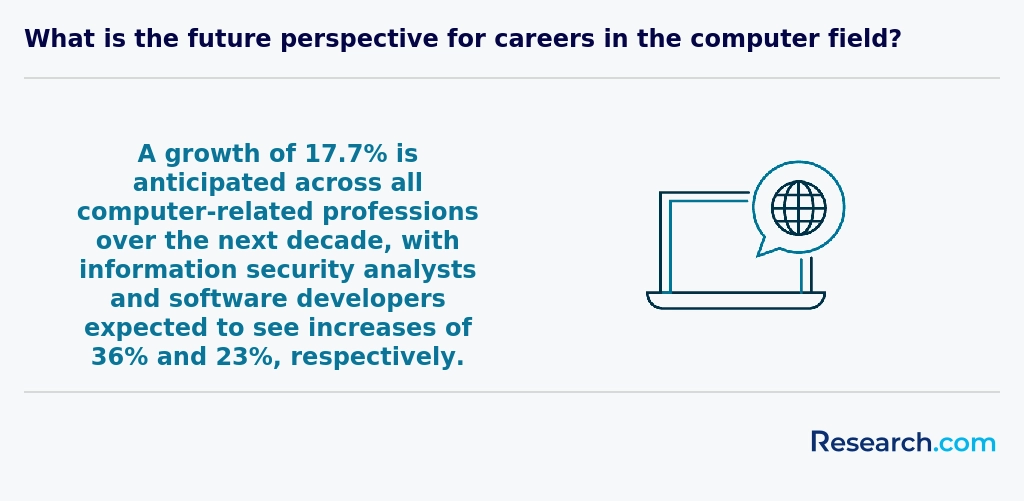
Graduates from online information technology programs at Denver's leading institutions often share how federal student aid made their studies possible. By completing the FAFSA, many accessed low-interest Federal Direct Loans, helping to manage tuition and living costs with confidence. Some leveraged Grad PLUS Loans to cover additional expenses, enabling full focus on coursework without overwhelming debt.
Beyond federal aid, Denver students benefit from Colorado's specific programs like the Colorado Graduate Grant, which eases financial pressure for those enrolled in IT-related graduate degrees. The Colorado Opportunity Scholarship Initiative often surprises online learners who maintain residency with unexpected support, making advanced education more attainable.
Scholarships from local tech associations and tuition reimbursements through Denver employers frequently fill crucial funding gaps. Many graduates recall how employer programs aligned with career growth - providing motivation and relief simultaneously. Institutional merit and need-based awards offered by Boulder and Denver colleges reduced costs, empowering students to pursue their ambitions with enthusiasm.
Looking ahead, emerging partnerships between tech firms and universities promise even broader financial aid, potentially transforming the funding landscape for Denver's online IT students.
Enrolling in an online information technology degree program in Denver usually starts with having a high school diploma or a GED, a step many graduates fondly recall as their gateway to new opportunities. Local institutions like the University of Denver or Metropolitan State University of Denver often stress a solid foundation in math and science, reflecting their commitment to prepare students for the evolving tech landscape.
Many students highlight how demonstrating computer literacy or prior experience gave them confidence during the application process, especially at programs emphasizing practical skills. Graduate applicants sharing their journeys mention how holding a bachelor's degree and maintaining a strong GPA opened doors at Denver's top online master's IT programs, blending academic rigor with accessible learning.
Prospective students also note the growing flexibility around standardized tests such as GRE or GMAT, which are sometimes waived when professional experience shines through. This emerging trend fosters a sense of optimism, offering multiple pathways to success in Denver's dynamic IT field.

Online information technology degree programs in Denver often include courses that mirror the fast-evolving tech landscape of the city. Graduates from popular Denver colleges frequently share how courses like Programming Languages-covering Python, Java, and C++-have directly empowered them to develop innovative apps or automate tasks at local startups. They find Cybersecurity Fundamentals especially relevant, as these classes incorporate the latest ethical hacking techniques to protect the booming Denver tech businesses from emerging cyber threats.
Courses such as Cloud Computing prepare students for roles managing scalable infrastructure in companies migrating to cloud services. One graduate described feeling confident entering the workforce after mastering real-world cloud projects from their coursework. IT Project Management is another key area, teaching Agile and Scrum methods which students apply during internships and collaborative capstone projects with Denver's tech firms.
As Denver's technology sector grows, curricula increasingly include futuristic topics like AI integration with traditional IT skills, reflecting students' excitement about contributing to local digital innovation.
Online information technology specializations in Denver often include Cybersecurity, Data Science and Analytics, Software Development, Network Administration, Cloud Computing, and IT Project Management. Denver's dynamic tech environment, supported by local universities, enables students to dive deep into these fields through real-world projects and collaborations with regional companies. Graduates from popular colleges in Denver frequently share how focusing on Cybersecurity prepared them to counteract cyber threats faced by local industries, while Data Science programs empower students to analyze and solve complex problems using data from Denver startups.
Denver online IT degree focus areas are evolving with industry demands, encouraging students to explore hybrid skills like cloud infrastructure combined with project leadership. One graduate recounted feeling excited after applying newly acquired Network Administration skills to optimize telecom infrastructures serving Denver's fast-growing population. For those wondering about career paths, those curious can explore jobs with a master's degree in information systems to see how these specializations translate into rewarding opportunities.
Choosing the best online information technology degree in Denver means looking beyond just cost and program length. Graduates from popular local colleges often share how flexible asynchronous classes allowed them to balance work and study while diving into emerging trends like artificial intelligence and cloud computing. Denver's universities frequently update curricula to reflect industry shifts, which is crucial as technologies evolve rapidly. For those seeking affordable IT master's programs Denver CO offers, public institutions provide valuable options without compromising quality, making career advancement feel achievable and real.
Prospective students should also consider how well programs connect them to Denver's tech community through internships or career services, which graduates say helped them secure promising roles. Accreditation by the Higher Learning Commission ensures degrees carry weight with employers. Exploring career pathways through resources on information system career options can illuminate the various futures an IT degree can unlock, fueling excitement about the possibilities ahead.
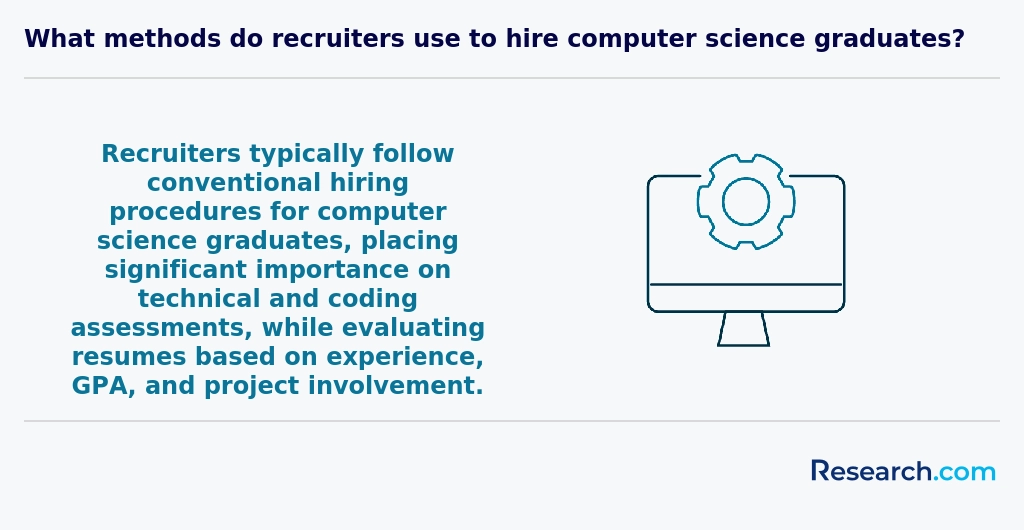
Graduates of online information technology degree programs in Denver find themselves well-positioned for a variety of rewarding career paths. Many take up roles as software developers, designing innovative applications that serve Denver's expanding healthcare and finance sectors. This aligns well with the city's thriving tech scene, where information technology jobs in Denver continue to grow, offering exciting challenges and substantial salaries. Others gravitate toward cybersecurity, addressing increasing cyber threats with enthusiasm and purpose, often landing roles that pay notably above the national average.
Network administration and systems analysis are also popular paths, allowing graduates from Denver-area colleges to use their skills to maintain and improve critical business infrastructures. One recent graduate shared how their hands-on experience at a local university program made transitioning into a network administrator role seamless and fulfilling.
Emerging fields such as data science and database management increasingly attract online IT degree career opportunities Denver graduates because these roles enable professionals to turn vast data sets into strategic business insights. Some students even explore complementary studies, like information systems management mba degree programs, to broaden their leadership potential in tech-driven industries.
The job market for online information technology degree holders in Denver is vibrant and expanding, fueled by both established corporations and a dynamic startup scene. Graduates from popular local universities and colleges often share stories of securing positions with major Denver employers like Oracle and Cisco shortly after finishing their programs. These roles span software development, network administration, and cybersecurity, reflecting the city's growing digital infrastructure needs.
Many online IT students in Denver appreciate how their degrees open doors to competitive salaries often ranging between $90,000 and $110,000, providing a reassuring return on educational investment. The city's thriving tech ecosystem creates opportunities for graduates to engage in innovative projects, from cloud computing startups to cybersecurity initiatives combating real-world threats.
Students pursuing the best online bachelor's degree in database management also find themselves well-positioned in this market, as data analysis skills become increasingly crucial. The strong presence of tech firms, combined with accessible remote work options, makes Denver a compelling choice for those targeting online information technology jobs Denver.
2027 Fastest Online Master's in Information Technology Degree Programs Ranking in Denver, CO
Investing in your education is a significant decision that can shape your future, and the Research.com team understands the importance of making informed choices. To assist prospective students in Denver, CO, we have meticulously developed the "2027 Fastest Online Master's in Information Technology Degree Programs Ranking." Our commitment to quality, credibility, and accuracy is demonstrated through thorough research and careful analysis to ensure a reliable and trustworthy ranking.
We utilized the following reputable data sources to ensure a comprehensive evaluation of information technology programs:
By exploring this ranking, readers will gain valuable insights into the fastest online IT master's programs in Denver, helping them make well-informed decisions about their educational journeys. For more details on our methodology, please visit our Research.com methodology page.


Frequently Asked Questions About information technology
Online information technology degree students in Denver can maximize their learning by actively engaging with local tech communities. Denver's thriving IT sector, which saw a 12% employment growth from 2019 to 2023 according to the U.S. Bureau of Labor Statistics, offers ample networking opportunities. Joining local meetups or virtual groups helps students connect with professionals and stay updated on industry trends.
Students should also leverage Denver's access to tech conferences and workshops, many of which provide virtual attendance options. Additionally, utilizing campus resources like online tutoring and career services can enhance understanding and job readiness.
Staying disciplined with a set study schedule and seeking internships with Denver-based IT firms can further solidify practical knowledge.
The information technology field continues to evolve rapidly, with several emerging niches gaining prominence in Denver's growing tech landscape. Cybersecurity remains a top priority, driven by increasing digital threats and local businesses investing heavily in protection strategies. According to Denver's Office of Economic Development, the cybersecurity sector has expanded by over 15% annually in recent years.
Another fast-growing area is cloud computing, supported by major companies and startups establishing cloud service operations in the region. Data science and artificial intelligence (AI) also present promising opportunities as organizations seek to harness big data for smarter decision-making.
Additionally, blockchain technology is gaining momentum, especially in finance and supply chain applications within the city. These specialized IT fields offer diverse career paths for students pursuing online information technology degrees in Denver.
After earning an online information technology degree in Denver, preparing for the local job market is essential. Denver's IT sector is growing rapidly, with a 15% employment increase projected through 2030 according to the U.S. Bureau of Labor Statistics. Graduates should build strong technical skills in areas like cloud computing, cybersecurity, and software development, which are in high demand locally.
Networking is crucial; joining Denver-based tech groups or attending virtual meetups can connect graduates with employers. Additionally, securing internships or certifications such as CompTIA Security+ or AWS Certified Solutions Architect boosts employability. Leveraging university career services and local job boards like Built In Colorado also supports a successful transition into the workforce.
Employers in Denver highly value information technology graduates who possess strong technical skills such as proficiency in cloud computing, cybersecurity, and data analytics. According to a 2023 CompTIA report, 62% of IT job openings in Colorado require cloud skills. Communication and problem-solving abilities are also essential, as IT professionals often work in teams and must explain complex concepts clearly.
Knowledge of programming languages like Python and JavaScript remains critical, with Denver's tech market showing a 15% growth in software development roles over recent years (Bureau of Labor Statistics, 2023). Additionally, adaptability and continuous learning are prioritized, given the fast-evolving tech environment.
Finding internships in Denver for information technology (IT) students involves leveraging local resources and industry connections. Denver has a growing tech sector, supported by numerous startups and established companies. Websites like Handshake and LinkedIn feature internship listings specifically for Colorado. Additionally, local universities such as the University of Colorado Denver and Metropolitan State University offer career services that help students connect with employers.
The Denver Metro Chamber of Commerce reports that IT roles continue to expand due to a 12% growth in technology jobs over recent years. Networking events and technology meetups, such as those hosted by Colorado Technology Association, provide direct access to recruiters and experienced professionals.
Students should also consider applying to internships offered by major companies in Denver's tech hubs, including Ball and Vail Health. Early application and tailored resumes emphasizing relevant skills like cybersecurity or software development increase chances of securing internships.
An online information technology degree can significantly enhance career mobility and advancement opportunities for professionals in Denver. The city's growing tech sector, which expanded by over 8% from 2020 to 2023 according to the Denver Metro Chamber of Commerce, demands skilled IT specialists. Earning a degree online allows working individuals to update their expertise without interrupting their current jobs. Graduates often qualify for higher-level roles such as IT managers, systems analysts, or cybersecurity experts, which typically offer 15-25% higher salaries than entry-level positions, based on Bureau of Labor Statistics data.
Flexible online programs also cater to the diverse needs of Denver's workforce, enabling real-time skill application in a competitive market. This adaptability often leads to quicker promotions and lateral movements into specialized IT fields.
Studying an information technology degree online in Denver provides a strong foundation for interdisciplinary roles by combining core IT skills with knowledge from business, healthcare, and engineering sectors. Denver's growing tech ecosystem requires professionals who can collaborate across various fields. According to the Denver Office of Economic Development, technology jobs are among the fastest-growing, emphasizing skills in data analysis, cybersecurity, and project management.
Online programs often include coursework designed to develop critical thinking, communication, and problem-solving skills essential for interdisciplinary work. Students benefit from Denver's access to diverse industries, enabling practical experience through virtual internships or networking opportunities.
When choosing between a thesis and a non-thesis online information technology degree program in Denver, consider your career goals first. Thesis programs focus on research and are ideal if you plan to pursue a PhD or a research-intensive role. Non-thesis programs emphasize practical skills and often include internships or projects, which suits professionals targeting industry jobs.
Denver's tech market is growing rapidly, with a 15% increase in IT job postings from 2022 to 2023, according to the Denver Office of Economic Development. This trend highlights demand for applied skills, favoring non-thesis paths for many.
Additionally, thesis options usually require more time commitment and academic writing, which might be challenging if balancing work. Non-thesis formats can offer more flexible pacing, which fits well with online learning.
Students in Denver seeking to study information technology abroad have several opportunities through US universities offering fully online IT degrees with international perspectives. Many accredited institutions provide access to global coursework without requiring relocation, ideal for those combining work and study.
Denver boasts a growing tech industry, with a 12% increase in IT jobs reported by the Colorado Department of Labor in 2023, supporting demand for flexible learning options. Programs often include virtual collaborations and case studies involving international companies.
Additionally, students can participate in exchange programs or short-term workshops affiliated with US schools that partner with foreign universities, providing valuable cross-cultural IT experience while remaining based in Denver.
The integration of globally focused online curricula allows Denver students to gain insights into worldwide IT trends, preparing them for diverse markets.
Denver's growing tech industry offers numerous part-time job opportunities that align well with information technology (IT) degree studies. Roles like IT support specialist, network technician, and junior software developer are commonly available. According to the Denver Metro Chamber of Commerce, the IT sector in Denver has expanded by over 20% in recent years, increasing demand for skilled workers.
These positions provide practical experience with network systems, cybersecurity, and programming-key components of IT curricula. Part-time work in local startups or established firms allows students to apply theoretical knowledge while improving their technical skills.
Additionally, freelance IT consulting and remote help desk roles offer flexibility to students balancing coursework. Engaging in these jobs can enhance employability in a competitive labor market, especially in a city ranked among the top U.S. tech hubs by Cyberstates 2023.
Online information technology students in Denver benefit from a variety of networking opportunities that connect them to the city's vibrant tech community. Denver hosts numerous IT-focused meetups and professional groups such as the Denver Tech Meetups, which regularly attract hundreds of IT professionals.
The city's proximity to organizations like the Colorado Technology Association offers virtual events and workshops tailored to IT students and professionals.
Additionally, many universities providing online IT degrees in Denver facilitate virtual career fairs and alumni networks, enhancing student connections within the industry. According to Built In Denver, the metro area is home to over 3,300 tech companies, creating strong prospects for networking in this sector.
Alumni networks offer vital benefits to online information technology degree students in Denver by providing access to a broad professional community. These networks help students connect with industry leaders and experienced IT professionals working in Denver's growing tech scene, which is ranked among the top 20 metro areas for tech jobs by CompTIA in 2023.
Through alumni events, mentorship programs, and online platforms, students can gain career advice, job leads, and internships tailored to Denver's IT market. This support is especially valuable for those studying online, who may lack local campus connections.
Furthermore, alumni networks strengthen professional credibility and increase opportunities for collaboration on projects or startups in Denver's vibrant tech ecosystem.
Customizing an online information technology (IT) degree in Denver allows students to align their education with specific career goals. Many universities offer specialization options such as cybersecurity, data analytics, software development, or network administration within their IT programs. Selecting relevant electives helps build expertise in desired fields.
Some programs also provide flexible pacing, enabling students to accelerate courses or extend study time based on personal or professional commitments. Additionally, Denver's growing tech industry, supported by organizations like the Colorado Technology Association, offers strong internship and networking opportunities for practical experience.
Consulting academic advisors early helps tailor your study plan to meet career requirements effectively.
Online information technology students in Denver often face challenges related to balancing coursework with professional and personal commitments. Many enrollees are working professionals who must manage full-time jobs alongside demanding study schedules. According to the Colorado Department of Higher Education, time management remains a significant barrier for nearly 60% of adult learners in the state.
Technical issues also affect students, as reliable internet connectivity and access to up-to-date software are crucial for completing assignments and collaborating on projects. While Denver generally provides strong broadband coverage, disparities exist in some suburban areas.
Additionally, some students report feeling isolated due to limited face-to-face interaction, which can impact motivation and networking opportunities.
Graduates with an online information technology degree in Denver can pursue a variety of professional certifications that enhance their career prospects. Popular certifications include CompTIA A+, Network+, and Security+, which validate foundational IT skills and cybersecurity knowledge. Cisco's CCNA focuses on networking, highly relevant in Denver's growing tech sector. For advanced roles, certifications like Certified Information Systems Security Professional (CISSP) and Microsoft Certified: Azure Solutions Architect Expert are valuable.
According to the Denver Metro Chamber of Commerce, employers increasingly seek candidates with these credentials, reflecting local demand. Certifications can significantly boost earning potential and job security in Denver's competitive IT job market.
Writing a winning application for an online information technology program in Denver begins with thorough research. Applicants should carefully review program requirements, emphasizing relevant skills and experience. Highlighting proficiency in programming languages and cybersecurity can be especially beneficial, as Denver's tech sector grew by 8.5% in 2023, showing rising demand for IT professionals (Denver Economic Development Report, 2024).
Strong personal statements that connect career goals to program strengths improve chances of acceptance. Including measurable achievements, such as project completions or certifications like CompTIA or Cisco, adds credibility. Denver-based applicants should also request recommendation letters from professionals familiar with local industry standards.
Finally, accurate completion of all application materials and adherence to deadlines demonstrate professionalism and commitment to success.
The global perspective on an information technology (IT) career emphasizes the growing demand for skilled professionals who can address complex problems in various sectors. IT jobs are increasingly interconnected worldwide, with remote work and international collaboration becoming common.
In the United States, including Denver, the IT field is expected to grow 15% from 2021 to 2031, according to the U.S. Bureau of Labor Statistics. Denver's tech industry, valued at over $50 billion annually, benefits from a strong talent pipeline fueled by local universities offering online IT degrees.
International companies often seek IT graduates familiar with global standards in cybersecurity, software development, and data management. This creates opportunities for Denver-based graduates to engage with diverse markets and advance their careers.
Gaining practical experience while studying for an online information technology degree in Denver is essential for career readiness. Many programs encourage internships with local tech companies, which is vital since Denver's IT sector employs over 100,000 tech professionals and continues to grow, according to CompTIA's 2023 Cyberstates report.
Students can also engage in virtual labs and project-based courses offered by accredited schools, helping develop hands-on skills remotely. Additionally, participating in Denver's numerous tech meetups and coding bootcamps provides networking opportunities and real-world problem-solving experiences.
Volunteering for nonprofit tech projects or open-source initiatives is another practical option to build a portfolio while still studying.
Choosing the right concentration within an online information technology degree in Denver starts with identifying your career goals. Popular specializations include cybersecurity, data analytics, and network administration, each aligning with different job markets. Denver's tech sector is growing rapidly, with a 15% increase in IT jobs projected through 2030 according to the Colorado Department of Labor and Employment.
Research local industry demands to ensure your focus matches employer needs. Cybersecurity roles, for example, are in high demand due to increasing cyber threats. Additionally, consider programs offering hands-on labs or certifications recognized nationally to enhance employability.
Review course flexibility, faculty expertise, and alumni outcomes from Colorado universities offering these concentrations.
- 2027 Fastest Online Information Technology Degree Programs Ranking in Salt Lake City, UT
- 2027 Fastest Online Information Technology Degree Programs Ranking in Minneapolis, MN
- 2027 Fastest Online Information Technology Degree Programs Ranking in Little Rock, AR
- 2027 Fastest Online Information Technology Degree Programs Ranking in St. Louis, MO
- 2027 Fastest Online Information Technology Degree Programs Ranking in Chicago, IL
- International Careers and Global Opportunities https://www.teachforlife.com/post/how-international-opportunities-shape-future-careers
- Study Information Technology - Experience, Job Opportunities, Salary + Survey https://jobtensor.com/uk/Studies/IT
- IT Cover Letter Examples (Information Technology Jobs) https://zety.com/blog/it-cover-letter-example
- How Technology Enhances Career Development Strategies | Manpower Ireland https://www.manpower.ie/blog/2024/02/how-technology-can-enhance-your-career-development-strategy
- gradireland https://gradireland.com/careers-advice/information-technology/what-skills-are-employers-seeking-it-graduates
- How to Network with Alumni | Student Guide to Alumni Networking 2026 https://digitalrecordboard.com/blog/how-to-network-with-alumni/
- Information Technology Skills and Specialties | University of Phoenix https://www.phoenix.edu/articles/it/information-technology-skills-and-specialties.html
- Study Information Technology Abroad | Go Overseas https://www.gooverseas.com/study-abroad/information-technology
- Academic experiences of information technology students - JYX https://jyx.jyu.fi/bitstreams/2ecaf277-b7be-416f-8ee4-d35afdf2ab67/download
- Best Entry-Level IT Certifications for Beginners - ONLC https://www.onlc.com/blog/best-beginners-entry-level-it-certifications/