2027 Most Valuable Online Bachelor's in Information Technology Degree Programs Ranking in the USA

Co-Founder and Chief Data Scientist
Choosing the right online bachelor's degree in Information Technology can shape your future career and open doors to exciting opportunities. Our article introduces the 2027 Most Valuable Online Bachelor's in Information Technology Degree Programs Ranking in the USA, carefully crafted by Research.com's team of data scientists. This ranking helps you identify the best programs that deliver strong value and quality education.
By exploring these top degree options, you can make a confident, informed decision that aligns with your goals. Pursuing an IT degree is a smart investment in your growth and success.
Key benefits of getting online information technology degree in America
- Information technology graduates often enjoy competitive salaries, with many roles exceeding $80,000 annually, reflecting strong demand for tech skills across sectors.
- Career paths for IT degree holders are versatile, ranging from software development to cybersecurity, supported by examples of graduates from well-known universities advancing quickly in the tech industry.
- Online IT degrees offer flexibility and accessibility, allowing students to balance work and study efficiently, as shown by successful graduates from reputable online programs.
- 2027 Most Valuable Online Bachelor's in Information Technology Degree Programs Ranking in the USA
- What can I expect from online information technology degree in America?
- Where can I work with online information technology degree in America?
What can I expect from online information technology degree in America?
The average cost for an online information technology degree in America typically ranges from $7,000 to $15,000 per year for in-state students at public universities. For example, graduates from well-known state schools often share that managing tuition within this range allowed them to balance education expenses with work or family needs. Private institutions may charge more, but many students find financial aid and scholarships specifically designed for online learners, which can significantly reduce out-of-pocket costs.
Online programs usually require about four years of full-time study, equating to roughly $28,000 to $60,000 in total tuition for public universities. Many graduates mention how spreading the cost over multiple semesters made budgeting easier. Part-time enrollment options further help working adults pace their studies without overwhelming finances.
Students from universities known for their IT programs appreciate the transparency in tuition pricing, which helps them plan long-term. By researching accreditation and available financial support, prospective students can find affordable, quality education that fits their situation perfectly.
Where can I work with online information technology degree in America?
Graduates with an online information technology degree from well-known American schools often find themselves working in dynamic environments like technology firms, including software development companies, cybersecurity agencies, and IT consultancies. For example, many alumni from schools popular for online IT programs land roles as network administrators or software developers, where they build and manage vital systems that power businesses.
Others branch into diverse sectors such as healthcare or finance, managing electronic health records or securing online transactions. Imagine a graduate working at a major hospital in Chicago, ensuring patient data is safely protected, or supporting a fintech startup in Silicon Valley with secure payment solutions.
Federal agencies also present solid opportunities; graduates frequently serve in cybersecurity and data management roles that influence national policies. Students from reputable online programs at universities like Arizona State or Northeastern report gaining confidence through hands-on projects that prepare them for these demanding careers.
With the U.S. expecting 3.5 million unfilled cybersecurity jobs by 2025, those who pursue this path enjoy strong job security and competitive salaries, fueling excitement and motivation to excel in their chosen IT fields.
Graduates with an online information technology degree in America can expect starting salaries typically between $55,000 and $75,000 annually. For example, recent graduates from well-known institutions like Arizona State University and Penn State World Campus often land roles as IT support specialists or junior network administrators within this pay range. These entry-level jobs provide a solid foundation and valuable experience for career growth.
As graduates gain experience or obtain additional certifications such as CISSP or AWS Solutions Architect, mid-level positions like systems analysts or cybersecurity specialists become attainable, with salaries commonly ranging from $80,000 to over $110,000. Graduates pursuing advanced roles in thriving tech hubs like Seattle or San Francisco may earn even more, sometimes exceeding $100,000, though cost of living should be carefully considered.
This progression reflects the growing demand for IT expertise across industries, allowing graduates from online programs to plan realistic career paths that steadily increase their earning potential while developing in high-demand sectors.
- Online IT degrees in the US include associate's, bachelor's, and master's programs in fields like cybersecurity and software development.
- Public schools charge $10,000 to $25,000 per year for in-state students, while private and out-of-state tuition can be over $35,000 annually.
- The median annual wage for IT jobs was $97,430 in 2022, with entry-level salaries typically between $55,000 and $75,000.
- Employment in IT is expected to grow 15% from 2021 to 2031, driven by cloud computing and cybersecurity needs.
- Many online programs include virtual labs, internships, and career services, and accreditation from ABET or regional agencies is important for quality education.
Completing an online information technology degree in America typically takes about four years for full-time students, much like traditional on-campus programs at universities such as Arizona State University or the University of Florida. Many graduates appreciate the flexibility this timeline offers, allowing them to balance work or family while progressing steadily toward their degree.
For those looking to finish faster, accelerated online programs reduce the duration to around three years by using shorter, intensive terms. Graduates from these accelerated tracks often mention how intense but rewarding the experience is, as it allows them to enter the workforce sooner.
Part-time students, perhaps juggling a job or other commitments, might take six years or more to complete their degree. This pace provides manageable course loads but requires sustained motivation over time. Transfer credits from relevant associate degrees or certifications can shorten completion by up to a year, a big advantage for those with prior experience.
If you're considering an information technology degree in America, the primary difference between online and on-campus programs lies in how you attend classes and interact with resources. For example, graduates from universities like Arizona State often highlight how on-campus attendees benefit from hands-on access to labs and face-to-face networking, which helped them secure internships locally. These students appreciated the structured schedule that kept them disciplined and connected to peers.
Conversely, online students at institutions such as University of Florida enjoyed the ability to study flexibly from anywhere, balancing work and family while accessing lectures digitally. One graduate shared how virtual group projects and discussion forums fostered valuable collaboration despite distance. Yet, these students noted the need for strong self-motivation to keep pace without regular campus presence.
Cost is another practical aspect: on-campus tuition averages $9,000-$11,000 annually for public schools, but adding housing and commuting can increase expenses. Online programs sometimes lower these costs but may have higher tuition at private schools.
Knowing these differences helps you select the right environment for your lifestyle, goals, and learning preferences.
The average cost of an online information technology degree in America varies mainly depending on whether you attend a public or private institution and where you reside. For in-state students attending public universities, the median total cost typically falls around $37,010. Many graduates from state schools report feeling satisfied with the investment, appreciating both the affordability and the flexibility of online learning. These programs often charge between $300 and $500 per credit hour, making the total expenses reasonable for a 120-credit bachelor's degree.
Out-of-state students usually face higher tuition rates, with median expenses near $50,331. Private colleges tend to be more expensive overall, with median costs reaching approximately $48,240 or more. Despite the higher price, many students find private institutions offer specialized curricula and networking opportunities that can accelerate their careers in IT. For example, graduates from private online programs often highlight how their education prepared them well for technical roles, giving them confidence in pursuing specialized paths like cybersecurity or data analytics.
Additional costs such as technology fees, textbooks, and software can add $1,000 to $2,000 to your budget. While these might seem minor, planning early to include these expenses can help prevent surprises later. Many students also benefit from financial aid, including federal grants, scholarships, and employer tuition assistance programs, which significantly reduce total out-of-pocket costs while pursuing an online IT degree in America.
Choosing to study online also means saving on relocation or commuting costs, making the upfront investment more manageable. If you want to learn more about career preparation and the it manager skills needed, many programs integrate these real-world skills directly into their curriculum.
- Average total tuition for in-state public online IT degree: $20,000-$25,000
- Out-of-state public online IT degree tuition: $30,000+
- Private online IT degree tuition: $35,000-$50,000+
- Additional fees and materials: $1,000-$2,000
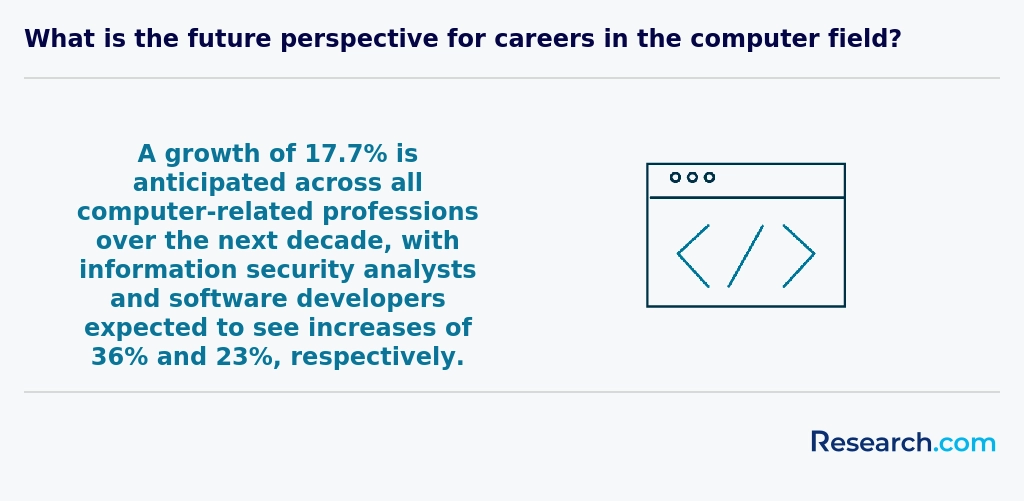
Students pursuing online information technology degrees in America can access several financial aid options to reduce costs, which often range from $15,000 to over $40,000. A crucial first step is completing the FAFSA to determine eligibility for federal aid like the Pell Grant, which can provide up to $7,395 annually without repayment. Many graduates of popular IT programs, such as those offered by Arizona State University or the University of Florida, relied on this grant to ease their financial load.
Federal student loans are another option, with subsidized loans pausing interest while you're enrolled at least half-time, helping you manage debt more effectively. Unsubsidized loans have low fixed interest rates between 4.99% and 6.54%, making borrowing manageable compared to private lenders.
Scholarships from professional groups like the Society of Women Engineers have supported numerous online IT students by offering merit-based awards. Additionally, institutional aid-including transfer discounts and military grants-can often be found by inquiring directly with your school's financial office. Many students also benefit from employer tuition reimbursement, easing the path for working professionals upgrading their IT skills.
To enroll in an online information technology degree in America, the first non-negotiable step is holding a high school diploma or a GED. Graduates from universities like Arizona State University often emphasize how this basic credential laid the groundwork for their success in the program. Math skills come next-expect to need proficiency in algebra or geometry, as these underpin key IT concepts such as coding and system logic.
Many schools will ask for standardized test scores like the SAT or ACT, though flexibility is increasing to accommodate online learners. Providing a robust academic transcript with a GPA around 2.5 to 3.0 is also common; this reassures admissions officers that you can handle the coursework.
For those whose first language isn't English, tests like TOEFL or IELTS help prove readiness to engage fully with class materials and discussions. Some programs, including those at the University of Illinois Urbana-Champaign, suggest or require prior exposure to basic programming or IT fundamentals. Placement tests may guide you to preparatory courses, ensuring you start on the right foot.
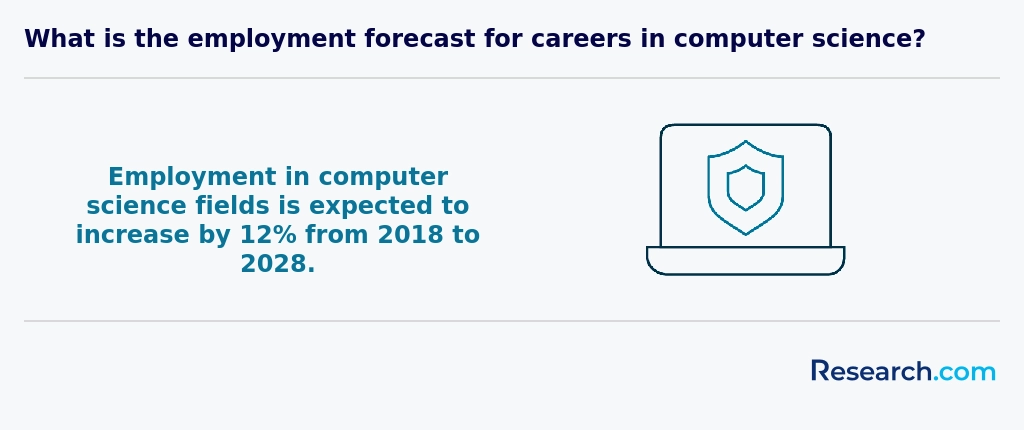
If you're pursuing an online information technology degree in America, expect to dive into core courses that build your foundational skills effectively. Graduates from well-known universities often share how classes like Introduction to Information Technology helped them grasp essential computer concepts and understand IT's role in various businesses.
Programming courses using languages such as Python or Java frequently come next, enabling students to develop practical problem-solving skills. Networking Fundamentals is another key course, offering hands-on experience with network design and security-skills graduates recall using during internships at tech firms.
Database Management teaches managing and securing data through SQL, a critical skill when working with real-world client projects that many students encounter during capstones or cooperative education programs in schools popular for IT studies.
Systems Analysis and Design courses enhance your ability to evaluate business needs and create software solutions, which many graduates find immediately valuable in entry-level roles. Specialized courses in cybersecurity and cloud computing further prepare you for today's fast-growing IT fields.
Students pursuing an online information technology degree in America typically choose from a variety of practical specializations that align with industry needs and personal interests. Popular areas include cybersecurity, where graduates gain skills in network security and ethical hacking to meet the growing demand for information security analysts. Another common focus is software development and programming, which equips learners with coding expertise needed at tech companies and startups.
Graduates from universities known for strong IT programs often favor data management and analytics, applying their knowledge in data mining and business intelligence to sectors like healthcare and finance. When selecting specializations, it helps to consider schools with comprehensive offerings in cloud computing, network administration, and IT project management to ensure real-world applicability.
Many students appreciate how artificial intelligence and machine learning specializations prepare them for cutting-edge roles in automation and intelligent systems. If you want to explore career outcomes linked to these paths, check out what can you do with an it degree for insights from graduates.
By focusing on one of the best IT degree concentrations in America, you can tailor your education strategically, opening doors to well-paid jobs while enjoying flexible online study options at popular American colleges. This approach helps turn your education into clear career advancement.
For guidance on the types of specializations available in online information technology degree specializations USA, review each program's curriculum to pick courses that match your skills and goals-just as successful graduates do.
Start by verifying the program's accreditation, since regional accreditation is a baseline for quality and transferability in America. Graduates from universities known for strong IT curricula often recommend looking for ABET accreditation to ensure your education stays current with industry standards. A well-rounded curriculum should include foundational topics along with trending fields such as cybersecurity and cloud computing, which many successful students highlight as key to their career readiness.
Cost varies widely; some affordable IT bachelor's programs in America offer strong value without compromising quality. For example, graduates from public universities appreciate the lower tuition combined with the flexibility of fully online courses. When budgeting, factor in hidden fees like software licenses or lab access to avoid surprises. Explore resources such as the cheapest mba it online to compare program costs effectively.
Consider how the program supports your career goals. Graduates often praise schools that provide robust career counseling and internship placements, which translate to tangible job offers in tech hubs. Flexible schedules matter too: asynchronous classes allow working adults to balance study with life commitments. Choosing a program that aligns with your learning style and offers career outcomes close to your aspirations is key to the best online information technology degrees USA.

Graduates with an online information technology degree in America often find themselves well-prepared for a range of practical career paths. For instance, many alumni from popular colleges like Arizona State University and the University of Florida step into roles as software developers or network administrators, where they maintain and improve critical systems for businesses. Embracing real-world problems, such as debugging an app or securing a company's network, provides both challenges and job satisfaction. This diversity in technical roles reflects the breadth of online information technology careers USA offers.
Others leverage their degree to become cybersecurity analysts or database administrators, where the demand is particularly high due to rising cyber threats. These students frequently highlight how programs at institutions like Penn State helped them gain hands-on skills to navigate complex security environments. The practical expertise earned is evident in scenarios like protecting sensitive patient data in healthcare or optimizing financial databases, widening their job opportunities.
More pragmatic graduates combine their IT knowledge with project management skills, pursuing careers as IT project managers or cloud computing specialists. Many appreciate how colleges known for flexible online options, such as Southern New Hampshire University, balance theory with application. This makes it easier to manage technology-driven projects while working remotely. To expand their credentials, students often pursue certifications alongside their degrees, further improving job prospects in IT degree job opportunities in America. For those looking to find the fastest technology degree online, it's helpful to explore various program options to fit career goals and timelines.
The job market for graduates holding an online information technology degree in America remains highly promising. With the technology degree employment outlook America shows a 13% growth in IT and computer-related jobs from 2021 to 2031, recent graduates from popular colleges confirm they quickly find roles like network administrators and cybersecurity analysts. Many highlight how flexible online programs from well-known institutions allowed them to gain relevant skills while balancing life commitments.
Graduates often secure entry-level positions starting between $55,000 and $75,000 annually, with rapid salary growth tied to skill acquisition in cloud computing, AI, and cybersecurity. Employers increasingly recognize online diplomas, making this path both accessible and valuable. One practical step is selecting accredited programs; many opt for an online master of information technology from trusted universities to boost their credentials.
Ultimately, the landscape for online information technology jobs in the USA is supported by strong demand, competitive wages, and opportunities for career advancement, all balancing cost and flexibility for working adults.
2027 Most Valuable Online Bachelor's in Information Technology Degree Programs Ranking in the USA
Investing in your education is a significant decision that can shape your career and future opportunities, and the Research.com team recognizes the importance of making well-informed choices. To support prospective students exploring online bachelor's degrees in Information Technology, we have carefully developed the "2027 Most Valuable Online Bachelor's in Information Technology Degree Programs Ranking in the USA." Our dedication to quality, credibility, and accuracy is demonstrated through thorough research and data analysis behind this ranking.
We utilized the following reputable data sources to ensure a comprehensive evaluation of programs:
By reviewing this ranking, readers will gain valuable insights into top-quality online IT programs, empowering them to choose the path best suited to their academic and professional goals. For further information about how this ranking was created, please visit our Research.com methodology page.

# 2 position
East Carolina University
Bachelor of Industrial Technology, Information and Computer Technology

# 3 position
Seminole State College of Florida
Bachelor of Information Systems Technology

# 4 position
South Texas College
Bachelor of Computer and Information Technologies


# 9 position
University of Maryland Global Campus
Bachelor of Cyber Operations

# 10 position
Columbia Southern University
Bachelor of Information Technology


# 12 position
Penn State University Park
Bachelor of Information Sciences and Technology


Frequently Asked Questions About information technology
Online information technology degree students in America can enhance their learning by actively engaging with interactive course materials and participating in virtual labs. According to the National Center for Education Statistics, students who regularly collaborate in online discussion forums improve retention by up to 60%.
Scheduling consistent study times helps maintain discipline, especially amid distractions at home. Utilizing resources provided by American IT organizations, such as CompTIA and the Association for Computing Machinery (ACM), offers practical insights aligned with industry standards.
Additionally, seeking internships or certifications alongside coursework strengthens resumes, as 82% of IT employers in the U.S. value hands-on experience during hiring.
Emerging niches within the information technology field reflect rapid advancements and growing demands across various industries in the United States. One key area is cybersecurity, driven by increasing cyber threats. The U.S. Bureau of Labor Statistics projects a 35% growth in cybersecurity jobs from 2021 to 2031, significantly faster than average.
Another expanding niche is artificial intelligence (AI) and machine learning, with businesses adopting these technologies to optimize operations. Data science also remains prominent, focusing on analyzing large datasets for actionable insights.
Cloud computing continues to grow as companies migrate to online infrastructure, creating demand for specialists in platforms like AWS and Azure.
Graduates with online information technology degrees in America should strategically prepare to enter the competitive job market. First, gaining practical experience through internships or cooperative education programs is critical. According to the National Association of Colleges and Employers (NACE), 60% of employers prefer candidates with relevant internship experience.
Building a professional network via platforms like LinkedIn and attending industry events helps graduates connect with potential employers. Additionally, certifications such as CompTIA Security+ or Cisco's CCNA can significantly boost employability, as these are highly valued by U.S. IT employers.
Strong technical skills must be complemented by soft skills like communication and teamwork. Career services at universities often provide resume reviews and mock interviews, which can improve job search outcomes. Lastly, keeping up with evolving technologies is essential in the fast-paced American IT sector to remain competitive.
Employers in America increasingly value both technical and soft skills in graduates with online information technology degrees. Key technical skills include proficiency in programming languages such as Python and Java, cybersecurity expertise, and cloud computing knowledge, reflecting trends identified by the U.S. Bureau of Labor Statistics.
Data analysis and database management remain critical, given the rise of big data. Communication and teamwork skills are also essential, as IT roles often require collaboration across departments. According to a 2023 CompTIA report, 85% of employers prioritize problem-solving abilities, making it a top skill alongside adaptability in evolving technology landscapes.
Hands-on experience, through internships or projects, further enhances employability for American IT graduates entering today's competitive job market.
Finding internships relevant to an information technology (IT) degree in America starts with leveraging university career centers. Many institutions, especially those offering online IT degrees, have partnerships with tech companies that provide internship opportunities. According to the National Association of Colleges and Employers (NACE), 65% of IT students secure internships through their school's resources.
Online job platforms like Handshake and LinkedIn specialize in connecting students with internships. Filtering searches by "information technology" and location helps focus efforts on relevant positions.
Networking is crucial. Students should join professional IT organizations such as the Association for Computing Machinery (ACM). These groups often list internships and host career fairs.
Finally, applying early and tailoring resumes to IT-specific skills increases chances, as the Bureau of Labor Statistics forecasts a 15% job growth in IT roles through 2031.
Online information technology (IT) degrees in America significantly impact career mobility and advancement by providing flexible access to education for working professionals. U.S. Bureau of Labor Statistics projects a 13% growth for computer and IT occupations from 2021 to 2031, indicating strong demand for skilled graduates.
Many employers now recognize accredited online IT degrees as equivalent to traditional ones, expanding job opportunities. Studies from the National Center for Education Statistics show that nearly 30% of students enrolled in IT programs opt for online formats, reflecting the trend toward digital learning.
Graduates often experience improved earning potential; for example, the average annual wage for IT professionals in the U.S. was over $97,000 as of 2023, according to BLS data. Additionally, online degrees support career shifts and promotions by updating technical skills in cybersecurity, cloud computing, and data analytics.
Studying for an information technology degree in America equips students with skills that cross multiple disciplines, such as business, cybersecurity, and data analysis. American IT programs often integrate courses in project management, communication, and ethics, preparing graduates to work collaboratively in varied professional environments.
Universities frequently partner with industries, ensuring curriculum relevancy to real-world challenges. According to the National Center for Education Statistics, over 70% of IT graduates find roles that require interdisciplinary knowledge within two years of graduation.
This approach enhances adaptability, critical thinking, and problem-solving abilities essential for modern IT careers.
When choosing between a thesis and a non-thesis online information technology (IT) degree program in America, consider your career goals. Thesis programs are research-focused and often preferred if you aim for advanced study or roles involving innovation and development. The thesis requires conducting original research and writing a formal document under faculty supervision.
Non-thesis options emphasize practical skills through coursework and projects, appealing to those seeking direct employment after graduation. According to the National Center for Education Statistics, nearly 60% of IT graduates enter the workforce immediately, making hands-on experience valuable.
Cost and time commitment also differ: thesis programs may take longer due to research requirements. Evaluate your learning style and long-term plans carefully when deciding.
American students seeking to study information technology abroad have multiple options, including enrolling in international partner programs offered by U.S. universities. Many institutions provide dual-degree or exchange programs with schools in countries known for strong IT sectors, such as Canada, Germany, and Singapore. These programs often allow students to complete part of their studies abroad while earning credits toward their American degree.
Additionally, several global universities offer online IT degrees that are accessible to U.S. students, providing a chance to gain international perspectives without relocating. According to the National Center for Education Statistics, about 33% of U.S. higher education students took at least one distance education course in 2021, a figure that includes those studying abroad remotely.
Studying IT abroad can expose students to diverse technologies and industry practices, enhancing their global competitiveness in the fast-growing U.S. IT job market, projected by the U.S. Bureau of Labor Statistics to grow 15% through 2031.
Part-time jobs play a crucial role for students pursuing online information technology degrees in America. Positions such as IT support technician, web developer, or data entry specialist help apply classroom concepts in real-world settings. According to the U.S. Bureau of Labor Statistics, IT support roles are expected to grow 9% from 2022 to 2032, highlighting demand.
Many students find internships or freelance opportunities in coding, network administration, or cybersecurity. These roles enhance technical skills and build professional networks. Additionally, remote technical support jobs offer flexible hours, aligning well with online course schedules.
Combining work experience with academic studies improves employability after graduation and increases practical knowledge in evolving IT fields.
Online information technology (IT) students in America have growing networking opportunities despite the virtual nature of their studies. Many universities host virtual career fairs and webinars, connecting students with IT employers nationwide. According to the National Association of Colleges and Employers (NACE), over 70% of online students participated in such events in 2023.
Online programs often collaborate with professional IT organizations like CompTIA and the Association for Computing Machinery. These partnerships allow students to access regional and national conferences, virtual meetups, and certification workshops.
Alumni networks and online forums are also valuable for building industry contacts. Platforms like LinkedIn facilitate connections with peers and mentors, helping students gain insights and job leads in competitive markets like Silicon Valley and Seattle, where IT demand is highest.
Alumni networks provide significant benefits for students enrolled in online information technology degree programs in America. These networks create opportunities for mentorship, connecting students with experienced graduates who offer guidance on career paths and skill development. According to the National Association of Colleges and Employers, 85% of jobs are filled through networking, highlighting its importance in the IT job market.
Moreover, alumni networks often share exclusive job postings, internships, and industry events, giving students early access to career opportunities. Many universities also host virtual networking events tailored to IT graduates, which help foster professional relationships nationwide.
Participation in alumni groups can strengthen technical knowledge through peer discussions and collaborative projects. This engagement supports continuous learning and keeps students updated on evolving industry trends.
Customizing an online information technology degree program in America allows students to align their studies with specific career goals. Many institutions offer concentrations such as cybersecurity, network administration, or software development. According to the National Center for Education Statistics, over 80% of U.S. schools providing IT degrees include elective courses that let students tailor their curriculum.
Flexibility in course selection lets students focus on emerging fields like cloud computing or data analytics, which are high-demand areas cited by the U.S. Bureau of Labor Statistics. Additionally, some programs incorporate internships or capstone projects, giving practical experience related to a student's career interests. This customization helps graduates meet employer expectations and boost job prospects in the evolving technology sector.
Online information technology students in America often face challenges balancing coursework with work and family responsibilities. According to the National Center for Education Statistics, about 60% of online learners are employed full-time, which can limit study time.
Another major challenge is the need for strong self-discipline and time management skills. Without the structure of in-person classes, students may struggle to stay motivated and meet deadlines. Technical difficulties, like unreliable internet access, also affect learning, especially in rural areas.
Additionally, limited direct interaction with instructors and peers can hinder networking and collaboration opportunities. This isolation may reduce access to guidance essential for complex IT topics.
Graduates with an online information technology degree in the USA can pursue numerous professional certifications that enhance their career prospects. Popular options include the CompTIA A+, a foundational certification validating essential IT skills. Many professionals also aim for the Certified Information Systems Security Professional (CISSP), which focuses on cybersecurity expertise. Additionally, the Microsoft Certified: Azure Fundamentals and Amazon Web Services (AWS) Certified Solutions Architect certifications are highly valued due to the growing cloud computing industry.
Certifications like the Certified Information Systems Auditor (CISA) are important for those interested in IT audit and compliance roles. According to the U.S. Bureau of Labor Statistics, IT employment is projected to grow 13% through 2031, making these certifications highly relevant.
Writing a winning application for an online information technology program in America requires clear demonstration of your motivation and relevant skills. Start by highlighting your academic background, especially coursework or certifications in IT-related subjects. Many programs value applicants with experience in programming, networking, or cybersecurity. According to the National Center for Education Statistics, enrollment in IT degrees grew steadily, showing increasing competition, so your statement of purpose should emphasize your career goals and how the program fits them.
Include specific examples of problem-solving or projects that showcase your technical abilities. Be sure to meet all application requirements, including transcripts and standardized tests if required. Detail any professional experience in tech, as employers and schools value practical skills. Finally, proofread carefully to ensure clarity and professionalism throughout your application.
Information technology (IT) careers offer strong global opportunities, partly due to growing digital transformation worldwide. In the United States, IT roles are expected to grow 15% from 2021 to 2031, according to the U.S. Bureau of Labor Statistics, much faster than the average for all occupations. This growth highlights demand not only domestically but also globally.
US-based online IT degree programs prepare students with skills relevant to international markets, emphasizing cybersecurity, data analysis, and software development. Many graduates find roles in multinational companies or remote positions serving global clients.
IT standards and certifications from the US are widely recognized worldwide, giving American degree holders an advantage in competitive global job markets.
Gaining practical experience while studying for an online information technology (IT) degree in America is crucial for career readiness. Many programs incorporate virtual labs and simulation tools, allowing students to practice coding, network configuration, and cybersecurity measures in real time. Additionally, internships with U.S. tech companies or nonprofit organizations provide valuable hands-on opportunities. According to the National Association of Colleges and Employers (NACE), 62% of IT graduates who completed internships received job offers from those employers. Students can also engage in project-based coursework or contribute to open-source platforms, further building their portfolios and technical skills.
Choosing the right concentration within an online information technology degree in America starts with understanding your career goals. Popular areas include cybersecurity, software development, data analytics, and network administration. Each concentration aligns with specific job roles; for example, cybersecurity specialists are expected to grow by 35% through 2031, according to the U.S. Bureau of Labor Statistics (BLS).
Consider industry demand and salary potential when selecting a focus. Cybersecurity roles often command higher-than-average salaries, while data analytics offers opportunities in various sectors. Review curricula across programs to ensure courses cover the skills employers seek.
Accreditation is crucial-choose programs accredited by recognized bodies like ABET for quality assurance. Finally, assess your own interests and strengths; this personal insight helps in committing to a specialization that supports long-term professional growth.
- Computer and Information Technology Jobs | University of Phoenix https://www.phoenix.edu/articles/it/computer-and-information-technology-careers.html
- (apply for a place in the Bachelor of Information Technology) Letter of Motivation https://essayforum.com/letters/apply-place-bachelor-information-technology-39720/
- The Top IT Challenges Facing Universities (And How to Tackle Them) | Full Fabric https://www.fullfabric.com/articles/it-challenges-universities-face
- The 4 Best Online Colleges that Accept FAFSA https://joinjuno.com/financial-literacy/financial-aid/online-colleges-accept-fafsa
- How to Network with Alumni | Student Guide to Alumni Networking 2026 https://digitalrecordboard.com/blog/how-to-network-with-alumni/
- The Key Skills Employers Look for in IT Professionals https://www.upskilled.edu.au/skillstalk/the-key-skills-employers-look-for-in-it-professionals
- 4 Ways to Leverage Technology to Enhance the Learning Experience https://blog.definedlearning.com/leveraging-technology-in-the-classroom/
- Study Information Technology Abroad | Go Overseas https://www.gooverseas.com/study-abroad/information-technology
- How Technology Enhances Career Development Strategies | Manpower Ireland https://www.manpower.ie/blog/2024/02/how-technology-can-enhance-your-career-development-strategy
- Why You Should Start Networking as a Student – and How to Do It https://amplifyme.com/blog/why-you-should-start-networking-as-a-student