2027 Most Valuable Online Doctorate in Information Technology Degree Programs Ranking in the USA

Co-Founder and Chief Data Scientist
Choosing the right doctorate program in Information Technology can be overwhelming, especially with so many online options available. Our 2027 Most Valuable Online Doctorate in Information Technology Degree Programs Ranking in the USA, created by the Research.com team of data scientists, aims to simplify this process for you.
By exploring this ranking, you'll discover which programs offer the best value and quality, helping you invest in your future wisely. Earning an advanced IT degree can open doors to rewarding career opportunities and personal growth, making your educational journey truly worthwhile.
Key benefits of getting online information technology degree in America
- Though specific salary data is not available, IT graduates in the US typically enjoy strong earning potential, with many entry-level positions starting around $60,000 annually and higher wages as experience grows.
- Graduates from top US universities often pursue diverse careers such as cybersecurity, software development, and network administration, offering dynamic opportunities to work in fast-growing tech fields.
- Online IT degrees provide flexibility and convenience, allowing students to balance work and study, as shown by successful graduates from well-known schools who rapidly advance their careers while learning remotely.
- 2027 Most Valuable Online Doctorate in Information Technology Degree Programs Ranking in the USA
- What can I expect from online information technology degree in America?
- Where can I work with online information technology degree in America?
What can I expect from online information technology degree in America?
The average cost of an online information technology degree in America varies significantly depending on the institution and degree level. Graduates from popular universities such as Arizona State University or the University of Florida report tuition ranges from approximately $15,000 to $30,000 for a full bachelor's program, while master's degrees can cost between $20,000 and $40,000. These figures often exclude additional fees for course materials or certification exam preparations.
Many students appreciate the flexibility these programs offer, allowing them to balance coursework with employment or family responsibilities without relocating. Graduates frequently highlight the value of gaining access to virtual labs and real-world simulations, which justify the investment by enhancing hands-on skills.
Financial aid and payment plans are commonly available, helping to alleviate cost concerns. Students also find the prospect of earning industry certifications alongside their degree, such as CompTIA Security+ or Cisco's CCNA, instrumental in increasing their return on investment and career advancement in a competitive job market.
Where can I work with online information technology degree in America?
Graduates holding an online information technology degree from prominent American institutions such as Arizona State University or the University of Florida often find themselves well-positioned for diverse career paths. Many secure roles in major technology firms like Google or Microsoft, where they contribute as software engineers, network administrators, or systems analysts, navigating complex projects with confidence gained through practical coursework.
Others enter dynamic sectors such as healthcare, managing electronic health records and advancing digital health solutions, where their expertise in cybersecurity and data analytics is highly valued. Graduates have reported working remotely for healthcare providers, combining flexibility with impactful work that improves patient care.
Federal and state government agencies also actively seek IT graduates trained online, deploying them in cybersecurity and systems maintenance roles critical to national security. Similarly, financial institutions employ these graduates to defend against cyber threats and develop sophisticated software systems under regulatory scrutiny.
These diverse opportunities reflect the growing demand for IT professionals across industries, enabling graduates from programs offered by institutions like the University of Illinois Urbana-Champaign to thrive in environments that blend innovation, responsibility, and adaptability.
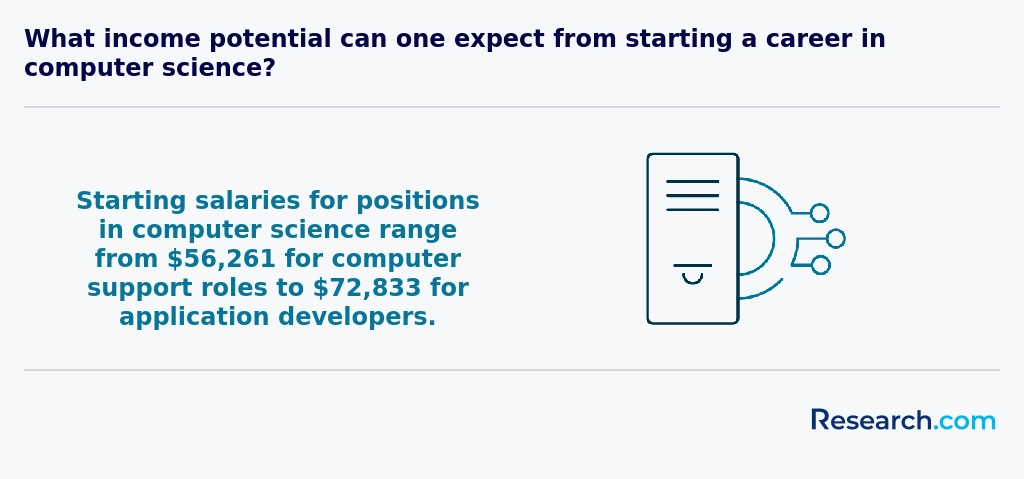
Graduates with an online information technology degree in America can expect competitive salaries reflecting the high demand for IT skills. Typical entry-level roles often start between $55,000 and $75,000 annually. For instance, IT support specialists generally earn about $58,000, while network administrators may bring in closer to $80,000 per year. These figures reflect experiences shared by graduates from institutions like Arizona State University and University of Florida, where online IT programs blend practical skills with industry-recognized certifications.
With experience or advanced degrees, salaries rise substantially. IT managers, cybersecurity analysts, and software developers often exceed $100,000 annually. New graduates from well-known programs report average starting salaries near $72,000, illustrating strong return on investment. Graduates relate that the flexibility of online degrees allows balancing work and study, accelerating career growth without sacrificing income.
Employers increasingly value practical certifications alongside degrees, further enhancing earning potential for online IT graduates from reputable American colleges. This combination of education and skills positions graduates for success in the evolving tech landscape.
- Online IT degrees in the U.S. are offered mostly at the bachelor's and master's levels by accredited universities.
- Bachelor's degree tuition ranges from $15,000 to $40,000, while master's programs cost between $20,000 and $50,000.
- IT jobs are expected to grow 15% from 2021 to 2031, adding about 682,800 new positions nationally.
- Entry-level IT graduates usually earn $55,000 to $75,000 annually, with experienced professionals making $100,000 to $120,000.
- Many programs offer asynchronous courses and projects to support working students balancing studies and responsibilities.
- Top tech regions like Silicon Valley and Seattle actively seek graduates with strong technical skills and accredited degrees.
Completing an online information technology degree in America depends largely on the degree level and individual pacing. For instance, graduates from well-known institutions like Arizona State University or Southern New Hampshire University typically earn associate degrees in about 18 to 24 months when studying full-time. These programs focus on core IT skills such as programming and networking, equipping students quickly for entry-level roles.
Bachelor's degree students at universities such as the University of Florida often finish in four years full-time, though many appreciate accelerated options that allow completion in three years or less. This flexibility is crucial for working students balancing family and jobs, helping reduce stress and improve motivation.
Master's degree students pursuing advanced IT fields at places like Penn State World Campus usually complete their programs in 1.5 to 2 years full-time. Part-time options extend this timeframe but enable many professionals to advance careers without pausing work. Graduates frequently express satisfaction with the blend of rigor and flexibility online programs provide.
Online and on-campus information technology (IT) degree programs in the United States differ primarily in delivery, flexibility, and student experience. On-campus programs at well-known institutions like the University of California or Georgia Tech offer direct face-to-face interaction, hands-on access to labs, and immediate networking opportunities through career fairs and on-site support. Graduates often recall the value of collaborative study groups and real-time faculty guidance in these environments.
Conversely, online IT degrees provide greater flexibility, allowing students to balance work or family commitments while accessing coursework remotely. Graduates from popular online programs appreciate the ability to study at their own pace, often fitting lessons around busy schedules, which makes education accessible nationwide.
Cost also varies; traditional on-campus tuition averages $9,000 to $12,000 annually for in-state students at public universities, whereas online programs typically offer 10-20% lower rates, though some add technology fees. Both formats maintain accreditation and quality education standards, ensuring graduates are well-prepared for America's competitive IT workforce.
The average cost of an online information technology degree in America varies significantly based on residency and institution type. Median total tuition fees for online IT degrees stand at approximately $28,725, with in-state students typically paying around $9,520 and out-of-state students facing a median cost near $25,720. Public universities with strong IT programs often offer more affordable tuition for residents, which allows students to pursue their degrees without excessive financial burden. Graduates from these schools frequently share how manageable costs coupled with quality education empowered them to advance confidently in their careers.
Private colleges known for robust IT curricula tend to have higher tuition rates but sometimes provide more extensive scholarship opportunities, helping balance costs over the course of study. Many students appreciate the flexibility of paying per credit hour, which for online IT degrees can range from $300 to $1,000. For example, regional public universities may charge between $300 and $600 per credit, while private institutions often exceed $700.
Choosing an online IT degree involves understanding the total tuition fees information technology degree USA programs entail, as graduates from well-regarded universities often remark on the value of their investment when matched with career outcomes. Aspiring students should also consider useful resources such as FAFSA and institutional aid to reduce expenses effectively.
Engaging in the mis career path can complement an IT degree and enhance professional prospects, providing additional avenues for growth within the technology sector. For those exploring an average cost online IT doctorate USA, doctoral programs generally command higher tuition but also offer substantial returns in specialized knowledge and career advancement opportunities.

Federal financial aid is a cornerstone for many students pursuing online information technology degrees in America. Completing the FAFSA enables access to Pell Grants, which can provide up to $7,395 annually without requiring repayment. Graduates from universities like Arizona State University and Purdue University have relied on these grants to offset tuition that can range from $10,000 to over $30,000 per year.
Federal student loans also offer benefits through lower interest rates and flexible repayment plans, making them a practical choice for online IT students balancing work and study. State-specific grants further enhance affordability, although eligibility often depends on residency and enrollment in public institutions offering online IT programs.
Institutional scholarships at schools known for IT programs, such as the University of Florida, reward academic merit and professional experience. Working professionals often benefit from employer tuition reimbursement programs, with some corporations covering full tuition costs to develop technical skills.
- Professional organizations like the Association for Computing Machinery provide scholarships recognizing IT excellence.
- Tax credits, including the American Opportunity Tax Credit and Lifetime Learning Credit, can reduce education-related tax burdens.
Enrolling in an online information technology degree program in America typically requires applicants to hold a high school diploma or GED, complemented by official transcripts confirming their academic background. Many students from respected institutions such as the University of Illinois or Arizona State University highlight how foundational math and science coursework prepared them for rigorous IT studies, facilitating a smoother transition into complex subjects like algorithms and networking.
For those pursuing graduate-level degrees, a bachelor's degree in IT, computer science, or related fields is generally mandatory. Graduates often share that having relevant coursework or professional experience eases admission and supports academic success. Reliable technology is essential; students must possess a dependable computer and high-speed internet to fully engage in virtual labs and live sessions, a necessity underscored by alumni of schools like Georgia Tech.
Financial readiness also plays a significant role. Many recount applying early for scholarships and financial aid, which are crucial for managing tuition that ranges broadly but averages $7,000 to $15,000 annually for undergraduate programs. These preparations help students embrace their studies with confidence and enthusiasm.
Online information technology degree programs in America typically include a robust set of core courses designed to build a solid technical foundation. Students often engage with subjects like Introduction to Information Technology, which covers the essentials of computing principles and hardware/software components, forming the base for further learning. Programming languages such as Python, Java, or C# are central to the curriculum, enabling students to develop practical coding skills applicable in real-world software development.
Graduates from well-known institutions often recount how courses in Database Management, focusing on SQL and data organization, prepared them to handle large-scale information systems effectively. Networking Fundamentals are another critical area, teaching the intricacies of protocols and wireless technologies-essential knowledge when managing corporate IT infrastructures.
Courses in Systems Analysis and Design help students understand how to develop and oversee IT projects, a skill praised by recent alumni from prominent American colleges. Additionally, Cybersecurity Principles emphasize protecting sensitive data and managing risks, an increasingly important field as cyber threats escalate nationwide.
Electives in cloud computing, artificial intelligence, and data analytics offered by many universities provide students with exposure to cutting-edge technologies, enhancing their adaptability and career readiness in the fast-paced IT sector.
Online information technology degree programs in America commonly offer a range of specialized tracks that cater to evolving industry demands. Graduates from renowned universities often praise specializations such as Cybersecurity, where they acquire skills to protect critical data and systems from cyber threats-a field growing rapidly in relevance. Another popular focus is Data Science and Analytics, enabling students to handle large data sets effectively, a crucial skill as data-driven decision-making becomes central to many American businesses.
Students pursuing online information technology specializations USA frequently select Network Administration, learning to manage and maintain complex communication infrastructures. Software Development and Programming remain foundational, equipping graduates with versatile coding expertise applicable across sectors. Cloud Computing specialization addresses the increasing need for cloud service management, including platforms like AWS and Azure, enhancing career prospects.
Some also choose IT Project Management to lead technical teams and coordinate resources efficiently. The hands-on nature of these programs offered by prominent colleges helps students feel confident and prepared. For those interested in program variety and accelerated study, the fastest management information systems online masters offers a valuable alternative path within the broader landscape of information technology doctorate focus areas America.
Choosing the best online information technology degree in America requires a focus on accreditation, curriculum relevance, and flexibility. Graduates from popular universities often emphasize the importance of selecting regionally accredited programs, while those seeking specialized credibility prefer degrees recognized by ABET. Real-life experiences highlight that degrees covering essential areas like networking, cybersecurity, and programming provide a strong foundation, with additional specialization tracks enhancing marketability. For instance, students from leading colleges value programs offering hands-on labs and internship opportunities, which bolster practical skills and employability.
Cost and format are equally vital. Many online learners appreciate universities that provide in-state tuition rates nationwide or financial aid tailored to tech students, making quality education affordable. Working professionals especially benefit from asynchronous, self-paced programs enabling them to balance studies with careers. To explore a broader range of options, prospective students often consult resources listing the best online information technology degree programs USA, including options linking to mis online degree.
Graduates report that programs with strong career services and high job placement rates significantly impact their confidence and earning potential. Aligning degree choices with industry demands and certifications ensures a competitive edge in today's evolving IT job market.

Graduates with an online information technology degree in America often pursue diverse and rewarding career paths that align with the evolving tech landscape. Many become software developers, leveraging skills honed through programs at leading institutions like Arizona State University and Oregon State University. These graduates enjoy median salaries exceeding $120,000 and engage in designing applications that impact daily life. Others specialize in network and systems administration, ensuring robust and secure infrastructure for organizations, a role reflecting steady growth and solid compensation.
Cybersecurity is another rapidly expanding field, with graduates from top colleges embracing the challenge of protecting digital assets from sophisticated threats. This sector's 35% job growth signals vast opportunities, drawing many motivated students invested in safeguarding data privacy and corporate networks. Career options also include data analysis, cloud computing, and IT project management, where graduates from popular American universities find meaningful, high-demand roles.
Prospective students exploring online education can benefit from wide availability of it training courses online, opening pathways to fulfilling careers within America's digital economy.
The job market for online information technology degree holders in America remains highly promising, driven by sustained growth in digital infrastructure and technology innovation. Graduates from respected institutions such as the University of Florida or Arizona State University, popular for their flexible online programs, often secure roles as software developers, cybersecurity analysts, or IT managers. These positions benefit from a projected 13% growth rate through 2031, reflecting the strong demand for skilled professionals in sectors embracing cloud computing and artificial intelligence.
Many graduates share how balancing work and study through online programs enriched their career trajectories, enabling access to IT degree career opportunities in America without geographic constraints. The median annual salary for these roles, often near $97,000, reinforces the sector's attractiveness. Increasing needs for cybersecurity specialists and data science experts further enhance prospects.
For students aiming to advance, understanding how do you become a cto can provide insight into leadership paths beyond technical roles, encouraging a blend of skills that align with evolving business demands.
2027 Most Valuable Online Doctorate in Information Technology Degree Programs Ranking in the USA
Investing in your education is a significant decision that can shape your future, and the Research.com team understands the importance of making informed choices. To assist prospective students, we have meticulously crafted the "2027 Most Valuable Online Doctorate in Information Technology Degree Programs Ranking in the USA." Our commitment to quality, credibility, and accuracy is reflected in the extensive research and analysis conducted to compile this ranking.
We utilized the following reputable data sources to ensure a comprehensive evaluation of online IT doctorate programs:
By exploring this ranking, readers will gain valuable insights into the most valuable online doctorate programs in Information Technology, empowering them to make well-informed decisions about their advanced education. For more details on our methodology, please visit our Research.com methodology page.

# 2 position
Walden University
Doctor of Information Technology

# 3 position
Capella University
Doctor of Information Technology

Frequently Asked Questions About information technology
Online information technology (IT) degree students in America can maximize their learning by actively engaging with their coursework and utilizing available resources. According to the U.S. Department of Education, students who participate in discussion forums and collaborate with peers tend to perform better academically. Scheduling regular study times and setting clear goals also improves retention.
Taking advantage of technology tools, such as virtual labs and simulation software, enhances practical skills. Additionally, networking through professional IT organizations like CompTIA or IEEE can open up mentorship and career opportunities. Staying updated on industry trends, especially cybersecurity and cloud computing, is crucial given the IT sector's rapid growth.
Emerging niches within the information technology field reflect rapid technological advances shaping the U.S. job market. Cybersecurity continues to grow, with the Bureau of Labor Statistics projecting a 35% increase in related jobs from 2021 to 2031. Cloud computing is another key area, driven by widespread business migration to cloud services, creating demand for cloud architects and engineers.
Artificial intelligence and machine learning are transforming IT roles by integrating automation and data analysis. According to CompTIA, AI-related jobs grew over 25% in recent years. Additionally, fields such as Internet of Things (IoT) and blockchain technology are gaining traction, offering specialized career opportunities.
These niches often require advanced skills that many online information technology degree programs now address, preparing students for cutting-edge roles in the U.S. workforce.
After completing an online information technology degree in America, preparing for the job market involves key strategic steps. First, gaining practical experience through internships or project-based learning is crucial, as many employers value hands-on skills. According to the U.S. Bureau of Labor Statistics, IT jobs are projected to grow 15% from 2021 to 2031, highlighting strong demand.
Next, obtaining industry certifications like CompTIA, Cisco, or Microsoft can boost your resume and demonstrate specialized knowledge. Networking is also essential-joining professional groups and attending virtual IT conferences helps connect with potential employers.
Lastly, ensure your resume is tailored and polished, emphasizing both technical skills and soft skills such as problem-solving and communication, which are highly sought after in IT roles.
Employers in America seek specific skills when hiring graduates with online information technology degrees. According to the U.S. Bureau of Labor Statistics, technical proficiency in programming languages like Python, Java, and SQL remains fundamental. Additionally, cybersecurity knowledge is increasingly critical, with demand projected to grow 35% through 2031.
Besides technical skills, employers value problem-solving abilities and adaptability. The National Association of Colleges and Employers (NACE) emphasizes communication skills and teamwork as essential for IT professionals to collaborate effectively in dynamic environments.
Data analysis and cloud computing expertise are also in high demand, reflecting industry trends toward big data and cloud services. Staying current with emerging technologies is vital for career advancement in U.S. IT sectors.
Finding internships in America relevant to an information technology degree requires strategic planning and active engagement. Many universities provide dedicated career services that connect students with IT internships nationwide. According to the National Association of Colleges and Employers (NACE), over 60% of IT internships lead to full-time job offers. Students should leverage platforms like Handshake and LinkedIn, which list thousands of US-based IT internships, often emphasizing remote and hybrid positions. Additionally, industry events and local tech meetups offer direct networking opportunities. Researching companies with established IT internship programs, such as Google, Microsoft, or smaller startups, increases chances of placement.
Obtaining an online information technology degree in America significantly enhances career mobility and advancement opportunities. The U.S. Bureau of Labor Statistics projects a 15% growth in computer and information technology occupations from 2021 to 2031, faster than the average for all professions. This growth is driven by increasing demand for IT professionals in cybersecurity, cloud computing, and data analysis.
Online degrees offer flexibility for working adults, allowing them to upskill without interrupting their careers. Graduates often qualify for higher-level roles such as IT managers, systems analysts, or cybersecurity experts, which typically command salaries above the national median. According to CompTIA, 86% of employers prioritize candidates with formal IT education, highlighting the value of accredited online programs.
Studying for an information technology degree in America equips students with skills that bridge multiple disciplines. Many programs combine IT with business, healthcare, or cybersecurity, reflecting the evolving job market. According to the National Center for Education Statistics, over 60% of IT graduates in the U.S. find roles that require cross-functional expertise.
Courses often emphasize collaboration, problem-solving, and communication, key to working in teams across industries. For example, students learn data management alongside project management or healthcare informatics. This multidisciplinary approach prepares graduates for diverse roles such as IT consultants, analysts, or managers.
Additionally, online programs allow flexibility, attracting professionals from varied backgrounds, which enhances peer learning in interdisciplinary topics.
Choosing between a thesis and non-thesis information technology degree program in America depends largely on your career goals and learning preferences. Thesis programs emphasize research, requiring students to conduct original studies and write a formal paper, which is ideal if you aim for roles in research or academic fields. According to the National Center for Education Statistics, about 40% of IT doctoral candidates in the U.S. choose thesis tracks to prepare for teaching or advanced research positions.
Non-thesis programs focus more on practical skills and coursework, offering flexibility for professionals targeting industry careers. These programs often require final projects or comprehensive exams instead of research papers. The U.S. Department of Education notes that non-thesis options can shorten degree completion time, appealing to working students seeking immediate application of skills.
American students interested in studying information technology abroad have several options through online degree programs offered by international universities. Many foreign institutions provide fully online IT degrees, allowing students to earn credentials globally without relocating. This flexibility benefits students seeking diverse perspectives while managing costs and obligations domestically.
Additionally, some U.S. universities have partnerships with foreign schools, offering dual-degree or exchange programs combining online and international study components. According to the Institute of International Education (IIE), nearly 28% of U.S. higher education students engaged in study abroad programs combine these with online coursework.
The global demand for IT skills encourages such cross-border collaborations, expanding choices for U.S. learners.
Many part-time jobs in America can effectively complement online information technology (IT) degrees. Roles such as IT support specialist, help desk technician, and web developer provide practical experience alongside academic learning. According to the U.S. Bureau of Labor Statistics, IT support jobs are expected to grow by 8% from 2022 to 2032, reflecting strong demand. Internships or freelance work in cybersecurity or software testing also build valuable skills and professional networks. These positions often offer flexible hours, fitting well with students' schedules. Gaining hands-on experience through part-time roles enhances resumes and prepares students for full-time IT careers post-graduation.
Online information technology students in America have access to various networking opportunities despite their remote status. Many accredited universities offer virtual career fairs and online student organizations focused on IT fields. According to the National Center for Education Statistics, over 70% of online students engage in at least one virtual networking event during their studies.
Students can also join professional associations such as the Association for Computing Machinery (ACM) or the Information Systems Security Association (ISSA), both of which offer online forums and webinars. These platforms connect students with industry experts, enabling mentorship and job leads.
Additionally, LinkedIn plays a significant role; a 2023 report from Pew Research found over 60% of IT professionals use LinkedIn for career networking, which benefits students starting their careers.
Alumni networks play a crucial role in supporting online information technology degree students in America. These networks provide access to a community of professionals who share similar educational backgrounds and career interests. According to the National Association of Colleges and Employers (NACE), 85% of jobs are filled through networking, highlighting the importance of alumni connections.
For students pursuing IT degrees online, alumni networks offer mentorship opportunities, career advice, and job leads. Many universities organize exclusive events and webinars where students can interact with graduates working in top IT firms.
Additionally, alumni networks often provide access to resources such as industry research, internships, and project collaborations, which are vital for practical learning.
Customizing an online information technology degree in America allows students to align their studies with specific career goals. Many universities offer flexible curricula with concentrations like cybersecurity, data analytics, or software development. This specialization helps target job markets where IT roles are projected to grow by 13% through 2031, according to the U.S. Bureau of Labor Statistics.
Students can also choose elective courses that fit emerging technologies or desired industries, such as healthcare IT or cloud computing. Additionally, some programs offer capstone projects and internships to gain practical experience tailored to career interests.
Advising services can further guide course selection to ensure alignment with professional goals.
Online information technology students in America often face challenges related to time management. Balancing coursework with work and family responsibilities can be difficult, especially in demanding fields like IT.
Another common issue is limited hands-on experience. Despite virtual labs and simulations, some students find it challenging to gain practical skills remotely, which are crucial in IT careers.
Connectivity and technology access remain barriers. According to Pew Research, about 17% of US adults lack high-speed internet at home, impacting students in rural or underserved areas.
Lastly, some students report feeling isolated, missing the peer interaction and networking opportunities found on campus.
An online information technology degree in America opens the door to numerous professional certifications that can boost your career. Common certifications include CompTIA A+, Network+, and Security+, which validate foundational IT skills. For advanced roles, certifications like Cisco's CCNA and Microsoft Certified: Azure Administrator Associate are highly regarded.
Many IT professionals also pursue Certified Information Systems Security Professional (CISSP) to specialize in cybersecurity. According to the U.S. Bureau of Labor Statistics, employment in computer and information technology occupations is projected to grow 15% from 2021 to 2031, highlighting the demand for certified experts.
These credentials can significantly enhance job prospects and earning potential in the evolving IT landscape.
Crafting a strong application for an online information technology (IT) program in America begins with clearly demonstrating your academic and professional background. Highlight relevant coursework, certifications like CompTIA or Cisco, and practical experience in IT fields. According to the National Center for Education Statistics, emphasizing technical skills and problem-solving abilities increases admission chances.
Write a focused personal statement explaining your career goals and why an online IT degree fits your objectives. Programs often seek motivated candidates ready to leverage remote learning effectively.
Request letters of recommendation from supervisors or professors who can attest to your capabilities in technology or leadership. Many competitive IT programs also require GRE scores, so plan to prepare accordingly.
Information technology (IT) careers in the United States are increasingly valued on a global scale. The US Bureau of Labor Statistics projects a 15% growth in IT jobs from 2021 to 2031, reflecting strong domestic demand that influences international markets. American IT professionals often work on cutting-edge technologies, such as cloud computing and cybersecurity, which are critical worldwide.
Global companies seek US-trained IT graduates due to America's robust higher education system. Many universities offer accredited online IT degrees, enabling students nationwide to access advanced education. According to CompTIA's 2023 report, over 70% of tech employers prefer candidates with US credentials for international roles.
This status helps graduates engage in global projects and remote collaborations, reflecting IT's borderless nature today.
Gaining practical experience while studying for an online information technology (IT) degree in America is crucial to career success. Many programs incorporate virtual labs and simulations, allowing students to apply theoretical knowledge in controlled environments. According to the National Center for Education Statistics (NCES), over 70% of accredited online IT programs offer internships or cooperative education options.
Students should seek internships with US-based tech companies or government agencies, which often provide remote opportunities. Participating in open-source projects and joining virtual hackathons can also enhance hands-on skills. Additionally, professional certifications like CompTIA or Cisco complement academic learning with real-world competencies.
Choosing the right concentration in an online information technology degree program depends on your career goals and interests. Popular concentrations include cybersecurity, data management, software development, and network administration. According to the U.S. Bureau of Labor Statistics, cybersecurity jobs are expected to grow 35% from 2021 to 2031, making it a promising field.
Consider industry demand as well as your technical strengths. For example, if you enjoy programming, software engineering might suit you best. On the other hand, if you prefer managing systems or networks, look for concentrations focusing on IT infrastructure.
Research each program's curriculum and certifications offered to ensure alignment with top U.S. IT employers' expectations. Professional certifications like CISSP and PMP can add value to specific tracks.
- Online Bachelor's Degree in Information Technology (IT) | CSU Global | Accredited https://csuglobal.edu/academic-programs/undergraduate-degrees/bachelors-degree-information-technology
- How to Start an IT Career: A Beginner's Roadmap | Mindmesh Academy https://www.mindmeshacademy.com/blog/articles/how-to-start-it-career
- 7 Proven Ways Classroom Technology Improves Student Learning Outcomes | Explorance https://www.explorance.com/blog/7-ways-technology-in-the-classroom-enhances-student-success/
- Online Degree vs. Traditional: Choosing the Right Path https://beal.edu/online-degree-vs-traditional/
- How to Get Started in Information Technology https://www.straighterline.com/blog/how-to-get-started-in-information-technology
- How to Gain Real-World Experience While Studying Online | American National University https://an.edu/how-to-gain-real-world-experience-while-studying-online/
- Networking for a Career in Tech | CompTIA Blog https://www.comptia.org/en/blog/networking-for-a-career-in-tech/
- How Technology Enhances Career Development Strategies | Manpower Ireland https://www.manpower.ie/blog/2024/02/how-technology-can-enhance-your-career-development-strategy
- Paying for a Computer Science Degree | Scholarships, Grants, Loans https://www.computerscience.org/resources/how-to-pay-for-a-degree/
- The 4 Best Online Colleges that Accept FAFSA https://joinjuno.com/financial-literacy/financial-aid/online-colleges-accept-fafsa