2027 Most Affordable Online Information Technology Degree Programs Ranking in St. Louis, MO

Co-Founder and Chief Data Scientist
Choosing the right information technology degree program can be challenging, especially when balancing cost and quality. This article introduces the 2027 Most Affordable Online Information Technology Degree Programs Ranking in St. Louis, MO, developed by the Research.com team of data scientists. It's designed to help you find affordable options worth considering.
By exploring this ranking, you'll gain insights to make a confident, informed decision about your education. Earning an IT degree opens doors to exciting career opportunities and personal growth.
Your future in technology starts here.
Key benefits of getting online information technology degree in St. Louis
- Information technology degree graduates in St. Louis can expect competitive salaries, with national averages for IT specialists often around $60,000 to $90,000 annually, reflecting strong earning potential in the field.
- Graduates from popular St. Louis universities pursue diverse IT careers like software development, cybersecurity, and network administration, offering exciting opportunities for growth and innovation.
- Completing an IT degree online from a reputable St. Louis college allows flexible scheduling and often lower costs, making it easier to balance work, life, and education while gaining valuable skills.
- 2027 Most Affordable Online Information Technology Degree Programs Ranking in St. Louis, MO
- What can I expect from online information technology degree in St. Louis?
- Where can I work with online information technology degree in St. Louis?
What can I expect from online information technology degree in St. Louis?
The average cost of an online information technology degree in St. Louis is approximately $8,200 per year for in-state students, making it an affordable choice compared to national averages. Many students from well-known universities in the area appreciate how this reasonable tuition allows them to pursue their dreams without overwhelming financial stress. Graduates recall balancing studies with full-time jobs, confident that flexible online courses and affordable pricing empowered their progress.
Studying IT online in St. Louis means engaging with coursework tailored to real-world demands, often supported by institutions that prioritize hands-on experience and certifications like CompTIA and Cisco. Students frequently describe virtual labs and collaborative projects as game changers, helping them build skills relevant to the booming local tech industry. These practical experiences combined with accessible tuition inspire many to envision vibrant careers in cybersecurity, network management, and beyond.
Choosing an online IT degree in St. Louis not only saves money, but also opens doors to internships and mentorship programs connected to thriving regional companies. Graduates celebrate how these opportunities have enriched their learning journey and jumpstarted successful careers.
Where can I work with online information technology degree in St. Louis?
Graduates with an online information technology degree in St. Louis step into a dynamic job market filled with exciting possibilities. Many find rewarding careers at renowned institutions like Washington University and Saint Louis University, where their skills power vital healthcare systems, from managing patient data to securing sensitive medical information. These graduates often share how rewarding it feels to support life-saving work through IT expertise.
Others thrive in the financial sector, with firms such as Edward Jones offering roles that blend technology with finance, like securing online banking platforms or analyzing critical data. Graduates describe the thrill of innovating within St. Louis's vibrant financial landscape, turning their passion into impactful careers.
Tech startups around the Cortex Innovation Community provide vibrant environments for graduates eager to pioneer new software solutions and cloud technologies. Manufacturing and government agencies also welcome IT professionals ready to enhance automation and secure public infrastructure, creating a real sense of purpose and community contribution.
These diverse paths illustrate how IT students from local universities launch fulfilling careers, supported by St. Louis's steady job growth and competitive wages that truly reward their hard work and dedication.
Graduates with an online information technology degree in St. Louis can anticipate competitive salaries that reflect the region's growing tech landscape. Entry-level IT professionals typically start with annual earnings between $55,000 and $65,000, a promising foundation for anyone launching their tech career. Many graduates from local institutions, such as Saint Louis University or the University of Missouri-St. Louis, have shared stories of quickly advancing to roles like network administrators or systems analysts.
As skills sharpen and certifications - like CISSP or Cisco's CCNA - are added, salaries grow substantially. Experienced professionals in specialized fields such as cybersecurity or network architecture often surpass $110,000 annually. The city's vibrant tech community, anchored by sectors like healthcare, finance, and manufacturing, actively seeks these talents and rewards them well.
For passionate students considering online IT degrees in St. Louis, the financial outlook combined with meaningful career opportunities paints an exciting picture. The practical skills gained through these programs open doors to rewarding, well-paying jobs that align with the latest industry demands and innovations.
- Online IT degree programs in St. Louis typically cost between $8,000 and $20,000 per year, with public universities offering lower tuition for in-state students.
- Entry-level IT professionals in St. Louis earn an average salary of about $60,000 annually, while experienced workers can make $100,000 or more.
- The region has a growing technology sector with job opportunities in cybersecurity, network administration, software development, and data analysis.
- Many programs include hands-on labs, internships, or partnerships with local companies to provide practical experience and improve job prospects.
- Flexible online programs make it easier for working adults or those with other commitments to gain IT skills without relocating.
Completing an online information technology degree in St. Louis offers a flexible and achievable path tailored to your life's pace. For many, an associate degree takes about two years, providing a strong foundation in IT essentials. Graduates from local institutions like the University of Missouri-St. Louis often share how this timeline fits smoothly alongside their work and family commitments.
Bachelor's degrees generally span around four years of full-time study, but the beauty of St. Louis programs is their adaptability. Many students find joy in accelerating their pace or extending it comfortably over five to six years if balancing jobs. Those with prior credits or work experience frequently celebrate graduating even sooner, feeling proud of their dedication and time management.
At the graduate level, master's degrees usually require 18 to 24 months of focused study. Students at St. Louis colleges embrace this challenge, diving deep into advanced topics like data analytics and IT management, inspired by the city's supportive academic community and practical opportunities.
Real-life stories from alumni highlight how planning and support services available in these programs empower students to succeed confidently and on their own terms.
Online and on-campus information technology degrees in St. Louis each offer inspiring paths to success, tailored to your lifestyle and goals. Graduates from renowned universities like the University of Missouri-St. Louis often praise online programs for their flexibility-allowing them to balance work, family, and studies without commuting. Imagine joining vibrant virtual labs or collaborating on projects with classmates from your own home, creating a dynamic learning experience that fits your pace.
On-campus students, attending institutions such as Saint Louis University, enjoy the energizing buzz of face-to-face interactions, access to cutting-edge computer labs, and immediate support from professors and peers. These connections often spark networking opportunities pivotal to launching thriving tech careers.
Both formats emphasize core IT skills like cybersecurity and programming, with costs in St. Louis generally affordable-public universities charge between $8,000 and $15,000 annually for in-state students. Whether you thrive in a structured campus environment or prefer the freedom of online study, the vibrant IT community in St. Louis welcomes you to grow and excel.
The average cost of an online information technology degree in St. Louis is around $64,000, which reflects the investment in a quality education that prepares students for a thriving tech career. Many graduates from popular institutions like the University of Missouri-St. Louis share that their programs offered flexible schedules and strong support, helping them advance without sacrificing other life commitments. This affordability combined with flexibility makes St. Louis a fantastic city to pursue an affordable online IT degree program in St. Louis Missouri.
Public universities often provide more budget-friendly options for residents, with tuition rates around $300 to $400 per credit hour, which adds up to approximately $15,000 to $18,000 for a full bachelor's degree. Graduates express enthusiasm about how these programs combine cost-effectiveness with rigorous curriculum, enabling them to build solid technical skills while managing expenses smartly. The blend of value and quality education empowers students to focus on their passion for technology with confidence.
Many St. Louis students find that financial aid, scholarships, and employer tuition reimbursement open doors to reducing their net costs and making their educational goals realistic and achievable. Graduates often talk about how their online degree empowered them to become an information systems manager and other sought-after roles in IT, inspiring new students to envision a rewarding future through these accessible programs.
Students pursuing online information technology degrees in St. Louis find a wealth of financial aid opportunities that make their dreams achievable. Graduates from local universities often recall how federal Pell Grants provided essential support, covering thousands annually without the burden of repayment. Completing the FAFSA early opens doors to these funds, making the journey smoother.
State scholarships through Missouri's Access Missouri Financial Assistance Program are a game changer for many, especially those balancing work and study. These grants help keep education affordable at notable institutions offering online IT programs in St. Louis, allowing students to focus on mastering their skills rather than stressing over tuition.
Institutional scholarships, especially merit-based awards for STEM students, frequently transform hard work into tangible support. Many online learners from St. Louis-area colleges reflect on how these scholarships recognized their dedication, boosting confidence and financial stability.
Employer tuition assistance also plays a vital role, with over half of U.S. companies supporting IT education through reimbursements. Combining this with professional organization grants creates a positive, supportive ecosystem that uplifts St. Louis students step by step.
To enroll in an online information technology degree in St. Louis, students typically begin with a high school diploma or a GED-foundations that open doors to exciting tech futures. Graduates from popular local universities often recall how their solid academic groundwork, including a GPA around 2.5 or above, gave them the confidence to tackle challenging IT courses. Many found that submitting official transcripts helped admissions teams quickly recognize their potential and readiness.
While standardized tests like the SAT or ACT are increasingly optional, some St. Louis programs still appreciate these scores to better understand applicant readiness. Practical requirements such as basic computer skills and access to a reliable internet connection are essential-just like past students experienced while balancing work, study, and family life.
For those pursuing advanced degrees, holding a bachelor's degree and sometimes IT-related professional experience can amplify your chances. Imagine yourself stepping into a virtual classroom from your home in St. Louis, confidently engaging with coursework thanks to these clear, achievable prerequisites.
Online information technology degrees in St. Louis offer dynamic courses designed to empower students with in-demand skills. Graduates from renowned local universities appreciate how programming classes, covering Python, Java, and C++, spark creativity by enabling them to build real-world applications and solve complex problems. Database management courses teach them how to design critical data systems, a skill highly valued by employers in the thriving St. Louis tech scene.
Many students cherish the hands-on experience gained through network security and cybersecurity courses, where they learn to safeguard digital environments from real cyber threats. Ethical hacking lessons give a thrilling insight into protecting valuable information, creating a genuine sense of purpose and confidence.
Courses in systems analysis, cloud computing, and IT project management prepare students to lead innovative projects, balancing technical expertise with business strategy. This practical knowledge, combined with virtual labs, makes online IT degrees from St. Louis institutions both inspiring and career-ready.
Online information technology degrees in St. Louis offer a variety of exciting specializations designed to meet the diverse interests and career goals of aspiring IT professionals. Graduates from local universities often praise tracks like cybersecurity, which equips students to defend against evolving digital threats in vibrant St. Louis tech and healthcare sectors. Those drawn to analytics find data science and analytics to be a powerful focus, providing skills to transform raw data into impactful business decisions, highly valued in Missouri's growing finance and technology industries. For students passionate about building and maintaining networks, network administration programs prepare them for essential roles in diverse enterprises.
Many students also embrace software development, honing programming skills that empower startups and established firms across St. Louis. Cloud computing is another forward-looking specialization, teaching how to manage scalable, modern IT infrastructure. These affordable online information technology specializations in St. Louis continually inspire graduates to shape the future of technology.
Students exploring best IT degree concentration options in St. Louis MO can explore further career paths in detail by reviewing career options with a master in information systems, helping them envision their professional growth ahead.
Choosing the best online information technology degree in St. Louis means focusing on programs that offer real flexibility and strong connections within the vibrant local tech scene. Graduates from well-known St. Louis universities often share how their part-time, asynchronous courses fit perfectly alongside their jobs and family commitments. Moreover, these programs emphasize up-to-date skills like cybersecurity and cloud computing, preparing students for meaningful careers in the thriving local market.
Affordable IT degree programs St. Louis MO residents appreciate often come from schools that combine reasonable tuition with valuable scholarships designed specifically for IT students. Many grads highlight how online study cut commuting costs and provided robust technical support, making education both accessible and enjoyable.
When exploring options, also consider career services that connect you to St. Louis employers and internships, boosting your job prospects. For those curious about future roles, resources detailing the best information systems jobs offer inspiring insights to guide your path.
Graduates earning an online information technology degree in St. Louis find themselves stepping into a world rich with opportunity and innovation. Whether working for renowned universities or local tech hubs, they embark on rewarding careers in software development, cybersecurity, network administration, and data analysis-each role vital in supporting the city's thriving digital landscape. Alumni from popular St. Louis colleges often share how their education enabled them to confidently lead projects that enhance user experiences or shield organizations from cyber threats, sparking a real sense of accomplishment.
IT degree job opportunities in St. Louis Missouri also expand into systems analysis, cloud computing, and project management, where graduates contribute to cutting-edge solutions and strategic initiatives. Many describe the excitement of contributing to scalable cloud infrastructures or directing teams that transform business goals into technological realities. Students thriving in this community benefit from a growing local market eager for skilled professionals, making the journey both practical and inspiring. For those aiming higher, exploring best online information systems management mba degree programs can open doors to leadership roles within this vibrant sector.
The job market for online information technology jobs in St. Louis is vibrant and full of promise. Graduates from popular local universities and colleges frequently share stories of quickly landing roles in dynamic environments, such as startups or established healthcare companies. These positions often involve exciting challenges like cybersecurity or software development, areas where local employers highly value practical skills gained during studies.
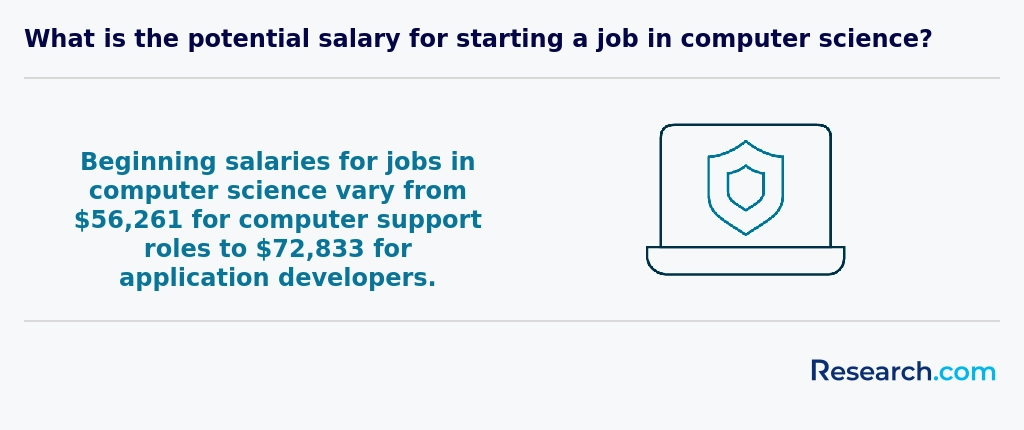
St. Louis IT degree employment outlook remains strong, with over 10,000 openings reported in 2023 alone. Graduates appreciate the competitive salaries ranging from $65,000 to $95,000, which allow them to thrive financially while contributing to impactful projects. Many graduates pursuing a bachelor in database management find their degrees especially valuable, opening doors to roles in financial services and healthcare sectors that anchor the region's tech growth.
Students studying online in St. Louis enjoy flexible schedules that balance work and education, fueling their confidence as they enter an expanding job market eager for skilled IT professionals.
2027 Most Affordable Online Information Technology Degree Programs Ranking in St. Louis, MO
Investing in your education is a significant decision that can shape your future, and the Research.com team understands the importance of making informed choices. To assist prospective students in St. Louis, MO, we have meticulously crafted the "2027 Most Affordable Online Information Technology Degree Programs Ranking." Our commitment to quality, credibility, and accuracy is reflected in the extensive research and analysis undertaken to compile this ranking.
We utilized the following reputable data sources to ensure a comprehensive evaluation of information technology programs:
By exploring this ranking, readers will gain valuable insights into affordable and quality online IT degree options in St. Louis, empowering them to make well-informed decisions about their education. For more details on our methodology, please visit our Research.com methodology page.


Frequently Asked Questions About information technology
Online information technology students in St. Louis can maximize their learning by actively engaging with local tech communities. St. Louis boasts a growing IT sector, with over 12,000 tech jobs reported in 2023 according to the St. Louis Regional Chamber. Joining meetups or virtual networking events helps students connect theory with practice.
Utilizing resources from nearby universities offering IT programs, such as access to digital libraries or tutoring, also supports success. Time management is crucial for balancing coursework with professional or personal responsibilities.
Finally, seeking internships with local IT firms through platforms like Arch Grants can provide hands-on experience, deepening understanding beyond coursework.
The information technology field is evolving rapidly, with several emerging niches gaining importance, especially for students pursuing online IT degrees in St. Louis. One key area is cybersecurity, driven by increased demand for protecting data in financial and healthcare sectors prominent in the region. According to the St. Louis Economic Development Partnership, cybersecurity job openings in the metropolitan area are projected to grow by over 20% through 2028.
Another notable niche is data science and analytics. Companies in St. Louis are investing heavily in big data to improve decision-making. Online programs increasingly offer specialized courses in machine learning and artificial intelligence, reflecting industry needs. Cloud computing also remains a vital area as businesses adopt remote solutions.
Finally, software development focusing on mobile and web applications continues to expand with opportunities in both startups and established firms concentrated in St. Louis' tech hubs.
After earning an online information technology degree in St. Louis, preparing for the job market involves several key steps. Begin by gaining practical experience through internships or projects, which can showcase your skills to local employers. St. Louis has a growing tech sector with over 300 tech companies, according to the St. Louis Regional Chamber, increasing demand for IT professionals.
Networking is crucial; connect with local professional groups such as the St. Louis Technology Council. Consider earning industry certifications like CompTIA or Cisco to stand out. Regularly update your resume and LinkedIn profile with relevant skills and achievements.
Employers in St. Louis highly value information technology graduates who possess strong technical and analytical skills. Key competencies include proficiency in programming languages such as Python and Java, along with a solid understanding of cybersecurity principles. The region's growing tech sector places emphasis on practical experience with cloud computing platforms like AWS and Microsoft Azure, as noted by the St. Louis Regional Chamber.
Additionally, communication and problem-solving abilities are critical. Employers seek graduates who can clearly explain technical issues and collaborate effectively in team settings. According to the U.S. Bureau of Labor Statistics, IT roles in St. Louis are expected to grow by 11% from 2020 to 2030, heightening demand for adaptable and skilled professionals capable of managing evolving technologies.
Hands-on experience with data analysis and network management is also frequently requested, underlining the importance of comprehensive degree programs that combine theory with applied learning.
Finding internships in St. Louis for an information technology degree involves strategic efforts. Begin by exploring local tech companies and startups, as the city's IT sector has grown 12% over the past five years, according to St. Louis Economic Development Partnership data. Universities often partner with employers to offer internship programs, even for online students, so check resources at nearby institutions such as Washington University or Saint Louis University.
Use job platforms like Handshake and LinkedIn, filtering for St. Louis IT internships. Attend virtual and local career fairs and networking events hosted by groups like the St. Louis Technology Council. Connecting with alumni through school career services can provide valuable leads.
Many internships prefer candidates with fundamental coding, cybersecurity, or data analytics skills, reflecting current industry demands in St. Louis's tech landscape.
An online information technology degree can significantly enhance career mobility in St. Louis, a city with a growing tech industry. According to the St. Louis Regional Chamber, the IT sector in the region has seen steady job growth, increasing by about 8% over the last five years. This growth creates new roles that require formal education and updated technical skills.
Employers in St. Louis often value the flexibility and current knowledge that online IT graduates bring, especially in fields like cybersecurity, data analysis, and software development. Graduates with an online degree can access a broader range of job opportunities across local corporations, startups, and government agencies.
Furthermore, earning this degree online allows working professionals to upskill without interrupting their careers, facilitating promotions and salary increases. According to the U.S. Bureau of Labor Statistics, IT management positions in Missouri offer a median annual wage of $146,000, highlighting advancement potential with higher education.
Studying for an information technology degree online in St. Louis equips students with skills applicable across multiple fields. Programs often include coursework in cybersecurity, data analytics, and project management, which are essential for interdisciplinary collaboration. Local employers in healthcare, finance, and manufacturing seek IT professionals who understand these sectors, making such degrees valuable.
According to the St. Louis Economic Development Partnership, technology jobs in the region have grown by over 10% in recent years, emphasizing the need for versatile IT experts. Online degrees also emphasize communication and problem-solving skills, preparing graduates to work effectively with non-technical teams.
This combination of technical and soft skills prepares students for diverse roles beyond classic IT positions.
When choosing between a thesis and a non-thesis online information technology degree in St. Louis, consider your career goals and learning style. A thesis program emphasizes research, requiring a substantial written project. This path suits students aiming for advanced roles in IT research or planning to pursue a doctorate. Non-thesis programs, on the other hand, focus more on practical skills and coursework, often preferred by professionals seeking immediate application of knowledge in the workforce.
St. Louis, known for its growing tech sector with over 75,000 IT jobs as reported by the Missouri Economic Research and Information Center (MERIC) in 2023, offers programs tailored to both types of students. Evaluating your interest in research versus hands-on experience is key.
Additionally, thesis programs may take longer and require strong writing and analytical skills. Non-thesis tracks often allow for accelerated completion and more flexibility for working adults. Both options meet accreditation standards common among the region's institutions.
Students based in St. Louis seeking to study information technology abroad often consider online programs offered by U.S. institutions with international affiliations. These programs allow learners to access global curricula while benefiting from American accreditation standards. While fully abroad-based IT degrees are less common for remote students, partnerships between St. Louis universities and foreign schools provide options for exchange or dual-degree opportunities.
According to the St. Louis Economic Development Partnership, the city's tech sector has grown 7% annually, boosting demand for globally educated IT professionals. Those interested can explore online international IT courses backed by recognized U.S. universities, balancing global perspectives and local job market relevance.
St. Louis offers several part-time job opportunities that complement online information technology degree education. Many local businesses seek IT support technicians to assist with network management, troubleshooting, and cybersecurity tasks. According to the Missouri Economic Research and Information Center, IT sector employment in St. Louis is expected to grow by 9% through 2030, highlighting a rising demand for technical skills.
Students may also find internships or roles as junior software developers or web designers with companies in the city's growing startup ecosystem. Positions in data analysis and technical support at healthcare institutions provide valuable real-world experience. These roles allow practical application of coursework alongside academic studies.
Online information technology students in St. Louis benefit from robust networking opportunities despite studying remotely. The city hosts various professional groups such as the St. Louis Technology Council, which brings together IT professionals from across the region for regular events and workshops. According to the U.S. Bureau of Labor Statistics, St. Louis is home to over 24,000 IT-related jobs, fostering a strong local tech community.
Students can also connect with alumni networks from local universities offering online IT degrees, providing mentorship and career guidance.
Additionally, St. Louis features several tech meetups and hackathons that welcome online learners seeking hands-on collaboration and professional contacts.
Alumni networks play a crucial role for online information technology degree students in St. Louis by providing access to a vast community of professionals. These networks foster mentorship opportunities, helping students navigate the local job market more effectively. St. Louis is home to a growing tech sector, with firms like Centene and World Wide Technology often hiring IT graduates, making alumni connections valuable for job referrals and inside knowledge.
Additionally, alumni groups frequently organize events and workshops that help students build practical skills and stay updated on industry trends. According to St. Louis Regional Chamber data, 15% of tech jobs in the area are filled through networking. This highlights the importance of staying connected with graduates who understand both the regional market and the evolving IT landscape.
Customizing an online information technology degree program in St. Louis allows students to align their education with specific career objectives. Many Missouri institutions offer flexible curricula where students can select electives in areas like cybersecurity, software development, or data analytics. This approach lets learners gain expertise relevant to growing industries in the St. Louis metro area, which boasts a rising demand for IT professionals.
Some programs also provide options for internships or capstone projects, enabling students to apply skills directly to local business challenges. Accreditation by bodies such as ABET ensures degree quality, important for employers. According to the Missouri Economic Research and Information Center, IT occupations in St. Louis are projected to grow 8% through 2030, underscoring the value of targeted skills.
Online information technology students in St. Louis often face challenges related to balancing work, family, and study commitments. Many students are working professionals using online programs to upskill, which can create time-management pressures. Additionally, despite St. Louis's growing tech scene-home to over 6,000 tech companies according to the St. Louis Regional Chamber-some students report limited local internship opportunities connected directly to their online studies.
Connectivity can also be an issue; reliable high-speed internet is crucial for online learning but is unevenly available in some suburban and rural areas near St. Louis, impacting access to live lectures or collaborative projects. Lastly, students sometimes find it difficult to establish networking connections that on-campus students might gain more easily through face-to-face interactions.
With an online information technology degree, students in St. Louis can pursue several respected professional certifications to advance their careers. Popular options include the CompTIA A+, which validates foundational IT skills, and the Certified Information Systems Security Professional (CISSP), geared towards cybersecurity roles. Additionally, the Certified Information Systems Auditor (CISA) is valuable for those interested in IT auditing and compliance. According to the U.S. Bureau of Labor Statistics, St. Louis's tech sector continues growing, increasing demand for certified IT professionals.
Crafting a winning application for an online information technology program in St. Louis begins with clear focus and preparation. Highlight your academic background, especially any coursework or certifications related to IT, such as programming or cybersecurity. Admissions committees value relevant work experience, so emphasize technical roles or projects in your resume.
St. Louis tech employers report strong demand for skills in cloud computing and data analytics, making these areas worth mentioning in your personal statement. According to the St. Louis Regional Chamber, the IT sector in the area grew by more than 10% between 2019 and 2023. Demonstrate knowledge of local industry trends to show your commitment.
Strong letters of recommendation, ideally from professionals or professors familiar with the IT field, add credibility. Lastly, clearly articulate your career goals and how the program aligns with the evolving St. Louis tech landscape to make your application compelling.
The global perspective on an information technology (IT) career emphasizes the increasing need for skilled professionals in a rapidly digitalizing world. IT roles are growing at an annual rate of about 11% in the U.S., faster than many other fields, according to the Bureau of Labor Statistics. For St. Louis specifically, the technology sector has expanded notably, with over 14,000 tech jobs reported in 2023, reflecting strong regional demand (St. Louis Economic Development Partnership).
Internationally, IT skills are highly transferable, allowing graduates to work in diverse markets while contributing to global innovation. U.S. online IT degrees equip students with competencies recognized worldwide, enhancing career mobility.
Understanding global tech trends and cybersecurity challenges prepares St. Louis students for roles supporting multinational corporations and local startups. This broad outlook is crucial for graduates aiming to thrive in a connected economy.
Gaining practical experience while pursuing an online information technology degree in St. Louis is crucial for career readiness. Many programs incorporate virtual labs and simulation tools, allowing students to apply theoretical concepts in controlled environments. Additionally, St. Louis hosts a growing tech sector, with companies like World Wide Technology and Centene offering internships and cooperative education programs. Students can seek remote internships to build hands-on skills while studying. Local professional groups, such as the St. Louis Technology Council, provide networking events and workshops that help bridge classroom learning with real-world IT challenges. These opportunities enrich online education with practical experience.
Choosing the right concentration within an online information technology degree in St. Louis depends on your career goals and the local job market. In St. Louis, IT roles in cybersecurity, data analytics, and software development are growing rapidly, reflecting national trends highlighted by the U.S. Bureau of Labor Statistics.
Research local employers such as World Wide Technology and Express Scripts to understand which specializations they value. St. Louis has a strong presence in cybersecurity due to increased demand from healthcare and financial sectors, making it a promising concentration.
Consider your background and interests. If you enjoy programming, software development could be the best fit. If you prefer managing data, look for data science or network administration options. Many St. Louis colleges offer flexible online tracks to match these needs.
- Best Online Degrees in Information Technology https://www.computerscience.org/degrees/best-online-bachelors-information-technology/
- 2. How to Chart Your Connections https://ohioemploymentfirst.org/expanding-your-opportunities-through-networking-pre-ets/activity-2
- How long does it take to complete an IT program? https://wcc.ca/blog/how-long-does-it-take-to-complete-an-it-program/
- Networking for a Career in Tech https://www.comptia.org/en/blog/networking-for-a-career-in-tech/
- 2026 Best Online IT Degrees https://www.onlineu.com/degrees/information-technology
- Best Online Bachelor's Degrees in Information Technology ... https://www.cyberdegrees.org/listings/best-online-bachelors-in-information-technology-programs/
- Information Technology Degree Jobs: 5 In-Demand ... https://www.umassglobal.edu/blog-news/information-technology-degree-jobs-5-demand-careers-consider
- St. Louis: No-Cost IT Courses & Training https://perscholas.org/locations/st-louis/
- IT Schools Online | Information Technology Careers https://www.oedb.org/rankings/online-it-programs/
- 20 Best Online Bachelor's in Information Technology ... https://www.onlinedegrees.com/bachelors-in-information-technology/