2027 Fastest Online Bachelor's in Information Technology Degree Programs Ranking in Georgia

Co-Founder and Chief Data Scientist
Choosing the right online bachelor's degree in Information Technology is a big step toward a successful future. This article introduces the 2027 Fastest Online Bachelor's in Information Technology Degree Programs Ranking in Georgia, carefully developed by the Research.com team of data scientists.
Designed to guide Georgia students, the ranking highlights programs that combine speed and quality, helping you make an informed decision. Earning an IT degree opens doors to in-demand careers, growth opportunities, and personal achievement.
Explore the ranking to find a program that fits your goals and schedule, and take a confident step toward your future.
Key benefits of getting online information technology degree in Georgia
- The average salary for information technology graduates in the US is approximately $90,000 per year, providing strong financial potential for those entering this field from Georgia.
- Graduates from Georgia Tech have access to diverse career paths including software development, network administration, and cybersecurity, offering exciting opportunities to grow and specialize.
- Completing an online information technology degree from Georgia State University allows flexibility to balance work and study, making education more accessible without sacrificing quality or career progression.
- 2027 Fastest Online Bachelor's in Information Technology Degree Programs Ranking in Georgia
- What can I expect from online information technology degree in Georgia?
- Where can I work with online information technology degree in Georgia?
What can I expect from online information technology degree in Georgia?
The average cost of an online information technology degree in Georgia is a compelling reason many students pursue this path. Graduates from well-known institutions like Kennesaw State University and Georgia Southern University often share how affordable tuition-especially the in-state rates-allowed them to focus on learning without financial stress. Many found that paying around $6,000 to $12,000 per year for their online IT program was a worthwhile investment, unlocking doors to a thriving tech industry.
These programs' affordability combined with flexible schedules made balancing work, family, and education manageable, fueling their confidence and motivation. Students often describe hands-on virtual labs and collaborative projects that mirror real-world IT environments, making every dollar spent feel productive and energizing. Knowing that the state's average IT salary exceeds $80,000 energized their commitment, confirming their decision to invest both time and money in a future filled with opportunity.
Where can I work with online information technology degree in Georgia?
Graduates with an online information technology degree from well-known Georgia institutions find themselves welcomed by a thriving job market where opportunity abounds. Many step confidently into roles in Atlanta, the state's bustling tech hub, joining companies that range from industry giants to innovative startups. These graduates often thrive in positions like software development, cybersecurity, and cloud computing, applying the skills honed through their programs to real-world challenges.
Others discover rewarding careers beyond Atlanta-in cities such as Augusta, Savannah, and Columbus-where IT expertise supports vital sectors like healthcare, military, logistics, and manufacturing. Imagine a graduate working with a major healthcare provider in Augusta, using data systems to improve patient care, or supporting cybersecurity initiatives at a logistics company in Savannah. These tangible examples reflect how online IT degrees open doors across Georgia's diverse industries.
Graduates often express excitement about the competitive salaries and flexibility of remote work, which allow them to balance dynamic careers with personal life. The specialized certifications and practical projects from these programs empower students to stand out and confidently pursue careers as IT managers, systems analysts, or software engineers within Georgia's welcoming tech landscape.
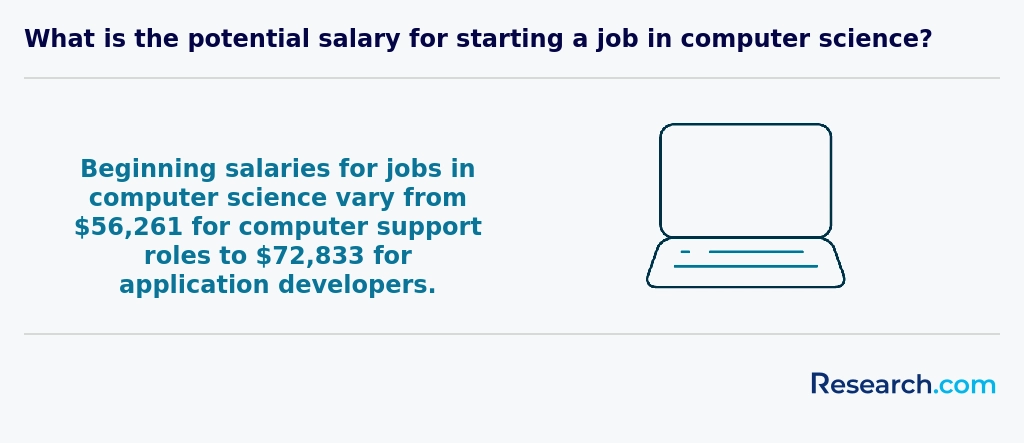
Graduates with an online information technology degree in Georgia can look forward to rewarding salary opportunities. Entry-level professionals from institutions like the University of Georgia or Georgia Tech often start with competitive salaries ranging from $55,000 to $70,000 annually. This strong start reflects the state's vibrant tech industry and growing demand for skilled IT workers.
As graduates gain hands-on experience in areas such as cybersecurity or cloud computing, their earning potential grows significantly. Many mid-career IT specialists earn between $80,000 and $100,000, especially in bustling tech hubs like Atlanta. For example, information security analysts here typically command salaries near $95,000, demonstrating the value of advanced skills and certifications.
IT graduates also find leadership roles rewarding, with computer and information systems managers making over $120,000 per year. These figures inspire many students from Georgia's tech programs to envision a future where their expertise leads to both financial success and fulfilling careers.
- In-state tuition for online IT bachelor's degrees in Georgia ranges from $5,000 to $10,000 per year, while out-of-state tuition is between $15,000 and $25,000 annually.
- Technology occupations in Georgia are expected to grow by about 8% over the next decade, which is faster than the national average growth rate.
- Early career IT professionals in Georgia earn an average starting salary of around $60,000 per year, increasing to about $90,000 with experience.
- Demand for IT specialists is driven by growth in areas like cybersecurity, network administration, and software development supported by statewide digital infrastructure.
- Many online IT degree programs offer flexible study options suitable for working professionals and students with family commitments.
Completing an online information technology degree in Georgia is a journey tailored to fit your lifestyle and ambitions. Many students at institutions like Kennesaw State University and the University of West Georgia celebrate finishing their bachelor's in about four years when studying full-time. This path offers a steady pace that balances coursework with life's other demands, giving you time to absorb and apply new skills confidently.
For those eager to accelerate their progress, Georgia's online programs often provide fast-track options with condensed terms lasting as little as eight weeks. Graduates who chose this route found it exhilarating to advance quickly while managing jobs and family, completing their degrees in as little as two and a half to three years.
Part-time students thriving in Georgia's flexible online offerings appreciate the extended timeline-often five to six years-as it allows them to pursue their degree while working or caring for loved ones. Many learners also gain credit for prior college work or certifications, making the dream of a degree even more attainable.
Choosing between online and on-campus IT degrees in Georgia opens exciting paths tailored to your lifestyle and goals. On-campus programs at institutions like Georgia State University offer vibrant, in-person experiences filled with hands-on labs, bustling campus energy, and face-to-face networking that sparks lasting professional connections. Imagine collaborating directly with classmates in computer labs or joining tech-focused clubs that ignite your passion every day.
Online IT degrees, embraced by the University System of Georgia and the Technical College System, bring flexibility and freedom to your fingertips. Picture yourself balancing work, family, and study seamlessly, accessing lectures anytime, anywhere. Graduates often share how virtual classes helped them stay motivated, leveraging interactive forums and scheduled video chats to connect deeply despite the distance.
Both paths in Georgia blend strong academics with real-world preparation, ensuring that whether you thrive in dynamic classrooms or the comfort of your own space, your IT journey fuels personal growth and career success.
The average cost of an online information technology degree in Georgia offers promising value, especially when considering the state's quality educational options. Graduates from renowned universities in Georgia often share how investing approximately $39,465 on average for their degree opened doors to rewarding careers in IT. This amount reflects a balance between accessible tuition and a comprehensive learning experience tailored to prepare students for today's tech-driven world.
Many students pursuing an online information technology degree in Georgia appreciate how local public universities provide more affordable tuition and fees for residents, making higher education a more achievable goal. Whether studying foundational concepts or exploring advanced IT topics, these programs empower students with skills applicable to a variety of industries. This affordability encourages students to embrace their ambitions without the heavy burden of excessive debt, a key consideration for those researching average cost online information technology degree Georgia options.
Students often highlight personal stories from colleges that are popular for IT degrees in Georgia, where flexible online courses fit around busy lives and career growth. The chance to learn cutting-edge material in areas related to what is management information systems further inspires students to envision exciting futures. With thoughtful financial planning and awareness of tuition and fees for IT degree programs Georgia, the path to an IT career becomes both accessible and motivating.
Students pursuing an online information technology degree in Georgia are surrounded by a strong support network of financial aid options that make their educational journey more achievable. Graduates from the University of Georgia and Georgia Tech often share how federal aid, like Pell Grants and Federal Direct Loans, played a crucial role in reducing their financial stress, allowing them to focus on mastering IT skills. By completing the FAFSA, you may qualify for grants that don't require repayment or low-interest loans that ease the burden without overwhelming debt.
Georgia's HOPE Scholarship and HOPE Grant offer incredible state-specific support that many students rely on to cover tuition costs at public institutions or certified technical programs. Imagine yourself benefiting from these merit- and need-based awards, helping you get closer to your dream career while keeping expenses manageable.
Additionally, institutional scholarships at Georgia's top schools provide personalized aid, often guided by dedicated financial counselors. Combine this with private scholarships and employer tuition reimbursement, and the path to earning your IT degree online in Georgia becomes not just possible but inspiring and exciting.
To enroll in an online information technology degree program in Georgia, students typically start with a high school diploma or GED, laying a strong foundation for exciting academic challenges ahead. Many graduates from popular institutions like Georgia Tech or Kennesaw State share how meeting a minimum GPA requirement, often around 2.5, gave them confidence in their ability to succeed.
Some programs may ask for SAT or ACT scores, but many have adapted and waived these to welcome more students during changing times, fostering an encouraging environment for learners balancing life's demands. Being familiar with basic computer skills and having a grasp of algebra or geometry helps students confidently dive into programming and database courses.
Submitting transcripts, recommendation letters, and sometimes a resume are important steps that give admissions teams a clear picture of your readiness and potential. Many students appreciate that these requirements reflect their journey and strengths beyond just test scores.
Financially, understanding tuition ranges between $8,000 and $15,000 annually lets students plan wisely, making use of available aid to pursue their goals without stress. Some programs may also include placement tests to better support individual success by customizing course recommendations, making the learning path feel personal and achievable.
Online information technology degree programs in Georgia offer a vibrant mix of courses designed to ignite your passion for tech and build real-world skills. Graduates from popular universities in Georgia describe how foundational courses like Programming Fundamentals and Database Management Systems gave them the confidence to solve complex problems and manage large data sets with ease. Imagine yourself mastering Python or SQL, just as they did, preparing for exciting projects in the state's booming tech industry.
Core classes also cover Network Security and Cybersecurity, reflecting Georgia's fast-growing demand for experts who protect vital information. Many students recall how hands-on experiences in Systems Analysis and Design and Web Development helped them design and build applications that drive innovation in real companies across Atlanta and beyond.
Universities ensure you learn in dynamic, supportive environments where courses on project management and IT ethics teach teamwork and responsible leadership-skills graduates highlight as essential for thriving in Georgia's tech community. This curriculum not only shapes skilled professionals but also empowers you to become a confident leader ready to embrace the future of technology.
Online information technology specializations in Georgia offer dynamic pathways tailored to today's thriving tech landscape. Graduates from institutions like Georgia Tech and Kennesaw State University often share how their focus in cybersecurity empowered them to confidently protect valuable data in fast-paced environments. Others emphasize the hands-on skills gained in network administration, enabling them to build and sustain intricate communication systems vital for businesses across the state.
Popular Georgia IT degree concentration options also include software development, where students bring creative ideas to life by coding innovative applications; data analytics, which sharpens the ability to transform complex information into actionable insights; and IT project management, preparing leaders who successfully drive technology initiatives from start to finish. These specializations not only align with Georgia's growing job market but also spark personal growth and excitement about future opportunities.
For those eager to accelerate their career, programs offering the fastest online masters information systems management provide a focused route to leadership roles.
Choosing the best online information technology degree in Georgia means focusing on programs that truly fit your career goals and lifestyle. Graduates from well-known Georgia universities often highlight the importance of selecting accredited programs, especially those accredited by SACSCOC, which employers recognize and respect.
Consider affordable online IT bachelor's degrees Georgia institutions offer to balance quality education with financial flexibility. Many students find that programs with specializations like cybersecurity or cloud computing match Georgia's booming tech market needs perfectly, unlocking exciting job opportunities post-graduation.
Flexibility is key-graduates appreciate programs offering asynchronous classes allowing them to study around work and family commitments. Exploring programs with strong career services and internship connections in Atlanta's tech hubs also helps graduates launch their careers with confidence.
For those seeking detailed program rankings and options, exploring resources on online mis degrees can offer valuable insights to guide your choice.
Graduates with an online information technology degree in Georgia embrace a wealth of exciting career paths that fuel innovation and growth. Many find fulfilling roles as network and systems administrators, orchestrating seamless technology operations in bustling hubs like Atlanta and Augusta. Others step confidently into cybersecurity positions, where protecting vital data across Georgia's financial and healthcare sectors feels both challenging and rewarding. Graduates from leading universities in the state often share how their hands-on projects and internships prepared them to thrive in these dynamic roles.
For those drawn to creative problem solving, software development opens doors to designing cutting-edge applications used by millions. Georgia's thriving tech communities make these opportunities even more accessible, inspiring graduates to contribute confidently to impactful projects. Exploring online information technology careers in Georgia reveals diverse options such as database administrators, IT project managers, and help desk specialists-all essential roles that power the state's technology backbone.
Students balancing life and learning appreciate how programs at top colleges allow flexibility without sacrificing quality. Many turn to expertly designed online it course options to build skills and launch their dreams in this vibrant field.
The job market for graduates with an online information technology degree in Georgia is thriving, offering exciting opportunities across fields like cybersecurity, software development, and data analytics. Graduates from institutions such as the University of Georgia and Georgia Tech have found rewarding careers thanks to the state's rapidly growing tech sector. Many report how internships and partnerships with local tech firms in Atlanta helped transform classroom learning into real-world skills, making their transition to employment smooth and promising. This dynamic environment highlights the value of online education programs tailored to Georgia's tech ecosystem, significantly enhancing Georgia IT degree employment prospects.
Online information technology job opportunities in Georgia continue to expand, particularly in metro areas like Atlanta, which serves as a fertile ground for startups and established companies eager to hire tech talent. Graduates often express enthusiasm about the competitive salaries and clear career pathways available, motivating them to develop specializations in high-demand roles such as cloud computing and cybersecurity analysts. Those curious about advancing beyond entry-level roles will find helpful insights on what degree do you need to become a cto, guiding their long-term ambitions within this vibrant sector.
2027 Fastest Online Bachelor's in Information Technology Degree Programs Ranking in Georgia
Investing in your education is a significant decision that can shape your future, and the Research.com team understands the importance of making informed choices. To assist prospective students in Georgia, we have meticulously developed the "2027 Fastest Online Bachelor's in Information Technology Degree Programs Ranking in Georgia." Our commitment to quality, credibility, and accuracy is demonstrated through rigorous research and analysis.
We utilized the following reputable data sources to ensure a comprehensive evaluation of IT degree programs:
By exploring this ranking, readers will gain valuable insights into the fastest and most efficient online IT degree programs in Georgia, enabling them to make well-informed educational decisions. For more details on our methodology, please visit our Research.com methodology page.


Frequently Asked Questions About information technology
Students pursuing online information technology degrees in Georgia can enhance their learning by engaging actively with course materials and virtual labs. Georgia is home to a growing tech sector, with over 90,000 IT jobs statewide as reported by the Georgia Department of Labor in 2023, offering ample practical opportunities. Connecting with local tech communities through platforms like TechStars Atlanta or attending virtual meetups helps students build valuable networks.
Strong time management skills are essential for success in online programs, allowing students to balance studies with work or family commitments. Utilizing campus resources such as online tutoring and career services further supports learning and professional growth.
Emerging niches in the information technology field reflect rapid technological advancements and shifting market demands. In Georgia, areas like cybersecurity, cloud computing, and data analytics are especially growing. According to the Georgia Department of Labor, cybersecurity jobs are expected to grow by 31% through 2030, highlighting strong demand in the state.
Cloud computing professionals are sought after due to widespread adoption by businesses for flexible and scalable solutions. Data analytics is also a transforming niche, where experts interpret large datasets to guide decision-making.
Other promising areas include artificial intelligence, machine learning, and Internet of Things (IoT), all of which offer expanding career pathways for graduates of online IT degrees in Georgia.
Graduates with an online information technology degree in Georgia should focus on building both technical skills and professional experience to excel in the job market. Georgia's IT sector is strong, with Atlanta ranking as a leading tech hub in the Southeast, offering over 60,000 IT jobs as of 2023 (Georgia Department of Labor).
Internships and entry-level positions are valuable for gaining practical experience. Networking through local tech meetups and organizations like the Georgia Technology Authority can open doors.
Students should also pursue certifications such as CompTIA or Cisco to enhance their resumes. Staying updated on trends like cloud computing and cybersecurity is essential in this fast-evolving field.
Employers in Georgia increasingly seek information technology graduates with strong technical and soft skills. Key technical abilities include proficiency in cybersecurity, cloud computing, and data analytics. According to the Georgia Department of Economic Development, demand for IT professionals with cloud expertise is growing by over 12% annually.
Beyond technical know-how, employers prioritize problem-solving and communication skills. Graduates must clearly explain complex concepts to diverse teams, reflecting a nationwide trend noted by the U.S. Bureau of Labor Statistics in IT occupations.
Hands-on experience with coding languages such as Python and Java remains critical. Additionally, familiarity with network administration and database management helps candidates stand out in Georgia's competitive tech job market.
Finding internships in Georgia for information technology students involves leveraging local resources and industry connections. Many universities offer career services that connect students to internships with tech companies across Atlanta and other tech hubs in the state.
Students should explore platforms like the Georgia Department of Economic Development and Georgia Tech's Career Center, which list internship opportunities specifically in IT fields. The state's IT sector employed over 200,000 professionals as of 2023, providing numerous positions in software development, cybersecurity, and network management.
Networking events, such as those hosted by the Georgia Technology Authority, are valuable for connecting directly with employers.
An online information technology degree significantly enhances career mobility and advancement opportunities in Georgia's growing tech sector. The state's demand for IT professionals is expected to increase by 15% between 2022 and 2032, according to the U.S. Bureau of Labor Statistics. This growth creates new roles and leadership positions that require specialized technical knowledge and credentials. Completing an accredited online IT program allows professionals to gain skills in cybersecurity, network management, and software development while maintaining employment.
Employers in Georgia increasingly recognize online degrees from reputable institutions, making graduates competitive candidates for promotions and new job roles. With Atlanta emerging as a major tech hub, these degrees boost access to higher-paying jobs in a variety of industries including finance, healthcare, and logistics.
Studying for an information technology degree in Georgia offers students the chance to engage with interdisciplinary coursework, blending IT with business, healthcare, and engineering fields. Programs often include classes in project management, cybersecurity, and data analytics, preparing graduates for diverse roles in various industries.
Georgia's growing tech sector, highlighted by organizations like the Technology Association of Georgia, fosters collaboration between IT professionals and other disciplines. According to the Georgia Department of Economic Development, the state's tech employment is projected to grow 10% by 2028, emphasizing demand for versatile skills.
Online degrees also emphasize communication and problem-solving, essential for interdisciplinary teamwork and leadership in complex environments.
Choosing between a thesis and a non-thesis online information technology degree in Georgia depends on your career goals and learning preferences. A thesis option typically suits students aiming for research or graduate studies, involving original research and a written dissertation. This path requires strong writing and analytical skills.
Alternatively, a non-thesis program focuses more on practical skills and coursework, ideal for those seeking to enter the workforce quickly or advance in IT roles without pursuing further academic research. According to the Georgia Board of Regents, many public universities offer both tracks with comparable graduation rates, giving students flexibility.
Consider your professional objectives and whether you prefer research or hands-on experience before deciding.
Students based in Georgia seeking to study information technology abroad have several pathways to consider. Many U.S. institutions partner with international universities, offering dual-degree or study-abroad options that allow credit transfer and global exposure. Additionally, online programs from foreign universities accredited in the U.S. provide flexible international education without relocation.
Georgia Tech, renowned for its IT programs, collaborates with global partners, providing students with opportunities to gain international experience while maintaining enrollment locally. According to the Georgia Department of Education, about 15% of Georgia's IT students pursue degrees with an international component.
For those interested in overseas credentials, it is crucial to verify the foreign institution's accreditation and credit transfer policies. The U.S. Department of Education's database can assist in this verification process.
Part-time job opportunities in Georgia that complement online information technology degree education are diverse and practical. Many students find roles as IT support specialists or help desk technicians, which build essential troubleshooting and customer service skills. According to the Georgia Department of Labor, IT support roles have grown steadily, reflecting a 12% increase in demand from 2020 to 2023.
Additionally, web development internships and freelance projects provide hands-on experience in coding and design, aligning well with coursework. Networking technician roles are also common, offering exposure to hardware and network management. These positions help students apply theoretical knowledge in real-world environments while balancing their studies efficiently.
Online information technology students in Georgia benefit from numerous networking opportunities despite studying remotely. Many state universities, such as the University of Georgia and Georgia Tech, host virtual career fairs and provide access to professional IT organizations like the Georgia Technology Authority and CompTIA Atlanta chapter.
Students can join statewide groups and online forums tailored to IT professionals in Georgia, helping them connect with local experts and employers. Additionally, Georgia ranks high in IT employment growth, with over 100,000 IT jobs reported by the Georgia Department of Labor in 2023, increasing local demand for skilled graduates.
Colleges often facilitate alumni networking events and mentorship programs online, broadening students' professional circles within the state.
Alumni networks play a crucial role for students earning online information technology degrees in Georgia. These networks provide access to professional connections within the state's growing tech industry, which employed over 167,000 IT professionals in 2023 according to the Georgia Department of Labor. Engaging with alumni can lead to internships, job opportunities, and mentorship tailored to the Georgia market. Many universities facilitate virtual events and online communities, helping distance learners build relationships despite physical separation. For online students, such connections are vital for practical career advancement and navigating Georgia's competitive IT job landscape.
Students pursuing online information technology degrees in Georgia can tailor their programs by selecting concentrations aligned with their career goals. Many schools offer specializations such as cybersecurity, data analytics, or network administration, allowing learners to focus on high-demand IT fields.
Additionally, students should consider programs with flexible elective options, enabling them to gain skills relevant to industries thriving in Georgia, like fintech and healthcare IT. According to the Georgia Department of Economic Development, these sectors have shown consistent IT job growth exceeding 5% annually.
Choosing internships and capstone projects connected to Georgia-based companies can further enhance practical experience in desired career paths.
Online information technology students in Georgia often face challenges related to balancing coursework with work and family responsibilities. Since many students are adults returning to education, time management becomes critical. Connectivity issues can also impact learning, especially in rural parts of Georgia where internet access may be limited or unreliable, according to the Federal Communications Commission reports.
Another challenge is staying motivated and engaged without in-person interaction. Students must be self-disciplined to complete assignments and participate in online discussions. Additionally, navigating online platforms and technical troubleshooting can pose difficulties for those less familiar with digital tools.
Finally, some students encounter limited access to hands-on labs and internships locally, essential for IT practical experience. Finding opportunities within Georgia's IT job market, which is growing but competitive, can add pressure during and after degree completion.
An online information technology degree in Georgia can open doors to various professional certifications that enhance career prospects. Common certifications include CompTIA A+, which validates foundational IT skills, and Cisco Certified Network Associate (CCNA) for networking expertise. According to CompTIA's 2023 report, Georgia ranks among the top states for IT job growth, making these certifications valuable locally.
Other sought-after credentials include Certified Information Systems Security Professional (CISSP) for cybersecurity and Microsoft Certified: Azure Fundamentals for cloud technologies. Many employers in Georgia prioritize these certifications for IT roles, reflecting regional industry demands.
These certifications complement an online degree and often require passing an exam and meeting experience criteria.
When applying for an online information technology program in Georgia, start by carefully reviewing each school's admission requirements. Strong academic records, especially in math and science, improve your chances. Many programs look for a minimum GPA of 2.5 to 3.0. Highlight any relevant work experience or certifications like CompTIA or Cisco, which demonstrate practical skills.
Georgia's tech job market grows steadily; the state expects a 13% increase in IT jobs through 2030 according to the Georgia Department of Labor. This shows strong demand for tech education. Use your personal statement to explain how your goals align with this growth and how the online format suits your needs.
Request letters of recommendation from employers or educators who can attest to your technical abilities and work ethic. Finally, submit applications early to account for processing times and financial aid opportunities. Following these steps helps your application stand out in Georgia's competitive online IT programs.
The global perspective on careers in information technology (IT) highlights strong demand for skilled professionals across many industries. In the United States, and particularly in Georgia, the IT sector continues to grow rapidly. According to the U.S. Bureau of Labor Statistics, employment in computer and IT occupations is expected to grow 15% from 2021 to 2031, much faster than the average for all occupations.
Georgia's tech industry is expanding with Atlanta recognized as a major tech hub. The state's focus on digital innovation attracts multinational companies, increasing opportunities for IT graduates locally and globally.
IT careers often involve collaboration across countries and cultures, emphasizing the need for skills in cybersecurity, cloud computing, and data analysis. A degree from a reputable online program in Georgia prepares students to meet these global challenges efficiently.
Gaining practical experience while pursuing an online information technology degree in Georgia is crucial for career readiness. Many programs incorporate virtual labs that simulate real-world IT environments, allowing students to practice skills like coding, networking, and cybersecurity.
Additionally, Georgia's strong tech industry offers numerous internship opportunities. Online students can apply for remote internships with companies based in cities like Atlanta, a top tech hub with over 50,000 IT jobs as reported by the Georgia Department of Economic Development.
Students may also participate in project-based courses or collaborate on open-source IT projects. Joining professional organizations such as the Georgia Technology Authority can provide networking and hands-on experiences relevant to the state's IT market.
Choosing the right concentration within an online information technology degree program in Georgia depends on your career goals and the state's job market. According to the Georgia Department of Labor, fields like cybersecurity, software development, and network administration are among the fastest growing IT occupations.
Consider concentrations that match your strengths and interests. For example, cybersecurity programs offer skills aligned with Georgia's expanding demand for information security professionals due to increasing cyber threats.
Research each concentration's curriculum and potential certifications offered, as these can enhance employability.
Look for programs that provide flexibility, relevant hands-on experience, and connections to Georgia's tech industry.
- 2027 Fastest Online Bachelor's in Information Technology Degree Programs Ranking in Florida
- 2027 Fastest Online Bachelor's in Information Technology Degree Programs Ranking in Alabama
- 2027 Fastest Online Bachelor's in Information Technology Degree Programs Ranking in Tennessee
- 2027 Fastest Online Bachelor's in Information Technology Degree Programs Ranking in Kentucky
- 2027 Fastest Online Bachelor's in Information Technology Degree Programs Ranking in Virginia
- 2027 Fastest Online Bachelor's in Information Technology Degree Programs Ranking in Missouri
- 2027 Fastest Online Bachelor's in Information Technology Degree Programs Ranking in Illinois
- 2027 Fastest Online Bachelor's in Information Technology Degree Programs Ranking in Pennsylvania
- 2027 Fastest Online Bachelor's in Information Technology Degree Programs Ranking in Texas
- 2027 Fastest Online Bachelor's in Information Technology Degree Programs Ranking in Kansas
- Jobs you can get with an IT degree | Monroe University https://www.monroeu.edu/academics/undergraduate-programs/school-information-technology/jobs-with-degree-in-it
- How to Start an IT Career: A Beginner's Roadmap | Mindmesh Academy https://www.mindmeshacademy.com/blog/articles/how-to-start-it-career
- Bachelor of Information Technology - Online - Georgia ONmyLINE https://georgiaonmyline.org/degree-program/georgia-southern-university/bachelor-of-information-technology-online
- Bachelor of Science in Information Technology https://www.gsw.edu/college-of-business-and-computing/information-technology
- Best Information Technology Degree Programs in Georgia, 2026 Rankings https://hakia.com/degrees/information-technology/georgia/
- gradireland https://gradireland.com/careers-advice/information-technology/what-skills-are-employers-seeking-it-graduates
- The Top IT Challenges Facing Universities (And How to Tackle Them) | Full Fabric https://www.fullfabric.com/articles/it-challenges-universities-face
- What Is an Information Technology Degree? Everything You Need to Know https://www.cw.edu/news/what-is-an-information-technology-degree-everything-future-students-should-know/
- How to Get Started in Information Technology https://www.straighterline.com/blog/how-to-get-started-in-information-technology
- The Crucial Role of Networking for Computer Science Students https://dev.to/thisisaayush/the-crucial-role-of-networking-for-computer-science-students-4k2i