2027 Fastest Online Bachelor's in Information Technology Degree Programs Ranking in Alabama

Co-Founder and Chief Data Scientist
If you're a student in Alabama eager to advance your career in technology, choosing the right degree program is crucial. This article introduces the 2027 Fastest Online Bachelor's in Information Technology Degree Programs Ranking in Alabama, created by the Research.com team of data scientists to guide you in making an informed decision.
Discover which programs offer the quickest paths to earning your degree without sacrificing quality. Earning an information technology degree can open doors to rewarding opportunities and growth in a thriving industry.
Explore this ranking to find the program that fits your goals and lifestyle, helping you build a confident future.
Key benefits of getting online information technology degree in Alabama
- Information technology graduates in the US can expect promising salaries, with roles such as software developers earning a median annual wage of about $120,730, reflecting strong financial potential.
- Career paths for IT graduates in Alabama often include jobs in software development, network administration, and cybersecurity, offering diverse opportunities to apply technical skills in growing industries.
- Online IT degrees provide flexibility for working students in Alabama, allowing them to balance education with personal commitments while gaining the same knowledge and credentials as traditional programs.
- 2027 Fastest Online Bachelor's in Information Technology Degree Programs Ranking in Alabama
- What can I expect from online information technology degree in Alabama?
- Where can I work with online information technology degree in Alabama?
What can I expect from online information technology degree in Alabama?
The average cost of an online information technology degree in Alabama typically reflects a balance between affordability and quality, with many public universities offering competitive tuition rates that often include in-state discounts. Graduates from institutions like the University of Alabama or Auburn University often recall the financial relief of paying rates significantly lower than national averages, allowing them to focus more on mastering skills than on worrying about debt.
These cost benefits do not mean a compromise in education. In fact, students find themselves immersed in comprehensive curricula-covering cybersecurity, cloud computing, and IT project management-delivered by faculty who bring real industry experience to virtual classrooms. One graduate described how flexible scheduling and hands-on virtual labs enabled them to manage a full-time job while earning credentials valued by employers in Birmingham's growing tech sector.
Such programs challenge the assumption that convenience comes at a premium. Instead, Alabama's online IT degrees emphasize accessible, accredited learning that respects both your career ambitions and your budget.
Where can I work with online information technology degree in Alabama?
Graduates with an online information technology degree from Alabama's well-regarded programs, such as those at the University of Alabama or Auburn University, often find themselves stepping into dynamic roles across industries you might not initially consider. For instance, a graduate skilled in cybersecurity might join a local healthcare system, tirelessly protecting patient data behind the scenes while enabling breakthroughs in telemedicine.
Others quickly discover fulfilling careers in Alabama's automotive sector, where companies like Honda Manufacturing of Alabama rely on IT professionals to seamlessly integrate software with complex production lines-turning abstract coding skills into tangible, real-world innovations. This often surprises new graduates, who hadn't imagined their skills applying so directly to manufacturing and logistics.
State and local governments also prove essential employers, offering roles that safeguard education networks or maintain public safety systems. Alumni from programs at institutions such as Troy University report the pride they feel supporting technologies that impact daily lives across Birmingham or Mobile, making their work both meaningful and visible in their communities.
Graduates from online information technology programs in Alabama enjoy competitive salaries that rival national averages, offering an encouraging outlook for those entering the tech field. For example, a graduate from a well-regarded Alabama university can expect starting salaries in the range of $50,000 to $60,000, often landing roles such as IT support specialist or systems analyst. These positions provide a solid foundation in real-world environments like Birmingham's growing tech industry or Huntsville's aerospace sector.
With experience and specialized certifications, wages increase notably. Network administrators in Alabama can earn around $70,000 annually, while information security analysts reach closer to $88,000, reflecting the region's rising demand for cybersecurity expertise. Many graduates find this progression motivates continuous learning and pursuing certifications, directly paying off in salary growth.
Studying online in Alabama means you can tap into these vibrant local markets without relocating, blending flexibility with strong earning potential. Graduates consistently report satisfaction in balancing technical skill development with rewarding compensation in this evolving IT landscape.
- Online IT degree programs in Alabama offer flexibility, covering topics like software development, cybersecurity, and network administration.
- Annual tuition for online IT degrees ranges from $6,000 to $10,000 at public universities for in-state students, while private institutions often exceed $20,000.
- Starting salaries for IT graduates in Alabama typically range from $55,000 to $60,000, with median salaries increasing to about $85,000 with experience and certifications.
- The IT job market in Alabama is growing, with high-demand roles including software developers, cybersecurity analysts, and IT project managers.
- Many programs include internships or partnerships with local employers to provide real-world experience and improve job prospects.
- ABET accreditation is common for these programs, ensuring quality education and aiding in competitive job placement.
Completing an online information technology degree in Alabama typically takes around four years for full-time students, mirroring the experience of many who have attended institutions like the University of Alabama at Birmingham or Auburn University. However, this standard timeline is often a flexible framework rather than a strict schedule. Graduates from these programs frequently share how the ability to take asynchronous classes and enroll in summer sessions helped them accelerate their studies and finish sooner than expected.
Others, balancing work and family commitments, found themselves extending their degree over five or six years while appreciating the online format's adaptability. Transfer credits and recognition of relevant work experience also make a real difference, enabling some students to skip courses and reduce their time to graduation.
These varied experiences reveal that while four years is the norm, the true journey depends on individual circumstances and institutional offerings-proving that an online IT degree in Alabama can be tailored to fit not just a schedule, but a life.
You might assume on-campus IT degrees at Alabama universities like Auburn or the University of Alabama offer a richer experience, but is that always true? Graduates often recall how online programs gave them unprecedented flexibility, juggling full-time jobs or family life while accessing lectures from home. One graduate shared how a University of Alabama online IT program helped them avoid commuting hours, freeing time for hands-on coding practice.
However, it's not just about convenience. On-campus students describe the energizing buzz of live labs and spontaneous hallway conversations that spark ideas - something difficult to replicate online. Yet, online learners at Auburn's virtual labs highlight how digital forums and video calls created surprisingly intimate connections with peers and professors, testing their self-motivation and discipline in ways that enriched their problem-solving skills.
Both paths in Alabama cover core subjects like network security and systems analysis, accredited equally under SACSCOC, ensuring your diploma holds weight no matter the delivery. With Alabama's IT job market projected to grow nearly 15% by 2030, the choice becomes more about your lifestyle and learning preferences than the perceived prestige of format.
The average cost of an online information technology degree in Alabama often surprises prospective students who expect a one-size-fits-all price. Public universities in Alabama, well-known for their affordability for residents, typically charge between $7,000 and $11,000 per year for an online IT bachelor's degree. Graduates from these programs frequently share how manageable their financial investment felt given the quality of education, allowing them to stay focused on career growth rather than overwhelming debt.
Contrastingly, private institutions tend to set annual tuition fees above $20,000, which can seem daunting at first. However, this higher cost often comes with a promise of personalized support and extensive resources, reported positively by those graduates who valued the networking opportunities and scholarships that offset some expenses. Those considering an online IT bachelor's degree tuition fees Alabama might weigh the value of these experiences alongside price.
Additional costs like technology fees and course materials occasionally push total expenses higher, but many Alabama online IT programs consciously keep these lower for distance learners, offering a refreshing sense of fairness. Graduates from schools like the University of Alabama or Auburn University often emphasize how financial aid and employer tuition programs lightened their financial burden.
Exploring options like federal grants, employer assistance, and scholarships is crucial for students eager to pursue their goals without being overwhelmed by cost. For those curious about the broader tech career landscape, examining mba it jobs can illuminate the value of this investment even further, offering perspective on long-term returns beyond just tuition fees.

Many Alabama students pursuing online IT degrees discover that federal aid is a lifeline rather than a luxury. Through FAFSA, Pell Grants offer up to $7,395 annually without the burden of repayment, easing the pressure of tuition fees that average between $7,000 and $12,000 at state universities. Graduates recall how Direct Subsidized and Unsubsidized Loans allowed them to focus on mastering cybersecurity or software development without constant financial anxiety.
State-specific programs, such as the Alabama Student Grant, often go unnoticed but proved essential for students enrolled at institutions like the University of Alabama or Auburn University. These grants enabled many to cover unexpected expenses, fueling their passion to innovate rather than worry about costs.
Institutional scholarships also make a tangible difference. Online IT learners from colleges across Alabama report how merit-based or need-based awards rewarded their commitment, sometimes tied to high-demand fields within technology.
Beyond traditional aid, some found relief through employer tuition reimbursement, transforming the pursuit of higher education into a shared investment in their future.
Enrolling in an online information technology degree program in Alabama usually demands more than just a high school diploma or GED; it's a threshold that signals readiness to embrace a challenging digital future. Graduates from universities like the University of Alabama at Birmingham often recall that submitting SAT or ACT scores, when required, felt like a necessary step to prove their academic grounding, even as many schools ease those demands with test-optional policies.
Completing math courses through Algebra II isn't merely a bureaucratic box to check-it reflects the logical thinking essential for IT success. Some programs at institutions such as Auburn University's online campus even recommend prior computer science knowledge, though many students thrive without it, discovering that foundational courses propel them forward.
Transfer students share how official transcripts from previous colleges helped validate their experience, reducing repetition and accelerating progress toward their degree.
- High school diploma or GED
- Submission of SAT or ACT scores if required
- Minimum GPA standards, often around 2.5 to 3.0 on a 4.0 scale
- Completion of math courses up to Algebra II or equivalent
- Background in computer science or technology courses, preferred but not always mandatory
Financial preparations also play a role-knowing that Alabama's average public tuition hovers near $10,000 annually encourages students to plan carefully, balancing passion for IT with practical realities. The blend of academic prerequisites and real-world planning makes the pathway to IT degrees distinctly tangible and achievable in Alabama's evolving educational landscape.
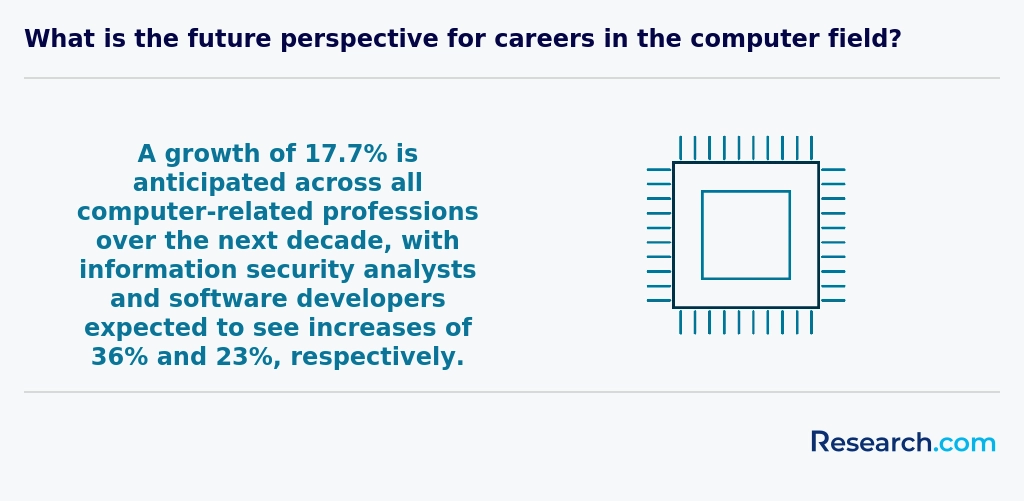
Online information technology degrees in Alabama immerse students in core courses that are far from abstract-they're practical tools shaping real careers. Imagine mastering networking fundamentals while preparing to secure data for an aerospace company or diving deep into cybersecurity principles to defend healthcare IT systems from threats. Graduates from universities like the University of Alabama often describe these classes as challenges that, once conquered, feel like unlocking essential problem-solving superpowers.
The curriculum covers programming languages such as Python and Java, skills every developer Alabama's booming tech sector craves. Elective options, like cloud computing or data analytics, let students tailor their journey, turning theoretical knowledge into career-ready expertise. These courses don't just teach concepts; they echo the evolving demands employers in Alabama's automotive and healthcare IT sectors place on their teams.
Graduates often reflect on how systems analysis and database management went beyond textbooks, helping them confidently design and run real-world projects remotely. This hands-on learning, blended with Alabama's accessible online platforms, cultivates not just knowledge but a sense of readiness to thrive.
Alabama's online information technology degrees challenge the one-size-fits-all approach by offering diverse specializations that reflect real-world demands. Graduates from institutions like the University of Alabama at Birmingham emphasize how a Cybersecurity focus allowed them to engage directly with ethical hacking and digital forensics, vital skills as Alabama's tech sector battles ever-evolving cyber threats. Meanwhile, students concentrating on Network Administration from Auburn University recount practical experiences maintaining complex network infrastructures, preparing them for immediate roles in IT support within regional industries.
For those intrigued by data manipulation, the Data Management and Analytics track provides the tools to handle large datasets, transforming abstract numbers into business intelligence-a skill increasingly celebrated in Alabama's tech corridors. Some graduates pursuing IT Project Management highlight how agile methodology courses shaped their leadership skills, directly impacting successful project executions at local tech firms.
The range of Alabama IT degree concentration options means each student can tailor their path, reflecting their passion and career goals. For students exploring options, Alabama's affordability and program variety align well with the growing demand in technology jobs, particularly in computer and information technology fields, suggesting great promise for both personal fulfillment and professional growth. For guidance on accessible programs, consider researching easy online information technology options as a starting point.
Choosing the best online information technology degree in Alabama means looking beyond surface factors like price or name recognition. Graduates from programs at institutions such as the University of Alabama in Huntsville often highlight how crucial specialization was to their success-cybersecurity and information assurance tracks provided both challenge and clarity in fast-evolving fields. Affordability matters, but so does understanding the real cost of education; comparing in-state tuition alongside available financial aid helps ensure you don't overcommit financially while pursuing one of the more affordable IT bachelor's programs Alabama offers.
Flexibility is key for many students juggling work and life commitments. Some have found part-time and accelerated formats invaluable, allowing them to complete degrees without losing momentum at work. Yet, choosing a degree also involves deep reflection on what you want from it-technical skills, industry connections, or practical experience. Before deciding, ask yourself: do I fully grasp how IT differs from closely related fields? Understanding is computer science and information technology the same can reshape how you pick.
Look for programs accredited by SACSCOC to ensure your degree holds value statewide and beyond. Graduates often recount that strong career placement services made all the difference in landing jobs in Alabama's growing IT sector, proving that not all degrees are created equal in support and outcome.
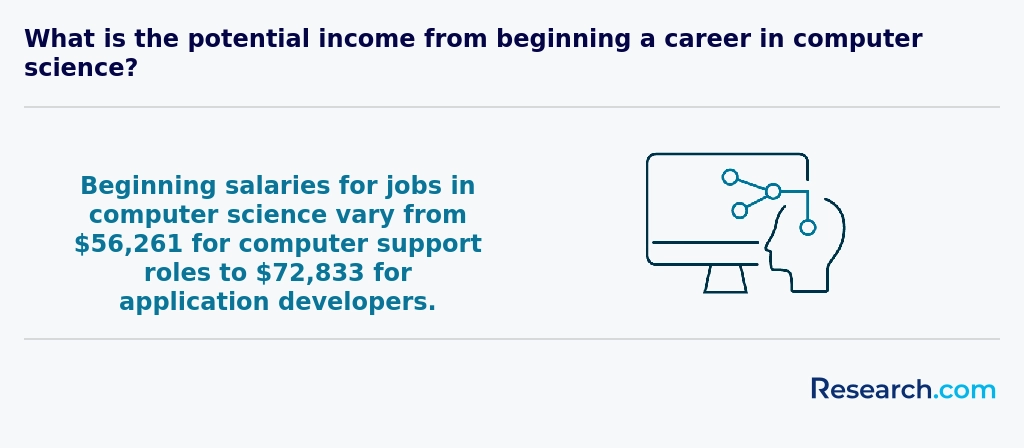
Graduates pursuing online information technology careers in Alabama discover a landscape far richer than expected. Beyond the familiar role of network and computer systems administrators, many find themselves immersed in cybersecurity, protecting companies in cities like Birmingham and Huntsville from evolving cyber threats. Graduates from Alabama's popular universities often share stories of entering IT support roles where daily problem-solving sparks genuine satisfaction despite more modest salaries.
Others leverage their degrees toward becoming software developers or IT consultants, crafting solutions that drive local businesses forward. Imagine a graduate from a leading Alabama college working remotely for a national firm, applying skills acquired through flexible online programs. These students appreciate Alabama's affordable tuition, which makes earning a credible degree accessible without overwhelming debt.
Career seekers should also consider fields like database administration and cloud computing-domains rapidly expanding as employers embrace digital transformation. For those careful about cost, reviewing options for an information technology degree online cheap provides a strategic path toward well-rounded job opportunities Alabama's tech sector demands.
The job market for online information technology jobs in Alabama is vibrant and expanding beyond expectations. Graduates from institutions like the University of Alabama and Auburn University share stories of swift placements in rapidly growing tech hubs such as Huntsville, where aerospace and manufacturing firms fuel demand for cybersecurity analysts and software developers. These graduates often highlight how their online degrees allowed them to balance work and study while gaining skills directly applicable to industry needs.
Exploring the Alabama IT degree employment outlook reveals not only steady job growth, projected at 12% through 2032, but also competitive salaries nearing a median of $87,000 annually. This reality challenges the misconception that online programs might hinder career prospects, especially when many Alabama universities maintain strong partnerships with local employers, creating internship and job placement opportunities that real students experience firsthand.
Moreover, in a state where affordability matters, many students find programs offered for less than the national average, sparking enthusiasm about the cost-benefit balance of their education. For those considering alternatives, it's worth exploring the cheapest mba information systems to see how options extend beyond traditional pathways.
2027 Fastest Online Bachelor's in Information Technology Degree Programs Ranking in Alabama
Investing in your education is a significant decision that can shape your future, and the Research.com team understands the importance of making informed choices. To assist prospective students in Alabama, we have meticulously crafted the "2027 Fastest Online Bachelor's in Information Technology Degree Programs Ranking in Alabama." Our commitment to quality, credibility, and accuracy is reflected in the extensive research and analysis conducted to compile this ranking.
We utilized the following reputable data sources to ensure a comprehensive evaluation of programs:
By exploring this ranking, readers will gain valuable insights into the fastest online IT degree options in Alabama, empowering them to make well-informed decisions about their educational journeys. For more details on how our rankings are created, please visit our Research.com methodology page.
# 1 position
Amridge University
Bachelor of Information Systems Management


# 3 position
Columbia Southern University
Bachelor of Information Technology

Frequently Asked Questions About information technology
Online information technology degree students in Alabama can maximize their learning by actively engaging with their coursework and utilizing available resources. Many Alabama institutions offer virtual labs and simulation tools to develop practical IT skills. Students should also participate in discussion forums to network and collaborate with peers, enhancing their understanding of complex topics.
Accessing Alabama's strong IT job market data helps contextualize learning. The Alabama Department of Labor reports steady growth in IT employment, emphasizing the value of certifications alongside degrees. Pursuing internships or part-time roles in local tech firms can boost practical experience. Staying current with trending technologies and regularly consulting academic advisors further supports success.
The information technology field is rapidly evolving, with new niches emerging that offer exciting career opportunities. In Alabama, specialties such as cybersecurity, data science, and cloud computing are gaining significant attention due to increasing demand. According to the Alabama Department of Labor, cybersecurity jobs are expected to grow by over 15% through 2030, reflecting a national trend driven by rising cyber threats.
Data science and analytics are also key areas, as businesses rely on data to make informed decisions. Cloud computing, especially with major providers expanding in the Southeast, is creating numerous positions for IT professionals skilled in cloud infrastructure and services.
Other growing niches include artificial intelligence and blockchain technologies, both of which are becoming increasingly relevant across industries within Alabama's expanding tech landscape.
Preparing for the job market after earning an online information technology degree in Alabama involves a combination of skill development and networking. Alabama's growing tech sector, including hubs like Huntsville and Birmingham, offers opportunities in cybersecurity, software development, and IT management. According to the Alabama Department of Labor, IT jobs in the state are expected to grow 8% through 2030, faster than average.
Graduates should obtain industry certifications such as CompTIA Security+ or Cisco Certified Network Associate (CCNA) to enhance employability. Additionally, gaining practical experience through internships or freelance projects strengthens resumes. Joining local professional organizations, like the Alabama Technology Council, supports networking and access to job leads.
Employers in Alabama's information technology sector prioritize a mix of technical and soft skills in graduates with IT degrees. Key technical skills include proficiency in cybersecurity, cloud computing, and network administration. According to the Alabama Department of Labor, 64% of IT job postings in 2023 requested knowledge of cybersecurity practices, reflecting the state's growing emphasis on digital security.
Additionally, skills in programming languages such as Python and Java remain vital. Employers also value data management and database skills, as Alabama's IT firms increasingly rely on big data solutions.
Beyond technical abilities, communication and problem-solving skills rank highly. IT professionals must collaborate effectively and adapt to rapidly changing technology environments. These combined competencies position graduates for success in Alabama's expanding digital economy.
Finding internships in Alabama related to an information technology degree involves leveraging local resources and industry connections. Many universities in Alabama, including those offering online IT degrees, have partnerships with tech companies for internship placements.
The Birmingham-Hoover metro area, with a growing tech sector employing over 20,000 IT professionals (Bureau of Labor Statistics, 2023), is a hotspot for opportunities. Students should explore job boards like Handshake, which many Alabama colleges use to list internships.
Networking through professional organizations such as the Alabama Technology Council can also help tap into unadvertised internships. Additionally, contacting Alabama-based companies directly-especially those in software, cybersecurity, and network management-can open doors.
Obtaining an online information technology (IT) degree in Alabama can significantly enhance career mobility and advancement opportunities. The state's growing technology sector, including industries like aerospace, manufacturing, and cybersecurity, increasingly demands skilled IT professionals. According to the Alabama Department of Labor, IT occupations in Alabama are projected to grow by 11% through 2030, faster than the average for all jobs.
Online IT degrees offer flexible education paths that enable working adults to upskill without interrupting their careers. Graduates often qualify for higher-paying roles such as systems analysts, network administrators, or cybersecurity specialists. The Alabama Technology Council notes that employees with formal IT qualifications report better promotion prospects.
Additionally, many Alabama employers recognize degrees from accredited online programs, providing graduates with a solid credential to advance in the competitive job market. The ability to combine current work experience with new academic knowledge is a key advantage of online IT education for professionals seeking upward mobility.
Studying for an information technology degree in Alabama equips students with skills that cross traditional boundaries of IT, preparing them for interdisciplinary roles. Many Alabama institutions emphasize combining IT with business, healthcare, and engineering, reflecting local industry demands. For example, Huntsville's tech-driven economy fosters collaboration between IT and aerospace sectors, encouraging adaptable problem-solving abilities.
Alabama colleges often integrate coursework in cybersecurity, data analytics, and project management, broadening graduates' competencies. According to the Alabama Department of Labor, IT-related jobs are growing by 8% annually, mostly in diverse fields.
This multidisciplinary approach helps students work effectively across teams involving technical and non-technical experts, a critical asset in today's evolving job market.
When choosing between a thesis and a non-thesis information technology degree program in Alabama, students should consider their career goals first. Thesis programs typically involve research and a written project, which benefits those interested in academic or research careers. Non-thesis options focus more on practical skills through coursework and often include internships or capstone projects.
Online IT degrees in Alabama often follow this structure, reflecting national trends outlined by the National Center for Education Statistics. According to the Alabama Commission on Higher Education, about 40% of IT bachelor's graduates pursue research-oriented roles favoring thesis tracks.
Consider also your available time and learning style, as thesis paths require strong self-discipline for extended research work. Non-thesis programs might be more flexible and better suited for immediate workforce entry.
Students based in Alabama seeking to study information technology abroad have several options, primarily through partnerships between Alabama universities and international institutions. Many Alabama schools offering online IT degrees participate in exchange programs or dual-degree agreements, allowing students to experience global tech environments while earning credits transferable to their home institution.
Additionally, federal data shows Alabama is home to a growing IT workforce, which encourages academic collaboration with global tech hubs. Students can also explore fully online IT degrees from internationally recognized universities, accessible anywhere, including Alabama.
It's essential to check accreditation and credit transfer policies before enrolling in any foreign program to ensure a smooth academic progression.
Students pursuing online information technology degrees in Alabama have various part-time job options that enhance their learning and career prospects. Common roles include help desk technician, IT support specialist, and junior network administrator. These positions provide practical experience with troubleshooting, customer service, and network management.
According to the Alabama Department of Labor, IT support roles in the state have grown by 10% over the past five years, reflecting increasing local demand. Working in these positions while studying allows students to apply theoretical knowledge in real-world settings.
Many universities in Alabama, such as the University of Alabama at Birmingham, also offer work-study programs connecting students with IT internships. These opportunities foster valuable connections in the state's expanding tech industry.
Online information technology students in Alabama have several networking opportunities to enhance their education and career prospects. Many Alabama universities with online IT programs connect students to local tech chapters such as the Birmingham IT Professionals Association and Huntsville's Tech Alabama Network. These groups host regular events, workshops, and job fairs aimed at IT professionals. According to the Alabama Department of Labor, Huntsville and Birmingham are key tech hubs with growing IT job markets, offering students valuable industry contacts.
Students can also access virtual career services, including mentorship programs and employer networking events, provided by their universities. Additionally, statewide organizations like the Alabama Technology Network offer resources and connections for IT students to engage with professionals across industries.
Alumni networks play a crucial role for students pursuing online information technology degrees in Alabama. These networks connect current students with graduates who work across various IT sectors, offering valuable mentorship and career guidance. For example, the Huntsville metropolitan area, recognized as a tech hub with over 8,000 IT-related jobs, benefits greatly from strong alumni connections (U.S. Bureau of Labor Statistics, 2023).
Alumni often share job openings and internships exclusive to network members, increasing employment opportunities for students. They also provide insights into market trends and essential skills relevant to Alabama's booming technology industry.
Access to networking events, workshops, and online forums through alumni associations helps students build professional relationships, which can be pivotal for career growth and salary advancement in IT fields.
Online information technology degree programs in Alabama often offer customizable curriculum tracks to align with diverse career goals. Students can typically select concentrations such as cybersecurity, network administration, or software development. This flexibility allows learners to build skills relevant to high-demand IT sectors in Alabama, where job growth is expected to rise by 8% through 2030 according to the U.S. Bureau of Labor Statistics.
Many Alabama institutions provide elective courses and certificates within their online IT degrees, enabling deeper specialization. Additionally, students can engage in internships and virtual labs tailored to local industry needs.
Before selecting electives, prospective students should consult academic advisors to ensure course choices match personal career aspirations and Alabama's evolving technology landscape.
Online information technology students in Alabama often face several challenges that can impact their academic success. A significant issue is the digital divide; despite Alabama's progress, about 22% of rural households still lack reliable broadband access, according to the Federal Communications Commission (FCC). This can hinder consistent participation in online classes.
Time management is another common challenge, especially for working adults balancing jobs and family responsibilities. Online programs require self-discipline and strong organizational skills to keep up with coursework and deadlines.
Additionally, students may encounter limited opportunities for hands-on learning or on-campus networking, which are crucial in IT fields. Finally, navigating financial aid processes and understanding transfer credits can be confusing without direct campus support.
With an online information technology degree in Alabama, graduates can pursue several respected professional certifications to enhance their careers. Popular options include the CompTIA A+, which validates foundational IT skills, and the Certified Information Systems Security Professional (CISSP), recognized for cybersecurity expertise. Many also aim for the Cisco Certified Network Associate (CCNA), which focuses on networking skills crucial in Alabama's growing tech sector.
According to the Alabama Department of Labor, information technology jobs are expected to grow significantly, increasing demand for certified professionals. Certifications like Microsoft Certified: Azure Fundamentals are also valuable as cloud computing expands statewide. Pursuing these credentials can lead to better job prospects and higher salaries in Alabama's IT market.
To write a winning application for an online Information Technology program in Alabama, start by clearly demonstrating your motivation and relevant experience. Alabama's growing tech sector values candidates with practical skills and a commitment to the field. Highlight any certifications, internships, or work experience related to IT.
Focus on your academic background, especially in math and computer science, as these strengthen your candidacy. Include a well-crafted personal statement explaining why you want to study IT online and how it aligns with your career goals.
Ensure your application materials meet all technical requirements specific to Alabama institutions, and submit them before deadlines. According to the Alabama Commission on Higher Education, timely and complete applications are critical for consideration.
The field of information technology (IT) offers strong global career prospects, driven by rapid digital transformation and increased demand for cybersecurity, cloud computing, and data analytics experts. In the United States, IT jobs are expected to grow about 15% from 2021 to 2031, much faster than the average for all occupations, according to the Bureau of Labor Statistics.
Alabama reflects this national trend, with the state's tech sector expanding steadily. For example, the Alabama Department of Commerce reports that Huntsville and Birmingham are key IT hubs, attracting major companies that require skilled professionals.
An online IT degree earned in Alabama can prepare graduates for diverse roles worldwide, including network administration, software development, and IT management, integrating global best practices and technologies.
Gaining practical experience while studying for an online information technology degree in Alabama is essential for building job-ready skills. Many Alabama universities offer virtual internships and cooperative education programs that connect students with local tech companies. These experiences help students apply classroom theory to real-world projects.
Additionally, students can participate in coding competitions or contribute to open-source projects, which are highly valued by employers. According to the Alabama Department of Labor, IT employment in the state is projected to grow 11% between 2020 and 2030, highlighting the demand for hands-on experience.
Finally, joining professional IT organizations or attending online tech workshops provides networking opportunities and enhances practical knowledge.
Choosing the right concentration within an online information technology degree in Alabama involves assessing your career goals and the state's industry demands. Key concentrations include cybersecurity, software development, and network administration, each aligned with Alabama's growing tech sectors. For instance, cybersecurity roles are increasing due to Alabama's emphasis on defense contracting and aerospace industries, according to the Alabama Department of Labor.
Evaluate programs that offer hands-on experience or certifications linked with your concentration. Also, consider job placement rates and connections to local employers. Aligning your choice with Alabama's market trends can improve employment prospects after graduation.
- 2027 Fastest Online Bachelor's in Information Technology Degree Programs Ranking in Tennessee
- 2027 Fastest Online Bachelor's in Information Technology Degree Programs Ranking in Georgia
- 2027 Fastest Online Bachelor's in Information Technology Degree Programs Ranking in Kentucky
- 2027 Fastest Online Bachelor's in Information Technology Degree Programs Ranking in Missouri
- 2027 Fastest Online Bachelor's in Information Technology Degree Programs Ranking in Illinois
- 2027 Fastest Online Bachelor's in Information Technology Degree Programs Ranking in Texas
- 2027 Fastest Online Bachelor's in Information Technology Degree Programs Ranking in Virginia
- 2027 Fastest Online Bachelor's in Information Technology Degree Programs Ranking in Kansas
- 2027 Fastest Online Bachelor's in Information Technology Degree Programs Ranking in Pennsylvania
- 2027 Fastest Online Bachelor's in Information Technology Degree Programs Ranking in Wisconsin
- Best Information Technology Degree Programs in Alabama, 2026 Rankings https://hakia.com/degrees/information-technology/alabama/
- SISTMR AUSTRALIA https://ausjournal.com/view_article.php
- (apply for a place in the Bachelor of Information Technology) Letter of Motivation https://essayforum.com/letters/apply-place-bachelor-information-technology-39720/
- How long does it take to complete an IT program? | WCC - Western Community College https://wcc.ca/blog/how-long-does-it-take-to-complete-an-it-program/
- The Top IT Challenges Facing Universities (And How to Tackle Them) | Full Fabric https://www.fullfabric.com/articles/it-challenges-universities-face
- Degree Programs for Working Adults - Athens State University - Alabama https://www.athens.edu/online-degree-completion-programs-working-adults/
- Top 6 Emerging Technologies for Digital Transformation in 2026 https://www.imd.org/blog/digital-transformation/emerging-technologies/
- IT Schools Online | Information Technology Careers | OEDb https://www.oedb.org/rankings/online-it-programs/
- 4 Ways to Leverage Technology to Enhance the Learning Experience https://blog.definedlearning.com/leveraging-technology-in-the-classroom/
- IT Cover Letter Examples (Information Technology Jobs) https://zety.com/blog/it-cover-letter-example