
2027 Best Online Bachelor's in Information Technology Degree Programs Ranking in the Northeast

Co-Founder and Chief Data Scientist
Choosing the right online bachelor's degree in Information Technology can feel overwhelming, especially with so many options available. This article shares the 2027 Best Online Bachelor's in Information Technology Degree Programs Ranking in the Northeast, created by the Research.com team of data scientists to guide you toward programs that truly stand out.
By exploring this ranking, you'll gain valuable insights that simplify your decision-making process and boost your confidence in pursuing a meaningful education. An IT degree opens doors to exciting careers and growth opportunities-making this a great step forward.
Key benefits of getting online information technology degree in the Northeast
- Information technology graduates in the Northeast can expect competitive salaries, with many entry-level IT positions in the US starting around $60,000 annually and experienced roles exceeding $100,000, reflecting strong earning potential.
- A graduate from a top Northeast university often pursues careers in cybersecurity, software development, or network administration, showcasing diverse and exciting paths that align with current tech industry demands.
- Online IT degrees from reputable Northeast colleges offer the flexibility to balance work and study, enabling faster career advancement and practical experience while gaining a respected credential.
- 2027 Best Online Bachelor's in Information Technology Degree Programs Ranking in the Northeast
- What can I expect from online information technology degree in the Northeast?
- Where can I work with online information technology degree in the Northeast?
What can I expect from online information technology degree in the Northeast?
Tuition for online information technology degrees in the Northeast generally falls between $15,000 and $40,000 per year, depending largely on the institution and whether the student qualifies for in-state rates. Graduates from universities like Northeastern or Rutgers often recall balancing rigorous coursework with the financial planning required to manage these costs, sometimes utilizing scholarships and financial aid to ease the burden.
Many students find that this investment supports a flexible learning path without sacrificing quality, as these programs frequently include hands-on labs and real-world projects. For example, a graduate from Stevens Institute of Technology describes how accessing industry-aligned courses remotely enabled steady progress while maintaining employment, making the tuition a worthwhile exchange for career growth.
In the rapidly evolving IT field, graduates appreciate that their tuition covers curricula updated regularly to reflect new technologies, ensuring relevance in competitive Northeast job markets such as Boston or New York City. This practical alignment helps justify the expense as a strategic step towards future opportunities and leadership roles.
Where can I work with online information technology degree in the Northeast?
Graduates with an online information technology degree from institutions like Northeastern University or Rutgers often find themselves welcomed into dynamic workplaces throughout the Northeast. Many start their careers in financial hubs such as New York City and Hartford, where banks and investment firms depend on IT professionals to maintain robust cybersecurity and manage complex data systems. This connection reflects a steady growth in demand and rewarding roles that blend technology with finance.
Others recall gaining experience with healthcare IT through partnerships their colleges built with top hospitals like Massachusetts General Hospital or the University of Pennsylvania Health System. These settings offer meaningful work in health informatics and secure digital records, making each day feel purposeful and impactful.
Technology startups around Boston's Kendall Square or New York's Silicon Alley inspire graduates to innovate as software engineers or cloud computing experts. The excitement of contributing to cutting-edge projects fuels their passion and professional growth.
Some graduates pursue roles in government agencies across New Jersey and Maryland, embracing careers where their IT skills support national security and digital infrastructure, often benefiting from the region's steady federal IT contracts.
Graduates earning an online information technology degree in the Northeast often find themselves stepping into a market where salaries reflect the region's high demand for tech talent. For instance, those starting out from well-known programs at universities such as Northeastern or Rutgers typically see entry-level salaries between $60,000 and $75,000. This range provides a strong financial foundation for new professionals entering vibrant tech hubs like Boston and Philadelphia.
More experienced alumni report earning comfortably above $100,000, especially when their roles involve specialized skills such as cybersecurity. Graduates in cities like New York City benefit further, where information security analysts can command salaries exceeding $110,000. The practical experience gained through co-op programs and internships at these institutions often translates directly to increased earning power.
Success stories from these graduates often highlight not just salary figures but the additional perks Northeast employers offer, including bonuses and remote work options. These benefits enhance overall compensation and work-life balance, making an online IT degree a rewarding investment.
- Online IT bachelor's degrees in the Northeast typically cost between $25,000 and $45,000 for the entire program.
- Public universities generally offer lower tuition rates, especially for in-state students, compared to private colleges.
- Entry-level IT graduates in the Northeast earn an average starting salary of about $60,000 per year.
- Mid-career IT professionals in this region can earn between $90,000 and $120,000 annually.
- Key industries hiring IT graduates include finance, healthcare, and technology startups, with roles in cybersecurity, network administration, and software development.
- Many programs offer certifications like CompTIA, Cisco, and AWS, and provide strong support services such as academic advising and career assistance.
Completing an online information technology degree in the Northeast typically takes about four years when attending full-time, much like students at well-known institutions such as Northeastern University or Rensselaer Polytechnic Institute. Many graduates recall balancing coursework alongside busy personal and professional lives, appreciating how the standard timeline fits within their long-term career plans.
Some online students take advantage of accelerated year-round courses offered at colleges like Drexel University, finishing in three years or less. These graduates express a sense of accomplishment and motivation from progressing swiftly, especially when they can immerse themselves fully without semester breaks.
On the other hand, part-time students, often working professionals from places like Syracuse University, may take five to six years to complete their degrees. They value the flexibility this path offers, allowing them to maintain steady employment while steadily advancing toward their goals without feeling overwhelmed.
Transfer credits also play a crucial role; students who successfully apply credits from previous studies share relief and gratitude for shortening their journey, making the experience more accessible and tailored. This thoughtful approach to scheduling ensures each student can find their own pace in the dynamic Northeast education landscape.
Graduates from well-known Northeast institutions often highlight the clear contrast between on-campus and online IT degree experiences. On-campus students at places like Northeastern University cherish the direct access to cutting-edge labs and face-to-face collaboration with professors and peers. This hands-on environment creates a vibrant sense of community, which many find energizing and motivating.
Conversely, online graduates from schools such as the University of Massachusetts appreciate the flexibility to learn at their own pace while managing work and family. They value being able to access course materials without relocating, a major benefit given the region's commute challenges and high living costs. Many describe a sense of empowerment and pride in balancing their studies with life's demands.
Cost differences also matter. Public universities in the Northeast often offer online tuition comparable to or slightly below on-campus rates, reducing expenses related to housing and travel. While interaction online may feel less immediate, the use of discussion boards and video calls still fosters meaningful connections when students stay engaged.
The average cost of an online information technology degree in the Northeast tends to center around a median total cost of approximately $53,840. This figure reflects a balance between in-state tuition, which averages about $38,640, and out-of-state expenses that rise to roughly $43,772. Graduates from well-known institutions in this region often recount the manageable financial commitment compared to the value of flexible online learning combined with strong career outcomes.
Many students in online IT programs at popular colleges in the Northeast find that their investment aligns with quality education and practical exposure, complemented by reasonable fees for technology and other resources. Though private universities charge higher tuition, state schools offer competitive pricing, making the total tuition and fees for online IT degree Northeast programs attractive, especially when factoring in savings on commuting and housing.
Reflecting on the journey of recent graduates, it's clear they appreciate the ability to adapt study schedules around busy lives while accessing rigorous coursework. The strategic use of financial aid and scholarships often eases the burden, allowing students to confidently manage costs with loan options or employer support. For those planning ahead, mastering the skills needed for it manager can expand the return on their educational investment.
Many online information technology students in the Northeast find that federal financial aid forms the backbone of their funding. Filling out the FAFSA opens doors to Pell Grants and Federal Direct Loans, which helped a graduate from a prominent Boston university cover a significant portion of tuition without the stress of looming high interest.
State programs are a vital supplement-New York's TAP and Massachusetts's MassGrant often make a tangible difference. Graduates from New York-based colleges have shared how these grants drastically lowered their costs, allowing them to focus on coursework rather than finances.
Scholarships targeted to IT fields, especially those supporting women and minorities, are a beacon of hope. Many students report that organizations like CompTIA and ACM provided crucial support during challenging semesters.
Employer tuition assistance is another common lifeline, especially for working professionals balancing career and study in tech hubs like Hartford or Providence. These programs can offer partial or full reimbursement, easing financial strain.
Flexible payment plans offered by some regional institutions create breathing room, allowing students to manage tuition over time without added interest, helping graduates stay confident and focused on success.
Enrolling in an online information technology degree program in the Northeast usually starts with meeting academic prerequisites like holding a high school diploma or GED. Many graduates from well-known regional universities recall that maintaining a minimum GPA-often around 2.5 to 3.0-helped demonstrate their readiness for the curriculum.
Standardized tests such as the SAT or ACT may be requested, but numerous institutions in the region have embraced test-optional policies, recognizing the diverse paths adult learners take toward IT careers.
Foundational coursework proves vital. Students often find success when they have prior knowledge in algebra, basic programming, or computer applications, which eases the transition into more complex topics. Reflecting on alumni experiences from Northeastern colleges, those with this background approach their studies confidently, often citing smoother progress in challenging courses.
Beyond academics, applicants typically submit official transcripts, letters of recommendation, and personal statements articulating their passion for IT. For non-native English speakers, demonstrating proficiency through TOEFL or IELTS scores is essential-graduates appreciate these requirements as tools that prepare them for effective communication in the tech field.

Students pursuing online information technology degrees in the Northeast often find their coursework grounded in practical, industry-relevant subjects. Graduates from well-regarded institutions in the region describe how programming fundamentals-using languages like Python, Java, and C++-form the backbone of their studies, enabling them to solve real programming challenges in software development and automation.
Networking and cybersecurity classes stand out as critical components, especially with the increase in cyber threats nationally. One graduate reflected on hands-on projects involving network design and ethical hacking simulations, experiences that made the technical concepts tangible and immediately applicable.
Courses in database management and information systems project management also receive frequent praise for preparing students to lead IT initiatives effectively, bridging the gap between technical teams and business goals. Many programs include electives focused on emerging fields like cloud computing and data analytics, aligning with the dynamic tech landscapes of Boston and New York City-places where many find internships and job opportunities.
Students pursuing online information technology specializations Northeast often find a rich array of focused areas tailored to the region's job market. Graduates from popular colleges in Boston or New York frequently highlight cybersecurity as a rewarding path, reflecting the Northeast's concentration of federal agencies and private firms needing experts to safeguard digital assets.
Another favored specialization includes network administration and design, where learners acquire skills to develop and sustain essential business networks. Many graduates share how institutions like those around New York City emphasize practical knowledge that aligns well with the region's robust demand for network professionals. This focus area offers a dynamic blend of theory and hands-on experience, fueling student confidence.
Those interested in IT degree focus areas in Northeast online programs also appreciate options such as data analytics and software development. Alumni often recall how their studies in these domains at well-known universities prepared them for thriving roles in tech hubs. If you wonder what jobs can i get with a information technology degree, these specializations open doors to many fulfilling careers.
Choosing the best online information technology degree in the Northeast means focusing on programs with strong regional accreditation and curricula that reflect real-world IT challenges. Graduates from well-known universities in Boston or New York often praise how their programs balanced foundational IT skills with concentrations like cybersecurity or software development, providing them the confidence to enter a competitive job market. Affordability plays a big role, too-exploring affordable online IT bachelor programs Northeast offers can lead students to excellent options that don't compromise on quality.
Flexibility is another key aspect; many working professionals in the region appreciate programs that allow asynchronous learning and multiple start dates, making it easier to maintain work-life balance. Students also highlight how industry connections through internships helped them build meaningful networks in local IT hubs. For those comparing tuition rates and outcomes, resources like the cheapest online mba in information technology provide valuable insights to guide informed decisions.

Graduates of online information technology degree programs in the Northeast often find themselves stepping into dynamic career paths shaped by the region's vibrant tech landscape. From software development roles, where many have enjoyed the satisfaction of creating impactful applications at companies around Boston and New York, to cybersecurity positions fueled by the growing demand for robust data protection, the variety of opportunities aligns closely with market needs. A number of graduates share how their studies at well-known local universities prepared them to tackle real-world challenges in financial and healthcare sectors, enhancing their adaptability and confidence.
Those pursuing online information technology careers Northeast discover rewarding pathways as data analysts or data scientists, roles praised for turning complex information into actionable insights. Others gravitate towards network administration, project management, or cloud computing, thriving in environments that value their technical expertise. Many appreciate the flexibility and breadth offered by their degrees, often balancing work and study effectively. For students seeking accelerated options, programs like the fastest technology online degree provide tailored routes that match their ambitions.
Overall, the Northeast offers a fertile ground for IT degree job opportunities Northeast that inspire a sense of accomplishment and forward momentum in this evolving field.
The job market for graduates holding an online information technology degree in the Northeast remains vibrant and full of opportunity. Many who have completed their studies at well-known institutions like those in New York or Massachusetts report positive experiences transitioning into roles such as systems analysts or network administrators. These graduates often find themselves in cities where major tech firms and financial institutions are eager to hire, appreciating the practical skills gained from flexible online programs.
Employers in this region increasingly acknowledge the value of online degrees, recognizing that professionals can balance work and study effectively. The information technology career outlook Northeast region is particularly strong in areas like cybersecurity and software development, where demand outpaces supply, allowing new graduates to earn competitive salaries early in their careers.
Students considering further education may explore options for an online masters in it to deepen expertise and enhance prospects. With the Northeast's robust tech ecosystem supporting ongoing innovation, pursuing these paths can lead to fulfilling careers that combine passion, growth, and financial reward.
2027 Best Online Bachelor's in Information Technology Degree Programs Ranking in the Northeast
Investing in your education is a significant decision that can shape your future, and the Research.com team understands the importance of making informed choices. To assist prospective students, we have meticulously crafted the "2027 Best Online Bachelor's in Information Technology Degree Programs Ranking in the Northeast." Our commitment to quality, credibility, and accuracy is reflected in the extensive research and analysis conducted to compile this ranking.
We utilized the following reputable data sources to ensure a comprehensive evaluation of information technology programs:
By exploring this ranking, readers will gain valuable insights into the top online IT degree programs in the Northeast, enabling informed decisions about their educational and career goals. For more details on our methodology, please visit our Research.com methodology page.


# 4 position
Penn State University Park
Bachelor of Information Sciences and Technology


# 8 position
Thomas Edison State University
Bachelor of Computer Information Systems

# 9 position
UMassOnline
Bachelor of Information Technology
# 10 position
SUNY Empire State College
Bachelor of Science, Mathematics, and Technology
Frequently Asked Questions About information technology
Students pursuing online information technology degrees in the Northeast can enhance their learning by actively engaging with virtual labs and simulations. Many regional universities offer access to cutting-edge IT tools, helping students gain practical skills aligned with industry demands. According to the National Center for Education Statistics, roughly 30% of IT degrees in the Northeast include hands-on online components, which boost retention and application of knowledge.
Networking through online student groups and local tech meetups also supports professional growth. Collaborating on projects with peers helps replicate real-world IT work environments, improving problem-solving abilities. Additionally, seeking internships with Northeast-based tech firms, especially in hubs like Boston and New York, can provide valuable experience alongside studies.
The information technology field is rapidly evolving, with several emerging niches gaining attention in the Northeast. Cybersecurity remains a top priority, driven by increasing cyber threats affecting businesses and government agencies. According to CompTIA's 2023 IT Industry Outlook, cybersecurity jobs in the Northeast grew by over 12% in the past year.
Artificial intelligence (AI) and machine learning are also expanding, with many online degree programs now offering specialized courses. The rise of AI in finance, healthcare, and manufacturing is especially prominent in Northeast tech hubs like Boston and New York City.
Additionally, cloud computing skills are in high demand due to the widespread adoption of remote work technologies, with AWS and Azure certifications increasingly integrated into IT curricula.
Graduates with online information technology degrees in the Northeast can enhance their job prospects by gaining practical experience through internships or apprenticeships, which many regional tech companies actively offer. According to the U.S. Bureau of Labor Statistics, the Northeast accounts for approximately 20% of all IT jobs nationwide, highlighting strong local demand.
Networking is crucial; joining professional organizations such as the New York Tech Alliance or Boston's Tech Association can provide valuable connections. Additionally, earning certifications like CompTIA Security+ or AWS Certified Solutions Architect further demonstrates expertise to employers in the competitive Northeast job market.
Staying current with emerging technologies and soft skills also enhances employability in this evolving field.
Employers in the Northeast emphasize practical technical skills for graduates with online information technology degrees. Key abilities include proficiency in cloud computing, cybersecurity, and data analytics, reflecting strong regional demand in industries like finance and healthcare.
Soft skills such as problem-solving, communication, and teamwork are equally critical, ensuring graduates can collaborate effectively in diverse IT environments. According to the New England Board of Higher Education, over 70% of IT employers in the region prioritize candidates with hands-on experience in programming languages like Python and Java.
Additionally, familiarity with project management tools and agile methodologies enhances employability, as many Northeast companies adopt these frameworks.
Finding internships in the Northeast relevant to an information technology degree involves tapping into regional resources and networks. The Northeast, home to tech hubs like Boston and New York City, offers numerous opportunities through companies, startups, and government agencies.
Begin by exploring university career centers, many of which provide listings tailored to current students. Additionally, platforms like Handshake and WayUp focus on internships for college students across the U.S., including IT roles in the Northeast.
Engage with professional organizations such as CompTIA and local chapters of the Association for Computing Machinery (ACM), which often share internship openings. According to the Bureau of Labor Statistics, the Northeast exhibits strong IT employment growth, especially in cybersecurity and software development, signaling ample internship availability in these fields.
An online information technology degree can significantly enhance career mobility and advancement opportunities in the Northeast. The region hosts a dynamic tech industry, with cities like Boston, New York, and Philadelphia offering over 200,000 IT-related jobs as of 2023, according to the U.S. Bureau of Labor Statistics. This high demand rewards professionals with up-to-date technical skills and recognized credentials.
Employers increasingly value online degrees from accredited institutions, especially when paired with relevant certifications. An online degree allows working adults to balance education with job responsibilities, facilitating career shifts or promotions without relocation.
Graduates often see salary increases of 15% or more within two years post-degree, as reported by the National Association of Colleges and Employers. The flexibility of online programs also opens access to diverse tech sectors, including cybersecurity, software development, and data management prevalent in the Northeast.
Studying for an information technology degree online in the Northeast offers unique preparation for interdisciplinary roles through access to diverse curricula. Many Northeastern universities integrate IT coursework with business, healthcare, and engineering subjects, reflecting regional industry demands.
According to the National Center for Education Statistics, schools in this region often emphasize practical experience and cross-disciplinary problem solving. This equips graduates to work in varied environments, such as finance, biotech, or education technology.
Furthermore, the Northeast's strong network of tech companies and startups provides students with relevant case studies and virtual internships, enhancing their adaptability across multiple sectors.
Choosing between a thesis and a non-thesis online information technology degree program in the Northeast depends largely on your career goals and learning preferences. Thesis programs emphasize research skills and critical analysis, ideal for students interested in graduate studies or tech research roles. Non-thesis options focus more on practical skills and coursework, suitable for those aiming to enter the IT workforce quickly.
In the Northeast, schools often offer both paths with accredited programs recognized by ABET or regional bodies. According to the National Center for Education Statistics, graduates from thesis tracks are more likely to pursue advanced degrees, while non-thesis graduates tend to secure employment faster.
Consider your interest in research intensity, time availability, and long-term objectives when deciding.
Students based in the Northeast seeking to study information technology abroad often explore online degree programs offered by accredited US institutions with international partnerships. While direct enrollment in foreign universities remains limited, many Northeast colleges provide online IT courses that include global perspectives and sometimes offer study-abroad options for short-term residencies.
According to the National Center for Education Statistics, over 15% of undergraduate IT students in the Northeast engage in study-abroad experiences, often facilitated through institutional exchanges. Institutions like Northeastern University and Syracuse University have programs integrating international IT topics into their curricula.
These options allow students to gain global insights while maintaining the flexibility of online study within the US educational framework.
Part-time job opportunities that complement online information technology degrees in the Northeast are growing due to increasing demand for tech skills in the region. Roles such as IT support specialist, help desk technician, and junior web developer are common options for students. According to the U.S. Bureau of Labor Statistics, the Northeast has a higher concentration of tech firms in cities like Boston, New York, and Philadelphia, increasing job availability.
These positions help students apply classroom knowledge in real-world settings, enhancing skills in troubleshooting, coding, and network management. Additionally, internships or contract work with local startups or educational institutions can provide valuable experience while balancing studies.
Online information technology students in the Northeast benefit from diverse networking opportunities, despite their remote learning format. Many accredited schools partner with local tech hubs and professional organizations, such as the New York Technology Council and the Massachusetts Technology Leadership Council. These affiliations offer virtual events, webinars, and meetups designed to connect students with industry professionals.
Additionally, the Northeast hosts numerous IT conferences annually, including the Northeast Information Technology Summit, which often feature student discounts and virtual attendance options. According to the U.S. Bureau of Labor Statistics, the region expects a 12% employment growth in IT roles by 2030, further encouraging networking for career advancement.
Students also engage in online forums, alumni groups, and internships within companies headquartered in tech-forward cities like Boston, New York, and Philadelphia, enhancing career-related connections.
Alumni networks offer significant advantages for online information technology degree students in the Northeast. Graduates working in the region often join these networks, enabling current students to tap into local job markets, mentorships, and industry insights.
In the Northeast, where IT hubs like Boston, New York City, and Philadelphia thrive, alumni connections can lead to internships and job referrals that might otherwise be difficult to find. According to the Bureau of Labor Statistics, the Northeast employs over 600,000 IT professionals, making networks vital for career advancement.
Additionally, many alumni participate in professional groups and events exclusively for graduates, fostering ongoing learning and collaboration opportunities outside the classroom. This dynamic supports students in building relevant skills and staying current with rapidly evolving technologies.
Many online information technology degree programs in the Northeast offer flexible curricula that allow students to tailor courses to meet specific career ambitions. You can often choose from concentrations such as cybersecurity, network administration, software development, or data management. For example, universities like Northeastern and Rutgers provide elective tracks aligned with growing IT fields.
Additionally, several programs incorporate project-based learning and internships, enabling practical experience in local industries. According to the U.S. Bureau of Labor Statistics, IT jobs in the Northeast are expected to grow by over 10% between 2022 and 2032, emphasizing the demand for specialized skills.
Advisors commonly assist in planning academic paths that fit individual goals, helping students balance core IT knowledge with areas of interest. This customization enhances job readiness in competitive Northeast technology markets.
Online information technology students in the Northeast often face several unique challenges. One common issue is balancing coursework with professional or family responsibilities, as many students are working adults. According to the National Center for Education Statistics, over 60% of online learners are over age 25, underscoring this dynamic.
Connectivity can also be a concern, especially in rural parts of states like Maine or Vermont, where high-speed internet access may be limited. This affects access to essential IT labs and synchronous classes. Furthermore, students may struggle with limited hands-on experience, which is critical in IT education but harder to acquire fully online.
Lastly, some Northeast schools have rigid credit transfer policies, delaying degree progress for those with prior postsecondary credits. This could extend time to graduation and increase costs.
Graduates with an online information technology degree in the Northeast can pursue several recognized professional certifications to enhance their career opportunities. Popular certifications include CompTIA A+, Network+, and Security+, which verify foundational IT skills and cybersecurity knowledge.
More advanced certifications, such as Cisco's CCNA or Microsoft Certified: Azure Fundamentals, align well with careers in network administration and cloud computing. These credentials are in demand by employers throughout the Northeast's growing tech sector, particularly in hubs like Boston and New York.
According to the Bureau of Labor Statistics, IT-related occupations in the Northeast are expected to grow by 12% through 2031, highlighting the value of certification in demonstrating expertise.
When applying to an online information technology program in the Northeast, start by carefully reviewing admission requirements for each school. Many institutions emphasize academic performance in math and science courses, so highlight relevant coursework and grades. Include a well-crafted personal statement explaining your career goals and why you chose IT, tailored specifically to the school's program focus. According to the National Center for Education Statistics, Northeast schools often seek applicants with strong problem-solving skills demonstrated through prior projects or work experience.
Emphasize any IT-related internships or certifications, such as CompTIA or Cisco, to strengthen your application. Letters of recommendation from professors or IT professionals familiar with your skills can add significant value. Lastly, submit all materials before deadlines and proofread carefully for clarity and professionalism.
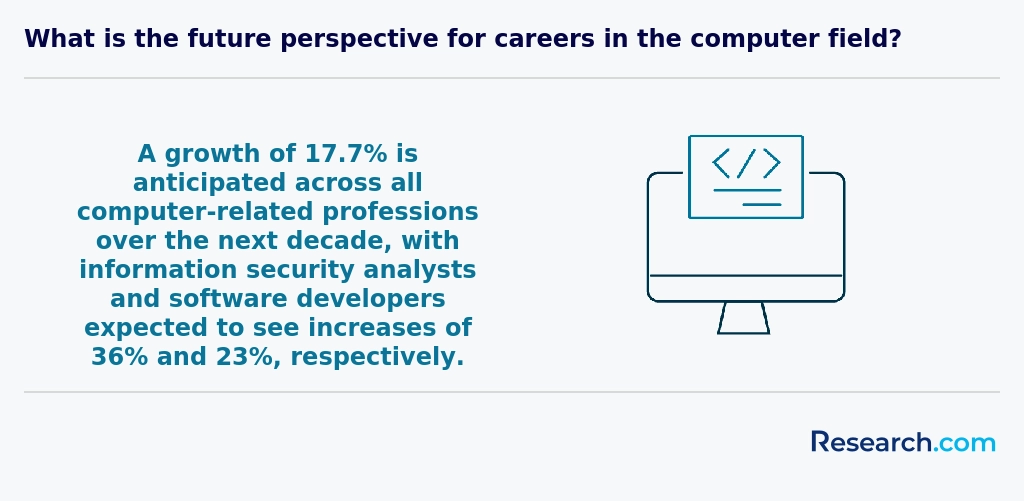
Information technology (IT) careers are increasingly global, with demand for skilled professionals growing worldwide. In the United States, and specifically the Northeast, IT jobs are expected to grow 15% from 2021 to 2031, according to the U.S. Bureau of Labor Statistics. This growth reflects larger trends across global markets, driven by digital transformation and cybersecurity needs.
The Northeast is home to major tech hubs like Boston and New York City, offering access to international companies and diverse opportunities. Graduates with online IT degrees from this region often engage in projects that impact global supply chains, cloud computing, and software development.
The global perspective highlights the importance of adaptability and mastering emerging technologies, making an IT degree from a respected Northeast institution valuable for work both locally and internationally.
Gaining practical experience while pursuing an online information technology degree in the Northeast is essential for career readiness. Many universities offer virtual labs and simulation software that replicate real IT environments, allowing students to apply theoretical knowledge. Additionally, internships remain a crucial pathway; according to the National Association of Colleges and Employers (NACE), about 60% of employers in the Northeast prefer candidates with internship experience.
Students can also participate in regional hackathons or coding competitions, which are often held online and provide collaboration and problem-solving opportunities. Networking through local IT meetups or professional groups connected to organizations like CompTIA can lead to mentorship and project-based learning. These practical experiences bolster resumes and improve job prospects in the competitive Northeast IT market.
Choosing the right concentration within an online information technology degree program in the Northeast requires evaluating local industry demands and personal interests. Fields like cybersecurity and data analytics are rapidly growing in the region, supported by a 15% increase in IT job openings from 2022 to 2024, according to the U.S. Bureau of Labor Statistics.
Students should consider concentrations aligned with regional tech hubs such as Boston and New York, which prioritize cloud computing and software development skills. Additionally, researching program curricula and faculty expertise ensures the concentration matches career goals and market needs.
Engaging with alumni networks and consulting career services at Northeast institutions can provide insight into job placement rates and industry connections.
- How to Network with Alumni | Student Guide to Alumni Networking 2026 https://digitalrecordboard.com/blog/how-to-network-with-alumni/
- Information Technology Internships Job Search | Higherin https://higherin.com/search-jobs/internships/information-technology
- How long does it take to complete an IT program? | WCC - Western Community College https://wcc.ca/blog/how-long-does-it-take-to-complete-an-it-program/
- Online IT Degree: How to Choose the Right Program in 2026 https://cybersecurityusa.org/blog/online-it-degree
- The Top Information Technology Skills Employers Want | AIU https://www.aiuniv.edu/degrees/information-technology/articles/top-information-technology-skills-employers-want
- BS in Information Technology https://www.umassglobal.edu/academic-programs/bs-information-technology
- Study Information Technology Abroad: Top Colleges and Careers https://www.aeccglobal.com/study-abroad/courses/information-technology
- Paying for a Computer Science Degree | Scholarships, Grants, Loans https://www.computerscience.org/resources/how-to-pay-for-a-degree/
- Online Information Technology Degrees https://mycollegeguide.org/online-information-technology-degrees/
- IT Schools Online | Information Technology Careers | OEDb https://www.oedb.org/rankings/online-it-programs/








