2027 Most Affordable Online Information Technology Degree Programs Ranking in North Dakota

Co-Founder and Chief Data Scientist
Choosing the right information technology degree program can feel overwhelming, especially when you want quality education without breaking the bank. This article introduces the 2027 Most Affordable Online Information Technology Degree Programs Ranking in North Dakota, developed by the Research.com team of data scientists to guide you toward the best options.
Whether you're starting or advancing your career, finding an affordable program that fits your needs is essential. Explore this ranking to make an informed choice and take a confident step toward a rewarding future in IT.
Key benefits of getting online information technology degree in North Dakota
- Information technology graduates in North Dakota can expect varied salaries, with many IT roles across the US offering competitive wages sometimes exceeding $80,000 annually, reflecting strong earning potential.
- Graduates from North Dakota State University's IT program often pursue careers in cybersecurity, network administration, or software development, showcasing diverse and rewarding opportunities.
- Online IT degrees from institutions like the University of North Dakota provide flexibility and convenience, enabling students to balance work and study while gaining the same respected credentials as traditional students.
- 2027 Most Affordable Online Information Technology Degree Programs Ranking in North Dakota
- What can I expect from online information technology degree in North Dakota?
- Where can I work with online information technology degree in North Dakota?
What can I expect from online information technology degree in North Dakota?
Students pursuing online information technology degrees in North Dakota often find the average cost more affordable than national figures, thanks largely to in-state tuition benefits. For example, graduates from the University of North Dakota describe tuition rates as manageable, especially when balanced with part-time work or family responsibilities. North Dakota State University similarly offers competitive pricing, which eases financial pressures that can accompany online studies.
While specific costs vary by program and credit load, many report total expenses falling well below the national average for comparable IT degrees. This affordability is coupled with accessible technical support and personalized advising, helping students stay on track without the added worry of excessive debt. However, prospective students should consider additional fees, such as technology access or course materials, which might not always be included in tuition estimates.
Graduates often express positive emotions about their investment, noting that lower tuition combined with flexible schedules allowed them to focus on gaining practical skills in areas like cybersecurity or system administration. Still, it's wise to compare individual program costs carefully to ensure expectations align with financial realities.
Where can I work with online information technology degree in North Dakota?
Graduates with an online information technology degree in North Dakota often find employment in diverse sectors, reflecting the state's economic landscape. Many alumni from institutions like the University of North Dakota and North Dakota State University report rewarding roles in Fargo's growing tech services industry. Here, they engage in software development, IT consulting, and cybersecurity, supporting both startups and established companies. Such positions offer hands-on experiences that build skills while contributing to a vibrant local tech ecosystem.
Healthcare systems across North Dakota also present promising career paths. Graduates frequently work at institutions similar to Sanford Health, managing electronic records and enhancing cybersecurity measures, which are crucial in protecting sensitive patient data. These roles provide a sense of purpose and community impact, appealing to those who value meaningful work.
Beyond these areas, smaller but vital opportunities exist in agricultural tech firms and government agencies. Graduates applying their knowledge to precision farming technologies or public safety networks find their work shaping the state's infrastructure. While the pathways may demand adaptability, many alumni describe a fulfilling balance between technical challenges and local relevance, supported by competitive wages around $75,000 annually as reported by labor statistics.
Graduates with an online information technology degree in North Dakota can generally expect median wages around $75,000 annually, according to the U.S. Bureau of Labor Statistics as of May 2022. This figure, though slightly below the national median, reflects a strong earning potential within the state's growing tech industry. Those completing programs at institutions such as North Dakota State University and the University of North Dakota have shared that entry-level roles typically begin near $50,000 to $60,000, which offers a practical step onto the career ladder.
With experience, especially in roles like network administrators or software developers, salaries can increase significantly. Graduates have reported moving into positions earning from $80,000 up to and beyond six figures, particularly when specializing in areas like cybersecurity or cloud computing. The steady rise in tech jobs in cities like Fargo and Bismarck means there are expanding opportunities for career growth.
Nonetheless, salary outcomes vary based on factors such as employer type and individual skill sets. Combining IT knowledge with project management or data analytics can further enhance compensation prospects. Many graduates appreciate that, paired with North Dakota's low cost of living, their earnings support a comfortable lifestyle and financial stability.
- Online IT degree tuition in North Dakota public universities ranges from $7,000 to $9,000 per year for in-state students.
- Private institutions charge higher tuition, typically between $12,000 and $18,000 annually, excluding fees or materials.
- Entry-level IT salaries in North Dakota start around $55,000 to $65,000 per year, with experienced professionals earning $80,000 to $95,000 annually.
- The IT job market in North Dakota is expected to grow by about 10% over the next decade, especially for cybersecurity analysts, systems administrators, and software developers.
- Many online programs offer in-state tuition, state financial aid eligibility, and internships with local tech companies.
- Accreditation by organizations like ABET ensures online IT programs meet industry standards.
Completing an online information technology degree in North Dakota generally takes about four years for full-time students pursuing a bachelor's degree, especially at institutions like the University of North Dakota or North Dakota State University. Graduates often describe balancing coursework with their busy lives, appreciating the flexibility to study at their own pace without relocating. For those attending part-time, perhaps while managing work and family, completion can extend to five or six years, which many find rewarding rather than burdensome given the program's adaptability.
Associate degrees, typically available with around 60 credit hours, may take about two years if studied full-time, offering a quicker route into the workforce or a stepping stone toward a bachelor's program. Transfer credits from community colleges are a valuable option some graduates use to shorten their timelines, a practical consideration that reshapes the typical pathway.
Some students take advantage of accelerated summer or winter courses to finish faster, although they weigh the increased workload thoughtfully to maintain success. Overall, program structure, personal commitments, and credit transfers all interplay in shaping one's unique timeline for earning an online IT degree in North Dakota.
Online and on-campus information technology degree programs in North Dakota differ notably in flexibility and learning environments. Graduates from North Dakota State University often praise online programs for allowing them to balance coursework with jobs or family commitments by accessing lectures and assignments anytime. This flexibility is crucial for many who cannot relocate or maintain strict schedules.
However, on-campus students at the University of North Dakota highlight the benefits of in-person labs and face-to-face interactions, which can enhance understanding through immediate feedback and hands-on practice. For example, those focusing on cybersecurity value physical access to technical labs, which may be harder to replicate virtually.
Cost also varies: online programs can reduce commuting and housing expenses, making education more affordable, but require reliable technology and internet. Both formats meet accreditation standards, yet online offerings often provide a wider course selection by accessing instructors across the U.S. Ultimately, the choice depends on individual circumstances, with North Dakota universities providing reputable options for both paths.
The average cost of an online information technology degree in North Dakota is approximately $27,577, based on median figures. While public universities like North Dakota State University and the University of North Dakota remain popular choices for affordable online IT degree programs in North Dakota, tuition costs can still vary depending on residency and program requirements. Graduates often share that despite some variability, they found these institutions provided a meaningful balance between quality education and cost-efficiency.
Many in-state students appreciate the reasonable tuition rates, which contrast sharply with high private institution fees and out-of-state rates that sometimes nearly double the cost. For example, while private colleges may charge between $500 and $700 per credit hour, many North Dakota public schools keep the costs more manageable, typically within the $300 to $400 range per credit hour. These pricing structures help create exciting opportunities for students who feel uncertain about investing in a costly degree but still want strong career prospects.
In addition to tuition, graduates often mention additional expenses such as technology fees and textbooks, but they also emphasize the value of scholarships and financial aid programs that can substantially lower overall costs. For those curious about expanding their career paths beyond traditional IT roles, they find helpful resources that discuss what can you do with a mba in it, which highlights how an IT degree offers versatile opportunities.

Students pursuing online information technology degrees in North Dakota often find federal aid, like the Pell Grant, indispensable; one graduate recalled how this grant, offering up to $7,395 annually, made their studies at a North Dakota State University online program genuinely affordable without incurring debt. However, relying solely on federal funds may not cover all expenses, so state-specific scholarships such as the University System Academic Scholarship play a crucial role by rewarding strong academic performance and reducing tuition costs at institutions like the University of North Dakota.
Some graduates highlight how institutional scholarships targeting merit and interest in technology fields provided additional relief, especially at schools offering flexible tuition plans designed to ease payment schedules. For working professionals, employer tuition assistance proved invaluable; friends working in Fargo's tech sector shared how their companies supported their continued education, enabling smoother career advancement.
Private STEM scholarships also feature prominently in financial planning, with organizations like the North Dakota STEM Education Coalition guiding applicants. While these varied options reflect promising opportunities, students should still carefully assess eligibility requirements and total aid availability before committing to an online IT degree program.
Enrolling in an online information technology degree program in North Dakota commonly requires a high school diploma or GED, ensuring foundational skills in communication and mathematics. Graduates from institutions like North Dakota State University often recall that demonstrating basic computer literacy, sometimes supported by prior coursework in algebra or introductory programming, gave them a confident start. While several programs have moved away from mandatory SAT or ACT scores, competitive schools may still factor in test results or alternative assessments.
Applicants typically submit official transcripts to verify academic readiness, a step that grads from the University of North Dakota found helpful in showcasing their commitment. Some programs ask for personal statements to better understand your goals in IT, an opportunity many students see as a positive way to express enthusiasm and career ambitions.
For those with professional experience, schools may consider IT work history in place of some academic prerequisites, reflecting a flexible approach beneficial to nontraditional learners balancing education with careers. This blend of requirements helps ensure readiness without creating unnecessary barriers for motivated students aiming to succeed in North Dakota's evolving tech landscape.

Online information technology degree programs in North Dakota, such as those offered by popular institutions like the University of North Dakota and North Dakota State University, typically include courses that balance theory with hands-on skills. Graduates often recall starting with programming classes that teach languages like Python or Java, which they found gratifying as these skills translate directly to practical software development tasks.
Beyond coding, many students appreciate networking and network security courses, which prepare them to protect digital systems-a critical skill given rising cyber threats in sectors like healthcare and agriculture, prevalent in North Dakota's economy. Systems analysis and design classes help students understand how to improve business operations through technology, often sparking excitement when imagining real-world problem-solving opportunities.
Database management and cloud computing courses are also common, enabling students to manage data and leverage modern infrastructure effectively. Additionally, courses in project management and IT ethics provide a broader perspective, helping graduates navigate leadership roles and address ethical challenges responsibly.
While this curriculum is robust, some graduates note the challenge of mastering diverse subjects fully in an online format, underscoring the importance of self-discipline and effective time management when studying remotely in North Dakota.
Online information technology specializations North Dakota programs typically include areas such as Cybersecurity, Network Administration, Software Development, Data Analytics, and Database Management. These focus areas reflect the evolving demands of the tech industry and local job market needs. Graduates from universities popular for online IT degrees in North Dakota often recall their hands-on experiences managing network security or developing software, which gave them confidence when entering competitive roles.
While Cybersecurity is often praised for its growing relevance due to rising cyber threats, some students find that Data Analytics offers broader appeal by applying statistical skills across various industries. Network Administration and Database Management, though sometimes viewed as more traditional, remain vital for maintaining the backbone of organizational IT infrastructures in the state.
A number of learners appreciate how institutions in North Dakota accommodate working professionals by offering flexible schedules, making it feasible to balance life and study. Exploring easy information technology programs online can also provide alternatives for those seeking less intensive pathways, without compromising essential skills development.
Choosing the best online information technology degree in North Dakota involves balancing program quality, cost, and career alignment. Graduates from prominent state universities appreciate how regional accreditation, especially from ABET, reassures them that their degree holds value both locally and nationally. One graduate mentioned the confidence gained knowing their credits would transfer smoothly if they pursued further education.
Tuition affordability is a major factor; many find North Dakota's in-state rates around $7,000 annually more manageable compared to the national average. However, it's wise to scrutinize financial aid options tailored to state residents to avoid surprises. Course flexibility also stands out-students juggling work and family often prefer self-paced classes, while others thrive within traditional semester schedules.
When examining curriculum, it's helpful to consider which IT specializations spark your enthusiasm, whether cybersecurity or software development. Real-world projects at local colleges foster a sense of accomplishment and readiness for jobs. To understand how IT differs from computer science, students often explore resources like what is difference between cs and it, clarifying their path.
Ultimately, the best online information technology degree in North Dakota connects students with supportive faculty, relevant internships, and a strong local network, which graduates recall as key to feeling prepared and optimistic about their future careers.
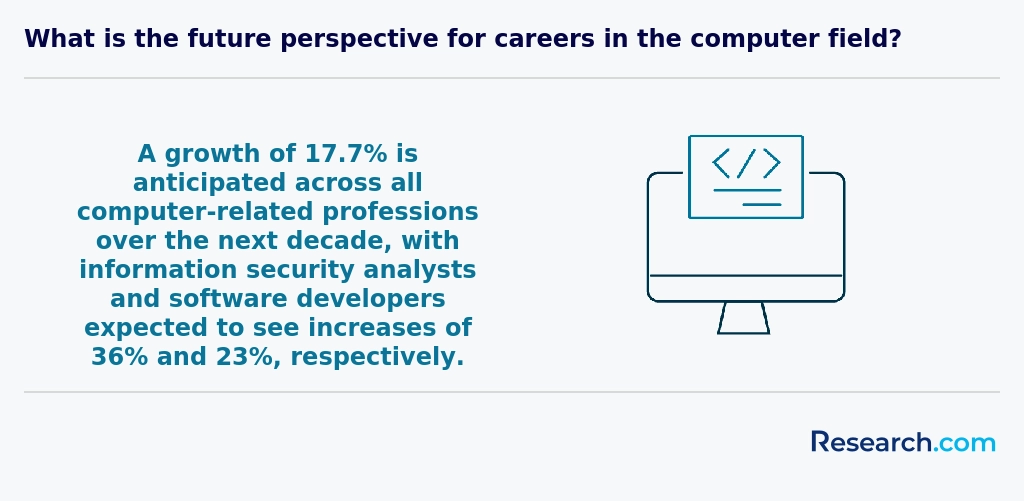
Graduates with an online information technology degree in North Dakota often find a range of career paths that reflect the state's expanding tech sector and economic diversity. Positions such as network administrators, information security analysts, and software developers are common examples that many graduates from respected institutions like North Dakota State University and the University of North Dakota pursue. These roles offer practical, hands-on challenges, such as managing crucial infrastructure for agricultural businesses or securing sensitive data in healthcare firms.
While opportunities abound, it's important to consider that the job market can be competitive, especially in more specialized areas like cloud computing and data analytics. Graduates frequently emphasize the value of combining formal education with certifications to enhance their employment prospects. Those familiar with the information technology degree job prospects North Dakota offers often describe a sense of confidence and fulfillment when applying their skills in real-world settings.
Students should also explore cost-effective program options. Prospective learners curious about what are the most affordable online degrees in it? will find North Dakota's institutions emphasize financial aid and in-state tuition benefits, making higher education accessible while preparing for diverse IT careers.
The job market for online information technology jobs in North Dakota is notably promising due to the state's expanding technology sectors. Graduates from local institutions, such as those popular for IT programs in Fargo and Bismarck, often share experiences of rapidly finding roles in cybersecurity, software development, and network administration. These opportunities arise partly because North Dakota's economy is increasingly driven by tech-focused industries like energy and agriculture technology, creating a steady demand for skilled IT professionals.
While the average annual salary of about $78,000 remains slightly below the national average, many graduates report satisfaction stemming from the state's lower living costs and vibrant professional networks. These networks often develop through collaborations between universities and regional businesses, enhancing transition into the workforce. However, prospective students should consider that tech roles concentrate mostly in urban centers, which may affect job accessibility for those in more rural areas.
For students exploring cost-effective education options, some find pursuing affordable programs or the cheapest mba with information systems concentration helpful to complement their IT skills while preparing for North Dakota IT degree career opportunities.
2027 Most Affordable Online Information Technology Degree Programs Ranking in North Dakota
Investing in your education is a significant decision that can shape your professional future, and the Research.com team recognizes the importance of helping you make well-informed choices. To support prospective students in North Dakota, we have carefully developed the "2027 Most Affordable Online Information Technology Degree Programs Ranking." Our dedication to quality, credibility, and accuracy is evident in the thorough research and analysis performed to create this ranking.
We utilized the following reputable data sources to ensure a comprehensive evaluation of online IT degree programs:
By exploring this ranking, readers will obtain valuable insights into affordable and credible online IT degree options in North Dakota, empowering them to choose the best path for their educational and career goals. For more details on how the ranking was created, please visit our Research.com methodology page.


Frequently Asked Questions About information technology
Students pursuing online information technology degrees in North Dakota can enhance their learning by actively engaging with virtual labs and simulation tools provided by their programs. North Dakota institutions often integrate hands-on experiences, which are vital for mastering IT skills.
Utilizing academic support services such as tutoring and advising available online is essential. According to the North Dakota University System, 75% of IT students who use these resources report higher satisfaction and better grades.
Networking with peers through online forums and local meetups can also provide practical insights and career guidance, leveraging North Dakota's growing tech community centered around Fargo and Bismarck.
Staying current with industry certifications alongside coursework improves job readiness. Students should prioritize accredited programs that align with recognized IT standards.
The information technology (IT) field is rapidly evolving, with several emerging niches shaping future career opportunities. In North Dakota, areas like cybersecurity, data analytics, and cloud computing show strong growth potential, reflecting national trends highlighted by the U.S. Bureau of Labor Statistics.
Cybersecurity is crucial as businesses and government agencies increase their focus on protecting sensitive data. Data analytics is another expanding area, helping organizations make informed decisions through big data.
Cloud computing skills are in high demand, especially with remote work and digital transformation accelerating.
After completing an online information technology degree in North Dakota, graduates should focus on practical skills alongside academic knowledge. Gaining industry-recognized certifications like CompTIA A+, Cisco CCNA, or Microsoft Azure can significantly enhance job prospects. Networking locally is important; the North Dakota Center for Technology & Business offers resources and events to connect with employers. According to the U.S. Bureau of Labor Statistics, IT jobs in North Dakota are projected to grow steadily, with a 5% increase by 2031. Engaging in internships or remote projects builds experience, while tailoring resumes to highlight relevant skills helps in this competitive field.
Employers in North Dakota seek information technology graduates with strong technical skills and practical experience. Key abilities include proficiency in programming languages such as Python, Java, and SQL, which are essential for software development and data management roles.
Problem-solving skills and the ability to manage cybersecurity threats are also highly valued, given the rising demand for secure IT infrastructure across the state. North Dakota's technology sector emphasizes knowledge of cloud computing and networking to support growing industries like agriculture and energy.
According to the North Dakota Department of Commerce, nearly 60% of IT employers prioritize candidates with hands-on experience through internships or projects.
Finding internships in North Dakota related to information technology (IT) degrees involves targeted research and networking. Start by exploring local companies in Fargo, Bismarck, and Grand Forks, where the tech sector is growing. According to the North Dakota Department of Commerce, IT positions have risen by 5% annually, increasing internship opportunities. Many universities, like North Dakota State University, offer career services with internship listings and employer connections.
Use online job boards such as Handshake and LinkedIn, filtering for locations in North Dakota. Joining local professional organizations, like the North Dakota IT Council, can provide networking events and internship leads. Early applications and leveraging faculty contacts can also improve your chances.
Obtaining an online information technology (IT) degree in North Dakota can significantly enhance career mobility and advancement opportunities. The state's growing tech sector, including data centers and software firms in cities like Fargo and Bismarck, demands skilled IT professionals. According to the North Dakota Department of Commerce, IT occupations are projected to grow by approximately 12% by 2030, faster than the national average.
Online degrees offer flexible access to accredited programs, allowing working adults to upskill without relocating. Graduates often qualify for roles such as systems analysts, network administrators, or cybersecurity specialists, which typically offer higher salaries and promotion potential.
Access to North Dakota's regional professional networks and local employers further supports career growth for online IT degree holders. This local focus combined with a strong knowledge base prepares graduates to meet in-demand technology needs effectively.
Studying for an online information technology degree in North Dakota equips students with skills that cross traditional disciplinary boundaries. Programs typically combine core IT topics like cybersecurity, networking, and software development with elements of business, healthcare, and communication. This interdisciplinary approach reflects workforce demands in North Dakota, where industries such as energy, agriculture, and healthcare increasingly rely on technology integration.
The North Dakota Department of Commerce reports a steady increase in IT jobs, emphasizing roles requiring both technical expertise and cross-sector collaboration. Many degree programs also emphasize project management and data analysis, preparing graduates to work effectively with professionals from varied fields.
Choosing between a thesis and a non-thesis online information technology degree in North Dakota depends on your career goals and learning preferences. A thesis program typically involves original research, preparing students for roles in academia, research, or advanced technical positions. Non-thesis programs focus more on practical skills and coursework, often suited for professionals aiming to enter or advance in the IT industry quickly.
North Dakota's IT sector is growing, with state labor reports projecting a 13% increase in IT jobs by 2030. This growth favors both research-driven and applied skills. Universities like the University of North Dakota offer both options online, letting students tailor their education. Consider your long-term plans, employer expectations, and whether you prefer hands-on projects or research to decide.
Students in North Dakota interested in studying information technology abroad have limited direct options but can pursue international experiences through U.S. institutions with global partnerships. While no North Dakota universities offer fully foreign-based online IT degrees, several provide study abroad opportunities or dual programs involving respected international schools.
For example, North Dakota State University collaborates with certain partner universities worldwide to facilitate student exchanges and internships in IT fields. According to the National Center for Education Statistics, about 3% of North Dakota students participate in study abroad programs, often enhancing their IT education with global exposure.
Another route is enrolling in accredited U.S. online degree programs that include virtual international collaboration projects, broadening practical IT skills in a global context.
North Dakota offers several part-time job opportunities that can enhance the education of students pursuing online information technology degrees. Common roles include IT support technician, help desk analyst, and network assistant, which provide practical experience in system troubleshooting and user support. According to the North Dakota Department of Commerce, the state's IT sector grew by 3.2% annually from 2018 to 2023, signaling increasing demand for tech skills.
Many employers in Fargo, Bismarck, and Grand Forks seek part-time workers to assist with software testing and cybersecurity monitoring. These roles help students build valuable skills aligned with coursework. Additionally, internships and freelance web development projects offer flexible, relevant experience for balancing studies and work.
Online information technology students in North Dakota have several valuable networking opportunities. Many state universities and colleges offer virtual career fairs and industry-specific webinars that connect students with local IT employers. For instance, North Dakota State University frequently hosts online events for its IT students, linking them to companies like Microsoft and Intel, which have a presence in the region.
Additionally, students can join statewide professional associations such as the North Dakota Information Technology Council (NDITC). This organization provides online forums, workshops, and networking events tailored to IT professionals and students. According to the U.S. Bureau of Labor Statistics, North Dakota's tech sector is growing steadily, creating a favorable environment for networking and job placement.
Moreover, LinkedIn groups focusing on North Dakota technology professionals are an accessible platform for online-only students to build connections. Many local IT professionals participate actively, sharing job leads and industry trends. This blend of institutional and community-driven opportunities helps online IT students create meaningful contacts essential for career advancement.
Alumni networks provide significant advantages for online information technology degree students in North Dakota. These networks connect current students with graduates who are established in the local IT industry, offering valuable mentorship and career guidance. Access to these connections helps students learn about job openings and internships in regional tech firms. According to the North Dakota Department of Commerce, the state's IT sector is growing, with employment projected to increase by 7% through 2028. Alumni relationships also support professional development by sharing insights on certifications and emerging technologies relevant to the North Dakota market.
Customizing an online information technology degree program in North Dakota allows students to tailor their education to specific career goals. Many universities offer elective courses and specialization options such as cybersecurity, software development, or network administration. This flexibility helps students build skills relevant to in-demand jobs in the region.
Students can also choose certificate programs or internships integrated into their online studies, providing practical experience. According to the North Dakota Department of Commerce, IT jobs in the state are projected to grow 8% from 2020 to 2030, emphasizing the value of specialized skills.
Advisors often aid in selecting courses that align with industry needs, ensuring graduates are workforce-ready.
Online information technology students in North Dakota often face challenges related to internet connectivity. Rural areas in the state, which make up a significant portion of the population, may have limited broadband access. According to the Federal Communications Commission, about 15% of North Dakota residents lack access to high-speed internet, which can hinder timely participation in online classes.
Another common obstacle is balancing coursework with work and family commitments. Many students enroll in online IT programs while maintaining full-time jobs, creating scheduling conflicts. Additionally, a lack of in-person interaction can affect motivation and networking opportunities crucial for career growth in technology fields.
Finally, staying updated with rapidly evolving IT certifications and technologies requires additional effort beyond standard curricula, adding to the students' workload.
With an online information technology degree, students in North Dakota can pursue several professional certifications that enhance career prospects. Popular certifications include CompTIA A+, Network+, and Security+, which validate foundational IT skills widely recognized by employers. Advanced options include Certified Information Systems Security Professional (CISSP) and Cisco Certified Network Associate (CCNA), ideal for those focusing on cybersecurity or networking.
North Dakota's growing tech sector, especially in cities like Fargo and Bismarck, shows increased demand for certified IT professionals, according to the North Dakota Department of Commerce. Earning these certifications can significantly boost job opportunities and salary potential in the state's IT job market.
To write a winning application for an online information technology program in North Dakota, start by clearly highlighting your technical skills and relevant experiences. Admissions committees favor applicants who demonstrate a strong foundation in IT concepts alongside problem-solving abilities.
Include tailored statements explaining why you want to study in North Dakota, referencing local industry trends. According to the North Dakota Department of Commerce, the state's tech sector has grown steadily, increasing demand for qualified IT professionals.
Make sure your transcripts reflect coursework in computer science, math, or related fields. Providing strong letters of recommendation that speak to your technical aptitude helps as well.
Lastly, proofread carefully to ensure clarity and professionalism in your writing. Demonstrating clear communication is essential for success in online programs.
Information technology (IT) careers are increasingly important worldwide, driven by digital transformation and innovation. In the United States, the Bureau of Labor Statistics projects a 15% job growth in computer and IT occupations from 2021 to 2031, much faster than the average for all professions. North Dakota contributes to this trend, with the state promoting tech initiatives and expanding IT job opportunities, especially in its urban centers like Fargo and Bismarck.
Globally, IT skills are in strong demand, reflecting the digital economy's reach. For students in North Dakota pursuing online IT degrees, this means gaining skills that are relevant not only locally but also internationally. Employers value expertise in cybersecurity, cloud computing, and software development, areas well-covered in many accredited online programs. Reliable data from the National Center for Education Statistics and the North Dakota Department of Commerce highlight a steady increase in graduates skilled in IT disciplines, supporting sustained career prospects both at home and abroad.
Gaining practical experience while pursuing an online information technology degree in North Dakota is essential for career readiness. One common method is through virtual internships offered by local businesses and tech firms, which often seek remote IT support and development help. The North Dakota Department of Commerce highlights a growing IT sector, with a projected 8% employment growth over the next decade, increasing opportunities for students.
Another practical approach is participating in capstone projects or lab simulations integrated into online curricula. Many North Dakota institutions partner with companies to provide real-world problem-solving scenarios.
Additionally, students can join state or national IT organizations to network and access volunteer projects that enhance hands-on skills.
Choosing the right concentration within an online information technology degree in North Dakota involves evaluating your career goals and local industry demand. Popular concentrations include cybersecurity, software development, and network administration.
North Dakota's IT sector is growing, with a 5% increase in tech jobs since 2021, according to the U.S. Bureau of Labor Statistics. Cybersecurity roles are especially in demand due to rising data protection needs. Consider concentrations that align with this trend.
Additionally, review curriculum details and certification opportunities, such as CompTIA or Cisco credentials, which can enhance employability. Connecting with alumni or academic advisors in North Dakota can also provide local job market insights.
- 2027 Most Affordable Online Information Technology Degree Programs Ranking in Minnesota
- 2027 Most Affordable Online Information Technology Degree Programs Ranking in Wisconsin
- 2027 Most Affordable Online Information Technology Degree Programs Ranking in Colorado
- 2027 Most Affordable Online Information Technology Degree Programs Ranking in Kansas
- 2027 Most Affordable Online Information Technology Degree Programs Ranking in Illinois
- 2027 Most Affordable Online Information Technology Degree Programs Ranking in Missouri
- 2027 Most Affordable Online Information Technology Degree Programs Ranking in Indiana
- 2027 Most Affordable Online Information Technology Degree Programs Ranking in Michigan
- 2027 Most Affordable Online Information Technology Degree Programs Ranking in Arkansas
- 2027 Most Affordable Online Information Technology Degree Programs Ranking in Kentucky
- Online Technology Degree Programs | University of Phoenix https://www.phoenix.edu/online-information-technology-degrees.html
- IT Schools Online | Information Technology Careers | OEDb https://www.oedb.org/rankings/online-it-programs/
- IT Certification Training & Career Programs | Global IT https://www.global-itech.com/
- Information Technology Assistant Cover Letter Sample https://www.kickresume.com/en/help-center/information-technology-assistant-1-cover-letter-sample/
- How to Maximize the Impact of Alumni Networks https://www.careeros.com/resources/how-to-maximize-the-impact-of-alumni-networks
- Online Colleges in North Dakota https://www.onlineschools.org/guides/north-dakota/
- Top 6 Emerging Technologies for Digital Transformation in 2026 https://www.imd.org/blog/digital-transformation/emerging-technologies/
- INFORMATION TECHNOLOGIES (THESIS / NON-THESIS) - Lisansüstü Eğitim Enstitüsü https://lee.nisantasi.edu.tr/en/information-technologies-thesis-non-thesis/
- Top 10 Technology Challenges for Schools and How to Solve Them | Modern Office Methods https://www.momnet.com/top-10-technology-challenges-for-schools-and-how-to-solve-them/
- Academic experiences of information technology students - JYX https://jyx.jyu.fi/bitstreams/2ecaf277-b7be-416f-8ee4-d35afdf2ab67/download