2027 Most Affordable Online Information Technology Degree Programs Ranking in Florida

Co-Founder and Chief Data Scientist
If you're considering advancing your career in technology, choosing the right degree program is crucial. This article introduces the 2027 Most Affordable Online Information Technology Degree Programs Ranking in Florida, developed by the Research.com team of data scientists to help you make an informed decision.
By exploring this ranking, you'll discover affordable options that balance quality education with flexibility. Earning an information technology degree can open doors to exciting opportunities and financial growth. Take a step closer to achieving your goals with insights designed to support your educational journey.
Key benefits of getting online information technology degree in Florida
- Information technology graduates in Florida can expect competitive salaries similar to the U.S. average, where IT professionals typically earn between $60,000 and $90,000 annually, offering a rewarding financial outlook.
- A graduate from the University of Florida with an IT degree might pursue careers in network administration, cybersecurity, or software development, reflecting diverse and growing job opportunities.
- Completing an IT degree online through institutions like Florida International University allows flexible scheduling and access to quality education without relocating, making it easier to balance work and study.
- 2027 Most Affordable Online Information Technology Degree Programs Ranking in Florida
- What can I expect from online information technology degree in Florida?
- Where can I work with online information technology degree in Florida?
What can I expect from online information technology degree in Florida?
When budgeting for an online information technology degree in Florida, expect to pay between $100 and $200 per credit hour at public universities like the University of Florida and Florida International University. For undergraduates, this means a total cost ranging roughly from $12,000 to $24,000, depending on the number of credits required and whether you qualify for in-state tuition. Many graduates recall that knowing this upfront helped them plan finances better and avoid surprises during their studies.
Financial aid options also make a real difference. State scholarships and STEM-specific grants can lower costs significantly, which past students found encouraging when balancing work and study. Choosing a community college with accredited online IT degrees can further reduce expenses while providing quality education.
Graduates emphasize the value of affordable tuition coupled with hands-on learning components, such as virtual labs, which reinforce skills needed for careers in Florida's growing tech hubs like Miami and Orlando. This practical approach makes the cost feel like a solid investment toward a promising career path.
Where can I work with online information technology degree in Florida?
Graduates with an online information technology degree in Florida find diverse career paths across thriving industries. Many secure roles in technology and software development firms based in Miami, Tampa, and Orlando, working as software developers, network administrators, or cybersecurity experts. For example, graduates from the University of Central Florida often land jobs at fast-growing startups where hands-on IT skills are valued daily.
Healthcare IT is another fruitful area. With Florida's aging population, graduates from Florida State University report managing electronic health records and telemedicine systems at local hospitals, providing critical tech support that improves patient care.
Financial services in cities like Jacksonville offer IT roles protecting sensitive data and optimizing digital infrastructure. Graduates from the University of Florida frequently mention the rewarding challenge of securing bank networks and developing efficient financial databases.
Working for government agencies or educational institutions also appeals to many, offering steady roles in network support or cybersecurity. Graduates appreciate the impact they have enabling schools to adopt new educational technologies and secure public data.
These practical career options, combined with Florida's growing tech sector and median IT wages near $95,000, make an online IT degree a smart, achievable investment for local students ready to jump into the workforce.
Graduates with an online information technology degree in Florida typically start with salaries around $45,000 to $55,000 in entry-level roles like IT support specialist or help desk technician. These positions, common pathways at institutions such as the University of Central Florida or Florida International University, provide hands-on experience that builds a foundation for higher-paying jobs.
With a few years of experience or additional certifications earned through these schools' continuing education programs, graduates often move into specialized roles. For example, network and computer systems administrators can earn about $79,000 annually in Florida's growing tech hubs like Tampa and Miami.
More advanced roles, such as software developers or computer network architects, see salaries ranging from $95,000 to $110,000. Graduates report feeling confident and motivated as they leverage Florida's expanding tech industry and the affordability of living costs to secure these lucrative positions, often balancing their work with ongoing learning to stay competitive.
Focusing on in-demand specialties like cybersecurity or cloud engineering can further boost earnings and job stability.
- Tuition for online IT bachelor's degrees in Florida public universities ranges from $100 to $150 per credit hour for in-state students.
- The total cost to complete a 120-credit program is typically between $15,000 and $22,500.
- Entry-level IT salaries in Florida average around $55,000 per year, with mid-career and senior roles earning between $85,000 and $110,000 annually.
- The state's technology sector grows at an estimated rate of 5% to 7% each year, increasing job opportunities in areas like cybersecurity and software development.
- Many online IT programs in Florida offer career services and internships to help graduates find employment.
- Programs often align with industry certifications and are offered by accredited institutions specializing in fields such as cybersecurity and information systems.
Most students completing an online information technology degree in Florida find that full-time associate degrees take about two years, while bachelor's degrees require around four years. For example, graduates from the University of Central Florida often share how accelerated tracks helped them finish faster by testing out of courses through competency-based education.
Part-time students should expect a longer timeline, typically between three and six years, depending on how many credits they take each term. Many learners at Florida International University benefit from transferring credits earned through previous college work or professional certifications, which can reduce time and tuition costs.
These flexible options allow students to tailor their pace without sacrificing quality. Imagine balancing work and study while steadily progressing toward your degree, motivated by knowing you can complete faster if you leverage credit-for-experience policies common in Florida schools. This approach not only saves money but keeps graduates excited and confident about entering Florida's booming tech workforce sooner.
Choosing between online and on-campus IT degrees in Florida boils down to balancing flexibility with hands-on experience. For example, a graduate from the University of Central Florida recalls managing coursework around a full-time job while studying online, appreciating the ability to watch lectures late at night. This flexibility suits working professionals or those with family commitments.
On the other hand, graduates from Florida State University often emphasize the energy of in-person classes and access to campus labs, which gave them immediate support and real-time collaboration opportunities. If you learn best through face-to-face interaction and practical labs, attending on campus can be more rewarding.
Cost-wise, public universities like the University of Florida keep tuition between $6,500 and $7,500 yearly for residents, whether online or on campus. Private schools might charge over $15,000 regardless of format. Online students may miss out slightly on campus services but still benefit from strong virtual advising and libraries, helping you feel supported wherever you study.
The average cost of an online information technology degree in Florida for in-state students typically totals around $12,000, making it an accessible choice compared to many other states. Graduates from well-known institutions like the University of Florida or Florida State University often share how their affordable online programs combined quality and cost-effectiveness, allowing them to finish without overwhelming debt. Community colleges also offer some of the most affordable online information technology programs Florida, with tuition costs closer to $2,000-$3,500 annually, ideal for those starting out or seeking associate degrees.
Private universities generally come with higher tuition fees, ranging widely but often sitting between $15,000 and $25,000 per year. However, many students appreciate these programs' specialized curricula and enhanced resources that prepare them well for competitive IT careers. Additionally, some private institutions offer flat-rate tuition that benefits students who fast-track their studies.
Students pursuing online IT degrees in Florida often find that the absence of housing and transport costs significantly reduces total expenses, making budgeting easier. Financial aid and scholarships available locally further ease tuition burdens. If you want to understand the practical skills needed after graduation, explore resources on it manager skills needed.
Balancing cost with career goals is key; choosing from affordable online information technology programs Florida allows prospective students to tailor their investment to personal and professional needs, ensuring a rewarding educational experience.

Start by completing the FAFSA to unlock federal aid options like the Pell Grant, which offers up to $6,895 to eligible Florida students pursuing online information technology degrees. Many graduates from the University of Central Florida and Florida State University have leveraged this grant to significantly reduce their tuition costs.
Next, explore state-specific aid such as the Florida Student Assistance Grant (FSAG), designed for undergraduates at public institutions. For example, online IT students at Florida International University have found FSAG helpful for covering additional expenses beyond tuition.
Scholarships from organizations like the Florida Educational Fund often provide targeted support for IT students-check university websites regularly for such opportunities. These scholarships can bring relief and foster optimism, especially for those balancing studies with work.
Don't overlook tuition discounts for fully online programs, which some Florida colleges offer to lower the typical $300-$500 per credit tuition. Plus, if you're working in Florida's tech sector, your employer might offer tuition reimbursement, turning your job into a springboard for career growth.
To enroll in an online information technology degree program in Florida, you first need a high school diploma or GED. Graduates from well-known Florida institutions like the University of Central Florida often mention how this basic qualification was their straightforward first step. If you're transferring from another college, prior coursework may count, simplifying your path.
While some universities have moved away from requiring SAT or ACT scores, these tests can still matter if your high school GPA isn't strong. For example, public universities in Florida consider these alongside your class rank. Think of it as a holistic snapshot rather than a single hurdle.
Expect to demonstrate some computer literacy-like understanding basic programming or navigating operating systems. Many students find that brushing up on algebra or foundational math helps, especially when placement tests are involved.
Reliable internet and a compatible device are essential for online courses. Graduates from Florida State University often highlight how this technical readiness made their experience smooth and stress-free, letting them focus on learning rather than tech troubles.
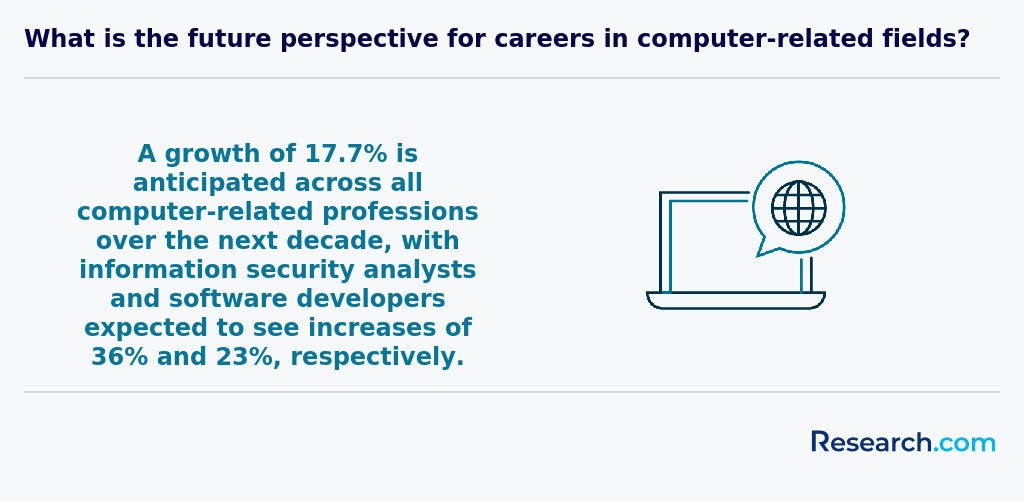
Students pursuing online information technology degrees in Florida typically encounter courses designed to build strong practical skills and industry knowledge. At well-known institutions like the University of Florida or Florida International University, graduates often mention how core classes such as Introduction to Computer Programming make abstract coding languages like Python or Java feel approachable by linking lessons to real app development tasks.
Database Management Systems courses teach how to organize and secure data, a crucial skill in managing business operations or healthcare records. Many students find Network Fundamentals and Information Security classes particularly empowering, as they learn hands-on techniques to protect networks from cyber threats-useful for future roles in corporate tech departments.
Operating Systems and Systems Analysis classes help students understand the backbone of computing environments and how to design solutions for complex organizational problems. Practical web development projects often simulate real freelance work or startup environments, offering students a sense of accomplishment and readiness for Florida's expanding tech job market.
Online information technology specializations in Florida include several practical options tailored to today's job market. Graduates from popular universities in the state often choose Cybersecurity for its focus on protecting businesses from digital threats-skills in ethical hacking and risk management make them confident in roles like information security analysts. Another common concentration is Data Analytics and Data Science, where students learn to work with SQL, Python, and machine learning, preparing them for positions such as business intelligence specialists.
Other students gravitate toward Cloud Computing, mastering virtualization and cloud architecture to secure jobs in cloud administration. Software Development is a clear favorite among those aiming to create applications, while Network Administration appeals to individuals passionate about managing IT communications infrastructure. These Florida IT degree concentration options reflect demand in the local market and align well with the state's growing tech industry.
Many students appreciate how these programs combine flexibility and real-world skills, reinforcing their career plans. If you're exploring what you can do next, discover more about what can you do with an it degree and choose a specialization that matches your goals.
Start by verifying the accreditation of online IT programs in Florida, such as those from the University of Florida or Florida State University, which ensure recognized quality and smooth credit transfers. Graduates often share how accreditation made a difference when applying for jobs or further studies.
Next, focus on curriculum relevance. Programs that include cybersecurity, network administration, and cloud computing reflect the fast-growing Florida IT job market. Selecting a course that aligns with these skills prepares you for real-world challenges, a benefit highlighted by many successful graduates from Florida's public universities.
Cost matters. Public universities offer more affordable tuition rates for residents, often between $6,000 and $12,000 annually. Compare these with private institutions, and explore financial aid, scholarships, and employer tuition assistance options. For those seeking budget-friendly choices, consider the cheapest mba it online programs as part of your research into affordable IT degree programs Florida.
Finally, choose programs with strong student support and job placement rates. Graduates appreciate universities that offer tutoring, career counseling, and active engagement through online forums. With Florida's IT sector growing rapidly, these resources are key to turning your degree into a rewarding career.
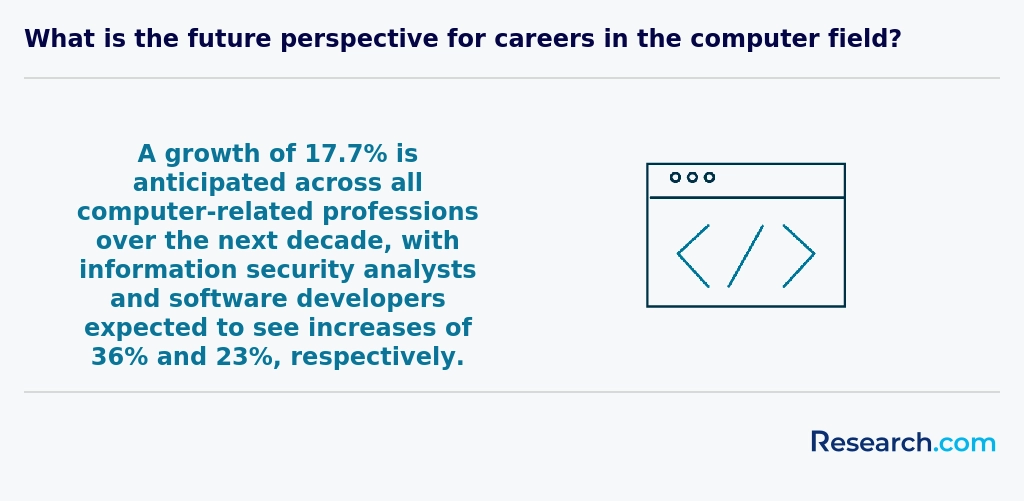
Graduates who pursue online information technology degrees in Florida find themselves well-positioned for diverse career paths that meet the state's growing demand for skilled professionals. For example, many graduates from programs at colleges like the University of Central Florida and Florida International University step into roles as Network and Systems Administrators, where they manage critical technology infrastructure in bustling businesses and government offices.
Others leverage their skills as Information Security Analysts, defending against the rise in cyberattacks that Florida organizations increasingly face. Graduates working in these roles report a strong sense of purpose and security in their jobs. Software Developer positions are equally popular, with students from schools such as Florida State University sharing experiences of contributing to innovative projects across healthcare and aerospace sectors.
Prospective students exploring online information technology careers in Florida should consider pathways like Database Administrator or IT Project Manager, where they apply technical knowledge to organize data or lead projects efficiently. Many alumni emphasize that choosing affordable and flexible programs, especially from institutions known for quality online education, helps balance life commitments. For those researching options, exploring the fastest technology degree online programs offers practical insights suited to Florida's dynamic IT job market.
The job market for online information technology jobs in Florida is robust, driven by the state's growing tech hubs in cities like Miami, Tampa, and Orlando. Graduates from Florida's well-regarded universities often find opportunities quickly, as companies across healthcare, finance, and aerospace sectors seek skilled IT professionals. For example, graduates from these programs report landing roles such as software developers, network administrators, or information security analysts within months of completing their degree. These roles typically offer competitive salaries around $85,000 to $95,000 annually, depending on the position and experience.
Students pursuing an online IT degree benefit from Florida's affordable tuition rates combined with expanding job options. Many have successfully leveraged internships and remote work opportunities that align with their studies, gaining real-world experience while completing their education. For those aiming to advance further, considering an online master of information technology is a strategic next step to enhance qualifications and access senior roles in this dynamic market.
Overall, the Florida IT degree job market outlook favors proactive graduates who engage with local industry trends and acquire hands-on skills alongside their coursework.
2027 Most Affordable Online Information Technology Degree Programs Ranking in Florida
Investing in your education is a significant decision that can greatly impact your career and future, and the Research.com team fully appreciates the importance of making well-informed choices. To guide prospective students in Florida, we have carefully developed the "2027 Most Affordable Online Information Technology Degree Programs Ranking in Florida." Our dedication to quality, credibility, and accuracy is demonstrated through thorough research and analysis behind this ranking.
We utilized the following reputable data sources to ensure a comprehensive and reliable evaluation:
This ranking offers valuable insights into affordable programs that balance quality and cost, helping readers identify the best online Information Technology degrees in Florida. For an in-depth look at our ranking process, please visit our Research.com methodology page.


# 6 position
Seminole State College of Florida
Bachelor of Information Systems Technology

# 7 position
Florida State College at Jacksonville
Bachelor of Information Systems Technology


Frequently Asked Questions About information technology
Online information technology degree students in Florida can enhance their learning by actively engaging with interactive coursework and virtual labs, which simulate real IT environments. Florida's higher education system offers extensive resources, including access to tech-focused career services and networking events that students should utilize.
Joining student organizations related to IT and participating in online forums with peers provides practical insights and professional connections. According to the Florida Department of Education, students in IT programs who supplement their studies with internships see higher employment rates within six months of graduation.
Staying current with certifications like CompTIA or Cisco alongside the degree also boosts job prospects in Florida's growing tech sector.
The field of information technology is evolving rapidly, with several emerging niches gaining significant attention. Among these, cybersecurity remains critical, especially as Florida experiences a growing number of cyber threats targeting both government and private sectors. According to the Florida Department of Economic Opportunity, cybersecurity jobs in the state are expected to grow by over 15% by 2028.
Another fast-growing niche is data science and analytics. Florida-based companies increasingly rely on data-driven decision-making, creating demand for specialists who can interpret large datasets.
Cloud computing is also expanding as organizations migrate operations to cloud platforms, supported by tech hubs like those in Miami and Tampa.
Lastly, artificial intelligence and machine learning are emerging fields offering new career pathways through automation and smart technologies.
After earning an online information technology degree in Florida, preparing for the job market involves targeted steps. Florida's IT sector continues to grow, with over 300,000 tech-related jobs statewide as of 2023, according to the Florida Department of Economic Opportunity. Graduates should develop practical skills by engaging in internships or certifications such as CompTIA or Cisco.
Networking is critical; joining local IT organizations or online groups can connect you with employers. Additionally, tailoring your resume and LinkedIn profile to highlight your online degree and relevant projects helps demonstrate your readiness to potential employers.
Employers in Florida seek several key skills in graduates of online information technology degree programs. Technical proficiency is essential, particularly in cybersecurity, cloud computing, and data analytics. According to the Florida Department of Economic Opportunity, demand for IT professionals with cybersecurity expertise is growing faster than average. Strong problem-solving abilities and critical thinking are also highly valued, as these skills enable employees to address complex technical issues effectively.
Communication skills are important too, as IT roles often require explaining technical concepts to non-technical colleagues. Familiarity with programming languages like Python and Java is frequently requested. Additionally, adaptability and a willingness to learn new technologies are crucial given the rapid evolution of the IT landscape in Florida's business environment.
Finding internships relevant to an information technology degree in Florida involves leveraging local resources and industry connections. Many Florida universities, such as the University of Central Florida and Florida State University, maintain partnerships with tech companies offering IT internships. Websites like Handshake or the Florida Department of Education's CareerSource portal list opportunities specifically for students.
The state's growing tech sector, particularly in cities like Miami and Tampa, has increased demand for IT interns. According to the Florida High Tech Corridor, the region supports over 1,800 tech companies and more than 107,000 tech workers, creating meaningful chances to gain hands-on experience.
Networking via local meetup groups or Florida-based tech events can also lead to internships. Contacting career services at your chosen online program often helps identify internships that fit your schedule and educational goals.
An online information technology degree in Florida can significantly enhance career mobility and advancement opportunities. Florida's tech industry, valued at over $16 billion, is growing rapidly, creating demand for skilled IT professionals. Graduates with online IT degrees often find roles in cybersecurity, software development, and network administration, fields that offer strong salary growth and job stability.
According to the Florida Department of Economic Opportunity, IT occupations are expected to grow by 15% through 2030, outpacing many other sectors.
Online degrees provide flexibility for working professionals, allowing them to upskill without interrupting their careers, which supports faster promotion and transitions within the industry.
Many Florida employers recognize the credibility of accredited online degrees, further improving the ability to advance professionally.
Studying for an information technology (IT) degree in Florida online equips students with skills applicable across various industries. Florida's IT programs emphasize interdisciplinary learning by integrating courses in business, management, cybersecurity, and data analytics. This approach reflects workforce needs, as Florida's tech sector grew by over 9% from 2018 to 2023, requiring professionals who can bridge technical expertise and organizational strategy (Florida Department of Economic Opportunity).
Students learn to collaborate across fields, preparing for roles such as IT project managers, systems analysts, and cybersecurity consultants. Florida institutions often include internships and real-world projects to develop problem-solving skills within interdisciplinary teams.
Choosing between a thesis and a non-thesis online information technology degree program in Florida depends largely on your career goals and learning preferences. Thesis programs emphasize research, requiring students to conduct original studies, which suits those aiming for roles in R&D or planning to pursue a PhD. Non-thesis programs focus more on practical skills through coursework and projects, appealing to professionals seeking quick entry or advancement in the IT workforce.
In Florida, many accredited universities offer both options online, often differing in duration and credit requirements. According to the National Center for Education Statistics, about 35% of IT master's graduates in Florida completed thesis programs in 2022. This reflects a balance between academic research and applied technology careers statewide.
Consider your long-term plans: if you want to work in data science, cybersecurity research, or academia, a thesis may be beneficial. If you prefer roles in IT management, software development, or network administration, a non-thesis track may offer more relevant experience. Also, thesis programs often require close faculty mentorship, which may be harder to access fully online.
Lastly, review program details on Florida's State University System websites or Florida Department of Education resources to compare specific curriculum structures, credit loads, and time to completion.
Students in Florida seeking to study information technology (IT) abroad through online programs have limited direct options because most U.S. degrees are awarded by domestic institutions. However, some Florida universities partner with international schools, offering joint or dual degrees allowing students to engage with global curricula while remaining online. These programs often focus on emerging IT fields like cybersecurity and data analytics.
Florida is home to over 400,000 IT professionals as of 2023 according to CompTIA, reflecting strong local demand that encourages global program collaborations. Students can also explore accredited global IT certifications complemented by their Florida-based degrees to enhance international credentials.
Most importantly, students should verify that any foreign affiliations comply with regional accreditation recognized by the U.S. Department of Education to ensure degree validity.
Students pursuing online information technology degrees in Florida can benefit from various part-time job opportunities that enhance practical skills. Positions such as IT support technician, help desk analyst, and junior network administrator are common roles accessible to students while studying. These jobs provide hands-on experience with troubleshooting, system maintenance, and user support, complementing academic learning.
According to the Florida Department of Economic Opportunity, IT employment in the state is expected to grow by about 12% between 2022 and 2030, reflecting strong demand for skilled professionals. Additionally, internships with local tech firms or government agencies often offer paid or part-time roles that align closely with IT curricula.
Working in cybersecurity firms or software development startups around Florida's tech hubs also helps students build relevant industry contacts. These roles typically require flexible schedules compatible with part-time study and aid in building a professional network before graduation.
Online information technology students in Florida benefit from numerous networking opportunities despite studying remotely. Many Florida universities offering IT degrees provide virtual career fairs and online networking events tailored for distance learners. For example, the University of Florida and Florida State University frequently host webinars connecting students with IT professionals and alumni.
In addition, statewide organizations like the Florida Technology Council offer memberships and events that encourage students to build professional relationships. Florida's IT sector is rapidly growing-employing over 300,000 workers as of 2023 per the Florida Department of Economic Opportunity-creating strong demand for networking connections.
Students can also utilize LinkedIn groups and local Meetup chapters focused on IT in Florida to engage with peers and local industry leaders, enhancing their job prospects post-graduation.
Alumni networks are valuable resources for online information technology degree students in Florida, providing essential connections within the local IT industry. These networks often facilitate mentoring opportunities, job referrals, and professional development events tailored to Florida's tech market.
Florida's IT sector employs over 500,000 professionals, according to the Tech Alliance of Florida, making alumni connections critical for job placement and career growth. Networking through alumni groups increases access to hidden job markets and internships that might not be publicly advertised.
Moreover, alumni networks support knowledge sharing about certifications and emerging technologies, which is vital in a field that evolves quickly. Students benefit from peers' firsthand experiences navigating Florida's competitive IT landscape and workforce demands.
Many online information technology degree programs in Florida offer flexible curricula that allow students to tailor their studies according to career goals. Students can often select concentrations such as cybersecurity, data analytics, software development, or network administration, depending on their interests.
Adding elective courses or certifications, like CompTIA Security+ or Cisco's CCNA, enhances practical skills and employability in Florida's growing IT sector. According to the Florida Department of Economic Opportunity, IT-related jobs are projected to grow 8% through 2030, emphasizing specialized knowledge.
Advisors at Florida universities typically assist students in planning a personalized course path. They also help align degree requirements with industry standards, ensuring graduates meet local employers' needs. This approach helps professionals adapt their education without disrupting their careers.
Online information technology students in Florida commonly face challenges balancing coursework with personal and professional responsibilities. Many learners juggle jobs or family obligations alongside their studies, which can lead to time management difficulties. Additionally, access to reliable high-speed internet remains a concern in some rural regions, potentially hindering smooth participation in virtual classes and labs.
Technical issues such as software compatibility and limited hands-on experience with IT hardware can also affect learning quality. Furthermore, some students report a lack of direct interaction with instructors and peers, which may impact motivation and networking opportunities.
According to the Florida Department of Education, approximately 35% of online learners encounter these obstacles intermittently throughout their programs.
Graduates with an online information technology degree in Florida can pursue several valuable professional certifications to enhance their careers. Popular options include the CompTIA A+, a widely recognized certification for entry-level IT support roles. Another key certification is the Certified Information Systems Security Professional (CISSP), which aligns with cybersecurity positions, a fast-growing field in Florida.
Other important credentials include the Microsoft Certified: Azure Fundamentals and Certified Information Systems Auditor (CISA). According to the Florida Department of Economic Opportunity, IT job growth is expected to rise by 11% through 2030, making these certifications highly relevant for local employers.
To write a winning application for an online information technology program in Florida, start by clearly demonstrating your interest and experience in IT. Highlight relevant technical skills and any certifications, such as CompTIA or Cisco, which are highly valued in Florida's growing tech job market.
Florida ranks among the top states for IT job growth, with a 5.5% increase projected through 2028 according to the U.S. Bureau of Labor Statistics. Use this data to express your awareness of local industry trends and your commitment to contributing to the regional workforce.
Write a concise personal statement explaining your career goals and how the program aligns with Florida's IT opportunities. Include your academic background, professional experience, and problem-solving abilities.
Also, obtain strong letters of recommendation from professionals or educators familiar with your work ethic in IT. Finally, ensure your application is error-free and submitted before deadlines, as Florida institutions typically practice rolling admissions or set strict cutoffs.
The field of information technology (IT) offers strong career prospects both nationally and globally. According to the U.S. Bureau of Labor Statistics, IT occupations are projected to grow 13% from 2021 to 2031, faster than the average for all jobs. Florida, with its expanding tech hubs in cities like Miami and Tampa, reflects this trend, showing increasing demand for IT professionals.
Globally, IT careers emphasize skills such as cybersecurity, data analysis, and cloud computing, which are in high demand across diverse industries. For Florida students, pursuing an online IT degree connects them to this worldwide market through adaptable, technological expertise.
Research from the Florida Department of Economic Opportunity reports that IT occupations in the state earn an average annual wage above $85,000, highlighting the lucrative potential. This strong economic outlook can motivate students to seek affordable, accredited programs that prepare them for competitive roles locally and internationally.
Students pursuing an online information technology degree in Florida can gain practical experience through internships offered by local tech companies and government agencies. Florida's growing IT sector, valued at over $26 billion in 2023 according to the Florida Cybersecurity Task Force, offers many opportunities for hands-on learning. Many accredited online programs partner with businesses to provide remote or hybrid internships, allowing students to apply theoretical knowledge in real-world settings while balancing their coursework.
Additionally, students can engage in virtual labs, coding challenges, and capstone projects often required in Florida's IT curricula, enhancing job-ready skills. Professional certifications, such as CompTIA or Cisco, are also encouraged to supplement practical experience.
Choosing the right concentration within an online information technology degree program in Florida begins with understanding your career goals and industry demand. Popular concentrations include cybersecurity, network administration, software development, and data analytics. Florida's tech industry is growing, with cybersecurity jobs increasing by 18% over the past five years, according to the Florida Department of Economic Opportunity. Students should consider local job market trends and salary prospects when selecting a focus area. Researching program accreditation and curriculum relevance to current technologies is also important. Additionally, reviewing alumni outcomes and internship opportunities can help ensure the concentration aligns with your professional aspirations.
- 2027 Most Affordable Online Information Technology Degree Programs Ranking in Georgia
- 2027 Most Affordable Online Information Technology Degree Programs Ranking in Alabama
- 2027 Most Affordable Online Information Technology Degree Programs Ranking in South Carolina
- 2027 Most Affordable Online Information Technology Degree Programs Ranking in Kentucky
- 2027 Most Affordable Online Information Technology Degree Programs Ranking in Arkansas
- 2027 Most Affordable Online Information Technology Degree Programs Ranking in Virginia
- 2027 Most Affordable Online Information Technology Degree Programs Ranking in West Virginia
- 2027 Most Affordable Online Information Technology Degree Programs Ranking in Missouri
- 2027 Most Affordable Online Information Technology Degree Programs Ranking in Ohio
- 2027 Most Affordable Online Information Technology Degree Programs Ranking in Illinois
- How to Get Started in Information Technology https://www.straighterline.com/blog/how-to-get-started-in-information-technology
- Most In-Demand IT Skills Employers Are Hiring For | IT Jobs UK Career Guide https://www.itjobboard.co.uk/blog/310/most-in-demand-it-skills-employers-are-hiring-for-%7C-it-jobs-uk-career-guide/
- Academic experiences of information technology students - JYX https://jyx.jyu.fi/bitstreams/2ecaf277-b7be-416f-8ee4-d35afdf2ab67/download
- Information Technology Master's Program (without Thesis) | Eastern Mediterranean University Cyprus https://www.emu.edu.tr/en/programs/information-technology-masters-program-without-thesis/1070
- Study Information Technology Abroad: Top Colleges and Careers https://www.aeccglobal.com/study-abroad/courses/information-technology
- How to Network with Alumni | Student Guide to Alumni Networking 2026 https://digitalrecordboard.com/blog/how-to-network-with-alumni/
- FloridaShines Careers in Information Technology https://www.floridashines.org/careers-it
- The Top IT Challenges Facing Universities (And How to Tackle Them) | Full Fabric https://www.fullfabric.com/articles/it-challenges-universities-face
- How Technology Enhances Career Development Strategies | Manpower Ireland https://www.manpower.ie/blog/2024/02/how-technology-can-enhance-your-career-development-strategy
- Top 10 Technology Challenges for Schools and How to Solve Them | Modern Office Methods https://www.momnet.com/top-10-technology-challenges-for-schools-and-how-to-solve-them/