2027 Most Affordable Online Information Technology Degree Programs Ranking in Alabama

Co-Founder and Chief Data Scientist
Choosing the right online information technology degree program can feel overwhelming, especially when cost is a big factor. This article introduces the 2027 Most Affordable Online Information Technology Degree Programs Ranking in Alabama, created by the Research.com team of data scientists to guide you through the best options available.
By exploring this ranking, you'll gain valuable insights to help make an informed decision that fits your budget and career goals. Earning an IT degree opens doors to exciting opportunities and growth in a thriving industry.
Take the first step toward your future with confidence.
Key benefits of getting online information technology degree in Alabama
- Information technology graduates in Alabama can expect competitive salaries nationwide, with many IT roles in the US offering an average annual wage around $90,000, making this a financially rewarding field.
- Graduates from popular Alabama universities often pursue careers such as network administrators, software developers, or cybersecurity analysts, all of which have strong job growth and demand.
- Choosing an online IT degree from a well-known Alabama school allows for flexible study schedules and the ability to balance work or family commitments, leading to a more personalized and stress-free learning experience.
- 2027 Most Affordable Online Information Technology Degree Programs Ranking in Alabama
- What can I expect from online information technology degree in Alabama?
- Where can I work with online information technology degree in Alabama?
What can I expect from online information technology degree in Alabama?
The average cost of earning an online information technology degree in Alabama is notably affordable, especially when compared to other states. Many public universities, such as the University of Alabama and Auburn University, offer in-state tuition rates that tend to be much lower than private institutions. Graduates often share how this pricing made pursuing their IT education manageable, reducing financial stress while allowing them to focus on mastering skills in cybersecurity, networking, and programming.
Students often find that scholarships and grants specific to technology programs further ease the burden of tuition. For example, some learners were able to secure funding that covered a significant portion of their studies, saving money that would otherwise be spent on commuting or relocation.
This financial accessibility, combined with robust online curricula featuring hands-on labs and real-world projects, creates an empowering experience. You can imagine balancing a full-time job while advancing your career through online classes tailored to busy schedules, all without sacrificing quality education or breaking the bank.
Where can I work with online information technology degree in Alabama?
Graduates with an online information technology degree from well-known Alabama institutions like the University of Alabama or Auburn University often find themselves stepping into dynamic roles right after earning their diplomas. Many secure positions in Huntsville's booming aerospace and defense industries, where they apply skills in cybersecurity and systems analysis supporting critical government projects. Imagine working alongside experts at Redstone Arsenal, protecting important data and infrastructure-that's a common reality for IT grads in the region.
Others leverage their degrees in Birmingham's robust healthcare sector, managing electronic health records or designing secure patient data systems. Alumni from Alabama State University, for example, have shared how hands-on projects during their studies made them confident to tackle real-world challenges in hospitals and clinics.
With startups thriving in Montgomery and Birmingham, many IT graduates find exciting opportunities in software development and cloud computing, fueling innovation. These vibrant environments create rewarding career paths where your skills grow as quickly as the state's tech ecosystem.
Graduates from online information technology programs in Alabama often find themselves stepping into roles that start around $50,000 to $60,000 annually. This is a solid foundation, especially for those coming from well-regarded institutions like the University of Alabama or Auburn University. Many alumni share how landing entry-level positions such as help desk support or junior network administrators offered them not just a paycheck but a chance to grow and prove their skills in thriving tech hubs like Huntsville and Birmingham.
As these graduates gain experience and pursue certifications-think AWS or CompTIA Security+-their salaries can quickly rise. Mid-level professionals commonly earn between $70,000 and $90,000, reflecting increasing responsibilities in roles like systems analyst or database administrator.
For those who are passionate and continuously upskill, senior positions in cybersecurity or cloud computing can exceed $100,000. Many Alabama graduates note that combining online degrees with hands-on projects helped open doors to these rewarding careers. The steady 7% job growth forecasted by the Department of Labor further brightens the horizon for your IT journey in Alabama.
- Several accredited Alabama institutions offer fully online IT degree programs, allowing students to study without relocating.
- Average total tuition for an online bachelor's in IT ranges from $15,000 to $30,000, with public universities generally being more affordable.
- IT jobs in Alabama have grown by about 12% over the past five years, especially in cities like Birmingham, Huntsville, and Mobile.
- Entry-level IT salaries average around $55,000 per year, while mid-career salaries can reach approximately $80,000 or more.
- Many programs focus on practical skills such as network security, database management, and software development, often including virtual internships for job placement support.
Completing an online information technology degree in Alabama generally takes about two years for an associate's degree and around four years for a bachelor's degree when studied full-time. Many students at institutions like the University of Alabama at Birmingham or Auburn University find that this timeline allows them to balance work, family, and school with dedication and good time management.
Graduates often share how accelerated courses or transferring credits from previous studies can shorten their program length. Part-time students, commonly juggling jobs alongside their studies, might take five years or more, but remain encouraged because flexible scheduling options help them keep steady progress.
Master's degrees typically require another 1.5 to 2 years after a bachelor's, offering an advanced pathway for those seeking specialized roles in IT. Students appreciate that Alabama's affordable tuition, especially at public universities, reduces financial stress, making the journey more motivating and achievable.
Commitment to learning and actively communicating with academic advisors at these universities is key to crafting a personalized timeline that fits unique life circumstances.
Choosing between an online or on-campus information technology degree in Alabama really depends on your lifestyle and learning preferences. Take graduates from the University of Alabama, for example-those who pursued the online track often praised the flexibility to balance work and family while studying programming or cybersecurity at their own pace, without the stress of commuting to campus.
Conversely, graduates from Auburn University who attended traditional classes highlight the advantages of hands-on labs and immediate access to faculty and campus resources, which fostered deeper connections and real-time problem-solving skills. Both paths cover essential IT topics, but on-campus students benefit from face-to-face collaboration, which can boost confidence and networking.
Financially, both options tend to have similar tuition costs around $9,000 annually for in-state students, but online students enjoy notable savings on housing and travel. Employers in Alabama value accredited degrees from either format, so your success boils down to how you engage with the program and apply what you learn in practical settings.
The average cost of an online information technology degree in Alabama typically centers around the median total cost of $42,220. Graduates from programs at popular Alabama universities often recall how managing tuition alongside living expenses was a challenge, yet they found their investment worthwhile as they transitioned into rewarding IT careers. Public institutions tend to offer more affordable information technology degree programs Alabama, especially for in-state students, helping many relieve financial stress while pursuing their goals.
For example, students enrolled in online IT programs at well-known Alabama colleges often benefit from tuition rates ranging between $250 to $350 per credit hour. This can put the total cost for a 120-credit bachelor's degree near the average mentioned above. Some students reported that leveraging community college courses at around $150 per credit hour helped reduce overall expenses, paving an easier path toward their degree and career.
Financial aid and scholarships are common tools that students use to manage costs effectively. Many alumni express a sense of accomplishment knowing they navigated these options successfully. When budgeting for an online IT degree, it's important to consider additional fees beyond tuition, such as technology and course material costs.
Prospective students often ask about how to fund their education and map out career pathways. Understanding how do you pursue a career in information systems management can provide motivation to overcome financial obstacles and keep focused on long-term success.

If you're pursuing an online information technology degree in Alabama, know that a range of financial aid options exist to lighten your financial load. Many graduates from the University of Alabama at Birmingham and Auburn University share how federal Pell Grants, which can cover up to $7,395 annually, made a huge difference in avoiding hefty student loans.
State programs like the Alabama Student Assistance Program (ASAP) offer grants specifically for in-state students in IT fields, helping to reduce costs while you focus on building your skills. Some students also benefit from the Alabama Robotics Technology Park Scholarships, which support those passionate about advancing in tech-related careers.
Beyond federal and state aid, institutional scholarships at Alabama schools reward academic excellence and leadership-something graduates often highlight as key to making their education affordable.
For those working while studying, employer tuition assistance programs in Alabama's tech and manufacturing sectors provide an extra boost, allowing students to grow professionally without financial stress.
To embark on an online information technology degree in Alabama, you'll need to have a high school diploma or GED as a solid foundation. Many graduates from universities like Auburn or the University of Alabama began their journey with strong math and English skills-these are vital for tackling courses that demand logical thinking and clear communication. Some programs may not require SAT or ACT scores, especially as schools embrace test-optional policies, which many students find liberating and motivating.
Having a background in basic computer skills or introductory IT courses can greatly boost your confidence. Think of alumni who transferred credits from community colleges across Alabama; they often share how this preparation made advanced IT topics more approachable and enjoyable. Reliable internet and a capable computer are also non-negotiable-you'll want seamless access to coding platforms and virtual labs, whether you're studying from Birmingham or Mobile.
Remember, these prerequisites set you up for success and give you a glimpse of the exciting challenges ahead in Alabama's affordable and growing IT landscape.

Students pursuing an online information technology degree in Alabama dive into courses that build both practical skills and deep understanding. Graduates from popular institutions like the University of Alabama or Auburn University often highlight how introductory classes in information technology helped them confidently navigate hardware and software basics, setting a strong foundation for their careers.
Courses such as computer networking and data communications bring the theory to life, teaching you to design and troubleshoot real networks-skills that Alabama employers highly value. Many graduates recall how cybersecurity classes empowered them with knowledge about protecting data and ethical hacking, critical in today's digital landscape.
Programming languages like Python, Java, and C++ are taught through hands-on projects, helping students solve real-world challenges, whether developing software or automating tasks. Classes in database management focus on SQL skills needed to manage vast amounts of data-something essential for businesses across Alabama.
Additionally, systems analysis and project management courses prepare students to lead tech initiatives effectively. Electives in cloud computing and emerging technologies keep learning fresh and aligned with industry trends. These courses together equip Alabama students to confidently step into a growing IT job market.
When pursuing an online information technology degree in Alabama, you'll find a variety of specializations designed to prepare you for specific, high-demand roles in the tech industry. Common tracks include Cybersecurity, where graduates develop skills to defend against cyber threats, and Network Administration and Management, which equips students with expertise in maintaining vital IT infrastructure. Other popular concentrations are Software Development, focusing on programming and creating applications, and Data Analytics and Database Management, ideal for those who enjoy working with big data to drive business decisions.
Many students from well-regarded institutions like the University of Alabama at Birmingham and Auburn University have shared how these specializations aligned perfectly with their career goals in Alabama's growing tech sectors, especially in healthcare IT and manufacturing. A newer path, Cloud Computing, offers knowledge on virtualization and cloud services-skills increasingly sought after by employers.
Choosing the best IT degree concentrations Alabama online helps you target skills employers want today. For a broader perspective on career paths, you might explore the information systems masters degree career options, which complements your specialization and enhances your marketability.
Choosing the best affordable online IT degree programs Alabama offers means prioritizing accredited institutions that blend quality education with flexibility. Graduates from popular universities in Alabama often share how accreditation was key to ensuring their degree held weight when seeking jobs or transferring credits. Programs that offer hands-on labs in areas like cybersecurity or cloud computing prepare students for real-life tech challenges, making learning both engaging and practical.
Consider how each program's curriculum matches your passion - whether it's software development or database management. Many students balancing work and study appreciate schools that provide flexible schedules and robust online support services. Schools well-known in Alabama for IT often connect students to local internships, easing the transition from student to professional in the thriving local tech scene.
When exploring how to choose online information technology degree Alabama providers, also research alumni success stories and check graduation rates. Understanding total program costs, beyond tuition, helps avoid surprises. To explore careers post-degree, visit careers in information systems for insights on your future opportunities.
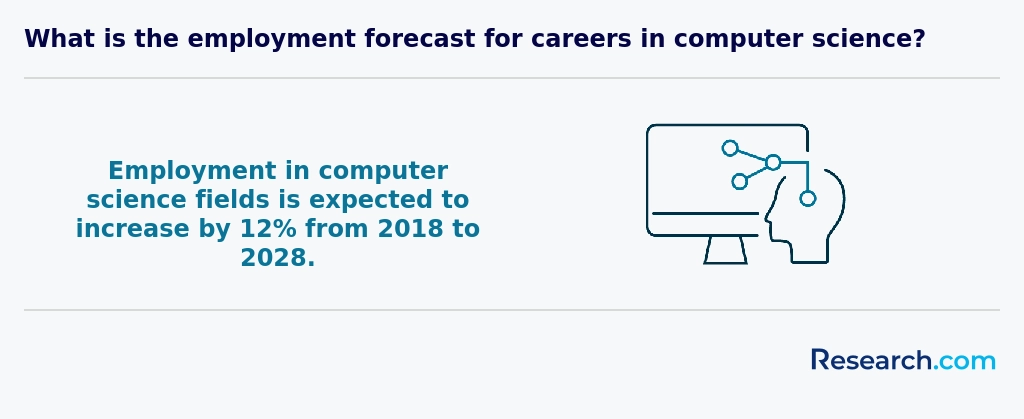
Graduates with an online information technology degree in Alabama discover a wealth of career paths tailored to the state's vibrant tech ecosystem. Many find themselves thriving in cybersecurity, protecting data for aerospace or healthcare firms-sectors flourishing around institutions like the University of Alabama. Others excel as network administrators or software developers, roles in high demand across industries supporting Alabama's growing economy. I've seen graduates from Auburn University embrace IT project management, confidently leading teams through complex digital transformations. These roles don't just pay well; they offer rewarding challenges that turn theoretical knowledge into real-world solutions.
For those aiming to expand their expertise, pursuing an information systems management mba is a strategic next step, unlocking leadership opportunities statewide. Your online IT degree will prepare you to step boldly into positions aligned with Alabama IT degree job opportunities, ranging from cloud computing to database administration. Knowing this, you can approach your studies with purpose, imagining yourself solving critical problems in industries crucial to our state's progress.
The job market for online information technology jobs in Alabama is promising and growing steadily. Graduates from popular Alabama institutions such as the University of Alabama and Auburn University often find themselves well-prepared to step into roles like network administrators or software developers, especially in tech hubs like Birmingham and Huntsville. These cities benefit from robust industries including aerospace and healthcare, which consistently seek IT expertise.
Many graduates share stories of quickly landing positions thanks to the practical skills acquired during their studies, highlighting the alignment between academic programs and employer demands. The average salaries, ranging from $55,000 to $90,000, provide a comfortable living given Alabama's lower cost of living. This balance encourages students to pursue IT careers without the heavy burden of debt.
Students looking for specific program recommendations often explore options like the best database management bachelor degree online, which can open doors to specialized roles with excellent growth potential. The Alabama IT degree job outlook is particularly strong as local employers increasingly prioritize technology skills to drive innovation and growth.
2027 Most Affordable Online Information Technology Degree Programs Ranking in Alabama
Investing in your education is a significant decision that can shape your future, and the Research.com team understands the importance of making informed choices. To assist prospective students in Alabama, we have meticulously developed the "2027 Most Affordable Online Information Technology Degree Programs Ranking in Alabama." Our commitment to quality, credibility, and accuracy is demonstrated by the in-depth research and analysis that went into creating this ranking.
We utilized the following reputable data sources to ensure a comprehensive evaluation of online IT degree programs:
By exploring this ranking, readers will gain valuable insights into the most affordable and high-quality online IT degree programs in Alabama, enabling them to make confident and well-informed educational decisions. For more details on our methodology, please visit our Research.com methodology page.
# 1 position
Amridge University
Bachelor of Information Systems Management

# 2 position
Columbia Southern University
Bachelor of Information Technology


Frequently Asked Questions About information technology
Students pursuing online information technology degrees in Alabama can maximize their learning by actively engaging with their coursework and utilizing university resources designed for remote learners. Regular participation in discussion boards and virtual group projects helps replicate the collaboration experienced in traditional settings. Alabama's growing tech job market-expected to increase by 15% through 2028 according to the U.S. Bureau of Labor Statistics-offers valuable local opportunities for internships and networking.
Leveraging on-campus resources such as academic advising and career services, even virtually, supports student success. Additionally, students should seek certification programs aligned with IT specialties, like cybersecurity or network administration, to enhance their resumes. Staying organized and managing time effectively are critical skills in online education, ensuring steady progress through degree requirements.
The information technology field is rapidly evolving, with several emerging niches gaining importance nationwide and in Alabama. Areas like cybersecurity, cloud computing, and data science are expanding due to increasing digital threats and the growing reliance on cloud infrastructure.
Alabama's tech industry is supporting these trends through investments and educational programs tailored to these specialties. According to the Alabama Department of Labor, cybersecurity positions are expected to grow by over 15% within the next decade, outpacing many other IT jobs.
Other notable niches include artificial intelligence (AI) and the Internet of Things (IoT), which are creating demand for professionals skilled in advanced machine learning and connected device management.
These emerging fields offer promising career prospects for students seeking online IT degrees in Alabama.
After earning an online information technology degree in Alabama, graduates should focus on building practical skills to succeed in the job market. Employers in Alabama's IT sector value hands-on experience with current technologies such as cloud computing, cybersecurity, and software development.
Networking is essential; joining local chapters of professional organizations like CompTIA or Alabama Technology Network can open doors. Additionally, obtaining industry certifications like Cisco's CCNA or CompTIA Security+ can significantly boost employment opportunities.
According to the Alabama Department of Labor, IT jobs in the state are expected to grow by 15% through 2030, highlighting a strong demand for qualified professionals. Internships and entry-level positions provide valuable experience when transitioning from education to employment.
Employers in Alabama highly value both technical and soft skills in information technology graduates. Key technical abilities include proficiency in programming languages such as Python and Java, along with strong knowledge of cybersecurity, cloud computing, and data management. According to the Alabama Department of Labor, demand for IT security specialists is expected to grow by 15% through 2030.
Beyond technical skills, communication and problem-solving capabilities are vital. IT professionals must work well in teams and explain complex information clearly. Analytical thinking helps graduates adapt to evolving technologies, which is critical in Alabama's growing tech sector.
Finding internships in Alabama relevant to an information technology degree involves a strategic approach focused on local industry connections and university resources. Many Alabama universities with online IT programs, such as the University of Alabama and Auburn University, offer dedicated career services that help connect students with internships provided by partner companies.
Additionally, Alabama's growing tech sector-highlighted by cities like Huntsville, known as "Rocket City"-offers opportunities in cybersecurity, software development, and IT management. According to the Alabama Department of Labor, the tech job market in Alabama is expanding faster than the national average, increasing internship availability.
Students are encouraged to use platforms such as Handshake and LinkedIn to find internships posted specifically for Alabama residents. Networking through local industry events and technology meetups also proves effective. Leveraging these resources can significantly enhance internship prospects in Alabama's IT field.
An online information technology degree in Alabama significantly improves career mobility and advancement opportunities. As the state's IT sector grows, with a projected job growth rate of 8% from 2022 to 2032 according to the U.S. Bureau of Labor Statistics, demand for skilled professionals continues to rise. Graduates with online IT degrees can access a broad range of roles, from network administration to cybersecurity, often qualifying for higher salaries compared to those without a degree.
Employers in Alabama increasingly value accredited online degrees, recognizing their flexibility and rigor. This acceptance enables professionals to switch industries or advance into management positions more easily.
Additionally, online programs provide updated curriculum aligned with Alabama's tech market needs, equipping students with in-demand skills and certifications that enhance promotion potential.
Studying for an online information technology degree in Alabama equips students with skills applicable across various fields. Many programs emphasize interdisciplinary coursework, blending IT fundamentals with business, healthcare, and cybersecurity topics. This approach prepares graduates to collaborate effectively in diverse professional environments.
Alabama's growing tech sector, including aerospace and finance industries, demands versatile IT professionals who understand multiple disciplines. According to the Alabama Department of Labor, IT-related jobs are projected to grow by 15% by 2030, highlighting the need for adaptable skill sets.
Students often engage in projects that integrate data analysis, programming, and system management, fostering critical thinking and teamwork. Online formats also allow working professionals to apply learning directly to their existing roles.
When choosing between a thesis and a non-thesis information technology degree program in Alabama, consider your career goals. Thesis programs often suit students interested in research or planning to pursue a Ph.D. They involve original research and a substantial written document, which can enhance skills valuable in technical roles. Non-thesis programs focus more on coursework and practical skills, ideal for professionals aiming to enter or advance in IT fields quickly.
Alabama's educational institutions, such as the University of Alabama and Auburn University, offer both options with flexible online formats. According to the National Center for Education Statistics, about 40% of IT graduates in Alabama prefer hands-on skills, hinting at strong demand for non-thesis paths.
Students based in Alabama who wish to study information technology abroad while enrolled in an online degree program have several options. Many US universities offer partnerships or exchange agreements with institutions in countries such as the United Kingdom, Canada, and Australia. These agreements allow students to complete portions of their IT coursework overseas while maintaining enrollment in their Alabama-based program.
Additionally, some online programs include study-abroad components or virtual internships with international companies, providing real-world IT experience. According to the Alabama Commission on Higher Education, around 5% of Alabama's online IT students participate in such global learning experiences. This approach helps students gain a broader perspective of technology trends and practices in a global context.
Part-time job opportunities in Alabama that complement online information technology degrees are plentiful and varied. Roles such as IT support specialist, help desk technician, and web developer allow students to apply key skills learned in their coursework. According to the Alabama Department of Labor, demand for IT support roles is projected to grow by 8% from 2022 to 2032, reflecting healthy industry growth.
Many Alabama businesses, including tech startups and established companies in Birmingham and Huntsville, seek part-time interns or junior IT staff. These positions often involve troubleshooting, network maintenance, and software updates, aligning closely with typical information technology curricula.
Gaining hands-on experience through part-time jobs helps students build practical skills and improve their resumes, enhancing future career prospects in Alabama's expanding IT labor market.
Online information technology students in Alabama have access to various networking opportunities that can enhance their career prospects. Many universities offer virtual career fairs and online networking events tailored specifically for IT students. For example, the University of Alabama and Auburn University both host annual online tech meetups and alumni panels.
Additionally, Alabama's strong tech industry presence, including hubs in Huntsville and Birmingham, supports student engagement through professional organizations like the Alabama Technology Network and local chapters of national groups such as CompTIA and ISACA. These groups often provide virtual workshops and certification study sessions.
According to the Economic Development Partnership of Alabama, the state's IT sector is growing, with over 100,000 tech jobs projected by 2025, further increasing networking demand and opportunities for students. Online students can leverage these connections for internships and job placements, crucial for career advancement.
Alumni networks provide significant benefits to online information technology degree students in Alabama. These networks connect current students with graduates who are established professionals in IT fields. This connection offers mentorship, career guidance, and internship opportunities that are crucial for career advancement.
In Alabama, the tech industry has grown by 15% over the past five years, creating a rising demand for skilled IT workers, according to the Alabama Department of Labor. Alumni can help students tap into this job market by sharing job leads and company insights.
Furthermore, alumni events and online communities foster networking, enhancing students' professional relationships beyond their academic years. These interactions often lead to job referrals, valuable collaborations, and lifelong professional connections.
Students pursuing an online information technology degree in Alabama can tailor their programs through elective courses, certificates, or specializations offered by many universities. Common focus areas include cybersecurity, data analytics, software development, and network administration.
Several Alabama institutions provide flexible curricula allowing learners to choose courses aligned with local industry demands. According to the Alabama Department of Labor, IT roles such as network architects and cybersecurity analysts are growing faster than average, highlighting key areas for specialization.
Additionally, some programs offer internships or project-based learning in partnership with Alabama tech companies, enhancing career readiness. Prospective students should review each school's degree plan to ensure alignment with their professional objectives and consider accreditation to verify program quality.
Online information technology students in Alabama often face challenges related to internet connectivity. Rural areas in the state still experience slower speeds, which can hinder access to video lectures or large files. According to the Federal Communications Commission, about 15% of Alabamians lack access to high-speed internet.
Another common issue is balancing coursework with work and family responsibilities. Many students enroll in online IT programs while working full-time, making time management essential.
Additionally, some students report limited opportunities for hands-on labs and face-to-face interaction, which are vital for mastering IT skills. Academic support services may also be less accessible online compared to traditional campuses.
An online information technology degree from an accredited Alabama institution opens the door to various professional certifications that can advance your career. Common certifications include CompTIA A+, Network+, and Security+, which validate fundamental IT skills. Many graduates also pursue Cisco Certified Network Associate (CCNA) or Certified Information Systems Security Professional (CISSP) credentials.
According to the Alabama Department of Labor, IT jobs are growing 8% faster than average in the state, making certifications valuable for competitiveness. Certified professionals typically see salary increases ranging from 10% to 20%, according to industry reports by CompTIA.
Focusing on certifications tailored to your career path ensures your degree translates into practical skills employers seek throughout Alabama's expanding tech sector.
To write a winning application for an online information technology program in Alabama, start by clearly demonstrating your passion for IT and your career goals. Alabama hosts multiple accredited institutions offering affordable online IT degrees, such as the University of Alabama and Auburn University, where program quality is essential.
Emphasize relevant experience or certifications like CompTIA or Cisco, as Alabama employers value practical skills. Include strong letters of recommendation from professionals familiar with your technical abilities.
Maintain a competitive GPA; many Alabama programs require a minimum 2.5-3.0. Finally, tailor your personal statement to show how the program aligns with the growing IT job market in Alabama, projected to grow by 11% through 2030 (Alabama Department of Labor).
The global perspectives on a career in information technology (IT) emphasize strong demand and diverse opportunities. IT skills are sought worldwide as digital transformation affects every industry. In the United States, including Alabama, this demand is reflected in job growth projections. According to the U.S. Bureau of Labor Statistics, computer and information technology occupations are expected to grow 15% from 2021 to 2031, faster than average. Alabama's growing tech sector, especially in cities like Huntsville, offers expanding roles in cybersecurity, software development, and data management.
Globally, IT professionals often collaborate across borders, requiring cultural awareness and adaptability. Online IT degrees in Alabama prepare students to work in this connected environment by teaching both technical skills and communication strategies. This approach supports graduates competing in the international job market while benefiting from local industry growth and emerging technology hubs within the state.
Gaining practical experience while studying for an online information technology degree in Alabama is crucial. Many Alabama universities offer virtual internships, allowing students to work with local tech companies remotely. According to the Alabama Department of Labor, the state's IT sector grew by 3.5% annually, signaling strong demand for skilled workers. Students can also participate in project-based courses that simulate real-world IT problems, enhancing hands-on skills.
Engaging with Alabama's technology-focused organizations, such as the Tech Alabama initiative, can provide networking opportunities. Additionally, service learning projects and part-time IT roles can be pursued alongside coursework to build valuable experience.
Choosing the right concentration within an online information technology degree in Alabama starts with understanding your career goals and interests. Popular concentrations include cybersecurity, network management, and software development. Alabama's growing tech sectors, especially in Birmingham and Huntsville, show strong demand for cybersecurity professionals, with a 2023 CyberSeek report highlighting a 15% job growth in this area statewide.
Next, examine course offerings and faculty expertise in each concentration at Alabama universities. Accredited programs ensure quality education recognized by employers. Also, review hands-on learning opportunities like virtual labs, which are vital for skill development in IT fields.
Consider certifications tied to concentrations, such as CompTIA Security+ for cybersecurity, to boost employability post-graduation.
- 2027 Most Affordable Online Information Technology Degree Programs Ranking in Georgia
- 2027 Most Affordable Online Information Technology Degree Programs Ranking in Florida
- 2027 Most Affordable Online Information Technology Degree Programs Ranking in Arkansas
- 2027 Most Affordable Online Information Technology Degree Programs Ranking in Kentucky
- 2027 Most Affordable Online Information Technology Degree Programs Ranking in South Carolina
- 2027 Most Affordable Online Information Technology Degree Programs Ranking in Missouri
- 2027 Most Affordable Online Information Technology Degree Programs Ranking in Illinois
- 2027 Most Affordable Online Information Technology Degree Programs Ranking in Texas
- 2027 Most Affordable Online Information Technology Degree Programs Ranking in Virginia
- 2027 Most Affordable Online Information Technology Degree Programs Ranking in West Virginia
- Jobs you can get with an IT degree | Monroe University https://www.monroeu.edu/academics/undergraduate-programs/school-information-technology/jobs-with-degree-in-it
- Information Technology Assistant Cover Letter Sample https://www.kickresume.com/en/help-center/information-technology-assistant-1-cover-letter-sample/
- Information Technology Degrees: Everything You Need to Know - University of the Potomac https://potomac.edu/it-degree-guide/
- Information Technology Master's Program (without Thesis) | Eastern Mediterranean University Cyprus https://www.emu.edu.tr/en/programs/information-technology-masters-program-without-thesis/1070
- Best Online Bachelor's in Information Technology Programs I Computerscience.org https://www.cyberdegrees.org/listings/best-online-bachelors-in-information-technology-programs/
- The Key Skills Employers Look for in IT Professionals https://www.upskilled.edu.au/skillstalk/the-key-skills-employers-look-for-in-it-professionals
- Study Information Technology Abroad | Go Overseas https://www.gooverseas.com/study-abroad/information-technology
- How Technology Enhances Career Development Strategies | Manpower Ireland https://www.manpower.ie/blog/2024/02/how-technology-can-enhance-your-career-development-strategy
- 7 Proven Ways Classroom Technology Improves Student Learning Outcomes | Explorance https://www.explorance.com/blog/7-ways-technology-in-the-classroom-enhances-student-success/
- How to Network with Alumni | Student Guide to Alumni Networking 2026 https://digitalrecordboard.com/blog/how-to-network-with-alumni/