2027 Best Online Master's in Information Technology Degree Programs Ranking in Michigan

Co-Founder and Chief Data Scientist
If you're considering advancing your career in Michigan, exploring top online master's programs in Information Technology can open exciting new doors. Our article presents the 2027 Best Online Master's in Information Technology Degree Programs Ranking in Michigan, developed by Research.com's skilled team of data scientists. This ranking helps you make informed decisions by highlighting reputable programs tailored for your goals.
Whether you're seeking flexibility, quality education, or strong career prospects, this guide provides valuable insight. Investing in an IT degree can boost your skills and confidence, positioning you for future success.
Key benefits of getting online information technology degree in Michigan
- Information technology degree graduates in Michigan can expect strong earning potential, with many IT jobs nationally offering median salaries around $90,000 per year, reflecting rewarding career financial prospects.
- Graduates often pursue diverse career paths like network administration, cybersecurity, and software development, with universities like the University of Michigan providing robust support for job placement and skill development.
- Completing an IT degree online from schools such as Michigan State University offers flexibility, allowing students to balance work and life while gaining the same respected credentials as traditional programs.
- 2027 Best Online Master's in Information Technology Degree Programs Ranking in Michigan
- What can I expect from online information technology degree in Michigan?
- Where can I work with online information technology degree in Michigan?
What can I expect from online information technology degree in Michigan?
The average cost of an online information technology degree in Michigan typically ranges between $10,000 and $25,000, depending on the institution and program length. Many graduates from Michigan State University and the University of Michigan highlight how affordable their online degrees were compared to traditional on-campus programs. They often mention how the savings on commuting and housing made pursuing their education feel financially manageable and motivating.
Students appreciate the flexibility of these programs, which allows them to maintain jobs while learning new skills without overwhelming costs. Graduates recall juggling work and family responsibilities, all while earning certifications like CompTIA Security+ that boosted their careers. These real-life experiences emphasize how an online IT degree in Michigan is not just an investment in knowledge but a practical choice for personal growth and financial balance.
Additionally, many students benefit from financial aids and employer tuition reimbursements, making these programs even more accessible and encouraging a bright future in Michigan's expanding tech industry. This combination of cost-effectiveness and career opportunity sparks confidence in many pursuing their passion for IT.
Where can I work with online information technology degree in Michigan?
Graduates with an online information technology degree in Michigan find themselves well-positioned to enter thriving industries that value their skills and innovation. Many alumni from renowned institutions like the University of Michigan and Michigan State University share inspiring stories of landing roles in Detroit's automotive sector, where cutting-edge technology drives advances in connected and autonomous vehicles. Imagine contributing to groundbreaking software projects at major companies, knowing your work powers the future of transportation.
Others have embraced opportunities in healthcare, supporting hospitals across Michigan with electronic health records and secure telemedicine platforms, improving patient care every day. IT professionals from Wayne State University have noted fulfilling careers managing vital data systems that protect sensitive health information, fueling both security and innovation.
Financial institutions and local governments also welcome IT graduates as essential team members, ensuring cybersecurity and reliable digital services. The vibrant tech community surrounding campuses like Grand Valley State University offers a supportive environment where graduates thrive in roles ranging from network management to software development.
Each success story reflects the abundant, rewarding career paths open to online IT degree holders in Michigan, grounded in real impact and exciting prospects.
Graduates with an online information technology degree in Michigan are stepping into a rewarding career with strong earning potential. Entry-level IT professionals in the state typically earn between $55,000 and $75,000 annually, reflecting the vibrant tech environment around cities like Detroit and Ann Arbor where universities like Wayne State University and the University of Michigan prepare students for success.
As graduates gain experience and specialize in high-demand fields such as cybersecurity, cloud computing, or data science, their salaries can rise significantly, often reaching $85,000 to $115,000 per year. Many alumni from Michigan's top IT programs share stories of advancing quickly in their roles within automotive technology firms and innovative health IT companies.
For those aspiring to senior positions, the potential to earn over $120,000 is well within reach. Holding certifications alongside an online IT degree from institutions like Michigan State University enhances opportunities, making the Michigan tech industry a promising landscape for career growth and rewarding compensation.
- Online IT degree programs in Michigan are offered by accredited institutions with options for fully online or hybrid study formats.
- Bachelor's degree tuition ranges from $10,000 to $20,000 per year for in-state students, while online master's degrees cost between $15,000 and $30,000 in total.
- Entry-level IT jobs pay between $55,000 and $65,000 annually, with mid- to senior-level salaries ranging from $80,000 to $110,000 per year.
- Michigan's IT job market is growing faster than the national average, driven by automotive tech, startups, and healthcare technology sectors.
- Many programs focus on practical skills such as cybersecurity, network administration, and software development that align with employer needs.
- State financial aid and scholarships may be available to help offset the cost for online IT students.
Online information technology degrees in Michigan typically take about four years to complete when pursued full-time at the undergraduate level. Graduates from the University of Michigan-Dearborn often share how this timeline allowed them to balance studies with personal and professional growth. Many who already hold a bachelor's degree find that a master's in IT can be completed in as little as 18 months to three years, depending on their schedule and course load.
Part-time study is a common path for busy professionals in Michigan, especially at institutions like Wayne State University, stretching the bachelor's degree to five or six years. This flexible approach empowers students to manage work, family, and finances while steadily moving toward their goals. The opportunity to accelerate courses or study year-round means you can tailor your pace, inspiring a sense of accomplishment as you progress through a program designed to fit your life.
Choosing between online and on-campus information technology degrees in Michigan opens exciting possibilities tailored to your lifestyle and ambitions. Graduates from the University of Michigan often praise the flexibility of online programs, enabling them to balance full-time jobs and family while advancing their skills at their own pace. Imagine accessing cutting-edge courses from home while still feeling connected through engaging virtual labs and interactive discussions.
On the other hand, those who experience programs at Michigan State University highlight the energy of on-campus learning-immersed in vibrant classrooms and state-of-the-art computer labs. The chance to collaborate face-to-face with passionate peers and mentors sparks creativity and quick problem-solving, helping to forge strong professional networks right in Detroit or Ann Arbor's dynamic tech scenes.
Both paths meet high academic standards set by the Higher Learning Commission, ensuring your degree is respected by employers statewide. Whether you thrive in the structured environment of a campus or the adaptable flow of online study, Michigan's IT programs empower you to reach your goals with confidence and inspiration.
The average cost of an online information technology degree in Michigan reflects a balanced investment in a promising future. Median total tuition for these programs is about $26,670, with in-state students benefiting from even more affordable rates around $23,827. Many graduates from well-known Michigan universities have shared how this manageable tuition cost made their pursuit of an IT degree feel both realistic and rewarding.
For students eager to advance their careers without relocating, online IT degrees offer the flexibility to learn from top Michigan institutions while keeping expenses in check. These programs often mirror the tuition rates of on-campus degrees but can save money by eliminating housing and transportation costs. Students who considered tuition and fees for online IT degree Michigan found that financial aid, scholarships, and employer tuition reimbursement programs played a key role in making their educational journey achievable and inspiring.
Graduates often reflect on their positive experiences balancing work and study, appreciating how their degree opened doors to new career paths. With a degree in hand, many took the next step informed by what education is needed to become an information systems manager, knowing they invested wisely in their goals.

Students pursuing an online information technology degree in Michigan find a wealth of financial aid opportunities that make their educational dreams increasingly attainable. Many graduates from institutions like the University of Michigan-Dearborn or Michigan State University recall how completing the FAFSA unlocked access to Pell Grants and Federal Direct Loans, easing the strain of tuition costs. These funds offer low-interest loans and, for some undergraduates, grants that don't require repayment-bringing peace of mind during challenging times.
State programs such as the Tuition Incentive Program and Michigan Competitive Scholarship provide additional support tailored to Michigan residents, while institutional scholarships and assistantships from their chosen universities often cover significant portions of tuition. Graduates often share stories of employer tuition reimbursement programs especially prevalent in Michigan's strong automotive and tech industries, transforming career advancement into an achievable goal.
Joining groups like the Michigan Council of Women in Technology can open doors to scholarships and grants, further lifting financial burdens. These multifaceted resources inspire countless students to confidently invest in their futures in IT.
To enroll in an online information technology degree program in Michigan, you'll typically need a bachelor's degree, often in IT, computer science, or a closely related field. Many graduates from universities like the University of Michigan-Flint or Michigan State University found that having a solid foundation in technical subjects made transitioning into their master's studies smoother and more rewarding. Even if your background isn't fully technical, don't be discouraged-several programs happily welcome applicants with relevant work experience or prerequisite courses completed in programming, data structures, or computer architecture.
Admissions committees often look for a minimum undergraduate GPA around 3.0, giving you a clear target to aim for. Some graduates recall how submitting strong letters of recommendation and a compelling personal statement highlighted their passion and readiness as much as grades did. Many Michigan online IT programs have also waived GRE requirements, recognizing the value of real-world experience you bring.
Ultimately, preparing through foundational courses and focusing on your unique strengths opens exciting doors to advancing your career in Michigan's thriving tech scene.

Online information technology degree programs in Michigan are carefully designed to equip students with both foundational and cutting-edge skills. Graduates from well-known institutions like the University of Michigan and Michigan State University often mention how courses in computer programming, using languages such as Java or Python, laid the groundwork for their problem-solving abilities in real-world projects.
Alongside coding, students dive into database management and data structures, essential for handling and securing critical business information across various industries thriving in Michigan's economy.
Network infrastructure and cybersecurity courses stand out for their practical focus-graduates share how these classes empowered them to design and protect complex systems, skills highly valued by Detroit's growing tech sector.
Systems analysis and design classes help students envision how technology can transform business operations, making every lesson feel directly relevant to the state's dynamic job market.
Many programs also weave in cloud computing and IT project management, preparing students to lead innovative projects efficiently, while some even introduce emerging fields like artificial intelligence, highlighting Michigan's commitment to future-ready education.
Online information technology specializations in Michigan open exciting doors for students eager to shape their futures. Graduates from well-known universities often share how diving into Cybersecurity empowered them to protect vital systems, a skill set highly sought after in Detroit's expanding tech market. Others embraced Data Science and Analytics, using powerful tools to make meaningful impacts in Michigan's automotive or healthcare sectors, fueling innovation through smart, data-driven decisions.
Many students thriving in Michigan IT degree concentration options find joy in Software Development, crafting creative solutions and building apps that resonate with local tech startups and beyond. Network Administration offers another vibrant path, where graduates proudly manage robust infrastructures supporting Michigan's bustling business hubs. Meanwhile, Information Systems Management blends technology and leadership, preparing students for rewarding roles that balance strategy and IT excellence, a field explored in-depth by those curious about what can you do with a degree in information systems.
Choosing the best online information technology degree in Michigan means focusing on what truly matters for your future success. Graduates from popular Michigan schools often highlight the value of accredited programs that align with the state's tech-driven economy, especially those offering specializations like cybersecurity and data analytics. Imagine yourself gaining hands-on knowledge through flexible courses that fit seamlessly into your busy life, much like many who have balanced work and study at top Michigan institutions.
Many students find that Michigan's affordable IT master's programs offer a perfect blend of quality and value, especially at public universities where tuition is friendlier to residents. These programs often connect learners with career support services, internships, and local tech hubs such as Ann Arbor SPARK, helping graduates feel confident and ready to step into thriving jobs in information technology in Michigan's competitive market.
By focusing on program relevance, flexibility, and career support-just as successful graduates recommend-you can confidently pursue an online IT degree that opens doors and sparks excitement for the future. Explore opportunities carefully and consider how each program prepares you to thrive in dynamic jobs in information systems.
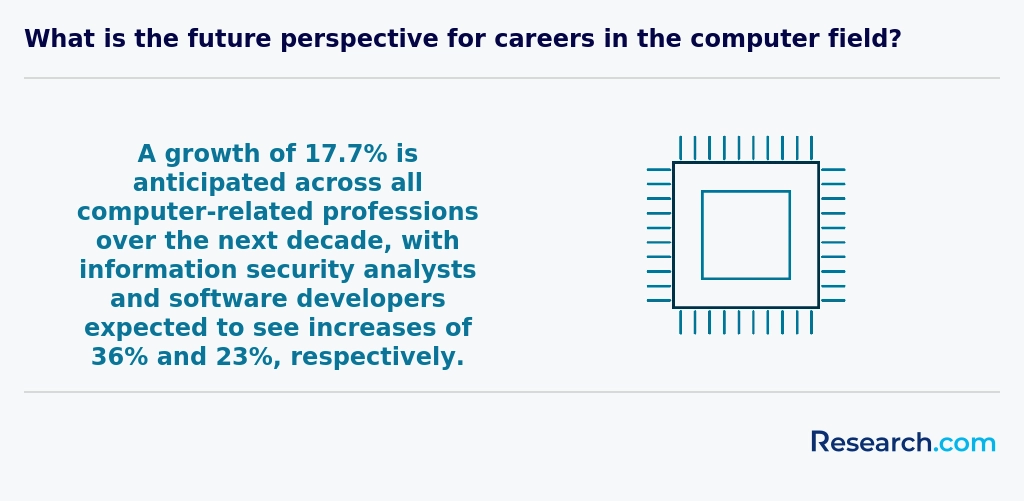
Graduates with an online information technology degree in Michigan step into a world of exciting and rewarding career opportunities. From becoming a systems analyst who transforms how businesses operate to a cybersecurity specialist safeguarding vital data, the paths are as diverse as the evolving tech landscape in the state. Many online learners from well-regarded Michigan colleges have found success as software developers, crafting innovative solutions for automotive tech and healthcare industries, or as IT project managers leading high-impact technology initiatives.
Michigan's vibrant tech scene supports these roles with growing employment prospects, making the journey all the more inspiring for students committed to advancing their careers. Whether managing complex networks or administering critical databases, graduates feel empowered by the strong job market and competitive salaries available throughout the state. Aspiring professionals looking to explore the best options for their future can also consider top online information systems management mba programs to deepen their expertise and leadership potential.
For those eager to transform their passion into a thriving career, Michigan's flourishing IT sector offers a platform to grow and succeed in an ever-changing industry.
The Michigan online information technology job market is thriving thanks to the state's strong sectors like manufacturing, healthcare, and finance, all driving demand for skilled IT professionals. Graduates of online programs from popular institutions such as the University of Michigan and Michigan State University often find themselves stepping confidently into positions involving cybersecurity, data analytics, and cloud computing. These roles not only offer competitive salaries but also a chance to contribute to cutting-edge innovations shaping Michigan's economy.
Information technology career opportunities in Michigan are robust, with the Michigan Department of Technology, Management & Budget projecting steady growth in IT jobs through 2030. Graduates report that their skills in software development and system administration, gained through flexible online courses, are highly sought after by employers across Detroit and Grand Rapids, especially in financial institutions and healthcare technology firms.
Students aiming to enhance their prospects may explore options like the top online bachelors degree database management, which equips them with practical knowledge critical for Michigan's expanding IT workforce, making this a smart and hopeful path toward a rewarding career.
2027 Best Online Master's in Information Technology Degree Programs Ranking in Michigan
Investing in your education is a significant decision that can impact your career and future, and the Research.com team recognizes the need for well-informed choices. To support prospective students in Michigan, we have carefully developed the "2027 Best Online Master's in Information Technology Degree Programs Ranking in Michigan." Our dedication to quality, credibility, and accuracy is demonstrated through thorough research and analysis. We utilized the following reputable data sources to provide a comprehensive assessment of these programs:
By reviewing this ranking, readers will obtain valuable insight into the top online IT master's programs in Michigan, empowering them to make confident and informed educational decisions. For more information on how this ranking was created, please visit our Research.com methodology page.
# 1 position
University of Detroit Mercy
Master of Computer & Information Systems with a major in Software Management


# 5 position
Walsh College
Master of Information Technology Leadership

Frequently Asked Questions About information technology
Online information technology degree students in Michigan can maximize their learning by actively engaging with digital resources and connecting with local tech communities. Michigan's growing IT sector, which added over 10,000 jobs from 2018 to 2023 according to the Michigan Economic Development Corporation, offers ample networking opportunities.
Utilizing libraries, online labs, and virtual internships can deepen practical skills. Students should also participate in Michigan-based tech groups, such as the Detroit IT Professionals network, to stay informed on industry trends.
Accessing state-supported career services and certification programs can further enhance employability in Michigan's competitive IT market.
Emerging niches within the information technology field in Michigan reflect national trends but also highlight regional strengths. Key areas include cybersecurity, driven by increasing threats and high demand for skilled professionals. The Michigan Economic Development Corporation reports a 30% growth in cybersecurity job postings between 2020 and 2023.
Another fast-growing niche is data analytics and artificial intelligence, vital for the automotive and manufacturing sectors prominent in Michigan. Machine learning applications are expanding quickly, with Michigan universities incorporating related courses into their online IT master's programs.
Cloud computing also remains essential as businesses shift to flexible, remote work environments. Industry reports estimate cloud services jobs in Michigan will grow by 25% through 2025. These specializations offer valuable career paths for students pursuing online information technology degrees in the state.
After completing an online information technology degree in Michigan, graduates should focus on gaining practical experience to enhance employability. Internships and cooperative education programs remain valuable for networking and skill development. According to the Michigan Department of Technology, Management & Budget, IT job openings are expected to grow by 12% through 2031, indicating strong demand.
Building technical certifications such as CompTIA Security+, Cisco's CCNA, or AWS Certified Solutions Architect can boost your credentials. Joining local professional groups like the Michigan Information Technology Association also helps with job leads and mentorship.
Developing soft skills, especially communication and problem-solving, is critical, as employers value these alongside technical expertise.
Employers in Michigan highly value information technology graduates who demonstrate strong technical and soft skills. According to the Michigan Career Outlook 2023 by the state's Department of Labor, in-demand technical skills include proficiency in cybersecurity, cloud computing, and data analytics. Additionally, experience with programming languages such as Python, Java, and SQL is crucial for many IT roles in the state.
Besides technical know-how, employers prioritize communication, teamwork, and problem-solving abilities. A 2022 survey by CompTIA highlighted that 68% of Michigan IT firms seek graduates who can adapt to fast-changing technologies and collaborate effectively in diverse teams.
This combination of skills positions graduates well for competitive IT careers in Michigan's growing tech sector.
Finding internships in Michigan related to an information technology degree involves leveraging multiple local resources and networks. Many universities in Michigan, including those offering online IT programs, have career centers that connect students with internships at companies such as General Motors, Quicken Loans, and smaller tech startups.
Utilizing online job platforms like Handshake and LinkedIn is important. These sites often list Michigan-based IT internships and allow tailored searches by location and field. According to the Michigan Economic Development Corporation, the state's IT sector employs over 150,000 workers, showing strong demand for interns and entry-level roles.
Connecting with professional organizations such as the Michigan IT Association can also provide networking opportunities and internship listings. Additionally, attending local tech meetups or virtual career fairs helps build connections with potential employers.
An online information technology degree in Michigan can significantly enhance career mobility and advancement opportunities. The state's IT sector is growing rapidly, supported by organizations like the Michigan Economic Development Corporation, which reports a steady increase in IT jobs. Professionals with advanced IT degrees often qualify for roles in cybersecurity, data analysis, and systems management, fields with projected growth rates above the national average.
In Michigan, companies increasingly value online degrees from accredited institutions, especially when combined with relevant certifications. According to the U.S. Bureau of Labor Statistics, IT occupations in Michigan are expected to grow by 8% through 2030, faster than many other industries.
This growth translates into higher salaries and greater chances for promotion, making an online IT degree a strategic investment for career advancement.
Studying for an online information technology degree in Michigan equips students with skills that extend beyond traditional IT roles. Many programs blend technical coursework with lessons in business, communication, and project management. This interdisciplinary approach prepares graduates to collaborate effectively with professionals in healthcare, manufacturing, and finance-key industries in Michigan's economy.
Michigan's emphasis on innovation means IT students often engage with real-world challenges, developing critical thinking and adaptability. According to the Michigan Economic Development Corporation, IT jobs are expected to grow by 15% through 2030, especially in cross-functional roles that combine technology and industry expertise.
These programs also foster understanding of cybersecurity, data analytics, and cloud computing, making graduates versatile contributors in diverse settings.
Choosing between a thesis and a non-thesis online information technology degree program in Michigan depends on your career goals and learning preferences. A thesis option often suits students aiming for research roles or doctoral studies, requiring a substantial research project and academic writing. Non-thesis programs focus more on practical skills through coursework, ideal for professionals seeking to advance in IT management or technical positions.
Michigan's growing tech industry, including cities like Detroit and Ann Arbor, emphasizes applied skills. According to Michigan's Talent Invest report (2023), 65% of IT job openings prefer candidates with hands-on experience rather than research background.
Consider program flexibility too. Non-thesis online degrees usually allow faster completion, which benefits working professionals.
Students based in Michigan who want to study information technology abroad have several options through online degree programs offered by international institutions. Many foreign universities partner with U.S. schools to provide accredited online IT degrees accessible to Michigan residents. These programs often feature flexible schedules and global perspectives on technology.
Michigan's strong tech economy, with over 173,000 IT professionals employed statewide as of 2023 (CompTIA), encourages students to seek diverse educational experiences. Studying abroad online can enhance skills in emerging areas like cybersecurity and data analytics, aligning with Michigan's demand for advanced IT talent.
It is important for students to verify accreditation and credit transfer policies to ensure their international degree is recognized by U.S. employers and licensing bodies.
Part-time job opportunities in Michigan that complement information technology (IT) degree education are plentiful, especially in tech hubs like Detroit and Ann Arbor. Roles such as IT support specialist, help desk technician, and junior network administrator allow students to apply classroom concepts in real-world settings while gaining valuable experience.
Michigan's growing tech sector, bolstered by the state's emphasis on innovation, offers an estimated 70,000 IT-related positions, according to the Michigan Department of Technology, Management & Budget (DTMB). Many employers seek part-time workers familiar with systems management, cybersecurity basics, and software troubleshooting.
Additionally, internships and freelance opportunities in software development or data analysis often provide flexible work hours, enabling students to balance studies with practical experience. These roles also enhance resumes for post-graduate employment in Michigan's competitive IT industry.
Online information technology students in Michigan benefit from various networking opportunities that enhance their professional growth. Many universities offer virtual career fairs, connecting students with local IT employers and alumni. For example, Michigan Technological University and Wayne State University host online events focused on IT careers.
The state's strong technology sector, contributing over $18 billion annually to Michigan's economy according to the Michigan Economic Development Corporation, means many organizations participate in partnerships with schools.
Additionally, online students can join professional groups such as the Michigan chapter of CompTIA and local meetups, which offer virtual and in-person networking events tailored for IT professionals.
Alumni networks play a vital role for online information technology degree students in Michigan by providing access to a wide professional community. These connections allow students to engage with experienced graduates working in Michigan's growing tech industry, which the Michigan Economic Development Corporation reports employs over 100,000 IT professionals statewide.
Through alumni events, online forums, and mentorship programs, students gain insights into current industry trends, job opportunities, and career advice. Many universities in Michigan facilitate these networks, helping students build relationships that often lead to internships and job placements.
Strong alumni networks also support knowledge sharing within the IT field, enhancing the overall educational experience and professional growth for students studying remotely.
Michigan offers flexible online information technology degree programs that allow students to tailor their education to specific career goals. Many universities provide elective courses in areas like cybersecurity, data analytics, and software development. This helps students focus on skills that align with growing IT sectors in the state.
Advisors often work closely with students to select project topics and internships that match their professional interests. According to the Michigan Department of Technology, Management & Budget, IT jobs are expected to grow 7.2% by 2030, particularly in urban centers like Detroit and Ann Arbor.
Students can also choose part-time enrollment or accelerated tracks to fit their schedules and career timelines.
Online information technology students in Michigan often face several challenges during their studies. One major issue is balancing coursework with work and family responsibilities, as many students are working professionals. According to the Michigan Department of Labor and Economic Opportunity, nearly 60% of IT workers in Michigan are mid-career, highlighting the need for flexible study options.
Technical difficulties, such as unreliable internet access or software problems, also impact students in rural parts of Michigan. Additionally, students sometimes report feeling isolated, missing direct interaction with instructors and peers. This can affect motivation and access to hands-on learning experiences, which are crucial in technology education.
Graduates with an online information technology degree in Michigan are well-positioned to pursue key professional certifications that enhance their career prospects. Common certifications include CompTIA A+, Network+, and Security+, which validate foundational IT skills valued by Michigan employers.
More advanced credentials like the Certified Information Systems Security Professional (CISSP) and Cisco Certified Network Associate (CCNA) are also popular. These certifications align with Michigan's growing cybersecurity and network infrastructure sectors, as reported by the Michigan Economic Development Corporation.
According to the Bureau of Labor Statistics, jobs for computer and information technology occupations in Michigan are projected to grow by 9% from 2020 to 2030. Holding industry-recognized certifications significantly improves employability and potential salaries in this competitive market.
When applying to an online information technology program in Michigan, start by carefully reviewing each university's admissions criteria. Many programs value a bachelor's degree in a related field, but some accept applicants from diverse academic backgrounds if they demonstrate relevant experience.
Highlight your technical skills and any IT certifications like CompTIA or Cisco in your statement of purpose. Michigan's tech industry is growing rapidly, with over 330,000 IT jobs statewide as of 2023 according to TechNet Michigan, making practical experience highly valuable.
Request strong letters of recommendation from employers or professors familiar with your IT capabilities. Finally, submit a well-organized application emphasizing your career goals and how the program aligns with Michigan's evolving technology sector.
The global demand for information technology (IT) professionals continues to grow rapidly, with careers offering strong prospects worldwide. In the United States, and particularly in Michigan, the IT sector expands as more industries embrace digital transformation.
According to the Michigan Department of Technology, Management & Budget, the state expects a 12% increase in software development and IT-related jobs between 2020 and 2030. This growth aligns with global trends where IT skills are highly valued across business, healthcare, and manufacturing sectors.
Graduates with online IT degrees gain skills applicable in diverse international markets. The flexibility of online programs allows Michigan students to stay competitive globally by learning emerging technologies, cybersecurity, and data analytics.
This global perspective emphasizes that IT careers offer mobility, opportunities to work remotely, and participation in a connected world economy. Michigan's educational institutions support this through accredited online master's programs tailored to these needs.
Gaining practical experience during an online information technology degree in Michigan is essential for career readiness. Many online programs encourage internships or cooperative education (co-op) placements with local tech companies. These opportunities allow students to apply classroom knowledge in real-world settings while often receiving academic credit.
Additionally, participating in virtual labs, coding boot camps, and online hackathons provides hands-on skills that complement theoretical coursework. Michigan's growing IT sector, including hubs like Detroit and Ann Arbor, offers numerous part-time or project-based roles suitable for students.
Students can also join professional organizations such as the Michigan Council of Women in Technology, which hosts networking events and workshops to build practical expertise.
Choosing the right concentration within an online information technology degree program in Michigan begins with assessing your career goals. Michigan's IT sector is diverse, spanning cybersecurity, software development, and data analysis. According to the Michigan Department of Technology, Management & Budget, jobs in cybersecurity are growing at over 30% annually, indicating strong demand. Students should evaluate concentrations aligned with these trends to increase job prospects.
Review program curricula to ensure courses cover relevant skills. For example, programs focusing on network security or cloud computing align well with industry needs. Also, consider Michigan's technology hubs like Detroit and Ann Arbor, which often seek specialists in emerging IT fields.
Additionally, check if the program provides internships or partnerships with local companies, as hands-on experience is vital. Exploring professional certifications alongside your concentration can further boost employability in Michigan's competitive IT market.
- 2027 Best Online Master's in Information Technology Degree Programs Ranking in Ohio
- 2027 Best Online Master's in Information Technology Degree Programs Ranking in Wisconsin
- 2027 Best Online Master's in Information Technology Degree Programs Ranking in Illinois
- 2027 Best Online Master's in Information Technology Degree Programs Ranking in Pennsylvania
- 2027 Best Online Master's in Information Technology Degree Programs Ranking in Kentucky
- 2027 Best Online Master's in Information Technology Degree Programs Ranking in West Virginia
- 2027 Best Online Master's in Information Technology Degree Programs Ranking in Missouri
- 2027 Best Online Master's in Information Technology Degree Programs Ranking in New York
- 2027 Best Online Master's in Information Technology Degree Programs Ranking in Virginia
- 2027 Best Online Master's in Information Technology Degree Programs Ranking in New Jersey
- How a Strong Alumni Network Can Benefit Students https://www.pacificu.edu/blog/how-strong-alumni-network-can-benefit-students
- 2023 Most Popular Online Information Technology Bachelor's Degree Schools in Michigan - Course Advisor https://courseadvisor.com/majors/computer-and-information-sciences/information-technology/rankings/most-popular-online/bachelors-degrees/great-lakes/michigan/
- Why You Should Start Networking as a Student – and How to Do It https://amplifyme.com/blog/why-you-should-start-networking-as-a-student
- INFORMATION TECHNOLOGIES (THESIS / NON-THESIS) - Lisansüstü Eğitim Enstitüsü https://lee.nisantasi.edu.tr/en/information-technologies-thesis-non-thesis/
- Best Computer Sciene Certifications to Boost Your Career https://www.computerscience.org/resources/top-it-certifications/
- Information Technology Master's Program (without Thesis) | Eastern Mediterranean University Cyprus https://www.emu.edu.tr/en/programs/information-technology-masters-program-without-thesis/1070
- Study Information Technology Abroad: Top Colleges and Careers https://www.aeccglobal.com/study-abroad/courses/information-technology
- IT Schools Online | Information Technology Careers | OEDb https://www.oedb.org/rankings/online-it-programs/
- How to Start an IT Career: A Beginner's Roadmap | Mindmesh Academy https://www.mindmeshacademy.com/blog/articles/how-to-start-it-career
- No-Cost Training Programs in Michigan: Start a Tech Career | PS https://perscholas.org/locations/detroit/