2027 Fastest Online Master's in Information Technology Degree Programs Ranking in the USA

Co-Founder and Chief Data Scientist
Considering a fast online master's degree in Information Technology? You're in the right place. This article features the 2027 Fastest Online Master's in Information Technology Degree Programs Ranking in the USA, carefully crafted by the Research.com team of data scientists.
Our goal is to help you make an informed decision on which programs genuinely deliver quality education efficiently. Earning an IT degree opens doors to exciting career opportunities, skill growth, and personal achievement.
Explore the options with confidence and find the program that fits your ambitions and lifestyle.
Key benefits of getting online information technology degree in America
- Information technology graduates often enjoy competitive salaries, with many earning between $70,000 and $100,000 annually in various tech roles across the US, reflecting the strong demand for IT skills.
- A degree in information technology opens diverse career paths such as network administration, cybersecurity, and software development, exemplified by graduates from popular colleges who find rewarding opportunities in growing tech fields.
- Obtaining an online information technology degree offers flexibility and convenience, allowing students from anywhere in America to balance work and study effectively, as seen with graduates from well-known universities who successfully launch their IT careers remotely.
- 2027 Fastest Online Master's in Information Technology Degree Programs Ranking in the USA
- What can I expect from online information technology degree in America?
- Where can I work with online information technology degree in America?
What can I expect from online information technology degree in America?
The average cost of an online information technology degree in America varies, but many students find public universities offer the most affordable option. For example, graduates from well-known state universities often report paying in-state tuition rates between $10,000 and $20,000 for a full bachelor's or master's program. This range makes completing an IT degree more manageable while balancing work and life commitments.
Private institutions typically charge higher fees, sometimes exceeding $30,000, but many graduates say the investment pays off because of stronger career support and networking opportunities. Financial aid, scholarships, and employer tuition reimbursement programs are commonly used by students to ease the burden.
Graduates frequently share that the flexibility of asynchronous classes, combined with institutions recognized for quality like regional accredited colleges, enables them to study without sacrificing income. This practical approach to affordability and scheduling helps many turn their IT ambitions into reality faster and stress-free.
Where can I work with online information technology degree in America?
Graduates with an online information technology degree in America find diverse career opportunities across many industries. For instance, those from well-known programs at universities like Arizona State or Penn State often step into cybersecurity roles, defending organizations from cyber threats-a field growing rapidly as cybercrime costs escalate worldwide.
Others leverage their skills in network and systems administration, managing the essential IT infrastructure that keeps companies running smoothly. Median wages near $85,000, reported by the U.S. Bureau of Labor Statistics, reflect the high value employers place on these technical abilities.
Software development is another common path. Graduates contribute to creating apps, cloud solutions, or AI-driven tools-areas students from schools like Oregon State or University of Florida rave about as exciting and creatively fulfilling.
Healthcare IT and government positions also provide stable, rewarding options. Graduates often share their satisfaction working on secure patient data systems or supporting public sector technology projects with long-term benefits and job security.
Graduates with an online information technology degree in America can realistically expect starting salaries between $55,000 and $75,000 annually. For instance, those completing their degrees from well-known programs at universities like Arizona State University or the University of Florida often secure entry-level roles as IT support specialists or systems analysts within this range. As you gain experience, moving into specialized positions such as software developer or network architect can significantly increase your earnings.
Cybersecurity analysts stand out with median salaries around $102,600, according to the latest U.S. Bureau of Labor Statistics data from 2023. Graduates from respected programs who focus on cybersecurity certifications often find themselves exceeding $150,000 annually after gaining seniority or industry expertise.
Location impacts your paycheck too. Graduates working in tech hubs like Seattle or San Francisco typically earn 10% to 30% more than the national median, balancing higher living costs. Employers consistently reward up-to-date skills, so prioritizing certifications in cloud computing or project management immediately after your online degree pays off both professionally and financially.
- Online IT degrees in the U.S. cover programming, networking, cybersecurity, and data management.
- Cost for bachelor's IT degrees ranges from $20,000 to $60,000, while master's degrees cost between $25,000 and $70,000.
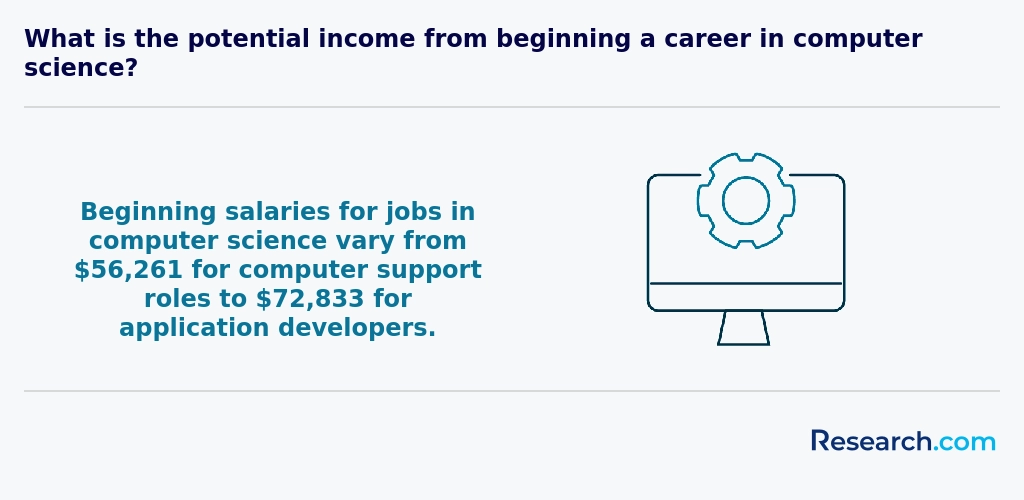
- Starting salaries for IT graduates typically range from $60,000 to $70,000, with senior roles exceeding $130,000 per year.
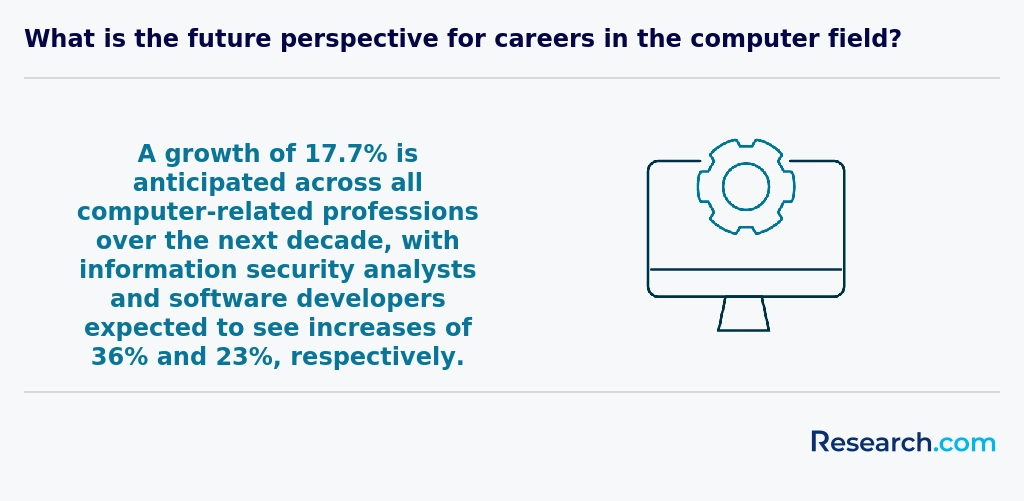
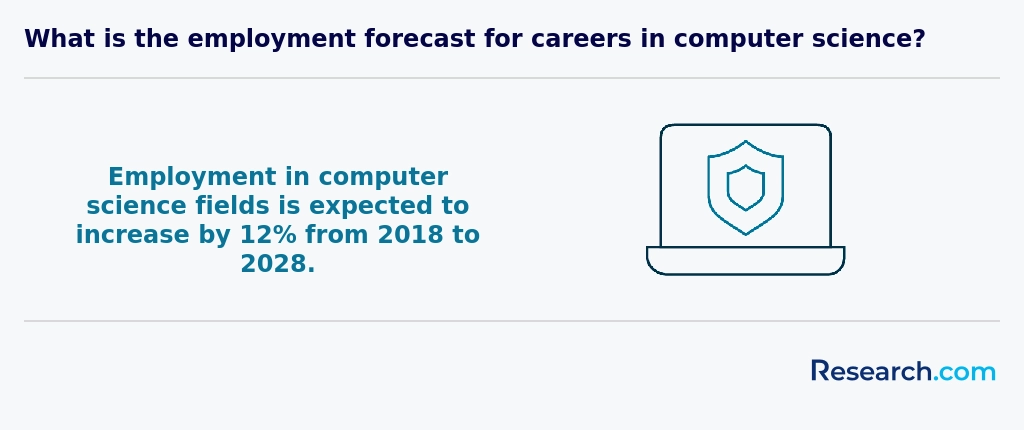
- IT job growth is projected at 15% from 2021 to 2031, faster than average across all fields.
- Key skills learned include problem solving, coding, network administration, and cybersecurity principles.
Completing an online information technology degree in America typically takes two years for an associate degree, four years for a bachelor's, and one to three years for a master's, depending on the program and pace. For example, graduates from well-known online programs at institutions like Arizona State University often share how accelerated bachelor's options helped them graduate in just three years by attending year-round sessions and taking heavier course loads.
Many students working full-time balance studies by enrolling part-time, which can extend completion to over four years, as seen in experiences shared by graduates from the University of Florida's online IT programs. Others leverage credit transfers from prior work or military experience to shorten their timeline significantly.
Programs at schools such as Northeastern University often use flexible, self-paced learning models that empower students to progress faster or slower, aligning education with personal and professional demands.
Ultimately, practical planning around course load, transfer credits, and program structure at these popular American universities can help students finish their degrees sooner, saving both time and tuition costs.
Choosing between online and on-campus IT degrees in America largely depends on your lifestyle and learning preferences. For example, graduates from universities like Arizona State often praise online programs for their flexibility, enabling them to balance work, family, and studies without commuting. You can access lectures anytime and finish assignments around your schedule, making it ideal for those managing commitments beyond school.
Conversely, on-campus programs at institutions such as the University of Texas at Austin offer immersive experiences with face-to-face interaction, lab access, and campus networking. Graduates describe how hands-on labs and real-time teamwork helped deepen technical skills and built lasting professional connections. However, this requires a fixed physical presence and possibly higher living expenses.
Financially, public universities typically charge around $9,400 per year for in-state students, but online students save on housing and transportation costs. Many programs are ABET-accredited, ensuring quality whether you choose virtual or in-person study. Ultimately, the best choice matches your personal commitments and how you learn best.
The average cost of an online information technology degree in America varies depending on residency and institution type, but median figures offer practical benchmarks. For in-state students attending public universities, the total tuition typically hovers around $17,227, making these programs accessible for many seeking flexible study options. Out-of-state students face higher costs, often around $32,035, reflecting additional fees associated with non-resident tuition. These numbers help demystify the average cost of online information technology degree USA and allow students to budget accordingly.
Graduates from well-known state universities have shared that paying an in-state rate not only eased financial stress but also allowed them to focus more on mastering their IT skills. Some private colleges cost more but offer enhanced support and networking opportunities, with tuition sometimes exceeding $40,000. Prospective students often find that investing in these programs can lead to rewarding careers, particularly as specialists in fields like cybersecurity or software development, making the higher price tag a worthwhile commitment.
Graduate programs in IT typically command a higher price point. Total tuition and fees online IT master's USA average near $25,437, with variations depending on program length and university prestige. Many students pursuing a master's degree report that financing options and employer tuition assistance helped them manage costs. Additionally, universities offering fixed tuition rates can provide stable budgeting throughout the program duration.
Pragmatically, prospective IT students should remember ancillary expenses such as technology fees, textbooks, and software licenses that add up annually. Those curious about career pathways after graduation can explore in detail what do you need to become an it manager, which can clarify how degree costs translate into career returns and salary growth.
Students pursuing an online information technology degree in America can tap into several practical financial aid options. The first step is completing the FAFSA application to qualify for federal aid like Pell Grants, which for 2023-2024 can cover up to $7,395 and do not require repayment. Though primarily for undergraduates, some graduate IT students at universities like Arizona State University have successfully accessed alternative grants tied to federal initiatives.
Federal Direct Loans are a common resource for graduate-level online IT students, offering up to $20,500 yearly in unsubsidized loans with manageable interest rates near 6.54%. A typical graduate from Georgia Tech recalls how these loans helped bridge the cost gap without overwhelming debt.
State-specific grants or scholarships also boost affordability. Residents in states such as California or Texas benefit from STEM-focused programs targeting IT fields, which graduates often report as a decisive factor in continuing their studies.
- Scholarships from organizations like ACM and CompTIA reward merit, valuable for students balancing work and study.
- Employer tuition reimbursement is a realistic option if you're currently employed in tech, reducing costs significantly for many working professionals.
- Institutional aid offered by schools known for online IT degrees, like University of Illinois Urbana-Champaign, provides merit or need-based assistance tailored to distance learners.
To enroll in an online information technology degree program in America, you must first have a high school diploma or GED. This foundational step ensures you're ready for college-level work, similar to what many graduates from universities like Arizona State or Colorado State experienced before starting their IT studies.
Next, prepare to showcase your academic strengths. Many programs request transcripts highlighting your math and science achievements. While some schools still value SAT or ACT scores, numerous programs have made these optional, easing the path for busy working adults.
If you're aiming for a bachelor's degree, demonstrating basic computer skills-such as familiarity with programming or networking-is a plus and often expected. Graduate programs typically require a completed bachelor's degree, sometimes from any field, but with clear quantitative skills. Graduates frequently share how submitting letters of recommendation and relevant work experience boosted their acceptance at schools like the University of Florida or Northeastern.
Finally, be ready for possible prerequisite courses or placement tests to confirm your readiness, a common experience reported by students pursuing online IT degrees at public universities nationally.
Online information technology degree programs in America typically include a mix of foundational and specialized courses designed to equip you with practical skills. Graduates from well-known universities often highlight the value of starting with programming courses in languages like Python, Java, or C++. These courses help you develop problem-solving skills essential for any tech role.
Courses on data structures and algorithms sharpen your ability to organize and process information efficiently, a skill frequently praised by online learners from top public colleges. Networking fundamentals introduce you to protocols and communication technologies that are vital for managing IT infrastructure, something practical for students aiming to manage real-world networks.
Database management systems teach you how to handle data using SQL, preparing you for jobs requiring data organization. Cybersecurity principles, a favorite among graduates of online programs at tech-oriented state universities, show you how to protect digital assets by managing risks and detecting threats.
Advanced courses often cover cloud computing and IT project management, both essential for students looking to lead modern technology projects and adapt to industry trends.
Online information technology degree specializations in the USA typically include areas like Cybersecurity, Network Administration and Cloud Computing, Data Science and Analytics, Software Development, and IT Project Management. Graduates from well-known American universities often share how specializing in Cybersecurity gave them confidence to tackle real-world threats such as ransomware attacks, a growing concern considering the $6 trillion cost of cybercrime annually.
Others found that focusing on Network Administration and Cloud Computing opened doors to managing large-scale cloud infrastructures, reflecting the industry's projected growth to $171 billion by 2025. Data Science and Analytics specializations equip students to analyze big data, a skill set with a 31% job growth forecast, preparing graduates to support major companies in decision-making processes.
Choosing a specialization depends on career goals and personal interest. Many successful students from top American colleges highlight how their focused studies in software engineering or project management helped them lead innovative tech teams. If you want to explore career options further, consider reviewing what jobs can you get with a information technology degree to guide your decision.
Start by verifying the accreditation status of any program you consider, as this ensures a legitimate, quality education recognized across the U.S. Many graduates from top accredited IT master's programs America emphasize how regional accreditation and ABET recognition opened doors to reputable employers. Cost also plays a vital role; graduates from well-known public universities often praise the balance between affordability and strong curriculum, while some choose private colleges for specialized tracks despite higher tuition. For example, online students juggling work appreciate programs that offer flexible schedules and current courses in cybersecurity and cloud computing, topics that keep skills fresh and marketable.
Research curriculum relevance by reviewing whether a program offers specialization aligned with booming IT fields like artificial intelligence or network administration. Graduates from prominent universities often attest that this focus helped them secure satisfying tech roles quickly. Student support services and job placement rates matter too-experienced alumni highlight how career counseling and internship connections made a career transition smoother.
Examining real costs and program quality can be simplified by looking into the cheapest online mba information technology options, which some graduates have found surprisingly effective for launching careers in IT. Choosing the best online information technology degree in America is about combining accreditation, cost, curriculum, and support into a package that fits your goals.
Graduates of online information technology programs in America often find diverse career paths tailored to various interests and skills. Many pursue network and system administration, managing daily IT operations in hospitals, schools, or large corporations, benefiting from steady demand and average salaries around $84,810. Others focus on cybersecurity-a field with soaring necessity as threats grow-where graduates from colleges such as Arizona State University feel confident entering roles like penetration testers or compliance analysts, earning median salaries near $103,590.
Software development remains a lucrative track, with graduates from institutions like the University of Florida reporting rewarding experiences designing apps or enterprise software and earning $120,730 on average. Specialized paths like database administration and cloud computing attract those interested in managing big data or platforms like AWS, prevalent in companies across the U.S., with salaries ranging from $90,000 to $120,000. For those aiming higher, roles such as IT project managers or CIOs provide leadership opportunities with salaries around $159,010, combining technical expertise with business strategy.
Many online students appreciate flexible, accelerated formats offered by programs in the U.S., and exploring fastest technology online programs can help them enter the workforce quickly. These career options demonstrate the practical value and strong growth prospects available to anyone investing in online information technology careers USA.
The job market for graduates with an online information technology degree in America is robust and expanding, fueled by rising demand in tech-driven sectors. Graduates from well-known institutions such as Arizona State University or the University of Florida often report smooth transitions into roles like software developers or cybersecurity analysts, confirming strong job market prospects for IT degree holders America-wide. Employers value the hands-on projects and practical skills emphasized in accredited programs, which prepare students for real-world challenges.
Many graduates find that earning their degree online offers flexibility without sacrificing career opportunities. The median annual wage in IT fields exceeds $97,000, highlighting solid financial rewards. Cybersecurity specialists, for example, earn even higher median salaries. Prospective students should research cost-to-benefit ratios carefully, considering tuition ranges typically between $15,000 and $30,000 per year for master's programs.
Students exploring pathways to join this growing field can benefit from current guides and rankings, like those found at online masters information technology degree, to select programs that align with their career goals and budget. This approach helps ensure practical, targeted investments in education translate to career success in online information technology jobs in USA.
2027 Fastest Online Master's in Information Technology Degree Programs Ranking in the USA
Investing in your education is a significant decision that can profoundly impact your career, and the Research.com team is committed to helping you make informed choices. To assist students in selecting the fastest online Master's in Information Technology degree programs in the USA, we have diligently developed the "2027 Fastest Online Master's in Information Technology Degree Programs Ranking." Our dedication to quality, credibility, and accuracy is demonstrated through comprehensive research and rigorous analysis.
We utilized the following reputable data sources to create this ranking:
By reviewing this ranking, readers will gain critical insights into the fastest programs that can accelerate their educational journey and enhance their career prospects. For more information about our approach, please visit our Research.com methodology page.




# 16 position
University of Detroit Mercy
Master of Computer & Information Systems with a major in Software Management


Frequently Asked Questions About information technology
Online information technology degree students in America can maximize their learning by actively engaging with course materials and participating in virtual discussions. According to the National Center for Education Statistics, students who dedicate consistent weekly study hours-often recommended at 15-20 hours per week for graduate programs-tend to perform better.
Utilizing campus resources such as online libraries, tutoring, and career services enhances understanding and professional development. Networking with peers and instructors through forums or video sessions builds valuable industry connections.
Lastly, staying current on IT trends via credible sources like the Computing Technology Industry Association helps students apply real-world knowledge effectively.
The information technology field in America is rapidly evolving, with new niches emerging that offer promising career paths. One fast-growing area is cybersecurity, driven by the increasing number of cyberattacks on businesses and government agencies. According to the U.S. Bureau of Labor Statistics (BLS), cybersecurity jobs are expected to grow 35% from 2021 to 2031. Another niche is artificial intelligence (AI) and machine learning, which are widely applied in industries such as healthcare and finance.
Data science and big data analytics also remain critical, helping organizations make sense of vast amounts of information. Cloud computing is another key sector, with many companies moving their operations to cloud platforms. These emerging niches require specialized skills that many online IT programs now focus on to meet industry demands.
After completing an online information technology degree in America, preparing for the job market involves several key steps. First, building practical experience is essential; many employers prefer candidates with internships or project portfolios demonstrating skills. According to the U.S. Bureau of Labor Statistics, IT jobs are expected to grow 15% from 2021 to 2031, indicating strong demand but also competition.
Networking through professional organizations like CompTIA or local tech meetups can provide valuable connections. Certifications such as CISSP, AWS, or Cisco can further boost employability by verifying specific technical expertise.
Finally, tailoring resumes and practicing interviews to highlight relevant skills enhances the chances of landing a job in the dynamic IT sector.
Employers in the United States highly value both technical and soft skills in graduates holding information technology degrees. According to the National Association of Colleges and Employers (NACE), the most sought-after technical skills include cybersecurity, data analysis, and cloud computing. These areas reflect the rapid digital transformation occurring across industries.
Additionally, programming skills in languages like Python, Java, and SQL remain essential for many IT roles. The U.S. Bureau of Labor Statistics reports that IT jobs requiring these competencies are expected to grow 13% from 2022 to 2032, faster than the average for all occupations.
Beyond hard skills, communication and problem-solving abilities are critical. Employers want graduates who can clearly explain technical issues and collaborate in diverse teams.
Finding internships in America for information technology (IT) students begins with utilizing university career services. Most accredited online IT programs connect students with employer networks and job boards tailored for tech positions. According to the National Association of Colleges and Employers (NACE), 65% of internships lead to full-time jobs, making early application essential.
Students should also explore popular platforms like Handshake and LinkedIn, which feature thousands of IT internship listings nationwide. Engaging with professional organizations, such as the Association for Computing Machinery (ACM), offers access to exclusive internship opportunities and industry events.
Additionally, targeting companies in technology hubs like Silicon Valley, Seattle, and Austin can increase chances of practical experience. Many internships are paid and last from three to six months, fitting academic schedules effectively.
An online information technology (IT) degree in America can significantly enhance career mobility and advancement. According to the U.S. Bureau of Labor Statistics, IT occupations are projected to grow 15% from 2021 to 2031, much faster than average. This growth fuels demand for skilled professionals, making degree holders more competitive for promotions and new roles.
Online degrees provide flexibility, allowing working professionals to upskill without interrupting their careers. Employers increasingly recognize accredited online IT credentials, especially from regionally accredited U.S. institutions.
Specialized certifications combined with an online degree further boost chances for leadership positions in fields like cybersecurity, software development, and network management.
Studying for an information technology degree in America equips students with a diverse skill set that supports interdisciplinary roles. Many programs integrate courses in business, cybersecurity, data analytics, and project management, allowing graduates to collaborate across various sectors.
According to the Bureau of Labor Statistics, IT professionals often work alongside healthcare, finance, and engineering specialists, which demands a broad understanding beyond core IT skills. Online degrees frequently emphasize real-world applications and teamwork, preparing students for these challenges.
Additionally, accreditation standards, such as those from ABET, ensure programs maintain rigorous curricula that foster adaptability and critical thinking. This interdisciplinary focus helps graduates thrive in dynamic, tech-driven environments.
When choosing between a thesis and a non-thesis online information technology master's program in America, consider your career goals and learning preferences. Thesis programs emphasize original research and can be ideal if you plan to pursue a PhD or a research-based career. They typically require you to complete a substantial research project under faculty supervision.
Non-thesis programs focus more on practical skills and coursework, making them suitable for IT professionals aiming to advance in industry roles quickly. According to the National Center for Education Statistics, about 60% of IT master's students in the U.S. opt for non-thesis tracks due to their flexibility and faster completion times.
Cost, program length, and availability of faculty mentorship are also important factors to weigh. Some programs may offer hybrid options or project-based alternatives to traditional theses for working professionals.
American students interested in studying information technology (IT) abroad have several online options through U.S. institutions that partner with foreign universities or offer global curricula. Many top American universities deliver fully accredited online IT master's degrees, allowing students to gain international perspectives without relocating. For example, schools registered with the Southern Association of Colleges and Schools (SACS) often collaborate with institutions in Europe and Asia to provide joint coursework or dual degrees.
Additionally, some programs include virtual exchange opportunities, connecting students with peers worldwide. According to the National Center for Education Statistics, about 14% of U.S. graduate students in 2022 participated in international or cross-border study programs, often supported by online platforms.
These flexible options help American IT students access global expertise while adhering to U.S. accreditation standards, enhancing career prospects domestically and abroad.
Part-time jobs can greatly complement an online information technology degree in America by providing practical experience alongside academic study. Roles such as IT support technician, help desk analyst, or junior network administrator are common options that improve both technical and customer service skills. According to the U.S. Bureau of Labor Statistics, IT support roles are expected to grow 11% from 2022 to 2032, making them accessible for students.
Additionally, freelance web development or cybersecurity internships offer flexible hours, allowing students to apply theoretical knowledge in real-world scenarios. These experiences can enhance resumes and improve job prospects after graduation.
Online information technology students in America have multiple networking opportunities that help bridge the gap between virtual learning and professional growth. Many universities hosting online IT programs offer virtual career fairs and networking events. According to the National Association of Colleges and Employers (NACE), 70% of graduates find jobs through networking activities, highlighting their importance.
Students can also join industry-related organizations like the Association for Computing Machinery (ACM) or Information Systems Security Association (ISSA), which provide online forums, webinars, and conferences. Additionally, platforms such as LinkedIn enable students to connect with IT professionals and alumni networks specific to their schools.
Alumni networks play a crucial role for students pursuing online information technology degrees in America. These networks provide valuable opportunities for professional networking, mentorship, and career advancement. According to the National Association of Colleges and Employers (NACE), 85% of jobs are filled through networking, highlighting the importance of connections in the IT field.
Online students can access alumni groups via digital platforms, allowing them to engage with experienced professionals nationwide. This can lead to internships, job referrals, and guidance on certification paths or emerging technologies.
Furthermore, active alumni communities often offer webinars and workshops tailored to IT trends, helping students stay competitive in a fast-evolving industry.
Many online information technology degree programs in America offer customization through elective courses and specializations. Students can focus on areas such as cybersecurity, data analytics, software development, or network administration to align with their career goals.
Universities often allow learners to choose from various concentrations, enabling targeted skill development. For example, the U.S. Bureau of Labor Statistics highlights that cybersecurity roles are growing at a rate of 35% through 2031, making specialized training valuable.
Additionally, some programs incorporate capstone projects or internships that let students apply knowledge in real-world settings, which can further tailor their education to specific industries.
Students are encouraged to review program curricula and consult academic advisors to ensure courses meet both professional aspirations and industry demands.
Online information technology students in America often face challenges related to time management and self-motivation. The flexibility of online programs requires learners to balance coursework with work and personal responsibilities, which can be difficult without structured schedules. Technical issues also pose problems, as reliable internet and access to advanced software are essential for success.
Another common issue is the lack of direct interaction with instructors and peers, which may hinder networking and collaborative learning. According to the National Center for Education Statistics, about 30% of online IT students report difficulties in building professional relationships.
Additionally, some students struggle with the rigorous technical content and keeping up with rapidly evolving IT trends.
Graduates with an online information technology degree in the United States can pursue various professional certifications to enhance their careers. Popular options include the CompTIA A+, which validates foundational IT skills, and the Certified Information Systems Security Professional (CISSP), a widely recognized security certification.
Other valuable credentials include the Certified Information Systems Auditor (CISA) and Certified Ethical Hacker (CEH), both of which focus on auditing and cybersecurity, respectively. According to the U.S. Bureau of Labor Statistics, certified IT professionals can see a 10-15% salary increase over non-certified peers.
These certifications often require relevant experience or passing a standardized exam and are respected across industries in America as benchmarks of expertise.
To write a winning application for an online information technology program in America, begin by thoroughly researching the school's specific admission requirements. Most universities require a bachelor's degree, a minimum GPA-often around 3.0-and relevant professional or academic experience. Highlight your technical skills and any certifications such as CompTIA or Cisco in your statement of purpose.
Focus on demonstrating your motivation and career goals clearly. According to the National Center for Education Statistics, IT-related degrees have seen steady growth, making clear career plans essential. Provide strong letters of recommendation from supervisors or professors who know your work ethic and capabilities well.
Finally, pay careful attention to detail: submit all documents on time, proofread your application for errors, and tailor each application to the institution's values and IT specializations. This approach increases your chances of acceptance in a competitive field.
The global perspective on an information technology (IT) career reflects strong growth and demand, especially in the United States. According to the U.S. Bureau of Labor Statistics, IT occupations are projected to grow 15% from 2021 to 2031, much faster than the average for all professions. This growth is driven by the expanding need for cybersecurity, cloud computing, and data management worldwide.
American online IT degree programs often emphasize skills that are globally relevant, such as programming, network security, and data analytics. Employers across many countries seek IT professionals with these abilities.
Global companies frequently hire U.S.-educated IT graduates, valuing the country's advanced curriculum and technology infrastructure.
International collaboration in IT is common, making cross-cultural competence important for career success. Thus, an IT degree from an accredited U.S. institution can open doors worldwide.
Gaining practical experience while studying for an online information technology degree in America is crucial for career readiness. Many programs encourage students to participate in internships, which are often available remotely. According to the National Association of Colleges and Employers, 60% of technology employers consider internships vital for hiring decisions.
Students can also engage in virtual labs and simulation projects offered by their universities. These hands-on opportunities help develop skills in cybersecurity, programming, and network management.
Additionally, contributing to open-source projects or joining professional organizations like the Association for Computing Machinery can enhance real-world experience.
Choosing the right concentration within an online information technology degree in America depends on your career goals and industry demand. Popular concentrations include cybersecurity, data analytics, software development, and network administration.
According to the U.S. Bureau of Labor Statistics, cybersecurity jobs are expected to grow 35% from 2021 to 2031, much faster than average. This rapid demand makes cybersecurity a promising choice.
Data analytics also sees growth due to companies relying on big data for decision-making. Software development remains a core IT skill with steady demand, while network administration supports essential infrastructure.
Consider your interests, job growth outlook, and salary potential when selecting a concentration.
- How to Get Started in Information Technology https://www.straighterline.com/blog/how-to-get-started-in-information-technology
- IT Cover Letter Examples (Information Technology Jobs) https://zety.com/blog/it-cover-letter-example
- Jobs you can get with an IT degree | Monroe University https://www.monroeu.edu/academics/undergraduate-programs/school-information-technology/jobs-with-degree-in-it
- 2. How to Chart Your Connections https://ohioemploymentfirst.org/expanding-your-opportunities-through-networking-pre-ets/activity-2
- Teacher of Global Perspectives (IGCSE) https://www.scie.com.cn/jobs-global-perspectives/
- Online Degree vs. Traditional: Choosing the Right Path https://beal.edu/online-degree-vs-traditional/
- 4 Ways Technology Improves Student Learning and Higher Education https://nttdata-solutions.com/fr/blog/4-ways-technology-improves-student-learning-and-higher-education/
- (apply for a place in the Bachelor of Information Technology) Letter of Motivation https://essayforum.com/letters/apply-place-bachelor-information-technology-39720/
- 7 Proven Ways Classroom Technology Improves Student Learning Outcomes | Explorance https://www.explorance.com/blog/7-ways-technology-in-the-classroom-enhances-student-success/
- The Top Information Technology Skills Employers Want | AIU https://www.aiuniv.edu/degrees/information-technology/articles/top-information-technology-skills-employers-want