2027 Easiest Online Information Technology Degree Programs Ranking in Alabama

Co-Founder and Chief Data Scientist
Choosing the right information technology degree program can shape your future career and open exciting opportunities. Our article introduces the 2027 Easiest Online Information Technology Degree Programs Ranking in Alabama, crafted by the Research.com team of data scientists to guide you in making a well-informed decision.
By exploring this ranking, you'll discover accessible programs designed to fit your busy lifestyle without compromising quality. Pursuing an IT degree is a smart step toward building skills that employers value, helping you grow professionally and personally.
Let this article be your helpful companion on the path to success in the evolving world of technology.
Key benefits of getting online information technology degree in Alabama
- Information technology careers often offer competitive salaries nationwide, with many IT professionals earning between $60,000 and $100,000 annually depending on experience and role.
- Graduates from Alabama universities, such as the University of Alabama, can pursue diverse career paths including network administration, cybersecurity, and software development, which are all in high demand.
- Online IT degrees from institutions like Auburn University allow flexible learning schedules and often lower costs, making it easier to balance work, life, and education while advancing your career.
- 2027 Easiest Online Information Technology Degree Programs Ranking in Alabama
- What can I expect from online information technology degree in Alabama?
- Where can I work with online information technology degree in Alabama?
What can I expect from online information technology degree in Alabama?
The average cost of an online information technology degree in Alabama is notably affordable compared to national standards, especially at public institutions. Graduates from universities like the University of Alabama at Birmingham (UAB) often remark on the financial accessibility supported by lower resident tuition rates and available state scholarships targeting STEM students. Many report that this affordability allowed them to focus more on gaining hands-on experience through virtual labs and employer-partnered internships rather than worrying about excessive debt.
For example, students pursuing a bachelor's degree typically complete around 120 credit hours, with tuition for in-state learners ranging from approximately $7,000 to $10,000 per year. This price point is significantly lower than comparable programs in other states, helping learners balance work and study without overwhelming financial pressure. Community colleges offering associate degrees in IT provide even more economical options, enabling a smooth transition to four-year programs while managing costs effectively.
Such cost advantages combined with flexible scheduling and asynchronous classes create a supportive environment for working professionals. Many graduates share that this balance between affordability and quality education was crucial to their success in entering Alabama's expanding IT job market.
Where can I work with online information technology degree in Alabama?
Graduates with online information technology degrees in Alabama frequently find career opportunities in diverse sectors, benefiting from the state's robust tech economy. Many secure positions in software development, IT consulting, network administration, and cybersecurity within cities like Birmingham and Mobile, where companies actively seek skilled professionals.
Students from notable institutions such as the University of Alabama at Birmingham and Auburn University frequently share how their education prepared them for roles in these thriving urban tech hubs. Huntsville, known for its aerospace and defense industry, employs numerous IT specialists in secure communications and system integration at federal facilities like NASA's Marshall Space Flight Center and Redstone Arsenal.
Additionally, healthcare organizations and financial institutions in Alabama increasingly require IT graduates to manage electronic health records and protect sensitive data, highlighting the growing importance of cybersecurity expertise.
Graduates express enthusiasm about entering high-demand fields with competitive salaries, knowing their skills meet the needs of employers across government, industry, and service sectors, strengthening their career prospects within the state.
Graduates with an online information technology degree in Alabama can anticipate competitive earnings aligned with the state's growing tech landscape. Entry-level roles such as IT support specialists often begin with salaries between $40,000 and $50,000 annually, offering new graduates a solid foundation to build their careers. For those attending popular institutions like the University of Alabama at Birmingham or Auburn University's online IT programs, these figures reflect realistic starting points.
More advanced positions significantly increase earning potential. Network and computer systems administrators typically earn median salaries near $75,000, while software developers and programmers can start between $60,000 and $70,000, with seasoned professionals reaching upwards of $90,000. Several graduates have found these figures encouraging as they advance from hands-on internships to full-time roles within Alabama's key sectors, including aerospace and healthcare technology.
Certification achievements, such as CompTIA Security+ or Cisco CCNA, commonly boost earnings by 10% to 20%, according to the Alabama Technology Council. This credential-driven growth enhances both job security and income, making Alabama's tech degrees an appealing investment for those seeking rewarding careers close to home.
- Online IT degree programs in Alabama cover key topics like networking, cybersecurity, programming, and systems analysis.
- Tuition for an online bachelor's degree typically ranges from $15,000 to $35,000, with public universities offering lower rates for in-state students.
- Entry-level IT salaries in Alabama generally start between $50,000 and $60,000 annually, rising to $75,000 or more with experience.
- The IT job market in Alabama is expected to grow by 8% to 10% over the next decade, matching national average projections.
- Employers value certifications such as CompTIA Security+, Cisco CCNA, and Microsoft Certified Solutions Expert alongside degrees.
Completing an online information technology degree in Alabama varies depending on the level and enrollment status of the student. Graduates from institutions like the University of Alabama or Auburn University typically spend about four years earning a bachelor's degree when attending full-time. This timeframe aligns with the national average and reflects the traditional undergraduate study period.
For those pursuing an associate degree through local community colleges such as Jefferson State Community College, the usual duration is around two years of full-time study. Many students appreciate the flexibility these programs offer, enabling working adults to balance education with career responsibilities.
Part-time enrollment is common among Alabama's online IT students, often extending degree completion to five years or more. Students frequently share how leveraging transfer credits or holding certifications like CompTIA accelerates their progress, reducing stress and fostering a sense of achievement as they move closer to their goals.
The key difference between online and on-campus information technology degrees in Alabama lies in accessibility and flexibility. Graduates from Auburn University's on-campus program often highlight the value of hands-on experience gained through direct access to state-of-the-art labs and face-to-face collaboration with peers and faculty. This interaction fosters strong professional networks and practical skills vital for IT careers in Alabama's growing tech landscape.
Conversely, online IT students, including those enrolled at the University of Alabama, appreciate the ability to balance coursework with full-time employment or family obligations. The asynchronous format allows learners to engage with material at their own pace, reducing financial strain by eliminating commuting and housing costs. Although online courses lack some in-person benefits, advancements in virtual labs and collaborative platforms provide meaningful, interactive experiences that suit many working professionals.
Both pathways maintain rigorous curricula aligned with Alabama's industry standards, ensuring graduates are well-prepared to meet employer expectations regardless of delivery method.
The average cost of an online information technology degree in Alabama typically centers around a median total of approximately $42,220. Public universities in Alabama offer some of the most affordable online IT degree programs Alabama residents can benefit from, with in-state tuition rates ranging roughly from $5,000 to $8,000 annually. Graduates from institutions like the University of Alabama at Birmingham often share positive experiences about balancing manageable tuition fees-around $450 to $500 per credit hour-with the convenience of flexible online learning schedules.
Private colleges in Alabama generally have higher tuition costs, with some programs reaching totals between $60,000 and $80,000. Troy University, a popular choice among online learners, provides competitive tuition roughly $400 per credit hour for residents, helping many students feel financially encouraged to pursue their IT degrees without overwhelming debt.
Students pursuing these degrees should also consider additional expenses such as technology fees, textbooks, and online exam proctoring costs, which add modestly to the total investment. Many graduates express satisfaction with how financial aid, scholarships, or employer tuition reimbursement make these programs accessible and reduce overall expenses.
Prospective students aiming to build a rewarding mis career path will find Alabama's online information technology degree offerings provide strong value combined with a supportive learning environment tailored to working professionals and career changers alike.

Students pursuing online information technology degrees in Alabama benefit from several financial aid options that help make their education more affordable. For instance, graduates from universities like the University of Alabama and Auburn University often highlight federal aid as a crucial support. Completing the FAFSA allows them to access Pell Grants, which can provide up to $7,395 annually without the need for repayment, significantly lowering tuition costs for eligible students.
Federal student loans are another common resource, offering fixed interest rates and flexible repayment plans that accommodate varying financial situations during and after the degree program. State-specific grants such as the Alabama Student Grant Program (ASGP) and Alabama Tuition Grant (ATG) also play a pivotal role by assisting residents who attend accredited in-state institutions, including online IT programs.
Institutional scholarships from Alabama colleges frequently reward merit and financial need, often prioritizing IT students due to the field's demand. Additionally, many tech companies based near Huntsville provide tuition reimbursement, empowering working students to advance their careers while managing education expenses effectively.
To enroll in online information technology degree programs in Alabama, students typically must have a high school diploma or a GED certificate. Graduates from institutions like the University of Alabama and Auburn University often recall how demonstrating a solid foundation in mathematics and science through transcripts helped pave their path into IT studies. Some programs request standardized test scores such as the SAT or ACT, but many Alabama colleges have adopted test-optional policies, easing admissions pressures and allowing applicants to focus on their passion for technology.
Applicants may also need to showcase basic computer skills, sometimes assessed via placement tests or questionnaires, ensuring readiness for the technical demands of IT coursework. Many successful online students reflect on crafting personal statements that allowed them to express their motivation and fit for programs at schools like Troy University, creating a strong connection with admissions committees.
For graduate online IT programs in Alabama, holding a bachelor's degree and submitting letters of recommendation or a resume highlighting relevant experience is standard. These prerequisites collectively create a welcoming yet rigorous pathway for future IT professionals across the state.
Online information technology degree programs in Alabama commonly include core courses designed to build both foundational and specialized skills for the evolving tech landscape. Graduates from institutions like the University of Alabama and Auburn University frequently highlight how courses such as Introduction to Information Technology and Network Fundamentals laid a dependable groundwork for understanding computer systems and network operations.
Courses in Database Management and Programming, covering languages like Python or Java, enable students to engage in software development projects that mimic real workplace scenarios. For example, students at Auburn often recall developing custom applications as part of their coursework, which boosted their confidence in coding and problem-solving.
Cybersecurity and Cloud Computing stand out for their relevance in today's job market, with many Alabama graduates appreciating how these classes prepared them to confidently secure and manage cloud infrastructures for businesses. Systems Analysis and Project Management courses further teach students how to translate business needs into effective IT solutions, a skill praised by alumni working in local tech firms.
Online information technology degree specializations in Alabama encompass a broad spectrum of focused areas designed to meet evolving industry demands. Graduates from prominent institutions such as the University of Alabama and Auburn University often highlight their confidence working in cybersecurity, where they defend critical systems against threats, an increasingly vital skill given the state's growing demand for over 1,300 cybersecurity jobs annually. Network administration remains another popular concentration, providing students with practical expertise in configuring and maintaining secure and efficient networks essential for business operations.
Software development and data management and analytics attract many Alabama IT degree concentration options online, allowing students to engage in real-world projects that boost their coding and analytical skills, preparing them for vibrant roles in local tech sectors. Information systems management specialization equips graduates with leadership capabilities to oversee IT strategic planning, reflecting a trend seen at Alabama's top colleges.
Many students also pursue continuing education opportunities like the fastest management information systems online masters to enhance their credentials and career prospects in this competitive field.
Selecting the best online information technology degree in Alabama requires careful evaluation of program accreditation, curriculum relevance, and support services. Many graduates from well-regarded Alabama institutions emphasize the importance of choosing programs accredited by recognized bodies like SACSCOC to ensure quality education and credit transferability. Programs that focus on current IT fields such as cybersecurity and network administration align well with Alabama's growing job market, enhancing graduates' career prospects.
Cost remains a consideration, yet several Alabama universities offer competitive tuition rates for online learners, making the best affordable online information technology degree Alabama a realistic goal. Students often share positive experiences about programs that provide extensive technical support and career services, which are crucial for online learning success. Furthermore, engaging in peer collaboration through virtual labs and group discussions enriches the educational journey.
Investigating career outcomes and employer connections also guides decision-making. For practical insights, prospective students can explore resources like the mis online degree rankings to compare programs effectively.
Graduates holding an online information technology degree in Alabama access a diverse range of career paths that reflect the state's growing tech landscape. Popular roles include Network Administrator positions, where professionals oversee vital infrastructure crucial for businesses in Birmingham and Huntsville. Other graduates find rewarding opportunities as Cybersecurity Analysts, a role increasingly critical due to rising cyber threats targeting government agencies and private companies throughout Alabama.
Many Alabama IT degree holders embark on careers as Software Developers, designing applications that drive innovation in local industries like aerospace and automotive manufacturing. Database Administrators also remain in demand, managing essential data systems at public universities and corporations across the state. Entry-level IT Support Specialists help maintain daily operations, providing hands-on experiences that build confidence and expertise among new graduates.
Students from universities renowned for online IT programs in Alabama often complement their studies with industry-recognized certifications. This blend of education and credentials heightens employability and aligns perfectly with online information technology careers in Alabama. Those interested can explore further by reviewing it training courses online to find flexible and affordable pathways tailored to their professional goals.
The job market for online information technology jobs Alabama is robust and expanding, driven by diverse industries such as aerospace, healthcare, and finance. Graduates from Alabama's well-regarded institutions pursuing online IT degrees often find rewarding opportunities in metropolitan areas like Birmingham and Huntsville. These graduates frequently share experiences of securing roles in dynamic environments where skills in cybersecurity, software development, and network management are highly valued.
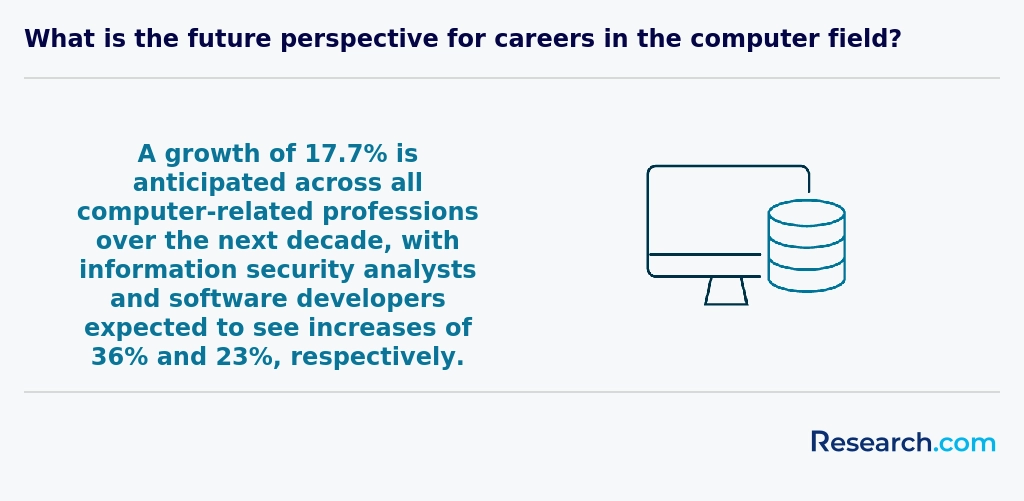
Alabama IT degree employment outlook is positive, with the U.S. Bureau of Labor Statistics projecting a growth rate of approximately 13% for IT occupations from 2021 to 2031. This growth slightly exceeds the national average and reflects strong local demand. Many online IT graduates appreciate the practicality of earning their credentials from Alabama universities while benefiting from an affordable tuition rate near $8,000 annually and a lower cost of living compared to other states.
Those aiming to advance further often research how do you become a cto, leveraging their foundational degrees to access leadership roles in thriving Alabama businesses or government sectors.
2027 Easiest Online Information Technology Degree Programs Ranking in Alabama
Investing in your education is a significant decision that can shape your future, and the Research.com team understands the importance of making informed choices. To assist prospective students in Alabama, we have meticulously crafted the "2027 Easiest Online Information Technology Degree Programs Ranking in Alabama." Our commitment to quality, credibility, and accuracy is reflected in the extensive research and analysis conducted to compile this ranking.
We utilized the following reputable data sources to ensure a comprehensive evaluation of Information Technology programs:
By exploring this ranking, readers will gain valuable insights into the easiest online IT degree programs in Alabama, empowering them to make well-informed educational decisions. For more details on our methodology, please visit our Research.com methodology page.
# 1 position
Columbia Southern University
Bachelor of Information Technology

# 2 position
Amridge University
Bachelor of Information Systems Management


Frequently Asked Questions About information technology
Online information technology degree students in Alabama can maximize their learning experience by actively engaging with course materials and instructors. Alabama ranks among the top states for IT job growth, making practical skills highly valuable. Students should seek programs accredited by recognized agencies such as ABET or regional accreditors to ensure quality education.
Participating in virtual study groups or internships offered through Alabama institutions helps apply theoretical knowledge in real-world environments. Leveraging resources such as the Alabama Department of Labor's workforce data, which highlights a 5% increase in IT employment, can guide students toward in-demand skills.
Finally, balancing coursework with certification preparation, like CompTIA or Cisco credentials, strengthens both resumes and technical expertise in Alabama's competitive IT market.
The information technology field is rapidly evolving, creating new areas of specialization. In Alabama, emerging niches include cybersecurity, data analytics, cloud computing, and artificial intelligence. These fields respond to growing demands for protecting digital information, managing big data, and optimizing operations using smart technologies.
Cybersecurity is particularly significant due to increasing cyber threats, with Alabama ranking among states boosting workforce development in this area (Alabama Department of Labor, 2023).
Cloud computing skills are also in high demand as more businesses adopt remote and hybrid infrastructures. Similarly, data analytics drives decision-making processes across industries, while AI integrates automation into various IT tasks.
Prospective students in Alabama can consider these emerging niches when selecting online IT degree programs to align with industry trends and job opportunities.
After completing an online information technology degree in Alabama, preparing for the job market is essential. Start by building a strong professional network through platforms like LinkedIn and local Alabama tech meetups. According to the Alabama Department of Labor, IT jobs in the state are projected to grow 11% by 2030, highlighting the need for up-to-date skills.
Gain practical experience by seeking internships or part-time roles, even remotely. Earning industry certifications such as CompTIA or Cisco can improve employability and salary potential. Additionally, familiarize yourself with Alabama's growing tech hubs, like Huntsville, which hosts many IT employers.
Finally, tailor your resume to emphasize relevant skills and projects, and practice interviewing to confidently communicate your expertise to potential employers.
Employers in Alabama highly value graduates with strong technical skills in cybersecurity, cloud computing, and data management. According to the Alabama Department of Labor, IT job openings in the state increase by nearly 10% annually, emphasizing the demand for expertise in these areas. In addition to technical knowledge, clear communication and teamwork are critical, as many IT projects require collaboration across departments.
Problem-solving abilities and adaptability also rank highly since technology constantly evolves. Familiarity with programming languages such as Python and Java is often preferred, aligning with national trends reported by the National Center for Education Statistics. Alabama's growing tech sector demands graduates who combine solid technical foundations with practical, soft skills.
Finding internships in Alabama for information technology students involves leveraging both local resources and statewide networks. Many Alabama universities maintain partnerships with tech companies in cities like Birmingham, Huntsville, and Mobile, which host growing IT sectors. Students should explore career services portals offered by their online schools, as these often list internship opportunities tailored to information technology majors.
Additionally, organizations such as the Alabama Technology Network provide valuable connections and resources. According to the Alabama Department of Labor, IT employment in the state is projected to grow faster than average, increasing the availability of internships and entry-level roles. Engaging with local tech meetups and business chambers can also uncover hidden internship opportunities. Online platforms specializing in Alabama job markets further support student searches.
Obtaining an online information technology degree in Alabama significantly enhances career mobility and advancement opportunities. The Alabama Department of Labor reports a steady growth in IT employment, with a 7% increase projected by 2030. Employers increasingly prefer candidates with formal IT education, particularly in cybersecurity, data management, and software development.
An online degree allows professionals to balance work and study, making career transitions smoother. Graduates often qualify for higher-paying roles such as IT managers or systems analysts, whose median salaries in Alabama exceed $95,000 annually according to the U.S. Bureau of Labor Statistics.
Furthermore, the flexibility of online programs enables continuous skill upgrading, critical in a fast-evolving technology job market.
Studying for an information technology degree in Alabama offers students a strong foundation for interdisciplinary roles by combining technical skills with knowledge in business, communication, and project management. Many Alabama institutions emphasize collaboration between IT and other fields, reflecting the state's growing tech industry needs. According to the Alabama Department of Labor, IT occupations are projected to grow by 10.3% through 2030, increasing demand for professionals skilled in multiple areas. Online programs often include courses in cybersecurity, data analytics, and systems design, which prepare graduates to work across sectors like healthcare, finance, and manufacturing.
Choosing between a thesis and a non-thesis online information technology degree program in Alabama depends on your career goals and learning preferences. Thesis-based programs require original research and a formal written document, preparing students for roles in research, development, or further academic study. Non-thesis options focus on practical skills, often involving additional coursework or projects instead of research. According to the National Center for Education Statistics, Alabama universities offering IT degrees provide both formats, tailored to working professionals seeking flexibility.
Consider if you aim for a technical role that values demonstrated skills over research experience, or if you want to pursue graduate school or specialized research jobs. Also, thesis programs may take longer to complete due to the research component.
Students based in Alabama seeking to study information technology abroad have several pathways, primarily through partnerships between local universities and international institutions. Some Alabama public universities, such as the University of Alabama and Auburn University, offer study-abroad programs or dual-degree options that include IT curricula, allowing students to gain global exposure while earning credits toward their degree. These programs often focus on countries with strong tech sectors, like Germany and Canada.
Additionally, many accredited online IT degree programs in Alabama universities provide opportunities for virtual international collaborations or internships abroad, broadening practical experience. The U.S. Department of Education emphasizes that such options maintain academic standards while enhancing global competence.
According to the Alabama Commission on Higher Education, approximately 20% of Alabama college students participate in study abroad or international exchange initiatives, highlighting growing interest in experiential learning within IT fields.
In Alabama, part-time job opportunities that complement information technology degree programs often include roles such as IT support specialists, help desk technicians, and junior network administrators. These positions provide practical experience with troubleshooting, customer service, and network management.
According to the Alabama Department of Labor, IT-related employment in the state is projected to grow by about 8% from 2022 to 2032. This growth increases demand for part-time workers in tech roles.
Other valuable options include internships with local companies and remote freelance IT consulting jobs, both of which align well with online degree schedules.
Gaining such experience while studying can enhance employability after graduation.
Online information technology students in Alabama have access to several valuable networking opportunities. Many universities offering online IT degrees encourage participation in virtual career fairs and webinars, connecting students with local and national employers. Associations like the Alabama Technology Network provide resources and networking events specific to the IT sector in the state.
Additionally, Alabama's growing tech industry, especially in cities like Birmingham and Huntsville, hosts meetups and conferences that welcome students and professionals. According to the Alabama Department of Commerce, the state's IT sector has grown by over 10% in recent years, increasing local demand for skilled graduates.
Alumni networks play a crucial role for students pursuing online information technology degrees in Alabama. These networks connect current students with graduates who have navigated the local job market, offering valuable career guidance and mentorship. According to the Alabama Department of Labor, the state's IT sector has grown steadily, with demand for skilled professionals rising 8% annually as of 2023.
Alumni connections can provide job leads, internship opportunities, and professional advice tailored to Alabama's specific technology landscape. Schools often facilitate networking events and online forums, which help students build relationships critical for career advancement.
Moreover, alumni support often includes access to exclusive workshops, certifications, and resources that enhance students' skills beyond the standard curriculum. This ongoing engagement helps graduates stay competitive in Alabama's evolving IT industry.
Customizing an online information technology (IT) degree in Alabama allows students to align their education with specific career goals. Many Alabama universities offer flexible degree pathways, enabling students to select concentrations like cybersecurity, network administration, or software development.
Students can often choose elective courses that match industry demands in Alabama, where IT jobs are projected to grow by 15% from 2022 to 2030 according to the Alabama Department of Labor. Some programs also provide opportunities for professional certifications alongside degree credits, enhancing job readiness.
Advisors typically help tailor curricula based on individual goals, ensuring a practical and focused learning experience.
Online information technology students in Alabama face several common challenges. One major issue is limited access to high-speed internet in rural areas, affecting about 20% of Alabama households according to the Alabama Department of Economic and Community Affairs. Reliable connectivity is crucial for streaming lectures and participating in real-time discussions.
Another challenge is balancing coursework with full-time jobs, as many online students are working adults. Time management becomes a critical skill to handle assignments alongside personal and professional responsibilities.
Additionally, some students report feeling isolated without regular face-to-face interaction, which can impact motivation and networking opportunities within the IT field.
Graduates with an online information technology degree in Alabama can pursue several professional certifications to boost their careers. Popular certifications include CompTIA A+, Network+, and Security+, which cover foundational IT skills in hardware, networking, and cybersecurity.
More advanced options include Certified Information Systems Security Professional (CISSP) and Cisco Certified Network Associate (CCNA), both respected in Alabama's growing tech industry. According to the Alabama Department of Labor, demand for cybersecurity and network professionals has increased by 12% over recent years.
Many Alabama employers value these certifications alongside a degree, enhancing job prospects in IT support, network administration, and cybersecurity roles across the state.
To write a winning application for an online information technology program in Alabama, start by clearly highlighting your relevant experience and skills. Alabama has a growing IT sector, with Birmingham and Huntsville leading in tech job opportunities, so demonstrating alignment with local industry needs can strengthen your application.
Focus on your academic background, emphasizing coursework or certifications in programming, networking, or cybersecurity. Many Alabama programs require a personal statement; use it to explain your motivation and career goals in IT.
Strong letters of recommendation from employers or educators familiar with your technical abilities are valuable. Additionally, meet all deadlines and submit well-organized documents to reflect professionalism, as selective institutions often value detail-oriented applicants.
The global perspective on an information technology (IT) career highlights strong demand and significant growth opportunities. IT professionals in Alabama benefit from this trend, as international companies increasingly require skilled workers in areas like cybersecurity, network administration, and software development.
According to the U.S. Bureau of Labor Statistics, IT occupations are expected to grow 15% nationwide from 2021 to 2031, much faster than the average for all jobs. Alabama aligns with this trend, supported by investments from industries such as aerospace and automotive manufacturing.
Globally, IT skills are highly transferable, offering opportunities to work with multinational corporations or remotely from Alabama. Many Alabama universities offer online IT degrees that incorporate global best practices, preparing graduates for a worldwide job market.
Students pursuing online information technology degrees in Alabama can gain practical experience through several key opportunities. Many programs encourage participation in virtual internships with local tech companies or statewide tech initiatives. Alabama has a growing IT sector, employing over 60,000 professionals as reported by the U.S. Bureau of Labor Statistics in 2023. This growth has led to increased remote internship availability.
Additionally, some universities partner with businesses for cooperative education programs (co-ops), allowing students to work on real projects while studying. Engaging in student-led tech clubs or hackathons can also build hands-on skills. Combining coursework with these experiences enhances readiness for the competitive Alabama IT job market.
Choosing the right concentration within an online information technology degree in Alabama depends on your career goals and interests. Popular concentrations include cybersecurity, network administration, and software development. Alabama's growing IT sector, particularly in Birmingham and Huntsville, offers strong demand for cybersecurity professionals, with a 12% projected job growth through 2030 according to the U.S. Bureau of Labor Statistics.
Consider local industry needs and internships available through Alabama universities to gain practical experience. Reviewing course curriculum and accreditation ensures quality education. Finally, evaluate flexibility in course delivery and support services, especially if balancing work and study. These factors help align your education with Alabama's IT job market.
- 2027 Easiest Online Information Technology Degree Programs Ranking in Georgia
- 2027 Easiest Online Information Technology Degree Programs Ranking in Florida
- 2027 Easiest Online Information Technology Degree Programs Ranking in Arkansas
- 2027 Easiest Online Information Technology Degree Programs Ranking in Kentucky
- 2027 Easiest Online Information Technology Degree Programs Ranking in South Carolina
- 2027 Easiest Online Information Technology Degree Programs Ranking in Missouri
- 2027 Easiest Online Information Technology Degree Programs Ranking in Illinois
- 2027 Easiest Online Information Technology Degree Programs Ranking in Texas
- 2027 Easiest Online Information Technology Degree Programs Ranking in Virginia
- 2027 Easiest Online Information Technology Degree Programs Ranking in West Virginia
- 5 Essential IT Skills Employers Want to See in Candidates https://www.umassglobal.edu/blog-news/5-essential-skills-employers-want-see-candidates
- Online Degree vs. Traditional: Choosing the Right Path https://beal.edu/online-degree-vs-traditional/
- Most In-Demand IT Skills Employers Are Hiring For | IT Jobs UK Career Guide https://www.itjobboard.co.uk/blog/310/most-in-demand-it-skills-employers-are-hiring-for-%7C-it-jobs-uk-career-guide/
- How to Start an IT Career: A Beginner's Roadmap | Mindmesh Academy https://www.mindmeshacademy.com/blog/articles/how-to-start-it-career
- How Technology Enhances Career Development Strategies | Manpower Ireland https://www.manpower.ie/blog/2024/02/how-technology-can-enhance-your-career-development-strategy
- IT Cover Letter Examples (Information Technology Jobs) https://zety.com/blog/it-cover-letter-example
- Best Entry-Level IT Certifications for Beginners - ONLC https://www.onlc.com/blog/best-beginners-entry-level-it-certifications/
- Using Technology to Transform Higher Education - UPCEA https://upcea.edu/using-technology-to-transform-higher-education/
- gradireland https://gradireland.com/careers-advice/information-technology/what-skills-are-employers-seeking-it-graduates
- 7 Proven Ways Classroom Technology Improves Student Learning Outcomes | Explorance https://www.explorance.com/blog/7-ways-technology-in-the-classroom-enhances-student-success/