
2027 Most Valuable Online Bachelor's in Healthcare Degree Programs Ranking in Iowa

Co-Founder and Chief Data Scientist
Choosing the right online healthcare degree can feel overwhelming, especially with so many options available. This article presents the 2027 Most Valuable Online Bachelor's in Healthcare Degree Programs Ranking in Iowa, developed by the Research.com team of data scientists.
It helps you discover which programs offer the best value based on solid data, so you can confidently plan your future.
Whether you're starting a new career or advancing your skills, earning a healthcare degree opens doors to rewarding opportunities that make a difference in people's lives.
Key benefits of getting online healthcare degree in Iowa
- Healthcare graduates in Iowa can expect competitive salaries, such as Medical Assistants earning around $43,350 annually and Patient Care Technicians making approximately $60,790 per year, offering strong financial stability.
- Graduates from Iowa State University with healthcare degrees often find diverse career opportunities, including roles as Health Information Technicians or Clinical Research Coordinators, enabling flexible and rewarding career paths.
- Completing a healthcare degree online through the University of Iowa provides the convenience of learning from home while balancing work or family, making education accessible without sacrificing quality or career advancement.
- 2027 Most Valuable Online Bachelor's in Healthcare Degree Programs Ranking in Iowa
- What can I expect from online healthcare degree in Iowa?
- Where can I work with online healthcare degree in Iowa?
What can I expect from online healthcare degree in Iowa?
The average cost of an online healthcare degree in Iowa varies but generally falls between $10,000 and $25,000, depending on the institution and program length. Graduates from popular Iowa schools often share how the investment felt worthwhile, especially when balancing work and study through flexible online formats. For example, many who enrolled in public health or nursing programs at well-known universities valued the affordability paired with strong regional accreditation.
Students appreciate that these programs don't just focus on theory; they weave in practical skills like patient coordination and telehealth strategies, crucial for serving Iowa's rural communities. Imagine logging in after a shift to engage in virtual discussions about healthcare ethics or data-driven solutions essential for local clinics-this blend of real-world application and flexibility keeps motivation high.
With costs manageable compared to national averages, Iowa's online healthcare degrees offer a promising path. Students often find the affordable quality education, plus support such as academic advising and internship opportunities, make the financial commitment feel like a solid step towards exciting careers in the state's growing healthcare sector.
Where can I work with online healthcare degree in Iowa?
Graduates with online healthcare degrees from institutions like the University of Iowa or Des Moines University find themselves stepping into vibrant roles across Iowa's healthcare landscape. Imagine working as a registered nurse in bustling hospitals such as MercyOne, where each day brings rewarding challenges and the chance to make a real difference in patients' lives. Many grads describe the excitement of joining a team that values their expertise in both urban centers and rural clinics.
Others carve out fulfilling career paths behind the scenes, managing healthcare services or coordinating telehealth programs that connect patients from small towns to expert providers in major cities. Graduates often share how their training prepared them to thrive in health informatics roles, analyzing data to improve care quality statewide. Whether coordinating community health initiatives or advancing healthcare technology, Iowa's growing sector offers endless opportunities to explore and grow.
Graduates from online healthcare degree programs in Iowa often find themselves stepping into roles with eye-opening salary potentials. Picture a recent graduate from the University of Iowa, eager to start as a patient care technician-here, the mean annual wage hovers around $60,790, a solid foundation for a promising career. Those adventurous enough to pursue positions such as a medical assistant or health information technician, common paths for many community college alumni in Iowa, can expect annual earnings around $43,350, perfect for gaining experience while exploring the healthcare field.
More ambitious graduates who become quality improvement coordinators-roles that blend healthcare knowledge with leadership-can navigate toward salaries averaging an impressive $103,150 a year. Imagine the thrill of taking this path, especially from schools like Des Moines Area Community College, where career services support such advancements. These salary figures, grounded in Iowa's unique healthcare landscape, make the journey of earning an online degree not just educational but financially rewarding and personally empowering.
- Online healthcare degrees in Iowa cover fields like nursing, health administration, public health, and medical technology.
- The cost for a bachelor's degree ranges from $20,000 to $40,000, with public universities offering lower tuition for in-state students.
- Early-career salaries average about $50,000 annually, with experienced professionals earning between $70,000 and $90,000 per year.
- Healthcare jobs in Iowa are expected to grow by 13% over the next decade, faster than the average for all occupations.
- Iowa's healthcare facilities value candidates with online degrees, especially in nursing, medical assisting, and healthcare administration.
Imagine diving into an online healthcare degree through a respected Iowa institution like the University of Iowa or Des Moines University, where time flexes to fit your life's rhythm. Many graduates recall balancing work and study, finishing their degrees in about five to six years while juggling family or jobs. Yet, for those driven by ambition, accelerated programs at colleges such as Iowa State University have enabled completion in as little as two and a half to three years by stacking summer courses and taking extra credits each term.
Full-time students often find themselves immersed in a four-year journey, mirroring traditional on-campus timelines. Transfer credits from Iowa's strong community college network can speed this up, turning prior efforts into a head start. Picture a student easing their path, cutting down years and tuition while exploring healthcare fields with practical passion. These flexible options make the adventure of earning a healthcare degree deeply personal and achievable in Iowa's evolving educational landscape.
Succeeding in an online healthcare degree requires strategic planning, self-discipline, and a proactive approach to learning. To maximize your educational experience, create a dedicated study schedule and designate a quiet, organized space that minimizes distractions. Engage regularly in virtual discussion forums and group projects to build a network with peers and instructors, and take advantage of online tutoring, academic advisement, and career services offered by your institution. It’s also beneficial to set realistic goals and monitor your progress to maintain motivation throughout your program. For example, if you’re looking for institutions that combine quality education with cost-effectiveness, explore affordable healthcare schools in iowa to find programs that meet your budget and career goals. Remember, building a structured routine and seeking support when needed can significantly improve your online learning experience, paving the way for both academic success and a rewarding career in healthcare.
Choosing between online and on-campus healthcare degrees in Iowa sparks an exciting journey full of unique experiences. Imagine a student enrolled in the University of Iowa's online nursing program, juggling work and family, finding freedom in flexible video lectures and virtual simulations. This flexibility lets them study from home or even a cozy café in Cedar Rapids, saving commute time and costs.
On the other hand, a graduate from Iowa State University recalls vibrant campus life-hands-on labs, face-to-face lectures, and instant access to professors. It's that buzzing atmosphere and direct networking opportunities that many find energizing and invaluable in building futures.
Yet, both paths converge in one vital experience: in-person clinical practicums. Whether from the University of Northern Iowa online program or traditional classes at Des Moines Area Community College, students gain essential hands-on skills required for licensure.
The blend of affordability at Iowa's public universities and varied delivery makes this adventure flexible and accessible, appealing to eager learners ready to embrace healthcare careers on their own terms.
The average cost of an online healthcare degree in Iowa invites many prospective students to explore their options with excitement rather than apprehension. Graduates from public universities like Iowa State University and the University of Iowa often share how manageable their total tuition and fees for online healthcare degrees Iowa were, usually ranging between $12,000 and $30,000. This range reflects a variety of programs, from nursing to health administration, giving students room to find a path that fits their budget and ambitions.
Many find themselves pleasantly surprised by the financial support opportunities available across Iowa. Scholarships, employer tuition reimbursement programs, and aid through the Iowa College Student Aid Commission make the quest for a healthcare degree feel far more attainable. One recent graduate recalled how those resources helped trim down the cost, allowing more focus on learning instead of stressing finances.
Online learners often note additional fees for technology or clinical placements, which are part of the real-world preparation essential to these degrees. These extra costs, though adding a few hundred dollars, are usually outweighed by the flexibility and savings from studying from home. When planning your journey, exploring affordable healthcare schools in Iowa can be a key step toward balancing quality education with cost.

Online healthcare programs offer immense flexibility and diverse learning opportunities, yet success in a virtual environment requires a strategic approach. Developing a structured routine, setting clear academic and career goals, and effectively managing time are essential to thrive in an online setting. Students are encouraged to take advantage of digital resources-ranging from virtual libraries and discussion forums to career counseling and mentorship programs-to build a robust learning and professional network. Maintaining consistent communication with faculty and peers can foster a collaborative environment that mimics the in-person experience. Engaging in regular online study groups and participating in virtual workshops or webinars can further deepen understanding and expand one's network. Moreover, proactively seeking out internships or part-time roles within the healthcare field can provide invaluable real-world experience and enhance job readiness. For those aiming to accelerate their career progression, exploring options like the most popular online accelerated healthcare administration degree programs can offer a pathway to quickly gaining advanced managerial skills and a competitive edge in the field. Regular self-assessment and goal evaluation, combined with an eagerness to adapt and learn from both successes and setbacks, are key components of long-term success in online healthcare education.
Exploring financial aid for online healthcare degrees in Iowa feels like unlocking a treasure chest. Many graduates from schools like the University of Iowa and Des Moines University recall the relief of discovering the Iowa Tuition Grant, a powerful state-funded support that eases the burden of tuition for residents attending private or public institutions.
Federal aid is another gem-applying through FAFSA opens doors to grants such as the Pell Grant, which can provide up to $7,395 annually without the stress of repayment. Imagine a nursing student balancing work and study who found this support essential in making ends meet.
Beyond these, scholarships from local organizations like the Iowa Nurses Foundation spark hope for those chasing their nursing dreams online. Many find that institutional scholarships and flexible payment plans from their colleges add a personal touch to affordability.
Working professionals often tap into employer tuition reimbursement and workforce programs, easing the journey as they upgrade their skills. Loans, while requiring caution, offer a structured path when combined wisely with other aids.
The landscape of financial support in Iowa feels like a carefully mapped adventure, encouraging students to explore every option to turn their healthcare aspirations into reality.
Achieving success in an online healthcare degree program requires more than just strong academic capabilities-it demands proactive planning, self-discipline, and effective utilization of available resources. One key strategy is to cultivate a structured daily routine that balances study, work, and personal responsibilities. Students are encouraged to engage with virtual study groups, attend online networking events, and actively participate in discussion forums to deepen their understanding and connect with peers. Monitoring your progress and seeking timely feedback from instructors can also help in refining your approach to coursework. Additionally, leveraging career support services provided by your institution is critical, as many schools offer personalized career counseling and job placement assistance that can enhance your professional journey. For insights into programs that combine quality education with financial feasibility, you might explore affordable healthcare schools in iowa. Moreover, staying updated on industry trends and attending webinars or virtual conferences can provide valuable context that complements your academic learning. Integrating these strategies into your daily routine not only improves your academic performance but also builds a robust foundation for long-term career success in the evolving field of healthcare.
Diving into an online healthcare degree in Iowa means first checking off some essential prerequisites that set the stage for success. Graduates from universities like the University of Iowa share how starting with a high school diploma or GED was just the tip of the iceberg. They found that strong foundations in biology, chemistry, and math helped make concepts click, especially when courses began exploring human anatomy and physiology.
Many programs, including those from Iowa State University, invite applicants to submit SAT or ACT scores, though recent trends show some schools embracing test-optional policies, easing the stress for many hopefuls. Transcript evaluations are another exciting step, helping admissions teams see your academic journey so far and any completed prerequisites like microbiology or statistics, which proved invaluable to past students before tackling clinical courses.
Beyond academics, the adventure continues with practical requirements: background checks, drug screening, and CPR certifications pop up frequently, ensuring everyone is ready for patient safety. Immunizations like hepatitis B, MMR, and flu shots are part of the journey too, reflecting Iowa's commitment to public health. Some alumni recall how personal statements or interviews gave them a chance to share their healthcare dreams, making the process feel personal and motivating.

Online healthcare bachelor’s programs in Iowa blend virtual coursework with essential hands-on training. Typical practicum components include:
- Local clinical placements coordinated through a network of hospitals, clinics and long-term care facilities
- 400–600 supervised practicum hours under licensed preceptors to meet accreditation standards
- Flexible scheduling options-weekend, evening or block rotations-to fit around work and family commitments
- Virtual mentorship and competency assessments from experienced faculty
Programs often assign site coordinators to help you secure placements near your home. If you prefer an administration focus with minimal patient care, explore the cheapest online healthcare administration degree pathway for streamlined practicum alternatives. This structured approach ensures online learners gain the real-world skills and confidence required for Iowa’s healthcare job market.
Imagine diving into courses like Human Anatomy and Physiology, where online students at popular Iowa colleges visualize the intricate workings of the human body, almost feeling the heartbeat through their screens. Medical Terminology classes equip them to speak the language of healthcare professionals fluently, turning confusing jargon into everyday conversation.
Graduates often recall exploring Introduction to Public Health, connecting local community health issues with national policies-an eye-opening journey that makes you feel part of something bigger. Courses like Healthcare Ethics and Law spark thoughtful debates about real-life dilemmas faced in Iowa's hospitals and clinics.
Hands-on Health Assessment and Clinical Skills offer interactive experiences that build confidence, even from a distance, while Healthcare Informatics introduces the tech-savvy side of managing health data efficiently.
Those studying in Iowa's online programs appreciate classes in Healthcare Management and Leadership, preparing them to lead organizations that shape community well-being. A taste of Pathophysiology and Pharmacology rounds out an education designed to transform curiosity into compassionate care.
Exploring the world of online healthcare degree specializations Iowa offers a vibrant spectrum that sparks curiosity and ambition. Graduates from popular universities in Iowa often share how pursuing Nursing, especially RN to BSN programs, has transformed their careers with a hands-on community impact focus. These programs emphasize leadership and evidence-based practice, making the learning experience both adventurous and deeply rewarding.
Other students dive into healthcare administration, mastering management skills that open doors to dynamic roles in hospitals and clinics. Iowa colleges well known for their online curriculum equip learners with knowledge of health policy and finance, creating confident professionals ready to lead. For those drawn to public service, public health degrees emerge as a meaningful path, with courses in epidemiology and health promotion reflecting real-world challenges and local Iowa community needs.
Additional journeys include health informatics and mental health counseling, letting students innovate and address mental health access head-on. Many find their passion by exploring the most popular online accelerated healthcare administration degree programs, blending ambition with practical skills. Prospective students eager to chart their course will discover these healthcare bachelor's programs Iowa specializations open doors to diverse, exciting futures.
Choosing the best online healthcare degree in Iowa feels like setting off on a personal quest-one graduate from the University of Iowa recalls the excitement of discovering a program that didn't just meet regional accreditation standards but also aligned perfectly with their night-shift work schedule. Many students find that programs at Iowa State University offer this kind of flexibility, paired with strong support services that make balancing work and study a breeze.
It's also thrilling to explore affordable options; residents often benefit from in-state tuition rates that fall below national averages. Graduates suggest budgeting carefully beyond tuition, considering books and tech fees to avoid surprises. For those seeking affordable online healthcare programs Iowa has shining examples where quality meets cost efficiency. One graduate found local clinical placements arranged through the school's network, turning daunting practicum requirements into enriching hands-on experiences.
If you're ready to dive deeper into cost-effective choices, check out the Low Cost Online Healthcare Degree Programs Ranking in Philadelphia, PA for inspiration on budgeting your healthcare education journey.
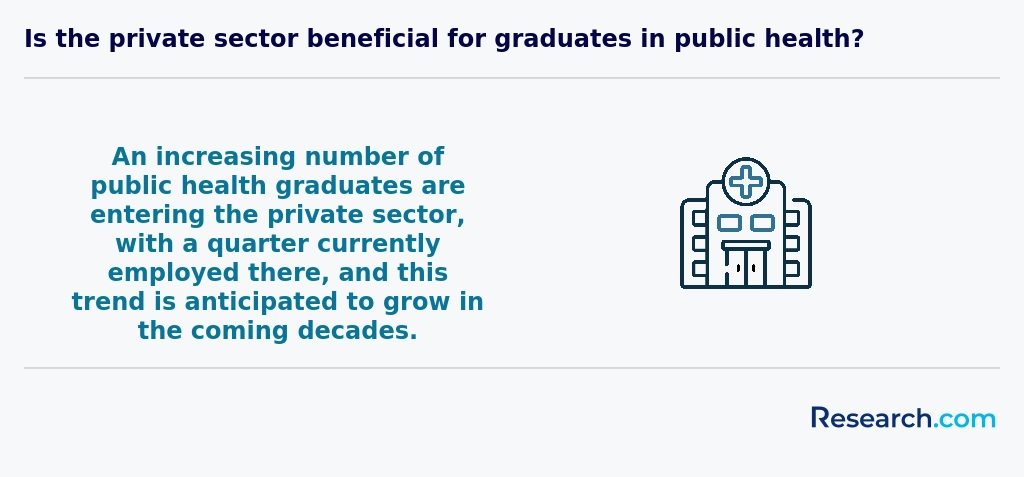
Graduates with an online healthcare degree in Iowa discover a thrilling array of career options, from hands-on roles in nursing to vital administrative positions. Many students from popular colleges like the University of Iowa and Drake University find themselves stepping confidently into roles as registered nurses, equipped with skills honed through flexible online BSN programs. These graduates often share stories of applying their knowledge in bustling hospitals or serene long-term care facilities, embracing the rewarding challenge of patient care.
Others dive into the dynamic world of healthcare management, overseeing vital operations that keep Iowa's medical facilities running smoothly. Through their studies, graduates learn to navigate complex healthcare systems, often imagining themselves leading teams in hospitals or public health organizations-vivid career options for those drawn to leadership. Exploring career options for healthcare graduates Iowa also reveals exciting opportunities in allied health fields, from health informatics specialists to public health analysts, each role offering fresh paths to make a difference.
For those inspired to continue their education without delay, several students pursue online one year masters programs that open further doors in specialized healthcare careers. The sense of adventure and growth felt by Iowa's online healthcare degree holders fuels a promising future in this evolving field.
The job market for graduates holding an online healthcare degree in Iowa is vibrant and full of opportunity, especially as the state's healthcare careers demand in Iowa continues to grow. Institutions like the University of Iowa and Des Moines University provide programs where graduates often share stories of quickly landing roles as Registered Nurses or Health Services Managers, energized by Iowa's aging population and expanding medical facilities.
For those exploring how their degree can translate into real-world impact, envision working as a Health Information Technician-helping hospitals transition to cutting-edge electronic records-a role increasingly vital across Iowa. Salaries for graduates remain competitive, with registered nurses earning around $64,000 annually, a number that feels promising when balanced against Iowa's accessible cost of living. Plus, many students appreciate that online programs typically cost between $20,000 and $40,000, making higher education attainable.
If you're wondering about what is the fastest and easiest bachelor's degree to get, Iowa's diverse program offerings allow for flexible pathways into the healthcare sector, supporting career shifts and growth from all kinds of backgrounds.
2027 Most Valuable Online Bachelor's in Healthcare Degree Programs Ranking in Iowa
Investing in your education is a significant decision that can shape your future, and the Research.com team understands the importance of making informed choices. To assist prospective students in Iowa, we have meticulously crafted the "2027 Most Valuable Online Bachelor's in Healthcare Degree Programs Ranking in Iowa." Our commitment to quality, credibility, and accuracy is reflected in the extensive research and analysis conducted to compile this ranking.
We utilized the following reputable data sources to ensure a comprehensive evaluation of healthcare programs:
By exploring this ranking, readers will gain valuable insights into the most valuable online healthcare degree programs in Iowa, empowering them to make confident and well-informed decisions about their educational investments. For more details on our methodology, please visit our Research.com methodology page.


Frequently Asked Questions About healthcare
Online healthcare degree students in Iowa can enhance their learning by actively engaging with course materials and participating in virtual discussions. Utilizing resources offered by Iowa's public universities, such as the University of Iowa and Iowa State University, helps provide access to up-to-date healthcare research and clinical guidelines.
Building connections through online study groups and networking with local healthcare professionals can improve practical understanding. According to the Iowa Department of Public Health, healthcare jobs in the state have grown 10% in recent years, underscoring the importance of relevant skills and local knowledge.
Students should also take advantage of internships or clinical placements approved by Iowa institutions to gain hands-on experience. Time management and consistent study schedules remain critical to balancing coursework with potential work responsibilities.
The healthcare field in Iowa is expanding into several emerging niches that offer promising career opportunities for students pursuing online healthcare degrees. One rapidly growing area is telehealth, which gained momentum during the COVID-19 pandemic and continues to benefit rural communities across Iowa, where access to healthcare providers can be limited. According to the Iowa Department of Public Health, telemedicine usage increased by over 50% between 2019 and 2022, highlighting its lasting impact.
Another key niche is health informatics. This involves managing and analyzing healthcare data to improve patient outcomes and operational efficiency. The Bureau of Labor Statistics projects a 15% growth in this sector nationwide through 2030.
In addition, behavioral health and mental health care professionals are in high demand in Iowa, reflecting a broader national trend. The Iowa Workforce Development reports that mental health jobs are among the fastest growing healthcare occupations in the state.
After completing an online healthcare degree in Iowa, it is essential to take practical steps to enter the job market confidently. Start by obtaining any required state licenses or certifications specific to your healthcare field, as Iowa has strict regulations for many professions.
Networking plays a crucial role in job placement. Join state healthcare associations like the Iowa Healthcare Collaborative or local chapters of national organizations to connect with professionals and access job postings.
Internships and clinical experiences, even if arranged online, boost your resume and provide hands-on skills employers seek. According to Iowa Workforce Development, healthcare jobs in the state grew by nearly 8% between 2019 and 2023, indicating strong demand.
Additionally, use resources such as Iowa's workforce centers and online job boards tailored to healthcare careers to explore openings and prepare for interviews.
Employers in Iowa seek healthcare degree graduates who demonstrate strong clinical knowledge and technical skills relevant to patient care. According to the Iowa Workforce Development, coordination and communication abilities are highly valued, as they directly affect teamwork in medical settings.
Critical thinking and problem-solving skills help graduates adapt to fast-changing healthcare environments, especially amid Iowa's growing population of older adults requiring specialized care. Cultural competence is also essential due to Iowa's increasing diversity, impacting patient interaction and treatment effectiveness.
Additionally, proficiency in electronic health records (EHR) and healthcare technology is increasingly important, with reports from the Iowa Hospital Association highlighting the need for tech-savvy professionals to improve care delivery and compliance.
Finding internships in Iowa relevant to healthcare degrees involves a strategic approach combining local resources and online opportunities. Start by contacting university career centers, as many have partnerships with healthcare providers across Iowa, including the University of Iowa Hospitals and Clinics, one of the largest employers in the state. According to the Iowa Workforce Development, healthcare occupations grew by 15% from 2016 to 2026, increasing internship availability.
Networking through organizations like the Iowa Healthcare Collaborative can also provide leads. Online platforms such as Handshake and internships.com often list Iowa-specific healthcare internships suitable for remote or hybrid learning students. Early application is critical due to competitive demand.
Obtaining an online healthcare degree in Iowa significantly enhances career mobility and advancement opportunities within the state's growing healthcare sector. Iowa's healthcare industry employs over 220,000 professionals, making it one of the largest employers statewide, according to the Iowa Workforce Development.
Online degrees offer flexibility, enabling working professionals to upgrade skills without interrupting employment. Many employers in Iowa prioritize candidates with accredited bachelor's degrees, often resulting in higher salaries and leadership roles. For example, registered nurses with a Bachelor of Science in Nursing (BSN) can pursue management or specialized clinical positions more readily.
The accessibility of online education also promotes continuing education, which is vital due to industry regulation and technology changes. This adaptability improves eligibility for promotions or transitions into administrative and policy roles within Iowa's healthcare system.
Studying for a healthcare degree in Iowa offers strong preparation for interdisciplinary roles by emphasizing collaboration across multiple healthcare fields. Many Iowa programs integrate coursework in nursing, public health, healthcare administration, and social sciences to foster teamwork skills essential in today's healthcare environments.
The Iowa Department of Public Health reports that effective interdisciplinary teams reduce medical errors and improve patient outcomes, making such training increasingly valuable. Online degree programs in Iowa often include case studies and simulations where students work on real-world healthcare challenges alongside peers from varied disciplines.
This approach equips graduates to communicate efficiently with diverse healthcare professionals, supporting integrated care delivery in hospitals, clinics, and community settings throughout Iowa.
When choosing between a thesis and a non-thesis healthcare degree program in Iowa, prospective students should consider their career goals and learning preferences. Thesis programs require original research and are ideal for those seeking to enter research, academia, or advanced graduate study. Non-thesis programs focus on practical skills and coursework, better suited for students aiming to work directly in healthcare settings.
Iowa's healthcare sector is growing, with over 300,000 healthcare workers as of 2023 (Iowa Workforce Development). Students should assess if they want to contribute to healthcare innovations or prioritize immediate job readiness. Additionally, thesis programs may take more time to complete, which is an important factor for working adults.
Students in Iowa who want to study healthcare abroad through online programs have several options. Many U.S. universities partner with international institutions, allowing students to complete degrees remotely while gaining global perspectives. For example, some programs offer clinical placements or internships in countries like Canada or the UK.
It is important to choose programs accredited in the U.S. to ensure credits transfer and degrees meet Iowa licensing requirements. According to the Iowa Board of Nursing, graduates must hold degrees from approved institutions to qualify for state licensure.
While fully online international healthcare degrees are limited, hybrid models with international components are growing. Iowa students should research program accreditation, clinical opportunities abroad, and licensing compatibility before enrolling.
Students pursuing online healthcare degrees in Iowa often seek part-time jobs that enhance their learning and resume. Positions such as medical assistants, pharmacy technicians, or patient care aides are common options. According to the Iowa Workforce Development, healthcare support jobs grew by 10% from 2019 to 2023, reflecting strong local demand.
These roles provide hands-on experience with patient interaction and healthcare protocols, aligning with coursework in nursing, health administration, or allied health fields. Additionally, some students work as medical transcriptionists or healthcare IT support, which complements degrees focusing on health informatics.
Engaging in these jobs helps students build practical skills while balancing their studies, making them more competitive in Iowa's healthcare job market upon graduation.
Online healthcare students in Iowa have access to a range of networking opportunities that help build professional connections vital for career growth. Many universities offering online healthcare degrees in Iowa facilitate virtual events such as webinars, discussion groups, and alumni meetups. These platforms allow students to interact with peers, faculty, and healthcare professionals despite geographic distances.
Additionally, Iowa has a growing healthcare sector, with over 120,000 employed in healthcare occupations as per the Iowa Workforce Development in 2023. This creates ample possibilities for internships and job shadowing arranged through school partnerships.
Professional organizations like the Iowa Healthcare Collaborative provide valuable resources and networking events that online students can often join remotely. Such connections are essential for job placement and career advancement in healthcare fields.
Alumni networks play a significant role for students pursuing online healthcare degrees in Iowa by providing valuable professional connections. These networks often include graduates working across Iowa's expanding healthcare sector, which is expected to grow by 15% from 2020 to 2030 according to the Iowa Workforce Development. Such connections can help students secure internships, job opportunities, and mentorship.
Access to experienced alumni also offers insights into Iowa's healthcare industry standards and evolving practices. Many schools facilitate virtual events, enabling remote students to engage directly with professionals and peers statewide.
By leveraging these networks, students improve their career readiness and integration into Iowa's healthcare workforce.
In Iowa, students pursuing online healthcare degrees can tailor their programs to align with specific career goals by selecting specialized tracks or concentrations. Many institutions offer options in areas like healthcare administration, public health, or health informatics. This flexibility helps students develop relevant skills for targeted roles.
Additionally, incorporating electives or certificate programs related to Iowa's healthcare landscape enhances career preparation. For instance, focusing on rural health challenges can be valuable given that about 36% of Iowa's population lives in rural areas (U.S. Census Bureau, 2023).
Practical experiences such as internships or clinical placements arranged locally also support career readiness.
Online healthcare students in Iowa often face challenges related to balancing coursework with work and family responsibilities. Many students work in healthcare settings, making time management crucial. According to the Iowa Board of Regents, students report difficulty coordinating clinical placements, as local healthcare facilities have limited capacity for online program affiliations.
Technical issues and reliable internet access also affect students, especially in rural areas where 22% of Iowans live, according to the U.S. Census Bureau. This can hinder participation in virtual labs or live sessions.
Additionally, students may struggle with limited peer interaction, impacting collaboration and networking opportunities essential in healthcare education.
With an online healthcare degree in Iowa, graduates can pursue various professional certifications to enhance their careers. Common certifications include Certified Medical Assistant (CMA), Registered Health Information Technician (RHIT), and Certified Healthcare Administrator (CHA). These credentials are often required for specialized roles and can improve job prospects within the state's growing healthcare sector.
The Iowa Department of Public Health notes increased demand for certified professionals in healthcare administration and health information management. For example, RHIT certification is widely recognized and supports careers in medical records management, an area projected to grow by 15% nationally through 2031.
Obtaining these certifications typically requires passing an exam and maintaining continuing education credits. Many online healthcare programs integrate preparation for these certifications, enabling flexibility for Iowa students balancing work and study.
When applying for an online healthcare degree program in Iowa, start by thoroughly researching the specific school's requirements. Many Iowa institutions look for a combination of academic achievement and relevant experience. Showcase your prior healthcare experience or volunteer work, as healthcare jobs in Iowa are expected to grow by 16% through 2030, emphasizing practical skills alongside academics (Iowa Workforce Development).
Craft a clear and concise personal statement that explains your motivation for pursuing healthcare, linking your goals to the state's healthcare needs. Highlight any certifications like CPR or CNA, which strengthen applications. Always include up-to-date transcripts with a strong science and math background, since healthcare programs often require minimum GPAs around 3.0.
Request letters of recommendation from supervisors or professors familiar with your work ethic. Finally, tailor your resume and application to reflect Iowa's healthcare priorities, such as rural health initiatives, which creates a competitive edge.
The healthcare field offers diverse global career opportunities fueled by increasing demand for skilled professionals. In the United States, healthcare is one of the fastest-growing industries, with the Bureau of Labor Statistics projecting a 13% job growth from 2021 to 2031. Iowa reflects this trend, experiencing a steady rise in healthcare jobs, particularly in rural areas where access to medical services is evolving.
Globally, healthcare careers emphasize adaptability and cultural competence. Many U.S. healthcare programs, including those in Iowa, incorporate global health principles to prepare students for challenges such as pandemics and aging populations. Online healthcare degrees allow Iowa students to gain knowledge relevant both locally and in broader international contexts.
According to Iowa Workforce Development, registered nursing and healthcare support roles are expected to grow by about 9% over the next decade, demonstrating strong local demand aligned with global healthcare needs. These trends make healthcare a resilient and globally relevant career choice.
Gaining practical experience while enrolled in an online healthcare degree in Iowa is essential for career readiness. Many programs incorporate virtual simulations that replicate clinical scenarios, allowing students to develop critical decision-making skills. Additionally, Iowa's healthcare schools often partner with local hospitals and clinics to offer supervised internships or practicum placements.
Students can complete these hands-on experiences at facilities near their residence. According to the Iowa Department of Public Health, the state had over 10,000 healthcare establishments in 2023, providing ample opportunities for placements. These real-world experiences are essential in building competencies that online study alone cannot provide.
Furthermore, some programs require background checks and immunizations before placement to comply with healthcare regulations. Students should communicate with their academic advisors early to identify suitable practical training that aligns with their online coursework and career goals.
Choosing the right concentration within an online healthcare degree program in Iowa begins with understanding your career goals and the local healthcare demands. Iowa's healthcare sector is growing, with the Iowa Department of Public Health reporting a rising need for nursing, health informatics, and public health professionals. Research local job markets and consider concentrations aligned with these trends to enhance employability.
Evaluate program curriculum, accreditation, and clinical opportunities. For example, nursing concentrations often require state-specific licensing preparation. Additionally, Iowa's aging population increases demand for gerontology and chronic disease management specialties.
Seek accredited programs recognized by bodies like CCNE or CAHIIM to ensure quality education and smoother certification paths.
- 2027 Most Valuable Online Bachelor's in Healthcare Degree Programs Ranking in Minnesota
- 2027 Most Valuable Online Bachelor's in Healthcare Degree Programs Ranking in Wisconsin
- 2027 Most Valuable Online Bachelor's in Healthcare Degree Programs Ranking in Illinois
- 2027 Most Valuable Online Bachelor's in Healthcare Degree Programs Ranking in South Dakota
- 2027 Most Valuable Online Bachelor's in Healthcare Degree Programs Ranking in Missouri
- 2027 Most Valuable Online Bachelor's in Healthcare Degree Programs Ranking in Kansas
- 2027 Most Valuable Online Bachelor's in Healthcare Degree Programs Ranking in North Dakota
- 2027 Most Valuable Online Bachelor's in Healthcare Degree Programs Ranking in Michigan
- 2027 Most Valuable Online Bachelor's in Healthcare Degree Programs Ranking in Ohio
- 2027 Most Valuable Online Bachelor's in Healthcare Degree Programs Ranking in Kentucky
See What Experts Have To Say About Studying Healthcare
Read our interview with Healthcare experts

- Mercy College - Des Moines, Iowa https://www.mchs.edu/
- Advance Your Education and Career While Working in Healthcare https://www.hospitalrecruiting.com/blog/4236/advance-your-education-and-career-while-working-in-healthcare/
- Niche Markets in Healthcare https://ultrariskadvisors.com/niche-markets-in-healthcare/
- Employability Skills Matrix for the Health Sector https://www.skillsforhealth.org.uk/resources/employability-skills-matrix/
- Iowa Project Promotes Healthcare Careers Early https://nosorh.org/promising-practice-iowa-project-promotes-healthcare-careers-early/
- How to Create a Healthcare Career Roadmap https://www.ihire.com/resourcecenter/jobseeker/pages/how-to-create-a-healthcare-career-roadmap
- 10 Skills Employers Are Looking for in Healthcare Management Jobs https://www.aiuniv.edu/blog/10-top-skills-for-healthcare-management-jobs
- Health Sciences Study Abroad Programs - Healthcare Abroad https://www.ceastudyabroad.com/academic-discipline/health-sciences
- How to Set and Achieve Career Goals in Health and Social Care | Royal Open College https://royalopencollege.org/blog/health-and-social-care/how-to-set-and-achieve-career-goals/
- Trends and opportunities in healthcare across emerging markets - Inizio https://inizio.com/insights/trends-and-opportunities-in-healthcare-across-emerging-markets/


