
2027 Most Valuable Online Bachelor's in Healthcare Degree Programs Ranking in Chicago, IL

Co-Founder and Chief Data Scientist
If you're a student in Chicago considering a healthcare degree, this article is here to guide you. It introduces the 2027 Most Valuable Online Bachelor's in Healthcare Degree Programs Ranking in Chicago, IL, assembled by the Research.com team of data scientists. This ranking helps you identify the best programs that combine quality and value.
Exploring healthcare education opens doors to meaningful, rewarding careers. By reading this article, you'll gain insights to make an informed choice about your future. Taking this step can bring both personal fulfillment and professional success.
Key benefits of getting online healthcare degree in Chicago
- Salary for healthcare degree graduates: Jobs like Medical Assistants earn a mean annual wage of $43,350, while Patient Care Technicians average $60,790, showing strong earning potential in the field.
- Career paths in Chicago: Healthcare graduates often find rewarding roles such as Clinical Research Coordinators or Health Information Technicians, with universities like the University of Illinois Chicago supporting diverse job opportunities.
- Benefits of online degrees: Online healthcare programs, like those offered by DeVry University, provide flexible schedules and the chance to balance work and study, making earning your degree more accessible and convenient.
- Key benefits of getting online healthcare degree in Chicago
- What can I expect from online healthcare degree in Chicago?
- Where can I work with online healthcare degree in Chicago?
- How much can I make with online healthcare degree in Chicago?
- 2027 Most Valuable Online Bachelor's in Healthcare Degree Programs Ranking in Chicago, IL
- Key Findings
- How long does it take to complete online healthcare degree in Chicago?
- Graduation Rates and Alumni Outcomes
- What's the difference between online and on-campus healthcare degree?
- Pathways to Advanced Healthcare Education
- What is the average cost of online healthcare degree in Chicago?
- Accreditation and Program Quality
- What financial aid is available to online healthcare degree students in Chicago?
- Tips for Academic and Career Success in Online Healthcare Programs
- What are the prerequisites for enrolling in online healthcare degree program in Chicago?
- What courses are typically in online healthcare degree programs in Chicago?
- What types of specializations are available in online healthcare degree programs in Chicago?
- How do you choose the best online healthcare degree in Chicago?
- What career paths are available for online healthcare degree students in Chicago?
- What is the job market for online healthcare degree in Chicago?
- Top Trending Healthcare Rankings
- See What Experts Have To Say About Studying Healthcare
What can I expect from online healthcare degree in Chicago?
The average cost of an online healthcare degree in Chicago typically ranges between $15,000 and $30,000 for a bachelor's program, depending on the institution and course load. Graduates from well-known local universities often share that financial aid and scholarships significantly alleviate these expenses, making the investment manageable alongside personal and professional commitments.
Many students at Chicago's reputed colleges appreciate the flexibility of part-time enrollment, which allows them to spread tuition costs over multiple semesters without sacrificing career growth. These programs, designed with working adults in mind, frequently offer payment plans and federal aid options to ease financial pressures.
For example, graduates recount balancing coursework with family life while benefiting from strong academic support and affordable resources offered by Chicago's accredited institutions. This practical approach helps students feel confident in their ability to complete their degrees without overwhelming financial strain.
Such cost structures align with the city's commitment to accessible education and reflect the broader economic landscape of Chicago's healthcare sector, fostering both opportunity and optimism among online learners.
Where can I work with online healthcare degree in Chicago?
Graduates with an online healthcare degree in Chicago find diverse employment opportunities across the city's extensive medical and public health sectors. Many secure positions within prominent hospital systems such as Northwestern Memorial Hospital and Rush University Medical Center, working in roles like health information management, healthcare administration, and patient coordination. These roles enable graduates to apply both practical knowledge and cutting-edge skills gained through their online programs.
Public health agencies, including the Chicago Department of Public Health, commonly hire graduates for community health initiatives, epidemiology support, and health education roles. Online healthcare students from institutions like DePaul University and Roosevelt University often report fulfilling careers contributing directly to community well-being.
The expanding healthcare technology scene in Chicago offers opportunities in healthcare IT, data analytics, and electronic health records management. Graduates from local programs appreciate how their coursework prepares them for these tech-oriented roles.
Additionally, private practices, outpatient centers, consulting firms, and insurance companies provide careers focused on compliance, policy analysis, and healthcare quality assurance. Many alumni note high job satisfaction due to competitive salaries and meaningful impact within the local healthcare ecosystem.
How much can I make with online healthcare degree in Chicago?
Graduates of online healthcare programs in Chicago often find promising salary prospects across various roles. For instance, many who complete degrees enabling roles like Medical Assistant or Clinical Research Coordinator earn around $43,350 annually. These positions offer a solid entry point into the healthcare field and enable professionals to build experience while contributing meaningfully to patient care.
Students from well-regarded institutions such as the University of Illinois at Chicago report swiftly progressing to roles like Patient Care Technician, where the average salary reaches approximately $60,790 per year. This advancement not only brings increased financial stability but also professional satisfaction as graduates feel directly involved in the vibrant Chicago healthcare community.
Health Information Technicians see similar earnings near $43,380 annually, reflecting the demand for proficient data management within the city's hospitals and clinics. Meanwhile, specialized graduates aiming for leadership or quality oversight roles, like Quality Improvement Coordinators, can expect significantly higher compensation, with salaries averaging $103,150 yearly. This level of income exemplifies how Chicago's healthcare sector rewards dedication and advanced qualifications gained through online programs.
2027 Most Valuable Online Bachelor's in Healthcare Degree Programs Ranking in Chicago, IL
How do we rank schools?
Investing in your education is a significant decision that can profoundly impact your future, and the Research.com team is committed to helping you make informed choices. To assist prospective students in Chicago, IL, we have carefully developed the "2027 Most Valuable Online Bachelor's in Healthcare Degree Programs Ranking." Our dedication to quality, credibility, and accuracy is demonstrated by the rigorous research and analysis behind this ranking.
We utilized the following reliable data sources to ensure a thorough evaluation of healthcare degree programs:
By examining this ranking, readers will gain valuable insights into the most valuable online healthcare bachelor's programs in Chicago, helping them confidently select programs that align with their goals. For more information about how this ranking was created, please visit our Research.com methodology page.


Key Findings
- Tuition for online healthcare bachelor's degrees in Chicago typically ranges from $20,000 to $35,000, depending on the school and program length.
- Healthcare jobs in Chicago are growing 15% from 2020 to 2030, faster than the national average, creating strong demand for graduates.
- Entry-level salaries for healthcare graduates in Chicago are about $50,000 to $60,000 annually, with experienced professionals earning $75,000 to $90,000 or more.
- Accreditation from bodies like CAHME or CCNE is essential for ensuring program quality and enhancing job prospects.
- Programs often offer flexible coursework options such as evening or asynchronous classes to accommodate working students.
How long does it take to complete online healthcare degree in Chicago?
The typical time to complete an online healthcare degree in Chicago is around four years for full-time students, especially for common programs like a Bachelor of Science in Health Sciences or Healthcare Administration offered by institutions such as DePaul University or the University of Illinois at Chicago. Graduates often recall managing their coursework alongside jobs, appreciating the ability to follow a structured, four-year plan while gaining relevant knowledge.
Many students benefit from flexible options. For example, working adults enrolled at Chicago State University report that part-time study extends their path to six years or more, allowing them to balance family and professional commitments effectively. Accelerated tracks also exist, enabling motivated learners to finish in two to three years by taking additional classes or summer sessions.
Transfer credits from community colleges in the area often shorten degree completion times. Some graduates found that submitting prior coursework to schools like Loyola University Chicago helped them bypass certain prerequisites, expediting their progress.
Specialized degrees, such as Nursing (BSN) programs requiring clinical hours, may add extra months but result in well-prepared healthcare professionals ready to enter Chicago's dynamic healthcare workforce.
Graduation Rates and Alumni Outcomes
Prospective students often ask about real-world results of online healthcare programs, and Chicago’s top institutions deliver strong outcomes. On average, these online bachelor’s in healthcare programs boast a 72% graduation rate within six years, surpassing the national online average of 60%. Furthermore, 88% of graduates report securing relevant employment within 12 months of degree completion, with a median starting salary of $52,000. Top-performing universities like DePaul and Loyola Chicago maintain robust career services and alumni networks, offering mentorship programs, virtual job fairs, and LinkedIn groups that foster professional connections and lifelong learning. Alumni surveys indicate a 95% satisfaction rate with program content and faculty support, highlighting the value of applied projects and clinical simulations integrated into online curricula. Graduates credit capstone experiences and peer collaboration for accelerated career advancement, with many earning promotions within two years of graduation. In addition, institutions track licensure exam pass rates-often exceeding 90% for roles like Health Information Technician-ensuring graduates meet industry standards and compliance requirements. For a broader perspective on affordability relative to outcomes, prospective students may also consult the Low Cost Online Healthcare Degree Programs Ranking in Virginia, which compares cost metrics alongside graduation and placement data. By evaluating both student success metrics and financial investment, applicants can select an online healthcare degree that aligns with their career ambitions and budgetary needs.
What's the difference between online and on-campus healthcare degree?
The difference between online and on-campus healthcare degree programs in Chicago primarily revolves around the mode of instruction and the learning environment. On-campus students at institutions like the University of Illinois at Chicago experience direct engagement through face-to-face lectures, hands-on labs, and in-person clinical placements essential for mastering practical skills. Graduates often mention the value of real-time interaction with professors and peers, which fosters a supportive learning community.
Conversely, online programs provide flexibility highly valued by working professionals balancing education with other commitments. Accredited programs still require clinical hours, typically arranged at local Chicago healthcare facilities, allowing students to apply their knowledge without relocating. Virtual simulations and remote labs replicate practical experiences, which many online students find innovative and convenient.
Costs between formats can be similar, but online learners benefit from savings on commuting and housing, while investing in reliable technology. This adaptability makes online degrees a popular choice for those seeking reputable healthcare education aligned with Chicago's growing healthcare sector.
Pathways to Advanced Healthcare Education
As you complete your online bachelor's in healthcare, it's essential to consider the next steps in your academic and professional journey. Many healthcare professionals transition seamlessly into further studies, such as master’s and doctoral programs, to specialize and boost their career potential. Advanced degrees not only deepen your expertise in areas like healthcare administration, public health, or clinical leadership but also offer opportunities to engage with emerging trends in medical research and technology. For example, if you are interested in exploring specialized fields, you might consider exploring genetic masters programs that equip you with the tools to lead advancements in personalized medicine and genomics. Graduate studies often emphasize research, innovation, and leadership skills crucial for tackling complex challenges in modern healthcare. Pursuing a master’s degree can provide hands-on experience through internships, capstone projects, and collaborative research with seasoned professionals. Additionally, advanced programs typically offer networking opportunities that connect you with industry leaders and experts, ultimately enhancing your career prospects and driving long-term success. By mapping out your educational trajectory early, you can position yourself for leadership roles and remain competitive in a dynamic job market. Whether you're aiming to influence policy, manage healthcare systems, or drive technological innovations, further education can be the key to unlocking your full potential in the healthcare sector.
What is the average cost of online healthcare degree in Chicago?
The average cost of an online healthcare degree in Chicago typically centers around $19,500 for the total program, making it a realistic investment for many local students. Those enrolled in programs at well-regarded institutions, such as the University of Illinois at Chicago (UIC) or DePaul University, often find that tuition falls within this range, balancing affordability with quality education and accessible online learning formats. Graduates frequently express satisfaction with this investment, noting how the flexible scheduling and comprehensive curriculum enabled them to advance their careers without the burden of excessive debt.
When considering the average cost of online healthcare degree Chicago programs, it's important to also factor in additional expenses like technology fees, textbooks, and occasional clinical requirements, which typically add $1,000 to $2,000 annually. Students from these urban universities appreciate financial aid and scholarship opportunities that help ease these out-of-pocket expenses, making the overall educational journey both manageable and motivating.
Experienced graduates from these programs often highlight their ability to balance work, life, and study efficiently, thanks to the program's thoughtful pacing and support services. For those comparing options, state resources and websites such as the Integrated Postsecondary Education Data System (IPEDS) provide invaluable data to help weigh program costs against benefits. Prospective students seeking affordable and reputable healthcare education options can also explore related fields by reviewing lists like the nursing schools in Sacramento, which offer perspectives on similar program structures and costs elsewhere.
Ultimately, understanding the online bachelor's healthcare program tuition Chicago IL helps students make informed financial decisions while pursuing a rewarding career in healthcare through flexible and regionally relevant educational programs.
Accreditation and Program Quality
Choosing an accredited online healthcare degree program is crucial to ensure your education meets industry standards and is recognized by employers and licensure boards. Regional accreditation, such as that granted by the Higher Learning Commission, verifies that an institution adheres to rigorous academic criteria, while specialized accreditation from bodies like the Commission on Accreditation of Healthcare Management Education (CAHME) further validates program-specific quality. For students exploring health administration degrees online, CAHME accreditation signals that coursework in management, finance, and health policy aligns with best practices and emerging trends. Accredited programs often provide greater access to federal financial aid, seamless credit transfer, and eligibility for professional certifications-advantages that non-accredited schools cannot offer. Employers and graduate schools frequently prefer candidates from accredited institutions, as accreditation assures consistent curriculum review, qualified faculty, and robust student support services. Before enrolling, confirm that your chosen online healthcare program holds both regional and, where applicable, specialized accreditation to maximize your return on investment and secure your professional future.
What financial aid is available to online healthcare degree students in Chicago?
Students pursuing online healthcare degrees in Chicago can access a range of financial aid options to ease tuition costs. Federal aid through FAFSA remains a primary resource, with grants like the Pell Grant offering up to $7,395 to eligible low-income students. Many graduates from institutions such as the University of Illinois at Chicago have reported that federal student loans, including Direct Subsidized and Unsubsidized Loans, provided manageable funding with low interest rates tailored for undergraduates.
Illinois residents benefit from the Monetary Award Program (MAP), which awards grants up to $5,000 to qualifying students attending local online programs, reducing financial stress significantly. Institutional scholarships at schools like DePaul University also reward academic excellence and career-focused interests, such as nursing, fostering a supportive learning environment.
Working professionals frequently utilize employer tuition assistance programs, boosting motivation and career growth. Additionally, private scholarships from organizations like the Illinois Nursing Foundation offer targeted financial support, making these opportunities especially valuable for Chicago's online healthcare learners.
Tips for Academic and Career Success in Online Healthcare Programs
Navigating an online healthcare degree program can be challenging yet incredibly rewarding when paired with effective strategies to maximize your learning experience and career prospects. First, establish a structured study routine that balances coursework, work commitments, and personal time to enhance both retention and engagement. Regularly communicate with faculty and peers through virtual office hours and discussion forums, as active participation can boost your understanding of complex healthcare concepts. Be proactive by utilizing university support services, such as tutoring, career counseling, and digital libraries. Additionally, consider connecting with other programs or related resources-for instance, exploring the most valuable healthcare schools in illinois can provide further insights into academic excellence and career opportunities. Lastly, keep up with industry trends such as telehealth and health informatics by subscribing to reputable newsletters and joining relevant online communities. Embracing these tips can not only help you excel academically, but also prepare you for a dynamic career in the evolving field of healthcare.
What are the prerequisites for enrolling in online healthcare degree program in Chicago?
Enrolling in an online healthcare degree program in Chicago typically requires a high school diploma or equivalent, with many institutions setting a minimum GPA of 2.5 to 3.0 to ensure academic readiness. Graduates from popular Chicago colleges often recall how meeting these standards gave them the confidence to handle challenging coursework. Meeting foundational science prerequisites-biology, chemistry, and mathematics-is essential, either through high school or remedial college courses, helping students build firm knowledge crucial for healthcare careers.
Applicants should also expect to provide standardized test scores, like the SAT or ACT, although Chicago programs increasingly adopt test-optional policies. Personal statements and letters of recommendation play a vital role, as they allow students to express their passion for healthcare, much like successful candidates at top local universities have shared their motivations to stand out.
Working professionals or transfer students frequently benefit from submitting prior college credits or relevant experience to shorten degree completion time. Navigating these requirements thoughtfully prepares students for success in Chicago's competitive healthcare education landscape.

What courses are typically in online healthcare degree programs in Chicago?
Online healthcare degree programs in Chicago commonly feature a comprehensive suite of courses designed to equip students with both foundational knowledge and specialized expertise. Graduates from institutions like the University of Illinois at Chicago often highlight the strong emphasis on human anatomy and physiology, which anchors their understanding of the human body's complexity, essential when transitioning to real patient care scenarios.
Students frequently engage with courses in medical terminology, healthcare ethics, and health informatics, reflecting the city's increasing integration of technology in healthcare delivery. For example, learners at DePaul University have shared how training in electronic health records and cybersecurity prepares them to manage sensitive patient data confidently within Chicago's advanced hospital systems.
Administration and management topics are integral, especially given Chicago's prominent healthcare facilities like Northwestern Memorial. Courses in healthcare finance, policy, and quality improvement prepare students to assume leadership roles, ensuring they feel empowered to influence organizational success and patient safety. Those focusing on nursing or health IT find specialized classes in patient care, pharmacology, or data management directly applicable to their career aspirations in Chicago's healthcare landscape.

What types of specializations are available in online healthcare degree programs in Chicago?
Online healthcare degree specializations in Chicago encompass a wide range of focused fields designed to equip students with essential skills tailored to local industry demands. Common specializations include Healthcare Administration, which prepares graduates to efficiently manage hospital operations and navigate complex healthcare laws typical in Chicago's extensive medical networks. Nursing programs, such as RN to BSN tracks, are highly sought after as Illinois addresses a growing nursing shortage. Health Informatics combines clinical knowledge with IT expertise, enabling students to optimize patient data systems-an area rapidly expanding in Chicago hospitals. Graduates often share enthusiasm about practical training opportunities offered by local colleges, enhancing their readiness for Chicago's healthcare environment.
Other notable specializations include Public Health, focusing on community wellness and policy crucial for urban settings, and Medical Billing and Coding, which addresses administrative efficiencies critical to area providers. Chicago students pursuing the best healthcare degree programs Chicago IL frequently highlight the value of hands-on internships and clinical placements. For those exploring advancement routes, adn to msn programs requirements present a structured pathway highly regarded among local professionals.
How do you choose the best online healthcare degree in Chicago?
Choosing the best online healthcare degree in Chicago involves evaluating accreditation, cost, and program flexibility. Graduates from respected institutions like Chicago State University often emphasize the value of attending accredited programs, ensuring their qualifications are recognized by local employers. Cost considerations are crucial; many appreciate the affordability of Chicago-based programs compared to national averages, especially when financial aid and scholarships are accessible.
Flexibility is frequently praised by working students who balance career and family responsibilities. Online degrees offering asynchronous formats enable study at convenient times without compromising quality. Specializations affect career outcomes-graduates focusing on health administration or nursing benefit from understanding Chicago's growing demand for healthcare professionals in public health and health services management roles.
Hands-on experience through clinical placements or internships at Chicago-area hospitals enhances job readiness. Prospective students should also explore program prerequisites, which can be complex but manageable, as seen in online tracks addressing nutritional science entry requirements. Such programs tailored to Chicago's healthcare environment provide practical advantages for ambitious learners seeking affordable online healthcare degrees Chicago IL.
What career paths are available for online healthcare degree students in Chicago?
Graduates of online healthcare degree programs in Chicago often pursue diverse career paths reflecting the city's robust medical sector. Many find opportunities in healthcare administration and management, taking on roles such as facility coordinators or department supervisors in major hospitals and clinics throughout Chicago. These positions leverage skills learned at popular institutions like DePaul University and Loyola University Chicago, where graduates describe a strong alignment between coursework and real-world management challenges.
Others focus on public health and community services, joining public agencies or nonprofit organizations that work on disease prevention and health education. Chicago's emphasis on community wellness creates demand for professionals trained in these areas, making this a rewarding path for graduates wanting to make a tangible impact locally. For those drawn to technical roles, careers in health information management and informatics are becoming increasingly accessible, especially as Chicago healthcare systems expand their digital infrastructures. Programs often integrate practical experience that prepares students to excel in these cutting-edge fields.
Entry-level clinical support roles such as medical assisting remain viable options for online graduates, offering hands-on involvement in patient care. Students interested in enhancing qualifications can also pursue a medical coding certification, boosting employment prospects in Chicago's healthcare facilities. Overall, the breadth of healthcare job opportunities for online graduates Chicago is extensive, reflecting sustained growth and innovation in the local health sector.

What is the job market for online healthcare degree in Chicago?
The job market for individuals holding an online healthcare degree in Chicago is vibrant, with strong demand across hospitals, outpatient facilities, and public health organizations. Graduates from local institutions such as DePaul University and the University of Illinois at Chicago often share how their education directly prepared them for roles in healthcare administration, nursing, and health informatics. Employers in Chicago particularly value degrees from accredited online programs, recognizing their rigor and relevance.
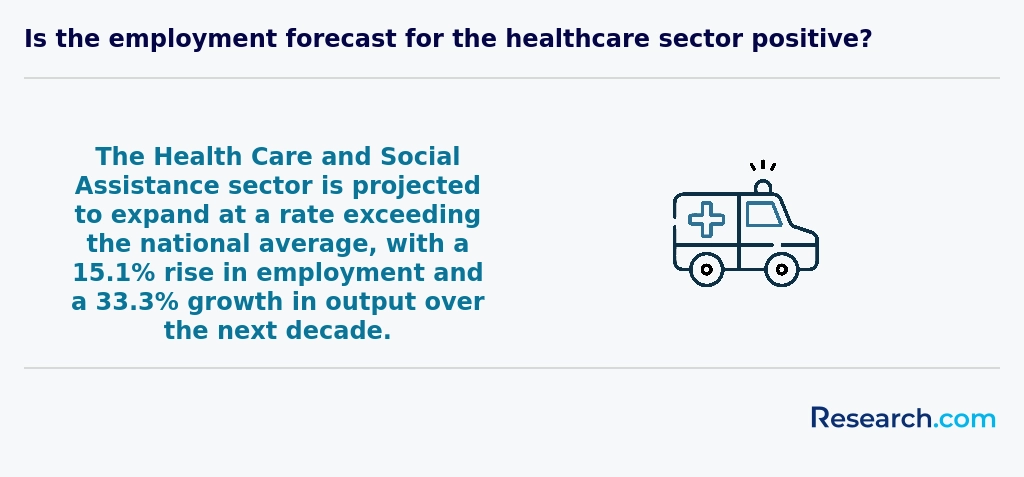
Healthcare career outlook in Chicago Illinois shows steady growth, with projected increases of about 15% in healthcare occupations from 2020 to 2030. This growth is driven by an aging population and expanded access to healthcare services. Graduates report positive experiences securing roles in leading hospitals like Northwestern Memorial, while some engage in community health initiatives or technology-driven positions in health informatics. This diverse job landscape provides multiple pathways for career advancement.
Many online healthcare degree holders in Chicago also build specialized expertise; for example, some develop forensic nursing skills, which enhance employability in niche public health roles. The median salary for healthcare managers here, around $90,000 annually, reflects the competitive compensation that motivates prospective students to pursue such degrees locally.
Frequently Asked Questions About healthcare
Students pursuing online healthcare degrees in Chicago can enhance their learning by leveraging local healthcare networks for practical experience. Chicago hosts over 60 major hospitals, including top facilities like NorthShore University HealthSystem, offering potential internships and clinical placements that complement online coursework.
Additionally, active participation in virtual study groups and local professional associations, such as the Illinois Healthcare Executive Forum, can provide valuable networking and mentorship opportunities. Staying updated on Chicago's healthcare trends through resources like the Illinois Department of Public Health helps students contextualize their studies in the region's evolving health landscape.
Time management and regular engagement with professors through online platforms also foster academic success and deeper understanding.
Emerging niches in the healthcare field reflect growing demand for specialized skills and advanced technologies. In Chicago, areas like telehealth and health informatics are rapidly expanding. Telehealth services increased by over 100% during recent years, driven by the need for remote patient care, according to the Chicago Department of Public Health.
Health informatics focuses on managing medical data and improving healthcare delivery through analytics and software. The Bureau of Labor Statistics projects a 15% job growth for health information technicians nationally by 2030.
Additionally, gerontology and chronic disease management are gaining importance due to Chicago's aging population. These niches offer promising career paths for online healthcare degree students.
Preparing for the job market after completing an online healthcare degree in Chicago involves several strategic steps. First, gaining relevant experience through internships or volunteer work in local hospitals or clinics is crucial. Chicago's healthcare sector employs over 300,000 professionals, making practical experience highly valuable for networking and skill development (Chicago Department of Public Health, 2023).
Second, obtaining necessary certifications or licenses relevant to your specialty improves job prospects. Many employers in Illinois prefer candidates with state-licensed credentials. Additionally, joining professional organizations such as the Illinois Healthcare Association can offer resources and job leads.
Finally, tailoring your resume to highlight both online education and hands-on skills, and preparing for virtual or in-person interviews will enhance your competitiveness. With Chicago's diverse healthcare industry, adaptability and local knowledge are key assets.
Employers in Chicago highly value healthcare graduates who demonstrate strong communication skills, as effective interaction with patients and colleagues is essential. According to the Illinois Department of Employment Security, teamwork and critical thinking are also among the top attributes sought in healthcare professionals. These skills ensure graduates can navigate complex clinical situations and contribute to multidisciplinary teams effectively.
In addition, proficiency in healthcare technology is increasingly important. Chicago's healthcare sector, including numerous hospitals and clinics, relies heavily on electronic health records and telemedicine platforms. Graduates who are adept at using such tools have a competitive edge, as highlighted by local industry reports. Adaptability and cultural competence further enhance employability, given Chicago's diverse patient population.
Finding internships in Chicago relevant to healthcare degrees requires strategic research and networking. Begin by exploring healthcare systems like Northwestern Medicine and Rush University Medical Center, which regularly offer internships and clinical placements for students. The City of Chicago's Department of Public Health also provides opportunities for those studying public health and healthcare administration.
Universities with online healthcare programs often partner with local hospitals and clinics, so confirm if your school assists with internship placements in Chicago. Additionally, websites such as Handshake and Indeed list healthcare internships specific to the Chicago area. According to the Illinois Department of Employment Security, healthcare remains one of the fastest-growing sectors in Chicago, increasing internship demand.
An online healthcare degree can significantly enhance career mobility and advancement opportunities for professionals in Chicago. The city's healthcare sector employs over 270,000 workers, making it a major hub for medical services and innovation, according to the Illinois Department of Employment Security. Earning a degree online offers flexibility, allowing students to continue working while gaining credentials recognized by local hospitals and health organizations.
Graduates with healthcare degrees often qualify for positions in management, administration, and specialized clinical roles. Online programs aligned with Chicago's workforce needs help address skill gaps, improving chances for promotions or transitions into higher-paying roles.
Furthermore, an online degree can provide access to professional networks and licensure preparation, both crucial for upward mobility within Chicago's competitive healthcare market.
Studying for a healthcare degree in Chicago offers unique preparation for interdisciplinary roles due to the city's diverse medical ecosystem. Chicago hosts several top hospitals and research facilities, fostering collaboration among healthcare professionals from different fields. Online programs incorporate case studies and projects reflecting this real-world teamwork, enhancing students' communication and problem-solving skills.
The curriculum often includes exposure to public health, informatics, and management, allowing graduates to understand and coordinate across specialties. According to the Illinois Department of Public Health, Chicago employs over 200,000 healthcare workers, highlighting the demand for versatile professionals. This environment cultivates adaptability, critical for interdisciplinary healthcare careers.
Choosing between a thesis and a non-thesis healthcare degree program in Chicago depends on your career goals and learning preferences. A thesis program often suits students interested in research or pursuing advanced degrees, such as a master's or PhD. It requires conducting original research, which can strengthen analytical skills and enhance job prospects in academia or specialized healthcare fields.
Non-thesis programs usually focus on practical knowledge and allow faster completion, ideal for those seeking immediate employment or professional advancement. According to the Illinois Board of Higher Education, about 60% of healthcare students in Chicago choose non-thesis tracks for quicker workforce entry.
Consider your long-term career path and the flexibility of Chicago-based online programs when deciding between these options.
Students in Chicago interested in online healthcare degrees with an international dimension have several avenues to explore. While studying abroad physically can be complex, many U.S. institutions offer partnerships with foreign universities, allowing students to engage with global healthcare topics remotely. Programs often include virtual internships, international case studies, and global health courses tailored for online learners. Chicago, home to more than 100 hospitals and health organizations, benefits from a strong healthcare ecosystem that supports such global collaborations. According to the Illinois Board of Higher Education, students can access these program options through state-accredited online platforms that maintain rigorous U.S. standards.
Students pursuing online healthcare degrees in Chicago can benefit from various part-time job opportunities that complement their studies. Positions such as medical assistants, patient service representatives, and pharmacy technicians provide practical experience while accommodating class schedules. The Illinois Department of Employment Security reports healthcare support roles growing by 15% from 2022 to 2032, reflecting strong local demand.
Hospitals and clinics in Chicago-like Northwestern Memorial and Rush University Medical Center-often hire part-time workers for administrative and clinical support. Jobs in home health care or telehealth services also offer flexible hours and relevant exposure to patient care and healthcare operations.
Gaining hands-on experience through part-time work helps students better understand healthcare settings, enhancing resumes and networking opportunities within Chicago's robust healthcare industry.
Online healthcare students in Chicago benefit from numerous networking opportunities despite studying remotely. Many local universities and community colleges offer virtual events, workshops, and career fairs that connect students with healthcare professionals in the region. Organizations like the Illinois Healthcare Executives Forum and the Chicago Medical Society provide memberships and networking events accessible to online learners.
Chicago's strong healthcare sector includes over 100 hospitals and thousands of healthcare facilities, supporting a wide professional network for students. According to the Illinois Department of Employment Security, healthcare roles in Chicago grew by 7% over the past five years, enhancing job connections.
Additionally, online programs often partner with local hospitals for practicum placements, enabling real-world experience and networking.
Alumni networks play a crucial role for online healthcare degree students in Chicago by providing access to professional connections and local job opportunities. Many Chicago healthcare institutions value referrals from trusted alumni, which can enhance employment chances. According to the Illinois Department of Employment Security, the healthcare sector in Chicago is projected to grow by 15% through 2030, making networking even more important for job placement and career growth. These networks also offer mentorship, advice, and continuing education resources, helping graduates stay updated with healthcare trends and certifications relevant to Chicago's diverse medical landscape.
Customizing an online healthcare degree program in Chicago allows students to align their education with specific career goals. Many accredited institutions offer elective courses, specializations, or certificates in areas such as health administration, public health, or nursing. This flexibility helps students focus on industries in high demand locally; for example, Chicago's healthcare sector employs over 300,000 people, according to the Illinois Department of Employment Security.
Students can also select clinical hours or internships tailored to Chicago's diverse healthcare settings. Online advisors typically assist in mapping courses to professional certifications required by Illinois state regulations.
Such tailored approaches enable graduates to meet regional workforce needs effectively.
Online healthcare students in Chicago often face challenges balancing rigorous coursework with personal and professional responsibilities. Many are working adults who juggle jobs and family, making time management a key obstacle. Additionally, access to reliable high-speed internet can vary across Chicago neighborhoods, affecting the quality of remote learning experiences.
Hands-on clinical training is another significant challenge. Since healthcare degrees require practical skills, students must coordinate local placements, which can be limited due to competition and COVID-19 restrictions. According to the Illinois Board of Higher Education, clinical site availability has tightened since 2020.
Lastly, students may experience less direct interaction with faculty and peers compared to in-person programs, sometimes hindering networking and support opportunities critical in healthcare education.
With an online healthcare degree, students in Chicago can pursue a variety of professional certifications that enhance career prospects. Common certifications include Certified Healthcare Administrator (CHA), Certified Professional Coder (CPC), and Registered Health Information Technician (RHIT). These certifications validate skills relevant to healthcare management, medical billing, and health information technology.
Chicago's healthcare sector employs over 280,000 people, according to the Illinois Department of Employment Security, making certifications valuable for standing out in a competitive market. Certifications like Certified Clinical Research Coordinator (CCRC) are also sought after for roles in medical research facilities, including those affiliated with Chicago's renowned research hospitals.
Many certification programs require passing an exam and maintaining continuing education, which aligns well with the flexibility of online healthcare degrees. Prospective students should verify certification prerequisites for their intended career paths to ensure eligibility after graduation.
When applying for an online healthcare program in Chicago, start by researching schools accredited by recognized agencies such as the Commission on Collegiate Nursing Education (CCNE) or the Accreditation Commission for Education in Nursing (ACEN). Accreditation ensures your degree will be respected by employers.
Craft a personal statement that highlights your passion for healthcare and connection to Chicago's diverse medical community. Mention Chicago's healthcare demand; the city employs over 92,000 health professionals, according to the Illinois Department of Employment Security.
Include relevant work or volunteer experience that demonstrates your commitment and skills.
Strong letters of recommendation from healthcare professionals or educators can boost your credibility.
The global demand for healthcare professionals continues to grow, influenced by aging populations and expanding health challenges. In the United States, including Chicago, healthcare careers offer strong job security and competitive salaries. According to the U.S. Bureau of Labor Statistics, healthcare occupations are projected to grow 13% from 2021 to 2031, much faster than average.
Online healthcare degrees provide flexible access to this expanding field, allowing Chicago students to meet local industry needs while gaining relevant credentials. Globally, healthcare roles emphasize cultural competence and technology integration, which U.S. programs increasingly incorporate to prepare graduates for diverse, interconnected healthcare environments.
Gaining practical experience while studying for an online healthcare degree in Chicago can be achieved through clinical internships and externships arranged by many accredited programs. These experiences often take place at local hospitals and healthcare facilities such as Northwestern Memorial Hospital and Rush University Medical Center, providing students hands-on exposure.
Students may also pursue volunteer opportunities with organizations like Chicago's Public Health Department or community clinics. These roles help build real-world skills and understanding of patient care.
Furthermore, some programs offer virtual simulation labs to supplement in-person training, aligning with modern healthcare education trends.
Choosing the right concentration within an online healthcare degree program in Chicago depends on your career goals and local job market demands. Popular areas include public health, healthcare administration, and health informatics, reflecting Chicago's diverse healthcare ecosystem. According to the Chicago Department of Public Health, public health roles are growing due to ongoing community health initiatives.
Consider your strengths and interests alongside healthcare labor statistics. The Illinois Department of Employment Security reports steady growth in health services jobs, especially in administrative and technical fields. Online programs often provide flexibility to explore specializations aligned with Chicago's leading hospitals and health organizations.
Research program accreditation and curriculum focus to ensure alignment with regional employer expectations, improving your career prospects in Chicago's competitive healthcare industry.
Related Healthcare Rankings for Nearby Cities
- 2027 Most Valuable Online Healthcare Degree Programs Ranking in Hammond, IN
- 2027 Most Valuable Online Healthcare Degree Programs Ranking in Romeoville, IL
- 2027 Most Valuable Online Healthcare Degree Programs Ranking in Joliet, IL
- 2027 Most Valuable Online Healthcare Degree Programs Ranking in Berrien Springs, MI
- 2027 Most Valuable Online Healthcare Degree Programs Ranking in Milwaukee, WI
- 2027 Most Valuable Online Healthcare Degree Programs Ranking in Mequon, WI
- 2027 Most Valuable Online Healthcare Degree Programs Ranking in Madison, WI
- 2027 Most Valuable Online Master's in Healthcare Degree Programs Ranking in Grand Rapids, MI
- 2027 Most Valuable Online Healthcare Degree Programs Ranking in Peoria, IL
- 2027 Most Valuable Online Healthcare Degree Programs Ranking in Fort Wayne, IN
Top Trending Healthcare Rankings
See What Experts Have To Say About Studying Healthcare
Read our interview with Healthcare experts

References
- Pursuing Your Career Goals: Strategies and Examples https://www.ultimatemedical.edu/blog/career-goals-importance-strategies-and-examples/
- Best Healthcare Degrees & Programs | Accredited Schools Online https://www.accreditedschoolsonline.org/healthcare/degrees/
- Global Health Perspectives https://globalhealthperspectives.com/
- Health Sciences Study Abroad Programs - Healthcare Abroad https://www.ceastudyabroad.com/academic-discipline/health-sciences
- Explore Healthcare Admin Degree Concentrations https://www.baypath.edu/news/bay-path-university-blogs/post/explore-healthcare-admin-degree-concentrations/
- Know more about thesis vs non- thesis: what is the difference? https://studyfans.com/en/blogs/816
- How to Succeed in a Difficult Job Market After Graduation https://www.hospitalrecruiting.com/blog/6542/how-to-succeed-in-a-difficult-job-market-after-graduation/
- Niche Market Opportunities Research Among Healthcare Professionals (A Decision Analyst Case History https://www.decisionanalyst.com/casestudies/nichemarketopportunities/
- Online Healthcare Degree Programs | University of Phoenix https://www.phoenix.edu/online-healthcare-degrees.html
- 6 key healthcare challenges affecting students and how to address them - Wellfleet Student https://wellfleetstudent.com/engaging-empowering-student-members/6-key-healthcare-challenges-affecting-students-and-how-to-address-them/


