
2027 Most Affordable Online Master's in Healthcare Degree Programs Ranking in Boston, MA

Co-Founder and Chief Data Scientist
Exploring affordable options for an online master's in healthcare can feel overwhelming, especially in Boston's competitive academic scene. This article presents the 2027 Most Affordable Online Master's in Healthcare Degree Programs Ranking in Boston, MA, created by Research.com's team of data scientists to simplify your decision process.
By reading this ranking, you'll gain clear insights into cost-effective programs that match your goals. Earning a healthcare degree opens doors to meaningful careers, and choosing the right program ensures your investment is worthwhile. Let this guide support your journey toward a rewarding future.
Key benefits of getting online healthcare degree in Boston
- Healthcare degree graduates in Boston can expect rewarding salaries, such as healthcare consultants earning a mean annual wage of $115,530 and healthcare compliance managers earning $80,190, reflecting strong financial potential.
- Career paths after graduation include roles like healthcare consulting, project management, and compliance management, offering diverse opportunities to work in various healthcare settings and make a positive impact.
- Completing a healthcare degree online in Boston provides flexibility and convenience, allowing students to balance studies with life commitments while gaining the same valuable skills and credentials as traditional programs.
- Key benefits of getting online healthcare degree in Boston
- What can I expect from online healthcare degree in Boston?
- Where can I work with online healthcare degree in Boston?
- How much can I make with online healthcare degree in Boston?
- 2027 Most Affordable Online Master's in Healthcare Degree Programs Ranking in Boston, MA
- Key Findings
- How long does it take to complete online healthcare degree in Boston?
- Post-Graduation Success Strategies and Industry Trends
- What's the difference between online and on-campus healthcare degree?
- Return on Investment: Balancing Affordability with Career Earnings
- What is the average cost of online healthcare degree in Boston?
- Benefits of Pursuing an Online Healthcare Degree in Boston, MA
- What financial aid is available to online healthcare degree students in Boston?
- Accreditation and Quality Assurance
- What are the prerequisites for enrolling in online healthcare degree program in Boston?
- Return on Investment and Career Outcomes
- What courses are typically in online healthcare degree programs in Boston?
- What types of specializations are available in online healthcare degree programs in Boston?
- How do you choose the best online healthcare degree in Boston?
- What career paths are available for online healthcare degree students in Boston?
- What is the job market for online healthcare degree in Boston?
- Top Trending Healthcare Rankings
- See What Experts Have To Say About Studying Healthcare
What can I expect from online healthcare degree in Boston?
The average cost of an online healthcare degree in Boston typically ranges between $12,000 and $25,000 per year, reflecting the prices charged by reputable public institutions in Massachusetts. Many students find this investment worthwhile, given the region's strong ties to world-class hospitals and research centers, which enhance their learning and career prospects.
Graduates from Boston-based online healthcare programs often share how balancing work and study was made easier by the flexible format, allowing them to progress without sacrificing income. One common sentiment is that the tuition cost feels manageable when paired with the practical knowledge gained-skills directly applicable in fast-paced healthcare settings like those in Boston's major medical centers.
Additionally, some programs offer in-state tuition rates to online students residing in Massachusetts, which can make the financial commitment even more feasible. As a mentor, I've seen firsthand how Boston's blend of quality education and reasonable pricing creates opportunities for aspiring healthcare professionals aiming to thrive in a competitive job market.
Where can I work with online healthcare degree in Boston?
Graduates from online healthcare programs in Boston are stepping into a city bursting with opportunity. Imagine working at renowned hospitals like Massachusetts General or Brigham and Women's, where alumni from institutions such as Northeastern University have found roles managing patient care or leading health data projects. These experiences show how a solid online degree opens doors to dynamic healthcare administration and clinical support positions.
Others have moved into public health roles with local agencies or nonprofits, shaping policies that improve community wellness. Think of the impact you could have joining efforts at the Massachusetts Department of Public Health, tackling real challenges like chronic disease or health equity-just as many Boston University graduates do.
And Boston's thriving biotech and pharmaceutical companies create exciting paths in clinical trials and healthcare consulting. Graduates focusing on health informatics from colleges like Simmons University often thrive here, blending tech and care.
For those drawn to supporting elders, Boston's home healthcare sector offers meaningful careers improving lives with compassion and expertise, reflecting the city's growing demand for skilled care professionals. Your online degree is truly your ticket to Boston's vibrant healthcare landscape.
How much can I make with online healthcare degree in Boston?
Graduates with an online healthcare degree in Boston can expect competitive earnings, especially when entering roles supported by solid salary data. For example, healthcare consultants-a common career path-earn a mean annual wage of about $115,530, reflecting Boston's high demand for skilled professionals in this field. This is encouraging news for graduates from institutions like Northeastern University or Boston University, where many have leveraged online programs to reach valuable consulting positions.
Similarly, healthcare compliance managers start with a mean annual wage near $80,190. Graduates focusing on regulatory and compliance aspects find this rewarding, knowing their work ensures patient safety and ethical standards across Boston's extensive network of hospitals and biotech firms. The city's fast-paced healthcare environment offers them both financial stability and the chance to grow their impact.
One graduate from a local prominent college shared that starting as a healthcare consultant allowed them to quickly transition into leadership roles while enjoying a salary well above the national average. These figures underline the strong financial potential of earning an online healthcare degree in Boston's vibrant healthcare ecosystem.
2027 Most Affordable Online Master's in Healthcare Degree Programs Ranking in Boston, MA
How do we rank schools?
Investing in your education is a significant decision that can shape your future, and the Research.com team understands the importance of making informed choices. To assist prospective students in Boston, MA, we have meticulously crafted the "2027 Most Affordable Online Master's in Healthcare Degree Programs Ranking." Our commitment to quality, credibility, and accuracy is reflected in the extensive research and analysis conducted to compile this ranking.
We utilized the following reputable data sources to ensure a comprehensive evaluation of healthcare programs:
By exploring this ranking, readers will gain valuable insights into the most affordable online master's degree options in healthcare, enabling them to make well-informed decisions about their educational investments. For more details on our methodology, please visit our Research.com methodology page.


# 5 position
UMassOnline
Master of Public Health Practice
Key Findings
- Tuition for online healthcare master's programs in Boston typically ranges from $20,000 to $40,000, usually costing less than on-campus options.
- Accreditation from bodies like CCNE or ACEND is important for degree recognition and quality assurance.
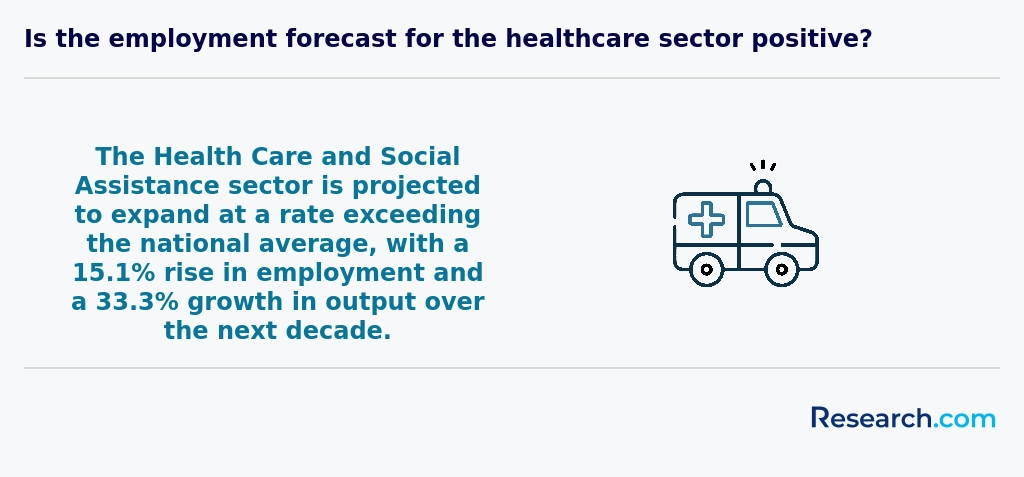
- The healthcare sector in Boston is growing rapidly, with a projected 15% increase in jobs over the next decade.
- Starting salaries after graduation range from $65,000 to $80,000, rising to $90,000-$110,000 with experience.
- Most programs offer flexible schedules and part-time options, with specialized tracks such as healthcare administration and nursing leadership.
- Online degrees often require some local in-person clinical experience at Boston-area hospitals or clinics.
How long does it take to complete online healthcare degree in Boston?
Completing an online healthcare degree in Boston generally takes about four years for a bachelor's and roughly two years for a master's, but these timelines can shift based on your pace and course load. Graduates from institutions like Boston University and Northeastern University often share how balancing work and study led them to choose part-time schedules, extending their program length slightly but allowing them to master the material deeply and avoid burnout.
Many students appreciate the flexibility Boston's online healthcare programs offer-especially the self-paced options-letting them accelerate when life allows or slow down during busy times. One graduate described finishing their master's in just 18 months by leveraging prior experience and summer courses, proving that your background and dedication can shorten the path.
Consider also factors like clinical internships, which Boston colleges require and can affect completion time. Living costs here are high, so some students opt to study part-time while working locally; this real-life juggling act influences the total duration but builds resilience and practical skills along the way.
Post-Graduation Success Strategies and Industry Trends
As you complete your online healthcare degree in Boston, MA, it’s important to prepare for the next phase of your career by staying informed on industry trends and actively pursuing professional development opportunities. In today’s rapidly evolving healthcare landscape, graduates benefit from regularly updating their skills through certifications, networking events, and continuous education programs. For instance, exploring programs such as cheap online medical billing and coding courses can provide you with a competitive edge while broadening your expertise in specialized areas. Additionally, engaging in mentorship programs, attending industry webinars, and keeping abreast of advancements in telehealth and data analytics can help you transition into leadership roles more seamlessly. By focusing on these post-graduation success strategies, you not only reinforce your academic accomplishments but also maximize your return on investment, ensuring a robust and resilient career in the dynamic field of healthcare.
What's the difference between online and on-campus healthcare degree?
Choosing between online and on-campus healthcare degrees in Boston comes down to your lifestyle and learning preferences. Graduates from local universities like Boston University often praise on-campus programs for their immersive environment-access to labs, face-to-face group work, and immediate feedback from faculty create a vibrant learning community. This can be especially motivating if you thrive on personal interaction and hands-on practice.
On the other hand, those balancing jobs or families find online programs from Boston-based schools offer invaluable flexibility. Imagine completing coursework on your own schedule while avoiding Boston's notorious traffic and high housing costs-some students note saving up to 40% annually by studying remotely. Still, these programs usually include hybrid elements, such as clinical hours at nearby healthcare facilities, ensuring you develop essential practical skills.
Both paths in Boston require accredited programs, ensuring your education meets professional standards. The key is understanding how each option fits your commitments and career goals, letting you confidently invest in your future.
Return on Investment: Balancing Affordability with Career Earnings
Calculating the true value of an online healthcare master’s degree goes beyond the sticker price: you need to weigh tuition costs against expected salary growth and career advancement. On average, graduates of Boston’s most affordable programs invest around $63,390 in tuition but can secure entry-level roles starting at $60,000–$70,000 annually, with experienced healthcare managers earning well over $100,000. By dividing your total program cost by the expected annual salary bump-typically $20,000–$30,000 compared to a bachelor’s degree holder-you can estimate a payback period of just 2–3 years. Several factors influence this ROI calculation: 1. Tuition and Fees: Look for schools with transparent, fixed per-credit rates and clear breakdowns of additional fees (technology, enrollment, etc.). 2. Financial Aid Impact: Federal grants (e.g., Pell, MASSGrant) and institutional scholarships can reduce your out-of-pocket cost by up to 50%, shortening your payback window. 3. Salary Projections: Specialty tracks like Health Informatics or Healthcare Financial Management often command 10%–20% higher starting salaries, further boosting ROI. 4. Career Services: Programs offering robust job placement support and employer partnerships expedite your transition from graduation to employment, maximizing early earnings. For comparisons across regions and to explore affordability trends in other markets, see our Low Cost Online Healthcare Degree Programs Ranking in Mount Pleasant, MI. Incorporating these ROI insights into your decision-making will help you choose a program that not only fits your budget but also accelerates your career growth.
What is the average cost of online healthcare degree in Boston?
The average cost of an online healthcare degree in Boston typically centers around $43,000, reflecting combined expenses across public and private institutions. Many graduates from local universities like the University of Massachusetts Boston share how the investment felt worthwhile, especially considering the region's strong healthcare sector and career opportunities. The in-state tuition rates often reduce the financial burden substantially, allowing students to find affordable online healthcare master's programs Boston MA without sacrificing quality.
For those exploring options, public universities in Boston usually offer programs costing between $15,000 to $30,000, while private schools can exceed $40,000 in total tuition fees. These figures align well with what many healthcare students experience when balancing study, work, and often family commitments. Scholarships, financial aid, and employer tuition reimbursement are commonly utilized tools that graduates recommend tapping into to lessen costs.
Envisioning yourself in this bustling academic and healthcare environment makes the journey feel real. Graduates frequently mention the accessibility of online formats from institutions like UMass Boston, which enable them to maintain full-time jobs while pursuing education-and that flexibility often justifies the program's cost. Prospective students can gain deeper insights by visiting the cheapest online healthcare school in massachusetts, useful for those seeking focused affordability without compromise.
Benefits of Pursuing an Online Healthcare Degree in Boston, MA
Earning an online healthcare degree in Boston comes with a host of advantages that can make your educational journey both rewarding and career-advancing. One key benefit is the ability to balance your studies with work and personal commitments while gaining access to world-class healthcare resources. Students enjoy the flexibility of asynchronous classes that allow them to learn at their own pace without compromising professional responsibilities. Additionally, the digital format opens doors to a robust network of mentors, industry professionals, and fellow students who share valuable insights and real-world experiences. Embracing an online learning environment also means leveraging advanced technology for virtual labs, simulations, and interactive coursework, all designed to build practical skills that employers value. For instance, connecting with the ranks of the cheapest online healthcare school in massachusetts can lead to notable financial savings as well as personalized career pathways. These benefits, alongside comprehensive support services and evolving industry trends, ensure that students not only receive quality education but also emerge well-prepared to tackle the challenges of the modern healthcare landscape.
What financial aid is available to online healthcare degree students in Boston?
Many online healthcare students in Boston find relief through federal student aid programs, which have been a cornerstone of my guidance to countless learners at institutions like Northeastern University and Boston University. Completing the FAFSA each year opens doors to Pell Grants and subsidized loans that can significantly ease financial stress. One graduate shared how this support transformed their ability to focus fully on nursing courses without the weight of overwhelming debt.
The state of Massachusetts also offers valuable help through programs like MassGrant, especially for those studying nursing or health administration online. This grant helped a fellow student at UMass Boston stay on track when balancing work and study became challenging.
Institutional scholarships tailored to healthcare students are widely available at Boston's top schools, often rewarding merit or financial need. Many graduates have taken advantage of partnerships between universities and local hospitals, which sometimes offer tuition reimbursement-a real game-changer when working within Boston's healthcare system.
Employer-sponsored tuition assistance programs are particularly strong in Boston's extensive healthcare networks. Several students I've mentored have leveraged this to cover significant portions of their tuition while gaining practical experience.
Finally, don't overlook scholarships from professional organizations like the American Nurses Association or HRSA. These offer opportunities especially meant for students pursuing careers in underserved areas, aligning perfectly with the mission-driven paths many Boston healthcare students choose.
Accreditation and Quality Assurance
Accreditation ensures your online master's in healthcare is recognized by employers and qualifies for federal aid. Programs in Boston may hold accreditation from:
- Commission on Accreditation of Healthcare Management Education (CAHME)
- Council on Education for Public Health (CEPH)
- Accreditation Commission for Health Informatics and Information Management Education (CAHIIM)
- American Nurses Credentialing Center (ANCC) for nursing leadership tracks
Always verify a program’s accreditation status on the school’s website. For cost-conscious students, an affordable healthcare administration degree online with proper accreditation can balance quality and budget.
What are the prerequisites for enrolling in online healthcare degree program in Boston?
To enroll in an online healthcare degree in Boston, you'll first need a bachelor's degree, preferably in health sciences, nursing, biology, or a related field. Graduates from institutions like Northeastern University or Boston University found that having this strong academic foundation not only opens doors but also builds confidence to tackle advanced coursework.
Many programs also expect a solid GPA-around 3.0-and relevant professional experience. For example, some students pursuing a Master of Health Administration gained valuable healthcare management experience that allowed them to contribute meaningfully during classes and internships. Others aiming for a Master's in Nursing benefited from holding a registered nurse license and clinical hours before applying.
Imagine preparing by completing prerequisite courses in biology or healthcare ethics if your undergraduate degree was in a different field. This is common for students at institutions like Simmons University, who found these classes instrumental to their success.
Finally, reliable technology and internet access are essential, given the online nature of these programs. Knowing these requirements ahead of time helps keep your learning seamless and fulfilling.
Return on Investment and Career Outcomes
When evaluating the true value of an online healthcare master’s program in Boston, it’s essential to look beyond sticker price and consider both your debt-to-earnings ratio and job placement rates. On average, graduates carry student loan balances around $30,000 to $40,000 for these master’s programs, but entry-level salaries often start between $60,000 and $70,000-meaning many alumni can recoup their investment within four to five years of full-time employment. Recent data shows a median job placement rate of 85% within six months of graduation for accredited institutions in Boston, underscoring strong employer demand. Moreover, combining your master’s coursework with short-term certifications can boost early earnings and reduce reliance on loans. For instance, students pursuing an advanced degree while completing a medical assistant 6 week program have reported securing part-time roles that help offset tuition costs and build hands-on experience before they even finish their master’s. This dual-track approach not only accelerates your path to higher wages but also strengthens your resume for management and leadership positions. When comparing total cost of attendance-including tuition, fees, and living expenses-to starting salaries, the average ROI for these Boston programs is estimated at 15% annual return over the first five years post-graduation. Programs with strong alumni networks and dedicated career services often push placement rates above 90%, making them top choices for budget-conscious students who still demand robust employment outcomes. By prioritizing both affordability and proven career support, you’ll ensure your online healthcare master’s delivers measurable returns on your educational investment.
What courses are typically in online healthcare degree programs in Boston?
When you dive into an online healthcare degree in Boston, you'll engage with courses that truly prepare you for the dynamic healthcare landscape here. Graduates from leading institutions like Boston University and Northeastern often recall how classes such as Healthcare Ethics and Law challenged them to think critically about real-world medical decisions impacting patient care.
Core courses in Healthcare Policy and Management unravel the complexities of the US healthcare system, a crucial skill for anyone aiming to lead or innovate within Boston's renowned healthcare networks.
Many students find Health Informatics particularly rewarding, as it equips them with the ability to manage electronic health records-a skill increasingly in demand as Boston hospitals adopt cutting-edge technology.
Epidemiology and Public Health courses connect learners to Boston's active public health initiatives, making lessons feel immediate and meaningful.
Additional classes on Healthcare Finance and Research Methods prepare students to analyze data and manage resources effectively, bridging theory with practical success stories heard from alumni who now excel in local healthcare administration.
What types of specializations are available in online healthcare degree programs in Boston?
When pursuing an online healthcare degree in Boston, you'll find a variety of specializations designed to align with your passions and career goals. Many graduates from well-regarded Boston institutions focus on Healthcare Management, which equips them for leadership roles in hospitals or clinics. These students gain skills in healthcare policy and finance, preparing them to navigate Boston's dynamic medical landscape. Others dive into Public Health, tackling urban and community health issues with support from the city's strong public health network, including the Boston Public Health Commission.
For those drawn to nursing, Nursing Education and Leadership programs offer pathways to advanced roles, with coursework emphasizing patient care coordination and health informatics. Graduates often speak about how programs at colleges like Simmons University enriched their practical skills. Health Informatics is another thriving track, blending technology and healthcare for managing electronic health records in Boston's tech-forward environment. Exploring specialized degrees such as Occupational Therapy, Healthcare Quality and Safety, and Clinical Research further reflects the variety available in healthcare master's program tracks Boston MA students can access.
Practical advice: to balance budgets while studying, consider affordable paths, including cheap online medical billing and coding courses, which can complement your degree and expand your career options.
How do you choose the best online healthcare degree in Boston?
Choosing the best online healthcare degree in Boston means focusing on programs with strong accreditation and local healthcare connections. Graduates from well-known Boston colleges often praise how their accredited programs, recognized by CCNE or ACEN, opened doors to thriving hospitals and medical centers nearby. Considering affordable online healthcare degrees Boston offers, it's wise to explore tuition options and scholarships, as costs here can be higher than the national average but financial aid is often available.
Specialization is key-whether you aim for nursing, health informatics, or administration, Boston's online programs allow you to align your studies with career goals. Many students appreciate flexible formats that fit busy lives, like asynchronous courses perfect for working professionals balancing schedules. Some also choose accelerated paths, like a medical assistant 6 week program, to jumpstart their careers rapidly.
Finally, seek programs with strong job placement ties to Boston's healthcare institutions; graduates frequently share how internships and local networking helped them secure meaningful roles in this competitive market. This practical approach will guide you toward the best online healthcare programs Boston MA can provide.
What career paths are available for online healthcare degree students in Boston?
Graduates of online healthcare degrees in Boston find themselves stepping into diverse and rewarding career paths that reflect the city's robust medical landscape. Many have become healthcare administrators, managing complex operations in hospitals or nursing homes while enjoying the competitive salaries that Boston's advanced healthcare infrastructure supports. Others thrive as public health professionals, applying their knowledge of epidemiology and health policy to improve community well-being through organizations like the Boston Public Health Commission.
Notably, students pursuing programs in health informatics or healthcare data analytics often secure roles that blend clinical insight with cutting-edge technology-positions that are growing rapidly in Boston's research centers and hospitals. These paths align perfectly with the rising demand in healthcare job opportunities Boston MA offers, inspiring graduates who balance their studies at renowned institutions with practical work.
For those concerned about tuition costs, exploring options like the Low Cost Online Healthcare Degree Programs Ranking in Mount Pleasant, MI can provide practical financial guidance while aiming for high-impact careers.
What is the job market for online healthcare degree in Boston?
The job market for graduates holding an online healthcare degree in Boston is exceptionally promising. Boston's vibrant healthcare sector, home to renowned universities and medical centers like Harvard and Boston University, offers numerous healthcare career opportunities Boston MA that graduates can tap into. Many alumni from these institutions find rewarding roles in healthcare administration, health informatics, and public health, benefiting from strong collaborations between hospitals and universities.
For those pursuing an online healthcare degree jobs Boston provides a growing demand fueled by an aging population and cutting-edge research initiatives. Graduates frequently share how the combination of flexible online learning and Boston's dynamic industry helped them secure positions at top hospitals like Massachusetts General Hospital. These roles often come with competitive salaries, reflecting the city's investment in healthcare innovation and management.
If you're exploring ways to start or advance your career, consider options that balance affordability and impact. Some students recommend checking out programs that guide you toward easy phd programs when planning to continue education beyond a master's, to maintain momentum in this thriving market.
Frequently Asked Questions About healthcare
Students pursuing online healthcare degrees in Boston can enhance their learning experience by taking advantage of local healthcare networks and resources. Boston is home to world-renowned medical institutions like Massachusetts General Hospital and Boston Children's Hospital, providing opportunities for virtual internships and research collaborations. According to the Massachusetts Department of Public Health, the city's healthcare sector employs over 100,000 people, highlighting strong local demand for skilled professionals.
Engaging actively in online discussions and utilizing campus resources such as virtual tutoring can improve comprehension and retention. Additionally, aligning studies with Boston's healthcare priorities, including elderly care and public health, helps students prepare for the city's job market.
The healthcare industry is rapidly evolving, and several emerging niches offer promising career opportunities for students pursuing online healthcare degrees in Boston. One key area is telehealth, which has expanded dramatically due to the COVID-19 pandemic. According to the Massachusetts Health & Hospital Association, telehealth services increased by over 9,000% in 2020 statewide.
Another growing field is healthcare informatics, focusing on data management and analysis to improve patient care outcomes. Boston's strong tech and biotech sectors support this trend, with numerous organizations investing in electronic health records and AI-driven diagnostics.
Additionally, mental health specialties, including digital behavioral therapy, are gaining importance as public awareness and funding rise.
After completing an online healthcare degree in Boston, preparing for the job market involves several key steps. Networking within Boston's extensive healthcare community is crucial; consider joining local organizations such as the Massachusetts Health Council. Gaining practical experience through internships or volunteer roles at Boston medical centers like Massachusetts General Hospital can strengthen your resume.
Licensure and certification are essential, depending on your specialty-verify requirements with the Massachusetts Board of Registration in Medicine or Nursing. Familiarize yourself with Boston's healthcare industry trends; for example, healthcare employment in the Boston metro area grew by 3.8% from 2021 to 2023 (U.S. Bureau of Labor Statistics).
Leveraging online job portals focused on Boston healthcare positions and attending career fairs hosted by local universities can improve your chances. Strong communication skills and familiarity with healthcare technologies remain in high demand across Boston's clinical settings.
Employers in Boston's healthcare sector prioritize graduates who demonstrate strong clinical knowledge and critical thinking skills. Given the city's advanced medical centers, such as Massachusetts General Hospital and Boston Children's Hospital, candidates with the ability to navigate complex healthcare environments are highly valued. Communication skills are also essential, as healthcare professionals must effectively collaborate with patients and interdisciplinary teams.
According to the Massachusetts Department of Public Health, proficiency in health informatics and data analysis is increasingly important due to Boston's focus on innovative healthcare technology. Additionally, employers seek graduates familiar with regulatory compliance and patient privacy laws like HIPAA. These combined skills prepare graduates for the dynamic demands of Boston's healthcare job market.
Finding internships in Boston relevant to an online healthcare degree involves using multiple local resources. Boston, known for its dense concentration of hospitals and medical research centers, offers abundant opportunities.
Start by exploring partnerships between your online program and Boston healthcare institutions such as Massachusetts General Hospital or Boston Medical Center. These affiliations often provide internship placements reserved for students.
Additionally, use Boston's healthcare job portals like MassBioCareers and the Massachusetts Health and Hospital Association's internship listings. According to the Massachusetts Executive Office of Labor and Workforce Development, healthcare roles in Boston are projected to grow 14% by 2030, increasing internship availability.
Networking through professional organizations like the Massachusetts Public Health Association can also help secure placements.
Online healthcare degrees in Boston significantly enhance career mobility and advancement opportunities. Boston's healthcare sector is one of the largest employers in the region, with a 5% growth rate projected through 2028 by the Massachusetts Executive Office of Labor and Workforce Development. Earning a degree online allows working professionals to gain advanced skills without interrupting their current careers.
Graduates with online healthcare degrees often qualify for leadership roles in hospitals, research institutions, and public health. For example, Boston has more than 40 hospitals and medical centers where advanced credentials are highly valued.
Moreover, the flexibility of online programs enables students to tailor their education to emerging healthcare trends, improving employability in highly competitive local job markets.
Studying for a healthcare degree in Boston offers strong preparation for interdisciplinary roles due to the city's diverse medical community and academic resources. Boston is home to top-ranked institutions and numerous hospitals, providing students access to case studies that highlight collaboration across fields such as nursing, public health, and healthcare management.
Online programs also emphasize teamwork, communication, and leadership skills, which are essential in interdisciplinary settings. According to the Massachusetts Department of Public Health, Boston's healthcare workforce is among the most integrated in the state, which influences curriculum design to foster cross-sector understanding.
Students gain exposure to healthcare trends affecting Boston's urban population, including chronic disease management and health technology advancements. This multifaceted training equips graduates to navigate complex healthcare environments efficiently.
When choosing between a thesis and a non-thesis healthcare degree program in Boston, consider your career goals carefully. Thesis programs typically require original research and are suited for students aiming for roles in research, academia, or advanced clinical practice. Non-thesis options often emphasize practical skills and are designed for professionals seeking leadership or administrative positions.
Boston hosts some of the nation's top healthcare education institutions, with many online programs reflecting rigorous academic standards. According to the Massachusetts Department of Higher Education, healthcare remains a leading employment sector in Boston, with over 140,000 workers in 2023. This demand influences program offerings and outcomes.
Thesis tracks usually take longer due to research requirements but provide a stronger foundation for PhD studies. In contrast, non-thesis tracks may be faster, focusing on coursework and practical application. Both pathways are respected in Boston's healthcare community, so aligning the choice with your professional aspirations and time commitment is essential.
Students based in Boston interested in studying healthcare abroad through online programs have several options within the US system that partner with international institutions. Many accredited universities in Boston, such as Northeastern University and Boston University, offer online healthcare degrees that include global health perspectives or collaborative study overseas.
These programs often feature virtual internships or exchange opportunities with hospitals and clinics worldwide, allowing students to gain practical international experience without relocating. Additionally, Boston's prominence in healthcare and medical research fosters robust connections with foreign institutions, enhancing study abroad possibilities.
The Massachusetts Department of Higher Education reports that over 25% of healthcare students enrolled in Boston online programs participate in international collaborations, reflecting strong demand. Accreditation by US bodies such as the Commission on Collegiate Nursing Education (CCNE) ensures quality and global recognition of these degrees.
Boston offers a variety of part-time job opportunities that complement healthcare degree education, especially for online students. Roles such as medical scribe, patient care technician, and pharmacy assistant provide practical experience while accommodating flexible schedules. According to the Massachusetts Executive Office of Labor and Workforce Development, healthcare support roles in Boston have seen a 12% growth over recent years, highlighting demand.
Working in hospitals affiliated with top institutions like Massachusetts General Hospital or Boston Medical Center enables students to apply theoretical knowledge in clinical settings. Additionally, positions in public health outreach and medical billing can strengthen administrative skills relevant to healthcare management.
These roles not only enhance resumes but also facilitate stronger professional networks in Boston's robust healthcare sector.
Online healthcare students in Boston have access to a variety of networking opportunities despite the remote format. Many local universities offer virtual events, including seminars and career fairs, specifically geared toward healthcare fields. For example, schools like Northeastern University and Boston University frequently host online mixers and workshops that connect students with alumni and industry professionals.
The Boston healthcare market is among the nation's largest, with over 30 major hospitals and numerous research centers, creating abundant chances for virtual internships and mentorships. According to the Massachusetts Department of Public Health, collaboration and networking are vital for career growth in the region's health sector.
Professional organizations such as the Massachusetts Public Health Association provide virtual memberships and meetups for students, helping expand local contacts remotely. This ecosystem supports online learners in building meaningful professional relationships in Boston's healthcare community.
Alumni networks play a crucial role for online healthcare degree students in Boston by providing valuable professional connections. Boston houses a large healthcare industry, including world-renowned hospitals and research centers, making networking essential for career advancement.
These networks offer mentorship opportunities from graduates who are often active in Boston's healthcare sector. According to the Greater Boston Chamber of Commerce, healthcare accounts for over 25% of the city's jobs, highlighting ample professional openings.
Participation in alumni events can also lead to collaborations, internships, or job offers that might not be widely advertised. Furthermore, alumni channels often share local insights on Boston's evolving healthcare needs, giving students an edge.
Customizing an online healthcare degree program in Boston allows students to tailor their education to specific career goals. Many Massachusetts institutions offer specializations such as healthcare administration, nursing leadership, or public health. Choosing electives relevant to Boston's healthcare landscape, like courses focusing on urban health or elder care, can provide practical skills aligned with local demand.
Boston is home to world-renowned hospitals and research centers, which can offer virtual internships or project collaborations. Utilizing these opportunities enhances real-world experience.
Additionally, online programs often allow flexible pacing and combined degree options, helping working professionals balance studies with career growth.
According to the Massachusetts Department of Public Health, demand for healthcare administrators in Boston is projected to grow 16% by 2028, making targeted programs essential for career advancement.
Online healthcare students in Boston frequently encounter challenges related to balancing rigorous coursework with professional or personal responsibilities. Many learners are working full-time in healthcare settings where staff shortages and high patient demand can cause scheduling conflicts. According to the Massachusetts Department of Public Health, Boston's healthcare sector is one of the region's largest employers, intensifying these time-management pressures.
Another issue is limited hands-on clinical opportunities. Although Boston offers numerous healthcare facilities, remote learners may find securing local practicums difficult due to competition and approval processes. Additionally, students report adapting to online learning platforms and staying engaged without in-person interaction as hurdles, especially in clinical skill development.
Access to reliable broadband can also affect students, with some facing connectivity problems that disrupt live sessions or exams. Finally, navigating financial aid and licensing requirements in Massachusetts adds complexity, as students must align online programs with state-specific healthcare regulations.
With an online healthcare degree, students in Boston can pursue various professional certifications to enhance their careers. Common certifications include Certified Healthcare Administrator (CHA), Certified Medical Manager (CMM), and Registered Health Information Administrator (RHIA). These credentials often require a combination of education, experience, and passing an exam.
Boston's healthcare sector, one of the largest in the U.S., supports strong demand for certified professionals. According to the Massachusetts Department of Higher Education, holders of these certifications may see significant salary boosts, sometimes exceeding 15% over non-certified peers.
Additionally, certifications like Certified Professional in Healthcare Quality (CPHQ) are highly valued for managing healthcare quality and safety.
To write a winning application for an online healthcare program in Boston, start by clearly demonstrating your commitment to healthcare. Highlight any relevant experience, such as work or volunteer roles in Boston's extensive hospital network, including Massachusetts General Hospital or Boston Medical Center.
Emphasize your academic readiness by showcasing strong transcripts and standardized test scores if required. Boston's healthcare sector is growing rapidly, with the Massachusetts Department of Public Health reporting a 5% job increase in health professions from 2020 to 2023, making this a competitive field.
Tailor your personal statement to reflect your goals and understanding of local healthcare challenges, such as addressing urban health disparities.
Secure strong recommendation letters from professionals familiar with your healthcare skills or academic performance. Lastly, proofread carefully and meet all deadlines for Boston-based programs to increase your chances of acceptance.
Healthcare careers are highly valued worldwide due to increasing demand for skilled professionals. In the United States, and specifically Boston, the healthcare sector is a major economic driver, employing over 15% of the workforce as of 2023 (U.S. Bureau of Labor Statistics). Boston's strong network of hospitals and research centers offers abundant opportunities.
Globally, healthcare jobs are expected to grow by 13% through 2032, faster than average for all occupations (BLS). Online healthcare degrees provide flexibility and accessibility for Boston students, aligning with international trends favoring remote and hybrid education models.
These programs prepare graduates to meet global standards and local demands alike, enhancing career mobility worldwide.
Gaining practical experience while pursuing an online healthcare degree in Boston is essential for career readiness. Many programs incorporate clinical placements or practicum requirements, where students partner with local hospitals, clinics, or public health organizations in the Boston area. These hands-on opportunities allow students to apply theoretical knowledge in real-world settings.
Boston, home to world-renowned medical centers like Massachusetts General Hospital and Boston Children's Hospital, offers diverse environments for clinical experience. Students often coordinate with their program advisors to secure suitable placements that comply with online coursework schedules. According to the Massachusetts Department of Public Health, practical experiences improve employment prospects by up to 30% in healthcare fields.
Additionally, some programs provide virtual simulations and case studies to supplement in-person training. Volunteering at local healthcare nonprofits or participating in research projects through Boston universities is another way to gain practical exposure while studying remotely.
Choosing the right concentration within an online healthcare degree program in Boston begins with assessing your career goals. Boston is a healthcare hub, with strong demand for specialties like healthcare management, public health, and health informatics. According to the Massachusetts Department of Public Health, healthcare occupations in the region are projected to grow by 14% through 2030.
Consider your current skills and interests. If you enjoy data and technology, health informatics could be ideal. For leadership roles in hospitals or clinics, healthcare administration is a practical choice. Public health concentrations focus on community health, important given Boston's diverse population.
Research local employer needs by reviewing job postings in Boston-area hospitals and clinics. Programs aligned with regional health priorities often increase job opportunities post-graduation.
Related Healthcare Rankings for Nearby Cities
- 2027 Most Affordable Online Healthcare Degree Programs Ranking in North Dartmouth, MA
- 2027 Most Affordable Online Healthcare Degree Programs Ranking in Saratoga Springs, NY
- 2027 Most Affordable Online Healthcare Degree Programs Ranking in Dobbs Ferry, NY
- 2027 Most Affordable Online Master's in Healthcare Degree Programs Ranking in New York, NY
- 2027 Most Affordable Online Healthcare Degree Programs Ranking in South Orange, NJ
- 2027 Most Affordable Online Healthcare Degree Programs Ranking in West Long Branch, NJ
- 2027 Most Affordable Online Bachelor's in Healthcare Degree Programs Ranking in Utica, NY
- 2027 Most Affordable Online Healthcare Degree Programs Ranking in Oswego, NY
- 2027 Most Affordable Online Bachelor's in Healthcare Degree Programs Ranking in Philadelphia, PA
- 2027 Most Affordable Online Healthcare Degree Programs Ranking in Rochester, NY
Top Trending Healthcare Rankings
See What Experts Have To Say About Studying Healthcare
Read our interview with Healthcare experts

References
- Trends and opportunities in healthcare across emerging markets - Inizio https://inizio.com/insights/trends-and-opportunities-in-healthcare-across-emerging-markets/
- What are the top 10 skills that'll get you a job when you graduate? https://targetjobs.co.uk/careers-advice/skills-for-getting-a-job/what-are-top-10-skills-thatll-get-you-job-when-you-graduate
- Advance Your Education and Career While Working in Healthcare https://www.hospitalrecruiting.com/blog/4236/advance-your-education-and-career-while-working-in-healthcare/
- Online Healthcare Degree-Accredited Programs https://nursinglicensemap.com/resources/healthcare-degree-programs/
- Boston University Medical School: A Comprehensive Overview https://my.sancarlo.co.uk/sancarlo-news/boston-university-medical-school-a-comprehensive-overview-1767647815
- How Long Does It Take to Earn a Healthcare Administration Degree Online? https://campus.edu/blog/hash-campus/how-long-does-it-take-to-earn-a-healthcare-administration-degree-online
- Niche Markets in Healthcare https://ultrariskadvisors.com/niche-markets-in-healthcare/
- Employability Skills Matrix for the Health Sector https://www.skillsforhealth.org.uk/resources/employability-skills-matrix/
- Career Opportunities in Healthcare Without a Medical Degree https://www.just-medical.ch/en/blog/medical-careers-without-formal-education
- EDUCARE – Medical Education and Training Courses https://www.bostonscientific.com/en-US/education.html


