
2027 Most Affordable Healthcare Degree Programs Ranking in Henderson

Co-Founder and Chief Data Scientist
Exploring healthcare degree options in Henderson can feel overwhelming, but finding an affordable, quality program is key to your future success. This article introduces the 2027 Most Affordable Healthcare Degree Programs Ranking in Henderson, developed by the Research.com team of data scientists to guide you in making informed decisions.
By reading this ranking, you'll discover programs that balance cost and quality, helping you pursue a fulfilling career in healthcare without unnecessary financial stress. A healthcare degree opens doors to meaningful work and long-term stability-this guide is here to help you start that journey with confidence.
Key benefits of getting healthcare degree in Henderson
- Healthcare degree graduates in Henderson can expect competitive salaries such as $43,350 annually for Medical Assistants and Clinical Research Coordinators, $60,790 for Patient Care Technicians, and up to $103,150 for Quality Improvement Coordinators, offering strong financial stability.
- Graduates from Henderson's popular colleges often find diverse career paths in clinical support, research, and health information technology, enabling them to choose roles that best fit their interests and goals.
- Online healthcare degrees provide flexible scheduling and cost savings, as showcased by Henderson's online graduates who balance work and study efficiently while gaining the same valuable skills as traditional students.
- Key benefits of getting healthcare degree in Henderson
- What can I expect from healthcare degree in Henderson?
- Where can I work with healthcare degree in Henderson?
- How much can I make with healthcare degree in Henderson?
- 2027 Most Affordable Healthcare Degree Programs Ranking in Henderson
- Key Findings
- How long does it take to complete healthcare degree in Henderson?
- Accreditation and Licensing Requirements
- What's the difference between online and on-campus healthcare degree?
- Continuing Education and Professional Development in Healthcare
- What is the average cost of healthcare degree in Henderson?
- Licensure and Certification Guidance
- What financial aid is available to healthcare degree students in Henderson?
- Application Process and Admission Tips
- What are the prerequisites for enrolling in healthcare degree program in Henderson?
- Accreditation and Licensure for Healthcare Programs in Henderson, NV
- What courses are typically in healthcare degree programs in Henderson?
- What types of specializations are available in healthcare degree programs in Henderson?
- How do you choose the best healthcare degree in Henderson?
- What career paths are available for healthcare degree students in Henderson?
- What is the job market for healthcare degree in Henderson?
- Top Trending Healthcare Rankings
- See What Experts Have To Say About Studying Healthcare
What can I expect from healthcare degree in Henderson?
Healthcare students in Henderson typically find tuition costs more affordable than in larger cities, with public community colleges offering some of the best rates. For example, a graduate from a well-known community college in Henderson often shares how flexible schedules and reasonable tuition helped balance work and study without overwhelming debt.
On average, tuition ranges depending on the program level-associate degrees usually fall within lower tuition brackets, while bachelor's degrees cost more but remain competitive compared to nationwide prices. Practical training and clinical placements at local hospitals, such as St. Rose Dominican Hospital, are included without extra fees, making hands-on experience financially accessible.
Many students benefit from scholarships and financial aid targeted to healthcare fields, thanks to growing workforce demand locally. Graduates often report relief and satisfaction knowing their investment provided a clear path to stable jobs with rising salaries in Henderson's expanding healthcare market.
Where can I work with healthcare degree in Henderson?
With a healthcare degree earned from institutions like the College of Southern Nevada in Henderson, graduates find diverse job opportunities right at their doorstep. Many quickly secure positions in hospital systems such as St. Rose Dominican Hospital, where roles range from nursing to health administration. One graduate shared how starting as a medical technician there offered valuable hands-on experience and steady career growth.
Others leverage their degrees by working in outpatient clinics or urgent care centers flourishing around Henderson. Jobs like physical therapist assistant or medical assistant, which often require associate or bachelor's degrees, provide rewarding, well-paying positions close to home. Graduates value the balance between meaningful patient interaction and predictable schedules these roles offer.
Graduates with a passion for community health find roles in local public health agencies or nonprofits, driving programs that improve population wellness. Additionally, those focused on elder care benefit from expanding opportunities in Henderson's assisted living and long-term care facilities, addressing a growing need as the senior population rises.
Lastly, Henderson's budding healthcare tech and insurance sectors open doors to careers in case management and clinical consulting, where analytical skills complement healthcare knowledge. This practical flexibility means healthcare graduates in Henderson often feel optimistic and prepared for a stable, impactful career.
How much can I make with healthcare degree in Henderson?
Graduates with healthcare degrees in Henderson can expect a range of salaries based on their chosen role and level of expertise. For instance, medical assistants typically earn around $43,350 annually, reflecting entry-level opportunities available locally. Meanwhile, patient care technicians have a higher mean annual wage near $60,790, giving those with more specialized training a noticeable boost.
Health information technicians, another viable pathway for graduates from Henderson's well-regarded community colleges, see earnings close to $43,380 yearly. These roles often appeal to students looking for tech-based healthcare careers. Clinical research coordinators also start with salaries near $43,350, which can rise with experience in research settings commonly affiliated with Henderson universities.
Those aiming higher can target positions like quality improvement coordinators, which command salaries upwards of $103,150 per year, rewarding graduates who pursue certifications and leadership roles after programs at local institutions. Many recent graduates appreciate that Henderson's expanding healthcare sector offers practical, well-paying career steps matched to their education and vocational focus.
2027 Most Affordable Healthcare Degree Programs Ranking in Henderson
How do we rank schools?
Investing in one's education is a significant decision that requires careful consideration, and the Research.com team fully recognizes this responsibility. To support prospective students in Henderson, we have carefully developed the "2027 Most Affordable Healthcare Degree Programs Ranking in Henderson." Our dedication to quality, credibility, and accuracy is demonstrated through rigorous research and thorough data analysis. We utilized the following reputable data sources to create a trustworthy and comprehensive ranking:
By consulting this ranking, readers gain valuable insights into affordable healthcare degree options in Henderson, enabling well-informed educational and financial decisions. For a detailed explanation of our methodology, please visit our Research.com methodology page.

# 3 position
Touro University Nevada
Master of Science in Nursing

# 4 position
Roseman University of Health Sciences
Bachelor of Science in Health Science

# 5 position
Roseman University of Health Sciences
MS in Pharmacy
Key Findings
- Healthcare degree tuition in Henderson typically ranges from $7,000 to $15,000 per year at public institutions.
- Private colleges and advanced degrees like nursing or health administration usually cost more than public college programs.
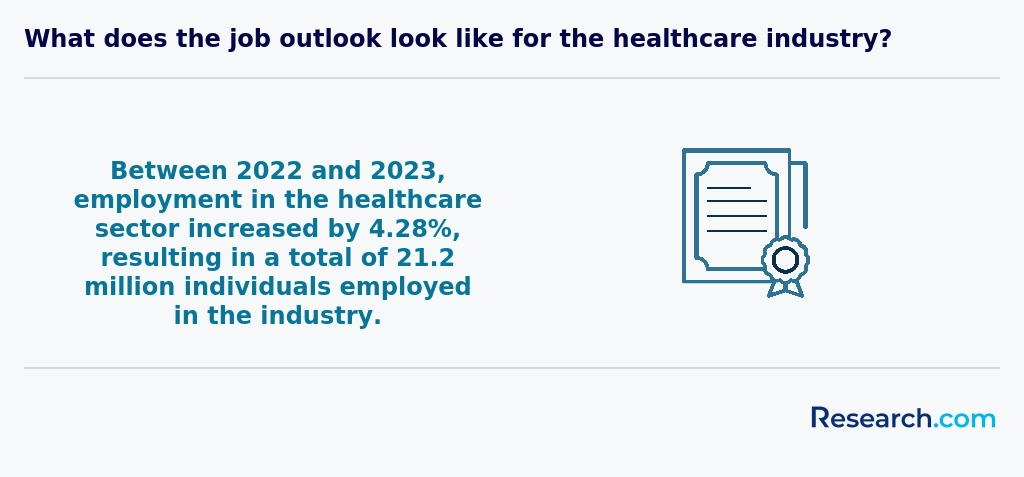
- The healthcare job market in Henderson is growing about 15% from 2022 to 2032, faster than the national average.
- Entry-level healthcare salaries in Henderson range from $40,000 to $55,000 annually depending on the role.
- Mid-career healthcare professionals often earn more than $75,000 per year in the Henderson area.
- Local healthcare facilities provide important internship and clinical training opportunities for hands-on experience.
How long does it take to complete healthcare degree in Henderson?
Completing a healthcare degree in Henderson depends largely on the program and your time commitment. For example, many graduates from the College of Southern Nevada share that their associate degrees, like the Associate of Applied Science in Nursing, take about two years of full-time study. This timeline feels manageable and motivating for those balancing work or family.
Bachelor's degrees, such as the Bachelor of Science in Nursing offered at the University of Nevada, Las Vegas, typically take four years. Students often describe this as an enriching journey, providing deeper skills and opening doors to advanced career opportunities.
Advanced degrees-like a Master of Science in Nursing-usually require between 1.5 and 3 years after the bachelor's program. Many working professionals appreciate the flexible formats that Henderson's institutions offer, allowing them to grow clinically while maintaining their jobs.
Factors like being full-time or part-time, online or in-person classes, and clinical rotations can adjust your timeline, so planning carefully with your chosen school in Henderson is key.
Accreditation and Licensing Requirements
Accreditation is a critical indicator of program quality and directly impacts your eligibility for state licensure and professional certification. In Henderson, NV, reputable healthcare degree programs hold regional accreditation from bodies such as the Northwest Commission on Colleges and Universities (NWCCU) and programmatic accreditation from organizations like the Commission on Collegiate Nursing Education (CCNE) or the Commission on Accreditation of Allied Health Education Programs (CAAHEP). Before enrolling, verify that your chosen institution’s healthcare track is recognized by the Nevada State Board of Nursing or the Nevada State Board of Medical Examiners, as required for roles like registered nurse (RN) or physician assistant (PA). Licensure requirements vary by profession: nursing candidates must pass the NCLEX-RN exam, while medical assisting or diagnostic sonography graduates may need credentials from AAMA or ARDMS. Research each program’s first-time exam pass rates and job placement statistics-these metrics reflect both curriculum rigor and clinical partnerships with local hospitals and clinics. When comparing affordability alongside accreditation, consider exploring our Low Cost Online Healthcare Degree Programs Ranking in Minnesota to see how accredited online options stack up in cost and outcomes. Additionally, contact program advisors to confirm clinical hour requirements, preceptorship opportunities, and state reciprocity if you plan to practice outside Nevada. Ensuring your degree meets accreditation and licensing standards safeguards your investment, accelerates your path to credentialing, and maximizes long-term career prospects in healthcare.
What's the difference between online and on-campus healthcare degree?
Choosing between online and on-campus healthcare degrees in Henderson means weighing flexibility against hands-on experience. Graduates from popular local institutions often highlight how online programs fit around jobs or family life, allowing them to study lectures and complete assignments remotely at their own pace. Yet, they also stress the importance of scheduled clinicals at nearby hospitals to gain essential practical skills required for licensure.
On the other hand, students who opted for on-campus degrees at Henderson's colleges appreciate daily face-to-face interactions with instructors and peers, which enhance learning and boost confidence. They regularly mention the advantage of simulation labs and immediate access to campus resources, which prepare them better for real-world patient care scenarios.
Cost-wise, graduates note on-campus tuition typically ranges between $6,000 and $8,000 annually, while online courses may save on some fees but include extra expenses like technology or travel for in-person sessions. Balancing these factors helps students decide what fits their lifestyle and career goals best.
Continuing Education and Professional Development in Healthcare
As the healthcare landscape evolves, continuous learning and professional development are essential for staying competitive and advancing your career. This section explores various pathways for further education, specialized certifications, and practical training that can help healthcare graduates adapt to emerging trends and technological innovations. Many professionals benefit from pursuing advanced degrees or targeted programs that enhance their skills in areas such as health informatics, patient care management, and leadership. For instance, programs like biotechnology masters online not only provide cutting-edge knowledge but also offer flexible formats to suit busy professionals. Additionally, mentorship initiatives, networking opportunities, and industry partnerships play a critical role in professional growth by connecting graduates with experienced practitioners who share insights and best practices. Embracing a commitment to lifelong learning empowers healthcare professionals to navigate challenges in the field, improve patient outcomes, and open doors to new career opportunities while ensuring their expertise remains relevant in a fast-paced industry.
What is the average cost of healthcare degree in Henderson?
The average cost of a healthcare degree in Henderson is notably affordable, especially when considering in-state tuition rates. Most students pursuing healthcare degrees at local public colleges pay around $6,765 total for their education. This affordability is a key factor for those who want quality training without a heavy financial burden. Graduates from the College of Southern Nevada often mention how the low in-state tuition combined with practical program offerings allowed them to focus on their studies and clinical work without overwhelming debt.
Of course, costs vary depending on the institution and program. Private universities near Henderson have tuition closer to $35,000 annually, making their total cost much higher across the typical four-year span. For many prospective students, these figures highlight the value in exploring public colleges for affordable healthcare degree programs Henderson 2027. Real-life experiences from graduates show that selecting a community college or state university can significantly reduce financial stress while still paving the way to successful healthcare careers.
It's important to remember that tuition isn't the only expense. Textbooks, lab fees, uniforms, and clinical placements add to the total cost, though these are often manageable with proper planning. Living expenses in Henderson are moderate compared to larger cities, which helps keep overall costs reasonable. For those seeking detailed tuition information and aid options, consulting resources like the Nevada System of Higher Education and College Navigator is highly recommended. Students also frequently turn to the cheapest healthcare school in nevada listings to find money-saving opportunities.
Licensure and Certification Guidance
For many healthcare careers, earning your degree is only the first step toward a fulfilling professional journey. Graduates must also navigate the complex process of obtaining necessary licensure and certifications that validate their skills and competence in specialized fields. In Henderson, NV, healthcare programs often incorporate preparatory modules for state and national licensing exams, but prospective students should also seek out additional resources and support services to excel in these assessments. Key areas to focus on include understanding the specific exam requirements for your chosen specialty, scheduling timely exam appointments, and taking advantage of study groups or review courses offered by institutions. As you evaluate your options, you might consider reviewing rankings that assess both academic quality and cost-effectiveness-tools such as the cheapest healthcare school in nevada can provide valuable insights into programs that balance affordability with strong licensure preparation. Moreover, staying updated on changes in accreditation standards and certification regulations is crucial for long-term career success in the rapidly evolving healthcare landscape.
What financial aid is available to healthcare degree students in Henderson?
Healthcare students in Henderson often rely on multiple financial aid sources to manage costs effectively. Graduates from institutions like College of Southern Nevada shared how applying for the FAFSA unlocked access to Pell Grants, which provided up to $7,395 annually-helping those from lower-income families avoid heavy debt. Many also utilized federal loans with manageable repayment plans, easing the financial strain during their studies.
State aid is another practical resource. For example, the Nevada Governor Guinn Millennium Scholarship covered tuition costs for some Henderson community college students, removing a big financial hurdle. Additionally, the Silver State Opportunity Grant supported students demonstrating both financial need and strong academic performance, which one graduate credited for enabling focus on clinical training without constant financial worry.
Scholarships targeted at healthcare fields are common too. Local healthcare providers and nonprofits often offer awards for nursing and allied health students, making it easier to stay motivated and committed. Work-study positions at Henderson hospitals allowed others to gain valuable experience while earning at the same time, creating a win-win scenario.
Finally, if you're already working in healthcare, employer tuition assistance programs provided critical support for continuing education. This practical combination of federal aid, state scholarships, work-study, and employer help creates a roadmap many Henderson students follow to successfully finance their healthcare degrees.
Application Process and Admission Tips
Navigating the application process can be just as challenging as selecting the right healthcare degree program in Henderson, NV. Prospective students should start by researching each institution's application requirements, including submission deadlines, necessary documents, and any standardized test scores. Before applying, consider the following tips to enhance your chances of admission:
- Review each program’s prerequisites and ensure you have completed the required coursework, such as biology, chemistry, and math, which often serve as a strong foundation for a successful application.
- Prepare a compelling personal statement that highlights your passion for healthcare, your academic accomplishments, and any relevant work or volunteer experience-this can set you apart from other applicants.
- Gather strong letters of recommendation from educators or professionals who can attest to your academic aptitude and commitment to the field of healthcare.
- Research financial aid options and scholarship opportunities early, so you can detail your financial planning in your application if needed.
- Schedule campus visits or attend virtual open houses to get a sense of the institution’s culture and support services, which can be invaluable as you decide where to apply. For those looking to further explore affordable options, consider checking out the cheapest healthcare school in nevada to compare programs and streamline your search. By following these focused steps, you can navigate the admissions process with confidence and better position yourself to secure a spot in the most reputable programs that align with your career goals.
What are the prerequisites for enrolling in healthcare degree program in Henderson?
To enroll in a healthcare degree in Henderson, you'll first need a high school diploma or GED, which is the basic ticket to entry for programs at colleges like Nevada State College or the College of Southern Nevada. Graduates often recall that having solid grades in biology and chemistry made a big difference when applying, as these subjects form the foundation for understanding healthcare concepts.
Many programs also require standardized test scores such as the SAT or ACT, but some schools may exempt you if you already hold college credits or another degree. For example, students choosing bachelor's degrees in nursing or health administration often share how completing prerequisite courses like algebra and communication skills boosted their confidence even before classes started.
Hands-on experience through volunteer work in clinics or community health centers is highly valued. It reflects real commitment and often helps students vividly picture their future roles. Also, licensed professions demand background checks and up-to-date immunizations, which local graduates advise handling early to avoid delays.

Accreditation and Licensure for Healthcare Programs in Henderson, NV
Accreditation ensures that healthcare degree programs in Henderson, NV meet rigorous standards for quality and student outcomes. In Nevada, nursing programs must be approved by the Nevada State Board of Nursing (NSBN) and accredited by the Commission on Collegiate Nursing Education (CCNE) or the Accreditation Commission for Education in Nursing (ACEN). Health informatics and health information management degrees typically carry accreditation from the Commission on Accreditation for Health Informatics and Information Management Education (CAHIIM), which signals to employers that graduates are prepared for the field. Before enrolling, verify that your chosen institution maintains program-specific accreditation and holds state licensure approvals. For instance, clinical laboratory science programs should be accredited by the National Accrediting Agency for Clinical Laboratory Sciences (NAACLS) and aligned with state health department requirements. Graduation from an accredited program is often required to sit for credentialing exams, such as the NCLEX-RN for nursing or the Registered Health Information Technician (RHIT) exam for health information professionals. Students interested in specializing in medical billing and coding can further bolster their credentials by completing an affordable medical coding certificate, which provides focused training and may shorten the path to certification through the American Academy of Professional Coders (AAPC) or the American Health Information Management Association (AHIMA). Prioritizing accreditation and licensure will streamline your journey from the classroom to a licensed healthcare professional in Henderson.
What courses are typically in healthcare degree programs in Henderson?
In Henderson, healthcare degree programs typically include foundational courses like human anatomy and physiology, microbiology, and medical terminology. These core subjects build a solid understanding of the human body and the language used in clinical settings, which graduates often recall as crucial when they first started hands-on training at local hospitals and clinics.
Beyond science, students tackle healthcare law and ethics to prepare for real-life decisions involving patient rights and medical regulations. Many graduates from colleges in Henderson remember how these courses helped them confidently navigate complex ethical challenges during clinical rotations.
Technology is also a key focus. Healthcare informatics courses teach students to manage digital health records, a skill that Henderson healthcare facilities highly value, especially as telemedicine grows.
Practical classes such as patient care and clinical skills enable students to apply theory directly. Graduates often highlight these hands-on experiences at nearby training centers as turning points that boosted their confidence and readiness for the workforce.
What types of specializations are available in healthcare degree programs in Henderson?
Healthcare degree specializations Henderson students often find practical and rewarding include Nursing, Health Information Management, Medical Laboratory Technology, and Healthcare Administration. Graduates from local colleges often share how focusing on Nursing opened doors to roles like registered nursing and nurse practitioners, addressing the significant job growth reported through 2028. Others pursuing Health Information Management highlight daily tasks managing patient data and digital records, a skill that local hospitals highly value.
Students at institutions popular for healthcare program options in Henderson appreciate Medical Laboratory Technology for its hands-on training in diagnostic testing, which is critical in supporting patient care across clinics. Meanwhile, Healthcare Administration majors enjoy learning about healthcare policy and facility management, preparing them for leadership roles in a rapidly growing market.
Some students combine their healthcare studies with public health or allied health fields, enhancing their versatility. For those seeking a niche, exploring a biotechnology masters online can be a strategic move, offering advanced options beyond traditional tracks.
How do you choose the best healthcare degree in Henderson?
Start by pinpointing your career goals since Henderson offers diverse pathways like nursing, health administration, and therapy. Graduates from local colleges often highlight how choosing a program aligned with specific professions made their job search smoother. Consider cost carefully-public Nevada institutions average $7,000 annually, but healthcare degrees come with extra fees for labs and certifications, so plan your budget accordingly. Look for accredited programs, as graduates attest that this impacts licensure exam success and employer trust. Popular Henderson universities provide flexible schedules and hybrid classes, vital for those balancing work. Graduates frequently praise easy access to clinical training in nearby Las Vegas healthcare facilities, enhancing hands-on experience. Don't overlook support services like academic advising, which students say helped them stay on track. For those seeking affordable healthcare degree programs in Henderson, it's worth exploring options such as an affordable medical coding certificate that fits tight budgets and schedules.
What career paths are available for healthcare degree students in Henderson?
Graduates of healthcare degree programs in Henderson find diverse career paths tailored to the region's growing healthcare sector. Many enter clinical roles such as nursing, respiratory therapy, or medical laboratory technology, often securing positions in local hospitals like Henderson Hospital. These roles offer stability and rewarding patient interaction, with salaries reflecting the city's healthcare demand. Others explore healthcare administration or health informatics, managing data and policies at outpatient centers or administrative offices. Experience gained at institutions in Henderson and nearby Las Vegas equips graduates with practical skills, positioning them for salaries between $60,000 and $100,000. Allied health careers such as physical therapy or pharmacy also attract many, supported by Henderson colleges where students witness firsthand the city's emphasis on rehabilitation and wellness services. For those interested in newer fields, telehealth and healthcare technology careers fuse IT and healthcare knowledge for emerging job opportunities. Students concerned about expenses often consult resources like the Low Cost Online Healthcare Degree Programs Ranking in Minnesota to explore affordable options that complement local opportunities in Henderson's healthcare degree job prospects Henderson.
What is the job market for healthcare degree in Henderson?
Healthcare job opportunities in Henderson are expanding rapidly, driven by a growing population and increased demand in local hospitals like Henderson Hospital and St. Rose Dominican. Graduates from well-regarded institutions such as College of Southern Nevada often find steady employment as registered nurses, licensed practical nurses, or medical assistants shortly after completing their programs. Many recent graduates share that hands-on clinical experiences during their studies directly translate to job readiness, making the transition smoother and boosting confidence in a competitive market.
Henderson healthcare degree employment outlook looks promising, especially for roles in outpatient care centers and home healthcare services where physical therapy assistants and medical records technicians are in higher demand. With median annual wages for nurses in the area around $77,000 in 2023 and a cost of living advantage over larger metropolitan areas, pursuing such degrees locally feels practical and rewarding. Students considering further advancement often explore affordable local options and may also find value in exploring 1 year masters programs usa to accelerate their careers.
Frequently Asked Questions About healthcare
Healthcare degree students in Henderson can maximize their learning experience by engaging actively in both classroom and clinical settings. Henderson is served by several accredited institutions offering diverse healthcare programs, which emphasize hands-on experience alongside theoretical knowledge. According to the Nevada System of Higher Education, nearly 70% of healthcare programs in the region incorporate clinical practicums, vital for real-world skills.
Networking with local healthcare providers through internships or volunteer opportunities is another key strategy. Henderson's growing healthcare sector, including facilities like St. Rose Dominican Hospital, offers many such placements.
Additionally, students should leverage Henderson's access to online resources and simulation labs to strengthen their competencies in medical technologies.
Emerging niches within the healthcare field offer promising opportunities for students in Henderson. One fast-growing area is telehealth, which expanded by over 50% nationwide during the COVID-19 pandemic, and Henderson-based providers continue to invest in virtual care technologies. Another niche is health informatics, focused on managing and analyzing health data to improve patient outcomes. Henderson's proximity to Las Vegas brings a need for specialists in medical gaming therapy, a novel approach using interactive digital environments for rehabilitation. Additionally, geriatric care is expanding due to Nevada's aging population, creating demand for experts in elder care management and chronic disease prevention.
To prepare for the job market after completing a healthcare degree in Henderson, graduates should prioritize gaining practical experience. Local healthcare facilities, such as Henderson Hospital and various clinics, offer internship and volunteer opportunities crucial for building skills and professional networks. According to the Nevada Department of Employment, the healthcare sector in Henderson is projected to grow by 15% through 2030, increasing demand for qualified professionals. Licensure and certification exams relevant to your specific healthcare field are essential steps before job applications. Additionally, attending local job fairs and joining professional associations can improve employment prospects by connecting graduates with employers in the region.
Employers in Henderson increasingly seek healthcare degree graduates who demonstrate strong communication skills. Being able to clearly explain medical information to patients and collaborate with diverse healthcare teams is essential. According to the Nevada Department of Employment, healthcare occupations in Henderson are projected to grow 18% through 2031, emphasizing the need for adaptable professionals.
In addition, critical thinking and problem-solving abilities are highly valued. Graduates must quickly assess patient needs and react appropriately to urgent situations, ensuring quality care under pressure.
Technical proficiency with electronic health records (EHR) systems is another key skill, as Henderson healthcare facilities continue to adopt advanced digital tools.
Finally, empathy and cultural competency help healthcare workers support Henderson's diverse population, enhancing patient trust and outcomes.
Finding healthcare internships in Henderson involves a strategic approach that leverages local resources and healthcare networks. Start by exploring internship programs offered through colleges such as the College of Southern Nevada, which partners with area hospitals and clinics for student placements. Henderson is part of the Las Vegas metropolitan area, home to major healthcare employers like Sunrise Hospital and Medical Center, increasing internship opportunities in nursing, medical assisting, and allied health fields.
Utilize Henderson's workforce development agencies and online job boards focused on healthcare internships. According to the Nevada Department of Employment, numbers of internships in healthcare have risen by 8% annually. Networking with professionals through local healthcare events and organizations can also improve chances of obtaining relevant internships.
Obtaining a healthcare degree in Henderson significantly enhances career mobility and advancement opportunities in the region. According to the Nevada Department of Employment, Healthcare support occupations in Henderson are projected to grow by nearly 20% through 2030, outpacing many other sectors.
With a healthcare degree, graduates qualify for a range of roles from clinical positions to healthcare administration. This qualification often leads to higher starting salaries and eligibility for promotions. Additionally, degrees facilitate licensure and certifications required in fields like nursing, radiology, and medical technology.
Employers in Henderson increasingly prefer candidates with formal education due to the area's growing healthcare infrastructure, including expansions at local hospitals such as Henderson Hospital and St. Rose Dominican.
Studying for a healthcare degree in Henderson equips students with skills vital for interdisciplinary roles in the evolving medical landscape. Local programs emphasize collaboration among nursing, public health, and health administration disciplines, reflecting the area's diverse healthcare needs.
Henderson's proximity to major medical centers and community clinics provides practical experience working alongside professionals from various fields. This exposure allows students to understand different roles and responsibilities in patient care and healthcare management.
According to the Nevada Department of Health and Human Services, interdisciplinary teamwork is crucial for improving patient outcomes in Southern Nevada, where integrated care models are increasingly adopted.
These programs often include coursework in communication, ethics, and coordinated care, preparing graduates to contribute effectively in team-based healthcare environments.
Choosing between a thesis and a non-thesis healthcare degree program in Henderson depends on your career goals and learning preferences. Thesis programs require conducting original research and writing a formal paper, which is ideal if you aim to work in research or plan to pursue a doctoral degree.
Non-thesis programs focus on practical skills and coursework, often appealing to professionals who want to enter the healthcare workforce quickly. According to the Nevada System of Higher Education, around 60% of healthcare master's students in Henderson select non-thesis tracks for faster completion.
Consider the time commitment as thesis options usually take longer-typically 2 to 3 years-while non-thesis degrees may finish in about 1.5 to 2 years. Cost can vary accordingly.
Evaluating local healthcare employers' preferences in Henderson, where clinical experience is highly valued, may also guide your decision.
Students based in Henderson seeking healthcare degrees abroad have several options within the US higher education system. Many universities offer study abroad programs focused on healthcare disciplines such as nursing, public health, and biomedical sciences. These programs often combine coursework with international clinical experience, providing practical exposure alongside academic learning.
Henderson students can also consider partnerships between their local institutions and foreign universities, which sometimes allow credit transfers to facilitate degree completion abroad. According to the Institute of International Education, healthcare remains a popular field for US students studying overseas, reflecting growing demand.
It is important to verify program accreditation to ensure that degrees earned abroad will be recognized for licensure or employment in Henderson and throughout the US.
Students pursuing healthcare degrees in Henderson can benefit from various part-time job opportunities that offer practical experience. Positions such as medical assistants, pharmacy technicians, and patient care aides are commonly available in local clinics and hospitals, including Henderson Hospital. These roles allow students to apply classroom knowledge in real-world settings while earning income.
Additionally, Henderson's aging population increases demand for home health aides and physical therapy assistants, which complement healthcare studies. According to the Nevada Department of Employment, healthcare support jobs in the Henderson metropolitan area are projected to grow by 15% from 2022 to 2032, signaling robust opportunities for part-time work.
Healthcare students in Henderson benefit from various networking opportunities that connect them with local professionals and institutions. The city is home to several hospitals and clinics, such as Henderson Hospital and St. Rose Dominican Hospitals, which offer internships and clinical placements. These experiences allow students to build relationships with practicing clinicians and healthcare managers.
Local chapters of professional organizations, like the American Medical Association and the Nevada Nurses Association, also host events and career fairs in Henderson, providing students with direct access to industry experts and potential employers.
Moreover, colleges in the area often organize speaker series and workshops featuring healthcare leaders, which help students stay informed about trends while expanding their professional circles.
Alumni networks play a crucial role for healthcare degree students in Henderson by providing valuable professional connections. These networks often include graduates working in local hospitals, clinics, and healthcare organizations, enhancing job placement opportunities through referrals and recommendations.
Many Henderson institutions foster mentorship programs where alumni support current students with career advice and guidance. According to the U.S. Bureau of Labor Statistics, healthcare employment in the Las Vegas metro area, including Henderson, is projected to grow by 16% through 2031, increasing the importance of strong networks.
Additionally, alumni events and workshops help students stay updated on industry trends and continuing education, which is vital in healthcare fields.
Customizing a healthcare degree program in Henderson allows students to align their education with specific career goals. Many local colleges and universities offer elective courses and specializations in fields such as nursing, health administration, or public health. Students can choose certificates or minors that complement their main degree, enhancing skills valued in Henderson's growing healthcare sector.
Practical experience is vital. Henderson institutions often provide internships or clinical placements with local hospitals and clinics, enabling hands-on learning in diverse medical settings.
Additionally, online and hybrid course options offer flexibility for working professionals to balance studies with their careers.
According to the Nevada Department of Employment, healthcare jobs in Henderson are expected to grow by 18% through 2030, underscoring the importance of tailored training.
Healthcare students in Henderson face several challenges typical of U.S. healthcare education. One major hurdle is balancing rigorous coursework with clinical rotations, which demand both time and emotional resilience. According to the Nevada System of Higher Education, clinical placement availability in Henderson can be limited due to high demand at local hospitals.
Financial pressures also weigh heavily on students, as tuition and living expenses in Henderson have risen steadily over recent years, impacting student loan debt levels. Additionally, adapting to fast-paced technological advancements in healthcare requires constant learning and flexibility.
Lastly, the COVID-19 pandemic exacerbated stress and mental health concerns among healthcare students nationwide, with Henderson reporting similar trends, as noted by the Nevada Department of Health and Human Services.
With a healthcare degree in Henderson, you can pursue various professional certifications to enhance your career opportunities. Common certifications include Certified Nursing Assistant (CNA), Registered Nurse (RN), and Licensed Practical Nurse (LPN), which are in high demand locally due to Nevada's growing healthcare sector. According to the Nevada Department of Health and Human Services, the demand for nurses in Henderson is projected to grow by over 15% by 2030.
Other certifications available include Medical Assistant (CMA), Certified Health Education Specialist (CHES), and certifications in medical coding and billing. Many of these require additional coursework or exams but offer strong employment potential in Henderson's hospitals and clinics.
Writing a winning application for a healthcare program in Henderson begins with understanding the local educational environment. Henderson hosts several accredited institutions offering healthcare degrees, where competition is strong due to the area's growing healthcare industry. According to the Nevada System of Higher Education, healthcare professions in Henderson are projected to grow by 15% through 2030, increasing demand for qualified candidates.
Applicants should highlight relevant experience such as volunteering or internships in healthcare settings to demonstrate commitment. Academic records matter; maintaining a GPA above 3.0 improves admission chances. Additionally, a well-crafted personal statement addressing your motivation and career goals specific to Henderson's healthcare challenges can set you apart. Ensure all prerequisites and standardized test scores meet program requirements before applying.
Healthcare careers offer broad opportunities influenced by global trends emphasizing workforce mobility and diverse patient needs. In the United States, including Henderson, healthcare degrees prepare students for roles that often involve international standards of care, enabling professionals to work beyond borders.
U.S. healthcare education emphasizes evidence-based practice, cultural competence, and technology use. For example, Henderson's growing healthcare sector reflects national trends where the Bureau of Labor Statistics projects a 13% growth in healthcare jobs from 2021 to 2031, driven by aging populations and chronic disease management.
Global health challenges like pandemics also impact curriculum design in Henderson's programs, highlighting the importance of adaptable skills in public health and telemedicine. Accreditation by bodies such as the Commission on Accreditation of Allied Health Education Programs ensures that degrees meet high international standards.
Gaining practical experience while studying for a healthcare degree in Henderson is essential for building skills and enhancing employability. Many local institutions partner with nearby hospitals and clinics, such as Sunrise Hospital and Medical Center, to offer students clinical placements and internships. These opportunities allow hands-on training under professional supervision, which is often required by accreditation bodies.
Additionally, students can participate in simulated labs and skills workshops provided by colleges to practice procedures in controlled environments. Volunteering with community health organizations in Henderson also gives valuable patient interaction experience.
According to the Nevada System of Higher Education, integrating clinical hours into healthcare programs improves student outcomes and job readiness significantly.
Choosing the right concentration within a healthcare degree program in Henderson involves considering both your interests and local workforce demands. According to the Nevada Department of Health and Human Services, Henderson has a growing need for nurses, medical technicians, and healthcare administrators. Exploring areas like nursing, health information management, or public health can align your studies with these opportunities.
Research the curriculum and clinical opportunities offered by local institutions to ensure they match your career goals. Also, consider certification requirements and potential salaries in Henderson's healthcare market as reported by the Bureau of Labor Statistics. This data helps target concentrations with strong job prospects.
Related Healthcare Rankings for Nearby Cities
- 2027 Most Affordable Healthcare Degree Programs Ranking in Riverside
- 2027 Most Affordable Healthcare Degree Programs Ranking in Anaheim
- 2027 Most Affordable Healthcare Degree Programs Ranking in Irvine
- 2027 Most Affordable Healthcare Degree Programs Ranking in Los Angeles
- 2027 Most Affordable Healthcare Degree Programs Ranking in Phoenix
- 2027 Most Affordable Healthcare Degree Programs Ranking in Tempe
- 2027 Most Affordable Healthcare Degree Programs Ranking in La Jolla
- 2027 Most Affordable Healthcare Degree Programs Ranking in San Diego
- 2027 Most Affordable Healthcare Degree Programs Ranking in Tucson
- 2027 Most Affordable Healthcare Degree Programs Ranking in Oakland
Top Trending Healthcare Rankings
See What Experts Have To Say About Studying Healthcare
Read our interview with Healthcare experts

References
- Medical Assistant School In Henderson | Northwest Career College https://www.northwestcareercollege.edu/location/trade-school-in-henderson-nevada/henderson-medical-assistant-school.html
- How to choose a bachelor's in healthcare administration | edX https://www.edx.org/resources/how-to-choose-a-bachelors-in-healthcare-administration
- Explore Healthcare Admin Degree Concentrations https://www.baypath.edu/news/bay-path-university-blogs/post/explore-healthcare-admin-degree-concentrations/
- Health Sciences Study Abroad Programs - Healthcare Abroad https://www.ceastudyabroad.com/academic-discipline/health-sciences
- 6 Tips On Networking For Medical Professionals https://aaams.net/blog/how-to-network-in-the-medical-field-nurses/
- Niche Markets in Healthcare https://ultrariskadvisors.com/niche-markets-in-healthcare/
- Henderson, Nevada Campus - Roseman University https://www.roseman.edu/student-experience/campuses-locations/henderson-nv-campus/
- Networking in Medicine: Build Lasting Connections l Windsor https://www.windsor.edu/networking-in-medicine-building-relationships-from-day-one/
- Challenges for Medical Students - Health Action Research Group https://www.healthactionresearch.org.uk/mental-health/challenges-for-medical-student/
- Niche Markets in Healthcare: How to Find & Target https://nechayadvisors.com/blog/niche-markets-in-healthcare


