2027 Fastest Online Healthcare Degree Programs Ranking in Mississippi

Co-Founder and Chief Data Scientist
Are you considering pursuing a healthcare degree in Mississippi and looking for the fastest options available? This article presents the 2027 Fastest Online Healthcare Degree Programs Ranking in Mississippi, thoughtfully created by the Research.com team of data scientists. It's designed to help you make an informed choice about which programs offer the quickest path to advancing your career.
Exploring this ranking can save you time and effort by highlighting practical options tailored to your goals. A healthcare degree opens doors to meaningful work and lasting impact-discover which programs align best with your aspirations.
Key benefits of getting online healthcare degree in Mississippi
- Graduates with healthcare degrees in Mississippi often secure roles like Medical Assistant or Patient Care Technician, earning mean annual wages ranging from $43,350 to $60,790, offering strong financial stability early in their careers.
- Popular programs at institutions such as the University of Mississippi prepare students for diverse careers including Clinical Research Coordinator and Health Information Technician, providing welcoming paths into growing healthcare fields.
- Online healthcare degrees from universities in Mississippi allow flexible study schedules and the ability to balance work and life, making it easier to earn credentials without commuting or disrupting daily routines.
- 2027 Fastest Online Healthcare Degree Programs Ranking in Mississippi
- What can I expect from online healthcare degree in Mississippi?
- Where can I work with online healthcare degree in Mississippi?
What can I expect from online healthcare degree in Mississippi?
On average, online healthcare degrees in Mississippi cost under $9,000 per year for in-state students, which can make these programs more accessible compared to traditional campus-based options. Graduates from universities like the University of Mississippi Medical Center often reflect positively on the affordability, noting that savings from housing and commuting significantly ease financial pressure. However, it is important to consider that tuition varies between institutions and program levels-certificate programs typically cost less than bachelor's or graduate degrees.
Many students appreciate how these programs combine affordable tuition with flexible scheduling, allowing them to balance work, family, and study. One graduate shared that attending a college known for healthcare education in Mississippi helped her manage practical clinical hours locally, avoiding costly travel. Yet, prospective students should weigh additional expenses such as textbooks, technology requirements, and licensure exam fees, which may impact the overall cost of their education.
Ultimately, while the tuition figures provide a helpful benchmark, understanding the total financial commitment and comparing personal circumstances remains crucial.
Where can I work with online healthcare degree in Mississippi?
Graduates with online healthcare degrees in Mississippi often find rewarding opportunities at the University of Mississippi Medical Center (UMMC) in Jackson, a hub where many alumni work confidently as nurses, respiratory therapists, or health informatics specialists. These roles reflect a tangible connection between online studies and practical, impactful careers. One graduate shares how completing an online nursing degree enabled a smooth transition into a demanding hospital environment, underscoring the program's alignment with state licensure requirements.
Beyond urban centers, rural clinics and community health centers throughout Mississippi also actively recruit these online-trained professionals. Graduates recall the fulfillment of addressing healthcare shortages firsthand, especially in managing chronic conditions like diabetes prevalent in their communities. Mississippians with degrees in healthcare management often describe their roles within local public health departments as both challenging and deeply meaningful.
Many students appreciate the growing fields of healthcare administration and health information technology in Mississippi, where online degrees open doors to hospital administration, insurance firms, and expanding telehealth companies. While employment landscapes vary, the real-life success stories from institutions such as Mississippi College or Jackson State University help demystify career pathways and inspire hopeful students.
Graduates with online healthcare degrees in Mississippi often find their earning potential varies significantly based on their chosen career path and level of education. For example, those entering roles such as Medical Assistants can expect a mean annual wage around $43,350, while Patient Care Technicians earn closer to $60,790 per year. These figures reflect local labor market conditions adjusted by real graduate experiences from universities like the University of Mississippi or Jackson State University, where alumni report competitive starting salaries within these ranges.
Health Information Technicians, another common career for online healthcare graduates, earn about $43,380 annually on average, aligning with entry-level expectations. Graduates pursuing coordination roles, such as Clinical Research Coordinators, see salaries near $43,350, although opportunities to boost earnings exist by gaining certifications or experience in Mississippi's expanding healthcare sectors.
Notably, more specialized positions like Quality Improvement Coordinators offer substantially higher wages, averaging around $103,150. This highlights the advantage of advanced training or managerial experience, often pursued through online master's programs popular among Mississippi students. Such roles inspire optimism as graduates share stories of career growth facilitated by flexible online education options.
- Online healthcare degrees in Mississippi range from associate to graduate levels, including nursing, healthcare administration, and public health programs.
- Tuition at public institutions averages between $7,000 and $9,000 per year, while private schools typically charge $15,000 to $25,000 annually.
- Starting salaries for healthcare graduates with associate or bachelor's degrees generally fall between $40,000 and $50,000 per year depending on the field.
- Experienced healthcare professionals, such as registered nurses, earn median wages around $60,000 to $65,000 annually, with advanced roles exceeding $80,000.
- Healthcare employment in Mississippi is projected to grow by 15%-20% over the next decade due to population aging and increased healthcare demand.
- Most accredited online healthcare programs in Mississippi meet standards from regional agencies and nursing-specific bodies like CCNE or ACEN.
Completing an online healthcare degree in Mississippi generally ranges from two to four years, depending on the program level and individual pace. For example, graduates from community colleges like Hinds or Meridian often finish associate degrees in about two years when attending full-time, equipping them quickly for entry-level healthcare roles. One graduate recounted how manageable the 60-credit-hour load was while balancing work, emphasizing the program's flexibility.
Bachelor's degrees, commonly pursued at universities such as the University of Southern Mississippi or Mississippi State University, usually require four years, though some students accelerate their studies to three years by taking additional courses or summer sessions. This approach suits those eager to enter the workforce sooner and benefit from early career momentum.
For advanced degrees like a Master of Science in Nursing, online programs offered by these institutions often allow registered nurses to complete their studies in as little as 12 to 18 months, reflecting the state's emphasis on practical timelines. However, part-time enrollment or clinical requirements may extend the process, illustrating the balance between convenience and comprehensive training.
As you consider embarking on your online healthcare education in Mississippi, it’s crucial to equip yourself with actionable guidance to navigate the application process and maximize your academic success. In this section, we outline proven strategies for selecting the right program, preparing your application, and accessing essential resources to help you achieve your educational goals. First, research each program’s specifics-including course delivery, scheduling flexibility, and faculty expertise-to ensure the program aligns with your career objectives. Engaging directly with admissions counselors and current students can also provide valuable insider perspectives on program culture and support services. Additionally, exploring supplementary training options, such as a free medical billing and coding course, can bolster your skills and enhance your employability even before you enroll. By following these proactive steps and leveraging available resources, you will be well-prepared to make informed decisions that pave the way for a successful career in healthcare.
The primary difference between online and on-campus healthcare degrees in Mississippi centers on how the instruction is delivered. For example, students at the University of Mississippi Medical Center often attend in-person classes and labs, benefiting from direct interaction with professors and hands-on clinical practice onsite. In contrast, graduates from online programs at institutions like Delta State University describe the convenience of accessing lectures asynchronously, balancing studies with work or family duties without the need to commute long distances across the state.
Online learners appreciate the flexibility to engage on their own schedule but sometimes miss the immediate personal connection found in campus settings. However, both formats require clinical experiences at local healthcare facilities, ensuring students gain practical skills essential for licensure. One graduate shared how their online program coordinated local clinical placements in Jackson, making it possible to get real-world training without relocating.
Cost considerations also influence decisions. On-campus tuition at Mississippi public schools typically runs $150-$300 per credit for residents, but online students often save on housing and transport. This blend of flexibility and affordability makes online healthcare degrees an appealing choice for many in Mississippi's diverse communities.
Ensuring your online healthcare degree holds proper accreditation and meets state licensure requirements is critical for eligibility, credit transfer, and exam readiness.
- Choose programs accredited by bodies like CCNE, ACEN, CAHIIM or CAAHEP.
- Verify approval by the Mississippi Board of Nursing or other relevant licensing boards.
- Review NCLEX and certification exam pass rates published by the institution.
- Confirm federal financial aid eligibility and seamless credit transfers.
- For specialized health information credentials, explore accredited medical billing and coding schools online.
The average cost of an online healthcare degree in Mississippi typically centers around a median total tuition of roughly $20,700 for in-state students. This figure reflects a balance between more affordable public university rates and the higher fees sometimes charged by private institutions. Many students pursuing online healthcare degrees at well-known Mississippi colleges appreciate the cost-effectiveness, especially when compared to national averages. These programs often provide in-state tuition rates to online learners, which helps make higher education more accessible without the need to relocate.
Graduates from popular universities in Mississippi frequently mention feeling confident in their investment, noting that tuition rates ranging from $200 to $400 per credit hour create an achievable path toward their healthcare careers. However, it is important to recognize that additional expenses like technology fees and course materials, which can add an estimated $1,000 to $3,000, also contribute to the overall financial commitment.
For students carefully considering their options, reviewing financial aid programs and scholarships specific to Mississippi can significantly ease the burden. Many successfully leverage grants or employer assistance to reduce their out-of-pocket costs. To explore the cheapest healthcare programs in mississippi, prospective students should research institutions known for combining quality education with competitive pricing.
When budgeting for an online healthcare degree in Mississippi, remember that the total investment-though variable-generally aligns with the median costs presented, allowing students to plan realistically for their education journey.
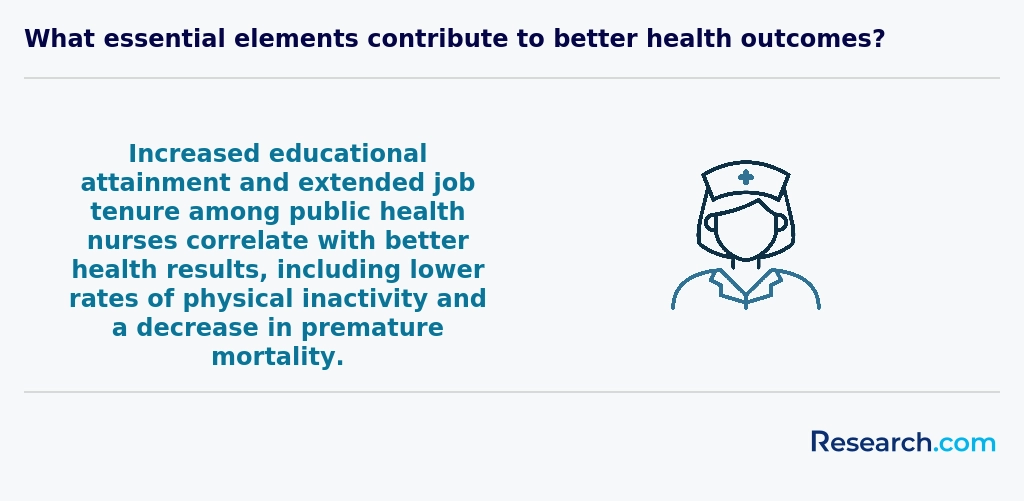
Embarking on an online healthcare degree requires more than academic aptitude-it calls for strategic planning and proactive engagement with available resources. To excel, start by establishing a dedicated study environment at home and routinely planning your schedule to balance coursework with other life commitments. Many successful students incorporate time management tools and online forums to foster both self-discipline and community connections. Additionally, leverage institutional support services such as tutoring, career counseling, and technical assistance. This network not only helps you overcome challenges but also paves the way for building professional connections early on. For those looking to maximize both educational quality and financial advantage, exploring options like the cheapest healthcare programs in mississippi can provide further insights into affordable yet reputable pathways. Consistently reviewing course materials, staying updated on industry trends, and actively participating in virtual discussion groups are key components that contribute to a rewarding online learning experience, ultimately preparing you for a thriving career in healthcare.
Online healthcare students in Mississippi often rely on a mix of financial aid sources to make their education affordable. Many graduates from institutions like the University of Mississippi Medical Center recall applying for federal aid through the FAFSA, unlocking access to Pell Grants that can cover significant parts of tuition without repayment obligations. Such grants, capped around $7,395 annually, provide crucial relief, especially for those balancing work and studies.
State-specific grants add another layer of support. For example, the Mississippi Tuition Assistance Grant has helped residents attending schools like Jackson State University manage costs by offering targeted aid, though eligibility can be competitive. Graduates frequently mention how this tailored assistance allowed them to focus more on their programs rather than financial stress.
Scholarships aimed at healthcare disciplines also play an important role. Many come with service commitments in Mississippi, aligning student incentives with state workforce needs. Employers in the local healthcare sector often amplify this by offering tuition reimbursement, which graduates have found motivating and career-enhancing.
Finally, institutional aid and flexible payment plans from online colleges ease cash flow challenges, creating a more adaptable pathway for working professionals pursuing degrees remotely in Mississippi.
To secure your spot in a top online healthcare degree program in Mississippi, follow this streamlined, SEO-optimized application roadmap: 1. Research and Compare Programs – Verify regional or national accreditation to ensure credit transferability and employer recognition. – Review program length, curriculum focus, and delivery format (asynchronous vs. synchronous) to match your learning style and career goals. 2. Gather Required Documents – Official high school or college transcripts demonstrating a minimum 2.5 GPA (or institution-specific requirement). – Standardized test scores (ACT/SAT) if required by the institution. – Letters of recommendation from academic or professional references who can attest to your readiness for rigorous healthcare study. – A concise personal statement highlighting your passion for healthcare and how an online degree in Mississippi will advance your career. 3. Complete the Online Application – Create an applicant account on the university’s admissions portal. – Upload documents, pay the non-refundable application fee (if applicable), and double-check for accuracy before submission. – Note critical deadlines: fall term often closes by July 1, while spring admission may require applications by November 15. 4. Apply for Financial Aid and Scholarships – File the FAFSA early to maximize federal grant and loan eligibility. – Explore state grants such as MTAG and MESG, plus institution-specific scholarships. – Consider work-study programs or Health Professions Student Loans for additional support. 5. Await Admission Decision and Confirm Enrollment – Monitor your applicant portal for acceptance notifications. – Once accepted, submit your enrollment deposit and complete any orientation modules. – Connect with academic advisors to plan your first semester’s course schedule. 6. Plan for Advanced Studies (Optional) – If you’re considering graduate-level specialization after your bachelor’s, explore our Inexpensive Online Master's in Healthcare Degree Programs Ranking in Fort Lauderdale, FL to compare cost-effective pathways and prepare for seamless progression. By following this step-by-step guide, you’ll optimize your chances of acceptance into a quality online healthcare program in Mississippi and set the foundation for a successful healthcare career.
Enrolling in an online healthcare degree in Mississippi generally requires a high school diploma or GED as the minimum credential. Graduates from universities like the University of Mississippi Medical Center often share that meeting a GPA threshold-commonly around 2.5 on a 4.0 scale-is crucial to demonstrate academic readiness. While some programs ask for SAT or ACT scores, others have adopted test-optional policies, reflecting evolving admissions landscapes. This flexibility can ease entry for many hopeful students balancing work and family commitments.
Prospective learners frequently face prerequisite college courses, including biology, chemistry, anatomy and physiology, mathematics, and English composition. One graduate recalled that mastering these subjects not only boosted confidence but also made online coursework more manageable. Beyond academics, some programs seek letters of recommendation or personal statements, encouraging applicants to reflect on their motivations and experiences.
Volunteer or paid healthcare experience can further strengthen applications. Students from Mississippi colleges emphasize how hands-on exposure helps connect theory with real-world care, fueling enthusiasm for the profession despite the state's healthcare challenges.
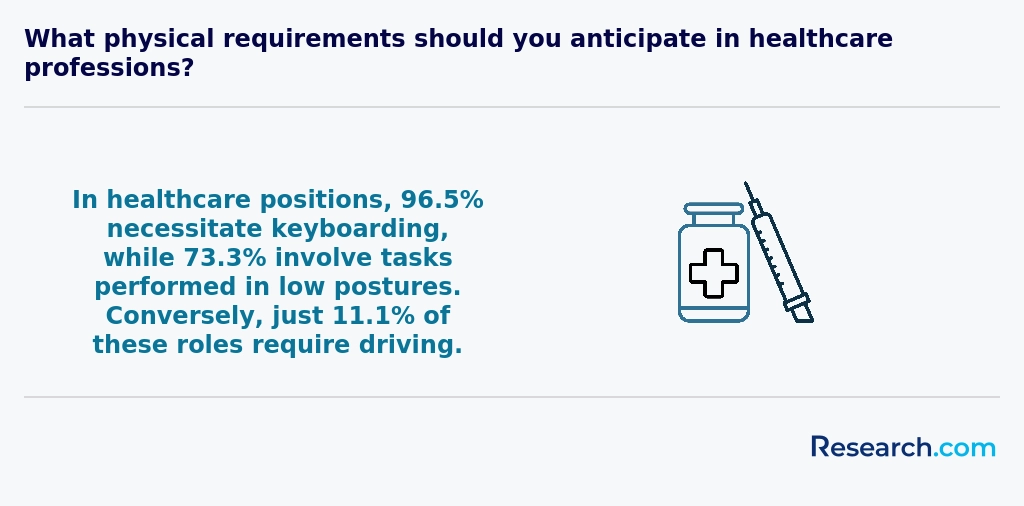
Choosing an accredited online healthcare program ensures your education meets industry standards and qualifies you for state licensure. In Mississippi, verify approval from:
- Commission on Collegiate Nursing Education (CCNE) or Accreditation Commission for Education in Nursing (ACEN) for nursing programs
- Commission on Accreditation for Health Informatics and Information Management Education (CAHIIM) for health information management degrees
- Mississippi Board of Nursing or relevant state licensing boards
Benefits of accredited programs:
- Rigorous curriculum aligned with clinical requirements
- Eligibility to sit for credentialing exams (e.g., NCLEX-RN, RHIA)
- Greater credit transferability and employer recognition
For those interested in complementary credentials, consider accredited certificate pathways like online medical billing and coding with financial aid. Always confirm each program’s accreditation status before enrolling to streamline your journey from graduation to professional practice.
Online healthcare degree programs in Mississippi typically include courses such as medical terminology, anatomy, and physiology, which form the backbone of healthcare knowledge. Graduates from institutions like the University of Mississippi recognize how these foundational classes made it easier to understand complex clinical concepts during their rotations, even when studying remotely.
Healthcare ethics and law also play a key role, helping students navigate the moral and legal challenges they will face in various Mississippi healthcare settings. One graduate from Jackson State University mentioned that understanding these principles was crucial when working with diverse patient populations in both urban and rural clinics.
Courses in healthcare administration and management prepare students for leadership roles, especially given Mississippi's mix of large hospitals and smaller rural facilities. A common sentiment among learners is that such training increased their confidence in tackling operational challenges specific to the state's healthcare system.
Finally, public health classes focus on pressing local issues like chronic disease management and rural access, topics that resonate deeply with students aiming to make a tangible impact in their communities.
Online healthcare degree specializations Mississippi commonly include Nursing, Healthcare Administration, Public Health, Health Informatics, and Medical Coding and Billing. Graduates from institutions like the University of Mississippi Medical Center and Mississippi State University often share how Nursing tracks-such as RN to BSN or MSN-allow them to balance work and studies while preparing for advanced clinical roles. Healthcare Administration attracts those interested in managing hospitals or clinics, highlighting how familiarity with local healthcare policy can impact leadership effectiveness.
Public Health specializations are critical given Mississippi's health challenges, enabling students to engage with community-level solutions addressing obesity and diabetes. Health Informatics appeals to tech-savvy learners aiming to improve patient care systems through data management, reflecting a growing demand in Mississippi's healthcare sector.
For students seeking administrative skills, Medical Coding and Billing programs are accessible options. Many benefit from flexible, affordable options such as those offering a free medical billing and coding course to build foundational competencies. These free medical billing and coding course opportunities make online healthcare degree specializations Mississippi especially attractive for career changers and busy adults.
Choosing the best online healthcare degree programs Mississippi involves more than just comparing tuition costs or program length. Graduates from popular institutions such as the University of Mississippi Medical Center often emphasize how accreditation was a deciding factor for them-programs accredited by bodies like CCNE or SACSCOC provide reassurance that their education will hold value with employers and licensure boards across the state.
Another graduate highlighted the importance of curriculum alignment with career goals. Those pursuing nursing found programs with clinical practicums in Mississippi crucial for hands-on experience, while others drawn to health informatics sought courses integrating cutting-edge technology. Considering affordable healthcare degrees Mississippi online means evaluating not only tuition but also scholarships and employer tuition assistance, as these financial supports can make a profound difference in feasibility.
Equally important are student support services and flexible scheduling, which students balancing work and family commitments from Jackson State University appreciated deeply. For a comprehensive comparison of costs and options beyond Mississippi, prospective students also find value in the Inexpensive Online Master's in Healthcare Degree Programs Ranking in Fort Lauderdale, FL, which offers useful perspectives on affordability outside the immediate region.
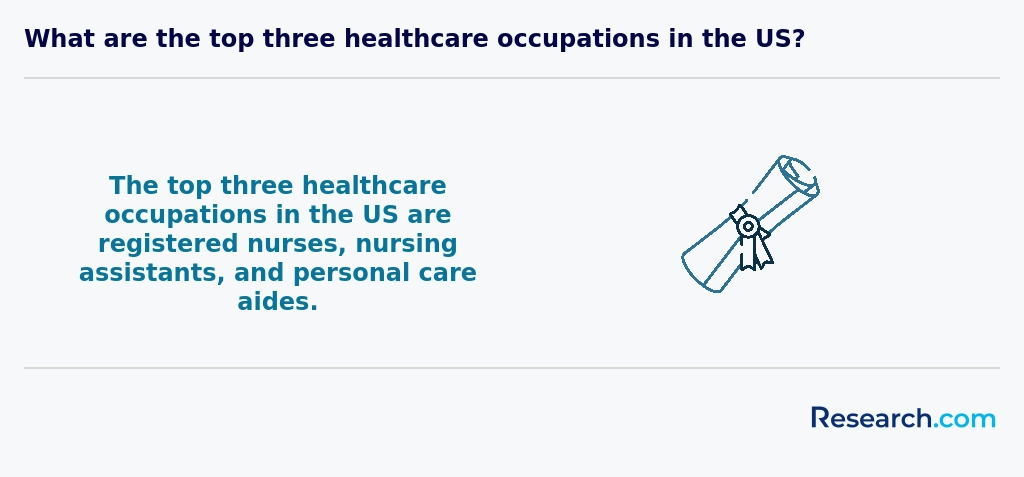
Graduates with an online healthcare degree in Mississippi can pursue various career paths reflecting both clinical and administrative demands. Registered Nurse (RN) roles, especially for those earning a BSN through institutions like the University of Mississippi Medical Center, are notable for strong local demand, including in underserved rural communities. These graduates often share how continuing education and accelerated BSN tracks offered online helped them quickly transition into meaningful healthcare roles.
Other career paths include Medical and Health Services Manager and Health Information Technician, positions that have grown alongside the adoption of electronic health records in Mississippi hospitals and clinics. Students from popular colleges such as Mississippi College report how practical online training prepared them for managing health data effectively, which is crucial in today's healthcare environment.
The scope also extends to physical therapist assistants and healthcare administrators, who find diverse opportunities in both clinical and management settings. Some graduates highlight pathways combining healthcare degree careers in Mississippi with continued learning, sometimes choosing 6 month online certificate programs high paying jobs for added specialization. These options illustrate the flexibility and range available within the field.
The job market for online healthcare degree graduates in Mississippi remains promising but requires a realistic outlook. Graduates from popular institutions such as the University of Mississippi Medical Center and Jackson State University often share how the flexibility of online programs helped them balance work and family while gaining credentials. This flexibility is especially important in rural areas of Mississippi, where access to campus-based programs is limited.
Employers in Mississippi increasingly favor candidates holding online healthcare degrees, particularly when these degrees come from accredited schools that emphasize practical experience alongside coursework. The demand aligns with the broader state trend, where healthcare occupations are projected to grow by around 15% from 2020 to 2030. However, competition can be strong, and success often depends on continuous certification and professional development.
Those researching easy degrees to get frequently find healthcare fields attractive due to the balance of job security and meaningful work. Nursing roles remain a central focus, with many graduates quickly finding positions in community hospitals or long-term care facilities across Mississippi's varied healthcare landscape. For prospective students considering online healthcare job opportunities Mississippi offers a balanced mix of challenges and rewards.
2027 Fastest Online Healthcare Degree Programs Ranking in Mississippi
Investing in your education is a significant decision that can shape your future, and the Research.com team understands the importance of making informed choices. To support prospective students in Mississippi, we have carefully developed the "2027 Fastest Online Healthcare Degree Programs Ranking in Mississippi." Our dedication to quality, credibility, and accuracy is demonstrated through thorough research and analysis behind this ranking.
We utilized the following reputable data sources to ensure a comprehensive evaluation of healthcare degree programs:
By exploring this ranking, readers will gain valuable insights to identify fast and reputable online healthcare programs in Mississippi, empowering them to choose the best educational path tailored to their needs. For more information on how this ranking was created, please visit our Research.com methodology page.


Frequently Asked Questions About healthcare
Online healthcare degree students in Mississippi can maximize their learning experience by actively engaging with course materials and participating in virtual discussions. Setting a consistent study schedule helps balance coursework with personal and professional responsibilities. Utilizing resources like the Mississippi Institutions of Higher Learning offers guidance tailored to healthcare education in the state.
Students should also seek out clinical experiences approved by the Mississippi State Board of Medical Licensure to complement online theory with hands-on practice, essential in healthcare careers. According to the Mississippi Department of Health, healthcare workers are projected to grow by 16% by 2030, emphasizing the need for comprehensive preparation.
Collaborating with peers and faculty through online platforms can build networks and support, preparing students for Mississippi's evolving healthcare landscape.
The healthcare industry in Mississippi is evolving rapidly, creating new opportunities in specialized fields. Emerging niches include telehealth, health informatics, and gerontology. Telehealth has expanded significantly, especially after the COVID-19 pandemic, addressing rural healthcare access challenges in Mississippi's many underserved areas, according to the Mississippi State Department of Health.
Health informatics merges healthcare and technology to improve patient data management, a field growing nationwide due to increased digitization. Gerontology focuses on elderly care, crucial as Mississippi's population ages.
Other promising areas include integrated behavioral health and personalized medicine, showing strong demand for skilled professionals trained in these specialties through online degree programs.
After completing an online healthcare degree in Mississippi, preparing for the job market requires strategic steps. First, graduates should pursue relevant licensure or certification, as many healthcare roles demand state-specific credentials. The Mississippi State Board of Medical Licensure and other regulatory bodies offer clear guidelines for different professions.
Networking is crucial; joining local healthcare associations, such as the Mississippi Hospital Association, helps build connections and access job leads. Internships or volunteer experiences during studies enhance practical skills and employability.
Mississippi's healthcare sector is growing, with the Mississippi Department of Employment Security projecting a 15% growth in healthcare jobs through 2030, highlighting good prospects for graduates.
Employers in Mississippi seek healthcare degree graduates with strong clinical skills and a solid understanding of patient care. According to the Mississippi Department of Health, practical experience in areas like patient safety, infection control, and electronic health records is highly valued. Communication skills are also essential, as professionals must effectively interact with patients and interdisciplinary teams.
Critical thinking and problem-solving abilities rank high, especially given the diverse healthcare challenges across Mississippi's urban and rural areas. Knowledge of healthcare laws and ethical standards is important for compliance and quality care.
The demand for telehealth proficiency has grown, reflecting national trends and Mississippi's expanding online healthcare services.
Finding internships in Mississippi for healthcare degree students requires a strategic approach. Start by exploring partnerships that local universities and online programs have with hospitals, clinics, and public health organizations. The Mississippi Department of Health offers internship opportunities across various healthcare sectors, including community health and disease control.
The state's healthcare industry is growing, with over 280 hospitals and numerous outpatient facilities, which increases the availability of clinical placements. Students should also check with professional associations like the Mississippi Nurses Association or the Mississippi Public Health Association for leads on internships.
Utilizing online job boards and university career services can further connect students with relevant openings. Networking at local healthcare events or virtual seminars enhances internship prospects as well.
Obtaining an online healthcare degree in Mississippi can significantly enhance career mobility by expanding job opportunities across various healthcare sectors. Mississippi faces a growing demand for qualified healthcare professionals, with the state experiencing a 15% projected growth in healthcare occupations by 2030, according to the Mississippi Department of Employment Security.
Online degrees provide flexible access to education, enabling working professionals to upskill or change specialties without relocating. This flexibility is vital in Mississippi, where rural healthcare access is limited and advancing education remotely is often the only viable option.
Higher credentials gained through online programs can lead to promotions and leadership roles, especially in nursing and health administration. The Mississippi Hospital Association reports that advanced degrees result in a 20-30% salary increase on average in healthcare management positions.
Studying for an online healthcare degree in Mississippi equips students with skills essential for interdisciplinary teamwork. Programs often emphasize collaboration between nursing, public health, healthcare administration, and allied health fields. This reflects Mississippi's growing need for coordinated care, especially given its high rates of chronic diseases like diabetes and heart conditions, as reported by the Mississippi State Department of Health.
Students gain practical knowledge through courses focused on communication, ethics, and healthcare technology. These prepare graduates to work effectively with diverse healthcare professionals.
Mississippi's accreditation standards ensure that online programs meet regional and national criteria, reinforcing the interdisciplinary approach.
Choosing between a thesis and a non-thesis healthcare degree program in Mississippi depends largely on your career goals and learning preferences. Thesis programs typically involve independent research, requiring students to develop, conduct, and present a significant study. This path suits those aiming for research roles or further graduate studies like a PhD.
Non-thesis programs focus more on practical knowledge and coursework, often appealing to professionals looking to advance clinical skills or leadership without the time commitment of research. In Mississippi, where 14% of the workforce is in healthcare according to the Mississippi Department of Employment Security, practical training can be a strong advantage.
Costs and program length also matter. Thesis options might take longer and involve more faculty interaction, which can affect schedules for working adults.
Students in Mississippi seeking online healthcare degrees with the option to study abroad have limited direct pathways due to accreditation and licensing requirements in the U.S. Most online programs offered by Mississippi institutions focus on flexible, local study, but some schools partner with international universities for specific exchange or clinical opportunities.
According to the Mississippi Institutions of Higher Learning, only a few healthcare programs allow clinical placements abroad, often requiring prior approval to meet state licensing standards. The demand for healthcare professionals in Mississippi is high; the Bureau of Labor Statistics projects a 15% job growth in health-related fields by 2031.
Prospective students should verify if programs hold regional accreditation and allow international experiences recognized by Mississippi's healthcare boards.
Part-time job opportunities in Mississippi that complement healthcare degree education are varied and accessible. Many students find roles as medical assistants, pharmacy technicians, or certified nursing assistants (CNAs) beneficial due to their direct patient care experience. The Mississippi Department of Employment Security reports healthcare support roles growing by 12% between 2020 and 2030, reflecting increasing demand.
Working in clinics or hospitals part-time also provides exposure to healthcare administration and patient interaction, important for those studying nursing, health informatics, or public health. Additionally, caregiving roles for elderly or disabled populations offer practical understanding of community health challenges.
Such employment not only enhances practical skills but also strengthens resumes, aiding future job placement after degree completion.
Online healthcare students in Mississippi have access to multiple networking opportunities despite the virtual nature of their programs. Many universities, such as the University of Mississippi Medical Center, offer virtual career fairs and online student organizations that connect students with healthcare professionals statewide. These platforms enable interaction with peers, faculty, and local healthcare leaders.
Additionally, students can participate in Mississippi-based healthcare conferences and workshops, often held in hybrid or fully online formats. According to the Mississippi Hospital Association, the state employs over 68,000 healthcare workers, providing a wide network for internships and job shadowing.
Online learners are encouraged to join state chapters of national organizations like the American Health Information Management Association to broaden their professional contacts.
Alumni networks are valuable resources for online healthcare degree students in Mississippi. These networks offer connections that can help with internships, job placements, and mentorship opportunities. Given that Mississippi ranks below the national average in healthcare access, strong professional ties can improve career prospects in a competitive market.
Many Mississippi healthcare programs emphasize alumni engagement, providing access to job fairs and continuing education. According to the Mississippi Institutions of Higher Learning, alumni connections often lead to higher employment rates in healthcare roles after graduation.
Students benefit from shared experiences and practical advice specific to the state's healthcare landscape. This localized support can enhance professional development and open doors within Mississippi's healthcare industry.
Customizing an online healthcare degree program in Mississippi begins with selecting a specialization that aligns with your career goals, such as nursing, health administration, or public health. Many accredited institutions offer flexible course options, allowing students to focus on areas like healthcare management or clinical practice.
Mississippi's growing healthcare sector, especially in rural areas, increases demand for professionals with expertise tailored to local needs. According to the Mississippi Department of Health, a focus on community health can be particularly beneficial.
Students can often choose electives, internships, or capstone projects that provide practical experience and networking opportunities within the state's healthcare system.
Online healthcare students in Mississippi face several common challenges that may affect their academic progress and career preparation. A key difficulty is securing adequate clinical placements. Due to Mississippi's rural healthcare shortages, finding nearby sites for hands-on experience can be limited, especially in more remote areas (Mississippi State Department of Health, 2023). This requires students to often travel long distances or wait longer for placement availability.
Additionally, some students report struggles with balancing coursework and work or family responsibilities. Since many enrolled learners are working professionals, time management becomes critical, particularly as healthcare programs involve rigorous study and technical skills.
Internet connectivity issues also impact accessibility. According to the FCC's 2022 report, approximately 18% of Mississippi's rural population lacks reliable broadband, which complicates participation in live classes and accessing online resources.
Lastly, online healthcare programs often have stringent accreditation and licensing requirements that vary across states. Students must navigate these regulations carefully to ensure their degree qualifies them for licensure in Mississippi or elsewhere.
With an online healthcare degree in Mississippi, you can pursue several professional certifications to enhance your career. Common options include Certified Medical Assistant (CMA), Registered Health Information Technician (RHIT), and Certified Professional Coder (CPC). These credentials are recognized nationwide and respected within Mississippi's growing healthcare sector.
According to the Mississippi Department of Employment Security, healthcare occupations are expected to grow 15% by 2030, increasing demand for certified professionals. Certification requirements vary but often include passing an exam and completing continuing education.
Advanced degrees can lead to certifications such as Licensed Practical Nurse (LPN) or Registered Nurse (RN) licenses, crucial for clinical roles across the state.
Applying to an online healthcare program in Mississippi requires clarity and preparation. Start by researching accredited schools approved by the Mississippi Commission on College Accreditation. Highlight any healthcare experience, as the state has a growing demand for healthcare professionals, with jobs expected to increase 15% by 2030 according to the U.S. Bureau of Labor Statistics.
Focus on your motivation in a well-crafted personal statement, emphasizing your commitment to improving healthcare in Mississippi's underserved communities. Include strong letters of recommendation, ideally from healthcare professionals familiar with the state's local challenges.
Finally, ensure all transcripts and documentation meet the program's requirements, and tailor your application to meet the specific program criteria.
Healthcare careers are viewed worldwide as essential and rapidly growing fields. In the United States, and specifically in Mississippi, healthcare employment is projected to grow by 16% from 2020 to 2030, faster than the average for all occupations, according to the U.S. Bureau of Labor Statistics. This global demand reflects aging populations and increased access to healthcare services.
Mississippi's healthcare sector faces unique challenges, such as rural health disparities, which drives a need for well-trained professionals. Online healthcare degrees offer flexible education paths that prepare students to meet both local and international standards.
Globally, healthcare careers emphasize cross-cultural skills and adaptability. U.S. accredited programs, including those in Mississippi, align with these expectations by combining theory with practical skills.
Students pursuing online healthcare degrees in Mississippi can gain practical experience through clinical placements, internships, and externships required by most accredited programs. These hands-on opportunities often occur at local hospitals, clinics, or community health centers. Schools coordinate with healthcare facilities statewide to help students complete necessary hours.
Mississippi faces healthcare workforce shortages, especially in rural areas, increasing chances for students to find placement. According to the Mississippi State Department of Health, leveraging these partnerships supports both student training and community needs.
Additionally, students can engage in virtual simulations and telehealth experiences, which have grown due to technological advances and COVID-19 adaptations in education.
Choosing the right concentration within an online healthcare degree in Mississippi begins with understanding your career goals and the local job market. Mississippi's healthcare industry is growing, with a strong demand for nurses, health informatics specialists, and public health professionals, according to the Mississippi Department of Employment Security. Consider concentrations such as nursing, healthcare administration, or health informatics to align with this demand.
Evaluate the curriculum to ensure it covers skills relevant to Mississippi's healthcare settings, including rural and underserved communities. Accreditation by recognized bodies like the Commission on Collegiate Nursing Education (CCNE) or the Council on Education for Public Health (CEPH) is essential.
Also, think about your background and professional experience. For example, health informatics suits those interested in technology, while nursing requires clinical components. Research local licensure requirements to ensure your chosen concentration prepares you adequately.
- 2027 Fastest Online Healthcare Degree Programs Ranking in Louisiana
- 2027 Fastest Online Healthcare Degree Programs Ranking in Tennessee
- 2027 Fastest Online Healthcare Degree Programs Ranking in Missouri
- 2027 Fastest Online Healthcare Degree Programs Ranking in Kentucky
- 2027 Fastest Online Healthcare Degree Programs Ranking in Texas
- 2027 Fastest Online Healthcare Degree Programs Ranking in South Carolina
- 2027 Fastest Online Healthcare Degree Programs Ranking in North Carolina
- 2027 Fastest Online Healthcare Degree Programs Ranking in Ohio
- 2027 Fastest Online Healthcare Degree Programs Ranking in Kansas
- 2027 Fastest Online Healthcare Degree Programs Ranking in Virginia
See What Experts Have To Say About Studying Healthcare
Read our interview with Healthcare experts

- Inactive Programs https://www.msfinancialaid.org/programs/inactive-programs/
- MPH Degree Programs in Mississippi: 2026 Guide https://www.publichealthonline.org/mississippi/
- Mississippi Online Medical Assistant Programs https://www.edumed.org/online-schools/medical-assistant-programs/mississippi-ms/
- Healthcare Students Learning https://www.unlvhealth.org/article/healthcare-students-learning
- Online Colleges in Mississippi https://mycollegeguide.org/online-colleges-in-mississippi/
- The Best Online Colleges In Mississippi https://www.affordablecollegesonline.org/online-colleges/mississippi/
- Mississippi Healthcare Administration Degree Programs https://www.healthadministrationdegrees.com/states/mississippi/
- Experiential Learning to Enhance ... https://annalsofglobalhealth.org/articles/10.5334/aogh.4537
- Healthcare Workforce https://www.mpbonline.org/education/workforce-development/healthcare/
- Online Healthcare Degree Programs https://www.phoenix.edu/online-healthcare-degrees.html