
2027 Fastest Online Healthcare Degree Programs Ranking in South Carolina

Co-Founder and Chief Data Scientist
Choosing the right healthcare degree program is an important step toward a rewarding career, especially if you're in South Carolina. This article introduces the 2027 Fastest Online Healthcare Degree Programs Ranking in South Carolina, carefully created by the Research.com team of data scientists to guide you through your options.
By exploring this ranking, you'll discover programs that fit your pace and goals, helping you make confident, informed decisions. Earning a healthcare degree opens doors to meaningful work, stability, and personal growth. Let this guide support your journey to a successful future in healthcare.
Key benefits of getting online healthcare degree in South Carolina
- Salary for healthcare degree graduates: Graduates can earn competitive wages, such as Patient Care Technicians making about $60,790 annually and Quality Improvement Coordinators earning an average of $103,150 per year.
- Career paths: Graduates from schools like the University of South Carolina often find roles in medical assisting, clinical research coordination, or health information technology, offering diverse options in the healthcare field.
- Online degree benefits: Earning a healthcare degree online from institutions like Clemson University provides flexibility to balance work and study, helping graduates gain skills conveniently without sacrificing current job commitments.
What can I expect from online healthcare degree in South Carolina?
Imagine balancing a full-time job while pursuing your online healthcare degree from the University of South Carolina or Clemson University, all without uprooting your life. The average tuition for these programs hovers around the on-campus rates, roughly between $6,000 and $12,000 per year for in-state students. Many graduates recall stretching every dollar, supported by in-state tuition benefits that South Carolina extends even to remote learners outside the state lines, making affordability a striking reality.
One graduate from Coastal Carolina University shared how saving on housing and commuting-the unseen costs-felt like a financial lifesaver, allowing them to focus on studying nursing fundamentals and clinical skills. South Carolina's approach to online education doesn't skimp on quality or local relevance, ensuring each practicum is close to home to meet licensure needs, preventing unexpected travel expenses from piling up.
Scholarships and employer tuition assistance often tip the scales toward optimism, making the dream of a healthcare career less a burden and more an exciting journey.
Where can I work with online healthcare degree in South Carolina?
Picture yourself stepping out of the University of South Carolina's virtual campus, diploma in hand, ready to join the bustling halls of MUSC Health as a registered nurse or clinical coordinator. Many graduates celebrate finding their place in South Carolina's thriving hospitals, where compassion meets cutting-edge care. Others share the thrill of supporting community health, working in outpatient clinics or specialty practices that punch above their weight in transforming lives.
Imagine the pride of partnering with the Department of Health and Environmental Control, crafting disease prevention programs that ripple through neighborhoods. Graduates from Clemson University often find themselves steering health promotion initiatives or emergency readiness plans that feel like true missions-not just jobs.
Some graduates embrace the intimate pace of home health care, delivering vital services to South Carolina's aging population. These roles spark meaningful connections, turning everyday care into powerful moments.
For those drawn to the business side, healthcare administration careers bloom across insurance firms and consulting agencies, where understanding both medicine and management fuels new opportunities right here in South Carolina.
How much can I make with online healthcare degree in South Carolina?
Imagine finishing your online healthcare degree from a top South Carolina school like the Medical University of South Carolina or Clemson University and stepping into a job that pays you around $43,350 as a Medical Assistant. It feels like earning your stripes while still having the time and energy to explore Charleston's vibrant streets. Not bad for an entry point! Patient Care Technicians in the state, often graduates who swiftly moved from classes to hands-on care, report salaries near $60,790-a solid income that speaks to both skill and heart.
Health Information Technicians with online degrees, juggling digital records behind the scenes, pull in about $43,380, blending administrative savvy with healthcare passion. For those chasing the thrilling pulse of clinical research coordination, expect about $43,350, a sweet spot where science meets compassion.
Now, picture landing a role as a Quality Improvement Coordinator, perhaps leveraging a specialized online program from an institution like the University of South Carolina. Graduates here can command upwards of $103,150, turning data into life-saving decisions, all while thriving in bustling hubs like Columbia. The salary jump mirrors the growth in knowledge and responsibility, motivating many to push further within South Carolina's healthcare landscape.
- Key benefits of getting online healthcare degree in South Carolina
- What can I expect from online healthcare degree in South Carolina?
- Where can I work with online healthcare degree in South Carolina?
- How much can I make with online healthcare degree in South Carolina?
- How do we rank schools?
- 2027 Fastest Online Healthcare Degree Programs Ranking in South Carolina
- What online healthcare degree graduates have to say
- Key Findings
- How long does it take to complete online healthcare degree in South Carolina?
- Accreditation and Licensure Requirements
- What's the difference between online and on-campus healthcare degree?
- Clinical Practicum & Hands-On Training Requirements
- What is the average cost of online healthcare degree in South Carolina?
- Additional Certifications & Skill Enhancement
- What financial aid is available to online healthcare degree students in South Carolina?
- Expert Insights & Future Trends in Online Healthcare Education
- What are the prerequisites for enrolling in online healthcare degree program in South Carolina?
- Clinical Placement and Internship Support
- What courses are typically in online healthcare degree programs in South Carolina?
- What types of specializations are available in online healthcare degree programs in South Carolina?
- How do you choose the best online healthcare degree in South Carolina?
- What career paths are available for online healthcare degree students in South Carolina?
- What is the job market for online healthcare degree in South Carolina?
- Frequently Asked Questions About healthcare
- Related Healthcare Rankings for Nearby States
- Top Trending Healthcare Rankings
- See What Experts Have To Say About Studying Healthcare
How do we rank schools?
Investing in your education is a significant decision that can shape your future, and the Research.com team recognizes the importance of making well-informed choices. To support prospective students in South Carolina, we have carefully developed the "2027 Fastest Online Healthcare Degree Programs Ranking in South Carolina." Our dedication to quality, credibility, and accuracy is demonstrated through rigorous research and thorough data analysis. We utilized the following reputable data sources to ensure a comprehensive evaluation of healthcare degree programs:
By reviewing this ranking, readers will gain valuable insights into the fastest online healthcare degree programs in South Carolina, enabling them to make confident and informed educational decisions. For more information about our ranking process, please visit our Research.com methodology page.
2027 Fastest Online Healthcare Degree Programs Ranking in South Carolina
# 1 position
Anderson University
Doctor
Anderson University offers a 12-month Doctorate program focused on Nursing and Healthcare. The program has a graduation rate of 66% and enrolls 2,662 online students. It features a less selective admission process with a 55% acceptance rate. The average total cost is $28,275, and 98% of students benefit from high levels of financial aid, making it accessible for many applicants.
# 2 position

The University of South Carolina Upstate offers a Bachelor's degree program focused on Nursing and Healthcare with a duration of 12 months. The program has a graduation rate of 43% and is less selective, admitting 67% of applicants. Approximately 598 students are enrolled online. Most students, 98%, receive a high level of financial aid. The average total cost of the program is $499,200.
# 3 position

The University of South Carolina-Columbia offers an 18-month Master's program focused on Nursing and Healthcare, with a graduation rate of 79%. The program is less selective, accepting 60% of applicants. Approximately 94% of students receive high levels of financial aid. The average total cost is $17,167, and the program serves a large online student population of 18,955, making it accessible and supportive for remote learners.
# 4 position
Anderson University
MasterAnderson University offers an 18-month Master's program focused on Psychiatric Mental Health Nurse Practitioner within Nursing and Healthcare. The program accepts 55% of applicants, making it less selective. It has a graduation rate of 66%, with 2,662 online students currently enrolled. The average total cost is $31,360, and 98% of students receive financial aid, indicating a high level of support for learners.
# 5 position
The University of South Carolina-Columbia offers a Doctorate program focused on Nursing and Healthcare. The 24-month program has a graduation rate of 79%, with an acceptance rate of 60%, indicating a less selective admission process. About 94% of students receive high levels of financial aid. The average total cost is $56,998. There are 18,955 online students enrolled, reflecting the program's extensive online reach.
What online healthcare degree graduates have to say
- "The University of South Carolina's online healthcare program truly transformed my career. The flexible schedule allowed me to balance work and study, while the expert faculty ensured I gained real-world skills. I felt supported every step of the way, making my learning experience both rewarding and inspiring." - Rachel
- "Completing my degree at Clemson University online exceeded all expectations. The interactive courses and practical assignments gave me confidence in my abilities. It felt empowering to pursue my dreams without sacrificing family time. I'm proud to have studied in such a comprehensive, forward-thinking program." - Marcus
- "Studying healthcare at Charleston Southern University online was a game-changer. The technology was seamless, and the community felt close despite the distance. I appreciated how coursework focused on current healthcare challenges, preparing me for the future. It was fulfilling and motivating every single day." - Lisa
Key Findings
- Online healthcare degrees in South Carolina include nursing, health administration, and public health programs offered by accredited institutions.
- Tuition for a Bachelor of Science in Nursing (BSN) ranges from $6,000 to $15,000 per year for in-state students at public universities.
- Graduate programs like a Master of Healthcare Administration can cost between $10,000 and $25,000 annually.
- Entry-level registered nurses typically earn about $57,000 per year, with experienced professionals making $80,000 to $90,000 annually.
- Healthcare jobs in South Carolina are projected to grow by approximately 15% in the next decade, driven by increased demand and an aging population.
- Online programs require completing clinical hours at approved local facilities, and graduates must pass state licensing exams to be qualified for professional licensure.
How long does it take to complete online healthcare degree in South Carolina?
Imagine juggling a full-time job while chasing a healthcare degree from Clemson University or the Medical University of South Carolina. Most students find themselves wrapping up associate degrees in about two years if they dive in full throttle. Bachelor's degrees often stretch to four years, but with accelerated options, some graduates proudly cross the finish line in just three. Picture year-round classes squeezing the timeline tighter, turning busy professionals into healthcare heroes faster than expected.
Graduate programs, like a Master's in Healthcare Administration or Nursing, usually clock in around two years of full-time study, though part-time learners-those balancing family, work, and life-may see their journey extend to three or four years. Doctoral candidates embark on even longer quests, spanning three to six years, weaving together dissertations and clinical hours.
These timelines aren't just numbers; they mirror real stories of determination and flexibility in South Carolina's vibrant healthcare education scene.
Accreditation and Licensure Requirements
Proper accreditation ensures your online healthcare degree qualifies for licensure and industry recognition. Consider:
- Regional accreditation by SACSCOC for credit transferability and employer trust.
- Programmatic accreditation (CCNE, ACEN, CAHIIM) to meet state board standards.
- Verification of clinical practicum partnerships to fulfill local in-person requirements.
- Comparing options like affordable accredited healthcare administration degrees to balance quality with cost.
What's the difference between online and on-campus healthcare degree?
Picture a healthcare student at the University of South Carolina juggling a hospital shift while tuning into a digital lecture-this is the rhythm of online learning, where flexibility reigns. The virtual classroom dissolves geography, letting students craft schedules around life's unpredictables, whether it's family or work. Meanwhile, an on-campus peer at Clemson University strolls through buzzing halls, exchanging quick smiles and questions face-to-face, soaking in the energy that only physical presence brings.
Both paths converge on South Carolina soil for clinicals, a shared rite of passage where digital meets tangible at local hospitals and clinics. Graduates recall the electric thrill of their first supervised patient interaction-whether arranged through online program partners or campus coordinators, these moments seal the real-world expertise behind every degree. Costs flex too; online learners dodge housing fees, but some campuses charge tech fees, making budgeting a personal puzzle.
Ultimately, a clinical placement at MUSC or College of Charleston embodies the heartbeat of healthcare education here-blending flexible learning styles with essential hands-on experience and community connection.
Clinical Practicum & Hands-On Training Requirements
Online healthcare degree programs in South Carolina blend flexible coursework with essential clinical practicums to ensure graduates are practice-ready. Most accredited programs require 300–600 hours of supervised clinical experience, which students complete at approved local hospitals, outpatient centers, or community clinics. Through these partnerships, learners refine skills in patient assessment, electronic health record management, and basic clinical procedures—deliverables that align with state licensure standards and employer expectations. To accommodate working professionals, programs often offer evening, weekend, and summer practicum slots. Initial skills labs are typically held on campus or at regional simulation centers, where students practice techniques like phlebotomy, vital signs monitoring, and medical terminology application. After mastering core competencies, students transition to off-site rotations under the mentorship of experienced preceptors, enabling them to integrate theoretical knowledge into real-world patient care scenarios. For those aiming to enter the workforce rapidly, some institutions feature specialized pathways such as a medical assistant 6 week program. This accelerated option compresses administrative and clinical training into a streamlined curriculum, delivering hands-on experience in areas like EHR documentation, patient communication, and basic lab procedures—all within a condensed timeframe. Before enrolling in an online healthcare degree in South Carolina, prospective students should confirm that practicum requirements meet both South Carolina Board of Nursing (or relevant board) criteria and regional employer needs. Clear policies on clinical placement sites, liability coverage, and preceptor qualifications are crucial for a seamless transition from online learning to professional practice. By understanding these hands-on training components up front, students can confidently select a program that balances convenience with the rigorous practical experience required for a successful healthcare career.
What is the average cost of online healthcare degree in South Carolina?
The average cost of an online healthcare degree in South Carolina can feel like navigating a winding river-sometimes smooth, sometimes rocky. Most graduates from well-known schools like the University of South Carolina or Clemson University find their total in-state tuition sits comfortably around $31,360, balancing affordability with quality. This figure captures a broad spectrum, reflecting diverse programs from nursing to healthcare management, all designed to fit student lifestyles juggling work and family.
Picture a graduate juggling assignments after a long hospital shift, grateful for the flexibility these online healthcare degrees offer. The 2027 tuition and fees for healthcare degrees in South Carolina align with this supportive academic landscape, allowing students to pursue their ambitions without drowning in debt. Out-of-state tuition may feel like a storm surge at over $100,000, but many South Carolinians keep expenses manageable by staying local or seeking scholarships.
Additional fees for technology or materials flutter in the background like gentle breezes, rarely shifting the financial picture dramatically. Many students successfully reduce their expenses through scholarships and employer tuition assistance, breathing easier knowing the cost won't capsize their goals. For those looking to discover the cheapest online healthcare programs in south carolina, the options are bright and navigable, pairing quality education with competitive pricing.

Additional Certifications & Skill Enhancement
In today’s competitive healthcare landscape, supplementing your online degree with targeted certifications can significantly elevate your career prospects. Earning additional credentials not only validates your expertise but also demonstrates a commitment to lifelong learning and professional growth. For instance, pursuing certifications in areas such as medical billing, coding, or health informatics can provide the specialized skills required to stand out among peers. Many professionals are discovering that integrating these supplementary qualifications with their primary healthcare degree results in broader career opportunities and higher earning potential. Moreover, as technology continues to reshape the healthcare industry, digital proficiency is increasingly valued. Complementary certifications in areas like telehealth, data analytics, and electronic health records can help bridge the gap between traditional healthcare roles and modern digital workflows. For those looking to further expand their qualifications, exploring cheap online medical billing and coding courses is an excellent, cost-effective strategy to boost your credentials and enhance your digital skill set. By integrating additional certifications into your educational journey, you can better position yourself for emerging roles and demonstrate a proactive approach to professional development. This strategy not only meets industry demands but also ensures that your skills remain relevant in a rapidly evolving healthcare environment.
What financial aid is available to online healthcare degree students in South Carolina?
Picture this: a nursing student from the University of South Carolina logging into her online classes while knowing the Pell Grant cushions her $7,395 yearly tuition hole-her financial lifeline woven through FAFSA's intricate web. Many peers, enrolled at Clemson or MUSC, echo this relief, spotlighting how federal Direct Loans offer flexible repayment and manageable interest, a true blessing for balancing tuition fears with family budgets.
State scholarships like the Palmetto Fellows and LIFE Scholarship sparkle as golden tickets, slicing through tuition like a surgeon's scalpel. Graduates recall these awards turning dreams into reality, easing costs at public and private colleges. Meanwhile, institutional scholarships from nursing programs act like secret treasure chests, filled with grants and discounts specifically crafted for healthcare hopefuls.
Employers, too, play their part-imagine a healthcare worker in Charleston receiving tuition reimbursement for advancing education. The South Carolina Nurses Association extends generous aid, stitching the community tightly together. Private loans exist but are often the last resort, shadowed by cautious whispers about interest rates, making federal and state aid the shining first choices.
Expert Insights & Future Trends in Online Healthcare Education
As the landscape of online healthcare education continues to evolve, industry experts predict that advancements in technology and curriculum design will play a pivotal role in shaping the future of the sector. Innovations such as interactive simulations, telemedicine training, and immersive virtual reality experiences are redefining how students gain practical skills remotely. Experts stress the importance of staying informed about these emerging trends—not only to secure a competitive edge in the job market but also to ensure that the education received remains aligned with the rapid shifts in healthcare delivery. Today's programs are increasingly incorporating data analytics, personalized learning pathways, and real-time collaborative platforms to enhance student engagement and outcomes. For instance, institutions are partnering with healthcare providers to integrate live, case-based learning that mirrors real-world challenges, thereby preparing graduates to navigate an industry characterized by both technological innovation and dynamic patient care needs. Furthermore, prospective students should consider how factors such as flexibility, affordability, and industry connections intersect to inform their educational choices. For those seeking budget-friendly options without sacrificing quality, exploring the cheapest online healthcare programs in south carolina might offer both financial relief and robust training opportunities. Staying ahead in online healthcare education means not only choosing a program that meets current standards but also one that is responsive to future industry trends, ensuring enduring career success and adaptability in a fast-changing field.
What are the prerequisites for enrolling in online healthcare degree program in South Carolina?
Picture yourself starting an online healthcare degree in South Carolina, where the journey begins with a simple yet powerful key: a high school diploma or GED. Graduates from institutions like the University of South Carolina or Clemson have shared how this foundational credential felt like the first rung on their ladder to a fulfilling healthcare career.
Next, imagine gathering your academic story-official transcripts showcasing your previous victories in biology or chemistry. These documents are your backstage pass, proving you're ready to tackle the demanding science courses ahead. Many students find that having these transcripts from South Carolina colleges opens doors to nursing or allied health programs at top online schools.
Some programs might toss in a challenge-placement tests to confirm your readiness in math or English-just like one graduate who praised how these assessments gently molded their confidence instead of intimidating them.
And don't forget the magic extras: letters of recommendation, personal statements, or interviews that let your passion shine through. For bachelor's and graduate hopefuls, showing healthcare experience, like CNA hours, turns applications into compelling stories, resonating well with admissions teams across South Carolina's online healthcare programs.
Clinical Placement and Internship Support
A critical component of any online healthcare degree in South Carolina is the clinical placement and internship framework designed to bridge theoretical learning with hands-on experience. Programs typically partner with regional hospitals, clinics, and community health centers to secure supervised clinical hours, ensuring students meet state licensure requirements. Dedicated internship coordinators guide students through placement logistics, background checks, and scheduling, often accommodating flexible hours to align with work and family commitments. For those interested in graduate-level clinical experiences, the Affordable Online Master’s in Healthcare Degree Programs Ranking in South Carolina highlights institutions with robust practicum partnerships and alumni networks. By leveraging these affiliations, students gain exposure to diverse patient populations, develop critical clinical competencies, and often receive direct mentorship from experienced healthcare professionals.
What courses are typically in online healthcare degree programs in South Carolina?
Imagine yourself navigating the complex language of healthcare with courses like Medical Terminology and Healthcare Ethics guiding you through the maze. Graduates from online programs at universities such as the University of South Carolina often speak about how these classes felt like unlocking a new world-a necessary toolkit for communicating confidently in hospitals or clinics.
Now, layer in Healthcare Systems and Policy, where you dive into South Carolina's unique healthcare landscape. Students from Clemson University describe how understanding local policies made their studies feel deeply relevant, especially when thinking about the rural health challenges and chronic disease rates impacting their own communities.
Coding health data isn't just for tech whizzes when courses like Health Information Technology teach you to master electronic records, a skill highly prized as the industry surges forward. Graduates recall the excitement of hands-on practice with digital tools, seeing how this knowledge primes them for fast-moving careers.
- Healthcare Management and Leadership
- Public Health Principles
- Healthcare Law and Compliance
- Statistics for Health Sciences
- Patient Care and Safety
What types of specializations are available in online healthcare degree programs in South Carolina?
Imagine diving into an online healthcare degree in South Carolina where the pathways fan out like an intricate map of opportunity. Graduates from popular colleges in the state often share how specializing in nursing-such as RN-to-BSN or MSN programs-opened doors to thriving careers, especially given the region's soaring demand. Others discovered a passion for healthcare administration, mastering the art of managing bustling facilities through lessons in finance and leadership, feeling empowered by the salary prospects that come with these roles.
Now picture those who found their niche in health informatics, translating complex data into life-saving decisions as technology intertwines with patient care at South Carolina hospitals. The real-life impact of these fields makes studying the best healthcare degree programs South Carolina offers not just a pursuit, but a roadmap to vibrant roles.
For those drawn to broader horizons, specializations like public health, clinical research, or even nutrition invite exploration. Some students also explore pathways in occupational therapy or healthcare quality and safety, balancing flexibility with meaningful outcomes. If budget concerns arise, graduates often recommend checking out cheap online medical billing and coding courses as a smart entry point.
How do you choose the best online healthcare degree in South Carolina?
Choosing the best online healthcare degree programs South Carolina offers is like navigating a vibrant mosaic of possibilities-imagine a graduate from a renowned state university balancing night shifts while conquering coursework that shapes real-world skills. Accreditation is your North Star; regional credentials like SACSCOC and specific badges from CAAHEP or ACEN prove schools deliver quality that employers recognize. Picture yourself saving thousands in tuition, attending universities known for affordable healthcare degrees online South Carolina students applaud, where costs hover between $9,000 and $12,000 annually.
Flexibility here is king: some learners thrive in self-paced programs, squeezing study hours between family and career, while others find energy in synchronous classes, creating connections that mirror hospital teamwork. When a friend graduated from a College of Nursing with strong local healthcare facility ties, those partnerships unlocked crucial clinical experience. For those seeking rapid entry, exploring options like the medical assistant 6 week program can be a game-changer. Align your choice with your passion, whether it's nursing, health management, or public health, and South Carolina's thriving healthcare scene will warmly welcome your expertise.
What career paths are available for online healthcare degree students in South Carolina?
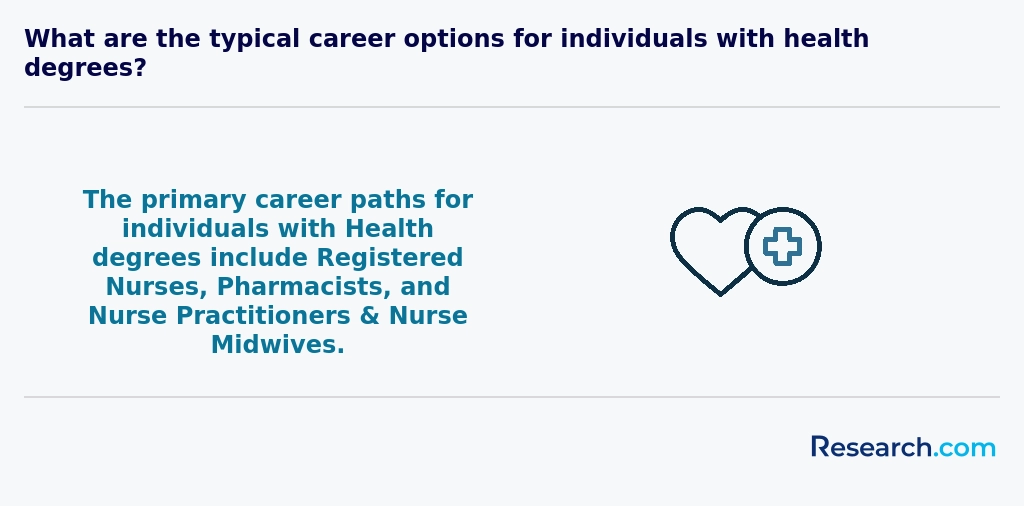
Graduates of online healthcare degrees in South Carolina find themselves stepping into vibrant roles that pulse with purpose. Imagine bustling hospital corridors where Registered Nurses, forged through programs at institutions like the University of South Carolina, wield both compassion and skill, earning around $60,000 annually as they transform patient care. Elsewhere, healthcare administrators from colleges such as Clemson University orchestrate seamless operations behind the scenes, their leadership sculpting efficient clinics and hospitals that serve communities statewide.
Emerging from the digital classrooms, many graduates embrace positions as Medical and Health Services Managers-a career exploding nationally and uniquely rewarding in South Carolina's growing health landscape. Health Informatics Specialists dive into data ecosystems, decoding patient info to elevate technology-driven care, a trail blazed by online learners mastering new-age health tech. For those drawn to community impact, roles like Public Health Educator beckon, especially amid rural stretches where wellness promotion becomes a beacon of hope. These diverse healthcare career options South Carolina online unlock not just jobs, but pathways to meaningful impact.
Costs and accessibility often shape these journeys, and many find help navigating tuition with aid designed for in-state students. To explore flexible and affordable routes into these thriving careers, check out the Affordable Online Master's in Healthcare Degree Programs Ranking in South Carolina.
What is the job market for online healthcare degree in South Carolina?
The online healthcare degree job outlook South Carolina graduates face is vibrant and promising, fueled by a healthcare industry that pulses with steady growth. Graduates from universities like the University of South Carolina or Clemson often share stories of landing roles in bustling Charleston hospitals or expanding rural clinics, where their skills are urgently needed. Imagine stepping into a medical and health services manager position, overseeing teams with confidence, backed by a median wage that supports a comfortable lifestyle.
South Carolina healthcare employment opportunities online graduates enjoy range from nursing to health information technology, areas where demand is as certain as sunrise. This demand stretches across urban hubs like Columbia and Greenville and into smaller towns where access to healthcare is evolving rapidly. Many graduates find satisfaction in these diverse options, knowing their education opens doors regionally and beyond.
Cost-conscious students also appreciate that South Carolina's in-state tuition oftentimes trims expenses, making degrees more accessible. For those eager to expedite their journey, exploring top paying 6 month certificate programs might be the right step to faster employment and competitive wages.
Frequently Asked Questions About healthcare
Students pursuing online healthcare degrees in South Carolina can maximize their learning by actively engaging with course materials and utilizing available resources. Institutions in South Carolina often provide virtual labs, discussion forums, and access to licensed healthcare software, enhancing practical skills essential for the field.
Additionally, South Carolina's healthcare sector is growing, with a projected 15% increase in healthcare jobs by 2030 according to the U.S. Bureau of Labor Statistics. Networking with local healthcare providers through virtual internships or partnerships can deepen students' understanding of regional health challenges.
Time management and regular communication with instructors also play crucial roles in succeeding online. Utilizing South Carolina's state education resources supports academic and career growth in healthcare.
The healthcare field is rapidly evolving, with several emerging niches gaining importance. In South Carolina, telehealth has expanded significantly, driven by rural healthcare needs and supported by state initiatives to increase digital access. According to the South Carolina Department of Health and Environmental Control, telemedicine visits increased by over 50% from 2020 to 2023.
Another growing area is health informatics, which focuses on managing healthcare data and improving patient outcomes through technology. The rising demand for electronic health records specialists reflects this trend.
Additionally, gerontology and aging services are vital due to South Carolina's aging population, with the state ranking among the top for its percentage of residents over 65. Professionals trained in elder care and chronic disease management are increasingly sought after.
After completing an online healthcare degree in South Carolina, preparing for the job market involves several key steps. First, it is essential to obtain any necessary state licensure or certification, as many healthcare roles require official credentials. South Carolina's Department of Labor regulates these requirements for professions such as nursing and medical assisting.
Next, gaining practical experience through internships or clinical placements can significantly improve job prospects. Online programs often include opportunities to complete these locally, which helps build a professional network within the state's healthcare system.
Additionally, keeping up-to-date with South Carolina's healthcare job trends is important. The Bureau of Labor Statistics projects a 15% growth in healthcare occupations regionally, highlighting promising demand. Utilizing resources like South Carolina's Workforce Development Board can connect graduates with job openings and career services.
Employers in South Carolina prioritize a blend of technical and interpersonal skills when hiring healthcare degree graduates. Clinical competence, including proficiency in patient care and medical technology, remains essential. According to the South Carolina Department of Health and Environmental Control, practical experience with electronic health records is increasingly important.
Strong communication skills are vital due to the collaborative nature of healthcare settings. Employers seek graduates who can effectively interact with diverse patient populations and multidisciplinary teams. Critical thinking and problem-solving abilities are also highly valued to adapt to fast-changing healthcare environments.
Additionally, cultural competence has gained significance in South Carolina's growing and diverse communities. The Bureau of Labor Statistics highlights that healthcare roles demand adaptability and a commitment to continual learning as medical technologies and regulations evolve.
Finding internships relevant to a healthcare degree in South Carolina involves leveraging several regional resources and institutions. Many accredited online healthcare programs require or recommend internships, which can be arranged through local hospitals, clinics, and public health departments.
South Carolina has more than 250 hospitals statewide, including large systems like Prisma Health and Medical University of South Carolina (MUSC), which frequently offer internship opportunities. Contacting these organizations directly or through your university's career center can be effective.
The South Carolina Department of Health and Environmental Control (DHEC) also provides internship and training programs in public health, which may suit healthcare students. Additionally, forming connections via professional networks like the South Carolina Healthcare Association can uncover more options.
According to recent state workforce reports, healthcare jobs are projected to grow 16% by 2030, enhancing internship availability. It's important to start early and use online job portals focused on healthcare roles in South Carolina.
Obtaining an online healthcare degree in South Carolina can significantly enhance career mobility and advancement opportunities. According to the South Carolina Department of Employment and Workforce, healthcare occupations are among the fastest-growing sectors, with an expected 17% growth over the next decade. Online degrees allow working professionals to gain advanced skills and credentials without interrupting their employment.
Many employers in South Carolina value accredited online healthcare degrees, recognizing their role in meeting the state's increasing demand for qualified healthcare workers. Graduates often find opportunities to transition into higher-paying roles such as healthcare administration, nursing management, or health informatics.
Flexibility in scheduling and accessibility of online programs also promote continuous education, which is crucial for career advancement in a rapidly evolving healthcare environment.
Studying for a healthcare degree online in South Carolina equips students with skills essential for interdisciplinary roles by emphasizing collaboration across various medical and health-related fields. Programs often integrate coursework in nursing, public health, health informatics, and administrative leadership to foster broad expertise.
South Carolina's healthcare education consistently aligns with standards from accrediting bodies like the Commission on Collegiate Nursing Education (CCNE) and the Council on Education for Public Health (CEPH), ensuring quality and relevance.
According to the South Carolina Department of Health and Environmental Control, interdisciplinary teamwork is vital due to the state's growing aging population and rural health challenges.
Online degrees incorporate case studies and simulations that mirror real-world healthcare settings where diverse teams manage patient care, preparing graduates to contribute effectively in integrated systems.
When choosing between a thesis and a non-thesis healthcare degree program in South Carolina, consider your career goals and learning preferences. Thesis programs emphasize research, requiring students to conduct original studies, which suits those aiming for academic, research, or doctoral pathways. Non-thesis options focus more on practical skills and coursework, often appealing to professionals seeking faster entry into healthcare roles.
South Carolina's healthcare sector, growing by 15% annually according to the South Carolina Department of Health and Environmental Control, values both research skills and clinical expertise.
Research-based programs might take longer but develop critical analysis abilities, while non-thesis routes typically offer greater flexibility and can be completed in less time.
Evaluate program formats, faculty expertise, and available resources when deciding the best fit for your professional development.
Students based in South Carolina seeking to study healthcare abroad online face limited direct options but can explore international programs accredited for U.S. recognition. Many U.S. institutions partner with foreign universities or offer global health tracks, allowing students to gain international perspectives without leaving home. South Carolina residents benefit from access to prominent online healthcare degrees through regional universities with global collaborations.
According to the South Carolina Commission on Higher Education, approximately 65% of healthcare jobs require at least a bachelor's degree, driving demand for accessible education. Choosing an internationally recognized program ensures eligibility for U.S. licensure exams.
Researching accreditation and program transferability is crucial for students targeting global study experiences combined with South Carolina residency.
Part-time jobs that complement healthcare degree education in South Carolina frequently align with gaining practical experience and enhancing patient interaction skills. Common roles include medical scribe positions, where students assist healthcare providers by documenting patient information. This job helps familiarize learners with clinical terminology and workflow.
Other opportunities involve working as certified nursing assistants (CNAs) or home health aides. South Carolina's Department of Health and Human Services reports strong demand for CNAs, with wages averaging around $13 per hour. These jobs provide hands-on patient care experience critical for many healthcare programs.
Pharmacy technician roles are also relevant, exposing students to medication management and pharmacy operations. The U.S. Bureau of Labor Statistics highlights South Carolina's growth in healthcare support occupations, which benefits students seeking part-time work related to their studies.
Online healthcare students in South Carolina benefit from several networking opportunities designed to connect them with local professionals and peers. Many universities offer virtual career fairs and webinars featuring healthcare employers statewide. The South Carolina Hospital Association and the Medical University of South Carolina (MUSC) regularly host conferences and online events that welcome students, providing access to established healthcare networks.
Additionally, professional organizations like the South Carolina Nurses Association offer memberships and online forums tailored for students, facilitating mentorship and job shadowing.
These platforms help students build relationships essential for internships and employment in South Carolina's healthcare industry, which employs over 275,000 people according to the Bureau of Labor Statistics (2023).
Alumni networks provide valuable support for online healthcare degree students in South Carolina by connecting them with experienced professionals in the field. These networks offer opportunities for mentorship, career advice, and job referrals, which are crucial in the competitive healthcare job market.
Given South Carolina's growing healthcare sector, with over 54,000 healthcare-related jobs projected by 2030 according to the South Carolina Department of Employment and Workforce, strong alumni ties can enhance students' access to local employers. Networking through alumni also helps students stay updated on industry trends and continuing education options.
Furthermore, many South Carolina universities facilitate active alumni groups that host events and webinars, supporting lifelong learning and professional growth. Online students benefit from this community despite distance, making career advancement more accessible and efficient.
Customizing an online healthcare degree program in South Carolina allows students to align their education with specific career ambitions. Many programs offer concentration options such as healthcare administration, nursing, or public health, enabling targeted learning paths. Students can select electives focusing on specialties like health informatics or patient care management to deepen expertise in their chosen field.
Flexible scheduling and part-time options support working professionals aiming to balance education with employment. Transfer credits from previous coursework may also shorten completion time, which is beneficial given South Carolina's fast-growing healthcare sector.
State labor data shows demand for healthcare managers and registered nurses is rising, making specialized tracks advantageous. Accredited programs from South Carolina institutions ensure quality education recognized by employers.
Online healthcare students in South Carolina often face challenges such as limited local clinical placement options. Because healthcare degrees require hands-on experience, finding approved sites near home can be difficult, especially in rural areas. According to the South Carolina Department of Health and Environmental Control, rural counties have fewer healthcare facilities, which limits internships and practical training opportunities.
Another common challenge is managing time effectively. Many online students balance work, family, and studies, making it hard to stay consistent with coursework. Additionally, technical issues and access to reliable internet can disrupt learning, notably in underserved communities.
Finally, students must ensure their programs are accredited and meet South Carolina licensure requirements, an important step to practice professionally in the state.
With an online healthcare degree in South Carolina, graduates can pursue various professional certifications to enhance their career prospects. Popular certifications include Certified Nursing Assistant (CNA), Registered Health Information Technician (RHIT), and Medical Coding Specialist credentials. Many of these certifications require passing exams from organizations like the National Healthcare Association or the American Health Information Management Association.
South Carolina's healthcare industry is rapidly growing, with employment in healthcare professions expected to rise by 15% through 2030, according to the South Carolina Department of Employment and Workforce. This growth increases demand for certification holders in fields such as health informatics, patient care, and medical billing.
Additionally, certifications like the Certified Professional in Healthcare Quality (CPHQ) or Certified Medical Assistant (CMA) are recognized nationwide and valued by employers in South Carolina's hospitals and clinics.
Applying to an online healthcare degree program in South Carolina requires a clear, focused strategy. Start by researching accredited programs recognized by the South Carolina Commission on Higher Education to ensure quality and eligibility for licensure.
Strong applications include a well-crafted personal statement highlighting your passion for healthcare and commitment to serving South Carolina's growing healthcare needs. According to the South Carolina Department of Health and Environmental Control, the demand for healthcare professionals is expected to grow by 15% through 2030, emphasizing the importance of demonstrating dedication.
Include relevant work or volunteer experience, especially within local healthcare settings, to showcase practical knowledge and readiness for rigorous study.
Maintain a competitive GPA, generally above 3.0, and secure letters of recommendation from academic or professional supervisors familiar with your abilities.
Globally, healthcare careers are viewed as vital due to increasing demand for skilled professionals. In the US, including South Carolina, healthcare employment is expected to grow 16% from 2020 to 2030, much faster than the average for all occupations, according to the Bureau of Labor Statistics.
Internationally, healthcare roles emphasize interdisciplinary knowledge and cultural competence. For South Carolina students, an online healthcare degree offers flexibility to gain these skills while meeting local licensing requirements.
South Carolina's aging population drives higher demand for nurses and allied health professionals. The SC Department of Commerce highlights that healthcare is the state's largest employer, underscoring career stability.
Online degrees aligned with national standards prepare graduates for a globally connected healthcare environment, while addressing regional workforce needs.
Gaining practical experience while studying for an online healthcare degree in South Carolina is essential for career readiness. Many programs require clinical internships or externships, which students can complete at local hospitals, clinics, or healthcare facilities. South Carolina's healthcare system, including well-known institutions like Prisma Health and MUSC Health, often partners with universities to provide such opportunities.
Students should seek programs that offer strong support in arranging clinical placements. Additionally, volunteering or working part-time in healthcare settings can complement formal experiences. According to the South Carolina Department of Health and Environmental Control, clinical experience significantly enhances job prospects in the state's growing healthcare sector.
Choosing the right concentration within an online healthcare degree program in South Carolina starts with understanding your career goals. Healthcare is broad, covering areas like nursing, health administration, public health, and medical technology.
Research South Carolina's healthcare job market. For example, the South Carolina Department of Employment and Workforce projects a 15% growth in healthcare occupations from 2020 to 2030, with high demand in nursing and health services management.
Consider which concentrations align with local healthcare needs and salary potential. Accredited programs tailored to in-demand fields improve your chances for employment.
Evaluate program flexibility, clinical requirements, and available support services to ensure successful completion.
Related Healthcare Rankings for Nearby States
- 2027 Fastest Online Healthcare Degree Programs Ranking in North Carolina
- 2027 Fastest Online Healthcare Degree Programs Ranking in Tennessee
- 2027 Fastest Online Healthcare Degree Programs Ranking in Virginia
- 2027 Fastest Online Healthcare Degree Programs Ranking in Kentucky
- 2027 Fastest Online Healthcare Degree Programs Ranking in Mississippi
- 2027 Fastest Online Healthcare Degree Programs Ranking in West Virginia
- 2027 Fastest Online Healthcare Degree Programs Ranking in Louisiana
- 2027 Fastest Online Healthcare Degree Programs Ranking in Maryland
- 2027 Fastest Online Healthcare Degree Programs Ranking in Missouri
- 2027 Fastest Online Healthcare Degree Programs Ranking in Ohio
Top Trending Healthcare Rankings
See What Experts Have To Say About Studying Healthcare
Read our interview with Healthcare experts

References
- What are the top 10 skills that'll get you a job when you graduate? https://targetjobs.co.uk/careers-advice/skills-for-getting-a-job/what-are-top-10-skills-thatll-get-you-job-when-you-graduate
- How Much Can I Make With an Online Bachelor's of Public Health? - MPH Online https://www.mphonline.org/salary-bachelors-public-health/
- Alumni Reconnect - Poznan University of Medical Sciences https://pums.edu.pl/alumni-friends/alumni-reconnect/
- 14 Entry-Level Healthcare Certifications | San Juan College https://www.sanjuancollege.edu/blog/entry-level-healthcare-certifications/
- The Role of Interdisciplinary Studies in Medical Career Training https://georgia-med.com/the-role-of-interdisciplinary-studies-in-medical-career-training.html
- Different Careers in the Medical & Healthcare Industry https://www.onlinedegree.com/career/medical-healthcare/
- Tips for Pursuing a Career in Healthcare - Penn-Mar https://www.penn-mar.org/tips-for-pursuing-a-career-in-healthcare/
- Job-Ready Healthcare Skills for 2026 https://cliniwave.in/blogs/latest-article/job-ready-healthcare-skills
- Niche Markets in Healthcare: How to Find & Target https://nechayadvisors.com/blog/niche-markets-in-healthcare
- Challenges for Medical Students - Health Action Research Group https://www.healthactionresearch.org.uk/mental-health/challenges-for-medical-student/


