
2027 Easiest Online Master's in Healthcare Degree Programs Ranking in the Northeast

Co-Founder and Chief Data Scientist
Choosing the right online master's in healthcare program can feel overwhelming, especially with so many options in the Northeast. This article presents the 2027 Easiest Online Master's in Healthcare Degree Programs Ranking in the Northeast, carefully crafted by the Research.com team of data scientists.
Our goal is to help you make an informed choice about which programs offer valuable opportunities without unnecessary difficulty. Earning a healthcare degree opens doors to meaningful careers that make a difference, and this guide will support your path to success with clear, trustworthy information.
Key benefits of getting online healthcare degree in the Northeast
- Salary benefits: Healthcare consultants in the Northeast typically earn a mean annual wage of $115,530, while healthcare compliance managers earn around $80,190, offering strong financial incentives for graduates.
- Career paths: Graduates from renowned Northeast universities often find diverse opportunities from consulting to compliance management, allowing flexible progression in vibrant healthcare sectors.
- Online degree advantages: Earning a healthcare degree online from institutions like Northeastern University provides scheduling flexibility and access to quality education without relocating, making it easier to balance work and study.
- Key benefits of getting online healthcare degree in the Northeast
- What can I expect from online healthcare degree in the Northeast?
- Where can I work with online healthcare degree in the Northeast?
- How much can I make with online healthcare degree in the Northeast?
- 2027 Easiest Online Master's in Healthcare Degree Programs Ranking in the Northeast
- Key Findings
- How long does it take to complete online healthcare degree in the Northeast?
- Complementary Certifications and Professional Development
- What's the difference between online and on-campus healthcare degree?
- Application Process and Timeline
- What is the average cost of online healthcare degree in the Northeast?
- Career Paths and Opportunities for Online Healthcare Graduates in the Northeast
- What financial aid is available to online healthcare degree students in the Northeast?
- Curriculum Overview and Core Competencies
- What are the prerequisites for enrolling in online healthcare degree program in the Northeast?
- Accreditation and Program Quality Assurance
- What courses are typically in online healthcare degree programs in the Northeast?
- What types of specializations are available in online healthcare degree programs in the Northeast?
- How do you choose the best online healthcare degree in the Northeast?
- What career paths are available for online healthcare degree students in the Northeast?
- What is the job market for online healthcare degree in the Northeast?
- Top Trending Healthcare Rankings
- See What Experts Have To Say About Studying Healthcare
What can I expect from online healthcare degree in the Northeast?
Picture a graduate from a well-known Northeastern university juggling a full-time job and family while diving into their online healthcare degree. They find tuition hovering around $30,000 to $50,000 for the entire program-a reflection of the region's high living costs but also of the rich educational experience they receive.
Unlike generic online degrees, these programs are embedded in vibrant healthcare hubs like Boston and New York, offering students immersive virtual case studies that echo real challenges faced by hospitals nearby. One graduate recalls analyzing telehealth data from Massachusetts hospitals during their coursework, a unique insight unavailable elsewhere.
Financial aid options soften the expense, with scholarships targeted at healthcare students, easing the burden and fueling optimism for a bright future. Graduates cherish both the regional prestige attached to their credentials and the practical skills gained, knowing their investment is not just in tuition but in a thriving healthcare ecosystem.
Where can I work with online healthcare degree in the Northeast?
Graduates with an online healthcare degree in the Northeast often step into bustling hospital corridors or command virtual telehealth rooms from Boston to Philadelphia. Imagine a recent graduate from a renowned Boston university coordinating patient data flows for a major hospital system-her days filled with meaningful impact on community health and system efficiency. Others, trained at universities in New York or New Jersey, find themselves shaping public health initiatives, weaving policy and epidemiology insights to protect neighborhoods from emerging health threats.
Then there are the alumni steering outpatient clinics through the evolving landscape of healthcare, juggling roles as clinical supervisors or consultants who ensure care quality with precision. Some embrace the surge in telehealth, managing digital health projects that connect remote patients with providers, inspired by the pandemic's lessons. Meanwhile, graduates at institutions throughout the Northeast land roles in dynamic health tech startups or insurance firms, where their skills in data and leadership are valued like prized cargo.
Each path pulses with opportunity, tied seamlessly to the region's rich healthcare ecosystem and the practical, flexible learning online programs provide.
How much can I make with online healthcare degree in the Northeast?
Imagine graduating from a well-known Northeast college with your online healthcare degree and stepping into a world where your expertise can earn you a mean annual wage soaring to $115,530 as a Healthcare Consultant. This figure isn't just a number-it's a gateway to financial stability in vibrant cities like Boston or New York.
For those drawn to leadership in healthcare operations, becoming a Healthcare Compliance Manager offers a solid earning potential around $80,190 annually. Graduates from top programs in Massachusetts and Connecticut often thrive here, balancing compliance with innovation in bustling hospital systems.
Picture yourself navigating the dynamic healthcare landscape alongside peers from prestigious Northeast schools, leveraging your degree to unlock a lucrative career. The Northeast's high cost of living is met with salaries that reward ambition and skill, turning your online degree into a ticket for both professional fulfillment and a strong paycheck.
2027 Easiest Online Master's in Healthcare Degree Programs Ranking in the Northeast
How do we rank schools?
Investing in your education is a significant decision that can shape your future, and the Research.com team understands the importance of making informed choices. To assist prospective students in the Northeast, we have meticulously developed the "2027 Easiest Online Master's in Healthcare Degree Programs Ranking in the Northeast." Our commitment to quality, credibility, and accuracy is demonstrated through the comprehensive research and careful analysis undertaken to compile this ranking.
We utilized the following reputable data sources to ensure a thorough evaluation of healthcare programs:
By exploring this ranking, readers will gain valuable insights into the most accessible online master's programs in healthcare across the Northeast, enabling them to make confident and well-informed educational choices. For a detailed explanation of our approach, please visit our Research.com methodology page.


# 11 position
John Jay College of Criminal Justice of the City University of New York
Master of Inspection and Oversight: Health Care Specialization



# 16 position
Hofstra University
Master of Strategic Business Management and Strategic Healthcare Management


# 19 position
St. Joseph's University, Brooklyn Campus
Master of Health Administration/Health Care Management


Key Findings
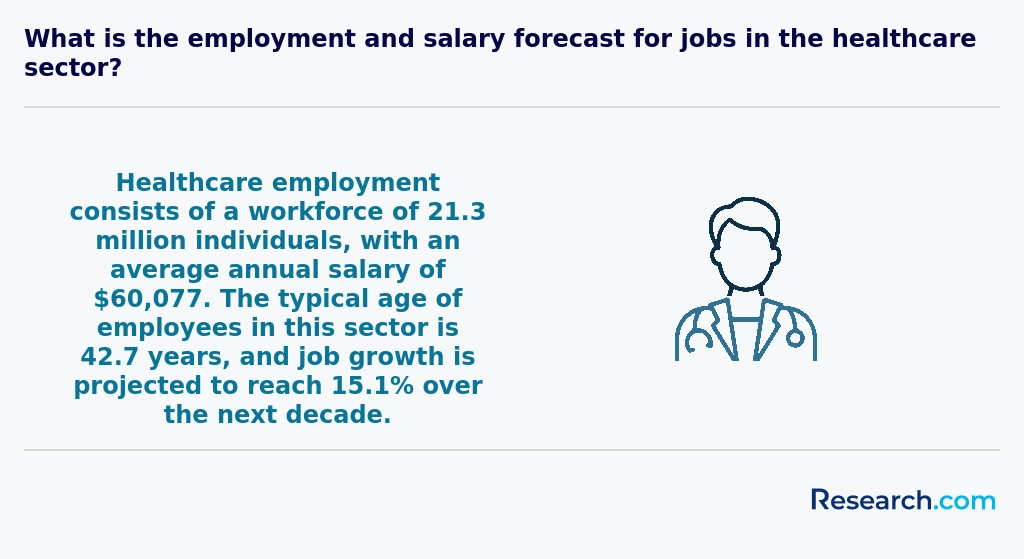
- The healthcare industry in the Northeast is diverse and growing, with job growth expected at about 15% over the next decade.
- Tuition for online healthcare master's programs in the region typically ranges from $25,000 to $50,000, often with financial aid or employer support available.
- Entry-level salaries for healthcare graduates usually start between $60,000 and $70,000, with higher wages in metropolitan areas like Boston and New York.
- Experienced professionals in the Northeast can earn over $100,000 annually, especially in leadership and specialized clinical roles.
- Many accredited online programs offer flexible schedules and include virtual simulations to help students meet clinical competency requirements.
- Licensing requirements vary by state, so it is important to confirm that an online degree meets local healthcare regulations.
How long does it take to complete online healthcare degree in the Northeast?
Completing an online healthcare degree in the Northeast feels like navigating your own unique timeline-shaped by ambition, life's twists, and the flexible programs offered by schools like Boston University or the University of Pennsylvania. Graduates often find associate degrees wrapping up in about two years if they dive in full-time, but many savor the extended journey of three or more years while balancing work or family.
Picture a healthcare student juggling shifts and online classes, fast-tracking a bachelor's degree through accelerated pathways at institutions such as Northeastern University. They might cross the finish line in less than four years, riding waves of intensive semesters and prior credits, sparking pride in every milestone reached.
Master's seekers often trade the clock for flex-time, spending roughly 18 months to two years full-time, or stretching it to three or four years part-time, perfectly syncing study with careers. It's this tailored rhythm, common among public health or healthcare administration students at places like New York University, that keeps motivation vibrant and completion a rewarding reality.
Complementary Certifications and Professional Development
While earning an online master’s degree in healthcare equips you with advanced theoretical knowledge and practical skills, pursuing complementary certifications can further enhance your professional profile and open additional career pathways. In today’s rapidly evolving healthcare landscape, obtaining targeted credentials not only broadens your expertise but also signals to employers that you are committed to staying current with emerging technologies and practices. For instance, supplementing your degree with specific certifications in areas such as healthcare informatics, patient safety, or medical coding can set you apart in competitive job markets. Additionally, understanding and investing in quick, high-impact credentials-like easy medical certifications that pay well-can serve as the catalyst for career advancement, especially in specialized roles. Integrating continuous learning through professional development courses or industry-recognized certifications demonstrates a proactive approach to staying ahead in the field, aligning with employers’ increasing demands for both advanced academic achievement and practical, up-to-date skill sets. Ultimately, combining your master’s degree with these strategic certifications can create a robust, competitive edge in the dynamic healthcare environment.
What's the difference between online and on-campus healthcare degree?
Imagine a busy nurse in Boston juggling shifts and family dinner, tapping through online modules offered by a Northeast university while the sun sets over the Charles River. This is the magic of online healthcare degrees-flexibility wrapped in pixels, allowing you to study anywhere without sacrificing a paycheck or precious moments at home. Graduates from schools like Boston University rave about the autonomy to learn asynchronously, fitting coursework around hectic schedules.
Contrast that with an eager learner trekking across Philadelphia to the University of Pennsylvania campus, diving headfirst into hands-on labs and face-to-face mentorship. The tactile pulse of clinical training and real-time collaboration here is palpable-an irreplaceable heartbeat for many.
- Cost differences: Online options often trim expenses by cutting out commuting and campus fees, even if tuition stays close.
- Clinical placements: Whether online or on-campus, clinical hours are crucial but may require online students to orchestrate local experiences themselves.
- Scheduling flexibility: Online learners savor asynchronous classes, a luxury on-campus students rarely enjoy.
This dance between virtual freedom and immersive tradition defines healthcare education in the Northeast, where personal life rhythms meet rigorous accreditation standards.
Application Process and Timeline
Navigating the application process for an online Master’s in Healthcare degree in the Northeast requires careful planning to meet deadlines, gather materials, and optimize your candidacy. Below is a step-by-step timeline and key considerations to help you apply with confidence: 1. Research and Shortlist Programs (6–9 months before start date) • Verify accreditation and state authorization. • Compare program specializations, tuition, and experiential components. • For additional budget-friendly alternatives outside the Northeast, explore our Inexpensive Online Master’s in Healthcare Degree Programs Ranking in St. Louis, MO. 2. Prepare Application Materials (4–6 months before start date) • Official transcripts from all postsecondary institutions. • Updated résumé highlighting clinical, administrative, or research experience. • Personal statement that addresses your career goals, leadership examples, and passion for healthcare innovation. • Two to three letters of recommendation from academic or professional mentors. 3. Standardized Tests and Prerequisites (3–5 months before start date) • Submit GRE or MAT scores if required; some programs waive these based on GPA or professional experience. • Ensure completion of prerequisite courses (biology, statistics, anatomy) and upload official grade reports. 4. Submit Applications (2–3 months before start date) • Complete online application forms, including supplemental essays or video interviews. • Pay application fees or request fee waivers early to avoid processing delays. 5. Financial Aid and Scholarships (1–2 months before start date) • File the FAFSA and explore institutional grants. • Research state-specific scholarships and employer tuition reimbursement programs. 6. Decision and Enrollment (1 month before start date) • Review acceptance letters, financial aid packages, and program start dates. • Confirm enrollment, submit deposit, and attend virtual orientation sessions. By following this structured timeline and gathering all required documents in advance, you’ll be well-positioned to secure admission into a leading online healthcare master’s program in the Northeast.
What is the average cost of online healthcare degree in the Northeast?
The average cost of an online healthcare degree in the Northeast weaves a story of investment balanced with promise. Graduates from well-known northeastern institutions often recall budgeting around $29,304, a median figure that captures the essence of tuition combined with fees. Those living in-state typically find a slightly gentler path, averaging near $27,165, while out-of-state learners might prepare for closer to $31,530. This affordability dance is a familiar rhythm for many pursuing an affordable online master's in healthcare programs Northeast, where costs reflect the region's prestige and opportunity.
Picture a graduate navigating programs at a respected university in Massachusetts: they meticulously plan for tuition and the extra fees-technology charges, clinical practicum expenses-that quietly add thousands. But the payoff is palpable, merging education with a network of renowned healthcare providers. The experience is often described as worth every dollar, a gateway to enriched knowledge and vibrant career possibilities.
These students know the ropes-balancing costs with scholarships, employer tuition reimbursements, and loans. Some reduce their financial burden through easy medical certifications that pay well, integrating swift credentials with broader degrees. Their journey reflects the complexity and promise wrapped in the average cost of online healthcare degree in Northeast programs, a calculated step toward a thriving career in healthcare's frontlines.
Career Paths and Opportunities for Online Healthcare Graduates in the Northeast
Earning an online healthcare degree in the Northeast opens a wide array of career pathways, each offering distinctive growth opportunities and the chance to make a tangible impact on community health. Graduates can explore diversified roles such as healthcare administration, clinical coordination, telehealth management, and specialized positions in health informatics. For instance, many alumni find success stepping into leadership positions at large hospital networks or specialized roles in data analytics and digital patient care systems, where demand for tech-savvy healthcare professionals continues to surge. With industry trends reflecting a shift toward integrated care models and digital health solutions, this versatile degree equips professionals to adapt to evolving job markets. Career growth is further enhanced by practical experiences acquired through virtual simulations, internships, and structured mentorship programs, which consistently empower graduates to excel in roles ranging from hospital management to community health advocacy. By aligning academic rigor with real-world applications, online healthcare programs in the Northeast not only prepare students for immediate employment but also lay a robust foundation for long-term career advancement and professional fulfillment.
What financial aid is available to online healthcare degree students in the Northeast?
Imagine a graduate juggling a night shift at a Boston hospital while completing an online public health degree at a renowned institution like Northeastern University. Their lifeline? Federal aid made accessible through FAFSA-unlocking grants, work-study, and loans such as Direct Unsubsidized and Grad PLUS that help bridge tuition costs averaging around $15,000 to $45,000 yearly.
Consider the relief felt by another student in New York leveraging the state's Tuition Assistance Program (TAP), which lightens tuition burdens for residents enrolled in online healthcare programs at CUNY or SUNY schools. These state-funded gems transform financial stresses into motivation, fueling dreams of impacting local communities.
Meanwhile, scholarships from universities and professional associations like the American Nurses Association provide a cushion of support, embracing working healthcare professionals eager to advance their education without stepping away from the frontline. For some, loan forgiveness through the National Health Service Corps becomes a strategic beacon-commit to serving underserved areas and watch debt diminish.
Curriculum Overview and Core Competencies
A thorough understanding of what you will learn can make all the difference when selecting an online healthcare degree program. In this section, we break down the typical curriculum structure, highlighting the core courses and skill sets that form the backbone of a robust online master’s program in healthcare. These courses have been carefully designed not only to build a strong theoretical foundation but also to provide practical insights and real-world applications that address the evolving demands of the healthcare industry. Key focus areas include: • Fundamental Healthcare Concepts – Courses in medical ethics, healthcare policy, and health informatics lay the groundwork for understanding complex healthcare systems. • Specialized Tracks – Depending on your interests, you might explore areas such as clinical research, healthcare administration, public health, or innovative telemedicine strategies. • Applied Learning Strategies – Interactive simulations, case studies based on current healthcare challenges, and virtual labs provide hands-on experiences that prepare you for real-life scenarios. • Data-Driven Decision Making – Many programs now incorporate coursework on statistics and data analytics to ensure graduates can interpret health data and make evidence-based decisions. • Integration of Technology – Expect modules that delve into emerging digital tools and telehealth platforms, equipping you with the technical skills essential for today’s healthcare environment. By providing a detailed look at the curriculum, prospective students can gain confidence in the academic rigor and practical relevance of their chosen program. This insight supports informed decision-making, ensuring that every course you take aligns with long-term career goals and the dynamic needs of the healthcare sector.
What are the prerequisites for enrolling in online healthcare degree program in the Northeast?
If you're diving into an online healthcare degree in the Northeast, expect the journey to start with a solid academic foundation-a bachelor's degree, usually from an accredited institution like those in Boston or New York. Graduates recall juggling busy lives while hitting that 3.0 GPA benchmark, knowing it's not just a number but a ticket to their future. Some programs gently nudge applicants toward related fields-biology, nursing, or health sciences-making prior knowledge feel like a warm-up lap rather than a sprint.
Transcripts, letters of recommendation, and personal statements become your storytelling tools, painting your passion and goals. One graduate from a Massachusetts school shared how detailing hands-on nursing work made their application genuinely resonate.
Professional experience? Definitely a gold star, especially for executive roles. Imagine stepping into classes where your real-world insights on healthcare administration sync perfectly with case studies. Prerequisite courses like anatomy or statistics might seem like a throwback to old textbooks, but many Northeast programs offer leveling classes, turning gaps into fresh starting lines.
Accreditation and Program Quality Assurance
Accreditation serves as a cornerstone of any reputable online master’s program in healthcare, ensuring that your degree meets national standards and enhances employability. Prospective students should verify accreditation status before applying, since recognized accrediting bodies validate curriculum rigor, faculty qualifications, and student support services. Common regional and specialized accreditors include: • Middle States Commission on Higher Education (MSCHE) • Commission on Accreditation of Healthcare Management Education (CAHME) • Commission on Accreditation for Health Informatics and Information Management Education (CAHIIM) Understanding accreditation not only confirms academic quality but also affects eligibility for federal financial aid, state licensure, and professional certifications. For example, graduates from CAHME-accredited healthcare administration programs often enjoy streamlined pathways to leadership roles in hospitals and health systems. Likewise, CAHIIM-accreditation is critical for those pursuing careers in health informatics, ensuring your skill set aligns with industry requirements for electronic health record management and data analysis. Beyond program-level accreditation, students should examine institutional reputation, faculty credentials, and peer reviews. Look for published outcome metrics such as graduation rates, board-certified faculty percentages, and employer satisfaction surveys. Exploring real-world case studies can also illuminate how accreditation translates into practical benefits-for instance, how a CAHME-accredited curriculum helped a graduate implement lean management strategies in a regional medical center, resulting in a 15% reduction in patient wait times. To broaden your understanding of credentialing and specialized online pathways, you might also explore https://research.com/universities-colleges/best-accredited-medical-billing-and-coding-schools-online, which highlights top accredited programs in medical billing and coding. By prioritizing accredited online master’s in healthcare programs in the Northeast, you safeguard the value of your investment and strengthen your competitive edge in a rapidly evolving field.
What courses are typically in online healthcare degree programs in the Northeast?
Imagine diving deep into anatomy and physiology, not just as daunting textbook chapters but as the very blueprint of life, much like graduates from renowned Northeastern universities often describe their aha moments peeling back the layers of the human body. Online healthcare degrees here weave these core sciences with the pulse of real-world issues-like the fierce atmosphere of hospital management taught through healthcare administration courses, where students learn to orchestrate care with the precision of a conductor leading a symphony, drawing from vibrant case studies popular in New York and Massachusetts.
Picture unraveling data mysteries in health informatics, transforming raw numbers into life-saving insights, a favorite for many exploring public health challenges across Pennsylvania's diverse communities. Students talk about the ethical debates in medical law classes, where questions feel immediate, echoing in virtual classrooms as if confronting real dilemmas faced by practitioners in bustling Boston clinics. Research methods aren't just abstract theories but tools to decode clinical puzzles, sharpening skills to influence policy in a region so rich with healthcare innovation and complexity.
What types of specializations are available in online healthcare degree programs in the Northeast?
Online healthcare degree specializations in the Northeast paint a vibrant tapestry of opportunity, blending cutting-edge technology with compassionate care. Graduates from renowned regional colleges often recall diving into Healthcare Administration and Management, where imagining the orchestration of bustling hospitals comes alive through leadership simulations and case studies. Others find their calling in Nursing, advancing from RN to BSN or MSN, mastering nurse leadership or informatics-skills they eagerly apply during virtual clinical rotations that echo real hospital hallways.
Public Health stands as a beacon for those passionate about community welfare, with students passionate about curbing epidemics and shaping health policy. Meanwhile, Health Informatics programs invite tech-savvy learners to harness data streams, transforming patient care with digital precision-often inspired by projects in universities known for innovation in the Northeast.
Those drawn to the pulse of discovery immerse themselves in Clinical Research, developing expertise in trial ethics and methodology, while therapy-focused learners balance online coursework with hands-on clinical practice to refine their skills in Occupational or Physical Therapy. For many inspired by the Northeast's dynamic healthcare landscape, this blend of specialization options makes their studies not only a path to a degree but a gateway to impactful careers.
A number of these students have also explored related fields, enhancing their expertise through courses featured in comparisons of industry credentials like https://research.com/universities-colleges/best-accredited-medical-billing-and-coding-schools-online, broadening their professional horizons within the healthcare ecosystem.
In fact, students navigating online healthcare degree specializations Northeast-side understand that these programs respond directly to regional workforce needs, making their education both timely and transformative.
How do you choose the best online healthcare degree in the Northeast?
Choosing the best online healthcare degree programs Northeast demands more than just scanning through rankings; imagine yourself as a graduate juggling a hectic nursing schedule while diving into asynchronous classes from a well-respected college in the region. Accreditation shines here like a beacon-students from top institutions accredited by MSCHE or specialized bodies like CAHME often share how this trusted badge opens doors in local hospitals and clinics. Picture courses designed with your ambitions in mind, whether you're eyeing health informatics or healthcare administration, enriched by real-world internships right in your community.
Affordability also shapes decisions dramatically. Graduates from public universities note the relief in flat online tuition fees that defy state borders, a boon for many Northeast residents balancing wallets and workloads. You might explore options highlighted in Inexpensive Online Master's in Healthcare Degree Programs Ranking in St. Louis, MO to align your budget with dreams. This mix of quality, cost, and flexible formats-crafted to fit busy lives-turns the abstract quest for the perfect degree into an achievable, even exciting, journey.
What career paths are available for online healthcare degree students in the Northeast?
Graduates of online healthcare degrees in the Northeast find themselves stepping into vibrant roles that pulse with opportunity and impact. Imagine managing patient flows in a bustling Boston hospital or leveraging data analytics from a sleek New York City health informatics office-these career paths spring to life as healthcare administration and data management roles thrive amid the region's dense medical landscape. Seasoned alumni from renowned institutions like those near Philadelphia often share how their degrees opened doors to nursing roles that blend cutting-edge care with flexible online education foundations.
For those passionate about community wellness, becoming a public health professional means orchestrating programs that ripple through neighborhoods in New Jersey or Massachusetts, crafting healthier futures with every initiative. Patient advocates trained through online programs frequently describe a profound satisfaction in guiding locals through complex healthcare systems, a task they undertook while balancing real-life responsibilities with their virtual studies. The Northeast's unique ecosystem makes pursuing an online healthcare degree a gateway to one year online masters programs that mesh ambition with adaptability, creating rich career trajectories filled with promise and growth.
What is the job market for online healthcare degree in the Northeast?
The online healthcare degree job market Northeast pulses with energy and promise, especially for graduates weaving their careers from hubs like Boston University and the University of Pennsylvania. Imagine a nurse practitioner, freshly graduated online, stepping into a bustling New York City hospital where the demand for skilled RNs sharpens daily, fueled by the region's aging population and dynamic healthcare systems. The blend of virtual study and real-world application creates graduates ready to fill these crucial roles with confidence and expertise.
Healthcare career opportunities Northeast online programs uniquely prepare students for diverse paths-from clinical nursing to thriving administrative positions in hospitals and health information management. Graduates often share how the flexibility of online degrees amplified their ability to juggle work, family, and study while targeting advanced roles in fast-growing metropolitan areas.
Cost remains a consideration, but many find themselves empowered by financial aid options and employer tuition reimbursement that make investing in education practical. For those curious about the easiest phd to obtain in the healthcare field, online pathways in the Northeast open doors with vibrant community impact and rewarding employment outcomes.
Frequently Asked Questions About healthcare
Online healthcare degree students in the Northeast can enhance their learning by actively engaging with digital resources and local healthcare networks. Utilizing interactive tools like virtual simulations and case studies increases understanding of complex medical concepts. Connecting with regional professional organizations, such as the New England Public Health Association, offers valuable networking and internship opportunities.
The Northeast hosts a dense concentration of healthcare facilities and research institutions, allowing students to seek local clinical placements and practical experience. According to the U.S. Bureau of Labor Statistics, healthcare employment in the Northeast is projected to grow by 13% between 2022 and 2032, emphasizing the region's demand for skilled professionals.
Time management and participation in online discussion forums also boost retention and peer collaboration, key factors for success in remote learning environments.
The healthcare field is rapidly evolving, with several emerging niches gaining prominence in the Northeast. One key area is health informatics, which combines healthcare with data analytics to improve patient outcomes and operational efficiency. According to the U.S. Bureau of Labor Statistics, employment in this sector is expected to grow 17% nationally by 2030.
Another growing niche is gerontological nursing, driven by the aging population in states like New York and Massachusetts. The region's increasing senior demographic demands specialized care, making this a promising area for online master's candidates.
Telehealth services, accelerated by the COVID-19 pandemic, continue to expand. Northeastern institutions are incorporating telemedicine training into healthcare programs to meet regional needs.
Lastly, public health leadership focusing on epidemic preparedness is becoming critical. The Northeast's dense population underscores the need for skilled professionals managing community health crises.
After completing an online healthcare degree in the Northeast, preparing for the job market requires strategic steps. First, graduates should obtain relevant certifications, such as the Certified Professional in Healthcare Quality (CPHQ), which enhances employability in roles across New York and Massachusetts, states with growing healthcare demands.
Networking is crucial; joining regional professional groups like the Northeast Healthcare Executives Network can connect candidates with local employers and industry events. Additionally, internships or practicum experiences, even virtual ones, provide practical skills valued by recruiters.
Finally, staying informed about trends-such as the 10% projected growth in healthcare jobs in the Northeast per the Bureau of Labor Statistics-helps graduates tailor their job search effectively.
Employers in the Northeast healthcare sector prioritize a blend of technical and interpersonal skills in graduates holding online healthcare degrees. Critical thinking and clinical knowledge remain foundational, with a focus on evidence-based practice. According to the Bureau of Labor Statistics, healthcare employment in the Northeast is projected to grow by 12% from 2022 to 2032, increasing demand for adaptable professionals.
Communication skills are especially valued, as healthcare workers must collaborate across diverse teams and interact effectively with patients. Additionally, proficiency in healthcare technology and data management is essential, reflecting the region's push toward digitized health records and telemedicine services. Leadership and cultural competency skills also stand out among top employer expectations.
Finding internships in the Northeast relevant to a healthcare degree often begins with university career centers, where numerous partnerships with local hospitals and clinics exist. Many institutions maintain relationships with well-known healthcare providers such as Massachusetts General Hospital and NYU Langone Health. These centers offer listings of approved internships and assist in the application process.
The U.S. Bureau of Labor Statistics projects healthcare employment growth in the Northeast to exceed the national average by 2027, increasing internship opportunities. Professional associations like the American Public Health Association also provide regional internship databases.
Online students should leverage virtual job fairs and platforms like Handshake, which often list remote and local internships catering to healthcare students in states including New York, New Jersey, and Pennsylvania.
Online healthcare degrees in the Northeast significantly enhance career mobility and advancement opportunities. The region has a robust healthcare industry, with states like New York, Massachusetts, and Pennsylvania showing strong demand for skilled professionals, according to the Bureau of Labor Statistics (BLS, 2023).
Graduates with online healthcare degrees gain flexible access to advanced skills and credentials without disrupting their current employment. This flexibility lets professionals pursue roles such as healthcare administration, nursing leadership, or public health management more easily.
Moreover, many Northeast employers recognize accredited online degrees, facilitating promotions and salary increases. Data from the Northeast Healthcare Coalition shows a 15% salary growth on average for workers holding advanced degrees, including those earned online.
Overall, online healthcare education supports career shifts and advancement in a region with growing healthcare needs and competitive job markets.
Studying for a healthcare degree online in the Northeast equips students with skills tailored for interdisciplinary roles by emphasizing collaboration across multiple healthcare fields. Many programs integrate courses in public health, healthcare management, and clinical practice, fostering a broad understanding of patient care and system operations.
The Northeast is home to top-ranked universities with strong connections to diverse healthcare settings, from urban hospitals to community clinics. These connections offer online students access to practical case studies and virtual simulations reflecting real-world teamwork.
According to the Bureau of Labor Statistics, healthcare employment is projected to grow 16% nationally by 2031, with the Northeast showing high demand for professionals who understand diverse care models and team-based practices (BLS, 2023).
Interdisciplinary training helps graduates fill roles in care coordination, health informatics, and policy, where understanding multiple perspectives is crucial for success.
When choosing between a thesis and a non-thesis healthcare degree program in the Northeast, consider your career goals first. Thesis programs focus on research and are ideal if you plan to pursue a doctoral degree or work in research settings. Non-thesis programs emphasize practical skills and coursework, better suited for professionals seeking advancement in clinical or administrative roles.
The Northeast offers diverse online healthcare programs, with some states reporting a 20% increase in healthcare job growth by 2028, according to the U.S. Bureau of Labor Statistics. This growth suggests that practical skills gained in non-thesis programs may be highly valued.
Cost and time commitment also vary; thesis degrees often require more time for research completion. Universities like Boston University and University of Pittsburgh provide both options, allowing flexibility depending on your interests.
Students in the Northeast interested in studying healthcare abroad have several options to consider. Many universities in this region partner with international institutions, enabling students to complete portions of their healthcare degrees overseas while still enrolled in U.S. programs. Popular destinations often include the United Kingdom, Canada, and Ireland, known for their strong healthcare education systems.
Online programs frequently offer virtual exchange opportunities or clinical experiences aligned with global health practices. Additionally, organizations like the Institute of International Education report that over 20% of U.S. healthcare students participate in study abroad programs, gaining valuable cross-cultural skills.
For students in states like New York and Massachusetts, well-established medical schools often include global health tracks, reflecting the Northeast's leadership in healthcare education and research.
Students pursuing online healthcare degrees in the Northeast can benefit from part-time jobs that provide practical experience and enhance their resumes. Common opportunities include roles such as medical assistants, pharmacy technicians, and patient care coordinators, which are widely available in states like New York, Massachusetts, and Pennsylvania. According to the U.S. Bureau of Labor Statistics, the Northeast shows a steady demand for these positions, with medical assistant jobs expected to grow by 16% from 2022 to 2032.
Working part-time in clinics or hospitals allows students to develop clinical skills and understand healthcare systems better. Additionally, roles in healthcare administration offer exposure to management aspects, which complements advanced degree curricula. Many employers value hands-on experience alongside academic credentials, boosting students' future employment prospects.
Online healthcare students in the Northeast benefit from diverse networking opportunities supported by universities and regional organizations. Many programs partner with hospitals and healthcare facilities in major metro areas like Boston, New York City, and Philadelphia, enabling students to connect with healthcare professionals through virtual events and internships.
Professional groups such as the New England Healthcare Assembly and the New York State Health Foundation often host conferences and webinars that online students can access. According to the Bureau of Labor Statistics, the healthcare sector in the Northeast is expected to grow by over 15% by 2030, increasing demand for networking and job placement.
Additionally, alumni networks and online student communities foster mentorship and career development, which are critical for advancing in healthcare careers within this competitive region.
Alumni networks significantly enhance the experience of online healthcare degree students in the Northeast by providing valuable professional connections. These networks connect current students with graduates working in prominent regional healthcare systems, such as Massachusetts General Hospital and NewYork-Presbyterian. According to the National Center for Education Statistics, networking contributes to a 20% higher job placement rate for graduates in this region.
Moreover, alumni often share insights on job openings and industry trends specific to the Northeast, helping students navigate a competitive market. Mentorship programs facilitated through alumni networks also offer guidance on career advancement and continuing education.
This ongoing support fosters collaboration, crucial in the ever-evolving healthcare sector.
Customizing your online healthcare degree in the Northeast allows you to align education with specific career goals. Many universities offer concentrations such as health informatics, public health, or healthcare management. For example, schools like Northeastern University and the University of Vermont provide flexible elective options to tailor skills. Choosing internships or practicum placements within local healthcare systems can further enhance practical experience. According to the Bureau of Labor Statistics, healthcare management roles in the Northeast are growing faster than the national average, emphasizing the value of specialized training. Always review program curricula and regional licensing requirements to ensure alignment with your ambitions.
Online healthcare students in the Northeast face several challenges related to balancing rigorous coursework and clinical requirements. Many programs require in-person clinical placements, which can be difficult to schedule due to limited availability of healthcare facilities in urban and rural areas alike. According to the Northeast Regional Board of Nursing, clinical slot shortages have increased by 15% over the past five years, affecting completion timelines.
Another obstacle is maintaining steady internet connectivity, especially for students in less densely populated parts of states like Maine and Vermont, which impacts participation in live lectures and telehealth training simulations. Additionally, the high cost of living in metropolitan hubs like New York and Boston can strain students financially, complicating part-time work options needed to support studies.
With an online healthcare degree, students in the Northeast can pursue several professional certifications that enhance career prospects. Common certifications include the Certified Professional in Healthcare Quality (CPHQ) and the Certified Medical Manager (CMM). These credentials demonstrate expertise in healthcare management and quality assurance.
Other options include certifications in health information management, such as Registered Health Information Administrator (RHIA) or Registered Health Information Technician (RHIT). These are valuable as the Northeast has a strong healthcare infrastructure requiring skilled data professionals (American Health Information Management Association, 2023).
Certification often requires a combination of education, experience, and passing an exam. For example, the National Board of Certification for Medical Interpreters offers credentials beneficial for bilingual professionals in diverse Northeast communities.
Writing a winning application for an online healthcare program in the Northeast starts with understanding the region's educational and healthcare landscape. Institutions in states like New York, Massachusetts, and Pennsylvania often value applicants with clear career goals and relevant experience. Highlight any healthcare-related work or volunteering, as the Northeast has a high concentration of hospitals and research centers, enhancing your practical exposure.
Strong academic credentials remain crucial; many programs require a bachelor's degree with a minimum GPA around 3.0. Additionally, personal statements should focus on your motivation for advancing healthcare, referencing local healthcare challenges like aging populations and urban health disparities, which are significant in the Northeast. According to the American Association of Colleges of Nursing, healthcare jobs in the Northeast are projected to grow by 15% by 2030, making this a competitive field.
Finally, secure strong letters of recommendation from supervisors or professors who can attest to your skills and dedication in healthcare contexts relevant to the Northeast.
Healthcare careers are increasingly viewed through a global lens, reflecting worldwide demand for skilled professionals. The U.S. healthcare sector, especially in the Northeast, benefits from diverse populations and advanced medical research institutions. According to the Bureau of Labor Statistics, healthcare jobs in the Northeast are projected to grow faster than the national average through 2030, driven by aging populations and rising chronic conditions.
Globally, healthcare roles emphasize adaptability and cultural competence, skills supported by many online programs in the Northeast. Institutions often integrate international health perspectives to prepare students for evolving challenges.
Additionally, online degrees allow professionals to engage with global health trends without relocating, a key advantage during changing workforce dynamics caused by the pandemic.
Gaining practical experience while pursuing an online healthcare degree in the Northeast is essential for career readiness. Many programs incorporate clinical placements or internships at local hospitals, clinics, and community health centers. For example, students may partner with institutions like Massachusetts General Hospital or Mount Sinai Health System in New York City.
Additionally, virtual simulations and lab work are increasingly common, allowing hands-on learning remotely. According to the Northeast Regional Center for Excellence in Public Health, over 70% of healthcare programs in the region offer such hybrid practical experiences.
Students should consult their program advisors early to align placements with licensure and certification requirements.
Choosing the right concentration within an online healthcare degree program in the Northeast begins with evaluating your career goals and interests. Popular concentrations include healthcare administration, public health, nursing, and health informatics. According to the U.S. Bureau of Labor Statistics, healthcare occupations in the Northeast are projected to grow by over 15% by 2030, especially in administrative and informatics roles.
Research programs accredited by recognized bodies such as the Commission on Accreditation of Healthcare Management Education. Also, consider concentrations aligned with regional healthcare demands; for example, New York and Massachusetts have high demand for public health professionals due to large urban populations.
Comparing curriculum details and internship opportunities offered by schools can further guide decisions.
Top Trending Healthcare Rankings
See What Experts Have To Say About Studying Healthcare
Read our interview with Healthcare experts

References
- Healthcare Degrees https://teach.com/online-ed/healthcare-degrees/
- Online Degree vs. Traditional: Choosing the Right Path https://beal.edu/online-degree-vs-traditional/
- Online Healthcare Degree-Accredited Programs https://nursinglicensemap.com/resources/healthcare-degree-programs/
- Alumni Reconnect - Poznan University of Medical Sciences https://pums.edu.pl/alumni-friends/alumni-reconnect/
- How to Choose a Health Administration Program https://www.healthadministrationdegrees.com/articles/choosing-a-program/
- Science Prerequisites for Health Professions https://online.une.edu/science-prerequisites/
- Global Perspectives – Healthcare Beyond Borders https://www.cedars-sinai.org/international-stories/healthcare-beyond-borders.html
- Health Sciences Study Abroad Programs - Healthcare Abroad https://www.ceastudyabroad.com/academic-discipline/health-sciences
- Thesis vs. Non-Thesis Master's Programs: Which is Right for You? https://potomac.edu/thesis-vs-non-thesis-masters/
- Online MHA Programs Ranked by Affordability (2025) https://www.mhaonline.com/blog/affordable-online-mha-programs-ranked


