2027 Best Online Master's in Healthcare Degree Programs Ranking in Mississippi

Co-Founder and Chief Data Scientist
Choosing the right healthcare master's degree program in Mississippi can feel overwhelming. That's why the Research.com team of data scientists created the 2027 Best Online Master's in Healthcare Degree Programs Ranking in Mississippi. This ranking helps you understand which programs stand out based on clear, reliable data.
By exploring this article, you'll gain valuable insights to make an informed decision about your future. Earning a healthcare degree opens doors to meaningful careers that make a real difference in people's lives. Let us guide you toward the program that fits your goals and passions.
Key benefits of getting online healthcare degree in Mississippi
- Healthcare degree graduates in Mississippi can expect strong earning potential, with roles like Healthcare Consultant averaging $115,530 annually and Healthcare Compliance Manager earning about $80,190 yearly, providing financial stability.
- Graduates from institutions such as the University of Mississippi have diverse career paths available, including consulting, compliance, and project management, allowing flexibility to find fulfilling roles that match their interests.
- Completing a healthcare degree online at schools like the University of Southern Mississippi offers flexibility to balance work and study, saving time and commuting costs while gaining the same respected credential as traditional programs.
- Key benefits of getting online healthcare degree in Mississippi
- What can I expect from online healthcare degree in Mississippi?
- Where can I work with online healthcare degree in Mississippi?
- How much can I make with online healthcare degree in Mississippi?
- 2027 Best Online Master's in Healthcare Degree Programs Ranking in Mississippi
- Key Findings
- How long does it take to complete online healthcare degree in Mississippi?
- Success Strategies for Online Healthcare Students in Mississippi
- What's the difference between online and on-campus healthcare degree?
- Return on Investment: Career Outcomes and ROI
- What is the average cost of online healthcare degree in Mississippi?
- Accreditation and Quality Assurance
- What financial aid is available to online healthcare degree students in Mississippi?
- Emerging Trends and Innovations in Online Healthcare Education
- What are the prerequisites for enrolling in online healthcare degree program in Mississippi?
- Licensure and Certification Requirements for Mississippi Online Healthcare Graduates
- What courses are typically in online healthcare degree programs in Mississippi?
- What types of specializations are available in online healthcare degree programs in Mississippi?
- How do you choose the best online healthcare degree in Mississippi?
- What career paths are available for online healthcare degree students in Mississippi?
- What is the job market for online healthcare degree in Mississippi?
- Related Healthcare Rankings for Nearby States
- Top Trending Healthcare Rankings
- See What Experts Have To Say About Studying Healthcare
What can I expect from online healthcare degree in Mississippi?
The average cost of an online healthcare degree in Mississippi typically ranges from $15,000 to $35,000, a figure that students often find surprisingly affordable given the quality and flexibility offered. Graduates from institutions like the University of Mississippi Medical Center or Jackson State University often highlight how balancing work, family, and study became manageable precisely because of this cost-effectiveness paired with online accessibility.
Many students feel empowered knowing their investment supports programs accredited by recognized bodies like CAHME or CEPH, ensuring the degree carries weight in the healthcare job market. Imagine a working nurse in Tupelo progressing into administration without uprooting their life-this practical affordability makes such transitions possible.
While some may expect healthcare degrees to be prohibitively expensive, Mississippi's online programs challenge this assumption, offering competitive pricing coupled with real-world applicability. The cost is not just a number but an enabling factor, letting students focus on mastering healthcare policy, ethics, and management that directly impact local communities burdened by chronic diseases.
Where can I work with online healthcare degree in Mississippi?
Graduates with an online healthcare degree in Mississippi discover their skills welcomed in diverse roles across the state's vast healthcare landscape. Many find themselves thriving at major hospitals like the University of Mississippi Medical Center, where online degree holders are trusted to provide critical nursing care or manage complex health informatics systems. These environments are not just workplaces but communities where graduates share a sense of purpose and impact.
Others step into outpatient clinics or rural health centers, spaces often stretched thin yet profoundly rewarding. Alumni from Mississippi College's healthcare programs speak of the fulfillment found in serving communities where access to care is scarce and their expertise directly improves lives.
Healthcare administration and informatics roles with insurers or government agencies challenge graduates to innovate behind the scenes, shaping policies and data strategies that enhance statewide healthcare delivery. Online degree holders from institutions like Delta State University emphasize how their education prepared them to confidently navigate licensure requirements and enter these fields with recognized credentials.
How much can I make with online healthcare degree in Mississippi?
Graduates of online healthcare programs in Mississippi often find that their investment yields strong financial rewards, especially in roles backed by reliable salary data. For instance, healthcare consultants-many of whom start careers with advanced degrees from institutions like the University of Mississippi Medical Center-earn a mean annual wage of about $115,530. This figure greatly exceeds typical nursing salaries and reflects growing demand for strategic expertise in healthcare.
Healthcare compliance managers, another crucial role for master's degree holders, make around $80,190 per year in Mississippi. Graduates from Mississippi State University's online healthcare management programs frequently share how mastering compliance regulations directly translated into these competitive salaries.
These numbers challenge the notion that local healthcare salaries are universally low. While registered nurses earn roughly $61,000 statewide, stepping into consultancy or compliance opens doors to significantly higher earnings, proving that targeted online degrees can elevate income potential substantially.
Students pursuing these degrees express optimism, motivated by the knowledge that flexibility in online learning pairs with attractive career outcomes in Mississippi's evolving healthcare landscape.
2027 Best Online Master's in Healthcare Degree Programs Ranking in Mississippi
How do we rank schools?
Investing in your education is a significant decision that can shape your future, and the Research.com team understands the importance of making informed choices. To assist prospective students in Mississippi, we have meticulously crafted the "2027 Best Online Master's in Healthcare Degree Programs Ranking in Mississippi." Our commitment to quality, credibility, and accuracy is reflected in the extensive research and analysis conducted to compile this ranking.
We utilized the following reputable data sources to ensure a comprehensive evaluation of healthcare programs:
By exploring this ranking, readers will gain valuable insights into the best online master's in healthcare degree programs in Mississippi, enabling them to make well-informed decisions about their educational paths. For more details on our methodology, please visit our Research.com methodology page.


Key Findings
- Tuition for online healthcare degrees in Mississippi ranges from $15,000 to $30,000 for a full master's program, which is usually less expensive than in-person options.
- The healthcare sector in Mississippi is expected to grow by about 15% over the next decade, offering strong job opportunities.
- Entry-level healthcare salaries in Mississippi range from $45,000 to $55,000 annually, while experienced professionals can earn between $70,000 and $90,000.
- Accreditation from bodies like CCNE or ACEND is crucial for program eligibility and career prospects in healthcare fields.
- Programs must prepare students for Mississippi's licensing and certification requirements, including clinical hours or practical experience through local partnerships if needed.
How long does it take to complete online healthcare degree in Mississippi?
Completing an online healthcare degree in Mississippi varies widely, often defying the "one-size-fits-all" expectation. For instance, many associate degrees, like nursing assistant training, typically wrap up in about 2 years when studied full-time, offering a swift entry into the healthcare workforce. Yet, those balancing jobs and family find part-time routes just as achievable, though they take longer.
Graduates from the University of Mississippi Medical Center share how the online Bachelor of Science in Nursing completion program transformed their timelines, enabling completion in as little as 12 months when building on prior nursing credentials. This accelerated pace challenges the traditional four-year notion prevalent nationwide.
Meanwhile, Mississippi College's Master of Healthcare Administration graduates highlight the flexibility of completing their degrees in roughly 2 years while working full-time, reflecting the state's commitment to accommodating busy professionals without sacrificing academic rigor.
Factors such as credit transfers, accelerated courses, and clinical requirements intertwine with personal circumstances, reshaping the typical timeline. These experiences illustrate how Mississippi's healthcare education landscape empowers motivated students to progress faster than expected, sparking both pride and confidence.
Success Strategies for Online Healthcare Students in Mississippi
Achieving success in an online healthcare degree program demands more than just academic excellence-it requires intentional planning, smart time management, and active engagement with available resources. Prospective and current students should consider developing a structured study schedule, taking advantage of digital tools and virtual libraries, and actively participating in online discussion boards and webinars. Building a strong network with faculty, peers, and industry professionals can provide essential insights that enhance both academic performance and career opportunities. Additionally, researching programs that offer a blend of quality education and affordability-such as the cheapest healthcare schools in mississippi-can be key to reducing financial stress while maximizing educational value. Emphasizing continuous learning, self-discipline, and proactive use of support services can help students navigate the challenges of remote coursework and prepare them for dynamic roles in Mississippi’s growing healthcare industry.
What's the difference between online and on-campus healthcare degree?
Online and on-campus healthcare degrees in Mississippi open distinctly different doors despite leading to the same accredited qualifications. Imagine a graduate from the University of Mississippi Medical Center juggling family and work: the asynchronous online format lets them watch lectures at midnight, offering flexibility that on-campus schedules at institutions like Jackson State University can't match.
Yet, the on-campus experience shines in its immediacy. Graduates from on-site programs often describe the energizing buzz of real-time discussions and instant feedback from instructors, aspects that feel more tangible within the walls of their learning community.
Clinical placements underline this divide. Online students still gain hands-on skills through local partnerships arranged by schools, embracing their own communities as learning labs. Conversely, those on-campus often access specialized facilities nearby, at times limiting placement variety but enhancing direct supervision.
Cost and technology usability further shape choices. A graduate pursuing an online healthcare master's in Mississippi might relish saving on commuting and housing, even while adapting to new digital tools, contrasting with on-campus peers who tap into campus libraries and face-to-face study groups.
Ultimately, the decision hinges on whether you seek convenience and adaptability or immersive, in-person engagement deeply woven into Mississippi's healthcare education fabric.
Return on Investment: Career Outcomes and ROI
Understanding the return on investment (ROI) for an online master’s in healthcare degree in Mississippi is crucial for prospective students aiming to maximize both financial and professional benefits. Graduates report that their investment in these programs often pays off within three to five years through accelerated career advancement and higher earning potential. For instance, healthcare administration alumni commonly see salary increases of 20–30% upon securing leadership roles, translating to an average annual salary boost of $15,000 to $20,000. Similarly, nurse leaders and informatics specialists report significant gains, with median salaries rising from around $75,000 to over $90,000 within two years of graduation. Program-specific outcomes further illustrate ROI. Graduates from top-ranked online programs in Mississippi achieve average job placement rates of 85–90% within six months of degree completion, a metric that underscores the efficacy of career services and employer partnerships. Additionally, many institutions offer alumni mentoring, resume workshops, and virtual career fairs, ensuring that students cultivate the professional networks necessary to thrive. When comparing cost-to-outcome ratios, candidates may also explore specialized pathways, such as PharmD degrees. While pharmacy doctorates generally require higher tuition, certain colleges with affordable pharmd programs demonstrate that strategic program selection can yield competitive ROI even in advanced healthcare fields. Long-term ROI extends beyond salary. Graduates frequently cite non-monetary benefits such as increased job satisfaction, leadership opportunities, and enhanced clinical competencies. Leadership roles in hospital administration or public health policy, for example, often come with expanded decision-making responsibilities and the chance to influence patient outcomes at a systemic level. Over a 10-year career span, the cumulative financial impact-including salary growth, bonuses, and retirement contributions-can exceed $300,000 above the baseline for bachelor’s-level professionals, reinforcing the value proposition of investing in a Mississippi-based online master’s program. Before committing, prospective students should evaluate key ROI indicators: total program cost, average starting salary, job placement rate, and long-term career trajectories. By comparing these metrics across accredited institutions and leveraging robust career support services, individuals can make informed decisions that align with both their financial goals and aspirations in the dynamic healthcare sector.
What is the average cost of online healthcare degree in Mississippi?
The average cost of an online healthcare degree in Mississippi typically centers around a median total of $20,700, reflecting a balance between affordability and quality education. Graduates from popular programs like those at the University of Mississippi Medical Center often recall that managing tuition alongside other expenses required careful planning, yet many found the investment rewarding given the career advancement opportunities it unlocked. Mississippi's public universities usually charge between $250 and $500 per credit hour, a rate notably lower than the national average, which eases the financial burden for in-state students pursuing healthcare fields.
When thinking about Mississippi online master's healthcare tuition fees, it's essential to consider that while tuition covers core costs, additional expenses such as books and fees, which can add $1,000 to $3,000, may significantly affect the overall budget. Many students from community colleges who transitioned to four-year institutions report that financial aid, scholarships, and employer assistance played a crucial role in their ability to complete their degrees without overwhelming debt. This makes studying healthcare in Mississippi not only feasible but strategically smart for those mindful of their finances.
For prospective students weighing options, exploring the cheapest healthcare schools in Mississippi uncovers institutions where quality meets affordability, shifting the conversation beyond just tuition numbers. This approach encourages a deeper reflection on value, return on investment, and how education shapes future healthcare professionals' lives in the state's growing health economy.
Accreditation and Quality Assurance
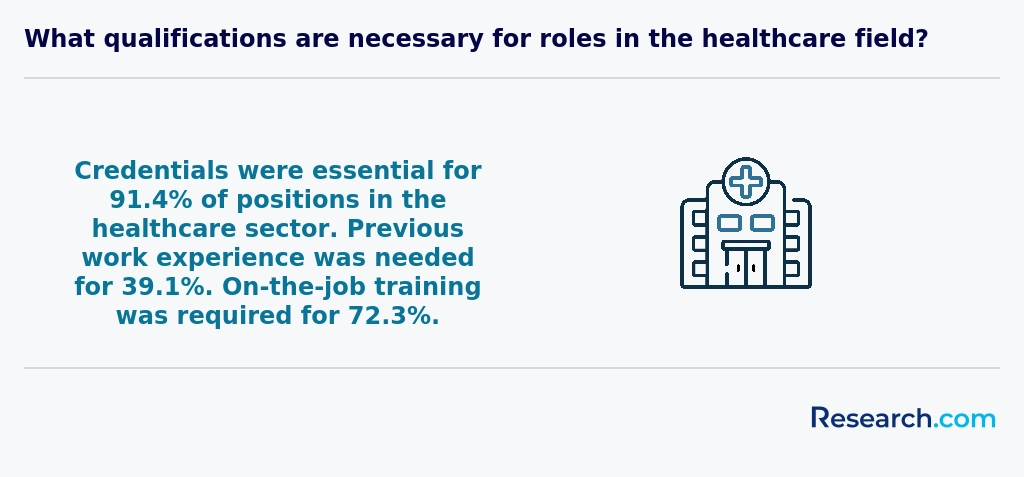
Accreditation confirms that online healthcare master’s programs meet rigorous academic and professional standards, ensuring eligibility for federal aid and state licensure.
- Regional accreditation (e.g., SACSCOC) validates overall institutional quality.
- Programmatic accreditation (CCNE or ACEN for nursing, CAHME for health management) ensures specialized curricula meet industry benchmarks.
- State board approval guarantees graduates are eligible for licensing and practice within Mississippi.
For students interested in nurse practitioner tracks, explore the cheapest fnp programs online to combine affordability with recognized accreditation.
What financial aid is available to online healthcare degree students in Mississippi?
Mississippi students pursuing online healthcare degrees often uncover a mosaic of financial aid options that defy the idea that quality education must come with crushing debt. Imagine a nursing student at the University of Mississippi Medical Center who, through the Mississippi Nursing Workforce Scholarship, transforms scholarship dollars into loan forgiveness by choosing to serve in a rural community-turning career goals into tangible relief. Federal aid like Pell Grants adds a lifeline, covering tuition chunks with no repayment demands, especially vital for those balancing family and work.
Meanwhile, students at Mississippi State University find institutional scholarships that recognize their dedication, easing the financial strain with merit-based awards. Many working healthcare professionals in Jackson leverage employer tuition assistance programs, feeling supported as they advance their careers without sacrificing income. Veterans studying at Tougaloo College tap into the GI Bill, relieving stress and unlocking new opportunities.
These pathways offer more than money; they provide hope and empowerment, proving that pursuing an online healthcare degree here can be as financially accessible as it is professionally rewarding.
Emerging Trends and Innovations in Online Healthcare Education
As the healthcare field rapidly evolves, online education programs are constantly integrating new technologies and methodologies to better prepare students for future challenges. Recent innovations include advanced telehealth simulation tools, interactive virtual labs, and AI-powered analytics that enhance learning and clinical decision-making. These developments not only improve the quality of education but also create new pathways for specialization and career advancement. For instance, as online programs expand their tech-driven curriculum, they may also offer unique interdisciplinary opportunities-such as merging healthcare management with digital innovation-ensuring graduates are market-ready and adaptable. If you’re considering a broader spectrum of healthcare careers, you might explore programs that also incorporate studies in related fields; for example, those interested in pharmaceutical sciences can learn more by visiting the best online pharmacy school section on our website. These future-focused innovations underline the commitment of online healthcare programs to deliver relevant, high-quality education that aligns with both current industry standards and anticipated trends.
What are the prerequisites for enrolling in online healthcare degree program in Mississippi?
Enrolling in an online healthcare degree program in Mississippi demands more than just meeting baseline qualifications; it calls for proving your readiness to thrive in a challenging academic and professional environment. Graduates from institutions like the University of Mississippi Medical Center often recount the initial hurdle of presenting a solid academic record-typically a GPA between 2.5 and 3.0-to demonstrate their capability to handle demanding coursework remotely. For many pursuing graduate studies, holding a relevant bachelor's degree isn't merely a formality but a crucial foundation, especially when schools expect prior coursework in subjects like biology and statistics.
Applicants learn quickly that prerequisites extend beyond transcripts. Real stories from Mississippi College highlight how crafting a compelling personal statement and securing insightful letters of recommendation can set candidates apart, revealing determination and passion. Some programs also expect healthcare-related professional experience, anchoring theory in practice, which graduates recall as instrumental in building both confidence and credibility.
Even the once-feared GRE has become more negotiable, reflecting a growing emphasis on potential rather than standardized testing. Yet, navigating these prerequisites at renowned Mississippi institutions requires early preparation, ensuring your application resonates with both academic rigor and genuine motivation.
Licensure and Certification Requirements for Mississippi Online Healthcare Graduates
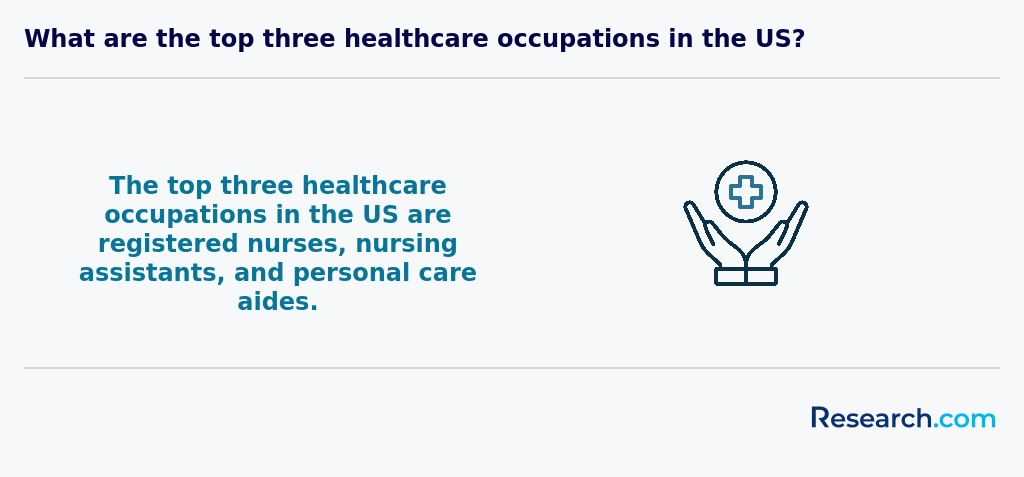
Graduates of online healthcare master’s programs in Mississippi must navigate state licensure and national certification processes to ensure eligibility for practice. For nursing specializations, the Mississippi Board of Nursing requires successful completion of an accredited program (ACEN or CCNE), passing the NCLEX-RN exam, and applying for initial licensure within six months of graduation. Advanced practice registered nurses (APRNs) must also obtain national certification through bodies like the American Nurses Credentialing Center (ANCC) or the American Association of Nurse Practitioners (AANP) before state approval. Healthcare administration and informatics graduates often pursue the Certified Healthcare Administrative Professional (cHAP) or Certified Professional in Healthcare Information and Management Systems (CPHIMS) credentials. Eligibility typically includes a master’s degree in healthcare administration or informatics and documented work experience. These certifications not only validate your expertise but also enhance job market competitiveness. For students interested in medical coding and billing, the American Academy of Professional Coders (AAPC) and the American Health Information Management Association (AHIMA) offer the Certified Professional Coder (CPC) and Registered Health Information Technician (RHIT) credentials, respectively. Online program curricula in Mississippi usually align with these certification requirements, providing targeted exam preparation and practicum components. Finally, aspiring public health professionals should consider the Certified in Public Health (CPH) credential offered by the National Board of Public Health Examiners (NBPHE). Meeting CPH prerequisites involves completing a CEPH-accredited program and passing the CPH exam, ensuring readiness for leadership roles in community health settings. While exploring affordable online options, check out Inexpensive Online Healthcare Degree Programs Ranking in Philadelphia, PA for comparison. Meeting these licensure and certification benchmarks will position Mississippi graduates for successful, compliant careers across the healthcare spectrum.
What courses are typically in online healthcare degree programs in Mississippi?
Online healthcare degree programs in Mississippi immerse students in courses that go beyond basics, blending rigorous science with practical management skills. Graduates from institutions like the University of Mississippi Medical Center often describe how core classes such as Human Anatomy and Physiology and Medical Terminology built their confidence to understand complex patient cases in clinical simulations.
These programs challenge students to grasp not just biology but the nuances of Healthcare Ethics and Law, a subject that sparks lively debates about real-world dilemmas faced by Mississippi's healthcare providers. The focus on Health Informatics feels especially empowering, enabling learners to navigate evolving technologies crucial for managing patient data efficiently in state hospitals.
Students frequently reflect on how courses in Healthcare Management and Leadership prepared them to lead teams amid Mississippi's public health challenges, like combating high rates of diabetes. Meanwhile, specialized topics tailored to public health and policy encourage learners to think critically about improving care quality and access statewide. For many, the practicum projects bring theory to life, turning abstract knowledge into meaningful impact even from a distance.
What types of specializations are available in online healthcare degree programs in Mississippi?
Exploring online healthcare degree specializations in Mississippi reveals a landscape shaped deeply by the state's unique healthcare demands. Graduates from popular universities often share how nursing tracks-especially Family Nurse Practitioner or Nurse Educator roles-empowered them to serve rural communities where access to advanced care is scarce, instilling a profound sense of purpose. Healthcare Administration students describe gaining crucial skills in managing the complexities of Mississippi's sizable healthcare sector, a necessity given that healthcare spending consumes nearly 18% of the state's GDP. Public Health specializations resonate with those passionate about combating widespread issues like obesity and maternal health challenges, turning academic education into community impact.
Other graduates highlight programs in Health Informatics, where the integration of technology and patient care feels both innovative and practical in improving statewide health systems. Aspiring therapists find Occupational and Physical Therapy degrees particularly rewarding in Mississippi, addressing the needs of an aging population with steady job growth. For a holistic perspective on available paths, students often turn to resources like the best online pharmacy school, expanding their understanding beyond traditional options.
How do you choose the best online healthcare degree in Mississippi?
Choosing the best online healthcare degrees in Mississippi means looking beyond surface factors like name recognition or cost alone. Graduates from popular institutions across Mississippi often reflect on the value of programs that integrate real local healthcare challenges, such as rural access issues, into their curriculum. This tailored approach creates professionals who feel truly prepared and connected to the state's evolving healthcare needs.
Many students emphasize the importance of program flexibility in managing work, family, and study seamlessly. For those balancing caregiving or full-time jobs, online courses offering asynchronous learning with strong student support provide not just convenience but relief and motivation. Choosing programs known for high completion rates and strong employment outcomes in Mississippi solidifies future opportunities.
Costs matter, but affordability in Mississippi's context can mean more than just low tuition-it also involves uncovering financial aid and scholarships unique to the state's public universities. Students looking into specialized fields might explore colleges with affordable pharmd programs in the region, gaining an edge both financially and professionally.
Reputation builds on faculty expertise that resonates with local healthcare systems, which graduates recall as pivotal to their confidence and networking success. Evaluating all these layers leads to a more informed, personally meaningful choice.
What career paths are available for online healthcare degree students in Mississippi?
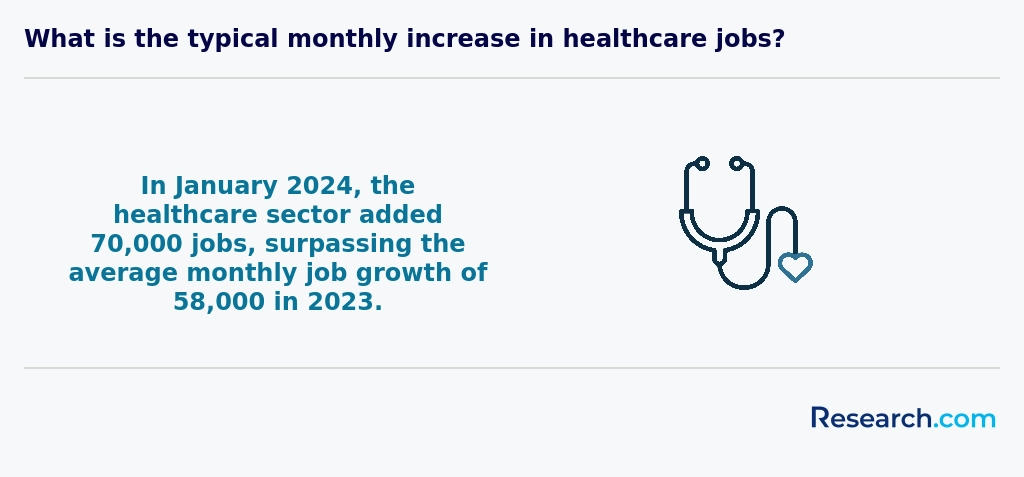
Graduates earning an online healthcare degree in Mississippi discover that their career options extend far beyond traditional hospital roles. Many find themselves thriving in healthcare administration and management, where coordinating medical services within respected institutions such as the University of Mississippi Medical Center or Jackson State University brings a sense of real impact and purpose. Some graduates recall their satisfaction in facilitating smoother patient experiences and improving facility efficiency, directly contributing to better community health outcomes.
Others pursue nursing degrees, advancing through programs noted for flexibility and strong clinical partnerships. For example, those completing BSN or MSN pathways often transition to roles like nurse practitioners or educators, roles that offer both professional fulfillment and financial stability in Mississippi's expanding healthcare market. This flexibility is a centerpiece for many working adults who want to balance career progress with personal commitments.
Exploring further, online health informatics programs open unexpected doors-graduates manage critical healthcare data at places that serve Mississippi's diverse populations, enhancing care through innovation. Similarly, public health graduates engage in policy and education efforts tailored to local communities, finding their work both challenging and deeply rewarding.
For those curious about cost-effective educational routes, online degrees in Mississippi offer substantial savings compared to traditional paths. Discover more options by checking the Inexpensive Online Healthcare Degree Programs Ranking in Philadelphia, PA. These pathways prepare students for a variety of jobs, highlighting just how many online healthcare degree jobs in Mississippi are not only accessible but promising.
Finally, healthcare consulting appeals to graduates eager to drive systemic improvement in local facilities, blending analytical skills with a passion for health equity. Each of these career paths exemplifies healthcare career opportunities in Mississippi, reflecting a dynamic field poised for growth and impact.
What is the job market for online healthcare degree in Mississippi?
The job market for graduates holding online healthcare degrees in Mississippi defies the often skeptical view of online education. Many healthcare graduates from institutions like the University of Mississippi Medical Center and Mississippi College share how their flexible online programs allowed them to balance work and study while preparing them for high-demand roles. This demand is particularly strong in both urban centers such as Jackson and underserved rural communities where healthcare shortages persist. Navigating the healthcare degree employment opportunities Mississippi offers requires understanding that employers increasingly value the combination of accredited online credentials and real-world readiness.
Registered nurses and health administration professionals graduating from these programs experience steady growth and competitive wages within the state's healthcare sector. Mississippi's specific challenges-like its aging population and elevated chronic disease rates-create a surge in jobs that online degree holders are well positioned to fill. For students exploring quick entry points, resources that list the best 6 month certificate programs that pay well online can provide valuable guidance in accelerating career progressions.
Frequently Asked Questions About healthcare
Students pursuing online healthcare degrees in Mississippi can enhance their learning by actively engaging with digital resources and their peers. Utilizing the state's strong network of healthcare professionals for virtual mentorships or local internships helps bridge theory and practice. Mississippi faces significant healthcare challenges, such as a shortage of primary care providers; understanding this context can motivate students to focus on relevant skills. According to the Mississippi Department of Health, telehealth use has grown rapidly, making proficiency with telemedicine technologies especially valuable. Staying disciplined with time management and leveraging accredited programs aligned with Mississippi's healthcare workforce needs will also improve outcomes.
Emerging niches within the healthcare field offer exciting opportunities for students pursuing online degrees in Mississippi. One fast-growing area is telehealth, which expanded rapidly during the COVID-19 pandemic and continues to evolve. Mississippi's rural population benefits significantly from telehealth services, addressing access barriers.
Another expanding niche is health informatics. This field combines healthcare and technology to improve patient care through data management. According to the U.S. Bureau of Labor Statistics, employment for health information specialists is projected to grow 11% nationally between 2022 and 2032.
Behavioral health and substance abuse treatment also remain critical focus areas in Mississippi due to the state's ongoing opioid crisis. Professionals equipped in these specialties are increasingly in demand.
After earning an online healthcare degree in Mississippi, preparing for the job market requires strategic steps. First, graduates should obtain any required state licensure or certification, as many healthcare roles mandate official credentials. Mississippi's Department of Health provides detailed guidelines on these processes. Networking is crucial; joining professional associations such as the Mississippi Nurses Association or the Mississippi Healthcare Association can open doors to local job opportunities.
Enhancing practical skills through internships or volunteer work is beneficial. According to the Mississippi Department of Employment Security, healthcare jobs in the state are expected to grow by 16% through 2030, indicating strong demand.
Finally, tailoring resumes to highlight online learning and relevant clinical experiences improves employability.
Employers in Mississippi highly value healthcare graduates who possess strong clinical skills combined with effective communication abilities. According to the Mississippi Hospital Association, teamwork and cultural competence are essential, given the state's diverse patient population.
Analytical thinking and proficiency in health informatics are increasingly in demand. The growing use of electronic health records (EHR) in Mississippi healthcare facilities requires graduates to be tech-savvy and detail-oriented.
Mississippi's healthcare industry also emphasizes adaptability and ethical decision-making. These traits help professionals respond to complex patient needs and evolving regulatory environments.
Overall, a blend of practical knowledge, interpersonal skills, and technological competence prepares graduates to meet local healthcare challenges effectively.
Finding internships in Mississippi relevant to a healthcare degree involves several strategic steps. Start by checking with your online program's career services or internship office, as many schools have partnerships with local healthcare providers. Hospitals like the University of Mississippi Medical Center often offer internships for students, including remote options.
You can also explore opportunities through the Mississippi Hospital Association, which connects students with clinical rotations and internships statewide. Networking with local professionals via LinkedIn or healthcare associations can uncover hidden opportunities, too.
According to the Mississippi State Department of Health, healthcare remains a growing sector, boosting demand for student interns in areas such as nursing, public health, and health administration.
Online healthcare degrees in Mississippi offer significant career mobility and advancement opportunities. The state's growing healthcare sector, with a projected employment increase of around 15% over the next decade according to the Mississippi Department of Employment Security, fuels demand for qualified professionals. An online degree provides flexible access to advanced education, allowing working students to gain specialized skills in areas like nursing, health administration, and public health.
Graduates often qualify for higher-level positions such as healthcare managers or clinical coordinators. Additionally, online degrees from accredited institutions meet state requirements for licensure and certifications, critical for career progression. This pathway supports professionals aiming to transition into leadership roles within hospitals and clinics across Mississippi.
Studying for a healthcare degree online in Mississippi offers strong preparation for interdisciplinary roles by emphasizing collaboration across medical, administrative, and community health fields. Programs often integrate courses in health informatics, policy, and management, which reflect the state's diverse healthcare landscape. According to the Mississippi Institutions of Higher Learning, many programs include case studies involving teamwork with nursing, pharmacy, and social work professionals.
Mississippi faces significant public health challenges, like high rates of chronic diseases, requiring coordinated efforts. Online degrees train students to navigate these complexities using evidence-based practices and effective communication skills. This approach equips graduates to work efficiently in teams, enhancing patient outcomes in real-world settings.
When choosing between a thesis and a non-thesis online healthcare degree program in Mississippi, consider your career goals first. Thesis programs emphasize research and are ideal if you plan to pursue doctoral studies or work in academic or clinical research settings. Non-thesis options focus on practical skills, appealing to professionals targeting leadership or administrative roles in healthcare organizations.
Mississippi's healthcare industry has grown steadily, with a 15% increase in healthcare jobs projected through 2030 by the Mississippi Department of Employment Security. This growth favors both research and applied knowledge.
Thesis tracks usually require a significant research project, providing skills in critical thinking and data analysis. Non-thesis tracks often involve internships or capstone projects, which may suit working professionals better.
Students in Mississippi seeking to study healthcare abroad through online degrees face limited direct options due to accreditation and licensing requirements. Most U.S. employers and licensure boards require degrees from programs accredited by recognized U.S. bodies, such as the Commission on Accreditation of Healthcare Management Education (CAHME). Therefore, many Mississippi residents pursuing international healthcare education enroll in U.S.-based online programs with global perspectives rather than foreign institutions.
According to the Mississippi Department of Health, the state has a growing demand for healthcare professionals, encouraging students to pursue accredited education streams. While some institutions abroad offer online degrees, these often do not meet U.S. licensure standards. Students should carefully verify program recognition before enrolling.
Part-time job opportunities in Mississippi that complement healthcare degree education are numerous and valuable for gaining relevant experience. Common roles include medical assistant, patient care technician, and pharmacy aide positions. These jobs offer hands-on exposure to clinical environments, aligning well with online healthcare studies.
Mississippi's healthcare sector employs over 200,000 individuals, reflecting robust demand for healthcare services, according to the Mississippi Department of Employment Security. Part-time work in hospitals, clinics, or long-term care facilities allows students to develop practical skills while managing their coursework.
Additionally, roles in medical billing and coding or healthcare administration can complement students interested in the non-clinical side of healthcare. These positions often offer flexible hours and help apply knowledge from healthcare management courses.
Online healthcare students in Mississippi have access to multiple networking opportunities despite the virtual learning environment. Many universities hosting online programs encourage engagement through virtual events, webinars, and discussion forums where students can connect with peers and faculty.
The Mississippi Hospital Association and the Mississippi Nurses Association offer professional memberships that provide virtual conferences, workshops, and regional meetings facilitating valuable connections within the local healthcare community.
According to the Mississippi Institutions of Higher Learning, over 60% of online healthcare programs include internships or practicums, allowing students to build networks in clinical settings statewide.
Additionally, online learners can join national organizations such as the American Public Health Association and the Healthcare Information and Management Systems Society, which offer online networking and career development resources.
Alumni networks play a vital role for online healthcare degree students in Mississippi by providing ongoing career support and professional connections. These networks offer access to mentorship from experienced graduates who understand the unique challenges faced in Mississippi's healthcare sector. According to the Mississippi Hospital Association, more than 70% of healthcare workers in the state find job opportunities through networking.
Engaging with an active alumni community can increase job placement rates, facilitate internships, and promote continuing education. Many Mississippi healthcare organizations value referrals from alumni, which enhances employment chances for graduates of local online programs. This support system helps students transition smoothly into Mississippi's healthcare workforce.
Customizing an online healthcare degree program in Mississippi allows students to focus on their career goals effectively. Many Mississippi universities offer flexible curricula where students can select electives aligned with specializations such as healthcare administration, public health, or nursing leadership. This approach helps tailor the education to specific job markets in Mississippi, such as rural health services, which employ a large healthcare workforce.
Additionally, students often have options to complete practicums or internships in local healthcare settings. According to the Mississippi Department of Health, rural healthcare and telemedicine are growing fields offering opportunities to apply specialized skills.
Advising services from online programs also guide students to choose courses that match certification requirements or state licensure, ensuring their degree supports career advancement in Mississippi's healthcare industry.
Online healthcare students in Mississippi often face unique challenges that can affect their academic success. One common issue is limited access to high-speed internet in rural areas, which impacts about 40% of Mississippi's population, according to the Mississippi State Department of Health. Reliable connectivity is crucial for streaming lectures and participating in virtual discussions.
Another difficulty is balancing clinical practice requirements with online coursework. Many programs require in-person clinical hours, and finding local placements can be challenging due to workforce shortages in healthcare facilities across the state.
Additionally, students may struggle with the lack of on-campus resources, such as tutoring or library access, which can hinder their learning experience. Adapting to self-directed study and time management also remains a significant hurdle for many online learners.
With an online healthcare degree in Mississippi, several professional certifications become accessible. Graduates often pursue Certified Healthcare Administrator (CHA) or Certified Professional in Healthcare Quality (CPHQ) certifications. These can boost career prospects in hospital administration and quality management, respectively.
The Mississippi Department of Health highlights demand for healthcare quality experts as the state improves care standards. Additionally, those focused on clinical roles might seek certifications such as Registered Health Information Technician (RHIT) or Certified Medical Manager (CMM).
Online degrees typically prepare students to meet eligibility for national certifications offered by bodies such as the American Health Information Management Association (AHIMA) or the Healthcare Financial Management Association (HFMA).
These certifications are valuable in Mississippi's healthcare market, which is growing steadily due to regional population health initiatives documented by the Mississippi Hospital Association.
When applying to an online healthcare program in Mississippi, start by clearly demonstrating your passion for healthcare and your understanding of the state's medical landscape. Highlight any experience with Mississippi's healthcare challenges, such as rural health disparities, which affect about 35% of the population (Mississippi State Department of Health, 2023).
Ensure your application includes strong academic records and letters of recommendation from professionals familiar with your dedication. Tailor your personal statement to reflect your goals in addressing Mississippi's specific healthcare needs, citing any relevant community involvement or volunteer work.
Also, emphasize your ability to succeed in online learning by describing your time management and technology skills. Meeting all application deadlines and submitting required materials punctually is crucial to make a strong impression.
Healthcare careers are increasingly seen as vital worldwide, reflecting the growing demand for skilled professionals. In the United States, including Mississippi, healthcare employment is projected to grow 13% from 2021 to 2031, much faster than average for all occupations, according to the U.S. Bureau of Labor Statistics (BLS). This growth highlights global trends valuing healthcare roles as essential to community well-being and economic stability.
Mississippi faces unique healthcare challenges, such as higher rates of chronic illness and lower access to care compared to national averages, which emphasize the need for qualified healthcare workers locally and globally. Online healthcare degrees help meet these demands by providing flexible education options.
Globally, healthcare careers are linked to opportunities for leadership and innovation in public health, technology, and patient care, reflecting an evolving, interconnected industry. For Mississippi students, obtaining a healthcare degree online supports participation in this expanding, worldwide field.
Gaining practical experience while studying for an online healthcare degree in Mississippi is essential for success in the field. Many programs require clinical hours or internships in approved local healthcare facilities. Students often arrange placements at hospitals, clinics, or public health organizations near their residence.
Mississippi has several healthcare employers, including the University of Mississippi Medical Center, which offers various internship opportunities. These real-world experiences help students apply theoretical knowledge and build professional networks.
Online students should communicate with program advisors early to secure supervised training hours that comply with Mississippi state licensing requirements.
According to the Mississippi Department of Health, hands-on experience improves employment chances, especially in rural areas facing healthcare worker shortages.
Choosing the right concentration within an online healthcare degree program in Mississippi depends on your career goals and the state's healthcare needs. Mississippi has a significant demand for primary care providers, health administrators, and public health experts due to its rural population and high rates of chronic diseases, as reported by the Mississippi State Department of Health.
Consider areas like healthcare administration, nursing leadership, or public health, which align with local workforce needs. Review course offerings carefully to ensure they provide relevant skills and certifications. Accreditation status and opportunities for clinical placements or internships in Mississippi should also influence your decision, as hands-on experience is crucial.
Finally, analyze employment trends in Mississippi's healthcare sector using data from the U.S. Bureau of Labor Statistics to choose a concentration with strong job prospects.
Related Healthcare Rankings for Nearby States
- 2027 Best Online Master's in Healthcare Degree Programs Ranking in Louisiana
- 2027 Best Online Master's in Healthcare Degree Programs Ranking in Alabama
- 2027 Best Online Master's in Healthcare Degree Programs Ranking in Arkansas
- 2027 Best Online Master's in Healthcare Degree Programs Ranking in Florida
- 2027 Best Online Master's in Healthcare Degree Programs Ranking in Missouri
- 2027 Best Online Master's in Healthcare Degree Programs Ranking in Georgia
- 2027 Best Online Master's in Healthcare Degree Programs Ranking in Texas
- 2027 Best Online Master's in Healthcare Degree Programs Ranking in Illinois
- 2027 Best Online Master's in Healthcare Degree Programs Ranking in South Carolina
- 2027 Best Online Master's in Healthcare Degree Programs Ranking in North Carolina
Top Trending Healthcare Rankings
See What Experts Have To Say About Studying Healthcare
Read our interview with Healthcare experts

References
- Online Medical Programs at CHCP - Start Now! https://www.chcp.edu/degrees-certificates/online/
- How to Gain Real-World Experience While Studying Online | American National University https://an.edu/how-to-gain-real-world-experience-while-studying-online/
- How to Write Your Cover Letter | NQRTH https://www.nqrth.edu.au/career-planning/how-to-write-your-cover-letter/
- 2025 Best Online Nursing Programs in Mississippi https://www.onlineu.com/degrees/nursing/mississippi
- Healthcare Students Learning - UNLV Health https://www.unlvhealth.org/article/healthcare-students-learning
- Different Careers in the Medical & Healthcare Industry https://www.onlinedegree.com/career/medical-healthcare/
- Employability Skills Matrix for the Health Sector https://www.skillsforhealth.org.uk/resources/employability-skills-matrix/
- What should I do with my medicine degree? https://expomedics.com/news/what-should-i-do-with-my-medicine-degreewACv
- Medical & Healthcare Internships Abroad | Go Overseas https://www.gooverseas.com/internships-abroad/healthcare
- Best Medical Specialties colleges in Mississippi https://www.universities.com/find/mississippi/best/healthcare/medical-specialties