
2027 Best Online Master's in Healthcare Degree Programs Ranking in Arkansas

Co-Founder and Chief Data Scientist
Embarking on a healthcare master's degree can open doors to meaningful career opportunities and personal growth. For students in Arkansas seeking quality online programs, making the right choice matters.
This article features the 2027 Best Online Master's in Healthcare Degree Programs Ranking in Arkansas, developed by the Research.com team of data scientists. It offers a carefully researched guide to the top programs worth considering.
By exploring this ranking, you'll gain valuable insights that can help you find a program aligned with your goals and lifestyle. Your future in healthcare starts here.
Key benefits of getting online healthcare degree in Arkansas
- Healthcare graduates in Arkansas can pursue roles like Healthcare Consultant with a mean annual wage of $115,530, or Healthcare Compliance Manager earning about $80,190 annually, offering strong earning potential after graduation.
- Graduates from the University of Arkansas often find diverse career paths in healthcare management, consulting, and compliance, showcasing the flexibility of a healthcare degree in various thriving sectors.
- Online healthcare degrees, such as those offered by Arkansas State University, provide the convenience to balance work and study while gaining valuable skills, making education more accessible and adaptable to busy lifestyles.
- Key benefits of getting online healthcare degree in Arkansas
- What can I expect from online healthcare degree in Arkansas?
- Where can I work with online healthcare degree in Arkansas?
- How much can I make with online healthcare degree in Arkansas?
- 2027 Best Online Master's in Healthcare Degree Programs Ranking in Arkansas
- Key Findings
- How long does it take to complete online healthcare degree in Arkansas?
- Tips for Success in Your Online Healthcare Program
- What's the difference between online and on-campus healthcare degree?
- Future Education and Advanced Opportunities
- What is the average cost of online healthcare degree in Arkansas?
- What financial aid is available to online healthcare degree students in Arkansas?
- Clinical Practicum and Field Experience
- What are the prerequisites for enrolling in online healthcare degree program in Arkansas?
- Licensing and Certification Requirements in Arkansas for Online Healthcare Graduates
- What courses are typically in online healthcare degree programs in Arkansas?
- What types of specializations are available in online healthcare degree programs in Arkansas?
- How do you choose the best online healthcare degree in Arkansas?
- What career paths are available for online healthcare degree students in Arkansas?
- What is the job market for online healthcare degree in Arkansas?
- Related Healthcare Rankings for Nearby States
- Top Trending Healthcare Rankings
- See What Experts Have To Say About Studying Healthcare
What can I expect from online healthcare degree in Arkansas?
When considering the average cost of an online healthcare degree in Arkansas, many graduates from institutions like the University of Arkansas for Medical Sciences and Arkansas State University recall balancing affordability with quality education. Typically, students can expect tuition to range between $10,000 and $25,000 for a full program, depending on the level of the degree and specific university fees. This cost reflects the investment needed to access comprehensive curricula designed to meet the state's unique healthcare challenges.
Graduates often highlight how this investment feels worthwhile, especially as flexible online formats allow them to work while studying. For example, a graduate pursuing nursing from Arkansas State University mentioned how the cost was manageable alongside part-time employment, making the dream of advancing their career achievable without overwhelming debt.
Clinical hours and practicums, which are essential for licensure, sometimes require extra local coordination but rarely add significant cost. The affordability combined with a strong focus on Arkansas's public health needs makes these programs an accessible choice for many motivated learners.
Where can I work with online healthcare degree in Arkansas?
Graduates of online healthcare degrees from institutions like the University of Arkansas for Medical Sciences often find themselves warmly welcomed into a variety of professional settings across Arkansas. Many share stories of starting careers in major hospitals such as Arkansas Children's Hospital or Baptist Health, where their knowledge quickly translates into meaningful roles in administration or clinical management.
Others describe the rewarding experience of working with community health organizations or government agencies like the Arkansas Department of Health, contributing directly to public health programs and rural healthcare initiatives. These opportunities bring a sense of purpose that resonates deeply, especially for those passionate about making a local impact.
For those drawn to leadership, nursing homes and assisted living facilities offer supervisory roles that tap into the state's growing demand for skilled healthcare professionals. Graduates from familiar programs express pride in guiding teams that support Arkansas's aging population.
Many also find satisfaction in healthcare consulting or insurance companies, where their expertise helps improve operations and compliance. The ability to navigate such diverse roles reflects the practical versatility an online healthcare degree provides within Arkansas's evolving healthcare landscape.
How much can I make with online healthcare degree in Arkansas?
Graduates from online healthcare degree programs in Arkansas often enter roles where earnings reflect both their education and the state's healthcare landscape. Those pursuing positions as Healthcare Consultants can anticipate mean annual wages around $115,530, a figure that aligns well with national trends and reflects the advanced expertise required. For example, alumni from the University of Arkansas for Medical Sciences have shared how their specialized training opened doors to consulting roles with rewarding salaries.
Meanwhile, careers in Healthcare Compliance Management offer mean yearly incomes near $80,190. Graduates from Arkansas State University pursuing compliance roles report stable, fulfilling jobs that blend regulatory knowledge with patient care emphasis. Given Arkansas's diverse healthcare settings, these salaries illustrate a balance between competitive pay and meaningful impact within local communities.
Though roles like Healthcare Administration and Project Management lack precise salary data, the opportunities for advancement in Arkansas's hospitals and healthcare systems remain robust. Students at Arkansas colleges appreciate the region's growing healthcare industry, which fosters both personal growth and financial security within their careers.
2027 Best Online Master's in Healthcare Degree Programs Ranking in Arkansas
How do we rank schools?
Investing in your education is a significant decision that can shape your future, and the Research.com team understands the importance of making informed choices. To assist prospective students in Arkansas, we have meticulously crafted the "2027 Best Online Master's in Healthcare Degree Programs Ranking in Arkansas." Our commitment to quality, credibility, and accuracy is reflected in the extensive research and analysis conducted to compile this ranking.
We utilized the following reputable data sources to ensure a comprehensive evaluation of healthcare programs:
By exploring this ranking, readers will gain valuable insights into the top online master's healthcare programs in Arkansas, empowering them to make well-informed educational decisions. For more details on our methodology, please visit our Research.com methodology page.


# 3 position
University of Arkansas Grantham
Master of Healthcare Administration

Key Findings
- Online healthcare degrees in Arkansas are offered by accredited universities, with programs available at both bachelor's and master's levels.
- Undergraduate programs typically cost between $15,000 and $30,000 for in-state students, while graduate degrees range from $20,000 to $40,000.
- Arkansas healthcare jobs are expected to grow by about 14% from 2020 to 2030, driven by an aging population and increased healthcare access.
- Entry-level salaries for healthcare graduates start around $45,000 to $55,000 annually, with experienced professionals earning between $70,000 and $90,000.
- Many online programs require local clinical components, so access to approved healthcare facilities in Arkansas is important for students.
- Financial aid, scholarships, and employer tuition assistance are available to help reduce the cost of online healthcare degrees in Arkansas.
How long does it take to complete online healthcare degree in Arkansas?
Completing an online healthcare degree in Arkansas takes time that varies widely depending on the level of study and personal circumstances. Graduates from schools like Arkansas State University often reflect on the journey of an associate degree taking about two years full-time-ideal for those eager to enter the workforce quickly or build a foundation before pursuing more advanced credentials.
Bachelor's degrees, such as a BSN from local universities, typically require around four years. However, students juggling jobs frequently appreciate programs that recognize prior learning or offer accelerated paths, allowing completion in three years instead of four, which many find encouraging and empowering.
Master's programs in healthcare administration or nursing tend to range from two to three years; some students recall intense, focused schedules-much like those at University of Arkansas-that helped them finish in just 18 months. These alumni often express pride in their disciplined approach and newfound expertise.
Doctoral students may spend between three to six years, balancing research and clinical hours. Many appreciate the flexibility Arkansas schools provide, enabling them to maintain careers while advancing academically. This balance often turns challenges into rewarding growth experiences.
Tips for Success in Your Online Healthcare Program
Achieving success in an online healthcare program requires a combination of effective time management, self-motivation, and the strategic use of available resources. One of the best ways to excel is by setting a structured study schedule that mirrors in-person class routines-building time blocks for coursework, research, and interactive discussions. Creating a dedicated workspace free from distractions can also greatly enhance focus and productivity. Engaging proactively with professors and peers is another critical factor; leverage discussion boards, virtual office hours, and group projects to deepen your understanding of complex healthcare topics. Additionally, consider joining online forums and student groups that support networking and knowledge sharing. These communities often provide valuable insights and study tips that can help clarify challenging course content and keep you motivated throughout your academic journey. For students looking to maximize both affordability and quality, exploring resources dedicated to identifying budget-friendly programs can be highly beneficial. For instance, some institutions feature comprehensive program comparisons, including details on tuition, financial aid, and career prospects. Check out the affordable healthcare school in arkansas to connect with options that meet financial and educational needs. Finally, prioritize self-care by maintaining a healthy balance of study, rest, and leisure. Remember that regular breaks, exercise, and proper nutrition can significantly improve concentration and reduce the stresses of online learning. By combining these practical tips with discipline and community support, you can set yourself up for a successful and rewarding online education in the healthcare field.
What's the difference between online and on-campus healthcare degree?
Choosing between online and on-campus healthcare degrees in Arkansas often hinges on how you want to balance life's demands with your education. Graduates from the University of Arkansas for Medical Sciences frequently share how online programs gave them the flexibility to care for family or keep a job while steadily progressing through coursework. This flexibility is invaluable, especially for those living in rural parts of Arkansas, where commuting to Fayetteville or Little Rock can be a full day's commitment.
On the other hand, students attending in person enjoy the vibrancy of campus life-the spontaneous conversations after class, hands-on labs, and immediate access to clinical instructors. These experiences build a sense of community and confidence that many graduates recall fondly. Arkansas programs ensure that whether online or in person, everyone completes the essential clinical hours locally, blending convenience with real-world practice.
Both paths demand dedication, but the choice often reflects your lifestyle and learning preferences. Tuition is comparable, yet online learners appreciate saving on commuting and housing, making education feel more attainable without sacrificing quality or accreditation.
Future Education and Advanced Opportunities
Graduates of online healthcare master's programs who are passionate about lifelong learning and career advancement may consider exploring advanced degree options to further refine their expertise and leadership skills. Building on the strong educational foundation gained through a master's program, many professionals pursue doctoral studies in fields such as pharmacy, public health, or healthcare administration to open doors to higher-level research, policy-making, and executive roles. For example, students interested in advancing their clinical and administrative skills might explore the ranking of most affordable online doctorate in pharmacy programs to see how further education can offer a competitive edge in an evolving industry. This pathway not only deepens subject matter expertise but also provides opportunities to engage in groundbreaking research, develop innovative healthcare solutions, and contribute to policy development. Institutions often offer robust support services for doctoral candidates, including mentorship, research funding, and collaborative projects with industry leaders. By considering advanced studies, graduates can position themselves as thought leaders in healthcare, ensuring they remain at the forefront of industry trends and technological advancements.
What is the average cost of online healthcare degree in Arkansas?
Understanding the average cost of online healthcare degrees in Arkansas is essential for students aiming to balance quality education with financial feasibility. The median total cost for an in-state student pursuing an online healthcare degree is around $10,220, reflecting a significant value compared to many out-of-state or private options. Graduates from well-known Arkansas universities often highlight how this affordability helped them focus more on their studies and less on financial stress, especially when balancing coursework with life and work commitments.
Arkansas online master's healthcare tuition and fees tend to align closely with these median figures, offering programs that fit varied budgets while maintaining accreditation and strong clinical partnerships. For instance, students from schools such as the University of Arkansas often describe their programs as both rigorous and accessible, with tuition costs that reflect the state's commitment to supporting healthcare education. This approachable cost structure encourages many local students to invest in their healthcare careers without overwhelming debt.
It's worth noting that beyond tuition, students should anticipate additional expenses like technology fees, textbooks, and clinical placement costs. Many find themselves better prepared by tapping into state-funded scholarships and loan forgiveness programs designed specifically for healthcare fields. Resources highlighted by Arkansas's Department of Higher Education can make a tangible difference, especially when combined with carefully researching programs. For practical guidance, visiting an affordable healthcare school in Arkansas can help prospective students navigate these expenses and find the best fit.
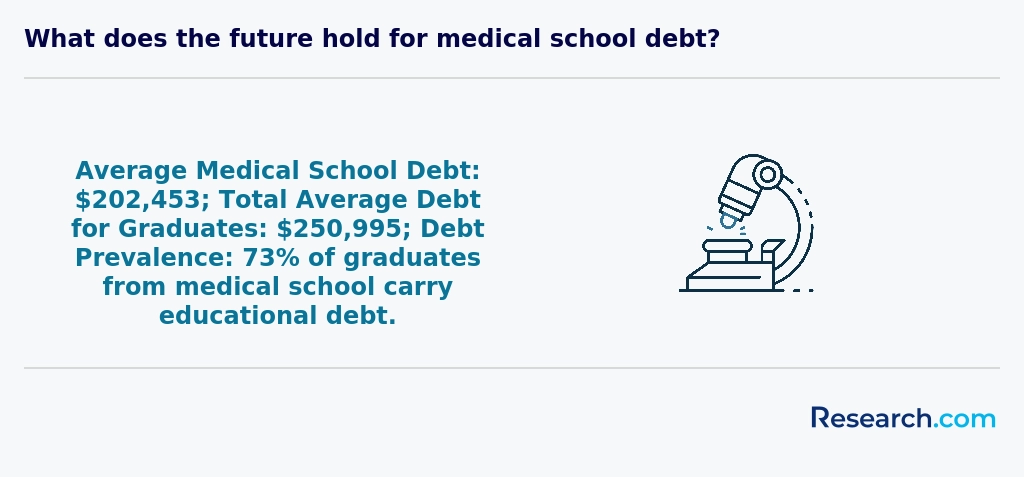
What financial aid is available to online healthcare degree students in Arkansas?
Many students pursuing online healthcare degrees in Arkansas find federal financial aid an essential foundation for managing tuition costs. By completing the FAFSA, they access Pell Grants and Federal Direct Loans, which offer relief through gift aid or manageable repayment options. Graduates from institutions like the University of Arkansas for Medical Sciences often speak of how these resources helped them maintain focus without overwhelming debt.
Arkansas also offers state-specific programs that lighten the financial load. Scholarships such as the Arkansas Academic Challenge can support students continuing their education beyond undergraduate level, a point appreciated by those at Arkansas State University pursuing advanced healthcare certifications.
Institutional scholarships tailored for healthcare studies also play a crucial role. Nursing and public health students frequently report gaining merit-based awards that recognize their dedication, reducing financial anxiety during their studies.
Employer tuition assistance programs in hospitals and clinics across Arkansas provide additional support, reflecting the community's commitment to developing skilled healthcare professionals.
Professional groups like the Arkansas Nurses Association further extend opportunities with scholarships for members, creating a network of encouragement and financial aid vital to many online students' success.
Clinical Practicum and Field Experience
Online healthcare master’s programs in Arkansas blend virtual coursework with hands-on practice to meet licensing and accreditation standards. You’ll complete supervised clinical or field hours at approved sites-hospitals, clinics, or public health agencies-often arranged near your home community. Programs provide clear guidelines on hour requirements, documentation, and preceptor selection, ensuring your experience aligns with state regulations and industry expectations.
- Coordinate placements through your program’s clinical coordinator or career services office
- Verify site approval and supervision criteria before beginning hours
- Track and submit clinical logs to maintain compliance with accreditation bodies
- Debrief regularly with faculty supervisors to integrate theory and practice
Those interested in administrative tracks can explore the cheapest online healthcare administration degree for practicum opportunities tied to Arkansas health systems.
What are the prerequisites for enrolling in online healthcare degree program in Arkansas?
Enrolling in an online healthcare degree in Arkansas usually begins with having a relevant bachelor's degree, often from institutions like the University of Arkansas for Medical Sciences or Arkansas State University, where many graduates recall the importance of solid foundational knowledge. Coursework in biology, chemistry, or health sciences is essential-graduates often reflect on how classes like anatomy and physiology prepared them for advanced topics.
Many programs ask for standardized test scores such as the GRE, though after the pandemic, some Arkansas schools adopted test-optional policies, easing this pressure. Graduates express relief at this flexibility, especially those balancing work and family.
Professional experience in healthcare settings also strengthens applications. Graduates describe how volunteering at local clinics or working in hospitals gave them practical insights that resonate during admissions reviews.
Letters of recommendation and well-crafted statements of purpose are crucial too, helping applicants communicate their passion and career goals clearly. Many successful students highlight how sharing their personal journey made a real difference in their acceptance.
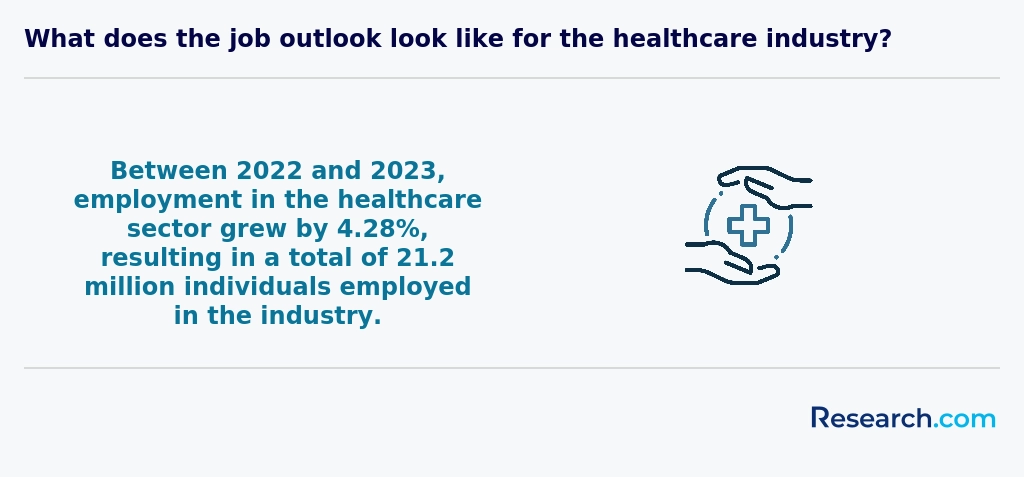
Licensing and Certification Requirements in Arkansas for Online Healthcare Graduates
Graduates of online healthcare master’s programs in Arkansas must navigate both state licensure and national certification to ensure eligibility for employment and advancement. While academic credentials establish foundational knowledge, professional credentials validate competence and open doors to specialized roles. Key licensure and certification pathways include:
- Registered Nurse (RN) License: Candidates must pass the NCLEX-RN and apply through the Arkansas State Board of Nursing. Clinical practicum hours embedded in online programs often satisfy the board’s clinical requirements.
- Certified Healthcare Executive (CHE) or Fellow of the American College of Healthcare Executives (FACHE): Offered by ACHE, these credentials require a master’s degree, healthcare leadership experience, and successful completion of a rigorous examination.
- Registered Health Information Administrator (RHIA): Administered by AHIMA, this certification demands a degree from a CAHIIM-accredited program and demonstrates expertise in health informatics and data governance.
- Certified Professional in Healthcare Quality (CPHQ): Awarded by the National Association for Healthcare Quality (NAHQ), this credential underscores proficiency in quality management and performance improvement.
- Certified in Public Health (CPH): Ideal for graduates focusing on community health, this credential from the National Board of Public Health Examiners verifies mastery of public health science. Before enrolling, verify that your chosen program offers curriculum alignment with exam content outlines and supports clinical placement coordination. For additional guidance on program affordability and comparative rankings, see our Cheapest Online Master’s in Healthcare Degree Programs Ranking in New Jersey.
What courses are typically in online healthcare degree programs in Arkansas?
Students pursuing online healthcare degrees in Arkansas often find their coursework carefully tailored to meet both local and broader industry demands. Graduates from popular institutions like the University of Arkansas for Medical Sciences frequently describe core courses such as Healthcare Systems and Policy, which illuminate the unique challenges faced in rural Arkansas, helping them feel connected to the communities they aim to serve.
Health Informatics is another crucial course, where learners discover how data drives smarter patient care, echoing Arkansas's growing focus on digital health. Many appreciate Healthcare Ethics and Law classes for the clear guidance they provide on navigating tricky professional decisions.
Public Health Fundamentals and Financial Management courses offer practical tools that graduates have recalled using directly in their jobs-whether addressing local health trends or managing tight budgets in small clinics. The blend of these topics, combined with Research Methods and Quality Improvement, gives students a solid foundation to confidently step into Arkansas's healthcare workforce.
What types of specializations are available in online healthcare degree programs in Arkansas?
Students pursuing an online healthcare degree in Arkansas often choose from specializations that reflect both the state's healthcare challenges and the broader industry needs. Common tracks include Healthcare Administration, where graduates gain skills to manage clinics or hospitals effectively, often citing experiences at well-regarded universities like the University of Arkansas for Medical Sciences. Public Health remains a strong focus, particularly due to Arkansas's rural healthcare concerns-graduates frequently express a sense of fulfillment in addressing prevention strategies and community wellness.
Another notable specialization is Nursing Leadership and Education, popular among RNs aiming to step into educator or management roles. Those who studied through programs in Arkansas have shared how leadership training empowered them to improve patient outcomes. Health Informatics appeals to students interested in integrating technology in care, reflecting the state's growing adoption of electronic health records. Additionally, Healthcare Quality and Patient Safety is chosen by students who want to enhance care standards, resonating deeply with the state's drive to reduce hospital readmissions.
Many find Arkansas healthcare master's program tracks offer a balance of practical skills and flexible learning. Considering affordability alongside specialization is important; some students explore the ranking of most affordable online doctorate in pharmacy programs to complement their career goals.
How do you choose the best online healthcare degree in Arkansas?
Choosing the best online healthcare degree in Arkansas means prioritizing accredited programs recognized by bodies like the Higher Learning Commission to ensure quality education and transferability of credits. Graduates from the University of Arkansas for Medical Sciences often praise the balance of rigorous coursework and practical application, which helped them confidently advance in local healthcare careers. When reflecting on affordable online healthcare programs Arkansas offers, it's important to consider the total cost beyond tuition-fees, materials, and available financial aid all make a difference.
Flexibility is another key feature for working professionals. Many online programs in Arkansas provide asynchronous classes, allowing students to study on their own schedules. Graduates share how this approach enabled them to manage family and work commitments while earning their degrees.
Finally, look for programs with strong connections to regional healthcare employers such as Baptist Health, which boosts employment opportunities. For those seeking the most cost-effective choices, reviewing the Cheapest Online Master's in Healthcare Degree Programs Ranking in New Jersey can offer useful benchmarking.

What career paths are available for online healthcare degree students in Arkansas?
Graduates with an online healthcare degree in Arkansas find diverse career paths awaiting them, reflecting the state's expanding healthcare industry. Many engage as registered nurses, working in hospitals or community clinics, often powered by degrees from popular Arkansas institutions. These graduates share how their education gave them confidence to meet real-world challenges, fueling rewarding roles that blend compassion and skill. Others pursue healthcare administration, managing complex operations in both urban and rural settings, where their leadership helps shape patient care behind the scenes. The variety of Arkansas healthcare degree job opportunities also includes allied health roles like physical and occupational therapists, who appreciate the balance of hands-on patient work supported by their online studies. Expanding fields such as public health and health informatics also attract alumni passionate about improving statewide health equity and advancing technology use in clinical settings. For students considering financial aspects, exploring accelerated associate degree programs can be a strategic step toward affordable entry into this rewarding domain.
What is the job market for online healthcare degree in Arkansas?
The job market for online healthcare degree holders in Arkansas remains robust, especially for graduates from well-regarded institutions such as the University of Arkansas for Medical Sciences. Many who earn their degrees online appreciate the flexibility to balance studies with work or family life, while still positioning themselves competitively in the Arkansas healthcare degree employment outlook. Graduates often find rewarding roles in nursing or healthcare administration, sectors fueled by steady regional demand and statewide efforts to expand services in rural communities.
Arkansas healthcare employers recognize online degrees from accredited universities, providing graduates with valuable credentials that open doors to diverse opportunities. Individuals frequently share their satisfaction in securing positions aligned with their passions, whether in public health or clinical settings, a testament to the practical preparation these programs deliver. Financial considerations also motivate many students, who find tuition affordable compared to national averages and often benefit from employer support.
For those weighing their career paths, exploring certs that pay well can complement a degree and enhance job prospects. Overall, the online healthcare degree job market Arkansas offers remains promising, grounded in real experiences of past graduates thriving across the healthcare landscape.
Frequently Asked Questions About healthcare
Online healthcare degree students in Arkansas can maximize their learning by actively engaging with their coursework and utilizing available digital resources. Arkansas offers a strong healthcare job market, with a projected 12% growth in healthcare occupations through 2030, according to the U.S. Bureau of Labor Statistics.
Students should schedule regular study times and participate in virtual discussions to deepen understanding and build professional networks. Taking advantage of simulation software and telehealth practicums that some Arkansas institutions provide can enhance practical skills.
Additionally, connecting with local healthcare organizations for internships or volunteer work enriches real-world experience. Arkansas ranks among the top states needing healthcare professionals, making these connections valuable for career advancement.
Emerging niches within the healthcare field in Arkansas reflect broader national trends driven by technological advancement and changing population needs. Telehealth is rapidly expanding, especially in rural areas where access to care is limited. According to the Arkansas Department of Health, telehealth visits increased significantly following the COVID-19 pandemic, highlighting ongoing demand for remote healthcare services.
Another growing area is healthcare data analytics. With Arkansas hospitals adopting electronic health records more widely, professionals who can analyze and manage health data are increasingly valuable. This specialization supports improved patient outcomes and operational efficiency.
Additionally, mental health services and behavioral health care are critical focuses. The state reports a shortage of mental health providers, making this a high-demand niche. Online degrees often offer specialties in these areas to prepare students to meet Arkansas's healthcare challenges.
Preparing for the job market after earning an online healthcare degree in Arkansas involves strategic steps tailored to the state's healthcare landscape. Arkansas is projected to grow healthcare jobs by 12% through 2030, according to the Arkansas Department of Workforce Services, reflecting rising demand for qualified professionals.
Students should pursue relevant certifications and licenses required by state law to enhance employability. Joining local professional organizations, such as the Arkansas Hospital Association, can provide networking opportunities and industry insights.
Practical experience is also crucial. Seek internships or volunteer roles within local hospitals or clinics to build hands-on skills and professional connections.
Lastly, staying informed about Arkansas healthcare trends and regulations can give graduates an edge in interviews and career planning.
Employers in Arkansas seek healthcare degree graduates who possess a blend of technical knowledge and soft skills. Critical skills include clinical competence, effective communication, and the ability to work well in teams. According to the Arkansas Department of Workforce Services, healthcare employers prioritize proficiency in patient care technologies and electronic health records management.
Interpersonal skills are also key, as healthcare professionals must interact with diverse patient populations sensitively and clearly. Arkansas' growing need for healthcare workers, especially in rural areas, highlights adaptability and problem-solving as essential traits.
Leadership and ethical decision-making are increasingly valued in managerial roles within the state's healthcare system.
Finding internships in Arkansas relevant to a healthcare degree involves several strategic steps. Start by exploring partnerships between your online program and local healthcare providers. Many Arkansas universities collaborate with hospitals, clinics, and public health organizations to offer internships.
The Arkansas Department of Health and the Arkansas Hospital Association are key resources for locating healthcare internship opportunities within the state. According to recent data, Arkansas employs over 100,000 healthcare workers, indicating a strong market for practical training.
Networking with professionals through Arkansas-based healthcare job fairs and virtual platforms also helps. Additionally, contacting large healthcare employers such as Arkansas Children's Hospital and Baptist Health directly can uncover internship openings tailored to your field of study.
In Arkansas, earning an online healthcare degree significantly enhances career mobility and advancement opportunities. Healthcare is a rapidly growing sector in the state, with the Arkansas Department of Workforce Services projecting a 19% increase in healthcare employment by 2030. Online degrees provide flexible access to education, enabling working professionals to upskill without relocating or leaving their jobs.
With an accredited online healthcare program, graduates can qualify for diverse roles such as healthcare administrators, nurse managers, and public health professionals. These credentials often lead to higher salaries and better leadership positions.
Additionally, Arkansas values locally accredited degrees, ensuring smoother certification and licensing processes that support career growth.
Studying for a healthcare degree online in Arkansas equips students with skills essential for interdisciplinary roles. Programs emphasize collaboration among healthcare professionals, reflecting the state's growing need for integrated care teams. According to the Arkansas Department of Health, chronic diseases require coordinated efforts among providers, making interdisciplinary training critical.
Courses often cover communication, leadership, and healthcare technology, fostering teamwork between nurses, physicians, and administrators. Arkansas universities align curricula with national competency models, preparing graduates to work effectively across diverse healthcare settings.
Online formats provide flexibility while maintaining rigorous standards, allowing students to engage with real-world case studies emphasizing cross-disciplinary problem-solving.
Choosing between a thesis and a non-thesis healthcare degree program in Arkansas depends largely on your career goals and time commitment. A thesis option typically requires in-depth research, ideal for students aiming for academic, research, or doctoral paths. It develops analytical and writing skills, valuable in healthcare policy or advanced clinical roles.
Non-thesis programs often focus on practical skills and coursework, suitable for professionals pursuing leadership or administrative positions in Arkansas healthcare systems. According to the Arkansas Department of Health, healthcare management roles are growing faster than average, highlighting practical skills demand.
Consider your learning style, career plans, and the flexibility you need when making this choice.
Students based in Arkansas interested in studying healthcare abroad have limited direct options through in-state institutions, as most Arkansas universities focus on online or on-campus programs domestically. However, Arkansas residents can explore partnerships between US schools and international institutions, often offering exchange or dual-degree options. According to the Arkansas Department of Higher Education, less than 10% of healthcare students participate in study-abroad programs, reflecting the challenges in clinical placements overseas.
Many opt for online international healthcare courses to supplement their education. Those aiming for global healthcare experience may consider organizations that facilitate international clinical internships. Given Arkansas's strong healthcare sector-home to over 20,000 healthcare workers-students often prioritize flexible online degrees compatible with local licensure requirements.
Part-time job opportunities in Arkansas that complement healthcare degree education often include roles such as medical assistant, patient care technician, and pharmacy aide. These positions provide practical experience in clinical settings while allowing flexible hours for students pursuing online degrees.
Arkansas's healthcare sector is growing, with a 15% projected increase in healthcare occupations by 2030, according to the Arkansas Department of Workforce Services. Working part-time in hospitals, outpatient clinics, or long-term care facilities helps students develop essential skills and professional networks.
Additionally, roles in health administration or medical billing and coding offer valuable exposure for students interested in the business side of healthcare.
Online healthcare students in Arkansas have several networking opportunities despite the remote nature of their studies. Many universities offer virtual student organizations and professional groups related to healthcare, allowing students to connect with peers and industry professionals statewide.
Arkansas also hosts annual healthcare conferences and workshops, such as those organized by the Arkansas Hospital Association, that welcome online students for in-person or virtual attendance. These events provide valuable chances to engage with healthcare leaders and explore local job markets.
Additionally, statewide healthcare workforce initiatives, supported by the Arkansas Department of Health, often include networking resources geared toward students and recent graduates, helping build connections in the state's evolving healthcare sector.
Alumni networks provide vital support for students pursuing online healthcare degrees in Arkansas. These networks connect current students with graduates who have practical experience in the state's healthcare system, which includes major employers like Arkansas Children's Hospital and Baptist Health.
Through alumni connections, students gain access to mentorship opportunities, job leads, and industry insights tailored to Arkansas' healthcare market. According to the Arkansas Department of Health, professionals familiar with local healthcare trends are more likely to secure employment after graduation.
Additionally, alumni often share information about continuing education and certifications relevant to Arkansas healthcare providers. This ongoing support enhances students' career development both during and after their studies, creating a strong professional community.
Online healthcare degree programs in Arkansas offer various ways to tailor your education to match your career goals. Many universities provide customizable concentrations such as healthcare administration, nursing leadership, or health informatics. This flexibility lets you gain skills aligned with specific roles in Arkansas' growing healthcare sector, which employs about 15% of the state's workforce according to the Arkansas Department of Workforce Services.
Students can often select electives, engage in specialized internships, and participate in capstone projects that focus on local healthcare challenges. Additionally, accredited online programs frequently allow part-time study, helping you balance education with professional and personal commitments.
Choosing programs recognized by bodies like the Commission on Collegiate Nursing Education (CCNE) or the Council on Education for Public Health (CEPH) is important for career advancement in Arkansas and nationwide.
Online healthcare students in Arkansas often face several challenges specific to the state's educational and healthcare systems. One major issue is limited access to clinical placements, which are required for many healthcare degrees. Arkansas's rural population, which makes up about 34% of the state (U.S. Census Bureau), can make finding nearby sites for in-person training difficult.
Additionally, some students encounter technological barriers. Reliable high-speed internet is not universally available in all rural areas, affecting remote learning quality. According to the Arkansas Broadband Program Office, around 15% of Arkansans lack broadband access.
Finally, balancing work, family, and asynchronous coursework requires strong time management skills, especially for working professionals pursuing advanced healthcare degrees.
With an online healthcare degree, especially at the master's level, you can pursue various professional certifications that enhance your career prospects. Common certifications include Certified Healthcare Administrator (CHA) and Registered Health Information Administrator (RHIA), both valued across Arkansas healthcare facilities. The Arkansas Department of Health often lists employers seeking such credentials due to growing healthcare needs in the state.
Other relevant certifications are Certified Professional in Healthcare Quality (CPHQ) and Project Management Professional (PMP), useful for leadership roles in healthcare organizations. Online degrees offer the flexibility to prepare for these exams while working.
Gaining certifications typically requires passing a national exam and meeting experience criteria, which your online program can help support.
To write a winning application for an online healthcare program in Arkansas, start by researching each school's specific requirements and deadlines. Highlight any healthcare experience you have, as Arkansas values practical knowledge. According to the Arkansas Department of Health, the state faces a growing demand for healthcare professionals, increasing the competitiveness of applicants with healthcare backgrounds.
Strong letters of recommendation from healthcare supervisors or professors can further showcase your commitment and capability. Craft a clear personal statement that explains your career goals and why you want to study healthcare online in Arkansas. Be sure to proofread carefully and submit all documents on time to improve your chances.
Healthcare careers are valued worldwide due to an aging population and increased demand for medical services. In the United States, including Arkansas, healthcare employment is expected to grow 13% from 2021 to 2031, much faster than the average for all occupations, according to the U.S. Bureau of Labor Statistics.
Arkansas has unique healthcare challenges, such as rural access and chronic disease rates, which influence the need for skilled professionals. Online healthcare degrees offer flexible training options for students aiming to address these areas.
Globally, healthcare roles emphasize interdisciplinary skills, cultural competence, and adaptability, which align with trends in U.S. education programs designed to prepare graduates for diverse environments.
Moreover, expertise from Arkansas-based programs often focuses on public health issues prevalent in the South, helping prepare students for impactful careers both locally and internationally.
Students pursuing online healthcare degrees in Arkansas can gain practical experience through clinical placements and internships arranged by their schools. Many accredited programs require hands-on clinical hours in local healthcare settings, such as hospitals, clinics, or public health agencies.
Arkansas has a strong healthcare sector, including major centers like the University of Arkansas for Medical Sciences, which often collaborate with educational institutions to offer practical training opportunities.
Students should consult their program advisors early to identify approved local sites, as state regulations ensure clinical experiences meet educational standards, enhancing skills and employability.
Volunteering or part-time work in Arkansas healthcare facilities can also supplement formal practice requirements, giving real-world exposure alongside online coursework.
Choosing the right concentration within an online healthcare degree program in Arkansas involves several key factors. First, consider local job market demands. Arkansas's healthcare sector is growing, with the Arkansas Department of Health projecting a 12% increase in healthcare employment by 2030. Concentrations like public health, health informatics, and nursing administration align well with these trends.
Evaluate your career goals and how each concentration supports them. If you aim to work in hospital management or health policy, specializations in healthcare leadership might be ideal. For those interested in technology, health informatics offers strong opportunities.
Additionally, research licensure or certification requirements in Arkansas. Certain concentrations may prepare you for state-specific credentials required to practice or advance your career locally.
Related Healthcare Rankings for Nearby States
- 2027 Best Online Master's in Healthcare Degree Programs Ranking in Missouri
- 2027 Best Online Master's in Healthcare Degree Programs Ranking in Louisiana
- 2027 Best Online Master's in Healthcare Degree Programs Ranking in Texas
- 2027 Best Online Master's in Healthcare Degree Programs Ranking in Kansas
- 2027 Best Online Master's in Healthcare Degree Programs Ranking in Alabama
- 2027 Best Online Master's in Healthcare Degree Programs Ranking in Illinois
- 2027 Best Online Master's in Healthcare Degree Programs Ranking in Iowa
- 2027 Best Online Master's in Healthcare Degree Programs Ranking in Georgia
- 2027 Best Online Master's in Healthcare Degree Programs Ranking in Florida
- 2027 Best Online Master's in Healthcare Degree Programs Ranking in Ohio
Top Trending Healthcare Rankings
See What Experts Have To Say About Studying Healthcare
Read our interview with Healthcare experts

References
- Niche Markets in Healthcare https://ultrariskadvisors.com/niche-markets-in-healthcare/
- Alumni Reconnect - Poznan University of Medical Sciences https://pums.edu.pl/alumni-friends/alumni-reconnect/
- What are the top 10 skills that'll get you a job when you graduate? https://targetjobs.co.uk/careers-advice/skills-for-getting-a-job/what-are-top-10-skills-thatll-get-you-job-when-you-graduate
- Global Perspectives – Healthcare Beyond Borders https://www.cedars-sinai.org/international-stories/healthcare-beyond-borders.html
- Choosing a Doctor of Health Sciences Program | University of Bridgeport https://www.bridgeport.edu/news/how-to-choose-a-doctor-of-health-sciences-program/
- Arkansas Colleges of Health Education https://achehealth.edu/
- 5 Healthcare Management Master's Concentrations - Healthcare Management Degree Guide https://www.healthcare-management-degree.net/list-articles/healthcare-management-masters-concentrations/
- 6 Tips On Networking For Medical Professionals https://aaams.net/blog/how-to-network-in-the-medical-field-nurses/
- Home https://www.husson.edu/online/blog/2025/10/benefits-of-alumni-networks
- Networking and Mentorship During Clinical Rotations https://rotatingroom.com/blog/medical-students-the-importance-of-networking-mentorship-during-your-clinical-rotations


