
2027 Best Online Healthcare Degree Programs Ranking in Illinois

Co-Founder and Chief Data Scientist
If you're considering a healthcare degree in Illinois, choosing the right program is a big decision. Our article introduces the 2027 Best Online Healthcare Degree Programs Ranking in Illinois, developed by the Research.com team of data scientists. This ranking provides clear insights to help you confidently select programs that align with your goals.
Getting a healthcare degree opens doors to meaningful and rewarding careers. Explore your options and find the path that fits your lifestyle and ambitions. We're here to guide you every step.
Key benefits of getting online healthcare degree in Illinois
Graduates with an online healthcare degree in Illinois can earn competitive salaries, such as $60,790 annually for Patient Care Technicians and $43,350 for Medical Assistants, offering strong financial rewards in growing fields.
- Healthcare degree holders from institutions like the University of Illinois have diverse career options including Clinical Research Coordinator and Health Information Technician, opening many doors for advancement and specialization.
- Studying online offers flexibility and convenience, allowing students from busy lifestyles in Illinois to balance work and education, similar to graduates from Northern Illinois University's online programs.
What can I expect from online healthcare degree in Illinois?
The average cost of an online healthcare degree in Illinois usually ranges between $10,000 and $30,000 for a full program, depending on the level and institution. For example, graduates from the University of Illinois at Chicago often mention that the investment feels worthwhile given the flexibility and strong professional connections they built during their studies. Meanwhile, those at Governors State University appreciate the affordable tuition paired with real-world practicum opportunities close to home.
Many students balance work and study, finding peace of mind knowing the costs align with their budgets while still receiving high-quality education. This affordability, combined with access to local clinical sites, lets them translate theory into meaningful practice without heavy travel expenses.
When considering programs, look closely at tuition fees, potential financial aid, and the specific certifications included. Graduates often share how this transparency helped them plan ahead, reduce stress, and focus on mastering skills that Illinois healthcare employers value deeply.
Where can I work with online healthcare degree in Illinois?
Graduates with an online healthcare degree in Illinois enjoy a variety of rewarding career paths across the state's vibrant healthcare sector. Many find fulfilling roles in hospitals like those affiliated with the University of Illinois or DePaul University, where they contribute to patient care coordination, nursing, or healthcare administration. These environments foster teamwork and offer chances to grow professionally, making the work both challenging and deeply satisfying.
Others pursue positions in outpatient clinics and urgent care centers, thriving as healthcare managers or health educators. Graduates often share how their online studies prepared them well for these fast-paced settings, where their skills directly impact community wellness.
Public health agencies across Illinois also welcome healthcare degree holders. These roles allow graduates to engage in meaningful work, such as managing disease prevention programs or public health research-a sphere that has seen increased importance recently.
Long-term care facilities and insurance companies offer further opportunities, highlighting the diverse ways your degree can serve various populations, from older adults needing care to navigating healthcare policy and data analytics.
How much can I make with online healthcare degree in Illinois?
Graduates from online healthcare programs in Illinois often find rewarding career paths with competitive salaries. For instance, medical assistants who complete their degrees can expect a mean annual wage around $43,350, as reported by the U.S. Bureau of Labor Statistics. This role is a great stepping stone, often pursued by students from institutions like Southern Illinois University or DePaul University.
Patient care technicians, another popular position among online healthcare graduates, earn a mean annual wage near $60,790. Many graduates from online programs appreciate this role's hands-on experience in Illinois healthcare settings, especially in Chicago's vibrant medical community.
Health information technicians typically make around $43,380 annually. Graduates skilled in managing healthcare data find demand across hospitals and clinics statewide. Clinical research coordinators share similar earnings, a promising path for those interested in advancing medical studies.
For those aiming higher, quality improvement coordinators enjoy much higher wages-about $103,150 yearly-and this leadership role often attracts graduates from more advanced online degrees in Illinois universities. These figures reflect that with dedication and the right degree, the Illinois healthcare sector offers both stability and growth.
- Key benefits of getting online healthcare degree in Illinois
- What can I expect from online healthcare degree in Illinois?
- Where can I work with online healthcare degree in Illinois?
- How much can I make with online healthcare degree in Illinois?
- How do we rank schools?
- 2027 Best Online Healthcare Degree Programs Ranking in Illinois
- What online healthcare degree graduates have to say
- Key Findings
- How long does it take to complete online healthcare degree in Illinois?
- How to Apply: A Step-by-Step Guide for Prospective Students
- What's the difference between online and on-campus healthcare degree?
- Student Success Strategies and Career Readiness
- What is the average cost of online healthcare degree in Illinois?
- Accreditation and Licensing
- What financial aid is available to online healthcare degree students in Illinois?
- Tips for Success in Your Online Healthcare Education Journey
- What are the prerequisites for enrolling in online healthcare degree program in Illinois?
- Licensure and Certification Preparation
- What courses are typically in online healthcare degree programs in Illinois?
- What types of specializations are available in online healthcare degree programs in Illinois?
- How do you choose the best online healthcare degree in Illinois?
- What career paths are available for online healthcare degree students in Illinois?
- What is the job market for online healthcare degree in Illinois?
- Frequently Asked Questions About healthcare
- Related Healthcare Rankings for Nearby States
- Top Trending Healthcare Rankings
- See What Experts Have To Say About Studying Healthcare
How do we rank schools?
Investing in your education is a significant decision that can shape your future, and the Research.com team understands the importance of making informed choices. To assist prospective students in Illinois, we have meticulously crafted the "2027 Best Online Healthcare Degree Programs Ranking in Illinois." Our commitment to quality, credibility, and accuracy is reflected in the extensive research and analysis conducted to compile this ranking.
We utilized the following reputable data sources to ensure a comprehensive evaluation of healthcare programs:
By exploring this ranking, readers will gain valuable insights into the top online healthcare degree programs in Illinois, empowering them to make informed decisions about their educational and professional futures. For more details on our methodology, please visit our Research.com methodology page.
2027 Best Online Healthcare Degree Programs Ranking in Illinois
# 1 position

Southern Illinois University Carbondale offers a Master's program focused on healthcare, completed in 12 months. The program has an open admission policy with an acceptance rate of 87%. About 62% of students graduate successfully. Costs average $13,812, and 98% of students receive high levels of financial aid. The program enrolls 1,627 online students, providing access to a large and diverse remote learning community.
# 2 position
University of Illinois Chicago
Bachelor
The University of Illinois Chicago offers an 18-month Bachelor's program focused on Nursing and Healthcare. The program is open admission with a 77% acceptance rate and has a graduation rate of 62%. It enrolls 3,063 online students and costs an average of $19,500 in total. About 80% of students receive high levels of financial aid, supporting affordability for many attendees.
# 3 position

Southern Illinois University - Edwardsville offers a Bachelor program focused on Nursing and Healthcare with a duration of 12 months. The program has an open admission policy with an acceptance rate of 97%. It provides high financial aid support, with 95% of students receiving assistance. The average total cost of the program is $12,219. There are 1,687 online students enrolled, and the graduation rate stands at 57%.
# 4 position
McKendree University
Bachelor
McKendree University offers a Bachelor program focused on Nursing and Healthcare, lasting 12 months. The program has a less selective acceptance rate of 72%, with a graduation rate of 53%. The average total cost for the degree is $48,600. A high percentage of students, 97%, receive financial aid. Currently, there are 1,003 online students enrolled in this program, reflecting its accessibility and popularity.
# 5 position
Southern Illinois University - Edwardsville offers a 12-month Master's program focused on Healthcare Management and Healthcare. The program has an open admission policy with a 97% acceptance rate. It serves 1,687 online students and costs an average total of $12,232. The graduation rate stands at 57%, while 95% of students benefit from high levels of financial aid.
# 6 position
The University of Illinois Chicago offers a Healthcare-focused Master's program spanning 24 months. It has an open admission policy with a 77% acceptance rate, welcoming a large number of applicants. The program's graduation rate is 62%, indicating a moderate completion success. Tuition averages $27,720, and 80% of students receive high levels of financial aid. Currently, 3,063 students are enrolled in the online format of this degree.
# 7 position
The University of Illinois Chicago offers a Doctor-level program focusing on Public Health and Healthcare, lasting 48 months. It has an open admission policy with a 77% acceptance rate. The program's graduation rate is 62%, and the average total cost is $79,680. Around 80% of students receive financial aid, indicating high aid availability. Currently, 3,063 students are enrolled online in this program.
# 8 position
McKendree University
MasterMcKendree University offers a Master's program focused on Healthcare Management and Healthcare, designed to be completed in 24 months. The program has a less selective acceptance rate of 72%, with a graduation rate of 53%. It serves over 1,000 online students and has a high level of financial aid accessibility, with 97% of students receiving support. The average total cost for the degree is $15,750.
# 9 position
Blessing-Rieman College of Nursing and Health Sciences
Bachelor
Blessing-Rieman College of Nursing and Health Sciences offers an 18-month Bachelor program focused on nursing and healthcare. The average total cost for completing this degree is $71,300. The program currently enrolls 44 online students, providing a flexible option for remote learners.
# 10 position
Southern Illinois University Carbondale offers a Bachelor program focused on healthcare with a duration of 24 months. The program has an open admission policy with an acceptance rate of 87%, making it accessible to many applicants. It supports a large online community with 1,627 students enrolled. The graduation rate stands at 62%, and a high 98% of students receive some form of financial aid, indicating substantial support for enrolled students.
# 11 position
University of St Francis
Master
The University of St Francis offers a Master's program focused on Healthcare and Healthcare Management. It has a less selective acceptance rate of 65%. The program serves a significant number of online students, with 2,821 enrolled. Graduates have a 67% graduation rate. The average total cost is $26,928, and the institution provides high levels of financial aid, with 100% of students receiving some form of assistance.
# 12 position

The University of Illinois Springfield offers a Master's program focused on Public Health and Healthcare with an open admission acceptance rate of 86%. The program has a graduation rate of 53% and enrolls 3,505 online students. The average total cost is $17,558. Notably, 97% of students receive financial aid, indicating a high level of support for attendees seeking funding.
# 13 position
University of St Francis
Bachelor
The University of St Francis offers a Bachelor program focused on Healthcare Management and Healthcare. The program has a graduation rate of 67% and accepts students at a less selective rate of 65%. The average total cost is $12,768, with all students receiving high levels of financial aid. Additionally, the program serves 2,821 online students, providing accessible education options.
# 14 position
The University of Illinois Springfield offers a bachelor's degree focused on healthcare management and healthcare. The program has an open admission policy with an acceptance rate of 86%. It has a graduation rate of 53% and enrolls 3,505 online students. The average total cost for the program is $43,440. A high level of financial aid is available, with 97% of students receiving assistance.
# 15 position
Eastern Illinois University
Bachelor
Eastern Illinois University offers a Bachelor's program focused on Nursing and Healthcare with a graduation rate of 47%. The program has a less selective acceptance rate of 65% and enrolls approximately 1,000 online students. Students benefit from high aid levels, as 96% receive financial assistance. The average total cost for the degree is $332,465, reflecting the comprehensive nature of this healthcare education.
# 16 position
Lewis University
Bachelor
Lewis University offers a Bachelor's degree focused on Healthcare Management and Healthcare. With a less selective acceptance rate of 71%, the program serves a large online student population of 5,019. The graduation rate stands at 67%, reflecting solid completion outcomes. The average total cost is $78,080, and 100% of students receive financial aid, indicating high support for enrolled individuals.
# 17 position
Lewis University
DoctorLewis University offers a Doctoral program focused on Nursing and Healthcare with a graduation rate of 67%. The acceptance rate is 71%, indicating less selective admissions. The program serves 5,019 online students, reflecting broad access and flexibility. The average total cost is $23,850. Notably, 100% of students receive financial aid, signifying a high level of support available throughout the program.
# 18 position
University of St Francis
DoctorThe University of St Francis offers a Doctoral program focused on Nursing and Healthcare, enrolling 2,821 online students. The program has a graduation rate of 67%, reflecting solid student success. With an acceptance rate of 65%, admission is less selective, providing broad access to applicants. Tuition averages $31,200, and 100% of students receive financial aid, indicating high support availability for enrolled students.
# 19 position
Lewis University
MasterLewis University offers a Master's program focused on Speech Pathology and Healthcare. The program has a graduation rate of 67% and is less selective with an acceptance rate of 71%. Approximately 5,019 online students are enrolled. The average total cost is $61,685. The university provides high levels of financial aid, with 100% of students receiving some form of assistance.
# 20 position
Benedictine University
Master
Benedictine University offers a Master's program focused on Public Health and Healthcare with an open admission policy, accepting 95% of applicants. The program serves a substantial online student body of 1,300 learners. The graduation rate stands at 50%, and 100% of students benefit from high levels of financial aid, making it accessible for those seeking support during their studies.
What online healthcare degree graduates have to say
- Jessica: Pursuing my online healthcare degree at the University of Illinois Urbana-Champaign gave me the flexibility to work and study simultaneously. The interactive virtual labs and expert faculty made complex topics easy to understand. This program truly prepared me for real-world challenges while fitting my busy lifestyle.
- Marcus: The online healthcare degree at DePaul University exceeded my expectations with its strong community feel and personalized support. I felt connected through live sessions and group projects, which enriched my learning. It boosted my confidence and opened new career doors in healthcare administration.
- Emily: Studying online at Southern Illinois University was an incredible journey. The curriculum was rigorous yet manageable, and the professors were always approachable. I appreciated how the program balanced theory with practical skills, making me feel ready to contribute meaningfully to patient care right after graduation.
Key Findings
- Online healthcare degrees in Illinois are offered by many accredited institutions in fully online or hybrid formats.
- Undergraduate programs typically cost between $15,000 and $40,000, while graduate programs range from $20,000 to $50,000.
- Healthcare jobs in Illinois are projected to grow by 12% between 2022 and 2032.
- Entry-level salaries for healthcare graduates usually range from $45,000 to $60,000, with experienced professionals earning between $70,000 and $90,000.
- Online programs help students meet state licensure requirements, though clinical work must be completed in person.
- Financial aid options, including state and federal grants and loans, are available to support online healthcare students in Illinois.
How long does it take to complete online healthcare degree in Illinois?
Completing an online healthcare degree in Illinois varies based on your goals and pace, but many find it a rewarding journey worth every effort. For instance, associate degrees often take around two years full-time, perfect for those eager to jump into entry-level roles quickly. Graduates from local programs share how this timeline allowed them to balance work and family while gaining essential skills.
Bachelor's degrees, like a BSN or health sciences, usually require about four years full-time. However, Illinois schools such as Northern Illinois University offer flexible, part-time options, extending completion to around six years for those managing jobs or other commitments. Many students appreciate this adaptability, feeling empowered to learn without sacrificing life's other priorities.
Advanced degrees, like a Master of Science in Nursing from the University of Illinois at Chicago, can be completed in about two years full-time, sometimes faster with accelerated tracks. Graduates often highlight how these programs fit their busy schedules while opening doors to leadership roles. Remember, transfer credits and part-time study can affect your timeline but also give you control over your educational path.
How to Apply: A Step-by-Step Guide for Prospective Students
Embarking on your online healthcare journey in Illinois begins with a well-organized application process. First, research accredited programs that align with your career goals and make a shortlist of institutions. Next, gather all required documents such as transcripts, letters of recommendation, and a compelling personal statement. Many institutions also require a resume detailing any relevant work or volunteer experience, so be sure to update it accordingly. Once your documents are ready, submit your applications before the designated deadlines for fall or spring enrollment. It’s important to reach out to admissions advisors early; they can provide personalized guidance and help clarify any questions regarding the enrollment process. Additionally, preparing for and attending any online information sessions or virtual open houses can deepen your understanding of program specifics and the overall learning environment. Finally, explore resources that can help you choose the right institution. For instance, if you are looking for a reputable pathway, consider learning more about the best healthcare program in illinois, which offers detailed insights and success stories from alumni. This supportive application process not only eases the transition into an online healthcare degree but also sets the stage for a transformative educational experience.
What's the difference between online and on-campus healthcare degree?
Choosing between online and on-campus healthcare degrees in Illinois means weighing flexibility against direct experience. Graduates from University of Illinois at Chicago often speak of the energizing environment on campus-attending labs, collaborating face-to-face with professors, and gaining hands-on skills in nearby medical centers. This immersive setting offers immediate feedback and rich networking that many find invaluable for building their careers.
On the other hand, working professionals pursuing online degrees appreciate the freedom to study anywhere, balancing coursework with jobs and family responsibilities. Illinois State University's online healthcare programs mirror these real-life demands, enabling students to access lectures and assignments asynchronously without missing critical clinical practice arranged locally. Though less traditional, online learners develop strong self-discipline and technological savvy while accessing virtual advising and peer support.
Both paths, whether at Rush University's campus or through remote platforms, maintain accredited standards and prepare you to thrive in a growing healthcare job market. This choice is about aligning your lifestyle with your passion to make a meaningful impact in healthcare.
Student Success Strategies and Career Readiness
Navigating an online healthcare program requires more than academic aptitude—it demands proactive planning, self-discipline, and a mindset geared toward continual growth. Students can boost their chances of success by setting clear goals, establishing a dedicated study routine, and actively engaging in virtual networking and mentorship opportunities. Leveraging available support services such as academic advisement and career counseling can further refine skills and open doors to internships or job opportunities in healthcare. Moreover, integrating supplementary learning resources like workshops and webinars can enhance technical competence and soft skills. For those aiming to advance their careers even further, exploring options like affordable online doctorate in pharmacy programs may offer additional pathways to leadership roles in the healthcare industry. This holistic approach not only fosters academic achievement but also equips graduates with the resiliency, innovation, and professional network needed for long-term success in a competitive field.
What is the average cost of online healthcare degree in Illinois?
The average total cost of an online healthcare degree in Illinois generally falls around $27,607, with out-of-state students typically seeing a slightly higher figure near $29,610. These numbers reflect the overall financial investment most students can expect, combining tuition, fees, and related expenses. Graduates from well-regarded public universities in Illinois often share how balancing cost with quality was key; many found that in-state tuition offered great value without compromising program rigor or outcomes.
When exploring Illinois online healthcare degree tuition fees, it's helpful to envision the experience of a nursing student at a prominent state university who completed their Bachelor of Science in Nursing (BSN) entirely online. This student managed living expenses and course fees within a practical budget, supported by financial aid that made the goal feel reachable and rewarding. Meanwhile, a graduate from a private Illinois institution acknowledges that although tuition ran closer to $30,000 annually, the specialized resources and smaller class sizes provided a unique, personalized learning journey.
If you want to compare programs and costs further, checking out the best healthcare program in illinois can open doors to affordable options tailored to your ambitions. With the average cost in mind and budgeting strategies from past students, investing in an online healthcare degree in Illinois can lead to a fulfilling and accessible career path.
Accreditation and Licensing
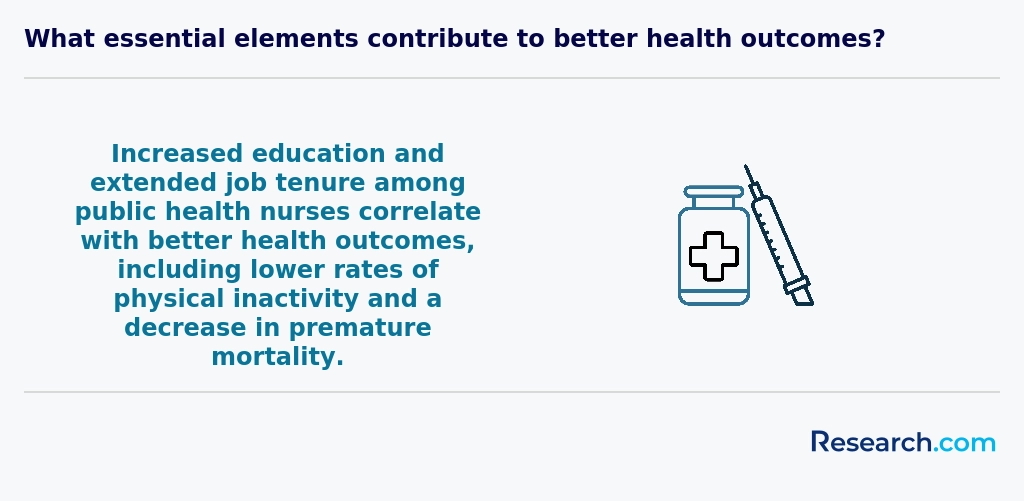
Choosing an accredited online healthcare degree in Illinois is essential to ensure quality education, eligibility for federal aid, and licensure.
- Institutional accreditation: Look for regional accreditors such as the Higher Learning Commission (HLC).
- Programmatic accreditation: Verify nursing programs with CCNE or ACEN; healthcare administration programs with CAHME.
- State approval: Ensure the program meets Illinois Department of Financial and Professional Regulation (IDFPR) standards for clinical licensure.
- Federal aid eligibility: Only accredited programs qualify for Pell Grants, federal loans, and state grants.
For budget-conscious students, explore the cheapest online healthcare administration degree to balance cost with accreditation.
What financial aid is available to online healthcare degree students in Illinois?
If you're pursuing an online healthcare degree in Illinois, there are several financial aid avenues ready to lighten your journey. Many graduates from institutions like the University of Illinois Chicago have found federal aid through FAFSA to be a game changer-grants such as the Pell Grant don't need repayment and open doors when tuition feels overwhelming.
State-specific support like the Illinois Monetary Award Program (MAP) also plays a vital role. It's designed to reward Illinois residents studying at accredited online colleges by covering a major slice of tuition based on financial need. One graduate recalls how MAP reduced their tuition costs enough to focus fully on studies without constant financial stress.
Don't overlook institutional scholarships either. Schools like Southern Illinois University often tailor scholarships for healthcare students, especially in nursing and administration fields, based on merit or need. Plus, employer tuition reimbursement programs provide practical support if you're already working in healthcare, aligning career growth directly with education.
Furthermore, Illinois-based organizations such as the Illinois Nurses Foundation offer scholarships rewarding academic excellence and community involvement. These financial resources make earning your healthcare degree more attainable than you might expect.
Tips for Success in Your Online Healthcare Education Journey
Embarking on an online healthcare degree program can be both rewarding and challenging. To excel in this dynamic field, students should prioritize effective time management, proactive communication with instructors and peers, and a commitment to hands-on learning. Developing a structured study plan that includes regular review sessions and scheduled breaks can help maintain balance while managing professional and personal responsibilities. Additionally, taking advantage of virtual networking events and online mentoring opportunities can open doors to real-world experiences and career advancement. Many institutions highlight the importance of engaging with additional resources, such as career service centers that provide guidance on skills development and job placement. For instance, exploring the best healthcare program in illinois can offer insights into not only the curriculum but also the support systems available to foster academic and professional success. Embracing these strategies will empower students to maximize their learning experiences and successfully transition from classroom theory to practical application in the evolving healthcare landscape.
What are the prerequisites for enrolling in online healthcare degree program in Illinois?
Getting ready to enroll in an online healthcare degree in Illinois means checking off a few key prerequisites that will set you up for success. Most programs at respected institutions, like those offered by public state universities or well-known community colleges, require you to have a high school diploma or GED. Graduates often share how showing official transcripts with a GPA around 2.5 helped smooth their application process, giving them confidence to start strong.
Many programs ask you to have completed essential courses such as biology, chemistry, math, and anatomy. One healthcare graduate recalls how mastering these before starting online classes at a leading Illinois college made handling advanced courses feel much more achievable and less stressful.
Beyond academics, clinical credentials like CPR certification and immunization records are commonly requested, mirroring real-world healthcare demands you'll face in Illinois. Background checks and drug screenings are standard too, reinforcing the trust and responsibility you'll carry as a future healthcare professional here.
Licensure and Certification Preparation
One of the most critical steps in transitioning from an online healthcare degree to a successful career is earning the necessary licensure and certifications. Accredited online healthcare degree programs in Illinois are designed to align their curricula with state licensing requirements and national certification standards, ensuring graduates are fully prepared for exams such as the NCLEX® for nursing, the Registered Health Information Technician (RHIT) exam, or the Certified Medical Assistant (CMA) credential. Many programs integrate dedicated exam-prep modules, including practice questions, timed mock exams, and interactive review sessions led by licensed instructors. To boost pass rates, top Illinois institutions offer personalized support: virtual tutoring, live Q&A webinars with faculty who hold advanced certifications, and peer study groups that leverage collaborative learning platforms. For example, some universities report NCLEX first-time pass rates exceeding 90%, reflecting their robust focus on test-taking strategies and content mastery. Prospective students should verify each program’s published licensure outcomes and state board approval status to ensure eligibility for clinical practice upon graduation. Beyond initial licensure, continuous professional development is vital. Leading online programs often include continuing education units (CEUs) in areas like telehealth best practices, health informatics advancements, and emerging public health protocols. These CEUs not only satisfy annual renewal requirements but also keep practitioners at the forefront of industry innovations. While planning for certification, students concerned about program affordability may also explore related options outside Illinois, such as the Cheapest Online Healthcare Degree Programs Ranking in West Virginia, to compare cost structures and financial aid opportunities. By focusing on licensure alignment, exam success rates, and ongoing education, online healthcare degree programs in Illinois empower graduates to achieve both immediate certification goals and long-term career growth.
What courses are typically in online healthcare degree programs in Illinois?
When you dive into an online healthcare degree in Illinois, you'll find courses designed to build a solid foundation and prepare you for real-world challenges. Many graduates from institutions like the University of Illinois have shared how anatomy and physiology classes helped them truly understand the human body, which made clinical settings less intimidating and more engaging.
Medical terminology is another vital course that ensures clear communication, a skill that healthcare professionals cannot do without. Graduates often note how mastering this language gave them confidence during internships and remote practicums.
Law and ethics courses are eye-opening, especially in Illinois where privacy laws like HIPAA shape everyday healthcare practice. Many students find these classes inspiring because they emphasize the importance of patient respect and professional integrity.
Courses in healthcare management and health informatics further prepare you for leadership roles, reflecting the state's push towards modernized digital record systems. Graduates from Chicago-area colleges highlight how these skills directly apply to improving healthcare operations.
What types of specializations are available in online healthcare degree programs in Illinois?
When exploring online healthcare degree specializations Illinois offers, students often find several paths that align perfectly with their passions and career goals. Nursing is frequently a top choice-graduates from programs at well-known Illinois universities describe how going from RN to BSN or advancing to Nurse Practitioner roles gave them a fulfilling clinical edge and leadership confidence. Those interested in shaping healthcare systems lean toward Healthcare Administration, learning to navigate complexities of hospital management through courses offered at local institutions.
Public Health attracts students eager to improve community wellness, using knowledge gained online to influence real-world policies and education initiatives across Illinois' diverse population. For tech-savvy individuals, Health Information Technology opens doors to managing patient data and healthcare systems-a critical and rapidly expanding field. Some students also appreciate hybrid Physical Therapy or Occupational Therapy degrees that blend online learning with hands-on clinical practice, balancing flexibility with essential training.
For a deeper look at specialized healthcare paths, graduates from Illinois programs often recommend considering affordable online doctorate in pharmacy programs for those targeting advanced clinical roles. These specific online healthcare degree programs concentrations provide a practical, inspiring way to serve Illinois' thriving healthcare community.
How do you choose the best online healthcare degree in Illinois?
When choosing the best online healthcare degree in Illinois, prioritize programs with strong accreditation like CCNE or ACEND. Graduates from schools such as the University of Illinois have shared how accreditation opened doors for licensure and confident career starts. Look closely at curriculums that match your passion-nursing, health administration, or medical coding-to ensure the program gears you toward fulfilling work. Many Illinois students appreciate flexible degree pathways that honor their busy schedules.
Cost matters, especially when searching for affordable online healthcare degrees Illinois offers. Public universities often provide quality education at reasonable tuition rates below $15,000 annually, making them an attractive choice. Graduates frequently mention how reduced costs paired with financial aid relieved their stress during studies. Also, assess support services like tutoring and career advising, which boost your chances of success in real-world healthcare roles.
Remember, hands-on clinical experience is vital. Illinois programs often arrange local opportunities, enabling practical skills without uprooting your life. Consider programs known for strong Illinois healthcare partnerships and research graduation and job placement rates-they reflect your opportunity to thrive.
If budget is a concern, explore options carefully and see the Cheapest Online Healthcare Degree Programs Ranking in West Virginia for additional ideas on affordable pathways beyond Illinois.
What career paths are available for online healthcare degree students in Illinois?
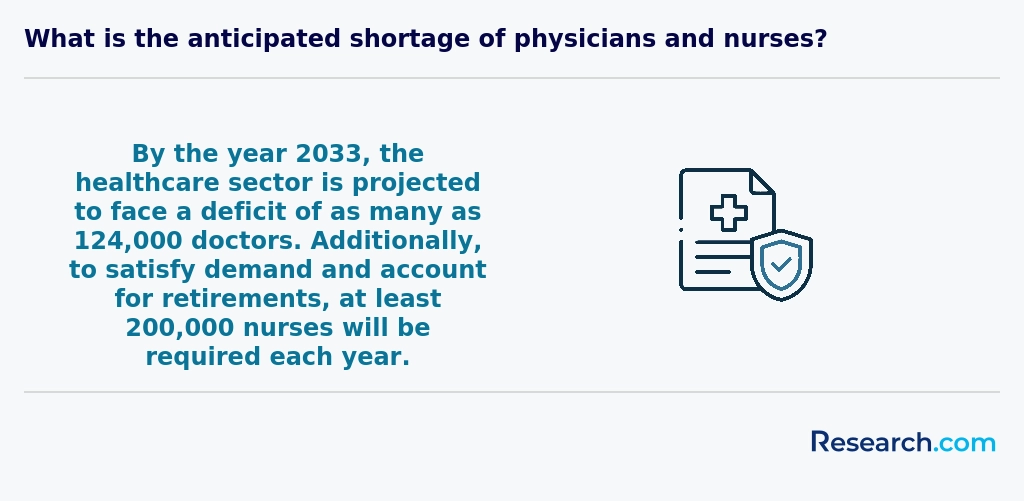
Graduates with an online healthcare degree in Illinois find themselves stepping confidently into diverse career paths tailored to the state's dynamic healthcare landscape. Many have successfully transitioned into roles as registered nurses, leveraging online BSN programs from local universities to meet Illinois' licensure requirements and embrace meaningful patient care amid bustling hospital systems.
Others thrive in healthcare administration, managing operations in Chicago's leading hospitals or rural clinics. These graduates often highlight how their degrees empowered them to navigate complex healthcare environments and improve patient outcomes. For those drawn to specialized roles, allied health careers like health informatics analysts and medical billing specialists provide rewarding options-offering stability and competitive salaries. This variety of Illinois healthcare degree job opportunities ensures a fit for many passions and skills.
Students pursuing these paths also explore certificates that make good money, enhancing their credentials and job prospects. Whether at urban campuses or smaller colleges, the journey through an online healthcare degree careers in Illinois sparks both personal growth and professional success, inspiring many to make a real impact in their communities.
What is the job market for online healthcare degree in Illinois?
The job market for graduates with an online healthcare degree in Illinois is thriving, fueled by strong demand across urban centers and rural communities alike. Many graduates from leading institutions such as the University of Illinois at Chicago or Southern Illinois University share how their flexible online education opened doors to roles like Registered Nurses, Health Services Managers, and Physical Therapist Assistants. This demand creates valuable opportunities especially for those looking to advance quickly in a growing sector.
Illinois boasts a 12% projected growth rate in healthcare jobs from 2022 to 2032, offering a hopeful landscape for those weighing the benefits of an online degree program. Graduates often find themselves employed in diverse environments-from large hospitals to community health centers-where their skills directly impact patient care and organizational success. Those pursuing online education in the state frequently emphasize the importance of choosing affordable, reputable programs; in fact, many explore the easiest way to get a bachelor's degree as a strategic path to launch their healthcare career efficiently.
Understanding the Illinois demand for online healthcare graduates helps students envision a future where their education and dedication translate into meaningful work. Staying connected to the state's evolving healthcare landscape will empower you to make informed career decisions and secure rewarding roles with competitive salaries.
Frequently Asked Questions About healthcare
Online healthcare degree students in Illinois can maximize their learning experience by actively engaging with their coursework and utilizing available resources. Illinois hosts over 60 accredited institutions offering online healthcare programs, many of which provide virtual labs and simulation tools designed to enhance practical skills. Students should take advantage of these technologies to bridge the gap between theory and real-world application.
Networking is also crucial. Many Illinois programs offer access to professional organizations such as the Illinois Nurses Association, which supports career development through webinars and mentorship.
Additionally, Illinois students benefit from state-specific healthcare data from sources like the Illinois Department of Public Health, which can inform research projects and clinical insights.
Emerging niches in healthcare reflect evolving patient needs and technological advances. In Illinois, areas like telehealth and health informatics are expanding rapidly. The Illinois Department of Public Health reports a growing demand for professionals skilled in managing electronic health records and virtual patient care.
Genomic counseling is another niche gaining attention, driven by advances in personalized medicine. This specialty helps tailor treatments to individual genetic profiles.
Moreover, behavioral health integration within primary care is becoming essential. Given Illinois' focus on improving mental health access, degrees emphasizing this interdisciplinary approach are increasingly valuable.
These niches offer promising career paths for online healthcare students seeking relevance and growth.
After completing an online healthcare degree in Illinois, preparing for the job market involves several key steps. First, graduates should obtain any required licensure or certification specific to their healthcare field, such as those overseen by the Illinois Department of Financial and Professional Regulation.
Networking plays a crucial role in job placement. Connecting with professional organizations like the Illinois Health Care Association can provide valuable contacts and job leads.
Additionally, gaining practical experience through internships or volunteer work within Illinois healthcare facilities increases employability. According to the Illinois Department of Employment Security, the healthcare sector in Illinois expects growth of over 12% by 2030, highlighting strong job prospects for qualified candidates.
Employers in Illinois seek healthcare degree graduates with a combination of clinical expertise and soft skills. Strong communication abilities are essential, as healthcare professionals must effectively interact with patients and colleagues. Critical thinking and problem-solving skills enable them to make sound decisions in fast-paced environments. According to the Illinois Department of Employment Security, healthcare jobs demand adaptability due to evolving technologies and patient needs.
Familiarity with healthcare regulations and electronic health record (EHR) systems is increasingly important. Additionally, empathy and cultural competence help graduates serve Illinois' diverse population. Mastering these skills improves employability and supports quality patient care in the state's healthcare sector.
Finding internships in Illinois relevant to a healthcare degree involves several strategic steps. First, students should explore partnerships between their online programs and local healthcare providers, as many Illinois universities maintain connections with hospitals and clinics for internship placements.
Next, resources such as the Illinois Department of Public Health and the Illinois Health and Hospital Association offer internship listings and guidance. The state's large healthcare sector-which employs over 700,000 people-provides various opportunities in clinical, administrative, and research areas.
Students can also network through professional organizations like the Illinois Academy of Nutrition and Dietetics or the Illinois Nursing Students Association, which often promote internship openings tailored to healthcare students.
Additionally, local hospitals such as Northwestern Memorial and Rush University Medical Center regularly recruit interns. Utilizing career services and attending virtual job fairs specific to Illinois can further increase chances of securing valuable internships.
Obtaining an online healthcare degree in Illinois significantly enhances career mobility and advancement opportunities. The state's growing healthcare sector, which employs over 1.2 million people, values accredited online degrees that combine flexibility with rigorous training, as reported by the Illinois Department of Employment Security (IDES).
Online programs enable working professionals to gain new skills without interrupting their careers, crucial in a competitive market. Graduates often qualify for higher-level roles, such as healthcare management or advanced clinical positions, which typically offer increased salaries.
Illinois recognizes many online degrees for licensure and certification, facilitating seamless transitions into specialized areas. Additionally, digital learning expands access to networking through virtual platforms, connecting students with local healthcare employers.
Studying for a healthcare degree online in Illinois equips students for interdisciplinary roles by emphasizing collaboration across multiple health professions. Illinois programs adhere to standards set by accrediting bodies such as the Illinois Board of Higher Education, ensuring curricula integrate knowledge from nursing, public health, social work, and administration.
With Illinois facing a growing demand for healthcare professionals skilled in teamwork-driven by initiatives like the Illinois Department of Public Health's focus on integrated care-students gain skills in communication, ethics, and system-based practice. Coursework often includes case studies and projects that mirror real-world scenarios involving diverse healthcare teams.
Furthermore, many programs connect students with local healthcare providers, fostering practical experience in multidisciplinary environments. This preparation aligns with national trends, where healthcare delivery increasingly requires coordinated approaches to improve patient outcomes.
When choosing between a thesis and a non-thesis healthcare degree program in Illinois, students should first consider their career goals. Thesis options often suit those interested in research, academia, or doctoral studies. Illinois hosts several online programs recognizing this pathway for those aiming to contribute original research to healthcare fields.
Non-thesis programs typically focus on practical skills and applied knowledge, which appeal to working professionals in Illinois' robust healthcare sector, including hospitals in Chicago and regional health systems. These programs often require internships or capstone projects instead of a formal thesis.
Data from the Illinois Board of Higher Education shows growing demand for graduates with hands-on experience, favoring non-thesis formats for quicker workforce entry.
Students based in Illinois who wish to study healthcare abroad have several structured options through partnerships between Illinois institutions and foreign universities. While pursuing an online healthcare degree, many programs offer study abroad components or international clinical rotations, allowing students to gain global experience without relocating permanently.
The University of Illinois system, for example, frequently collaborates with international healthcare organizations, providing safe, supervised opportunities for students. According to the Illinois Board of Higher Education, nearly 10% of nursing and healthcare students from Illinois participate in some form of international education to enhance cultural competence.
These exchanges often focus on public health, nursing, and global health policy, making them valuable for students aiming to work in diverse healthcare environments.
Students pursuing online healthcare degrees in Illinois can benefit from part-time jobs that offer practical experience and flexible hours. Positions such as medical assistants, patient care technicians, or home health aides allow students to apply classroom knowledge while gaining hands-on skills. According to the Illinois Department of Employment Security, healthcare support occupations are expected to grow by 15% through 2028, reflecting strong job availability.
Working as a medical scribe or in administrative roles in clinics can also build relevant skills like medical terminology and record keeping. These roles often accommodate student schedules. Additionally, volunteering in hospitals or community health centers provides valuable exposure to patient care environments, fostering professional development alongside studies.
Online healthcare students in Illinois have various networking opportunities that can enhance their education and career prospects. Many universities offering online programs provide virtual events, including webinars, guest lectures, and career fairs, which connect students with healthcare professionals. Additionally, students can join professional organizations such as the Illinois Health Information Management Association (IHIMA) or local chapters of national groups like the American Public Health Association.
Illinois has a robust healthcare sector, employing over 1.2 million people as of recent labor statistics from the Illinois Department of Employment Security. Networking through alumni groups and statewide conferences helps online students tap into this extensive job market.
Online forums and social media groups related to Illinois healthcare education also allow learners to share experiences and job leads, fostering peer-to-peer support. These combined tools create effective channels for professional growth despite studying remotely.
Alumni networks provide valuable support to online healthcare degree students in Illinois by connecting them with experienced professionals. These networks offer mentorship, job leads, and career advice, which are crucial in the competitive healthcare field. According to the Illinois Department of Employment Security, healthcare occupations are expected to grow by 15% through 2030, making professional connections important for job placement.
Graduates in Illinois often find that alumni networks enhance their understanding of regional healthcare trends and employment opportunities. Access to local healthcare employers and insider knowledge helps students transition smoothly into the workforce.
Customizing an online healthcare degree program in Illinois allows students to align their education with specific career goals. Many Illinois institutions offer flexible curricula that enable selecting electives or specializations such as health informatics, public health, or healthcare administration. This adaptability helps learners develop skills that match industry demands locally, where healthcare employment is projected to grow by 12% through 2030 according to the Illinois Department of Employment Security.
Students can often choose between synchronous and asynchronous courses to fit their schedules. Additionally, some programs provide practicum or internship opportunities within Illinois healthcare facilities, offering practical experience. Reviewing program accreditation and Illinois state licensure requirements ensures the degree supports intended professional paths.
Online healthcare students in Illinois commonly face challenges related to balancing rigorous coursework with personal and professional responsibilities. Many learners juggle full-time jobs or family care, which can limit the time available for studies. According to the Illinois Board of Higher Education, about 60% of online students are employed while enrolled, amplifying this struggle.
Another major challenge is securing local clinical placements required for hands-on experience. Illinois healthcare programs must comply with state licensing standards, and finding approved facilities close to home can be difficult.
Additionally, some students report feeling isolated due to limited face-to-face interaction, which impacts networking and peer support. Technology access and reliability also remain concerns, especially in rural areas of Illinois where broadband connectivity may be inconsistent.
With an online healthcare degree in Illinois, you can pursue a variety of respected professional certifications that enhance career opportunities. Popular options include Certified Nursing Assistant (CNA), Registered Health Information Technician (RHIT), and Medical Coding Specialist credentials. Many graduates also seek certification as a Certified Professional in Healthcare Quality (CPHQ), which is recognized nationwide.
The Illinois Department of Public Health reports growing demand for certified healthcare professionals, driven by the state's expanding healthcare sector. Certifications often require passing an exam and completing supervised clinical hours, which can sometimes be arranged locally even when studying online.
These credentials demonstrate expertise and often lead to higher salaries and improved job prospects in Illinois hospitals, clinics, and public health organizations.
Writing a winning application for an online healthcare program in Illinois begins with thorough research on the schools and their specific admission requirements. Illinois hosts numerous accredited online healthcare programs, including nursing, health informatics, and public health, many recognized by the Illinois Board of Higher Education.
Applicants should highlight relevant healthcare experience or certifications, as Illinois emphasizes workforce readiness, especially given the state's predicted 15% healthcare job growth through 2030 (Illinois Department of Employment Security).
Strong personal statements aligned with healthcare goals and Illinois's community health needs can set candidates apart. Additionally, submitting official transcripts with a minimum GPA of 3.0 helps meet competitive thresholds for programs.
Finally, securing current letters of recommendation from supervisors or educators familiar with healthcare fields can enhance credibility and demonstrate commitment.
Healthcare careers are valued worldwide for their impact on public health and well-being. In the United States, including Illinois, the healthcare industry is among the fastest-growing sectors, with the Bureau of Labor Statistics projecting a 13% growth in healthcare jobs from 2021 to 2031.
Globally, healthcare professionals are prioritized for their skills in addressing aging populations and emerging health challenges. Illinois reflects this trend, as the state's health workforce needs continue to expand, supported by institutions offering accessible online healthcare degrees.
Online programs in Illinois provide flexibility while meeting national accreditation standards, ensuring graduates are prepared for evolving healthcare demands both locally and internationally.
When pursuing an online healthcare degree in Illinois, gaining practical experience is essential to complement theoretical knowledge. Many Illinois programs require students to complete clinical rotations or internships at local healthcare facilities. These opportunities allow students to apply skills in real-world settings under professional supervision.
Illinois has over 200 hospitals and numerous clinics that partner with universities to offer hands-on training. Additionally, students can seek volunteer or part-time positions in hospitals, nursing homes, or public health organizations to build experience. The Illinois Department of Public Health provides resources for healthcare internships and externships statewide.
Online programs often assist with placement to meet licensure requirements specific to Illinois. This ensures experience gained aligns with state standards for healthcare professionals, enhancing job readiness upon graduation.
Choosing the right concentration in an online healthcare degree program in Illinois involves assessing your career goals and local job market demands. Illinois offers various concentrations such as public health, health informatics, nursing, and healthcare administration. According to the Illinois Department of Employment Security, healthcare occupations are projected to grow by 15% through 2030, especially in nursing and health services management.
Consider your interests, skills, and the specific licenses required in Illinois for each field. Research the curriculum and clinical opportunities offered online to ensure they align with your goals. Accreditation and faculty expertise are also key factors to evaluate.
Related Healthcare Rankings for Nearby States
- 2027 Best Online Healthcare Degree Programs Ranking in Indiana
- 2027 Best Online Healthcare Degree Programs Ranking in Wisconsin
- 2027 Best Online Healthcare Degree Programs Ranking in Iowa
- 2027 Best Online Healthcare Degree Programs Ranking in Missouri
- 2027 Best Online Healthcare Degree Programs Ranking in Kentucky
- 2027 Best Online Healthcare Degree Programs Ranking in Michigan
- 2027 Best Online Healthcare Degree Programs Ranking in Minnesota
- 2027 Best Online Healthcare Degree Programs Ranking in Tennessee
- 2027 Best Online Healthcare Degree Programs Ranking in Arkansas
- 2027 Best Online Healthcare Degree Programs Ranking in Kansas
Top Trending Healthcare Rankings
See What Experts Have To Say About Studying Healthcare
Read our interview with Healthcare experts

References
- Overcoming Common Challenges in Nursing School: Tips for Success - American Healthcare Institute https://amhealthinstitute.com/blog/overcoming-common-challenges-in-nursing-school-tips-for-success/
- Wyoming's Best Medical Assistant Programs: Online & Campus https://www.edumed.org/online-schools/healthcare-administration-degrees/masters-mha-programs/illinois-il/
- BSHA - Healthcare Administration Degree Online at Aurora University https://online.aurora.edu/online-degrees/bsha-bachelor-science-healthcare-administration/
- Unlocking potential: Expanding experiential learning through simulation https://www.pagethink.com/insights/unlocking-potential-expanding-experiential-learning-through-simulation
- How to Succeed in a Difficult Job Market After Graduation https://www.hospitalrecruiting.com/blog/6542/how-to-succeed-in-a-difficult-job-market-after-graduation/
- Pursuing Your Career Goals: Strategies and Examples https://www.ultimatemedical.edu/blog/career-goals-importance-strategies-and-examples/
- 10 Skills Employers Are Looking for in Healthcare Management Jobs https://www.aiuniv.edu/blog/10-top-skills-for-healthcare-management-jobs
- Online Medical Programs at CHCP - Start Now! https://www.chcp.edu/degrees-certificates/online/
- How to Leverage Your Degree to Make a Successful Shift to Healthcare - https://wecareonlineclasses.com/how-to-leverage-your-degree-to-make-a-successful-shift-to-healthcare/
- Networking in Medicine: Build Lasting Connections l Windsor https://www.windsor.edu/networking-in-medicine-building-relationships-from-day-one/


