2027 Most Valuable Online Master's in Healthcare Management Degree Programs Ranking in the USA

Co-Founder and Chief Data Scientist
Choosing the right online master's in healthcare management program can shape your future career in a rapidly evolving industry. This article introduces the 2027 Most Valuable Online Master's in Healthcare Management Degree Programs Ranking in the USA, created by the Research.com team of data scientists to help you make an informed decision.
Discover programs that offer real value, balancing quality education with practical benefits. Whether you want to advance your career or enter healthcare leadership, this ranking highlights the best options worth considering for your goals.
Key benefits of getting online healthcare management degree in America
- Healthcare management degree graduates often enjoy rewarding careers with competitive salaries, typically ranging from $70,000 to $100,000 per year depending on the position and location.
- Graduates from schools like the University of Michigan can pursue varied roles including healthcare administrator, policy analyst, or health services manager, offering diverse paths that suit different interests.
- Online healthcare management degrees, such as those from Arizona State University, provide flexibility and convenience, allowing students to balance studies with work or family while gaining valuable skills recognized by employers.
- 2027 Most Valuable Online Master's in Healthcare Management Degree Programs Ranking in the USA
- What can I expect from online healthcare management degree in America?
- Where can I work with online healthcare management degree in America?
What can I expect from online healthcare management degree in America?
The average cost of an online healthcare management degree in America typically lands between $20,000 and $60,000, depending on the school and program length. Imagine a graduate from a popular state university navigating this investment: balancing work, family, and studies, they find the tuition manageable compared to the career boost they expect. Another graduate at a well-known private college might pay more upfront but appreciates the richer networking opportunities and specialized coursework that transform their learning into real-world leadership skills.
Many students describe the financial commitment as a stepping stone, envisioning themselves confidently steering hospital departments or innovating insurance protocols post-graduation. The flexibility of online formats offered by institutions like these allows working professionals to juggle job duties alongside coursework, making the cost feel justified by the seamless integration into their busy lives.
Scholarships, employer reimbursements, and federal aid often soften the financial burden, turning the abstract dollar signs into achievable goals. Graduates from these programs testify to the rewarding clarity of investing in an education that lights the path to thriving healthcare careers.
Where can I work with online healthcare management degree in America?
Graduates from online healthcare management programs at top American institutions like the University of Southern California and George Washington University often find themselves steering the complex gears of hospitals, where leadership powers ripple through bustling corridors. Imagine managing the flow of care in a major metropolitan hospital-every decision shaping patient outcomes and staff morale.
Others dive into outpatient care centers or physician offices, orchestrating seamless operations that keep communities healthy and thriving, much like graduates who navigated their studies during late-night Zoom sessions and now juggle real-world compliance and staff coordination with confidence.
Some alumni discover their calling within health insurance firms, transforming claims processing and cost management into finely tuned machines, drawing on sharp analytical skills honed through coursework rooted in real American healthcare policies.
Government agencies and public health organizations beckon grads eager to craft policies that ripple through entire states, echoing the passion they cultivated while collaborating on projects during their time at Penn State's online program.
Finally, imagine advising healthcare organizations from a consulting firm's sleek office, blending strategy and empathy-an exciting landscape for those who thrived on case studies and simulations offered by schools such as the University of Michigan.
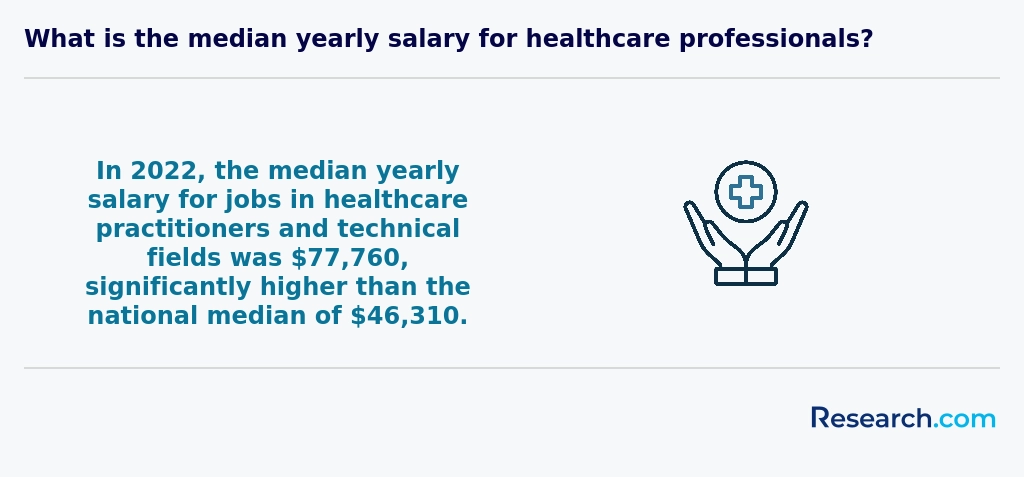
Graduates of online healthcare management programs in America often find themselves stepping into a world where their degrees quickly translate to impressive paychecks. Picture a recent graduate from the University of Southern California navigating a bustling hospital administration office, starting with an annual salary hovering around $70,000 to $80,000. This is a common launching pad, especially in states like California or New York, where healthcare markets thrive and salaries rise accordingly.
As these graduates accumulate experience, their roles evolve-say, moving up to a clinical services director or even chief operating officer positions-where compensation can soar beyond $150,000 annually. Imagine a graduate from Johns Hopkins University transitioning into these leadership tracks, enjoying not just base wages but attractive bonuses and benefits too.
Certifications like the CPHQ or FACHE, often pursued alongside these degrees from respected institutions like George Washington University, further amplify earning potential. Graduates describe feeling a growing sense of accomplishment as their expertise secures them coveted leadership positions, all while making a meaningful impact on patient care and healthcare operations nationwide.
- Tuition for online healthcare management degrees ranges from $20,000 to $50,000, influenced by school type, program length, and residency status.
- Employment for medical and health services managers is projected to grow 28% from 2021 to 2031, much faster than the average for all jobs.
- Starting salaries for graduates are typically between $65,000 and $80,000 annually, with mid-career roles paying $100,000 to $120,000 or more.
- Programs accredited by the Commission on Accreditation of Healthcare Management Education (CAHME) have higher value with employers.
- Most programs require a bachelor's degree but not healthcare experience, and many offer specializations like health informatics or public health.
Imagine juggling a demanding job while pursuing your healthcare management degree from a renowned American university like the University of Arizona or George Washington University, both known for their flexible online programs. For bachelor's degree seekers, the journey often resembles a four-year marathon - a steady, deliberate pace aligning with the typical 120-credit requirement. Yet, many find joy in the freedom to accelerate or pause, syncing studies with life's unpredictable rhythms.
Master's candidates often embark on a more fluid two-to-three-year expedition, with part-time options enabling them to blend night shifts in hospitals with virtual lectures. Graduates recall feeling empowered as they balanced work, family, and school, often wrapping up sooner than anticipated thanks to credit transfers or accelerated tracks designed for those with healthcare experience.
These timelines are living stories, shaped by the student's drive and program structure, reflecting the vibrant, real-world pulse of America's healthcare landscape.
Picture a healthcare management student at a top American university juggling a full-time job while sipping coffee between online lectures. The flexibility of an online program means catching a live case study discussion at midnight or revisiting a recorded guest lecture on healthcare policy whenever time allows. This freedom is a lifeline for many who cannot pause their careers or relocate to campus.
Contrast that with the buzz on-campus students experience at schools renowned for healthcare management, like those in Boston or Chicago, where face-to-face debates and spontaneous hallway conversations spark ideas. These students often thrive amidst healthcare simulation labs and in-person networking events, forming connections that feel immediate and tangible. The energy of collaborating under the same roof can fuel motivation and confidence in leadership skills.
Both paths at accredited American programs promise rigor and quality, yet the online learner values adaptability and autonomy, while the on-campus student relishes immersive, tactile experiences. For many graduates, the real difference is how learning molds into life-whether woven seamlessly into busy schedules or energized by campus camaraderie.
The average cost of an online healthcare management degree in America typically orbits around a median total of $26,190, a figure that encapsulates the diverse tuition landscapes students navigate. Graduates from renowned public universities often share how in-state tuition, averaging near $15,631, was a relief compared to the out-of-state toll, which tends to hover around $25,842. These figures reflect real-world decisions: picking a program where residency status makes a palpable difference in the financial journey.
Imagine a student juggling family life and a remote job while enrolled in a popular healthcare management program known for balancing quality and price. They find comfort in programs that blend affordability with robust curriculum, making the investment feel not just necessary but empowering. These stories resonate especially amidst discussions on the average cost of online healthcare management degree USA, where practical budgeting meets professional ambition.
Moreover, expenses go beyond tuition-there's technology fees and material costs adding layers to the total. Yet, financial aid and employer sponsorships often act as welcome allies. Prospective enrollees might explore options among the most affordable healthcare management selective colleges to maximize value without sacrificing academic rigor.
The journey through tuition negotiations and credit hour tallies-typically between 30 and 45 credits-is a rite of passage for many. The interplay of cost and career payoff shapes how students perceive the value of their degrees, making the online healthcare management degree tuition and fees USA a dynamic topic of conversation among ambitious future healthcare leaders.
Imagine a graduate juggling a demanding job in Chicago while earning an online healthcare management degree from a top institution like the University of Southern California. Their secret weapon? A blend of federal financial aid triumphs, starting with the FAFSA unlocking Pell Grants and FSEOG funds-silent helpers that don't require repayment. They breathe easier knowing federal loans, like Direct Unsubsidized and Grad PLUS, offer manageable interest rates and income-driven repayment plans designed for real-life twists.
Across the country, a student enrolled at George Washington University finds institutional scholarships tailored just for healthcare professionals, easing monthly budgets as they advance careers. Professional associations such as ACHE sprinkle in additional scholarships, rewarding membership and drive.
One hopeful in Texas taps into employer tuition assistance, transforming their day job into a tuition sponsor. Meanwhile, nestled in New York, state-funded loan forgiveness programs light a hopeful path for residents committed to healthcare leadership. These layered aids morph daunting costs-often $20,000 to $60,000-into achievable dreams, painting a vibrant financial roadmap for America's future healthcare leaders.
Picture yourself diving into an online healthcare management program at a well-known American university, like those found in the bustling campuses of Johns Hopkins or the University of Michigan. Before you unlock that world, you'll need a bachelor's degree, though it doesn't have to be a medical or science-heavy one. Graduates often recall how their degrees in business or public health opened doors just as wide, proving the field's welcoming stance on diverse academic backgrounds.
Official transcripts usually pave the way, showing your academic journey-often with a GPA near 3.0 lighting the path. Letters of recommendation offer a human touch, capturing your potential to thrive amid healthcare complexities. Many remember crafting heartfelt essays that unearthed their passion for leadership in healthcare's evolving landscape.
While GRE scores once guarded the gates, many schools now trust your story and experience more. Some graduates cherish their year or two of hands-on work in clinics or health organizations, which added rich context to their online classes and energized discussions.

Imagine diving into the heart of America's healthcare maze through courses like Healthcare Systems and Policy, where you unravel the intricate dance of government rules and private sector moves shaping patient care. Graduates from top programs at well-known universities describe this as unlocking the secret blueprint of healthcare's hustle and bustle, giving them the confidence to lead change.
Then there's Health Informatics, a digital treasure hunt teaching students to master electronic health records and data-driven decisions. Many recount how this course transformed their view of technology, turning abstract data streams into powerful tools to save lives and streamline hospitals.
Healthcare Finance and Accounting may sound dry, but alumni swear by its real-world magic - budgeting for lifesaving equipment or navigating complex insurance landscapes becomes second nature, a vital skill in America's expensive healthcare system.
Leadership shines through Organizational Behavior and Leadership, where students learn to inspire healthcare teams amid pressure and change. Stories from graduates highlight this as the spark behind their career leaps.
Courses like Quality Improvement and Patient Safety and Ethics and Legal Issues in Healthcare root their learning in compassion and responsibility, preparing students to champion patient rights and safety in everyday hospital realities.
The landscape of online healthcare management specializations USA unfolds like a vibrant mosaic of career possibilities, where graduates from top colleges relish diving deep into realms like Health Informatics. Imagine decoding patient data to craft smarter care pathways, a skill praised by alumni from prestigious schools who witnessed firsthand how their expertise transformed hospital systems. Others find their calling in Healthcare Policy and Administration, mastering the art of navigating complex regulations and steering organizations toward excellence, much like recent graduates from renowned American universities who now lead impactful projects in major health institutions.
Envision specializing in Public Health Management, where learners focus on community wellness and disease prevention-graduates tell stories of shaping responsive programs during recent health crises, aided by programs across the country. Financial Management in Healthcare also captivates students eager to unravel the riddles of budgeting and billing, a vital role praised by professionals who studied in America's most innovative online programs. Such diverse healthcare management degree concentrations America reflect the sector's dynamic pulse, inviting you to explore the fastest online master's degree in healthcare management and carve your unique professional niche.
Imagine juggling a full-time job while diving into complex healthcare policies or mastering data analytics-this is the reality for many pursuing the best online healthcare management degrees USA has to offer. Graduates from well-known public universities often praise programs that blend flexible, asynchronous courses with real-world case studies, allowing them to learn during a lunch break or a late evening. Choosing a program accredited by CAHME can feel like unlocking a golden ticket, opening doors to certifications and career boosts. Affordable healthcare management master's programs America-wide cater to budgets without sacrificing quality, an important factor when balancing tuition costs against potential salary gains-graduates frequently reflect on this pragmatic approach.
One grad from a top college shared how access to career services and internships shaped their confidence stepping into leadership roles. Curious about where that confidence can lead? Explore median wages and growth in the field through the mha masters salary insights, grounding dreams in achievable financial futures.

Graduates with an online healthcare management degree in America often find themselves stepping into dynamic roles that blend leadership with innovation. Picture managing the bustling operations of a major hospital or steering the strategy of a community clinic; graduates from institutions like the University of North Carolina or George Washington University easily transition into positions such as Healthcare Administrator or Clinical Manager, where their decisions impact real lives daily. These roles are not just jobs-they're opportunities to shape the future of healthcare in fast-paced environments.
Others dive into the data-driven world as Health Information Managers or Practice Managers, orchestrating smooth workflows through implementing emerging technologies. The demand for experts who understand both medicine and management is increasing, highlighting promising online healthcare management careers in USA. For those drawn to policy, working as Health Policy Analysts within public health entities offers a chance to influence regulations that improve community health outcomes.
A growing number of graduates collaborate with tech innovators, acting as liaisons for Electronic Health Records implementation-honing skills that amplify efficiency across networks. If you're curious about financing these exciting paths, explore the most affordable mha programs that lead directly to these in-demand career possibilities.
The job market for graduates holding an online healthcare management degree in America is bursting with opportunity, fueled by an aging population and ever-evolving medical technologies. Imagine a recent graduate from a well-known university in the Midwest, balancing courses online while managing part-time work at a hospital. Within months of graduating, they are navigating complex healthcare systems, optimizing operations, and leading teams-all skills polished through their program. This scenario is becoming common as healthcare organizations increasingly hunt for professionals with a mix of tech-savvy and management prowess.
These roles are not just abundant but rewarding, reflected in the rising salaries and diverse settings available, from outpatient care to insurance companies. The rise of online healthcare management degrees has made it easier than ever to transition into these roles without pausing one's career. Many graduates across America attest that their degrees provided them tools to thrive in the dynamic healthcare landscape.
Online healthcare management jobs USA are particularly favored by those seeking flexibility paired with meaningful work that impacts patient outcomes and organizational success. Universities renowned for healthcare management programs attract students eager to contribute to this vital sector, blending theory with real-world administrative challenges.
2027 Most Valuable Online Master's in Healthcare Management Degree Programs Ranking in the USA
Investing in your education is a significant decision that can shape your future, and the Research.com team understands the importance of making informed choices. To assist prospective students nationwide, we have meticulously crafted the "2027 Most Valuable Online Master's in Healthcare Management Degree Programs Ranking in the USA." Our commitment to quality, credibility, and accuracy is reflected in the extensive research and analysis conducted to compile this ranking.
We utilized the following reputable data sources to ensure a comprehensive evaluation of healthcare management programs:
By exploring this ranking, readers will gain valuable insights into the most valuable online master's degree programs in healthcare management, empowering them to make well-informed decisions about their educational and professional futures. For more details on how this ranking was created, please visit our Research.com methodology page.

# 2 position
University of Massachusetts Lowell
Master of Health Information Management: Health Service Management Option


# 5 position
University of Cincinnati
Master of Pharmaceutical Science in Health Outcomes and Pharmacoeconomics


# 9 position
Walden University
Master of Healthcare Administration

# 10 position
University of Maryland Global Campus
Master of Health Information Management and Technology








Frequently Asked Questions About healthcare management
Online healthcare management degree students in America can maximize their learning by engaging actively in virtual discussions and utilizing digital resources provided by their institutions. Research from the American College of Healthcare Executives highlights that students who participate in online forums and group projects retain information better and develop crucial leadership skills.
Additionally, students should seek out internships or practicum opportunities with U.S. healthcare organizations to gain hands-on experience alongside their studies. According to the Bureau of Labor Statistics, healthcare management jobs are projected to grow 28% from 2021 to 2031, making practical experience highly valuable.
Staying updated on current healthcare policies and technology trends through trustworthy sources like the Healthcare Information and Management Systems Society can also enhance learning outcomes. Time management and setting a consistent study schedule are essential to balance coursework and professional responsibilities effectively.
The healthcare management field in America is evolving rapidly, with several emerging niches gaining prominence. One key area is health informatics, which combines healthcare and data management to improve patient outcomes. According to the U.S. Bureau of Labor Statistics (BLS), health informatics roles are projected to grow 28% from 2021 to 2031, much faster than average.
Another growing niche is population health management, focusing on improving health outcomes of specific groups through data-driven strategies and policy development.
Additionally, telehealth administration is expanding due to increased demand for remote care services, especially after the COVID-19 pandemic.
These specialties reflect the increasing reliance on technology and data to enhance healthcare delivery and management in the U.S.
After completing an online healthcare management degree in America, preparing for the job market requires strategic steps. First, gaining practical experience through internships or fellowships is vital. According to the Bureau of Labor Statistics (BLS), healthcare management roles are projected to grow 28% from 2021 to 2031, highlighting strong demand.
Networking is crucial; joining professional bodies like the American College of Healthcare Executives (ACHE) can open doors and provide mentorship. Additionally, pursuing certifications such as the Certified Healthcare Manager (CHM) can boost credibility. Finally, tailoring resumes to emphasize leadership, data analysis, and healthcare regulations helps graduates stand out in competitive job markets.
Employers in the American healthcare sector prioritize a blend of technical and interpersonal skills for graduates of healthcare management degrees. Strong knowledge of healthcare laws and regulations is essential, as compliance remains a top priority in the industry. According to the U.S. Bureau of Labor Statistics, leadership and team management abilities rank highly due to the collaborative nature of healthcare environments.
Data literacy and proficiency with electronic health records (EHR) systems are increasingly valued, reflecting the sector's digital transformation. Additionally, communication skills-both oral and written-are crucial for negotiating with stakeholders and managing diverse teams.
Financial acumen, including budgeting and resource allocation, also ranks among the top employer demands, helping organizations balance quality patient care with cost efficiency.
Finding internships relevant to a healthcare management degree in America often starts with leveraging university resources. Many accredited online programs have career centers that connect students with healthcare organizations offering internships. According to the U.S. Bureau of Labor Statistics, healthcare management jobs are expected to grow 28% through 2031, increasing internship opportunities in hospitals, clinics, and insurance companies.
Additionally, professional associations like the American College of Healthcare Executives (ACHE) provide internship listings and networking events. Students should also explore state health departments' websites and large healthcare systems for formal internship programs. Strong resumes and targeted applications improve chances of securing these positions.
An online healthcare management degree in America significantly enhances career mobility and advancement opportunities. According to the U.S. Bureau of Labor Statistics, healthcare management roles are expected to grow 32% from 2021 to 2031, much faster than the average for all occupations. This growth creates numerous leadership opportunities in hospitals, insurance companies, and consulting firms.
Graduates with such degrees gain skills in healthcare policy, finance, and administration, which are highly valued in the evolving U.S. healthcare landscape. Many employers prefer candidates with a master's degree for management roles, boosting earning potential and promotions.
Furthermore, the flexibility of online programs allows working professionals to upskill without leaving their jobs, facilitating career advancement while maintaining income.
Studying for a healthcare management degree in America equips students with skills to function effectively across multiple disciplines within the healthcare sector. Programs emphasize knowledge in business administration, healthcare policy, economics, and ethics, fostering a broad understanding essential for leadership roles.
American online degrees often incorporate case studies and practical simulations that reflect real-world healthcare challenges, helping students develop problem-solving abilities alongside technical expertise. According to the Bureau of Labor Statistics, healthcare management occupations are expected to grow 32% from 2021 to 2031, showing the demand for professionals who can work seamlessly with clinical teams, IT experts, and policymakers.
This interdisciplinary training prepares graduates to coordinate between diverse departments, improving operational efficiency and patient outcomes in complex healthcare environments.
Choosing between a thesis and a non-thesis healthcare management degree in America depends on your career goals and learning preferences. Thesis programs typically require original research and a detailed written report, suited for students aiming at doctoral studies or research roles. Non-thesis programs focus more on practical skills and coursework, ideal for professionals seeking leadership positions in healthcare organizations.
According to the Bureau of Labor Statistics, employment in healthcare management is growing rapidly, emphasizing both analytical and managerial skills. Many accredited online programs from institutions like AUPHA offer options tailored to these needs. Consider accreditation status and how each path aligns with your professional development before enrolling.
American students seeking to study healthcare management abroad have several online options from internationally recognized universities. Many European and Australian institutions offer online master's degrees that align with U.S. standards, providing global perspectives on healthcare systems. These programs often include courses in health policy, administration, and data analytics, complementing U.S.-based education.
When choosing a program, students should ensure it meets accreditation standards comparable to those of the Commission on Accreditation of Healthcare Management Education (CAHME) in the U.S. This ensures quality and relevance for careers in American healthcare settings.
Additionally, some universities partner with American institutions, allowing smoother credit transfers and dual degrees. It is important to verify if international coursework is recognized by U.S. employers or licensing boards.
Part-time jobs that complement a healthcare management degree in America often involve roles within healthcare facilities or administrative support in medical settings. Common options include medical receptionist, health information technician, or administrative assistant in hospitals or clinics. These positions provide practical experience with healthcare operations and patient data management.
According to the U.S. Bureau of Labor Statistics, healthcare support roles are growing at a rate of 13% from 2022 to 2032, reflecting rising demand.
Internships or part-time work in insurance companies and public health organizations can also enhance understanding of healthcare policies and management practices. Additionally, entry-level project coordinator roles in healthcare organizations help build skills in team management and workflow optimization.
Online healthcare management students in America have various networking opportunities despite the virtual learning format. Many programs offer access to professional organizations such as the American College of Healthcare Executives (ACHE), which had over 48,000 members nationwide as of 2023. These organizations host local chapters, webinars, and conferences that help students connect with industry leaders.
Additionally, online students often engage in virtual career fairs and alumni networking events facilitated by their institutions. Schools may provide dedicated online platforms or LinkedIn groups for peer collaboration and mentorship. Such networking is crucial, as the healthcare management field in the US is expected to grow by 28% from 2021 to 2031, according to the U.S. Bureau of Labor Statistics.
Alumni networks play a crucial role for students enrolled in online healthcare management degree programs in America. They connect current students with experienced graduates working across diverse healthcare organizations nationwide, offering valuable insights and guidance. According to the American College of Healthcare Executives (ACHE), 78% of healthcare management professionals found career opportunities through networking.
These networks provide access to job postings, internships, and mentorship, which can be limited in virtual learning environments. Participation helps students build professional relationships essential for career advancement. Additionally, alumni connections often share industry trends and best practices, keeping students informed beyond academic content.
Customizing an online healthcare management degree in America allows students to align their education with specific career goals. Many programs offer elective courses and concentrations, such as health informatics, policy, or financial management, enabling deeper expertise in areas relevant to roles in hospitals, insurance, or government agencies.
Choosing accredited schools is key; for example, CAHME accreditation ensures programs meet industry standards. Practical experiences like virtual internships and capstone projects often complement online coursework, providing real-world skills.
The U.S. Bureau of Labor Statistics projects a 32% growth in healthcare management jobs through 2030, highlighting demand for specialized skills. Students should consider programs that offer flexible scheduling and networking opportunities with healthcare professionals to maximize career advancement.
Online healthcare management students in America often face several key challenges. One major difficulty is balancing coursework with work and family commitments, as many students are working professionals. According to the National Center for Education Statistics, over 75% of online learners are employed full-time, which can lead to time management struggles.
Another challenge is limited access to hands-on clinical experiences, which are crucial for developing practical skills in healthcare management. Students may find it hard to connect theory with real-world applications without in-person opportunities.
Technical issues and the need for strong self-discipline also impact student success. The reliance on virtual platforms demands steady internet access and digital literacy, which not all students possess equally.
Graduates with an online healthcare management degree in the United States can pursue several professional certifications to enhance their careers. One widely recognized certification is the Certified Healthcare Administrative Professional (cHAP), offered by the American Association of Healthcare Administrative Management. Another key credential is the Certified Professional in Healthcare Quality (CPHQ), which focuses on quality management in healthcare settings.
Many students also seek the Fellow of the American College of Healthcare Executives (FACHE) designation, emphasizing leadership and executive skills. According to the U.S. Bureau of Labor Statistics, healthcare managers with certifications often earn higher salaries and have better job prospects.
These certifications help validate specialized knowledge and improve employability across hospitals, insurance companies, and public health organizations.
Applying for an online healthcare management program in America requires a clear, organized approach. Start by researching accredited programs recognized by bodies like the Commission on Accreditation of Healthcare Management Education (CAHME). This ensures your degree holds value in the job market.
Highlight relevant experience in healthcare or management, as work history significantly strengthens your application. According to the U.S. Bureau of Labor Statistics, healthcare management roles are projected to grow 28% from 2021 to 2031, indicating strong career prospects.
Write a compelling personal statement that connects your career goals with the skills the program offers. Be specific about why online study suits your lifestyle and how you will manage remote learning responsibly.
Strong letters of recommendation from supervisors or academic mentors who understand healthcare's unique challenges can boost your credibility. Finally, ensure all required documents and test scores, if requested, are submitted on time to complete a winning application.
The healthcare management field is increasingly global in scope, as healthcare systems worldwide face challenges like aging populations and rising costs. In the US, the Bureau of Labor Statistics projects a 32% growth for medical and health services managers from 2021 to 2031, reflecting strong domestic demand.
Internationally, skills in healthcare management are highly valued, especially expertise in policy, finance, and technology integration. American online degrees often emphasize these skills, preparing graduates for both domestic and global opportunities.
Global health trends such as digital health and quality assurance require managers who understand varied systems, making US-trained professionals competitive worldwide. According to the American College of Healthcare Executives, knowledge of global healthcare practices is increasingly integrated into accredited programs.
Gaining practical experience while pursuing an online healthcare management degree in America is crucial for career success. Many programs offer internship or practicum opportunities in partnership with local hospitals, clinics, or healthcare organizations. These placements allow students to apply theoretical knowledge in real-world settings.
Additionally, students can seek volunteer roles or part-time jobs related to healthcare administration. According to the U.S. Bureau of Labor Statistics, healthcare management jobs are projected to grow 32% from 2021 to 2031, emphasizing the value of hands-on experience.
Some universities also provide simulation labs and case studies online to enhance practical skills remotely.
When choosing a concentration within an online healthcare management degree in America, consider your career goals and industry demand. The U.S. Bureau of Labor Statistics projects a 32% growth for medical and health services managers from 2021 to 2031, emphasizing the need for skills in healthcare administration, informatics, or policy.
Evaluate programs offering specializations like healthcare informatics, finance, or quality improvement. Each area targets different roles, such as managing data systems, budgeting, or patient safety. Research employer preferences and salary trends; for example, healthcare informatics specialists often earn higher median wages than general administrators (Health IT & Management, 2023).
Also, assess program accreditation by recognized agencies like CAHME, ensuring quality education aligned with U.S. standards.
- Health Care Manager Cover Letter Examples - Templates & Writing Tips https://www.resume-now.com/cover-letter/examples/business-operations/healthcare-management-manager
- The Biggest Challenges Healthcare Managers Face Today - Oxford Training Centre https://oxfordcentre.uk/resources/healthcare-management/the-biggest-challenges-healthcare-managers-face-today/
- What are the essential skills needed for health care management | UNF https://www.unfc.ca/blog/healthcare-management-skills
- Alumni Reconnect - Poznan University of Medical Sciences https://pums.edu.pl/alumni-friends/alumni-reconnect/
- Challenges and Opportunities in Healthcare Management - European Society of Medicine https://esmed.org/challenges-and-opportunities-in-healthcare-management/
- Top Challenges Facing Healthcare Management Professionals Today - Asia Pacific https://www.asiapacific.edu/blog/mba/top-challenges-facing-healthcare-management-professionals-today/
- How to Get a Job in Healthcare Management https://sha.edu.in/how-to-get-a-job-in-healthcare-management/
- Networking https://www.whcm.org/networking/
- 2025 Most Affordable Healthcare Administration Degrees Online https://www.onlineu.com/most-affordable-colleges/healthcare-administration-degrees
- Preparing for a Career in Healthcare Management: What You Need to Know https://www.merco.co.uk/blog/preparing-for-a-career-in-healthcare-management-what-you-need-to-know