2027 Most Affordable Online Bachelor's in Healthcare Management Degree Programs Ranking in the Northeast

Co-Founder and Chief Data Scientist
Are you considering a healthcare management degree but worried about costs and convenience? This article introduces the 2027 Most Affordable Online Bachelor's in Healthcare Management Degree Programs Ranking in the Northeast, crafted by the Research.com team of data scientists. It helps students like you make informed decisions about programs that truly stand out.
Pursuing a degree in healthcare management opens doors to meaningful careers in a growing industry. By exploring affordable and flexible online options, you can advance your education without overwhelming expenses or schedule conflicts.
Keep reading to discover valuable insights that can guide your next academic step confidently and accessibly.
Key benefits of getting online healthcare management degree in the Northeast
- Healthcare management graduates in the Northeast can expect salaries around $70,000 to $120,000 depending on their role, offering a strong financial incentive for pursuing this degree.
- Graduates from institutions like Northeastern University often find diverse career paths in hospital administration, health services management, and healthcare consulting, allowing for exciting and flexible job opportunities.
- Completing a healthcare management degree online from schools such as Southern New Hampshire University provides the flexibility to balance work and study, making it easier to advance your career without interrupting your life.
- 2027 Most Affordable Online Bachelor's in Healthcare Management Degree Programs Ranking in the Northeast
- What can I expect from online healthcare management degree in the Northeast?
- Where can I work with online healthcare management degree in the Northeast?
What can I expect from online healthcare management degree in the Northeast?
If you're eyeing an online healthcare management degree in the Northeast, you'll want to know about the costs upfront. On average, tuition can range between $15,000 and $35,000 for the whole program, depending on whether you choose a public university or a private college. Graduates from well-known schools in the region often talk about how the investment felt worthwhile because of the strong reputation and the career doors it opened.
For example, students at some popular Northeast colleges find that the flexible online format helps them juggle work and family while gaining real-world skills. Many highlight the value of hands-on internships arranged locally despite their remote coursework, which really brings their learning to life without extra travel expenses.
Plus, regional accreditation from groups like NECHE or MSCHE is common, so financial aid options are easier to access, easing the load. It's definitely a smart move if you're aiming to jump into healthcare leadership roles without breaking the bank.
Where can I work with online healthcare management degree in the Northeast?
If you're wondering where you can work with an online healthcare management degree in the Northeast, the options are seriously wide open. Many graduates from popular schools like Northeastern University and Columbia University find jobs in busy hospitals right in cities like Boston and New York. Imagine managing operations in a bustling hospital, coordinating teams, and keeping everything running smoothly-these roles really put your skills to work in high-energy settings.
Others land positions at outpatient care centers and specialized clinics, which are growing fast as healthcare shifts to more cost-friendly models. Working in places like these means you might supervise billing or help improve patient services-real hands-on stuff that matches what you've learned online.
Then there's nursing homes and long-term care facilities, especially in states like Pennsylvania or Connecticut. Graduates often talk about how rewarding it is to manage care for the aging population and make a real difference day-to-day.
Plus, public health agencies and nonprofits in the region keep their doors open for healthcare management pros who want to dive into program management or community outreach. Overall, a healthcare management degree from a Northeast school opens doors to workplaces that are vibrant, growing, and packed with opportunities.
If you're thinking about an online healthcare management degree in the Northeast, you'll be happy to know salaries here tend to beat the national average. Graduates often start around $60,000 to $75,000 a year, especially if they land roles in smaller hospitals or rural clinics. Many recent grads from popular schools like Northeastern University or Temple University have shared how they quickly bumped their paychecks toward the $90,000 to $130,000 range once they moved into bigger city hospitals like those in Boston or New York City.
With a few years under your belt, reaching $110,000 or more isn't uncommon, especially if you specialize in areas like health informatics or clinical management. Picture yourself leading a team in a major Philadelphia medical center, earning between $120,000 and $150,000-many grads find this really motivating and a great return on their online investment.
The Northeast's healthcare scene is booming, with plenty of room to grow your career-and your income. It's not just about numbers; it's about making a real difference while earning well in vibrant urban health systems.
- Tuition for online healthcare management bachelor's degrees in the Northeast ranges from $10,000 to $22,000 per year, with public universities generally costing less than private ones.
- Healthcare management jobs in the Northeast are projected to grow by 10-15% over the next decade, outpacing national job growth averages.
- Entry-level salaries for healthcare managers start between $60,000 and $75,000 annually, rising to $90,000-$110,000 with 5-10 years of experience.
- Many programs are accredited by the Commission on Accreditation of Healthcare Management Education (CAHME), ensuring curriculum quality and employability.
- Internships or practicum experiences are often available locally, helping students gain practical skills and improve job placement in the Northeast healthcare system.
- Programs may include coursework on state-specific healthcare laws and policies to prepare students for leadership roles in the regional healthcare industry.
If you're looking into online healthcare management degrees in the Northeast, it usually takes about four years to finish a bachelor's degree if you're studying full-time. Think about a graduate from a well-known school in New York who balanced courses with a part-time job and nailed their degree right on schedule. That's pretty standard since most programs stick to around 120-130 credits.
But here's the cool part: some schools in Massachusetts and Pennsylvania offer accelerated options. So, if you're motivated, you could wrap things up in about three years, which feels like a real win for those eager to jump into the workforce faster.
On the other hand, not everyone can go full speed. Many students take it slower, especially with work or family around, stretching their studies up to six years. Plus, some grads found that credits from previous work experience helped them skip a few classes, shortening their path.
For master's degrees, it's usually around two years full-time, or longer if you're juggling everything. Hearing from former students at popular Northeast colleges, flexibility is key-they could fit learning around life, which made the whole experience way less stressful.
Accreditation confirms a program meets rigorous academic and professional standards, safeguarding your investment and career prospects.
Key accreditation bodies to check:
- Commission on Accreditation of Healthcare Management Education (CAHME)
- Regional agencies (e.g., Middle States Commission on Higher Education)
Why it matters:
- Ensures transferability of credits between institutions
- Unlocks eligibility for federal financial aid
- Signals employer and industry recognition
Students exploring options like accelerated healthcare administration degree online benefit from choosing accredited programs that support career growth.
If you're weighing online versus on-campus healthcare management degrees in the Northeast, it mostly comes down to flexibility and experience. Many grads from schools like Northeastern University or University of Massachusetts share how online programs let them juggle work and family, tuning in to lectures whenever it suits their busy lives. No commute, no parking hassles, and often less expensive tuition make it super convenient.
On the flip side, those who chose on-campus paths at colleges like Boston College rave about face-to-face connections - grabbing coffee with professors, hitting up networking events, and getting hands-on experience at nearby hospitals. They say this real-world vibe helped them build confidence leading healthcare teams.
Both options in the Northeast are solidly accredited, so your degree holds weight either way. Online might feel a bit lonelier, but virtual group chats and projects help keep you connected. It really depends if you want that campus buzz or total schedule freedom.
Choosing an accredited online healthcare management degree ensures credit transferability, federal aid eligibility and employer confidence.
- Regional accrediting bodies (e.g., Middle States, New England) vet overall institutional quality
- Council on Accreditation of Healthcare Management Education (CAHME) certifies program-specific rigor
- NC-SARA approval supports interstate distance education standards
For those seeking a faster completion path without sacrificing quality, consider an accelerated healthcare administration degree online.
If you're eyeing an online healthcare management degree in the Northeast, get ready for some variety in tuition costs. On average, the total price for earning this degree tends to hover around $48,000, but it really depends on whether you're in-state or out-of-state. For example, in-state students often pay closer to $36,890, while out-of-state learners might see bills around $42,706. Graduates from well-known public universities in states like New York or Pennsylvania often share stories of manageable costs paired with strong program reputations, making them feel confident about their investment.
Many folks appreciate the affordable online healthcare management programs Northeast options offer, especially if you look at community colleges or state schools with credit transfers. These pathways can make a big difference, especially if budget is a concern. On the flip side, private colleges typically charge more-sometimes over $70,000-but students say they value the smaller class sizes and specialized curriculum they get in return.
Keep in mind that besides tuition, you might face extra fees such as technology charges for online learning, which can add a few hundred dollars each semester. Luckily, lots of financial aid, scholarships, and employer tuition assistance are available to ease the load.
For those who want to explore more options in healthcare management online, programs like mba healthcare administration online are often praised for balancing cost and quality, making the whole process feel a lot more achievable.

Accreditation by recognized bodies ensures program quality and industry acceptance. Key factors to consider include:
- Institutional Accreditation: Confirm your university holds regional accreditation (e.g., NEASC, MSCHE) for credit transferability and federal aid eligibility.
- Programmatic Accreditation: Look for CAHME-accredited healthcare management programs, which meet rigorous curriculum and faculty standards.
- Certification Eligibility: Graduates from accredited programs qualify to sit for credentials such as the Certified Healthcare Administrative Professional (cHAP) exam or the Fellow of the American College of Healthcare Executives (FACHE) designation.
- State Authorization: Ensure the online program is authorized in your state of residence to comply with regulatory requirements.
- Accelerated Pathways: For faster completion, explore an accelerated healthcare administration degree online that maintains full accreditation while reducing time to degree.
A program's accreditation and certification pathways directly impact employability, professional credibility, and long-term career growth in healthcare management.
If you're eyeing an online healthcare management degree in the Northeast, financial aid options can really lighten the load. Graduates from well-known schools like Northeastern University and the University of Massachusetts often mention how filling out the FAFSA opened doors to Pell Grants worth up to $7,395 each year. That's a serious help when tuition at private colleges can climb over $30,000 annually.
State aid makes a big difference, too. For example, New York residents can tap into the TAP grant, which covers up to $5,665 for students at approved schools. In Massachusetts, the MassGrant program offers around $2,900 yearly, making a noticeable dent in those bills. Many grads recall the relief of snagging institutional scholarships specifically aimed at healthcare management students, especially since the Northeast is pushing to fill a booming healthcare admin workforce.
Working adults often use employer tuition reimbursement programs, balancing work and study without breaking the bank. Plus, organizations like the American College of Healthcare Executives throw in scholarships to help cover costs. So, plenty of routes exist to keep your financial stress in check while pursuing your degree online.
Accreditation ensures the online healthcare management program meets rigorous academic and industry standards. Before applying, verify both regional and programmatic accreditation.
- Regional accreditation: Confirm the institution is accredited by a recognized agency (e.g., Middle States, NECHE).
- Programmatic accreditation: Look for CAHME or similar healthcare management–specific accreditation.
- Federal recognition: Accredited programs qualify for federal financial aid and ensure credits transfer smoothly.
- Employer acceptance: Accreditation signals quality to hospitals, health systems, and insurers.
Checking accreditation is simple: visit the U.S. Department of Education website or the accreditor’s directory for up-to-date listings. Many students pair affordable programs with accelerated options-consider our guide to an accelerated healthcare administration degree online for more details.
If you're thinking about enrolling in an online healthcare management degree in the Northeast, you'll usually need a high school diploma or something similar, like a GED. It's the basic ticket to get started, making sure you're ready for college-level work. Many programs-like those at well-known colleges in New York or Massachusetts-also look for some background in biology, health sciences, or even business. One graduate shared how having done a few health science classes in high school really boosted their confidence during the first semester.
Standardized tests like the SAT or ACT might pop up, but plenty of schools up here are now test-optional, especially for online learners, which is great news if tests aren't your thing. If English isn't your first language, you'll likely need to prove your skills with tests like TOEFL or IELTS. Students at popular Northeast programs often mention how helpful the schools' language support was during their studies.
Almost everyone agrees that being comfortable with computers and having steady internet is a must-after all, everything happens online. Plus, some programs prefer if you've had some healthcare experience, even volunteering. One graduate talked about how their time volunteering at a local clinic made the coursework feel real and relevant, turning tricky concepts into "aha" moments they still appreciate.
Selecting an accredited online healthcare management program guarantees adherence to rigorous academic and industry standards, protecting your investment and boosting your credibility as a future healthcare leader.
- Regional accreditation confirms institutional quality and eligibility for federal financial aid.
- Programmatic accreditation by the Commission on Accreditation of Healthcare Management Education (CAHME) validates specialized curriculum and outcomes.
- Verify accreditation status through the U.S. Department of Education or the Council for Higher Education Accreditation to ensure credits transfer smoothly.
- Graduating from an accredited program often leads to stronger job placement and higher starting salaries.
For students seeking a faster path without compromising standards, explore our accelerated healthcare administration degree online.
When you dive into an online healthcare management degree in the Northeast, you'll quickly notice the courses really cover the essentials plus some local flavor. For example, graduates from well-known schools like Boston University or Northeastern University often mention how learning about Healthcare Systems and Structures gave them a clear picture of what managing hospitals and clinics looks like in busy, diverse Northeastern cities.
Courses like Healthcare Finance and Budgeting are super practical, teaching you how to handle the tricky money side of things-something every graduate finds helpful since healthcare costs here are pretty high. Then there's Health Information Systems, where you get to explore electronic health records and data security, which is a big deal because hospitals around here rely heavily on tech to serve patients efficiently.
Plus, classes like Healthcare Policy and Regulation focus on the specific laws and compliance rules unique to this region, making it easier to understand your local healthcare landscape. Many grads say these courses made them feel ready and confident to take on real-world challenges right after finishing their degree.
If you're exploring an online healthcare management degree in the Northeast, you'll find several cool specializations to choose from that really fit the region's healthcare vibe. Popular programs at well-known colleges here often include Healthcare Administration, where graduates talk about gaining real-life skills in running hospitals or clinics smoothly. Then there's Health Informatics, which taps into the tech side of healthcare-perfect for those interested in making electronic health records and telehealth work better for patients and providers.
Other students find Public Health Management rewarding, especially if they want to design community health programs that make a difference locally. Long-Term Care Administration is another hot focus, reflecting the Northeast's growing need for experts in nursing homes and elder care facilities. Some graduates also dive into Health Insurance and Finance, learning how to handle the tricky money side of healthcare.
Many who pursue these online healthcare management specializations Northeast programs say it's awesome to tailor their degree toward what matters most in their local job market. If you want an idea of earning power, check out this careers in healthcare management salary info.
Picking the best online healthcare management degree in the Northeast can feel overwhelming, but focusing on a few things helps. First, accreditation is key-graduates from top online healthcare management programs Northeast often rave about how recognized credentials from schools in New York or Massachusetts gave their resumes a boost. Cost is a huge factor too; many students appreciate programs offering in-state tuition rates since private schools here can get pricey, sometimes over $25,000 a year. Flexible schedules are a lifesaver if you're juggling work and life, with asynchronous classes letting you study on your own time. Graduates from popular colleges in the region often mention how career support and connections to local healthcare providers helped them land internships or jobs quickly. If you want to speed things up, check out a 1 year masters in healthcare administration online-others have found it a great way to mix quick learning with solid career outcomes.
Many who pursued the best affordable online healthcare management degrees Northeast found success by looking at graduation rates and student satisfaction-these numbers tell you a lot about support and real-life value. Talking to current students or advisors from schools in Pennsylvania or nearby can make the whole decision feel more personal and less stressful.
Other grads dive into roles such as health information managers, where they keep patient records secure and organized, or practice managers running smooth operations in private medical offices. The Northeast's dense healthcare environment also means plenty of openings for health policy analysts or consultants who advise nonprofits and government organizations. For anyone curious about maximizing their impact and job flexibility, exploring health administration masters online can be a smart move to boost career growth and income in the region's booming healthcare management job opportunities in Northeast.
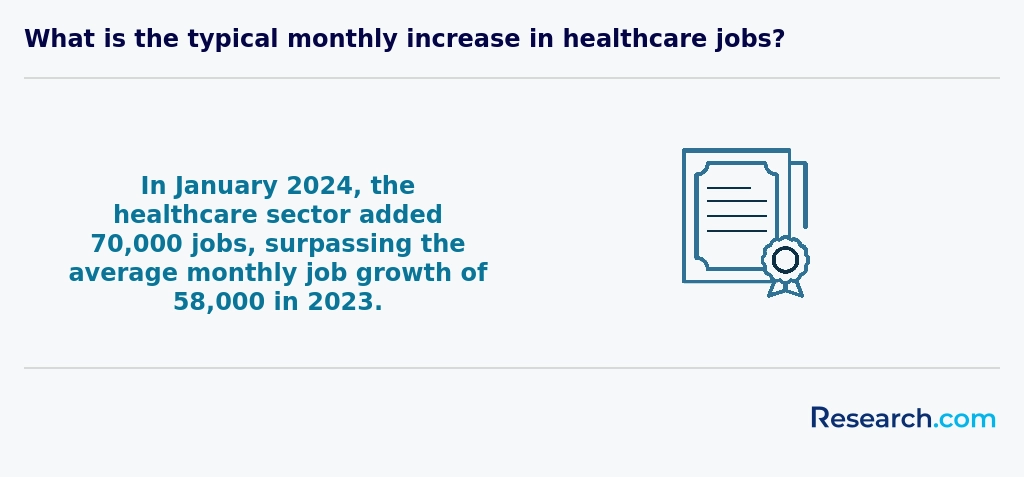
The job market for online healthcare management jobs in the Northeast is looking pretty bright right now. Graduates from popular schools like Northeastern University or the University of Massachusetts often find themselves quickly landing roles such as healthcare administrator, practice manager, or patient services director. With a huge concentration of hospitals and health systems in states like New York and Pennsylvania, these grads are stepping into positions that really matter.
One common story from recent grads is about tackling the fast changes in healthcare-from managing telehealth systems to navigating new policies. These roles aren't just about paperwork; they shape how care gets delivered. Many students appreciate how their degree equips them for these challenges, making job hunting feel more exciting than daunting. Plus, if you want to dive deeper into what a healthcare administrator does, you'll see why this career path is growing so fast in the Northeast.
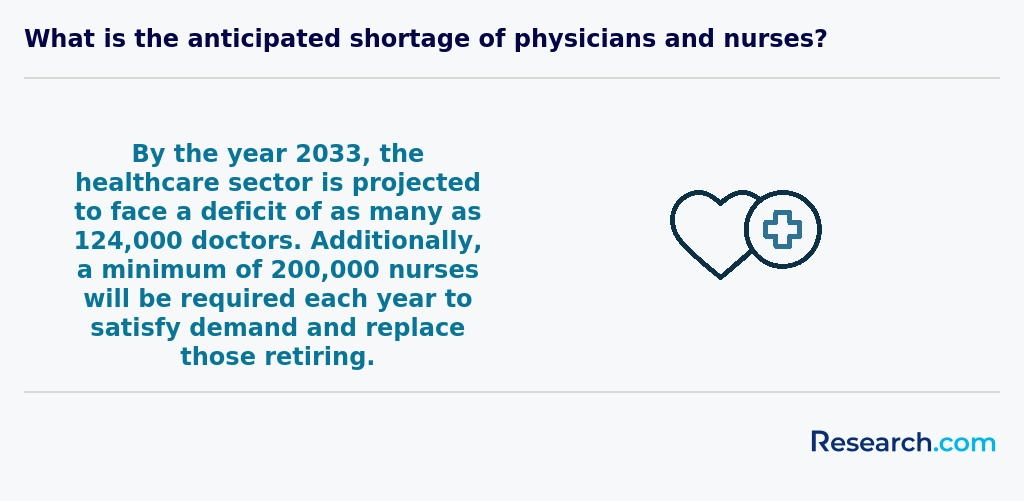
Demand is driven by growing aging populations and the need for smart, cost-effective health management. For anyone eyeing the healthcare management degree job outlook Northeast, the region offers strong opportunities and salaries that reflect the importance of these roles.
2027 Most Affordable Online Bachelor's in Healthcare Management Degree Programs Ranking in the Northeast
Investing in your education is a significant decision that can shape your future, and the Research.com team understands the importance of making informed choices. To assist prospective students in the Northeast, we have meticulously crafted the "2027 Most Affordable Online Bachelor's in Healthcare Management Degree Programs Ranking in the Northeast." Our commitment to quality, credibility, and accuracy is reflected in the extensive research and analysis conducted to compile this ranking.
We utilized the following reputable data sources to ensure a comprehensive evaluation of healthcare management programs:
By exploring this ranking, readers will gain valuable insights into the most affordable online options for healthcare management degrees in the Northeast, helping them make informed and confident decisions about their educational investment. For more details on our methodology, please visit our Research.com methodology page.
# 1 position
Slippery Rock University of Pennsylvania
Bachelor of Healthcare Administration and Management


# 3 position
State University of New York Polytechnic Institute
Bachelor of Health Information Management


# 5 position
Charter Oak State College
Bachelor of Healthcare Administration
# 6 position
University of Massachusetts Dartmouth
Bachelor of Economics-Healthcare Services Administration



# 9 position
Bryant & Stratton Online
Bachelor of Health Services Administration


Frequently Asked Questions About healthcare management
Online healthcare management degree students in the Northeast can maximize their learning by actively engaging with virtual resources and networks. Many accredited institutions partner with local healthcare providers, giving students opportunities for internships and applied experiences. According to the National Center for Education Statistics, nearly 60% of online healthcare students in this region benefit from such collaborations.
Students should prioritize time management and utilize technology platforms effectively to keep pace with coursework. Joining online study groups can also enhance understanding through peer interaction.
Furthermore, monitoring regional healthcare trends via sources like the Northeast Healthcare Quality Foundation helps align studies with industry demands, improving career readiness.
The healthcare management field is rapidly evolving with several emerging niches gaining importance. One key area is telehealth administration, driven by the Northeast's extensive digital infrastructure and increasing demand for remote care. According to a 2023 report by the Northeast Healthcare Executives Group, telehealth services grew by over 40% in this region since 2020.
Another niche is data analytics and health informatics, which focuses on managing patient data to improve outcomes and operational efficiency. The Bureau of Labor Statistics highlights a 15% job growth for healthcare data specialists through 2030, particularly in states like New York and Massachusetts.
Additionally, healthcare quality and compliance management is growing due to strict regulatory environments in the Northeast, emphasizing patient safety and operational standards.
After earning an online healthcare management degree in the Northeast, preparing for the job market requires strategic planning. Building relevant experience through internships or volunteer roles in local hospitals or healthcare organizations is essential. According to the U.S. Bureau of Labor Statistics, healthcare management jobs in the Northeast are projected to grow by 15% through 2030, highlighting strong demand.
Networking plays a crucial role; joining regional professional groups such as the Northeast Healthcare Executives Network can open doors. Additionally, obtaining certifications like Certified Healthcare Manager (CHM) enhances employability. Staying current with healthcare regulations in states like New York and Massachusetts also benefits job seekers entering this evolving field.
Employers in the Northeast value healthcare management graduates who demonstrate strong leadership and communication skills. According to the Bureau of Labor Statistics, healthcare management roles require the ability to coordinate multiple teams and manage complex facilities efficiently.
Analytical thinking and financial acumen are also critical, as graduates must oversee budgeting and regulatory compliance. Regional reports highlight that proficiency in healthcare information systems and data management is increasingly demanded due to the rise of electronic health records.
Additionally, understanding local healthcare policies and cultural competence is essential to succeed in the Northeast's diverse healthcare market. These combined skills help graduates effectively lead and innovate within the dynamic healthcare environment.
Finding internships in the Northeast for healthcare management students requires a strategic approach. Start by exploring partnerships between your online program and regional healthcare organizations, as many universities maintain relationships with hospitals and clinics in states like New York, Massachusetts, and New Jersey. According to the Bureau of Labor Statistics, healthcare administration jobs in the Northeast are expected to grow by 10% through 2030, increasing internship opportunities.
Use local job boards such as those from the New York State Department of Labor or the Massachusetts Health & Hospital Association. Networking through professional groups like the American College of Healthcare Executives (ACHE) Northeast chapter also helps identify openings and mentorship.
Obtaining an online healthcare management degree significantly enhances career mobility and advancement opportunities in the Northeast. The region's growing healthcare sector-expected to increase employment by over 15% through 2030 according to the U.S. Bureau of Labor Statistics-demands skilled managers who understand both healthcare and administrative systems.
An accredited online degree offers flexible learning for working professionals, enabling them to develop leadership skills without relocating. Graduates can pursue roles like healthcare administrators, policy analysts, or practice managers, which often require formal qualifications.
Regional employers increasingly value candidates with up-to-date knowledge of healthcare regulations specific to states like New York, Massachusetts, and Pennsylvania, making such degrees crucial for advancement.
Studying for a healthcare management degree online in the Northeast equips students with skills needed for interdisciplinary roles by integrating courses in business, healthcare policy, and information technology. Programs in this region often emphasize collaboration across departments such as nursing, public health, and administration.
According to the New England Healthcare Institute, nearly 40% of healthcare management professionals engage regularly with diverse teams. This reflects the region's focus on teamwork and system-wide problem solving. Many programs partner with local hospitals and health systems, providing students with practical exposure to real-world interdisciplinary challenges.
The Northeast's strong healthcare industry, including major academic medical centers, creates opportunities for graduates to apply broad knowledge effectively across sectors.
Choosing between a thesis and a non-thesis healthcare management degree in the Northeast depends on your career goals and learning preferences. Thesis programs focus on research, requiring students to complete an original project, which can be valuable if you plan to pursue advanced studies or roles in policy analysis.
Non-thesis options emphasize practical skills and coursework, appealing to working professionals targeting management roles in hospitals or healthcare organizations. According to the National Center for Education Statistics, many Northeastern schools offer flexible online formats for both paths, catering to diverse student needs.
Consider your schedule, interest in research, and long-term career plans before deciding.
Students in the Northeast interested in studying healthcare management abroad often consider programs with international partnerships or exchange opportunities through their home institutions. While fully online degrees typically remain within U.S.-based accreditation systems, several universities in the region offer dual degree options or short-term study abroad experiences related to healthcare management. For example, some schools collaborate with European institutions to provide global perspectives on topics like health policy and administration.
According to the National Center for Education Statistics, fewer than 5% of healthcare management students in the Northeast enroll in formal study-abroad programs, with interest growing in global health administration topics. These options allow students to gain international experience while completing their degree credits remotely or through hybrid formats.
Part-time jobs can greatly enhance practical skills while studying for an online healthcare management degree in the Northeast. Positions such as medical administrative assistant, patient services representative, or billing specialist offer direct exposure to healthcare operations. According to the U.S. Bureau of Labor Statistics, healthcare support roles in states like New York and Massachusetts have grown by over 10% in recent years.
Working in these roles helps students understand healthcare policies, insurance protocols, and facility management. Many hospitals and clinics in the Northeast, including those in urban hubs like Boston and Philadelphia, frequently hire part-time staff, providing networking opportunities. These jobs complement academic learning and can improve post-graduation employment prospects.
Online healthcare management students in the Northeast benefit from a variety of networking opportunities linked to strong regional healthcare industries. Many universities partner with local health systems, offering virtual career fairs and alumni events that connect students with professionals. According to the New England Healthcare Institute, the region employs over 1.3 million healthcare workers, increasing chances for productive networking.
Students also access professional organizations like the Healthcare Financial Management Association (HFMA) chapters in major cities such as Boston and New York. These groups host webinars, workshops, and conferences, often accessible virtually, enabling students to build valuable industry contacts and stay current with trends.
Alumni networks offer valuable support for online healthcare management degree students in the Northeast by connecting them with experienced professionals in the field. These networks often provide mentorship opportunities, helping students navigate the complexities of healthcare administration careers.
Many alumni work within respected Northeast healthcare systems, such as Mass General or Mount Sinai, offering insights into regional job markets. According to the New England Healthcare Institute, networking through alumni can increase job placement rates by up to 20%.
Additionally, alumni groups frequently share job openings and professional development resources exclusively available to members. This creates a strong community that encourages ongoing learning and career advancement.
Customizing an online healthcare management degree in the Northeast allows students to align their studies with specific career goals. Many programs offer elective courses in areas like health informatics, policy, or finance, enabling students to focus on specialties relevant to their interests.
Additionally, regional partnerships with healthcare providers in states like New York and Massachusetts provide valuable internship or practicum opportunities, which enhance practical experience.
Accredited institutions often support tailored study plans and flexible scheduling, accommodating working professionals aiming to advance in hospital administration or healthcare consulting.
According to the National Center for Education Statistics and U.S. Bureau of Labor Statistics, healthcare management roles in the Northeast are expected to grow by over 15% in the next decade, underscoring the value of a customized degree plan.
Online healthcare management students in the Northeast often face challenges balancing coursework with professional and personal responsibilities. Many are working full-time in healthcare roles while pursuing their degrees, which can lead to time management difficulties. According to a 2023 survey by the National Center for Education Statistics, nearly 60% of online students nationally report juggling work and study as a primary challenge.
Access to local internships or in-person networking opportunities is also limited for remote learners, impacting practical experience. Additionally, students may encounter varied state regulations and licensure requirements unique to Northeast states like New York and Massachusetts, complicating career planning. Reliable internet access and adapting to virtual learning platforms remain obstacles for some students in rural parts of the region.
Graduates with an online healthcare management degree in the Northeast can pursue several professional certifications to enhance their career prospects. Common certifications include the Certified Healthcare Administrative Professional (cHAP) and the Certified Professional in Healthcare Management (CPHM), both recognized nationally and valued by regional employers. According to the Healthcare Financial Management Association (HFMA), over 60% of healthcare organizations in the Northeastern US prefer candidates with such credentials.
Additionally, aspiring healthcare managers may consider the Certified Medical Manager (CMM) certification through the Professional Association of Health Care Office Management.
These certifications demonstrate expertise in healthcare operations, compliance, and leadership - skills especially in demand as the Northeast experiences steady growth in healthcare employment sectors, reported by the Bureau of Labor Statistics in 2023.
When applying to an online healthcare management program in the Northeast, start by clearly demonstrating your interest in healthcare administration. Highlight relevant experience, such as work in hospitals, clinics, or healthcare agencies.
Strong applications often include specific goals related to managing healthcare services in the region. Mentioning familiarity with Northeast healthcare trends, like the growing demand for skilled managers in aging populations, can be advantageous. According to the U.S. Bureau of Labor Statistics, healthcare management jobs in the Northeast are projected to grow by 18% through 2030, signaling strong career prospects.
Craft a compelling personal statement that emphasizes leadership skills, problem-solving, and teamwork. Be sure to tailor your essay to online learning, showcasing your ability to stay organized and self-motivated.
Lastly, secure letters of recommendation from supervisors or professors who can attest to your management potential and commitment to healthcare. These elements combined make a standout application.
The global perspective on a healthcare management career highlights increasing demand for skilled professionals who can navigate complex healthcare systems. In the United States, especially in the Northeast, healthcare management roles are projected to grow by 18% from 2022 to 2032, according to the U.S. Bureau of Labor Statistics. This growth is driven by an aging population and expanding healthcare services.
Professionals with online healthcare management degrees demonstrate adaptability to diverse healthcare environments, which is valued worldwide. Employers prioritize candidates familiar with healthcare regulations, technology, and organizational leadership. For potential students in the Northeast, pursuing an online degree offers flexibility while preparing for a profession with international relevance and steady regional job growth.
Gaining practical experience during an online healthcare management degree in the Northeast is essential for career readiness. Many programs encourage or require internships with local healthcare providers, insurance companies, or public health agencies. These placements offer hands-on experience managing healthcare operations and understanding regulatory compliance.
Students also benefit from virtual simulations and case studies, which replicate real-world scenarios. According to the New England Board of Higher Education, over 60% of healthcare management students in this region engage in some form of experiential learning before graduation.
Additionally, networking with regional professionals and joining organizations such as the American College of Healthcare Executives can provide valuable mentorship and job opportunities.
Choosing the right concentration within an online healthcare management degree in the Northeast depends on your career goals and local industry demand. The Northeast hosts a strong healthcare sector, especially in states like New York and Massachusetts, which have robust hospital systems and healthcare startups. For example, specializing in health informatics can be valuable given the region's emphasis on digital health innovation, according to the Bureau of Labor Statistics (BLS).
Alternatively, concentrations in healthcare administration or policy may suit students aiming for leadership roles in hospitals or government agencies. Consider program flexibility and internships offered by schools, as hands-on experience enhances employability. Reviewing state-specific employment projections can also guide your choice for a concentration that aligns with regional job growth.
- The Biggest Challenges Healthcare Managers Face Today - Oxford Training Centre https://oxfordcentre.uk/resources/healthcare-management/the-biggest-challenges-healthcare-managers-face-today/
- Master of Healthcare Administration (M.H.A.) Major in Healthcare Administration (Non-thesis Option) https://mycatalog.txstate.edu/graduate/health-professions/administration/mha/
- Future Students https://www.aupha.org/resourcecenter/futurestudents
- Key Challenges Facing Healthcare Administrators https://slchc.edu/healthcare-administrator/healthcare-administration-career/key-challenges-facing-healthcare-administrators/
- Online Resources & Scholarships for Healthcare Administration Students https://www.edumed.org/financial-aid/scholarships/healthcare-administration-degrees/
- 20 healthcare investment niches and 3 things to know: The evolution of ... https://blackbookmarketresearch.com/20-healthcare-investment-niches-and-3-things-to-know-the-evolution-of
- Can I Work From Home with a Healthcare Management Degree? - Healthcare Management Degree Guide https://www.healthcare-management-degree.net/faq/can-i-work-from-home-with-a-healthcare-management-degree/
- What Can You Do with a Bachelor’s in Healthcare Management? https://www.mhaonline.com/faq/careers-with-bachelors-in-healthcare-management
- Trends and opportunities in healthcare across emerging markets - Inizio https://inizio.com/insights/trends-and-opportunities-in-healthcare-across-emerging-markets/
- 5 Concentrations for a Bachelor’s of Healthcare Administration - Healthcare Administration Degree Programs https://www.healthcare-administration-degree.net/lists/5-concentrations-for-a-bachelors-of-healthcare-administration/