2027 Fastest Online Healthcare Management Degree Programs Ranking in the USA

Co-Founder and Chief Data Scientist
Choosing the right healthcare management degree can feel overwhelming with so many options available. To help you navigate this, the article presents the 2027 Fastest Online Healthcare Management Degree Programs Ranking in the USA, developed by the Research.com team of data scientists. This ranking offers clear insights on the programs worth considering, making your decision easier.
Exploring these top programs can open doors to a rewarding career in a growing field. Whether you're starting fresh or advancing your skills, a healthcare management degree can truly make a difference in your future.
Key benefits of getting online healthcare management degree in America
- Healthcare management graduates often enter roles like medical and health services managers, earning a median annual wage of about $101,340, which reflects strong earning potential in this growing field.
- Graduates from popular programs, such as those at the University of Michigan, pursue diverse careers including hospital administration, policy planning, and health consultancy, offering flexibility and rewarding opportunities.
- Online degree holders from institutions like Arizona State University enjoy the benefit of studying at their own pace, balancing work and life while gaining the same respected credential as traditional students.
- 2027 Fastest Online Healthcare Management Degree Programs Ranking in the USA
- What can I expect from online healthcare management degree in America?
- Where can I work with online healthcare management degree in America?
What can I expect from online healthcare management degree in America?
The average cost of an online healthcare management degree in America typically ranges from $15,000 to $45,000 depending on the institution and degree level. Graduates from well-known universities often recall this investment as a crucial step toward unlocking leadership roles in healthcare. For example, many students at respected schools found that paying toward their Master of Healthcare Administration was manageable when balanced with their work schedules, thanks to flexible online formats.
These programs often blend business, policy, and ethics courses, which justify the cost by equipping you with practical skills employers seek. One graduate shared how completing a capstone project remotely helped them feel confident handling real-world challenges, reinforcing the value of their tuition.
Consider that top colleges offering accelerated tracks allow ambitious professionals to complete degrees in 18 to 24 months, reducing time-related expenses. With potential salary growth after graduation, many find this cost a worthy investment in their future within America's thriving healthcare sector.
Where can I work with online healthcare management degree in America?
Graduates with an online healthcare management degree in America find themselves stepping confidently into diverse and impactful roles. Many start their careers in hospitals, where managing operations and finances is crucial-just like those who earned their degrees from institutions like the University of Arizona. These graduates often recall the excitement of coordinating teams to improve patient care quality amidst the fast pace of hospital life.
Others thrive in outpatient care centers and clinics, using their leadership skills to enhance patient services and staff collaboration. For example, alumni from George Washington University have shared how their education prepared them to tackle challenges in specialty care facilities, balancing regulatory demands with compassionate management.
Long-term care facilities and nursing homes also offer rewarding paths, especially as the aging population grows. Graduates often find these positions fulfilling, knowing their work supports vulnerable communities.
Beyond direct care settings, many excel in insurance companies, government agencies, and rapidly evolving health tech firms. Their ability to navigate complex policies and improve healthcare efficiency makes a real difference-turning data into smarter decisions and better outcomes for all.
Graduates who complete their online healthcare management degree in America often find promising financial opportunities ahead. Although specific salary data from the U.S. Bureau of Labor Statistics for many roles is limited, general trends show that entry-level salaries commonly range from $60,000 to $75,000 annually. For instance, graduates from well-regarded programs at universities such as the University of North Carolina at Chapel Hill or the University of Southern California have reported starting salaries within this range, typically reflecting roles in smaller hospitals or outpatient facilities.
As you gain experience and pursue advanced credentials, your earning potential can grow substantially. Metropolitan areas-like New York or Boston-offer salaries exceeding $130,000 for experienced healthcare managers, rewarding those who can navigate complex healthcare systems effectively.
Many graduates from popular institutions recognize that earning a master's degree or certifications like Certified Medical Manager adds credibility and leadership pathways. This progression often leads to six-figure incomes, fueling not just financial stability but the rewarding challenge of shaping the future of healthcare delivery.
- Online healthcare management degrees are available at the bachelor's and master's levels, covering subjects like healthcare policy and administration.
- Bachelor's programs typically cost between $15,000 and $45,000, while master's programs range from $20,000 to $60,000.
- Entry-level salaries for graduates start around $60,000 annually and can grow to about $100,000 or more with experience.
- Employment in healthcare management is expected to grow 28% from 2021 to 2031, faster than the average for all occupations.
- Accreditation from bodies like CAHME ensures quality education and supports career advancement through professional certifications.
Completing an online healthcare management degree in America varies depending on your level of commitment and the program you choose. For instance, associate degrees typically take about two years, while bachelor's degrees usually span three to four years for full-time students. Many graduates from institutions like George Washington University share how accelerated options helped them finish in closer to three years, fitting studies around busy work schedules.
Graduate programs, such as a Master of Healthcare Administration, often require two years, but some motivated learners at the University of Scranton have taken advantage of accelerated tracks, completing their degrees in as little as 12 to 18 months. These flexible options empower students balancing family and career to progress faster without sacrificing quality.
Remember, your own timeline can be shorter if you transfer previous credits or opt for part-time study depending on your life commitments. It's about finding a path that suits you, turning your ambitions into achievable milestones while embracing the journey's rewarding challenges.
The key difference between online and on-campus healthcare management degrees in America is how you experience your learning journey. Online programs, like those offered by Arizona State University or the University of Southern California, provide remarkable flexibility. Graduates often share how they balanced work, family, and studying by completing coursework at their own pace, mainly through asynchronous classes. This means you can watch lectures late at night or during a lunch break without missing important content.
Conversely, traditional on-campus programs at institutions like the University of Michigan require you to be physically present, fostering deeper face-to-face connections with professors and peers. Many graduates value this direct interaction, which promotes teamwork and networking opportunities essential in healthcare management careers.
Cost also matters; online students frequently benefit from lower tuition or flat rates regardless of residency, making advanced education more accessible. Both paths cover vital subjects, but online learners often rely more on virtual simulations and independent study, demanding strong self-motivation-a skill many alumni praise as crucial for success.
The average cost of an online healthcare management degree in America typically centers around a median total tuition of about $32,400, with in-state students often paying closer to $24,948, while out-of-state attendees might see figures near $36,054. Many graduates from well-regarded state universities recall balancing these costs with the flexibility of online formats, which allowed them to work simultaneously and minimize the financial strain. This blend of affordability and convenience makes pursuing such degrees a practical option for ambitious professionals aiming to elevate their careers without putting life on hold.
Students pursuing these degrees often find that tuition varies widely by institution type; public universities tend to offer more accessible pricing, whereas private colleges may charge substantially more. A common experience among those enrolled in healthcare management degree programs at popular colleges is the manageable combination of tuition and associated fees, which rarely exceed the mid-five-figure range. This makes it easier to plan financially and take advantage of scholarships or employer tuition assistance available to many working adults.
Considering the growing demand for healthcare managers, investing in the right program offers valuable returns. Prospective students often explore resources like healthcare administration mba programs to find options that align with both budget and career goals. This careful research helps them secure degrees that prepare them for leadership roles while keeping overall costs reasonable. Understanding these tuition fees is crucial when examining the average cost of online healthcare management degree USA programs in 2027 healthcare management degree tuition fees USA, ensuring your educational investment propels you toward lasting success.

Many students pursuing online healthcare management degrees in America find federal financial aid to be a dependable starting point. Completing the FAFSA opens doors to Pell Grants-no repayment needed-and Direct Unsubsidized Loans, which help bridge funding gaps with manageable interest. For example, graduates from well-known programs at the University of Southern California have successfully leveraged Pell Grants up to $7,395 for tuition relief.
State grants also bolster financial support, especially in states like California and Texas where initiatives encourage healthcare workforce growth. Students at the University of Texas often tap into these resources, feeling empowered to pursue their goals without overwhelming debt.
Colleges frequently provide scholarships targeting online learners, high achievers, or veterans. Many learners enrolled at George Washington University share how institutional aid lightened their financial load, making their education feel more attainable.
Employer tuition reimbursement plans and loan repayment programs, like those offered by HRSA, further ease the burden. Students working while studying see real benefits, finding motivation in programs that reward their commitment in underserved communities.
Lastly, private scholarships from healthcare organizations encourage leadership and diversity, opening doors for those ready to make a meaningful impact in healthcare management.
To enroll in an online healthcare management degree in America, you'll typically need a solid academic foundation. For undergraduate programs, most students come equipped with a high school diploma or GED, maintaining a GPA around 2.5 to 3.0. This baseline requirement prepares you for the academic challenges ahead, just like many graduates from well-known institutions such as the University of Arizona and Northeastern University, who have emphasized how this solid start made a difference in their studies.
You'll also find value in having completed coursework in biology, math, and social sciences during high school, as this knowledge helps you grasp complex healthcare systems and management principles. Many students shared how their prior volunteer work in hospitals or clinics gave them practical insight, making concepts come alive during their programs.
For those pursuing master's degrees, expect to have a bachelor's degree first, often paired with one to three years of healthcare or administrative experience. Graduates from schools like Johns Hopkins and George Washington University often mention how their professional background enriched their learning and boosted their confidence. While GRE scores might be requested, this is becoming less common, so focus on gaining real-world exposure and academic readiness.
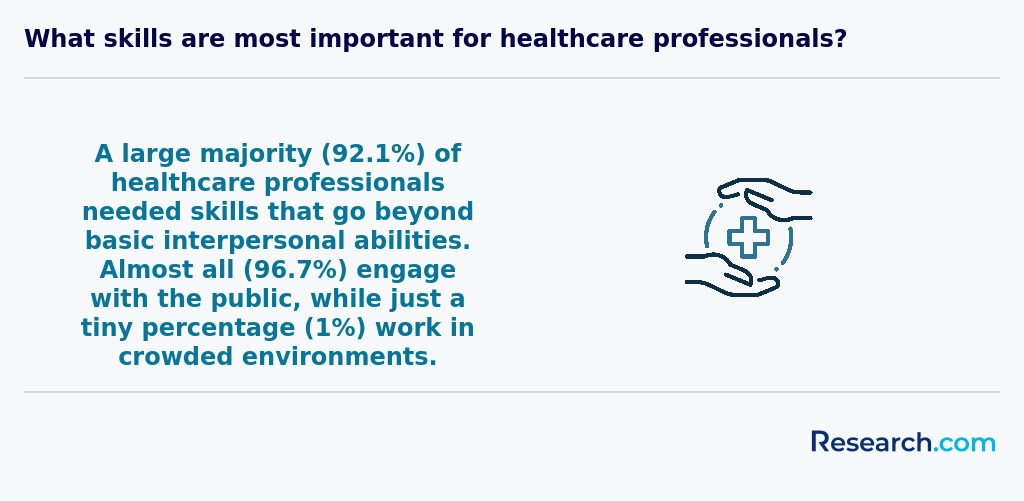
Online healthcare management degree programs in America typically include courses that blend healthcare knowledge with strong business and leadership skills. Graduates from well-known institutions like the University of Southern California or George Washington University often share how learning healthcare policy equipped them to understand complex regulations like Medicare and Medicaid, which impact nearly 40% of the U.S. population. Imagine managing a hospital's compliance while navigating these rules-that's a skill you'll build here.
Financial management is another essential course, teaching budgeting and accounting in healthcare settings. Students appreciate how mastering these topics prepares them to oversee budgets in organizations contributing to 18% of the U.S. GDP. Leadership and organizational behavior courses help you develop empathy and management techniques, vital for leading diverse teams in high-pressure environments such as hospitals or clinics.
Many also value courses in healthcare informatics and quality improvement, where they learn to use data and digital tools to enhance patient care. These practical lessons often turn theoretical knowledge into real-world impact, setting graduates up for rewarding careers in healthcare management across the country.
If you're exploring online healthcare management specializations USA programs, you'll find a variety of focused paths designed to fit your unique career ambitions. Graduates from universities renowned for healthcare management degrees often highlight how specializations like Health Informatics empower them to merge technology with patient care, making real impacts on hospital efficiency and accuracy. Others describe how diving into Health Policy and Administration prepared them for leadership roles, steering complex healthcare organizations through regulations and reforms.
Healthcare Finance is another strong focus area, perfect for those drawn to budgeting and economic strategies that sustain facilities and improve service delivery. Many students share how specializing in Patient Safety and Quality Management taught them hands-on tactics for reducing risks and championing patient well-being-skills highly valued in today's healthcare landscape. For those inspired by compassionate care, Long-term Care Management offers insights into managing nursing homes and rehabilitation centers, addressing the growing needs of elderly populations.
When considering healthcare management degree focus areas America, it's useful to explore options like these through programs that support your goals. To better understand opportunities, you may want to check what can you do with a degree in healthcare management and how these specializations align with industry demands.
Choosing the best online healthcare management degree in America means prioritizing accredited programs that reflect real industry standards. Graduates from well-known universities often highlight how regional accreditation and CAHME-certified programs provided them with the confidence that their education meets rigorous healthcare standards and prepares them effectively for leadership roles.
Cost plays a crucial role, especially for those balancing work and study. Affordable healthcare management programs America offers can vary widely, from public institutions offering in-state tuition as low as $300 per credit hour to private colleges with higher fees. Many students leverage financial aid or employer tuition assistance to ease this burden, making the degree more attainable without sacrificing quality.
Curriculum flexibility is another essential factor. Working professionals appreciate asynchronous online classes and accelerated formats, allowing them to study on their schedules. Universities blending healthcare policy, ethics, finance, and informatics prepare students for the complexities of health services management. Some graduates also recommend programs with strong career services and networking opportunities because they open doors in a competitive job market.
For those interested in a swift pathway to advanced roles, exploring options like an mha online 1 year program can be transformative. Remember, aligning your choice with your career goals and lifestyle ensures a rewarding educational journey in the evolving healthcare landscape.
Graduates with an online healthcare management degree in America have a wealth of career paths to explore, each offering unique opportunities to make a real impact. Many find themselves thriving in hospital administration, managing operations and ensuring compliance in bustling medical facilities. Graduates from well-known programs at universities like the University of Southern California share how hands-on coursework prepared them to navigate these complex environments confidently. For those drawn to patient-centered care, roles in long-term care management or outpatient clinic leadership provide meaningful ways to enhance day-to-day service quality and efficiency.
Others pursue healthcare consulting, where strategic insights help organizations transition to value-based care models-an area increasingly important in American healthcare. Some graduates also channel their skills into health insurance management, working behind the scenes on claims and provider networks, vital roles in the U.S. system. Public health program management offers another rewarding avenue, especially for those driven to influence policy and community wellbeing. If affordability matters to you, consider exploring the cheapest healthcare administration online programs available, which balance cost with quality and flexibility. These diverse paths exemplify the promising future for anyone pursuing online healthcare management careers USA.
The job market for those holding an online healthcare management degree in America is both vibrant and encouraging. Graduates from well-known programs at universities across the country often find themselves stepping into roles such as health services managers or clinical managers, where their leadership directly improves patient care and operational efficiency. Many share stories of starting in smaller hospital systems before advancing to larger healthcare networks, highlighting how this degree opens doors in a growing sector.
Healthcare management careers in America benefit from strong demand driven by an aging population and increasing complexity in healthcare delivery. Institutions like popular state universities offer flexible online programs, allowing working professionals to balance studies with their current jobs-a real-life example that reassures prospective students about managing their education with other commitments.
Salary expectations remain high, with median wages over $100,000 annually, and entry-level roles typically starting between $60,000 and $75,000. For those interested in the financial benefits of further specialization, considering an mba with healthcare concentration salary can be particularly insightful for future planning.
Understanding the job market landscape for an online healthcare management degree job outlook USA is vital for making confident and informed decisions that align with career aspirations and market needs.
2027 Fastest Online Healthcare Management Degree Programs Ranking in the USA
Investing in your education is a significant decision that can shape your future, and the Research.com team understands the importance of making informed choices. To assist prospective students, we have meticulously crafted the "2027 Fastest Online Healthcare Management Degree Programs Ranking in the USA." Our commitment to quality, credibility, and accuracy is reflected in the extensive research and analysis conducted to compile this ranking.
We utilized the following reputable data sources to ensure a comprehensive evaluation of healthcare management programs:
By exploring this ranking, readers will gain valuable insights into the fastest online healthcare management degree programs available in the USA, helping them make informed decisions about their educational paths. For more details on our methodology, please visit our Research.com methodology page.

# 2 position
University of Cincinnati
Master of Pharmaceutical Science in Health Outcomes and Pharmacoeconomics


# 6 position
Southern Illinois University-Edwardsville
Master of Business Administration- Healthcare Administration

# 7 position
Northern Arizona University
Bachelor of Health Sciences, Allied Health, Medical Assisting


# 13 position
Texas Woman's University
Master of Business Administration - Healthcare Administration



# 16 position
MidAmerica Nazarene University
Bachelor of Management and Leadership in Healthcare Administration


# 19 position
Tyler Junior College
Healthcare Technology and Medical Systems, Bachelor of Applied Technology


Frequently Asked Questions About healthcare management
Online healthcare management degree students in America can maximize their learning experience by actively engaging with course materials and participating in virtual discussions. Research from the American College of Healthcare Executives shows that interactive learning boosts knowledge retention by up to 60%. Leveraging digital libraries and databases, such as PubMed and the Healthcare Cost and Utilization Project, provides access to current industry data and best practices.
Students should also seek internships or virtual practicums, as experiential learning is crucial in this field. According to the Bureau of Labor Statistics, hands-on experience improves job readiness in healthcare management by a significant margin.
Finally, networking with peers and professionals online helps build valuable relationships that enhance career prospects in a rapidly growing healthcare industry.
The healthcare management field in America is rapidly evolving with several emerging niches gaining prominence. One significant area is health informatics management, which integrates healthcare and information technology to improve patient outcomes. The U.S. Bureau of Labor Statistics (BLS) projects a 15% growth in this sector through 2032, reflecting its strong demand.
Another important niche is telehealth administration. The COVID-19 pandemic accelerated the adoption of remote care services, creating new management roles focused on virtual healthcare delivery.
Additionally, population health management is growing due to healthcare organizations focusing on preventive care and chronic disease management, driven by policy changes and value-based care models supported by the Centers for Medicare & Medicaid Services.
Graduates with an online healthcare management degree in America should focus on building relevant experience. Internships and practicums are valuable for gaining hands-on skills and networking within healthcare organizations. According to the Bureau of Labor Statistics, healthcare management jobs are expected to grow 32% from 2021 to 2031, a rate much faster than average, highlighting strong job prospects.
Certification can also improve employability. Programs like the Certified Healthcare Administrator (CHA) or Fellow of the American College of Healthcare Executives (FACHE) are well-regarded by employers. Additionally, strong communication and leadership skills are essential in this field.
Networking through professional associations such as the American College of Healthcare Executives helps graduates connect with industry leaders and find job openings.
Employers in the American healthcare management field prioritize a combination of technical and soft skills when hiring graduates. According to the U.S. Bureau of Labor Statistics, strong leadership and communication abilities are essential, as managers must coordinate between medical staff, patients, and administrators. Analytical skills and proficiency with healthcare information systems are increasingly important, given the digital transformation of health records and data management.
Knowledge of healthcare laws and ethics is critical to ensure compliance and uphold patient rights. Problem-solving skills help managers address operational challenges efficiently. These competencies collectively enhance a graduate's ability to improve healthcare delivery and organizational performance.
Finding internships relevant to a healthcare management degree in America involves multiple strategic steps. Start by exploring university career centers, which often have partnerships with healthcare organizations. According to the Bureau of Labor Statistics, healthcare management roles are projected to grow 28% from 2021 to 2031, making internships abundant but competitive.
Use online platforms like Handshake and Indeed to filter internships specific to healthcare administration. Additionally, professional associations such as the American College of Healthcare Executives (ACHE) offer student memberships that provide access to exclusive internship listings.
Networking remains critical; joining LinkedIn groups focused on healthcare management can connect students with potential internship sponsors. Many hospitals and health systems also post direct opportunities on their websites.
Obtaining an online healthcare management degree in America significantly enhances career mobility by equipping students with essential skills in leadership, finance, and healthcare policy. According to the Bureau of Labor Statistics (BLS), healthcare management roles are projected to grow 28% from 2021 to 2031, much faster than average job growth.
Professionals with this degree often access higher-level positions such as hospital administrators, health services managers, and compliance officers. Online programs provide flexibility, allowing current workers to upskill without interrupting their careers.
Additionally, the degree supports advancement by meeting credential requirements frequently requested by employers in the US healthcare sector, improving salary potential and job security.
Studying for a healthcare management degree in America equips students with skills crucial for interdisciplinary roles by integrating knowledge from business, public health, and clinical settings. Programs emphasize teamwork, leadership, and communication across various healthcare departments. According to the Bureau of Labor Statistics, healthcare managers often collaborate with professionals such as nurses, IT specialists, and policy makers, requiring strong coordination skills.
Courses frequently cover health informatics, finance, ethics, and regulatory standards, fostering a comprehensive understanding of the healthcare ecosystem. This multidisciplinary approach prepares graduates to navigate complex challenges and drive improvements in patient care and organizational efficiency.
Choosing between a thesis and a non-thesis healthcare management degree in America depends on your career goals and learning preferences. A thesis program requires independent research, which is ideal if you plan to pursue a PhD or roles involving policy analysis or academic work. According to the National Center for Education Statistics, about 40% of master's healthcare management programs offer a thesis option.
Non-thesis programs focus more on coursework and practical skills, catering to professionals aiming for leadership positions in hospitals or healthcare organizations. The Bureau of Labor Statistics reports that healthcare management jobs are projected to grow 28% from 2021 to 2031, favoring practical experience.
Consider your time commitment, research interest, and long-term plans when selecting your program.
American students interested in studying healthcare management abroad have several online options through international universities offering globally recognized degrees. Many programs partner with US institutions or hold accreditation recognized by agencies like the Council for Higher Education Accreditation (CHEA), ensuring coursework meets American standards.
Popular study destinations include the United Kingdom, Canada, and Australia, where universities provide fully online healthcare management degrees tailored for international students. These programs often emphasize global healthcare systems and leadership skills relevant to American healthcare trends.
Data from the National Center for Education Statistics show that 39% of US graduate students pursue some form of distance learning, indicating growing acceptance of international online degrees.
Prospective students should verify accreditation and credit transfer policies to ensure their degree supports career goals within the US healthcare industry.
Part-time jobs that complement an online healthcare management degree in America often include roles like medical office assistants, patient care coordinators, and health information technicians. These positions offer practical experience in healthcare settings, which is valuable for understanding administrative workflows. According to the U.S. Bureau of Labor Statistics (BLS 2023), healthcare support occupations are expected to grow 12% through 2031, indicating strong demand.
Additionally, working as a data entry clerk in hospitals or clinics can enhance skills in managing patient records and healthcare databases. Some students also find internships or part-time roles in insurance companies helpful, gaining exposure to healthcare policies and reimbursement processes.
Networking opportunities for online healthcare management students in America have expanded significantly. Many accredited programs connect students with professional organizations such as the American College of Healthcare Executives (ACHE), offering access to local chapters and national events. According to ACHE, members gain access to over 60 networking events annually nationwide.
Additionally, schools often provide virtual career fairs and alumni networks that facilitate mentorship and job placements. Platforms like LinkedIn prove valuable for connecting with industry professionals. The growing demand for healthcare managers-projected to grow 32% through 2030 by the Bureau of Labor Statistics-makes these connections critical for career advancement.
Alumni networks play a vital role for online healthcare management degree students in America by providing valuable professional connections. Graduates often join networks that include thousands of professionals working across hospitals, clinics, and healthcare organizations nationwide. According to the American College of Healthcare Executives, networking can increase job placement rates by up to 20%.
These networks offer mentorship opportunities, allowing students to seek career guidance from experienced alumni. Many networks also share exclusive job openings and industry events, helping members stay informed about the fast-evolving healthcare sector.
Overall, strong alumni connections can enhance career advancement and support during and after graduation, making online degrees more beneficial for healthcare management students.
Customizing your online healthcare management degree in America allows you to align your education with specific career goals in a rapidly evolving field. Many accredited programs offer elective courses and concentrations such as health informatics, policy, or finance, enabling tailored learning experiences.
Additionally, some universities provide opportunities for practical projects or internships with US healthcare organizations, essential for gaining experience and networking. According to the Bureau of Labor Statistics, healthcare management jobs are projected to grow 32% between 2021 and 2031, emphasizing the importance of specialized skills.
Choosing the right program with flexible scheduling and expert faculty can further support your career development in areas like hospital administration or public health management.
Online healthcare management students in America often face challenges related to balancing coursework with personal and professional responsibilities. According to the National Center for Education Statistics, about 30% of online students juggle full-time jobs alongside their studies, which can increase stress and reduce available study time.
Another common issue is limited access to hands-on clinical experiences, which are crucial for understanding healthcare operations but harder to simulate virtually. Furthermore, students sometimes encounter difficulties with navigating complex healthcare regulations and policies, a core part of the curriculum.
Technical challenges also persist; reliable internet access and familiarity with learning platforms are essential but not universal. Lastly, some students report feeling isolated, lacking direct interaction with peers and instructors, which can impact motivation and networking opportunities.
Graduates with an online healthcare management degree in the USA can pursue several professional certifications to enhance their career opportunities. Common options include the Certified Professional in Healthcare Quality (CPHQ), awarded by the National Association for Healthcare Quality, which focuses on quality management in healthcare settings.
The Certified Healthcare Administrative Professional (cHAP) credential is another relevant certification, offered by the American Hospital Association, emphasizing administrative skills. Additionally, the Fellow of the American College of Healthcare Executives (FACHE) is a respected designation signaling leadership competence.
These certifications often require a combination of education, experience, and passing specialized exams. According to the U.S. Bureau of Labor Statistics, healthcare management roles are expected to grow 28% from 2021 to 2031, making certifications valuable for competitiveness.
When applying for an online healthcare management program in America, start by clearly demonstrating your interest in the healthcare sector and leadership skills. Highlight relevant work experience, such as roles in hospitals, clinics, or insurance firms, as the Bureau of Labor Statistics projects healthcare management jobs to grow 28% through 2031.
Emphasize your academic background with transcripts showing strong performance in health-related subjects or business courses. Including a compelling personal statement that explains your career goals and passion for healthcare management can strengthen your application.
Request professional recommendations that attest to your ability to succeed in rigorous online programs. Finally, meet all application deadlines and ensure your materials are error-free to present a polished candidacy.
The global perspective on a healthcare management career highlights strong demand across countries due to aging populations and increasing healthcare complexities. In the United States, the Bureau of Labor Statistics projects a 32% growth in medical and health services manager jobs from 2021 to 2031, far above the average for all occupations. This growth reflects a worldwide trend as health systems seek skilled leaders to improve efficiency and patient care.
Healthcare management professionals must understand international standards and technologies, as globalization influences healthcare policies and practices. American online degree programs often integrate global health issues to prepare students for diverse challenges.
Salary expectations in the U.S. support the field's appeal, with a median annual wage of approximately $104,280 as of 2022. This competitiveness draws interest both nationally and internationally, reflecting the vital role healthcare managers perform worldwide.
Gaining practical experience while studying online healthcare management degrees in America is essential for career readiness. Many programs encourage internships at hospitals, clinics, or health departments, either virtually or in local facilities. According to the Commission on Accreditation of Healthcare Management Education (CAHME), over 75% of healthcare management programs include an internship or field experience as a curriculum requirement.
Students often benefit from partnerships between universities and healthcare organizations, which streamline placement. Additionally, virtual simulations and case studies provide experiential learning opportunities. According to the U.S. Bureau of Labor Statistics, healthcare management jobs are projected to grow 28% from 2021 to 2031, making practical training vital. Volunteering and professional networking through organizations like the American College of Healthcare Executives can further enhance hands-on skills during studies.
Choosing the right concentration within an online healthcare management degree in America depends on your career goals and interests. Popular concentrations include healthcare administration, informatics, and policy. According to the U.S. Bureau of Labor Statistics, healthcare management jobs are projected to grow 32% from 2021 to 2031, highlighting the demand for specialized skills.
Consider concentrations that align with industry needs, such as health information management, which focuses on technology and data analysis. If you prefer leadership roles, healthcare administration offers skills in managing organizations. Research program curriculum and accreditation, especially from CAHME, to ensure quality education.
Networking and internship opportunities within your concentration also shape future employment prospects in America's competitive healthcare sector.
- Future Students https://www.aupha.org/resourcecenter/futurestudents
- Healthcare Administration Salary - Healthcare Administration Degree Programs https://www.healthcare-administration-degree.net/salary/
- Master of Healthcare Administration (M.H.A.) Major in Healthcare Administration (Non-thesis Option) https://mycatalog.txstate.edu/graduate/health-professions/administration/mha/
- Top Healthcare Management Conferences for Students https://www.asiapacific.edu/blog/mba/top-healthcare-management-conferences-students/
- Where to study health management - EHMA https://ehma.org/where-to-study-health-management/
- Online Healthcare Administration Bachelors Degree | CHCP https://www.chcp.edu/degrees-certificates/healthcare-administration-bachelors-degree/online/
- Master of Health Management (Non-Thesis) https://www.istinye.edu.tr/en/postgraduate/programs/master-health-management-non-thesis
- What can you do with a healthcare management degree? | edX https://www.edx.org/resources/what-can-you-do-with-a-healthcare-management-degree
- 5 Strategies for Engaging Healthcare Alumni Networks | AlumniFinder https://www.alumnifinder.com/healthcare-alumni-engagement-strategies/
- 2025 Most Affordable Healthcare Administration Degrees Online https://www.onlineu.com/most-affordable-colleges/healthcare-administration-degrees