2027 Best Online Healthcare Management Degree Programs Ranking in the South

Co-Founder and Chief Data Scientist
Choosing the right healthcare management degree program can shape your future in this growing field. For students in the South, making an informed decision is essential to find a program that fits your goals and lifestyle.
This article introduces the 2027 Best Online Healthcare Management Degree Programs Ranking in the South, created by the Research.com team of data scientists. It offers clear guidance on top programs you should consider.
Reading this guide will help you discover opportunities that align with your ambitions and support a rewarding career in healthcare management.
Key benefits of getting online healthcare management degree in the South
- Healthcare management graduates in the South often pursue roles like medical and health services managers, earning a mean annual wage around $104,280, reflecting strong earning potential.
- Graduates from Southern universities commonly find careers in hospital administration, health IT, and policy analysis, offering diverse paths to match your passion and skills.
- Online healthcare management degrees from Southern schools provide flexibility to balance work and study, enabling quicker entry or return to the workforce with practical, updated skills.
- 2027 Best Online Healthcare Management Degree Programs Ranking in the South
- What can I expect from online healthcare management degree in the South?
- Where can I work with online healthcare management degree in the South?
What can I expect from online healthcare management degree in the South?
Students pursuing an online healthcare management degree in the South can expect tuition costs typically ranging from $300 to $600 per credit hour, which makes the overall expense competitive compared to other regions. Graduates from prominent Southern universities often share that this affordability, combined with comprehensive curricula covering healthcare policy and finance, creates a rewarding and accessible learning experience. For many, this investment feels manageable alongside work commitments, reinforcing feelings of optimism about balancing education and career growth.
Looking ahead, as demand for healthcare administrators continues to rise in states like Florida and Texas, programs are evolving to include more flexible learning options. Some graduates describe attending fully asynchronous courses that let them study on their own time, a feature highly valued by working professionals. Hybrid models with occasional live sessions and campus visits also foster a strong sense of community, helping students feel connected despite the online format.
With accreditation from respected bodies such as CAHME, these degrees prepare students for the growing Southern healthcare market, offering not only affordability but pathways to meaningful, stable careers.
Where can I work with online healthcare management degree in the South?
Graduates with an online healthcare management degree from universities like the University of Florida or Texas A&M often discover diverse and thriving employment paths across the South's expanding healthcare landscape. Many find rewarding roles in hospitals, stepping into positions such as department directors or clinical managers where they can directly impact patient care and operational efficiency amid growing demand.
Others thrive in outpatient care centers and physician offices, managing daily operations and adapting to the trend of reduced hospital stays. These settings, especially in states like Georgia and Florida, are rapidly growing and provide a dynamic work environment. Graduates often share how the practical skills gained online allow them to confidently navigate billing and patient service challenges.
Healthcare consulting is also an exciting frontier, with alumni collaborating remotely on strategic initiatives that improve cost management and compliance for southern healthcare systems. Graduates appreciate the flexibility consulting roles offer, blending work-life balance with meaningful impact.
Additionally, careers in government agencies and insurance companies open doors to involvement in public health programs and claims management, making a tangible difference in states with large, insured populations such as Texas and North Carolina.
Long-term care facilities are emerging as vital areas for healthcare managers, where graduates feel fulfillment in enhancing quality care for the South's aging population while ensuring regulatory standards are met.
Graduates with online healthcare management degrees from well-known Southern universities often find rewarding salary prospects. In states like Texas and Florida, healthcare managers typically earn median annual wages between $85,000 and $110,000, reflecting robust healthcare sectors and metropolitan growth. For instance, graduates entering healthcare management roles at large hospital systems in Houston or Miami frequently report starting salaries near $90,000, with potential to exceed $120,000 after gaining experience.
Many graduates who began their careers managing smaller facilities in Georgia or North Carolina appreciate the gradual salary progression-from initial earnings around $70,000 to solid mid-career income that matches or surpasses regional medians. Their experiences highlight the growing demand for skilled managers, especially those combining online education with practical certifications.
Beyond base pay, bonuses ranging from $5,000 to $15,000 annually enhance total compensation, adding enthusiasm among graduates as they envision financial growth alongside professional development. The evolving Southern healthcare landscape, supported by reputable institutions, proves promising for those holding an online healthcare management degree focused on management careers across diverse community settings.
- Online healthcare management degrees in Southern states typically cost between $20,000 and $40,000 for bachelor's programs and $15,000 to $35,000 for master's programs.
- The Southern U.S. offers many public universities with in-state tuition rates, making these programs more affordable than private institutions elsewhere.
- Employment for medical and health services managers is projected to grow by about 28% nationally from 2021 to 2031, with strong demand in states like Texas, Florida, and Georgia.
- Entry-level salaries in healthcare management range from $55,000 to $70,000 annually in the South, while experienced professionals can earn between $90,000 and over $120,000.
- Many online programs include virtual internships or partnerships with local healthcare providers to enhance practical experience and job readiness.
Completing an online healthcare management degree in the South typically takes four years at the bachelor's level when attending full-time, though many students find part-time options that extend to six years or more ideal for balancing work and family. Graduates from popular Southern universities often share how accelerated tracks, available at several Texas and Florida schools, helped them finish in just three years by stacking courses or leveraging prior experience.
At the master's level, students usually invest 18 to 24 months full-time, with part-time paths reaching up to three years, allowing working professionals to fit study around demanding schedules. Some who graduated from Southern institutions recall enrolling in 12-month accelerated programs, which condensed learning but intensified weekly commitments, making achievements feel especially rewarding.
Looking ahead, evolving online platforms and increasing acceptance of transfer credits promise more flexible, even shorter timelines, enabling Southern students to tailor their pace while building careers. This future adaptability continues to inspire many who pursue healthcare management degrees to confidently envision success within realistic timeframes.
Online healthcare management degrees in the South offer unparalleled flexibility, especially for working professionals balancing jobs and family. Graduates from programs at universities like the University of Alabama or Florida State often share how online courses allowed them to study without relocating or reducing work hours. This mode suits rural students who might find traveling to a campus in cities like Atlanta or Raleigh impractical.
On the other hand, on-campus programs provide immersive experiences. Graduates from institutions such as the University of South Carolina praise direct access to professors and real-time networking events critical for job placements in Southern healthcare systems. These environments foster strong peer connections and hands-on learning opportunities rarely replicated online.
Looking ahead, hybrid models may become the norm, blending flexibility with face-to-face interaction. Virtual networking events and regional online cohorts are already helping lessen traditional barriers, making Southern healthcare management education both accessible and engaging regardless of delivery format.
The average cost of an online healthcare management degree in the South typically centers around a median total cost of $33,750, with in-state students often paying closer to $22,260. Graduates from well-known Southern universities frequently share how balancing affordable tuition with flexible online formats allowed them to pursue their education without halting their careers. Many public institutions in states like Texas and Georgia offer competitive per-credit tuition rates, making the degree accessible while maintaining quality. These real-life experiences highlight the potential financial relief for students who qualify for in-state rates and apply for available scholarships.
As tuition fees and program structures evolve, more institutions in the South are expanding support systems to help students manage additional costs beyond tuition, such as technology fees and internship expenses. Students report that local partnerships to reduce clinical placement travel costs contribute significantly to managing overall expenses. Exploring financial aid tailored specifically for healthcare management students can further ease the burden and make the investment worthwhile.
Those researching paths to a healthcare management career often look into the average cost online healthcare management degree South options alongside program reputations. For instance, graduates from flexible online programs express enthusiasm about gaining practical skills without the high price tag associated with private institutions, which can charge upwards of $30,000 annually. If you're weighing options, the availability of federal aid, employer tuition reimbursement, and targeted scholarships can dramatically shift net price outcomes.
Students interested in pursuing an online degree in healthcare administration should anticipate a blend of tuition rates influenced by residency, program length, and institutional funding priorities. As these trends continue, the financial accessibility of healthcare management degrees in the South may improve, creating more affordable pathways for ambitious learners.
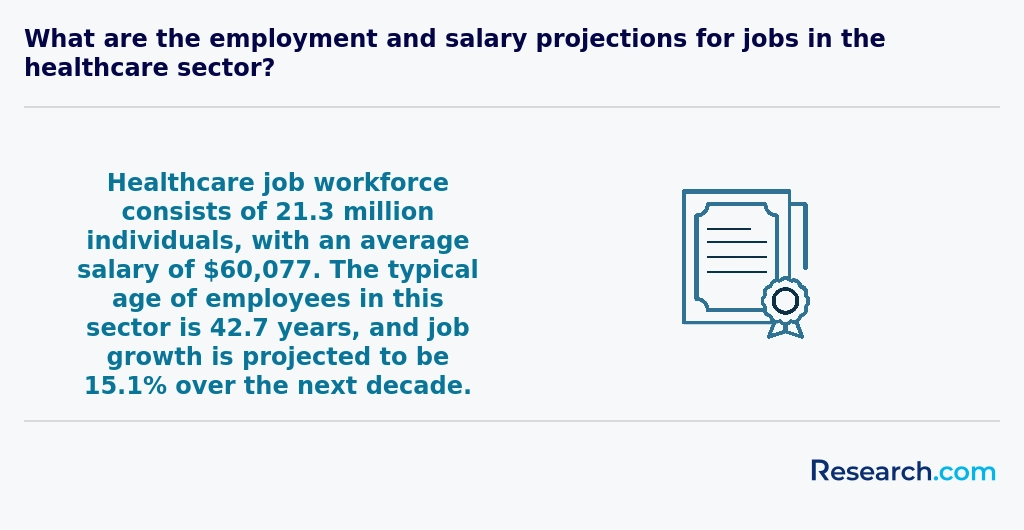
Many online healthcare management students in the South find federal Pell Grants to be a vital stepping stone, easing financial worries while juggling work and study. Graduates from universities like the University of North Carolina and the University of Florida often share how awards up to $7,395 cover a significant chunk of tuition, making their ambitious goals feel within reach. Beyond federal aid, state scholarships such as Georgia's HOPE or Texas Exes bring regional pride and targeted support, rewarding students dedicated to advancing healthcare leadership in their communities.
Institutional scholarships from Southern schools frequently provide personalized encouragement, especially for those balancing family responsibilities or professional roles. These scholarships feel like a vote of confidence, empowering students to push through challenges. Additionally, many working professionals benefit greatly from employer tuition reimbursement programs offered by local healthcare companies, allowing them to grow without financial strain.
Looking ahead, collaborations between universities and professional organizations like ACHE hint at expanded scholarship opportunities, cultivating future leaders eager to innovate healthcare management across the South.
To enroll in online healthcare management degree programs in the South, students typically need a high school diploma for bachelor's programs or a relevant bachelor's degree for master's. Graduates from well-known Southern universities often recall how meeting these prerequisites opened doors to advanced learning opportunities and career growth. Many programs expect a minimum GPA around 2.5 to 3.0, ensuring students are academically prepared to tackle complex healthcare challenges. In some cases, schools in regions like Texas or Florida ask for foundational coursework if your background isn't healthcare-related, helping students adapt smoothly.
Professional experience also plays a critical role. Graduates often share how their one to three years working in hospitals or clinics made theoretical lessons more relatable, boosting their confidence and engagement. Letters of recommendation and personal statements further personalize applications, highlighting your motivation to thrive in this evolving industry. As Southern healthcare sectors expand rapidly, fulfilling these prerequisites positions you to embrace future opportunities with enthusiasm and readiness.
Online healthcare management degrees in the South typically feature courses that blend practical business skills with healthcare-specific knowledge, preparing students to navigate the region's unique healthcare landscape. Graduates from well-known Southern institutions often praise courses like Healthcare Finance and Accounting for enabling them to confidently manage hospital budgets while adapting to the economic challenges facing Southern healthcare systems.
Healthcare Information Systems courses stand out as essential, reflecting a growing reliance on technology. Students commonly share how mastering electronic health records and data security felt immediately relevant during internships at Southern clinics.
Healthcare Law and Ethics classes provide critical insights into regional regulations, including Medicaid policies that vary across Southern states. This knowledge empowers future managers to effectively advocate for underserved populations.
Leadership courses resonate deeply too, as learners appreciate building skills to motivate diverse teams in fast-changing healthcare environments.
Finally, strategic planning and quality improvement courses help students envision and shape the future of healthcare in the South, responding creatively to rural care challenges and shifting patient needs.
Online healthcare management specializations in the South often include areas like Healthcare Administration, Health Informatics, Healthcare Finance, Policy and Regulatory Compliance, Long-Term Care Management, and Public Health Management. Graduates from universities in Texas and Florida frequently share how these concentrations have prepared them to lead diverse healthcare organizations facing the dynamic challenges of Southern demographics.
For example, students focusing on Health Informatics at a major Southern college describe gaining hands-on experience with electronic health record systems, responding to the rapid growth in telehealth services. Meanwhile, those specializing in Healthcare Finance appreciate how their coursework addresses budgeting pressures unique to expanding Southern healthcare markets.
Southern online healthcare degree concentration options also allow flexible learning that connects theory with regional realities, such as managing elder care in Georgia's aging communities. These degrees often emphasize future trends, equipping students for evolving roles within healthcare systems. For those deciding between career paths, exploring healthcare management vs healthcare administration degree jobs can offer crucial guidance.
Choosing the best online healthcare management degree in the South involves weighing accreditation, affordability, and curriculum relevance carefully. Graduates from popular universities appreciate programs accredited by CAHME or SACSCOC, which assures employers in Texas or Georgia respect their credentials. Many find that affordable healthcare management degrees Southern US offer between $8,000 and $20,000 yearly tuition, which aligns well with their career goals given strong regional job markets.
Students highlight curriculum tailored to Southern healthcare trends, including courses on healthcare policy, informatics, and leadership, with specializations like long-term care management adding value. Flexibility remains vital; asynchronous classes allow graduates balancing family and work to thrive without sacrificing personal commitments. Academic support and networking opportunities foster connections with healthcare systems in states like Florida, enhancing employment prospects.
Exploring emerging programs through resources like most popular healthcare programs helps prospective students envision their path forward in this rapidly evolving field.

Graduates with an online healthcare management degree in the South find themselves stepping into a variety of fulfilling career paths. Popular institutions like the University of Alabama at Birmingham and the University of South Florida prepare students for roles ranging from healthcare administrator to health services manager, where they lead teams navigating the complexities of today's healthcare landscape. These positions often involve overseeing daily operations and adapting to fast-evolving regulatory requirements in Southern healthcare systems.
Emerging job opportunities reflect growing demand in areas such as health information management and healthcare consulting, crucial as digital transformation reshapes patient care. Graduates frequently share how their programs equipped them to tackle challenges unique to Southern states like Texas and Florida, tapping into the region's expanding healthcare infrastructure. This optimism drives many toward leadership positions within hospitals and insurance companies, where strategic innovation is prized.
For those exploring cost-conscious educational options, several offer the most affordable mha programs in the region. Pursuing a degree this way often sparks a sense of achievement and readiness for the diverse healthcare management careers in the South that these programs unlock.
The job market for online healthcare management jobs in the South continues to expand rapidly, driven by growing healthcare needs in states like Texas, Florida, Georgia, and North Carolina. Graduates from widely recognized Southern institutions frequently report excitement about entering diverse roles, from hospital administration to outpatient clinic management, benefiting from strong local demand and regional investments in healthcare infrastructure.
Many students balancing work and study appreciate the flexibility of online programs offered by popular universities in the South, allowing them to gain relevant skills without disrupting current careers. They find that these degrees open doors to promising career opportunities Southern US, where retiree populations and chronic health challenges create a sustained need for management expertise.
Graduates often describe their transition into jobs within hospitals, public health organizations, or long-term care facilities as both fulfilling and financially rewarding. For those exploring options, exploring online healthcare management degrees may prove to be a strategic step toward securing roles in a competitive, fast-growing market.
2027 Best Online Healthcare Management Degree Programs Ranking in the South
Investing in your education is a significant decision that can shape your future, and the Research.com team understands the importance of making informed choices. To assist prospective students in the South, we have meticulously crafted the "2027 Best Online Healthcare Management Degree Programs Ranking in the South." Our commitment to quality, credibility, and accuracy is reflected in the extensive research and analysis conducted to compile this ranking.
We utilized the following reputable data sources to ensure a comprehensive evaluation of healthcare management programs:
By exploring this ranking, readers will gain valuable insights into the best online healthcare management degree programs available in the South, empowering them to make well-informed decisions about their educational journeys. For more details on our methodology, please visit our Research.com methodology page.


# 11 position
University of North Carolina Wilmington
Master of Clinical Research & Product Development


# 16 position
Texas Woman's University
Master of Business Administration - Healthcare Administration




Frequently Asked Questions About healthcare management
Students pursuing online healthcare management degrees in the South can maximize their learning by actively engaging with course materials and participating in virtual discussions. Southern universities often provide access to regional healthcare data, offering context for assignments that reflect local industry challenges. According to the Southern Regional Education Board, over 60% of healthcare management programs incorporate practical case studies relevant to Southern states.
Establishing connections through online networking events or regional professional associations enhances learning and career prospects. Utilizing university career services to identify internships in Southern healthcare organizations helps apply theoretical knowledge practically. Additionally, staying updated on state-specific healthcare regulations promotes a deeper understanding of the sector's operational environment.
The healthcare management field in the South is rapidly evolving, driven by technological innovation and shifting patient needs. One emerging niche is telehealth administration, where professionals manage the delivery of healthcare services remotely, an area expected to grow by over 20% through 2030 according to the U.S. Bureau of Labor Statistics. Another growing sector is data analytics for healthcare, focusing on improving decision-making and patient outcomes through big data. Additionally, healthcare compliance specialists are increasingly in demand due to stricter regulations in southern states. These niches offer strong prospects for students pursuing online healthcare management degrees in the region.
Completing an online healthcare management degree in the South offers a strong foundation for entering a growing job market. Graduates should focus on gaining practical experience through internships or part-time roles, as employers often seek candidates with real-world skills. According to the U.S. Bureau of Labor Statistics, healthcare management jobs in Southern states like Texas and Florida are expected to grow faster than the national average through 2031.
Networking is vital; joining professional associations such as the American College of Healthcare Executives can open doors to Southern employers. Tailoring your resume to highlight your knowledge of regional healthcare regulations and policies also increases your chances of success.
Employers in the Southern United States prioritize several key skills for graduates with online healthcare management degrees. Strong leadership and communication abilities are essential, as managers must coordinate diverse teams and interact effectively with medical staff and patients. Financial acumen, including budgeting and cost control, is also highly valued due to the increasing focus on operational efficiency in healthcare facilities.
Knowledge of healthcare regulations specific to southern states, like HIPAA compliance and state Medicaid guidelines, enhances a graduate's job prospects. Data analysis skills are growing in importance as healthcare providers seek to improve patient outcomes through evidence-based decisions. According to the U.S. Bureau of Labor Statistics, healthcare management jobs in the South are projected to grow by over 15% through 2030, underscoring demand for these competencies.
Finding internships in the South for healthcare management students requires strategic networking and research. Start by exploring partnerships between your online program and regional healthcare providers. Many Southern universities maintain relationships with hospitals and clinics in states like Texas, Florida, and Georgia, where healthcare jobs are growing rapidly, according to the US Bureau of Labor Statistics.
State health departments and nonprofit organizations often offer internship opportunities valuable for hands-on experience. Websites like Handshake and the Southern Rural Health Association can list relevant openings.
Additionally, professional associations such as the American College of Healthcare Executives provide local chapters hosting internship fairs and mentorship programs, helping students establish connections in the Southern healthcare market.
Obtaining an online healthcare management degree can significantly enhance career mobility and advancement opportunities in the South. The healthcare industry in Southern states is rapidly growing, with a 20% projected job increase in healthcare administration roles by 2030, according to the U.S. Bureau of Labor Statistics. This growth creates demand for professionals with specialized management skills.
Online programs often emphasize skills like healthcare policy, finance, and leadership, which are critical for higher-level positions. Graduates report better access to roles such as hospital administrators and healthcare consultants. Additionally, flexible online learning enables working professionals to earn credentials without interrupting their careers, fostering quicker advancement.
Studying for a healthcare management degree online in the South equips students with diverse skills essential for interdisciplinary roles. Southern programs often integrate coursework that blends healthcare policy, business administration, and information technology, reflecting the region's growing healthcare sector. According to the Southern Regional Education Board, healthcare management graduates in this area frequently engage with professionals from various fields, such as nursing, finance, and public health.
Many Southern institutions emphasize communication, leadership, and data analysis, preparing graduates to coordinate across disciplines effectively. The region's expanding hospital networks and health systems demand managers who understand clinical operations and regulatory environments.
South-focused programs also address regional public health issues, offering practical knowledge that benefits collaborations with community organizations and government agencies. This holistic education enhances adaptability and problem-solving in complex healthcare settings.
When choosing between a thesis and a non-thesis healthcare management degree in the South, consider your career goals and learning style. Thesis programs emphasize research skills and often appeal to those aiming for leadership roles or doctoral studies. Non-thesis options focus more on practical knowledge and coursework, ideal for professionals seeking immediate advancement in healthcare administration.
Universities in the Southern US, such as those in Texas and Georgia, often offer both formats with similar tuition rates, around $15,000 to $25,000 annually for online students.
According to the Southern Regional Education Board, thesis programs may take longer due to research requirements, typically 2-3 years versus 1.5-2 years for non-thesis degrees.
Students based in the South interested in studying healthcare management abroad face limited options due to accreditation and licensing challenges. Most Southern students opt for online programs offered by U.S. universities with strong global partnerships instead of enrolling directly in foreign institutions. According to the National Center for Education Statistics, fewer than 5% of Southern healthcare management students pursue degrees overseas.
Many accredited American universities offer study-abroad opportunities within their healthcare management programs, allowing students to gain international experience without compromising regional accreditation. This hybrid approach supports professional licensure in the South while expanding global perspectives.
Part-time jobs in the South that complement a healthcare management degree include medical office assistant, patient services coordinator, and health information technician roles. These positions offer practical experience in healthcare administration, helping students apply theoretical knowledge in real-world settings. According to the Bureau of Labor Statistics, healthcare support jobs in Southern states like Texas and Florida are expected to grow faster than the national average through 2030.
Many hospitals and outpatient clinics in the region actively seek part-time staff familiar with healthcare systems, making these roles valuable for building industry connections. Additionally, part-time jobs in health insurance agencies and community health organizations provide exposure to healthcare policies and management challenges.
Online healthcare management students in the South benefit from a variety of networking opportunities designed to connect them with regional professionals. Many Southern universities offering online degrees collaborate with local healthcare organizations, enabling students to participate in virtual career fairs and networking events.
The Southern Healthcare Management Alliance, for example, hosts monthly webinars and workshops tailored to this field, often featuring leaders from health systems across states like Georgia, Texas, and Florida.
Professional associations such as the American College of Healthcare Executives (ACHE) have active Southern chapters that welcome online learners. These groups provide mentorship programs and local meetups, which enhance professional connections.
According to the U.S. Bureau of Labor Statistics, healthcare management jobs in the South are expected to grow by 20% through 2030, underscoring the importance of strong networks.
Alumni networks play a crucial role for online healthcare management degree students in the South by offering valuable professional connections. These networks often provide access to mentorship from graduates working in regional healthcare systems. According to the Southern Regional Education Board, over 70% of healthcare management professionals find jobs through personal connections, making alumni networks vital for career placement.
In addition, alumni groups host webinars and local meetups, which help students stay updated on Southern healthcare trends and policies. Participation in such events can improve leadership skills and offer opportunities for collaboration on healthcare projects.
Networking through alumni often leads to internships and job referrals, which are especially important in competitive Southern healthcare markets.
Customizing an online healthcare management degree program in the South allows students to align education with their specific career goals. Many Southern universities offer electives and concentrations such as health informatics, policy, or administration. For example, the University of Florida provides tailored tracks based on industry demands in the region, where healthcare administration jobs are expected to grow 16% by 2030 according to the U.S. Bureau of Labor Statistics.
Students can also choose internship options or capstone projects focused on Southern healthcare systems, gaining relevant experience. Online formats often enable scheduling flexibility, allowing working professionals to balance studies with career advancement. Selecting accredited programs in the South ensures recognized qualifications that meet regional employer expectations.
Online healthcare management students in the South face several common challenges that can impact their academic success. Limited access to reliable high-speed internet remains a significant barrier, especially in rural areas where nearly 20% of Southern households lack broadband connectivity, according to the Federal Communications Commission (FCC). This digital divide affects the ability to participate in live lectures and access online resources efficiently.
Another challenge involves balancing coursework with work and family responsibilities. Many students in Southern states enroll while working full-time in healthcare roles, making time management crucial. Additionally, some universities in the South offer fewer local networking opportunities for online students, which can hinder professional growth within regional healthcare industries.
Finally, navigating state-specific healthcare regulations and accreditation differences can be confusing. Students must ensure their chosen program aligns with local licensure and employment requirements, a task complicated by varied state policies.
Graduates with an online healthcare management degree can pursue several professional certifications to enhance their career opportunities. One of the most recognized is the Certified Healthcare Administrative Professional (cHAP), offered by the Association for Healthcare Documentation Integrity. This certification validates skills in healthcare management and administration.
Another valuable credential is the Certified Professional in Healthcare Quality (CPHQ), administered by the National Association for Healthcare Quality. It focuses on quality improvement and patient safety, which are critical in Southern healthcare facilities reporting increased quality metrics.
Additionally, the Fellow of the American College of Healthcare Executives (FACHE) is a prestigious certification requiring a degree and experience, widely respected in the Southern US healthcare industry, according to recent data from the Healthcare Financial Management Association.
Writing a winning application for an online healthcare management program in the South starts with understanding regional healthcare needs. Admissions committees appreciate candidates who demonstrate awareness of the South's unique challenges, such as rural health disparities and aging populations, which are documented by the Southern Public Health Association.
Strong applications include clear, concise personal statements that connect your background to these issues and explain how the degree supports your career goals. Highlight any relevant work experience or volunteer activities in healthcare settings.
In addition, submit official transcripts showing competitive GPA, typically 3.0 or higher, as most Southern programs require this minimum. Letters of recommendation from supervisors or professors familiar with healthcare work add credibility. Finally, prepare for possible interviews by discussing current Southern healthcare trends and policies knowledgeably.
Healthcare management careers are increasingly valued worldwide, reflecting growing demand for skilled leaders in the sector. In the United States, including the South, healthcare management roles are expected to grow by 32% from 2021 to 2031, according to the Bureau of Labor Statistics. This growth outpaces the average for all occupations, showing strong job security.
Globally, the need for effective healthcare administrators aligns with trends in aging populations and expanding access to medical services. Those with degrees in healthcare management often find opportunities in hospitals, government agencies, and private firms.
In the South, states like Texas and Florida lead in healthcare jobs, presenting competitive salaries and career advancement options. Online degrees from accredited Southern universities offer flexible pathways to enter this evolving field.
Gaining practical experience while studying for an online healthcare management degree in the South often involves internships and practicum placements. Many Southern universities partner with local hospitals, clinics, and health organizations to offer students hands-on opportunities. According to the Southern Regional Education Board, over 70% of healthcare management programs include some form of experiential learning. Students can also volunteer with healthcare nonprofits or seek part-time roles in administrative settings to build relevant skills.
Additionally, some programs incorporate simulated healthcare management projects to develop decision-making abilities. These experiences help students apply theory to real-world scenarios while maintaining flexibility with online study.
When choosing a concentration within an online healthcare management degree program in the South, consider your career goals carefully. Popular concentrations include health informatics, policy, administration, and finance. Each focuses on different skills and job roles in the healthcare sector.
Research regional job market trends; southern states like Texas and Florida show high demand for healthcare administrators and informatics specialists, according to the U.S. Bureau of Labor Statistics. Align your concentration with growing fields to improve employment prospects.
Additionally, check if the program offers faculty expertise or partnerships with local healthcare facilities. This can enhance practical learning and networking opportunities in your chosen concentration.
- Online Resources & Scholarships for Healthcare ... https://www.edumed.org/financial-aid/scholarships/healthcare-administration-degrees/
- What Are the Prerequisites for a Degree in Healthcare ... https://www.healthcare-management-degree.net/faq/what-are-the-prerequisites-for-a-degree-in-healthcare-management/
- Best Health Care Management Degrees Online 2026 https://www.onlineu.com/degrees/healthcare-management
- Online MHA Programs Ranked by Affordability (2026) https://www.mhaonline.com/blog/affordable-online-mha-programs-ranked
- Future Students - AUPHA Main https://www.aupha.org/resourcecenter/futurestudents
- Bachelor of Science in Healthcare Management https://www.southuniversity.edu/degree-programs/healthcare/healthcare-management-bs
- How a Healthcare Management Degree Can Boost Your ... https://www.straighterline.com/blog/how-a-healthcare-management-degree-can-boost-your-career-prospects
- Advanced Certificate in Health Management https://online.foundation.co.za/course/Advanced-Certificate-in-Health-Management
- Degree Specialization In Healthcare Management https://csuglobal.edu/academic-programs/undergraduate-specializations/undergraduate-specialization-healthcare-management
- Healthcare Administration Salary https://www.healthcare-administration-degree.net/salary/