
2027 Most Popular Finance Degree Programs Ranking in Idaho

Co-Founder and Chief Data Scientist
Choosing the right finance degree program in Idaho can shape your future career and open doors to exciting opportunities. This article introduces the 2027 Most Popular Finance Degree Programs Ranking in Idaho, created by the Research.com team of data scientists to offer clear, data-driven guidance.
By exploring this ranking, you'll gain valuable insights that make deciding easier and more confident. A finance degree not only builds essential skills but also empowers you to navigate the dynamic world of finance with confidence and purpose.
Key benefits of getting finance degree in Idaho
- Finance degree graduates in Idaho can expect competitive salaries, with roles like Financial Advisor earning around $150,670 annually and Financial Analysts making about $112,950 each year.
- Career paths are diverse, ranging from financial analysis to investment banking, as seen with graduates from the University of Idaho successfully entering various finance sectors.
- Obtaining a finance degree online, such as from Boise State University, offers flexibility and convenience, allowing students to balance work and study while still accessing quality education.
- 2027 Most Popular Finance Degree Programs Ranking in Idaho
- What can I expect from finance degree in Idaho?
- Where can I work with finance degree in Idaho?
What can I expect from finance degree in Idaho?
The average cost of obtaining a finance degree in Idaho remains notably affordable, especially when compared to national averages. Public institutions such as Boise State University and the University of Idaho typically offer in-state tuition rates that are significantly lower, making higher education more accessible to local students pursuing finance. Graduates often appreciate this cost advantage, which helps reduce financial stress while allowing them to focus on gaining practical skills and knowledge in areas like financial analysis, risk management, and portfolio management.
Students commonly share that the reasonable tuition enables them to engage fully in hands-on learning opportunities, including internships and capstone projects, without being burdened by excessive debt. This affordability combined with the state's lower cost of living creates a supportive environment where aspiring finance professionals can thrive and prepare effectively for competitive roles in banking, investment, and corporate finance sectors.
Where can I work with finance degree in Idaho?
Graduates with a finance degree from institutions such as Boise State University and the University of Idaho often secure roles in Idaho's diverse financial sector. Many find themselves thriving at companies like Idaho Central Credit Union or U.S. Bank, working in financial analysis, loan processing, and wealth management. These opportunities provide recent graduates with a strong foundation and career growth prospects in a state where demand for financial advisors and analysts is steadily increasing.
Finance alumni frequently transition into insurance firms and accounting companies located in cities such as Boise and Meridian, applying their skills in financial planning and auditing. Others gain valuable corporate experience at organizations like Micron Technology or St. Luke's Health System, engaging in budgeting and strategic financial reporting.
Additionally, state and local government agencies offer rewarding positions in budgeting and economic development, providing graduates with options beyond the private sector. The real-life experiences of finance students at Idaho's well-regarded universities highlight the promising career paths enabled by a finance degree in Idaho's growing economy.
Graduates holding a finance degree in Idaho often secure roles that offer competitive salaries aligned with national standards, despite the state's lower cost of living. For instance, financial analysts in Idaho typically earn around $112,950 annually, matching the national mean wage reported by the U.S. Bureau of Labor Statistics. This reflects positive outcomes for graduates from institutions such as Boise State University, where hands-on internships contribute to enhanced employability.
Personal financial advisors also represent a lucrative opportunity, with mean salaries near $150,670 per year in Idaho. Graduates transitioning into these advisory roles find satisfaction in helping clients achieve financial goals while benefiting from robust compensation. Likewise, credit analysts can expect to earn an average of approximately $94,750 annually, a figure that aligns well with demand in Idaho's expanding financial sector.
Investment banking analysts, another key career path for finance graduates, earn about $112,950 yearly, providing strong financial stability early in their careers. Insurance underwriters in Idaho earn around $85,610 on average, supporting graduates seeking diverse roles beyond corporate finance. Overall, pursuing a finance degree in Idaho opens doors to rewarding positions with solid earning potential, enriched by valuable real-world experience gained at the state's recognized finance programs.
- In-state tuition for finance degrees in Idaho ranges between $7,000 and $9,000 per year, which is lower than the national average.
- Out-of-state tuition is higher but still competitive compared to other regions.
- Average starting salary for finance graduates in Idaho is around $52,000 per year, aligning with the state's below-average cost of living.
- Mid-career finance professionals in Idaho earn about $85,000 annually on average.
- Many institutions in Idaho offer scholarships and financial aid for finance students, as well as internship opportunities leading to full-time jobs.
- Licensing for financial planners and investment advisors in Idaho is straightforward, helping graduates enter the workforce quickly.
Completing a finance degree in Idaho traditionally takes about four years when enrolled full-time, mirroring the standard for most undergraduate programs nationwide. Graduates from institutions such as Boise State University and the University of Idaho typically follow this four-year path, balancing core business courses with specialized finance classes and general education.
For students managing work or family responsibilities, part-time study options can extend the timeline to five or six years, allowing them to progress at a manageable pace without sacrificing personal commitments. Many graduates appreciate this flexibility, as it enables steady advancement without overwhelming their schedules.
Transfer students who enter with credits from previous studies often complete their finance degrees in two to three years, benefiting from credit acceptance policies at Idaho universities. Additionally, those enrolling in accelerated or online finance programs report finishing more quickly due to year-round course availability, offering enthusiastic students the chance to enter the workforce sooner while maintaining academic quality.
Online finance degrees in Idaho offer flexibility that suits working professionals and individuals with family obligations. Graduates from these programs frequently appreciate the ability to access coursework anytime, enabling them to study around their busy schedules. For instance, students enrolled through Boise State University's online track often highlight reduced commuting and housing expenses as significant benefits.
In contrast, on-campus finance degrees provide structured, in-person learning with opportunities for direct interaction and immediate feedback. Many who attended traditional classes at the University of Idaho emphasize the value of campus resources like career services and networking events, which foster personal connections and enhance job prospects.
While tuition costs at public institutions in Idaho range between $8,000 and $10,000 annually for residents, both online and on-campus formats maintain rigorous academic standards. Graduates commonly note that on-campus experiences offer stronger peer engagement, benefiting those who thrive in collaborative environments.
The average finance degree cost Idaho students face varies largely depending on residency and institution type. In-state students attending public universities such as Boise State University or the University of Idaho typically encounter a median total cost around $9,048 for the entire degree. This affordability makes public colleges appealing for residents seeking comprehensive finance education without excessive financial burden. Graduates often reflect positively on their balanced experience of quality education and manageable expenses, enabling them to focus on career preparation rather than overwhelming debt.
Out-of-state students, in contrast, generally experience significantly higher tuition costs, with a median total expense of approximately $40,743. This reflects the full out-of-state tuition fees combined with living and other costs over the course of their studies. While this cost can be daunting, many who choose private colleges or out-of-state public universities express satisfaction with specialized opportunities and smaller class sizes that can justify the investment.
Beyond tuition, students must consider additional expenses such as housing, books, and supplies, which often add substantial costs annually. These factors contribute to the overall cost of finance degree programs Idaho students navigate. Financial aid, scholarships like the Opportunity Scholarship, and grants play a crucial role in alleviating these expenses, enabling many students to pursue their goals with optimism and confidence.
For those interested in career prospects post-graduation, exploring what are some jobs you can get with economics degree provides useful insights related to finance and economics fields.
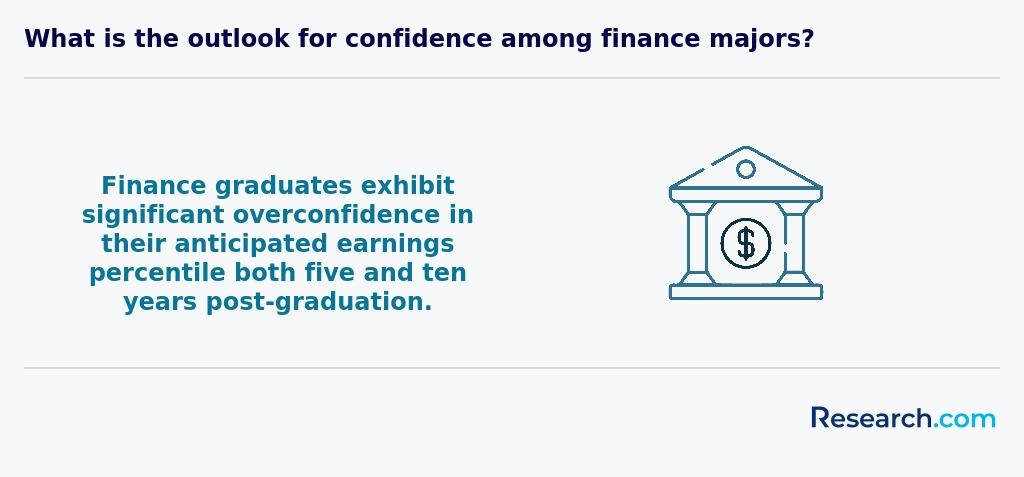
Finance students in Idaho benefit from a variety of financial aid opportunities that make pursuing their degrees more accessible. Federal aid begins with the FAFSA application, unlocking access to Pell Grants and federal loans like Direct Subsidized and Unsubsidized Loans, which many Idaho learners rely on to cover tuition costs averaging around $8,000 annually at public universities. Graduates from institutions such as Boise State University often share how these grants alleviate financial pressure, allowing them to focus more on their studies.
State programs play a crucial role as well. The Idaho Opportunity Scholarship, offering awards between $1,000 and $3,000 annually, supports students who demonstrate both academic merit and financial need. Graduates recount how this scholarship encouraged them to remain in-state for education, reducing debt burdens upon entry into the workforce.
Many Idaho colleges supplement federal and state aid with institutional scholarships targeted at finance majors. Additionally, private scholarships from professional bodies like the Idaho Society of Certified Public Accountants provide valuable funding streams. Work-study positions further enable finance students to gain practical experience while earning income, blending financial support with career development.
Investing in a finance degree requires weighing the total cost against potential earnings to determine return on investment (ROI). In Idaho, the average undergraduate debt for a finance graduate is approximately $30,030, while entry-level salaries in roles such as financial analysts and credit analysts begin around $64,239 annually. Assuming a median starting salary and standard debt repayment terms, graduates can expect to recoup their investment within 3 to 5 years of full-time employment-well below the national average payback period for higher education. When analyzing ROI, consider both direct costs (tuition, fees, supplies) and opportunity costs (time out of the workforce). For example, in-state tuition at public universities averages $38,496, whereas online programs total around $51,000. Factoring an 8% sector growth rate and average mid-career salaries-$92,180 for credit analysts and $137,740 for financial advisors-highlights the long-term value of a finance degree in Idaho. Prospective students should compare program costs, anticipated debt levels, and salary projections. For benchmarking against low-cost online offerings, explore the Low Cost Online Bachelor's in Finance Degree Programs Ranking in Missouri, which demonstrates how affordability impacts ROI and can guide your decision toward high-value, cost-effective options.
To enroll in a finance degree program in Idaho, applicants must hold a high school diploma or equivalent, such as a GED, ensuring they have a solid academic foundation. Graduates from Idaho State University and the University of Idaho often recall how their strong background in math courses-algebra, geometry, and statistics-proved invaluable in mastering the quantitative challenges of their finance studies.
Standardized test scores, including the SAT or ACT, remain key components of admission, though some Idaho schools have recently adopted test-optional policies. Competitive candidates typically present SAT scores between 1050 and 1200, with a particular emphasis on high math scores, reflecting the analytical rigor of finance.
Applicants also prepare thoughtful personal statements showcasing their passion for finance and submit letters of recommendation to highlight their professionalism and readiness. Transfer and graduate students must provide official transcripts, which help admissions officers assess academic progress.
Additionally, students should anticipate meeting program-specific prerequisites, such as introductory courses in economics or accounting, either before admission or early in their studies. Many graduates express that fulfilling these requirements early helped them build confidence and excel in more advanced finance coursework.
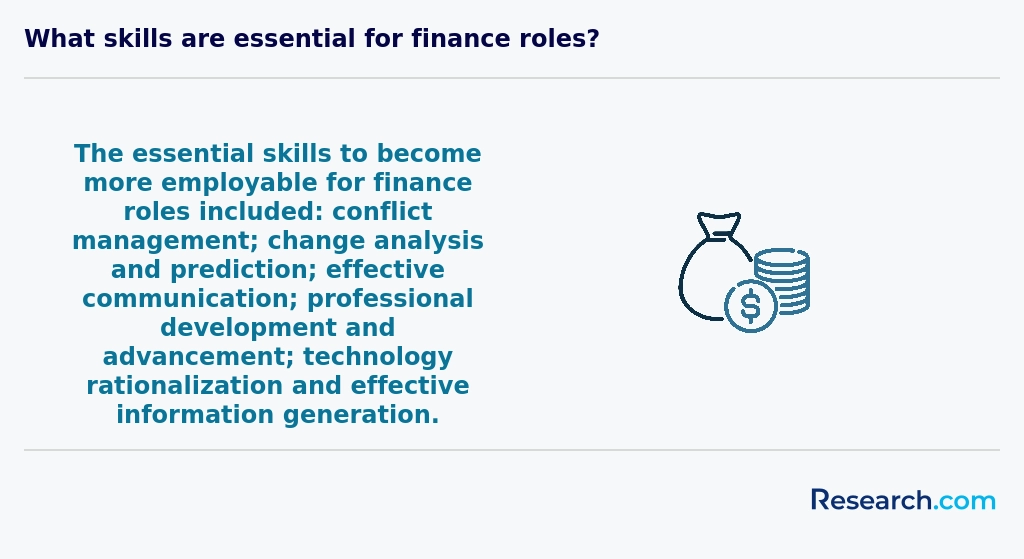
Understanding the return on investment (ROI) for a finance degree in Idaho is essential for prospective students weighing tuition costs against future earnings and career growth. By comparing average program expenses with post-graduation salaries, you can make an informed decision that maximizes both your financial and professional outcomes. Many in‐state public universities charge around $38,496 for a bachelor’s in finance, while private institutions may reach $60,593. Considering the median starting salary for finance graduates-approximately $64,239 nationally and often higher in metropolitan areas like Boise-you could recoup your tuition investment in as little as two to four years. Key metrics to consider include: • Payback period: Time required to cover total program costs through post‐graduate earnings. • Salary growth: Average annual salary increase for finance professionals, typically 5–7% in the first five years. • Career progression: Promotion rates and bonus opportunities in roles such as Financial Analyst or Investment Manager. Beyond direct financial gains, a finance degree offers intangible benefits like access to alumni networks, mentoring programs, and specialized certifications (e.g., CFA, CFP) that further boost long-term earnings. When evaluating your options, you may also explore related career paths to gauge comparative outcomes-discover what are some jobs you can get with economics degree and how they stack up in terms of ROI. This holistic approach ensures you choose a finance program that aligns with both your budget and your professional aspirations.
Finance degree programs in Idaho consistently include core courses that provide a robust foundation in financial principles. Students at well-regarded institutions such as Boise State University and the University of Idaho engage deeply with topics like the time value of money, risk and return, and capital budgeting. Graduates often recall how mastering these concepts early on helped them confidently analyze real business decisions.
Accounting classes, both financial and managerial, are integral, enabling students to interpret complex financial statements-a critical skill praised by alumni entering Idaho's diverse economy. Coursework in investments and portfolio management familiarizes students with asset valuation and strategic investment, reflecting the state's mixed economy of agriculture and technology sectors.
Further study includes corporate finance, financial markets, business statistics, risk management, and international finance. Students appreciate the practical applications taught through case studies relevant to Idaho's regulatory environment, preparing them for careers in the state's growing finance sector.
Ethics and regulation courses are also emphasized, reinforcing the responsible decision-making skills that graduates value highly as they advance professionally.
Finance degree specializations in Idaho encompass a diverse range of focused study areas tailored to student interests and career aspirations. Graduates from Boise State University and other prominent state institutions often choose corporate finance, which emphasizes managing a company's capital structure, budgeting, and strategic financial decisions. Many find this specialization rewarding as it offers practical skills applicable in dynamic business settings.
Idaho finance degree program options also include investment management, where students develop expertise in portfolio analysis and market trends. This specialization has attracted students eager to become financial analysts or portfolio managers, benefiting from Idaho's growing financial sector. Another popular path is financial planning, which centers on personal finance fundamentals like retirement and tax planning-skills graduates report as fulfilling when helping families secure their futures.
Risk management and banking remain critical areas, especially given Idaho's expanding agricultural and manufacturing industries and strong regional banking presence. For those seeking affordable education, public universities offer competitive tuition, and prospective students can explore low-cost pathways through resources like the Low Cost Online Bachelor's in Finance Degree Programs Ranking in Missouri.
Selecting the best finance degree in Idaho requires evaluating key elements like tuition, accreditation, curriculum, and local economic ties. Graduates from institutions such as Boise State University often highlight the value of affordable finance degrees in Idaho 2027, especially with Boise State's in-state tuition averaging around $7,800 annually, making quality education accessible without excessive debt. Accreditation by AACSB or similar bodies signals a program's commitment to industry standards, which enhances graduate credibility and financial aid eligibility.
Students recommend examining programs that offer specialized tracks in corporate finance or financial planning, aligning studies with career ambitions. Real-life experience through internships with Boise's growing banking and investment firms profoundly impacts employability and networking. Alumni frequently praise the practical focus these programs provide when entering Idaho's finance sector.
Understanding post-graduation salaries and job placement is vital. Entry-level finance roles in Idaho commonly pay between $50,000 and $60,000 annually, reflecting a robust job market. For detailed guidance on career alignment, prospective students should explore college majors employment prospects to make informed, strategic decisions.

Graduates with a finance degree in Idaho find diverse finance career opportunities in Idaho, spanning multiple industries tailored to the state's growing economic landscape. For example, many graduates from leading institutions like Boise State University and the University of Idaho pursue roles as financial analysts, where they evaluate investment opportunities and advise on stock and bond selections. This role benefits from Idaho's expanding technology and agricultural sectors, providing a dynamic work environment.
Jobs with finance degree Idaho also include positions such as financial managers who strategize to ensure organizational profitability. These roles often feature competitive salaries and responsibilities ranging from budget management to financial reporting, creating fulfilling career experiences. Additionally, financial advising offers a client-centered path, enabling graduates to guide individuals in personal finance, tax planning, and retirement savings, drawing satisfaction from personalized impact. Many students enhance their prospects through open enrollment online college courses, gaining flexible access to advanced skills that match Idaho's market demands.
- Corporate finance positions within Idaho's manufacturing and service sectors offer practical involvement in treasury and budget analysis.
- Risk management specialists apply their expertise in the local banking and insurance industries, addressing financial uncertainties.
- Accounting-related roles in auditing and compliance are common overlaps for finance graduates seeking diverse career paths.
The job market for finance degree holders in Idaho is promising, with graduates finding rewarding opportunities across diverse industries. Institutions such as Boise State University and the University of Idaho equip students with practical financial skills that align well with the needs of local employers in banking, corporate finance, and insurance sectors. Many graduates appreciate how this solid educational foundation translates into roles at prominent employers in cities like Boise and Idaho Falls, reflecting the steady demand for finance professionals. This positive trend supports hopeful career growth, which is a key factor when exploring finance degree job opportunities Idaho offers.
Finance graduates often experience real-world advantage through internships and networking facilitated by local professional organizations like the Idaho Society of Certified Public Accountants. These connections enhance job placement and career advancement. Moreover, the affordability of finance programs in Idaho, ranging widely between $7,000 and $25,000 annually for in-state tuition, encourages students to pursue advanced studies without undue financial stress. Some students even pursue an online doctorate no dissertation to deepen expertise while balancing other commitments.
With Idaho's financial sector expected to grow steadily, graduates are well positioned to pursue careers as financial analysts, loan officers, and budget analysts. The state's expanding economy and strong business climate make it an attractive arena for new finance professionals looking to build enduring careers. This combination of education quality, economic opportunity, and cost-effectiveness illustrates why finance degree job opportunities Idaho presents are increasingly sought after by ambitious students and professionals alike.
2027 Most Popular Finance Degree Programs Ranking in Idaho
Investing in your education is a significant decision that can shape your future, and the Research.com team understands the importance of making informed choices. To assist prospective students in Idaho, we have meticulously crafted the "2027 Most Popular Finance Degree Programs Ranking in Idaho." Our commitment to quality, credibility, and accuracy is reflected in the extensive research and analysis conducted to compile this ranking.
We utilized the following reputable data sources to ensure a comprehensive evaluation of finance degree programs:
By exploring this ranking, readers will gain valuable insights into the most popular finance degree programs available in Idaho, equipping them to make well-informed decisions about their educational and career goals. For more details on our methodology, please visit our Research.com methodology page.


# 3 position
Idaho State University
B.B.A. Finance

Frequently Asked Questions About finance
Finance degree students in Idaho can maximize their learning experience by engaging with local financial institutions, including banks and investment firms, to gain practical insights. Idaho's growing economy, particularly in Boise and Meridian, offers internships that help connect academic theory with real-world practice. According to the Idaho Department of Labor, finance-related jobs in the state are expected to grow by 7% by 2030, emphasizing the value of applied experience.
Students should also leverage resources at Idaho universities, such as finance clubs and guest lectures by industry professionals. Utilizing Idaho's statewide job portals and networking events can further enhance career preparedness. Strong financial software skills, including proficiency in Excel and QuickBooks, remain essential.
The finance field is evolving rapidly, and several emerging niches are gaining attention among Idaho students pursuing finance degrees. One prominent area is financial technology (fintech), which combines finance and digital innovation. Idaho's growing tech sector supports this trend, especially in Boise, where fintech startups are expanding.
Another niche is sustainable finance, focused on investments that consider environmental, social, and governance (ESG) factors. As Idaho businesses prioritize sustainability, expertise in this area is becoming valuable.
Additionally, cryptocurrency and blockchain finance are gaining ground as Idaho regulators and companies explore digital currencies.
According to the Idaho Department of Labor, job openings in these specialized finance roles are expected to grow faster than average over the next decade.
After completing a finance degree in Idaho, preparing for the job market involves several strategic steps. First, gaining practical experience through internships or part-time roles with local financial firms can enhance employability. Idaho's growing industries, such as technology and agriculture finance, offer emerging opportunities. According to the Idaho Department of Labor, financial analyst positions are expected to grow by 9% through 2030, faster than average. Networking with professionals via local finance associations or university alumni networks also supports job placement. Additionally, pursuing relevant certifications like the CFA or CFP can strengthen a candidate's profile in this competitive field.
Employers in Idaho highly value finance graduates who demonstrate strong analytical skills. The ability to interpret financial data accurately and make data-driven decisions is essential in a state where industries like agriculture, technology, and manufacturing rely on financial expertise.
Communication skills are also crucial. Professionals must explain complex financial concepts clearly to clients and colleagues, fostering better business decisions.
Additionally, proficiency in software tools such as Excel, QuickBooks, and emerging financial technologies can set candidates apart. According to the Idaho Department of Labor, candidates with technical know-how see a 12% higher hiring rate in finance roles statewide.
Finally, ethical judgment and attention to detail are important given the regulatory environment affecting Idaho's financial sector.
Finding internships in Idaho relevant to a finance degree involves multiple strategies. Start by exploring opportunities at local financial institutions, such as Idaho Central Credit Union and Zions Bank, which frequently offer internships in banking and finance. The Idaho Department of Labor provides a job search portal that lists internship openings statewide, including finance-related positions.
Networking plays a key role; students should attend finance and business events hosted by universities like Boise State University and the University of Idaho. Additionally, leverage LinkedIn and career services at your college, which often have dedicated internship listings.
According to the National Association of Colleges and Employers, over 60% of finance internships lead to job offers, emphasizing their importance in career development.
A finance degree significantly enhances career mobility and advancement opportunities in Idaho's dynamic economy. Graduates with finance credentials often access roles in banking, investment firms, and corporate finance, sectors that have shown steady growth statewide. According to the U.S. Bureau of Labor Statistics, financial analysts in Idaho earned a mean annual wage of over $75,000 in 2023, highlighting strong earning potential.
Possessing a finance degree also enables professionals to progress toward managerial positions more rapidly, as employers value specialized financial knowledge for leadership roles. Many Idaho companies prefer candidates with formal education in finance to navigate regulatory and economic complexities effectively. Additionally, finance graduates benefit from Idaho's expanding financial services sector, particularly in cities like Boise, where career advancement paths are well-defined.
Studying for a finance degree in Idaho equips students with skills beyond traditional finance by emphasizing interdisciplinary learning. Many Idaho institutions integrate coursework in economics, business law, and data analytics, fostering versatile problem-solving abilities. This approach prepares graduates to work in diverse roles, including financial planning, risk management, and corporate strategy. According to the Idaho Department of Labor, demand is rising for professionals who can navigate both financial concepts and technological tools. The focus on real-world case studies and internships encourages collaboration across fields, making graduates well-suited for complex business environments in Idaho's growing economy.
Choosing between a thesis and a non-thesis finance degree program in Idaho depends largely on your career goals and learning preferences. A thesis option usually suits students interested in research, academic careers, or pursuing a doctoral degree later. It involves writing an original research paper, which can enhance critical thinking and analytical skills.
Conversely, a non-thesis program often focuses on practical knowledge and coursework, appealing to students aiming for industry roles in finance, such as in Boise's growing banking or investment sectors. According to the Idaho Department of Labor, finance-related jobs in Idaho are projected to grow by 10% through 2030, favoring applied skills.
Cost and program length also differ; thesis options may take longer, impacting tuition and budgeting decisions.
Students based in Idaho who wish to study finance abroad have several pathways through U.S. university programs and exchange agreements. Many Idaho institutions with business schools encourage participation in study abroad programs, often in partnership with universities in Europe, Asia, and Canada. For example, the University of Idaho's College of Business offers opportunities for finance majors to study international markets by spending a semester overseas. These programs typically last from a few weeks to a full academic year, enabling students to earn credits toward their degrees.
While Idaho schools don't offer standalone finance degrees fully abroad, these exchange programs provide valuable global exposure. According to the Institute of International Education's latest report, around 15% of finance students nationwide engage in study abroad experiences, highlighting growing interest in international finance education. Students interested in finance abroad should consult their academic advisors at Idaho institutions like Boise State University or the University of Idaho to explore available options and scholarships tailored for study abroad.
Students pursuing finance degrees in Idaho can benefit from several part-time job opportunities that enhance their academic knowledge and practical skills. Positions such as bank teller or financial clerk provide direct exposure to financial transactions and customer service, building foundational experience. Additionally, internships with local accounting firms or investment companies in Boise offer valuable insights into portfolio management and financial analysis.
Idaho's growing financial services sector, noted in reports by the Idaho Department of Labor, creates demand for entry-level roles like bookkeeping assistant or tax preparer during tax season. These roles align well with coursework and improve understanding of regulatory compliance. Such jobs also facilitate professional networking within Idaho's finance community.
Finance students in Idaho benefit from strong networking opportunities through regional professional organizations and university-affiliated events. The Idaho Chapter of the Financial Planning Association offers local meetings and workshops that connect students with practicing finance professionals. Additionally, schools like Boise State University and the University of Idaho host career fairs and finance clubs where students can interact with alumni and employers.
Internships remain a key networking avenue since over 70% of Idaho finance graduates secure jobs through internship connections, according to the Idaho Department of Labor. The state's growing finance sector, including firms in Boise's financial district, provides valuable venues for students to build industry relationships.
Alumni networks play a crucial role for finance degree students in Idaho by providing valuable professional connections. These networks often include graduates working in Idaho's banking, investment, and insurance sectors. According to data from the Idaho Department of Labor, finance-related jobs in the state are expected to grow by 7% through 2030, highlighting the importance of strong networks for job placement.
Students benefit from mentoring, internship opportunities, and job referrals through alumni. Networking events and online platforms foster relationships that can lead to career advancement. The University of Idaho's College of Business and Economics, for example, boasts an active alumni network that supports students with career resources.
Engaging with alumni also exposes students to real-world advice and insights, helping them navigate Idaho's finance industry more effectively. This support enhances success in a competitive job market and lays a foundation for lifelong professional relationships.
Students pursuing finance degrees in Idaho can tailor their programs by selecting electives aligned with specific career paths such as corporate finance, investment analysis, or financial planning. Many Idaho institutions offer flexible course options, including concentrations or minors in economics, accounting, or data analytics.
Internships with local financial firms, banks, and credit unions provide practical experience and networking opportunities within Idaho's growing financial sector. According to the Idaho Department of Labor, finance-related jobs in the state are projected to grow by 7% through 2030, emphasizing the value of targeted skills.
Additionally, some programs allow integration of technology-focused courses, preparing students for evolving financial technologies important in Idaho's economy.
Finance students in Idaho face several typical challenges during their studies. One key difficulty is limited access to specialized finance internships within the state. Compared to larger financial hubs, Idaho has fewer corporate headquarters offering hands-on opportunities, which can affect practical experience. According to Idaho Department of Labor data, the state's finance and insurance sector employs a relatively small workforce, limiting local job shadows and networking.
Students also encounter challenges balancing rigorous coursework in subjects like investment analysis, risk management, and financial modeling. Many find the quantitative demands daunting without strong math backgrounds. Additionally, Idaho's public universities often have fewer elective courses in emerging finance fields such as fintech, which may restrict curriculum flexibility.
Moreover, financing education poses hurdles as Idaho's average student loan debt approaches $28,000, close to the national average, impacting affordability for many families. Awareness and access to scholarships specifically for finance students remain limited, sometimes hindering enrollment or continuation.
With a finance degree in Idaho, you can pursue several respected professional certifications that enhance career opportunities. Popular choices include the Certified Financial Planner (CFP) and the Chartered Financial Analyst (CFA), both recognized nationwide. These certifications require passing exams and fulfilling work experience requirements.
The Idaho Department of Labor highlights growing demand for finance professionals in Boise and surrounding areas, which supports certification value. Additionally, the Certified Public Accountant (CPA) credential is valuable for those focusing on accounting within finance.
Other certifications include the Financial Risk Manager (FRM) and Certified Management Accountant (CMA). These certifications signal expertise and often lead to higher salaries.
Resources like the U.S. Bureau of Labor Statistics provide detailed data on certification impacts and job outlook for Idaho finance graduates.
To write a winning application for a finance program in Idaho, start by thoroughly researching institutions such as Boise State University and the University of Idaho, which offer respected finance degrees. Highlight your academic strengths, especially in mathematics and economics, as these are critical foundations for finance studies. Strong standardized test scores and a competitive GPA can improve your chances, considering the rising enrollment numbers in Idaho's business fields. Include clear career goals that align with Idaho's growing financial sector, which supports over 15,000 business and finance jobs according to the Idaho Department of Labor. Finally, craft a concise personal statement demonstrating your motivation and understanding of finance's role in the local economy.
The finance sector is increasingly interconnected on a global scale, offering diverse career opportunities beyond local markets. Graduates with finance degrees from Idaho universities can expect to compete in a marketplace influenced by international trade, investment, and regulatory standards. Skills such as financial analysis, risk management, and proficiency with global financial software are highly valued worldwide.
According to the Bureau of Labor Statistics, the demand for financial analysts is growing at about 7% nationally through 2031, which reflects global economic trends affecting the U.S. job market, including Idaho.
Understanding global finance practices helps professionals navigate currency fluctuations, international investments, and global economic policies, essential for roles in multinational corporations and financial institutions.
Students pursuing a finance degree in Idaho can gain practical experience through internships offered by local banks, credit unions, and financial firms. Many Idaho universities, such as Boise State University and the University of Idaho, have partnerships with regional employers to connect students with paid and unpaid internships.
Additionally, students can participate in student-managed investment funds or campus finance clubs, which provide hands-on exposure to portfolio management and financial analysis. According to the National Association of Colleges and Employers, internships significantly boost employment prospects after graduation.
Networking events and career fairs hosted by Idaho colleges also help finance students engage with local professionals and secure real-world experience.
Choosing the right concentration within a finance degree program in Idaho depends on your career goals and local industry demands. Popular concentrations include corporate finance, financial planning, investment analysis, and banking. Idaho's economy, with strong sectors in agriculture, technology, and manufacturing, influences job opportunities for finance graduates.
Research from the Idaho Department of Labor highlights growth in financial services and technology-related finance roles. For example, focusing on investment finance may align well with Boise's rising tech hub, while risk management suits the agricultural finance sector.
Consider programs offering internships or partnerships in Idaho's regional markets. Evaluating course offerings, faculty expertise, and graduate outcomes can guide your decision to select a concentration that fits Idaho's evolving financial landscape.
- 2027 Most Popular Finance Degree Programs Ranking in Washington
- 2027 Most Popular Finance Degree Programs Ranking in Oregon
- 2027 Most Popular Finance Degree Programs Ranking in California
- 2027 Most Popular Finance Degree Programs Ranking in Colorado
- 2027 Most Popular Finance Degree Programs Ranking in Arizona
- 2027 Most Popular Finance Degree Programs Ranking in Nebraska
- 2027 Most Popular Finance Degree Programs Ranking in Kansas
- 2027 Most Popular Finance Degree Programs Ranking in Minnesota
- 2027 Most Popular Finance Degree Programs Ranking in Iowa
- 2027 Most Popular Finance Degree Programs Ranking in Missouri
See What Experts Have To Say About Studying Finance
Read our interview with Finance experts

Jason James Sandvik
Finance Expert
Assistant Professor of Finance
University of Arizona

H. Kent Baker
Finance Expert
Professor at Department of Finance and Real Estate
American University

Andrew Karolyi
Finance Expert
Dean of the Cornell SC Johnson College of Business
Cornell University

- Idaho Finance Degree: Your Path To A Financial Career https://w3.framtida.no/framtida-news/idaho-finance-degree-your-path-to-a-financial-career-1767647024
- Finance (B.S.Bus.) https://catalog.uidaho.edu/colleges-related-units/business-economics/business/finance-bsbus/
- How to write a cover letter for a finance job | Standard Chartered https://www.sc.com/en/news/careers-about-standard-chartered/cover-letter-for-a-finance-job/
- Must-Have Skills for Accounting & Finance Graduates Entering Singapore’s Competitive Job Market https://www.lsbf.edu.sg/blog/accountancy-and-finance/must-have-skills-for-accounting-finance-graduates-entering-singapores-competitive-job-market
- Financial Aid Office | University of Idaho https://www.uidaho.edu/financial-aid
- Getting a Finance degree: All you need to know https://www.study.eu/article/getting-a-finance-degree-all-you-need-to-know
- What Major is Best for Finance? Top 10 Picks https://zoetalentsolutions.com/what-major-is-best-for-finance/
- Are Cover Letters Important? | Morgan Stanley https://www.morganstanley.com/articles/are-cover-letters-important
- Top 10 Accounting and Finance Skills Employers Want | Tamarack Recruiting | Tamarack Recruiting https://tamarackrecruiting.com/top-10-accounting-and-finance-skills-employers-want-tamarack-recruiting/
- Tuition and Fees https://www.nic.edu/tuition/





