2027 Most Affordable Online Master's in Finance Degree Programs Ranking in Pennsylvania

Co-Founder and Chief Data Scientist
If you're a student in Pennsylvania exploring your options for advancing in finance, this article is designed for you. It introduces the 2027 Most Affordable Online Master's in Finance Degree Programs Ranking in Pennsylvania, carefully compiled by Research.com's skilled data scientists.
By reading, you'll discover accessible programs that balance quality and cost, helping you make smarter decisions about where to invest your time and money. Earning a master's in finance can open doors to exciting career opportunities, financial growth, and personal achievement. Let this guide support your journey toward a brighter future in finance.
Key benefits of getting online finance degree in Pennsylvania
- Finance degree graduates in Pennsylvania can earn competitive salaries, with roles like Financial Controller, Finance Manager, and Hedge Fund Manager averaging around $174,820 annually, while Portfolio Managers and Private Equity Analysts make about $112,950.
- A finance degree opens doors to diverse career paths such as investment banking, corporate finance, asset management, and financial analysis, with many successful graduates from universities like Temple University building rewarding careers.
- Completing a finance degree online offers flexibility and convenience, allowing students from Pennsylvania to balance work and study effectively, as demonstrated by graduates from programs like the University of Pennsylvania's online courses who benefit from quality education and greater scheduling freedom.
- 2027 Most Affordable Online Master's in Finance Degree Programs Ranking in Pennsylvania
- What can I expect from online finance degree in Pennsylvania?
- Where can I work with online finance degree in Pennsylvania?
What can I expect from online finance degree in Pennsylvania?
When considering the cost of pursuing an online finance degree in Pennsylvania, many students find the tuition ranges quite manageable, especially at public universities. For in-state students, tuition often falls between $10,000 and $20,000 per year, offering a solid investment in your future without overwhelming debt. Graduates from well-known institutions in Pennsylvania frequently share how financial aid and scholarships made this journey feel attainable, letting them focus more on learning than on expenses.
These programs balance affordability with quality, delivering courses rich in real-world applications like risk management and investment analysis. Imagine attending a university known across Pennsylvania for its finance curriculum, engaging with case studies that mimic scenarios you'll face in banking or corporate finance. That hands-on approach, combined with competitive tuition, helps students feel confident stepping into the job market.
Many alumni reflect on how the flexible, asynchronous classes allowed them to juggle work and studies. This flexibility, coupled with reasonable tuition, makes earning an online finance degree in Pennsylvania both a practical and empowering choice.
Where can I work with online finance degree in Pennsylvania?
With an online finance degree from respected Pennsylvania institutions like Temple University or Drexel University, graduates find themselves well-positioned for rewarding careers. Many land roles at major banks such as PNC Financial Services or Citizens Bank, stepping into titles like financial analyst or loan officer. These positions allow graduates to apply skills in analyzing data and managing risk-skills they honed during their studies.
Others take advantage of Pennsylvania's thriving insurance industry, securing jobs with companies like Erie Insurance. Here, graduates thrive as actuaries or underwriters, roles that blend analytical thinking with real-world financial decision-making.
Corporate finance positions at leading Philadelphia manufacturers or health systems also attract graduates. Whether managing budgets or overseeing assets, these roles offer excellent earning potential and a chance to influence organizational success directly.
For those with a tech edge, the booming fintech scene in Pittsburgh and Philadelphia opens doors to innovative roles in data analysis and financial software development, making finance careers both dynamic and future-focused.
Graduates from online finance programs in Pennsylvania often find rewarding salary opportunities that grow quickly with experience and expertise. For example, those stepping into roles like Portfolio Manager can expect a mean annual wage of about $112,950, reflecting the solid foundation built at schools like Penn State or Temple University. Many graduates share how they confidently transition into these roles, leveraging their online education and practical knowledge.
Positions such as Finance Manager, Financial Controller, or Hedge Fund Manager offer even more lucrative prospects, with mean annual wages reaching $174,820 in Pennsylvania. These high earnings come from mastering advanced financial concepts and gaining valuable certifications like the CFA, which many alumni pursue after completing their degrees online.
Several graduates recount how starting with an online degree enabled them to balance work while studying, ultimately landing significant positions within Philadelphia's thriving financial industry. With Pennsylvania's finance sector poised for growth, these salary figures are not just numbers-they represent real opportunities for you to thrive and build a fulfilling career.
- The average total cost for an online finance degree in Pennsylvania ranges from $30,000 to $60,000, with public universities generally offering more affordable tuition than private schools.
- Entry-level finance graduates in Pennsylvania can expect starting salaries between $55,000 and $65,000 annually.
- Mid-career finance professionals in the state earn over $90,000 per year on average, with higher salaries common in cities like Philadelphia and Pittsburgh.
- The finance job market in Pennsylvania is large and diverse, including banking, investment firms, insurance, and corporate finance sectors.
- The projected growth rate for finance-related jobs in Pennsylvania over the next decade is about 5%, matching or slightly exceeding national averages.
- Many online finance programs in Pennsylvania are accredited and help prepare students for certifications like CFA and CFP.
Completing an online finance degree in Pennsylvania can vary widely depending on your approach and goals. Many graduates from well-regarded schools like Penn State World Campus find that accelerated master's programs allow them to finish in as little as 12 to 18 months by dedicating themselves fully and embracing year-round sessions.
On the other hand, bachelor's degree seekers at institutions like Temple University often take the traditional four years of full-time study, tackling around 120 credit hours. However, some students balance work and family commitments, opting for part-time enrollment which naturally extends their timeline but offers valuable flexibility.
One inspiring graduate shared how transferring credits from previous coursework helped them shave nearly a year off their degree timeline, a strategy worth considering to save time and money.
Remember, choosing between faster completion or steady pacing depends on your personal situation, but with Pennsylvania's range of program formats-including accelerated eight-week terms-you have real options to shape your educational journey to fit your life.
Choosing between an online and on-campus finance degree in Pennsylvania comes down to your lifestyle and goals. Online programs offer amazing flexibility, letting you study from anywhere while balancing work or family. Graduates from online tracks at schools like Pennsylvania State University often share how video lectures and interactive modules made it easier to learn without giving up a full-time job.
On the other hand, on-campus programs at universities such as the University of Pennsylvania provide rich, face-to-face experiences. Graduates recall how networking events and finance labs helped them build connections and gain hands-on skills that boosted their confidence and career opportunities.
Cost often sways the decision too-online degrees in Pennsylvania can save money by cutting out commuting and housing expenses. Yet, some state universities charge similar tuition regardless of format, making it essential to weigh extra fees for campus facilities.
Ultimately, whether online or on-campus, the key is choosing a path that fits your rhythm, helping you thrive both academically and professionally in Pennsylvania's finance landscape.
The average cost of an online finance degree in Pennsylvania typically centers around $34,700, offering a clear benchmark for those budgeting their education expenses. Many graduates who chose schools like Pennsylvania State University World Campus found that investing about $870 per credit hour in their graduate business programs truly paid off, as their careers blossomed post-graduation. Meanwhile, students attending the University of Pittsburgh's online platform report similar tuition costs ranging near $950 to $1,000 per credit hour, balancing affordability and high-quality instruction.
For those looking into affordable online master's in finance Pennsylvania offers options like West Chester University, where tuition can be as low as $600 to $700 per credit hour for residents. Many online learners appreciate this as it allows them to pursue their dreams without overwhelming financial strain. These students often describe their studies as both challenging and rewarding, knowing their investment sets the stage for a strong future in finance.
Besides tuition, graduates recommend accounting for additional expenses such as fees, textbooks, and necessary technology to get the full picture of cost. It's encouraging that many programs provide robust financial aid packages, scholarships, and partnership opportunities to ease the financial burden. If you're searching for the right fit, exploring an online business degree accredited offerings in Pennsylvania can be a smart step toward reaching your goals with confidence.

When pursuing an online finance degree in Pennsylvania, tapping into financial aid can transform your educational journey, making it not only possible but rewarding. Graduates from institutions like Drexel University or Temple University often share how federal aid-such as Pell Grants and Direct Loans accessed through the FAFSA-opened doors for them. For graduate students, loans like the Unsubsidized Direct Loan and Graduate PLUS Loan provide crucial funding, with limits up to $20,500 annually.
State programs through the Pennsylvania Higher Education Assistance Agency (PHEAA) further ease the burden. Though many grants focus on undergraduates, programs like the Pennsylvania State Grant Program sometimes extend to online learners, easing costs at schools like Penn State World Campus. Plus, merit-based scholarships reflecting your academic effort or professional background often reduce tuition by 10% or more.
Imagine combining these aids with employer tuition reimbursements to ease your finances. Many online finance students appreciate how workplace support complements federal and state assistance, turning their ambitions into achievable success stories.
A master’s in finance can build strong academic and analytical preparation, but professional certifications may help graduates signal specialized expertise to employers. The right certification depends on the role you want, the prerequisites you meet, and the amount of time you can commit after graduation.
Students weighing long-term career direction may also want to explore why pursue a career in finance before committing to a certification path.
- Chartered Financial Analyst (CFA): Often pursued by investment professionals, the CFA charter focuses on portfolio management, equity research, investment analysis, and ethics.
- Certified Public Accountant (CPA): The CPA credential is useful for students interested in accounting, auditing, tax planning, financial reporting, and regulatory compliance.
- Financial Risk Manager (FRM): The FRM is designed for risk-focused roles and emphasizes market, credit, and operational risk measurement.
- Certified Financial Planner (CFP): The CFP is tailored to personal financial advisors and focuses on client-centered planning, retirement strategies, estate planning, and financial advice.
Choose a certification only after confirming eligibility requirements, exam cost, study time, continuing education rules, and relevance to your target job. If your online finance program offers faculty mentorship, study groups, alumni contacts, or exam preparation resources, use them early.
To enroll in an online finance degree program in Pennsylvania, you'll need a foundation built on clear academic and personal achievements. For bachelor's programs, having a high school diploma or GED is essential, paired with a GPA usually between 2.5 and 3.0. Imagine a graduate from a popular Pennsylvania university sharing how maintaining steady grades helped them breeze through admission and focus on mastering financial concepts instead of worrying about eligibility.
At the graduate level, a bachelor's degree is mandatory, often from any discipline as long as you demonstrate strong quantitative skills through courses like economics or accounting. Many students at well-known Pennsylvania colleges found that completing these prerequisites beforehand not only boosted their confidence but made advanced topics like financial modeling much more approachable.
Letters of recommendation, personal statements, and sometimes relevant work experience enrich your application by showcasing your passion and readiness. One graduate recalled that a carefully crafted statement of purpose helped them stand out to admissions committees, turning what seemed a daunting application into a powerful story of ambition.
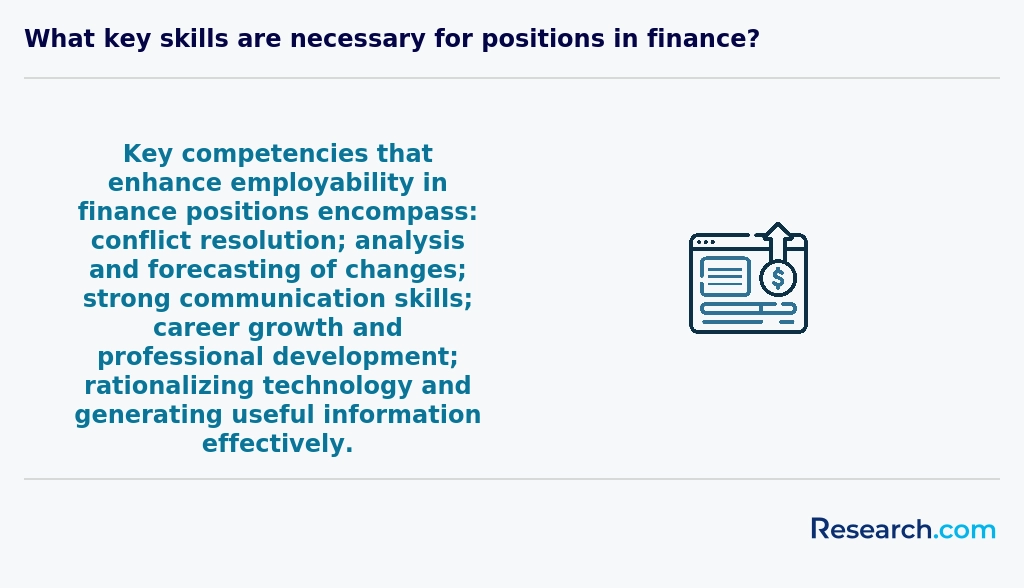
Student support can make a major difference in an online finance program, especially for working adults who need clear advising, reliable technology, and practical career help. Affordability matters, but low tuition is less valuable if students struggle to access instructors, complete technical assignments, or connect with employers.
- Academic advising: Strong programs provide course planning, degree audits, graduation checks, and guidance on electives, internships, and specialization choices.
- Faculty access: Online students should have clear ways to contact instructors through office hours, email, discussion boards, or virtual meetings.
- Technical support: Reliable help desks are important for login issues, software access, proctored exams, learning management systems, and financial modeling tools.
- Library and research resources: Useful resources may include e-book collections, finance databases, research consultations, and access to tools such as Bloomberg and Thomson Reuters Eikon.
- Career services: Online students benefit from virtual career fairs, alumni mentoring, résumé reviews, mock interviews, employer networking, and workshops on financial modeling interviews.
- Industry exposure: Panels with CFOs, portfolio managers, fintech entrepreneurs, and finance recruiters can help students understand real hiring expectations.
When comparing programs, ask whether online students receive the same career support as campus-based students. Also confirm whether services are available outside normal business hours if you work full time.
To compare how other states support online finance students-especially those prioritizing cost and resources-review the Cheapest Finance Degree Programs Ranking in Maryland.
When you dive into an online finance degree in Pennsylvania, expect to engage deeply with courses like corporate finance, financial accounting, and investment analysis. Graduates from schools such as Penn State or Temple University often share how mastering these subjects helped them confidently interpret financial statements and make smart investment choices in real-world settings.
Many students find that classes on financial markets and institutions are particularly eye-opening, revealing how banks, insurance companies, and exchanges operate within Pennsylvania's robust economy. This understanding is essential given the state's ranking among the top ten for banking assets.
Quantitative courses in statistics, econometrics, and financial modeling sharpen your ability to analyze data-a skill that graduates frequently cite as a game-changer in today's finance roles. For example, utilizing software tools taught at University of Pittsburgh's online programs often prepares students to forecast market trends effectively.
Electives like international finance and FinTech connect you with emerging finance fields growing in Philadelphia and Pittsburgh. Business fundamentals, including marketing and ethics, round out your education, ensuring you graduate ready to lead with integrity and insight in Pennsylvania's financial sector.
The variety of online finance degree specializations in Pennsylvania offers a wealth of opportunities to match your passion and career goals. Graduates from well-regarded institutions in Pennsylvania often highlight how choosing a path like Corporate Finance gave them the confidence to manage complex investments and strategic decisions in bustling hubs like Philadelphia. Others found Financial Planning and Analysis invaluable for learning how to create practical budgets and forecasts that drive business success.
Investment Management is another popular specialization, celebrated by alumni who now thrive in portfolio management roles, applying knowledge gained through real-world case studies at Pennsylvania's top colleges. Risk Management attracts students eager to protect companies from financial uncertainties, while Financial Technology (FinTech) taps into the rise of blockchain and data analytics, preparing learners for the future of finance.
Exploring Pennsylvania affordable finance master's concentration options can help you tailor your studies to your unique ambitions. Many find that these focused paths make their degree not only competitive but deeply relevant for the local finance sector's needs. For insights on related business programs, consider reviewing the best business programs in Colorado as a benchmark for innovative curriculum design.
Choosing the best online finance degree in Pennsylvania means focusing on accreditation and how well the program fits your lifestyle. Graduates from well-known universities in Philadelphia or Pittsburgh often share how faculty with real-world experience made concepts like investment management and risk assessment clear and exciting. When looking for an affordable master's in finance Pennsylvania has many options where tuition varies widely, so comparing per-credit fees and total cost is key. One graduate appreciated the flexibility offered through asynchronous classes, allowing them to balance work and study without missing a beat.
Programs at public universities often offer reduced tuition for in-state students, which can ease financial stress and feel like a vote of confidence from your community. Pay attention to graduation rates and employment statistics-they show how well students move into rewarding financial careers. For deeper understanding of balancing dual expertise, some students explore paths linked to the best MSN-MBA programs online. Remember, knowing your career goals helps you pick a track best suited to your ambitions among Pennsylvania's diverse offerings.

Graduates with an online finance degree in Pennsylvania find themselves stepping into rewarding career paths such as financial analyst, financial manager, accountant, budget analyst, and personal financial advisor. Many who studied at popular institutions like Temple University and Penn State have shared how the strong analytical skills and market knowledge gained prepared them well for roles in the state's thriving economy. The demand for finance professionals opens doors in sectors like banking and healthcare, especially in cities like Philadelphia and Pittsburgh where local firms actively seek talent.
Career growth is also promising in emerging fields such as fintech, which has become a hotspot in Pennsylvania's urban centers. Graduates have found opportunities in data analysis and digital banking, leveraging their skills in innovative ways. If you want to explore a wider range of options, consider looking into the best business programs in Georgia to compare paths and experiences. Pursuing certifications like the CFA or CPA can further boost your prospects in this competitive but exciting market of online finance degree careers Pennsylvania.
The job market for graduates with an online finance degree in Pennsylvania is vibrant, especially for those ready to dive into the dynamic worlds of Philadelphia and Pittsburgh. Graduates from well-known universities in the state often share how their education equipped them with strong analytical skills, which employers in banking, investment firms, and insurance companies highly value. The finance careers growth Pennsylvania market is supported by a 5% expected increase in financial analyst roles through 2033, reflecting steady demand that makes pursuing finance an inspiring and achievable goal.
Many students find that earning an online degree in finance from Pennsylvania's universities offers practical advantages, such as in-state tuition savings and flexibility. Graduates appreciate how their programs cover essential skills-from financial planning to regulatory knowledge-preparing them for roles in traditional finance and the expanding fintech sector in Philadelphia.
For those weighing program options, the benefits of choosing an accredited logistics degree highlight the importance of accreditation and real-world readiness. Salary prospects remain competitive, with median annual wages for financial analysts around $85,000 in Pennsylvania, making it a rewarding path for those pursuing a finance degree job prospects Pennsylvania.
2027 Most Affordable Online Master's in Finance Degree Programs Ranking in Pennsylvania
Investing in your education is a significant decision that can shape your future, and the Research.com team understands the importance of making informed choices. To assist prospective students in Pennsylvania, we have meticulously crafted the "2027 Most Affordable Online Master's in Finance Degree Programs Ranking in Pennsylvania." Our commitment to quality, credibility, and accuracy is reflected in the extensive research and analysis conducted to compile this ranking.
We utilized the following reputable data sources to ensure a comprehensive evaluation of finance programs:
By exploring this ranking, readers will gain valuable insights into the most affordable online master's programs in finance available in Pennsylvania, helping them make informed decisions about their educational paths. For more details on our methodology, please visit our Research.com methodology page.
# 1 position
Penn State University Park
Master of Finance


Frequently Asked Questions About finance
Students pursuing an online finance degree in Pennsylvania can enhance their learning by actively engaging with course materials and participating in virtual discussions. Utilizing resources offered by Pennsylvania-based institutions, such as career services and financial databases, provides practical insights aligned with the state's economic landscape. Connecting with local finance professionals through virtual networking events, especially in metropolitan areas like Philadelphia and Pittsburgh, can offer valuable real-world perspectives.
Additionally, Pennsylvania's strong banking and finance sectors provide opportunities for internships and cooperative education, which students can seek even while studying online. According to the Pennsylvania Department of Labor, finance and insurance industries employ over 150,000 workers statewide, highlighting potential career pathways relevant to students.
Leveraging online platforms for certifications related to finance, such as CFA prep courses, alongside the degree can further support knowledge retention and employability. Maintaining a disciplined study schedule and utilizing Pennsylvania's public library digital resources also contribute to academic success.
The finance field is evolving rapidly, and several emerging niches offer promising career paths for students pursuing online finance degrees in Pennsylvania. One significant area is fintech, which blends finance with technology to improve services like digital payments, blockchain, and robo-advisors. According to a 2023 report by the Pennsylvania Department of Labor, fintech jobs in the state grew by over 15% in the past five years.
Another growing niche is sustainable finance. This sector focuses on investments that consider environmental, social, and governance (ESG) criteria, reflecting increasing demand for responsible business practices.
Data analytics and financial modeling are also gaining traction as companies seek experts who can interpret big data to guide decision-making. The U.S. Bureau of Labor Statistics projects that financial analyst roles, especially those involving analytics, will increase by 6% through 2030.
After earning an online finance degree in Pennsylvania, preparing for the job market involves focused steps to increase employability. Networking plays a crucial role; connecting with local finance professionals through Pennsylvania-based organizations like the Greater Philadelphia Finance Forum or the Pittsburgh Financial Management Association can open doors.
Gaining relevant experience through internships or part-time roles in Pennsylvania's robust financial sectors-such as banking in Philadelphia or investment firms in Pittsburgh-enhances practical skills. Additionally, earning certifications like the CFA or CPA can significantly improve job prospects.
According to the U.S. Bureau of Labor Statistics, Pennsylvania's finance and insurance sector employed over 270,000 workers in 2023, indicating strong demand. Staying updated on regional economic trends is also vital.
Employers in Pennsylvania seek finance degree graduates who demonstrate strong analytical and quantitative skills. The ability to interpret financial data and use tools like Excel and financial software is highly valued. According to the Pennsylvania Department of Labor & Industry, demand for professionals skilled in financial analysis and risk management is growing steadily.
Effective communication skills are also essential, as finance professionals must present complex information clearly to clients and stakeholders. Additionally, knowledge of regulatory compliance and ethical standards is crucial due to Pennsylvania's diverse financial sector.
Problem-solving skills and adaptability are important, reflecting the dynamic nature of financial markets. Employers appreciate graduates with internship or work experience in Pennsylvania's banking or investment firms, as practical exposure enhances readiness for the workforce.
Finding internships in Pennsylvania relevant to a finance degree involves targeted efforts. Start by exploring university career centers, many of which maintain partnership programs with local financial firms in cities like Philadelphia and Pittsburgh. These centers often list internships from banks, investment firms, and accounting companies.
Online job portals such as Handshake and LinkedIn also provide many internship listings specifically for Pennsylvania students. According to the Pennsylvania Department of Labor, the state's finance sector employs over 180,000 people, making it a strong market for internships.
Networking through local professional organizations like the CFA Society Philadelphia can further increase internship opportunities. Additionally, attending virtual finance career fairs hosted by Pennsylvania universities can connect students with employers.
Obtaining an online finance degree in Pennsylvania can significantly enhance career mobility and advancement opportunities within the state's growing financial sector. According to the Pennsylvania Department of Labor & Industry, finance-related occupations are projected to grow by 5% from 2022 to 2032, translating to about 3,000 new jobs.
Online finance programs offer flexible schedules, allowing working professionals to advance their education without disrupting their careers. This flexibility is vital in Pennsylvania's diverse economy, where financial skills are increasingly valued in industries such as banking, insurance, and investment management.
Graduates with an online finance degree often qualify for higher-level positions, including financial analysts, advisors, and risk managers, which typically offer salaries above the state average. According to the U.S. Bureau of Labor Statistics, the average annual wage for financial analysts in Pennsylvania was approximately $87,000 in 2023.
Additionally, accredited online programs provide networking opportunities and certifications that employers in Pennsylvania often require, facilitating smoother career transitions and promotions.
Studying for an online finance degree in Pennsylvania equips students with versatile skills suited for interdisciplinary roles. Programs often integrate business, economics, and data analysis courses, reflecting industry demand for multifaceted expertise. Pennsylvania's financial sector, valued at over $160 billion annually per the Pennsylvania Department of Labor and Industry, requires professionals capable of navigating complex markets and regulatory environments.
Many universities emphasize real-world applications, including case studies and technology use, such as financial modeling and data visualization. This approach prepares graduates for roles that connect finance with analytics, marketing, or management. Additionally, familiarity with state-specific regulations enhances adaptability across multiple sectors.
When choosing between a thesis and a non-thesis online finance degree program in Pennsylvania, consider your career goals and learning preferences. Thesis programs typically require original research and a substantial written project, which suits students interested in academic or research careers. Non-thesis options usually focus on coursework and practical skills, appealing to professionals aiming for immediate application in finance roles.
In Pennsylvania, several universities offer both formats, reflecting varied industry demands. According to the National Center for Education Statistics, finance jobs in Pennsylvania grew by 3.5% from 2019 to 2023, favoring practical skills over research for many employers.
Review program details carefully, including faculty expertise and available resources. This will help ensure the program aligns with your professional ambitions and learning style.
Students in Pennsylvania seeking to study finance abroad through online programs have multiple avenues to consider. Many accredited U.S. institutions offer online finance degrees with international study components, including exchange programs or short-term residencies in global financial centers such as London or Singapore.
According to the Pennsylvania Department of Education, roughly 25% of Pennsylvania universities with finance programs provide partnerships with international schools, allowing students to gain global exposure without relocating permanently.
Additionally, some programs offer dual degrees with foreign universities, which enhances career opportunities by combining U.S. accreditation with international credentials.
Financial aid and scholarships may also support these options, benefiting Pennsylvania students aiming to broaden their academic and professional horizons.
Students pursuing online finance degrees in Pennsylvania can benefit from various part-time job opportunities that complement their studies. Typical roles include financial clerks, bookkeeping assistants, and bank tellers, which help develop practical skills in accounting, data analysis, and customer service. According to the U.S. Bureau of Labor Statistics (2023), Pennsylvania employs over 20,000 financial clerks, with a median hourly wage of $19.50, reflecting good earning potential for students.
Internships with local banks or investment firms in cities like Philadelphia and Pittsburgh also provide valuable hands-on experience. These positions allow students to apply textbook knowledge to real-world financial decision-making.
Additionally, roles in tax preparation during the filing season offer seasonal opportunities aligned with finance coursework. These jobs sharpen skills in tax code comprehension and client interaction.
Online finance students in Pennsylvania have access to a variety of networking opportunities that can enhance their career prospects. Many universities offer virtual career fairs and online networking events, allowing students to connect with finance professionals statewide.
Pennsylvania hosts several finance-focused professional organizations, such as the Financial Executives International (FEI) Philadelphia Chapter and the Pennsylvania CFA Society. These groups often welcome online students to attend webinars and local meetups, providing valuable contacts in the finance sector.
Additionally, LinkedIn groups dedicated to Pennsylvania finance professionals provide informal networking spaces where students can engage with alumni and industry leaders. According to the Pennsylvania Department of Labor & Industry, the state's finance and insurance sector employs over 330,000 people, underscoring a robust job market for networking efforts.
Alumni networks play a significant role for students pursuing online finance degrees in Pennsylvania by offering valuable connections within the local finance industry. These networks provide access to mentorship, job opportunities, and professional development resources crucial for career advancement. According to the Pennsylvania Department of Labor & Industry, the finance sector in the state employs over 250,000 people, highlighting the competitive market for graduates.
Active alumni communities can facilitate internships and entry-level positions, which are essential for hands-on experience. Students benefit from networking events and job boards tailored to Pennsylvania's economic hubs, such as Philadelphia and Pittsburgh.
Moreover, alumni often share insights about regional finance trends and regulatory updates, helping current students align their education with industry demands. This support can increase graduates' employability in a rapidly evolving finance landscape.
Customizing an online finance degree program in Pennsylvania begins with selecting electives aligned with your career goals. Many universities offer courses in investment analysis, risk management, or corporate finance, allowing students to focus on specific finance sectors. Additionally, some programs include concentrations such as financial planning or quantitative finance.
Internships and capstone projects tailored to Pennsylvania's financial industries, such as banking in Philadelphia or energy finance in Pittsburgh, provide practical experience. According to the Pennsylvania Department of Labor, sectors like finance and insurance employ over 300,000 residents, highlighting diverse career opportunities.
Advisors at Pennsylvania institutions usually guide students to align coursework with certifications like CFA or CFP, enhancing professional credentials.
Online finance students in Pennsylvania often face several challenges related to the nature of remote learning and the specific demands of finance education. One common difficulty is maintaining motivation and time management, especially for students balancing work and family. According to the National Center for Education Statistics, nearly 40% of online students report struggling with self-discipline and course engagement.
Another challenge is accessing high-quality networking opportunities. Finance is a relationship-driven field, and remote students may miss out on in-person events and internships common in Pennsylvania's financial hubs like Philadelphia and Pittsburgh. Additionally, some students encounter technology issues or limited access to real-time financial software used for analysis and portfolio management.
With an online finance degree in Pennsylvania, you can pursue several well-recognized professional certifications to advance your career. Popular options include the Chartered Financial Analyst (CFA) credential, which is highly respected in investment management. The Certified Financial Planner (CFP) designation suits those focusing on personal financial advising. For those interested in corporate finance or accounting, the Certified Public Accountant (CPA) license is valuable and requires passing state-specific exams regulated by the Pennsylvania State Board of Accountancy.
Other certifications include the Financial Risk Manager (FRM), ideal for risk assessment roles, and the Certified Management Accountant (CMA) for managerial accounting skills. According to the Pennsylvania Department of Labor & Industry, finance-related jobs requiring certifications are growing steadily, with a 5% projected growth rate through 2030. These certifications help demonstrate expertise and improve job prospects within the state's competitive financial sector.
To write a winning application for an online finance program in Pennsylvania, start by highlighting your academic background and relevant work experience. Admissions committees value a clear demonstration of your quantitative skills and understanding of financial principles.
Emphasize your career goals and explain how the program aligns with those objectives. Tailoring your personal statement to reflect Pennsylvania's financial industry, including its strong banking and investment sectors, can strengthen your application.
Include letters of recommendation from professionals or professors who can attest to your abilities. Make sure to meet all deadlines and provide accurate transcripts, as Pennsylvania institutions often adhere strictly to submission requirements.
Lastly, verify if you need to submit GRE or GMAT scores, as requirements vary by school. Preparing a well-organized, detailed, and honest application increases your chances of acceptance.
The global perspective on a finance career emphasizes the growing importance of international markets and cross-border financial management. Professionals with a finance degree often engage with diverse economies, adapting skills to fluctuating currency rates and global regulation standards.
For students in Pennsylvania, understanding global finance trends enhances job prospects in both local and multinational firms. According to the U.S. Bureau of Labor Statistics, finance and investment analysts in Pennsylvania earn a median annual wage above the national average, with opportunities increasingly linked to international trade and investment.
Institutions offering online finance degrees frequently include coursework on global financial systems, preparing graduates to navigate complex, interconnected markets efficiently.
Gaining practical experience while pursuing an online finance degree in Pennsylvania is essential for career readiness. Many programs encourage internships with local financial firms, banks, or insurance companies, which remain vital employers throughout the state. According to the Pennsylvania Department of Labor & Industry, finance-related occupations are expected to grow by 5% by 2030, making local experience valuable.
Students can also engage in virtual internships or project collaborations offered through university partnerships. Additionally, involvement in finance-focused student organizations and certifications like the CFA Institute Investment Foundations can enhance practical skills remotely.
Networking through Pennsylvania's financial hubs such as Philadelphia and Pittsburgh further supports hands-on learning opportunities.
Choosing the right concentration within an online finance degree program in Pennsylvania involves assessing both your career goals and the state's economic landscape. Pennsylvania has a diverse economy, with strong sectors in banking, insurance, and energy, which can influence your choice of specialization. For example, concentrations like financial analysis, risk management, or corporate finance align well with job opportunities in Philadelphia and Pittsburgh.
Review program curricula carefully to ensure they offer relevant coursework and certifications recognized by industry professionals, such as CFA or CPA preparation. Additionally, consider programs accredited by reputable bodies like AACSB, which can enhance your degree's value in Pennsylvania's competitive finance job market.
See What Experts Have To Say About Studying Finance
Read our interview with Finance experts

H. Kent Baker
Finance Expert
Professor at Department of Finance and Real Estate
American University

Ekaterina Potemkina
Finance Expert
Assistant Professor of Finance
Indiana University

Andrew Karolyi
Finance Expert
Dean of the Cornell SC Johnson College of Business
Cornell University

- FINANCE AND BANKING (THESIS / NON-THESIS) - Lisansüstü Eğitim Enstitüsü https://lee.nisantasi.edu.tr/en/finance-and-banking-thesis-non-thesis-2/
- Athabasca University https://www.athabascau.ca/programs/summary/bachelor-of-commerce-in-finance.html
- Upgrade to Global Finance Major: What It Is & Why It Matters https://pages.riley-eyewear.com/riley-eyewear/global-finance-major-what-it-is-and-why-it-matters-1767646948
- Your Guide to Getting a Job in Finance https://www.mountunion.edu/academics/undergraduate-degrees/finance/your-guide-to-getting-a-job-in-finance
- International Finance Careers: A Comprehensive Guide https://survey.moorlandassociation.org/moorlandassociation-news/international-finance-careers-a-comprehensive-guide-1767647521
- The Rise of Niche Jobs in Africa’s Finance Sector | CA Global https://www.caglobalint.com/post/the-rise-of-niche-jobs-in-africas-finance-sector/
- Study Finance Abroad | Go Overseas https://www.gooverseas.com/study-abroad/finance
- Finance https://www.stvincent.edu/academics/undergraduate-programs/programs/finance.html
- How to write a cover letter for a finance job | Standard Chartered https://www.sc.com/en/news/careers-about-standard-chartered/cover-letter-for-a-finance-job/
- Must-Have Skills for Accounting & Finance Graduates Entering Singapore’s Competitive Job Market https://www.lsbf.edu.sg/blog/accountancy-and-finance/must-have-skills-for-accounting-finance-graduates-entering-singapores-competitive-job-market