2027 Most Affordable Online Master's in Finance Degree Programs Ranking in Michigan

Co-Founder and Chief Data Scientist
Exploring online master's programs in finance can feel overwhelming, especially when you want the best value for your investment. This article presents the 2027 Most Affordable Online Master's in Finance Degree Programs Ranking in Michigan, created by the Research.com team of data scientists. It's designed to guide Michigan students toward smart, informed decisions about their education.
With a finance degree, you open doors to diverse career opportunities and greater financial confidence. Discover programs that balance quality, affordability, and flexibility, helping you take the next step with clarity and excitement.
Key benefits of getting online finance degree in Michigan
- Finance degree graduates in Michigan can expect strong salaries, with roles like Financial Controller, Finance Manager, or Hedge Fund Manager earning a mean annual wage of around $174,820.
- Career paths for finance graduates from Michigan colleges often include portfolio management, private equity analysis, and financial controlling, providing diverse opportunities in banking, investment, and corporate finance.
- Online finance degrees offer flexibility and convenience, allowing students to balance work and study while gaining respected credentials from Michigan institutions.
- 2027 Most Affordable Online Master's in Finance Degree Programs Ranking in Michigan
- What can I expect from online finance degree in Michigan?
- Where can I work with online finance degree in Michigan?
What can I expect from online finance degree in Michigan?
If you're eyeing an online finance degree in Michigan, you'll be happy to know the cost usually feels a lot friendlier compared to traditional programs. Many public schools here, like those in the University of Michigan system, offer in-state tuition rates for online students, which often land between $15,000 and $25,000 a year for graduate-level studies.
Graduates from these programs often share how affordable tuition made it easier to juggle work and family life without drowning in debt. Plus, lots of folks tap into financial aid, scholarships, or even get tuition help from their employers, which really takes the pressure off.
For example, a graduate from a popular school in Grand Rapids mentioned that this balance allowed them to focus on mastering financial tools and techniques without stressing over bills every semester. So, if you're balancing a busy schedule, Michigan's online finance options can feel like a practical, cost-effective way to boost your career.
Where can I work with online finance degree in Michigan?
If you're earning an online finance degree in Michigan, you're stepping into a job market that's full of exciting opportunities. Graduates from schools like the University of Michigan and Michigan State University often find themselves working in local banks, where they handle everything from loan analysis to financial advising. It's pretty common to start out as a financial analyst or credit analyst, roles that really sharpen your skills while paying well.
Many grads also land gigs with big automakers like Ford or General Motors. Imagine balancing budgets or forecasting cash flow for these huge companies-that's the kind of challenge that finance professionals thrive on here. Plus, the healthcare scene in Michigan is booming, so financial managers at hospitals are always in demand to make sure those complex budgets and billing processes stay on track.
Other grads enjoy working with small businesses and startups, which are growing fast across the state. Whether it's helping a local coffee shop manage its books or consulting for a fresh tech company, there's plenty of room to get creative. It's a great feeling to see your financial know-how powering real community businesses.
If you've earned your finance degree online from a school like the University of Michigan or Michigan State, you're looking at some solid earning potential right here in the state. Graduates stepping into roles such as Portfolio Manager can expect to make around $113,000 a year on average. That's a pretty sweet deal for starting out in the finance world. Meanwhile, Finance Managers and Financial Controllers-positions that many grads land after gaining some experience-can bring in hefty salaries near $175,000 annually.
Private Equity Analyst gigs also pay close to $113,000, while Hedge Fund Managers in Michigan see similar numbers up at around $175,000. So if you're aiming high, there's definitely room to grow your paycheck as you build your career.
Many online finance grads from places like Wayne State have shared how landing these roles boosted their confidence and allowed them to thrive financially without uprooting their lives. With Michigan's strong finance scene in cities like Detroit and Ann Arbor, there's lots of opportunity waiting for you!
- Online finance degrees in Michigan are offered by accredited universities with programs covering financial management, investment analysis, corporate finance, and risk management.
- Tuition costs for bachelor's programs range from $12,000 to $25,000, while master's programs cost between $15,000 and $40,000, with financial aid often available.
- Finance jobs in Michigan are expected to grow by about 5% through 2030, including roles such as financial analysts, accountants, and loan officers.
- Entry-level finance jobs typically pay $55,000 to $65,000 annually, with experienced professionals earning around $95,000 and senior positions exceeding $110,000.
- The state's diverse economy in automotive, manufacturing, healthcare, and technology creates broad finance career opportunities.
- Online programs offer flexible schedules and meet the same accreditation standards as on-campus degrees.
If you're thinking about getting an online finance degree in Michigan, the time it takes really depends on what level you're aiming for and how you manage your schedule. Most students going for a bachelor's usually spend about four years if they're studying full-time. That's pretty much what graduates from places like the University of Michigan-Flint and Central Michigan University report-it's the standard path, but many find flexibility with part-time options when life gets busy.
For folks chasing a master's, like an MSF or an MBA with a finance focus, it's often around 1.5 to 2 years full-time. But some graduates who juggle jobs and family love that Michigan schools offer accelerated or asynchronous classes, letting them wrap up in as little as a year if they push hard. Plus, if you've transferred credits from a local community college, you could cut down your time even more-making the whole experience way less stressful and more wallet-friendly.
If you're weighing online versus on-campus finance degrees in Michigan, the biggie is how you want to learn. On-campus programs at places like Central Michigan University mean you get face-to-face time with professors and classmates-that buzz of live discussions and instant feedback can really boost your confidence. Plus, hanging out on campus makes networking easier, which grads say helped them land internships and jobs in Michigan's competitive finance scene.
But online degrees are a game changer if you've got a busy life. Imagine juggling work in Detroit or family stuff while snagging your finance degree from Ferris State University without the commute hassle. Online classes let you tune in when it suits you, on your own turf, which many students find super freeing.
Cost-wise, online can save you some dough too-no gas, parking, or dorm fees. Coursework is almost the same either way, covering everything from investment basics to risk analysis. Just keep in mind, online learners need to stay proactive to grab virtual career help and workshops.
In Michigan, the average cost of an online finance degree usually hovers around $27,135 total tuition. Many graduates from schools like Michigan State University or the University of Michigan say the investment feels worth it, especially considering how much they save by studying online and benefiting from in-state tuition rates. These programs often charge between $500 and $700 per credit for in-state students, while private colleges might be a bit pricier. Still, programs stay pretty affordable when you compare them to national averages.
Students often find that the extra fees, like tech charges or materials, add just a few hundred dollars annually-nothing overwhelming. Plus, a lot of folks get help with costs through scholarships, financial aid, or even employer tuition assistance, which makes these degrees much more accessible. This balance of cost and support helps many who are eager to advance their careers without breaking the bank.
For those eyeing an affordable online master's in finance Michigan offers multiple solid options that mix quality and cost-effectiveness. Alumni frequently mention how the flexibility of online courses combined with competitive tuition made it easier to continue working while studying. If you're exploring paths into finance, checking out business management career advice can also be a smart move to complement your degree and boost your prospects.
If you're chasing an online finance degree in Michigan, there's actually a bunch of financial aid options to help keep costs down. Graduates from places like the University of Michigan or Michigan State often talk about how filling out the FAFSA was their first step-it opens doors to federal loans and work-study gigs that really ease the money stress.
State aid is also a game changer here. Some grads share how programs like the Michigan Competitive Scholarship or regional grants gave them a helpful boost, especially since tuition at public schools can hit around $13,000 to $17,000 a year. Plus, if your family planned ahead with something like the Michigan Education Trust, that saved a lot of headaches too.
Many students find that scholarships and assistantships offered by universities-sometimes rewarding you for teaching or research in finance-make a huge difference. And don't forget, working for companies in Detroit's strong banking or automotive finance sectors often comes with tuition reimbursement perks. It's all about stacking these options so your online degree feels doable and worthwhile.
Online finance programs in Michigan offer competitive tuition rates, with a median total cost of $26,100, which is notably lower than the national average of approximately $30,500 for similar fully online master’s degrees in finance. This affordability stems from Michigan’s robust network of public universities and community colleges that prioritize in-state tuition benefits and streamlined online delivery models. By contrast, students exploring programs in the Northeast typically encounter higher average costs-often upwards of $32,000-due to the concentration of private institutions and additional technology fees. For those seeking a comprehensive view of budget-friendly alternatives outside Michigan, our Cheapest Online Finance Degree Programs Ranking in the Northeast highlights regional tuition trends, scholarship opportunities, and financial aid packages that can help prospective enrollees make data-driven decisions. Beyond tuition comparisons, Michigan’s online finance programs frequently boast lower ancillary fees-such as reduced registration and digital resource charges-while still delivering rigorous curricula in corporate finance, investment analysis, and risk management. These cost efficiencies, paired with strong student support services, position Michigan as a strategic choice for cost-conscious learners aiming to maximize return on investment without sacrificing academic quality.
If you're thinking about jumping into an online finance degree in Michigan, there are a few key things you'll need to have ready. For undergrad programs, most schools like those at the University of Michigan or Michigan State expect you to have a high school diploma or something similar, like a GED. Test scores like the SAT or ACT might be requested, but plenty of places have gone test-optional lately, which is great news if standardized tests aren't your thing.
For those aiming at a master's degree, you'll need a bachelor's degree, not necessarily in finance but something related like economics or accounting really helps. A solid GPA-usually around 3.0-is pretty standard. Graduates often share how submitting recommendation letters and a strong personal essay about why finance excites them made a big difference in their applications at schools like Wayne State.
Also, expect to prove you're comfortable with math-think stats or calculus-and have official transcripts on hand. Some programs even like to see relevant work experience, which you can totally highlight in your application.
And don't forget the tech side: reliable internet and a good computer are must-haves for keeping up with online classes in Michigan's digital learning environment.
Investing in an online finance degree requires understanding both the upfront costs and the long-term financial gains. Michigan students typically pay a median tuition of $26,100, while entry-level salaries range from $50,000 to $60,000 and mid-career earnings climb to $80,000–$90,000. On average, graduates recoup tuition costs within 2–3 years of full-time employment. Key factors influencing ROI: • Program cost: Compare total tuition, fees, and materials against in-state and out-of-state rates. • Salary projections: Use occupational data to estimate median wages in roles such as financial analyst, personal finance advisor, or investment banker. Data from the BLS highlights that investment bankers earn median salaries over $100,000 (investment banker bls), further improving ROI for graduates targeting this path. • Career services and networking: Programs with strong internship pipelines and alumni networks can accelerate job placement and salary growth. Scenario analysis: • Break-even period: A graduate with a $26,100 investment and a starting salary of $55,000 can recover costs in approximately 2.9 years, assuming a 20% tax rate and average living expenses. • Accelerated ROI: Specializations in areas like corporate finance or capital markets can shorten payback to under 2 years due to higher starting salaries and bonus structures. Conclusion: Prospective students who carefully evaluate program costs, leverage career support, and target high-growth specializations can maximize their ROI, making an online finance degree in Michigan a sound financial decision.
If you're thinking about an online finance degree in Michigan, expect courses that really get to the heart of how money moves-both locally and globally. Graduates from Michigan's popular universities often rave about core classes like Financial Accounting and Corporate Finance. These give you the skills to read through financial statements or manage budgets like a pro, the kind of stuff that's super useful if you ever want to work with a Detroit-based company or a local bank.
Many students say Investment Analysis and Financial Markets courses helped them understand how Michigan's growing financial institutions tick, especially with over 200 banks and credit unions in the state. Imagine being able to analyze real-time financial trends that affect local businesses while kicking back at home!
Others found Risk Management and Financial Modeling classes invaluable because they got hands-on training with software tools that employers love. Plus, electives like International Finance show you how money flows beyond Michigan-great for students dreaming of working globally. Ethical Finance classes also keep you sharp on what's right, adding confidence you can carry into any finance role.
Online finance degree specializations Michigan students often find include Corporate Finance, Financial Planning, and Investment and Portfolio Management. These pathways are perfect for those interested in playing a key role in how companies manage their money or for grads dreaming of advising clients on wealth strategies. Many schools in Michigan, like those popular in Detroit or Ann Arbor, tailor their programs to reflect the state's economic comeback, focusing heavily on Risk Management and Financial Analytics, which help grads handle real-world challenges such as market volatility or data-driven decision-making.
Students appreciate how these specializations connect classroom knowledge with local industries like automotive finance or real estate development, making coursework feel actionable. For example, graduates talk about how the Banking concentration helped them understand the nitty-gritty of financial regulations impacting Michigan's firms. If you want to push further academically, several who pursued finance also explore options like an online doctorate in accounting no residency. The variety in finance master's concentrations Michigan programs offer really lets you customize your path based on what excites you most, which many find both motivating and practical.
When choosing the best online finance degree in Michigan, think about what really matters to you. Many grads from well-known schools like those in Detroit or Grand Rapids say accreditation is a big deal-making sure your degree is respected by employers and other universities. You'll want a program that covers practical skills in corporate finance and investment analysis but also dives into Michigan's local economy. It's one thing to study theory, but it's another to get real insights into the job market you'll enter.
Cost-wise, you can find affordable online finance degrees Michigan offers, especially at public universities for in-state students. Flexibility is key, too. Lots of students juggling work love programs with asynchronous classes that fit their schedules perfectly. Plus, strong career support makes a huge difference-graduates often mention how helpful local internships and alumni networks were for landing jobs.
If you're exploring degrees outside finance, you might also check out accounting schools in Texas for comparison or backup options.

If you're wondering what kind of jobs you can land with an online finance degree in Michigan, there are plenty of options that graduates from schools like the University of Michigan or Wayne State swear by. Many jump into roles like financial analyst, where they help companies make smart investment moves - or become financial planners to guide families and businesses through savings and retirement.
Other grads find work as budget analysts, helping organizations figure out where to allocate funds best, or as risk managers, identifying potential financial dangers before they become problems. Michigan's cities, especially Detroit and Grand Rapids, have a buzzing market for these roles. Plus, finance master's job opportunities Michigan-wide are solid, with good growth expected, so you're not just chasing dreams here.
A lot of students love how online programs give them the chance to keep working while earning their degree, making careers in finance within reach. If you want to explore related fields, you might also want to check out programs like a quick plumbing certification, which can complement your skillset in unexpected ways.
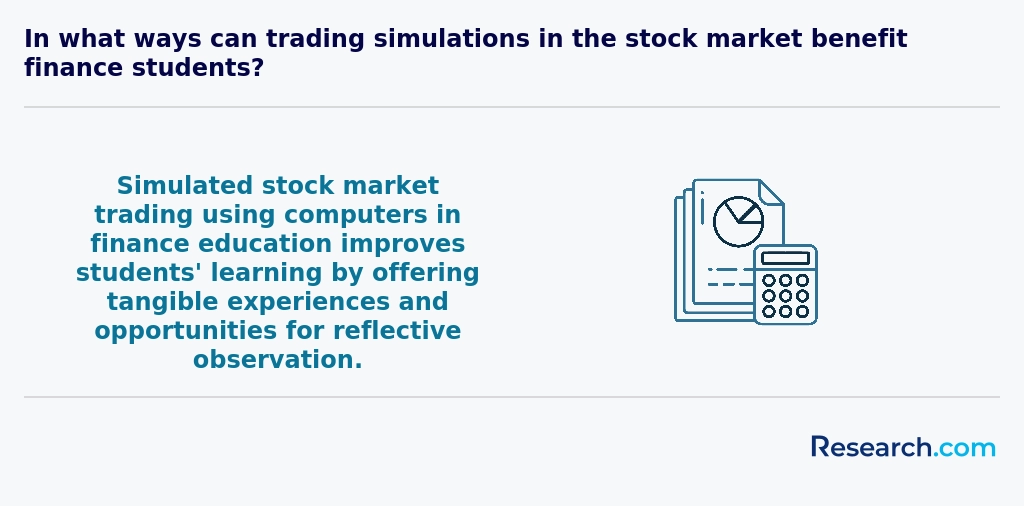
The job market for an online finance degree in Michigan is pretty solid, especially if you're looking to jump into roles like financial analysis, accounting, or auditing. Graduates from popular Michigan schools often find themselves working in corporate finance roles at automotive or manufacturing companies right here in Detroit or Grand Rapids. It's encouraging to know that salaries for these finance jobs are competitive, with financial analysts earning around $77,000 annually, which is on par with national averages.
Many students are excited about finance career opportunities in Michigan because the state's diverse economy means there are openings in banks, insurance firms, and even government agencies. Plus, living costs here tend to be affordable, which definitely helps when starting out. Graduates often share how useful university career services were in connecting them with Michigan employers, making the transition much smoother.
For those curious about more specialized finance roles, it's smart to check out resources like the investment banker bls for insight on salary and career growth. Overall, earning a finance degree online in Michigan feels like a practical, accessible step toward a stable, rewarding job.
2027 Most Affordable Online Master's in Finance Degree Programs Ranking in Michigan
Investing in your education is a significant decision that can shape your future, and the Research.com team understands the importance of making informed choices. To assist prospective students interested in finance, we have carefully developed the "2027 Most Affordable Online Master's in Finance Degree Programs Ranking in Michigan." Our dedication to quality, credibility, and accuracy is demonstrated through rigorous research and thorough analysis behind this ranking.
We utilized the following reputable data sources to ensure a comprehensive evaluation of finance programs:
By exploring this ranking, readers will gain valuable insights into affordable and credible online master's programs in finance in Michigan, empowering them to make well-informed educational decisions. For more information about how this ranking was created, please visit our Research.com methodology page.
# 1 position
Walsh College
Master of Finance


Frequently Asked Questions About finance
Online finance degree students in Michigan can maximize their learning by leveraging local economic trends and resources. Michigan's economy, known for its strong automotive and manufacturing sectors, offers valuable case studies and internship opportunities that align with finance curricula. According to the Bureau of Labor Statistics (2023), finance-related jobs in Michigan are projected to grow by 6% over the next decade, signaling solid career prospects.
Students should actively engage in virtual networking through local finance organizations, such as the Detroit chapter of the CFA Institute. Utilizing Michigan-based financial news outlets and data sources can also deepen understanding of regional market dynamics. Regular interaction with professors and peers via online platforms enhances critical thinking and practical skills.
The finance field is evolving rapidly, especially in Michigan, where new expertise areas are growing fast. One emerging niche is financial technology (fintech), with demand rising as Detroit boosts its tech startup scene. Fintech roles focus on blockchain, digital payments, and robo-advisors, merging finance with IT skills.
Another expanding area is sustainable and green finance, responding to global pressure for environmentally responsible investments. Michigan's manufacturing base is increasingly integrating these concepts for long-term growth.
Data analytics and quantitative finance also present opportunities, relying on big data to improve investment decisions. According to the Michigan Department of Labor, jobs in financial analysis and compliance are set to grow by over 8% through 2030.
After completing an online finance degree in Michigan, preparing for the job market involves strategic steps to enhance employability. Start by gaining relevant experience through internships or part-time roles in Detroit, which is a major financial hub. According to the Michigan Economic Development Corporation, finance roles in the state are expected to grow by 5% through 2030.
Networking is also crucial. Joining Michigan-based finance associations or alumni groups can provide valuable connections. Certifications like CFA or CPA improve job prospects and salary potential. Additionally, tailoring your resume to Michigan employers, highlighting skills in financial analysis, risk management, and technology, aligns with local market demands.
Employers in Michigan seek finance graduates with strong analytical skills and a solid understanding of financial principles. Proficiency in data analysis and financial modeling is highly valued, as these abilities support informed decision-making in various industries.
Communication skills are also crucial. Graduates must effectively present complex financial information to clients and colleagues. Attention to detail and ethical judgment rank among the top traits, reflecting the importance of accuracy and integrity in finance roles.
Technology skills, including familiarity with finance software and Excel, are increasingly demanded. According to the Michigan Economic Development Corporation, growing sectors like automotive finance and banking emphasize these competencies.
Finding internships in Michigan for finance students involves leveraging multiple resources tailored to the local job market. Start with university career centers, as many online programs in Michigan maintain partnerships with regional employers. These centers often offer job boards featuring internships at Detroit's financial firms and Grand Rapids' banking institutions.
Additionally, platforms like Handshake and LinkedIn list internships specifically in Michigan's finance sector. The state hosts major financial companies, including Ally Financial and Fifth Third Bank, which regularly recruit interns.
The Michigan Department of Labor and Economic Opportunity provides labor market information showing finance-related job growth at 4.5% annually, indicating steady internship opportunities.
An online finance degree can significantly enhance career mobility and advancement opportunities in Michigan's competitive job market. With Detroit and Grand Rapids serving as financial hubs, professionals holding such degrees often experience increased eligibility for roles in banking, investment firms, and corporate finance. According to the U.S. Bureau of Labor Statistics, Michigan's finance-related occupations are projected to grow by 4% from 2022 to 2032, reflecting steady demand.
Online formats offer flexibility, allowing students to upskill without interrupting their careers. This convenience supports professionals seeking promotions or transitions to higher-paying positions. Additionally, accredited online programs covering topics like financial analysis and risk management align with industry standards, boosting employability in Michigan's evolving financial sector.
Studying for a finance degree in Michigan offers a strong foundation for interdisciplinary roles by integrating key concepts from economics, data analytics, and business management. Many Michigan universities emphasize real-world applications, combining finance theory with technology skills such as Excel modeling and financial software tools.
According to the Michigan Department of Labor, finance professionals often collaborate with IT, marketing, and operations teams, reflecting the state's diverse industrial base. Online programs typically include courses in statistics and data-driven decision-making, equipping students to work across multiple departments.
This interdisciplinary approach aligns with growing demand for versatile finance experts in Michigan's evolving economy, including areas like automotive finance and financial services.
When choosing between a thesis and a non-thesis online finance degree program in Michigan, consider your career goals first. A thesis option often suits students aiming for research roles, doctoral studies, or positions requiring strong analytical skills. It involves completing a substantial research project under faculty supervision.
The non-thesis route typically appeals to professionals seeking practical knowledge or quicker completion. It usually focuses on coursework and may include comprehensive exams or projects instead of a thesis.
According to the National Center for Education Statistics, about 40% of finance master's students nationwide pursue thesis options, but this varies by institution.
In Michigan, with Detroit and Grand Rapids as financial hubs, practical skills from non-thesis programs may align well with local industry demands, especially in corporate finance and banking sectors.
Students in Michigan interested in studying finance abroad via online programs have several pathways to consider. Many U.S. universities with global partnerships offer joint or dual degrees, allowing students to earn credits toward a finance master's from both a U.S. and a foreign institution. These arrangements often include virtual internships and international case studies.
The University of Michigan, for example, supports connections with global business schools, enabling students to access international resources without relocating. Additionally, accredited online programs from European institutions may be available, but it is essential to verify the program's recognition by U.S. accreditation bodies for degree validity.
Financial aid and scholarships specific to international study are sometimes accessible through Michigan-based organizations, including the Michigan Department of Education. According to the National Center for Education Statistics, about 15% of Michigan's graduate finance students explore international certification or collaborative programs to enhance their global finance perspectives.
Part-time job opportunities in Michigan that complement an online finance degree include roles in banking, accounting, and financial analysis. Many students find internships or assistant positions at local banks or credit unions, which are abundant in cities like Detroit and Grand Rapids. According to the Michigan Bureau of Labor Market Information, financial occupations are projected to grow by 5% in the state through 2030. This growth encourages employers to offer part-time roles that help students build practical skills in budgeting, investments, and client advising.
Additionally, bookkeeping and tax preparation services are popular side jobs, especially during tax season. Platforms such as Michigan Works! provide access to finance-related job listings suited for students balancing studies.
Online finance students in Michigan benefit from several networking opportunities designed to connect them with professionals and peers. Many universities offer virtual career fairs and online finance clubs that facilitate networking without geographic limits. Additionally, organizations like the Detroit Regional Chamber and Michigan Bankers Association provide access to events and webinars focused on finance careers in Michigan.
The state's growing finance sector, which employs over 200,000 people, according to the Bureau of Labor Statistics, creates numerous internship and mentorship programs available to students. Online learners can also join LinkedIn groups and alumni networks specific to their schools to build industry connections.
Alumni networks play a crucial role for online finance degree students in Michigan by offering valuable professional connections. These networks connect current students with graduates working in local industries like Detroit's automotive finance sector or Grand Rapids' banking institutions.
Access to an active alumni network enhances job placement opportunities and mentorship, which is especially important in competitive finance fields. According to the Michigan Association of Postsecondary Planning Officials, over 65% of graduates find employment through networking within six months.
Alumni events and online communities also provide insights into regional finance trends, helping students stay informed and competitive in Michigan's evolving market.
Customizing an online finance degree program in Michigan allows students to tailor their education to specific career goals. Many universities offer electives focusing on areas such as corporate finance, investment management, or financial technology. This flexibility helps students gain expertise aligned with Michigan's significant automotive and manufacturing sectors, where finance professionals support complex budgeting and investment strategies.
Students can also pursue practical skills through internship opportunities or capstone projects often integrated into online programs. According to the Bureau of Labor Statistics, Michigan's financial sector has a steady growth rate, emphasizing the need for diverse finance skills. Choosing programs with strong regional industry connections enhances career readiness.
Online finance students in Michigan often face unique challenges related to balancing their studies with job and family responsibilities. Many learners report difficulty staying motivated and engaged without regular in-person interaction. According to the National Center for Education Statistics, nearly 40% of online students nationally express concerns about feeling isolated.
Michigan's evolving financial industry demands up-to-date skills, which can pressure students to keep pace with rapid changes in technology and regulations. Additionally, students might struggle with access to local networking opportunities crucial for careers in finance, especially since Michigan's finance sector is concentrated in Detroit and Grand Rapids.
Technical issues are another hurdle. Reliable internet access varies across the state, impacting students in rural areas more significantly.
With an online finance degree in Michigan, you can pursue several respected professional certifications that enhance your career prospects. Common certifications include the Certified Financial Analyst (CFA), which focuses on investment management and is highly valued by financial firms.
Another notable credential is the Certified Public Accountant (CPA) license. Many finance graduates in Michigan choose this path if they intend to work in accounting or auditing. The Michigan Board of Accountancy sets specific requirements for CPA candidates.
The Certified Financial Planner (CFP) certification is ideal for those interested in financial advising. It requires coursework, exams, and relevant work experience.
These certifications are widely recognized within Michigan's financial sector, where networking with over 40,000 finance professionals is common according to the Michigan Economic Development Corporation.
Writing a winning application for an online finance program in Michigan requires clear focus and preparation. First, highlight your academic background and relevant professional experience, especially if you have worked in finance sectors prevalent in Michigan, such as automotive finance or banking.
Research each program's specific requirements, including GPA thresholds, prerequisite courses, and standardized test scores like the GRE if required. Michigan's online finance master's programs often value candidates who demonstrate analytical skills and practical knowledge of financial markets.
Craft a strong personal statement that explains your career goals and how the program aligns with Michigan's financial industry needs. According to the Bureau of Labor Statistics, Michigan showed steady growth in financial analyst roles, making industry-awareness an asset in your application.
Finally, secure professional recommendations that highlight your quantitative abilities and commitment to finance, increasing your chances of acceptance. Accurate and honest applications supported by strong evidence typically stand out in competitive admissions.
The finance industry is increasingly global, and a career in finance offers opportunities that extend well beyond Michigan or the United States. Professionals with a strong foundation in finance can engage with international markets, investment strategies, and regulations. According to the Michigan Economic Development Corporation, the state's financial services sector contributes billions annually to the economy, reflecting strong regional ties to broader global financial trends.
Understanding global perspectives is crucial for finance careers, especially as companies manage investments and risks internationally. The U.S. Bureau of Labor Statistics highlights that financial analyst employment is projected to grow 7% from 2022 to 2032, with global financial knowledge a competitive advantage.
By earning an online finance degree in Michigan, students gain skills applicable to multinational corporations, international banking, and cross-border trade. This global outlook enhances job prospects and adaptability in a rapidly evolving industry.
Gaining practical experience while studying for an online finance degree in Michigan is essential to enhance your skills and improve job prospects. Many Michigan universities encourage students to participate in internships with local financial firms and corporations, such as those in Detroit's growing financial sector. According to the Michigan Economic Development Corporation, internships can offer real-world exposure to financial analysis, investment management, and risk assessment.
Additionally, students can engage in virtual internships or cooperative education programs that align with their coursework. Some programs also include case studies and simulation projects that mimic real market situations, providing hands-on learning online. Joining finance-related student organizations, even virtually, helps build networking opportunities within the state's financial industry.
Choosing the right concentration within an online finance degree in Michigan begins with assessing your career goals. Common focuses include corporate finance, investment management, and financial planning. Each path offers different opportunities; for example, corporate finance roles in Michigan grew by 5% between 2018 and 2023, according to the U.S. Bureau of Labor Statistics.
Consider industry demand specific to Michigan. The state's automotive and manufacturing sectors often prefer expertise in risk management and financial analysis. Meanwhile, Detroit's growing financial services sector increasingly values skills in investment and portfolio management.
Look into programs that offer concentrations aligned with Michigan's economic strengths and your interests. Accreditation and faculty expertise further ensure quality education. Additionally, explore internship and networking opportunities available to online students within the state to enhance practical experience.
See What Experts Have To Say About Studying Finance
Read our interview with Finance experts

H. Kent Baker
Finance Expert
Professor at Department of Finance and Real Estate
American University

Jason James Sandvik
Finance Expert
Assistant Professor of Finance
University of Arizona

Ekaterina Potemkina
Finance Expert
Assistant Professor of Finance
Indiana University

- Why Alumni Networks Matter in Business School: 7 Reasons https://europe.ceibs.edu/article/why-alumni-networks-matter-business-school
- Top Ways to Leverage a Finance Degree https://rochesterap.com/top-ways-to-leverage-a-finance-degree/
- Online Bachelor's Degree: Finance https://www.umgc.edu/online-degrees/bachelors/finance
- Best Accredited Online Finance Degrees in Michigan https://www.careerherd.com/accredited-online-finance-degrees-michigan/
- Bachelor of Commerce, Finance Major | Online BComm https://www.athabascau.ca/programs/summary/bachelor-of-commerce-in-finance.html
- Best Finance Degrees Online https://www.accounting.com/degrees/finance/bachelors/best-online-programs/
- Navigating financial challenges in higher education https://www.officeforstudents.org.uk/publications/navigating-financial-challenges-in-higher-education/
- 10 Challenges of Financial Management & How to ... https://itservices.saglobal.com/blogs/10-challenges-finance-teams-face/
- Tayla's Take: You're A Month Into College - Now What? https://poetsandquantsforundergrads.com/students/campus-correspondents/taylas-take-youre-a-month-into-college-now-what/
- What Major is Best for Finance? Top 10 Picks https://zoetalentsolutions.com/what-major-is-best-for-finance/