
2027 Most Valuable Online Bachelor's in Finance Degree Programs Ranking in the USA

Co-Founder and Chief Data Scientist
Choosing the right finance degree can be overwhelming, especially with so many online options available. This article presents the 2027 Most Valuable Online Bachelor's in Finance Degree Programs Ranking in the USA, created by the Research.com team of data scientists to guide you through the best choices.
By exploring this ranking, you'll uncover programs that balance quality and value, helping you make a confident decision about your education. A finance degree can open doors to rewarding careers, and this guide will support you every step of the way.
Key benefits of getting online finance degree in America
- Finance degree graduates can earn competitive salaries, such as Financial Advisors making around $150,670 annually and Financial Analysts earning approximately $112,950 per year, offering strong financial rewards.
- Career paths for finance grads include roles like Credit Analyst or Investment Banking Analyst, providing diverse opportunities to grow in industries like banking, insurance, and consulting.
- Online finance degrees offer flexibility and accessibility, allowing students from anywhere to gain valuable skills, as demonstrated by graduates from popular online programs who successfully balance work and study.
- 2027 Most Valuable Online Bachelor's in Finance Degree Programs Ranking in the USA
- What can I expect from online finance degree in America?
- Where can I work with online finance degree in America?
What can I expect from online finance degree in America?
The average cost of an online finance degree in America varies considerably, typically ranging from $15,000 to $60,000 for a full bachelor's program. Graduates from institutions like the University of Florida or Arizona State University often highlight the value of these programs, acknowledging that the investment aligns with acquiring essential skills in financial analysis, risk management, and corporate finance. Many students appreciate that their tuition covers both rigorous coursework and access to advanced financial software, which helps bridge theory and real-world application.
Some programs also offer financial aid or payment plans, making the degree more accessible without compromising quality. For example, students speaking positively about their experience at universities known for strong online finance degrees emphasize the career support and internship opportunities that accompany their studies-factors that justify the overall expense.
Ultimately, the cost reflects not just education but a pathway to expanding career prospects in a competitive market, where those equipped with proficiency in financial modeling and economic analysis are highly sought after. This practical approach ensures graduates feel confident and prepared after completing their degree remotely.
Where can I work with online finance degree in America?
Graduates with an online finance degree from reputable American institutions often secure positions across banking, financial planning, investment management, corporate finance, insurance, and government sectors. For example, alumni from well-known universities frequently find rewarding roles as loan officers or credit analysts in banking, where median salaries reach approximately $63,000 annually, reflecting steady job growth supported by mortgage and personal finance demand.
Many graduates pursue careers as financial advisors, offering guidance on retirement and tax strategies. This path is bolstered by certifications such as the CFP, with fast-growing opportunities driven by a projected 17% job increase. Investment firms and asset management companies also attract finance degree holders, employing them as analysts or portfolio managers responsible for managing trillions in assets, a reality familiar to students from top-tier colleges.
Corporate finance roles including budget analysts and treasurers offer robust prospects, with salaries near $85,000, while careers in insurance provide lucrative actuarial and underwriting positions requiring strong quantitative skills. Government finance jobs offer stability and benefits, appealing to numerous graduates entering federal and local agencies, demonstrating the broad applicability of a finance degree in America.
Graduates from popular institutions such as the University of Pennsylvania's Wharton School or the University of Michigan's Ross School of Business often find that their online finance degrees translate directly into lucrative opportunities. Financial Analyst roles, common among recent graduates, report a mean annual wage of $112,950 according to the U.S. Bureau of Labor Statistics (BLS) in 2023, reflecting strong market demand across the country.
Entry-level alumni frequently begin near $55,000 to $65,000, with quick progression as hands-on experience and certifications like the CFA accumulate. Financial Advisors stand out with a notably higher mean annual wage of $150,670, demonstrating the value of client-facing expertise and strategic planning learned through rigorous academic programs. Similarly, Credit Analysts and Investment Banking Analysts earn mean wages of $94,750 and $112,950 respectively, underscoring steady income prospects in corporate finance.
Graduates from esteemed finance programs often express confidence in securing roles with competitive pay, especially in financial hubs like New York or Chicago, where salaries tend to exceed national averages. The online format does not diminish these prospects when degrees come from accredited, comprehensive courses, making the financial sector a vibrant destination for ambition and growth.
- Online finance degrees typically require about 120 credit hours and can be completed in four years full-time, with part-time options available.
- Costs vary widely: public universities charge between $15,000 and $30,000 for in-state students, while private institutions often exceed $40,000.
- Financial aid options such as federal loans and scholarships are available, and accreditation by bodies like AACSB is important for degree value.
- Employment for financial analysts is projected to grow 9% from 2022 to 2032, with entry-level salaries averaging around $60,000 annually.
- Mid-career finance graduates typically earn median salaries from $85,000 to over $100,000, especially in major financial cities.
- Certifications like CFA can increase earning potential beyond the bachelor's degree salary range.
Completing an online finance degree in America typically requires about four years of full-time study, mirroring traditional on-campus programs at institutions like the University of Florida or Penn State. Many graduates share that balancing work and coursework through flexible scheduling options greatly eased their journey, especially those enrolled part-time who often take five to six years to finish.
Accelerated programs, increasingly popular at colleges such as Northeastern University, enable motivated students to graduate in two to three years by taking heavier course loads or engaging in intensive sessions. Graduates praise how these fast-track options demand discipline but reward them with quicker entry into the finance workforce.
Transfer credits also play a significant role in shortening degree timelines. For example, students with prior associate degrees who transfer 30 to 60 credits find themselves progressing faster, sometimes saving a year or more at schools like Arizona State University.
The ability to tailor pace and leverage credit transfers contributes to a personalized, manageable path that graduates frequently describe as both empowering and practical for their busy lives.
A bachelor’s in finance can qualify graduates for many entry-level and early-career roles, but advanced education and professional credentials may become important if you want to move into investment management, financial planning, risk management, accounting, executive leadership, or specialized analytics roles.
Graduate degrees to consider
Many finance graduates pursue a Master’s in Finance or an MBA after gaining work experience. A Master’s in Finance is often more technical and may focus on investments, valuation, quantitative methods, corporate finance, or financial modeling. An MBA usually places more emphasis on leadership, management, strategy, and cross-functional business decision-making.
Some students also broaden their career options through economics-focused graduate study. A Master’s in Economics can support roles in policy analysis, economic research, forecasting, and strategic planning. If that path interests you, review our guide to the best careers to pursue with an economics masters degree.
Professional certifications
Certifications can help demonstrate specialized expertise, but they differ in purpose, difficulty, eligibility rules, and career value. Common options include:
- Chartered Financial Analyst (CFA): Often associated with investment analysis, portfolio management, equity research, and asset management. The CFA path is rigorous and can be valuable for candidates committed to investment-focused careers.
- Certified Public Accountant (CPA): Useful for finance professionals who want deeper accounting, audit, taxation, or corporate reporting expertise. CPA eligibility and licensing requirements vary by state.
- Financial Risk Manager (FRM): Designed for professionals interested in risk analysis, market risk, credit risk, operational risk, and financial institutions.
How to choose the next step
Start with the role you want, then work backward. If your goal is investment management, the CFA may carry more direct relevance than an MBA. If you want senior leadership, an MBA may offer broader management preparation. If you plan to work in accounting-heavy finance roles, CPA preparation may be useful. Before committing, compare prerequisites, exam requirements, cost, time commitment, employer recognition, and whether the credential is actually expected in your target job market.
Choosing between an online and an on-campus finance degree in America primarily hinges on delivery style and lifestyle fit. Graduates from respected institutions like the University of Michigan or NYU often highlight the immersive campus experience, where face-to-face interactions with professors and peers create dynamic learning environments. This traditional setting fosters networking through study groups and finance clubs, invaluable for building professional connections.
Conversely, online programs from reputable schools such as Arizona State University appeal to those balancing work and family, offering unmatched scheduling flexibility. Online students describe the convenience of accessing lectures anytime, which allows them to advance their careers without pausing their income streams. Both pathways maintain rigorous accreditation and curriculum standards, ensuring equal academic rigor.
Cost considerations also influence decisions. On-campus students encounter expenses like housing and commuting, which graduate testimonies cite as substantial. Online learners appreciate the cost savings yet acknowledge the need for self-discipline. Ultimately, the choice reflects personal priorities, but both routes equip graduates for competitive roles in finance across America.
The average cost of an online finance degree in America varies notably depending on residency and institution type. Median total tuition and fees amount to approximately $52,260, with in-state students typically paying around $35,700, while out-of-state learners may face costs closer to $55,788. Public universities generally offer more affordable rates for in-state students, making them a popular choice for those seeking value alongside reputable programs. Graduates from such universities often express satisfaction with balancing cost and quality, appreciating the comprehensive curriculum that prepares them well for financial careers.
Private institutions tend to have higher tuition fees, frequently exceeding $70,000 for a full online finance degree. However, students enrolling in these programs benefit from enhanced networking opportunities, personalized career services, and flexible scheduling-advantages that many find justify the steeper investment. These elements often contribute to graduates feeling confident and supported as they transition into competitive finance roles.
Students should also anticipate additional fees for technology and course materials, typically requiring an extra budget of $1,000 to $2,000 annually. Many find that financial aid, scholarships, and employer tuition assistance notably reduce their net expenses, making these programs more accessible and rewarding overall.
For those exploring career prospects in finance, reviewing a list of the best careers to pursue with an economics masters degree can provide valuable insight into opportunities post-graduation. Considering these factors will give a clear picture of the average cost of online finance degree USA programs and help students plan accordingly.
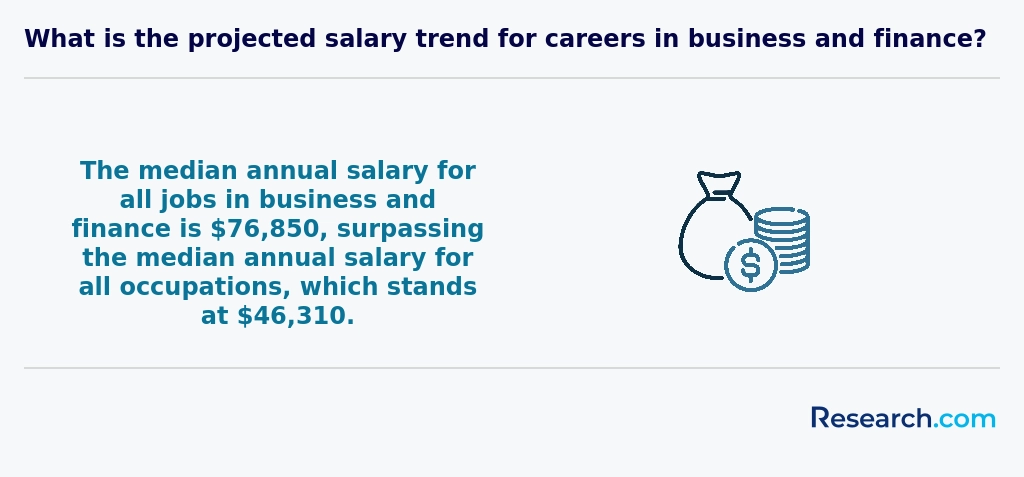
Students pursuing an online finance degree in America can access a variety of financial aid options tailored to ease the cost burden. Graduates from prominent institutions like the University of Pennsylvania's Wharton School often highlight the pivotal role of federal financial aid in their education journeys. Completing the Free Application for Federal Student Aid (FAFSA) opens pathways to valuable resources such as Pell Grants, which may provide up to $7,395 annually for eligible low-income students, and federal loans with lower interest rates and flexible repayment plans.
Many students studying finance online at schools like Indiana University Kelley School of Business benefit from state-specific aid programs, such as California's Cal Grant offering up to $12,570 for in-state attendees. Institutional scholarships, designed for online learners, frequently reward merit or need, significantly reducing expenses.
Working professionals find employer tuition assistance particularly encouraging, making career advancement through a finance degree financially achievable. Combining these aids creates a supportive funding landscape for finance students nationwide.
Enrolling in an online finance degree program in America typically requires a high school diploma or its equivalent, such as a GED. This foundational credential is essential for admission to institutions like the University of Pennsylvania or Indiana University, well-known for their online finance offerings. Many applicants also strengthen their candidacy by submitting standardized test scores such as the SAT or ACT, although numerous schools have adopted test-optional policies recently, easing access for many prospective students.
Successful applicants often provide academic transcripts demonstrating solid performance in mathematics, economics, and business courses, with many programs expecting a minimum GPA between 2.5 and 3.0. Graduates from top-ranked programs frequently emphasize how strong quantitative skills prepared them for advanced financial analysis and problem solving in demanding courses.
Technical readiness is crucial-reliable internet, a suitable computer, and digital literacy enable seamless interaction with video lectures and online assignments. Personal statements and letters of recommendation may also be requested, allowing candidates to express their passion for finance and career aspirations, which often resonate positively with admissions committees.

Online finance degree programs in America typically include a range of essential courses that prepare students for diverse financial careers. Graduates from respected universities often highlight courses like Principles of Finance, which introduce them to financial management basics and investment decision-making, crucial for managing personal and corporate assets.
Corporate Finance courses build on this foundation by teaching capital budgeting and financial analysis, skills graduates have used directly when working on projects involving real company finances. Financial Markets and Institutions classes expose students to the workings of stock exchanges and banking systems, making complex financial systems more tangible through case studies based on U.S. markets.
Investment Analysis equips students with methods to evaluate securities and construct portfolios, often reflected in hands-on assignments found in programs at well-known colleges. Accounting courses deepen understanding of financial reporting, while Economics and Business Statistics provide the analytical tools to interpret financial data effectively.
Many students also appreciate electives like International Finance or Risk Management, which broaden their expertise and confidence, reinforcing their career readiness in a competitive American job market.
Online finance degree specializations in America encompass a range of focused areas designed to match diverse career goals. Students pursuing these programs benefit from concentrations such as Corporate Finance, which prepares graduates for roles in financial management and investment decisions within leading firms. Investment Banking and Portfolio Management is another prominent specialization, ideal for those targeting Wall Street careers or asset management positions, offering intensive training in market analysis and securities management. Many students express satisfaction in choosing Financial Planning and Wealth Management, which develops skills for advising clients on retirement and tax strategies, reflecting a growing demand for personalized financial advisory services. Notably, Risk Management and Insurance equips learners to handle financial risks and compliance, a critical field for firms navigating complex regulations. Emerging as highly sought after, Financial Technology (FinTech) prepares students for innovation-driven roles involving blockchain and digital payments, aligning with future industry trends.
Graduates from reputable colleges across America highlight how online finance degree specializations USA provide flexibility without compromising depth. The ability to align coursework with certifications like CFA or CFP enhances their professional growth and confidence in competitive markets. Prospective students can explore programs in detail, including the Most Affordable Finance Degree Programs Ranking in Maryland, which showcases schools balancing quality and cost, appealing to those looking to advance careers while managing expenses.
When selecting the best online finance degree in America, accreditation should be your foremost priority. Graduates from well-known institutions like the University of Pennsylvania or University of Michigan often emphasize how accreditation by bodies such as AACSB or ACBSP elevated their career prospects, guaranteeing employers recognize their credentials. Cost is another vital factor; many students appreciate programs at public universities for their affordable in-state tuition, though private schools may offer superior resources.
Curriculum relevance is crucial. Successful alumni recall how courses covering investment management, corporate finance, and risk management prepared them to tackle real-world challenges confidently. Programs offering electives in emerging fields like financial technology and data analytics better align with evolving market demands. For those aiming to achieve professional designations, selecting courses compatible with certifications such as the CFA adds significant value.
Flexibility also matters, especially for working adults balancing family or jobs. Schools with asynchronous classes and robust support services-offering career counseling and internship placements-enhance satisfaction and outcomes. To optimize your investment, review employment and graduation rates through resources like the U.S. Department of Education's College Scorecard. You might also explore best 6 month certificate programs that pay well to complement your finance degree. Searching for the best online finance degree programs USA with these factors in mind will help secure a rewarding and affordable education.
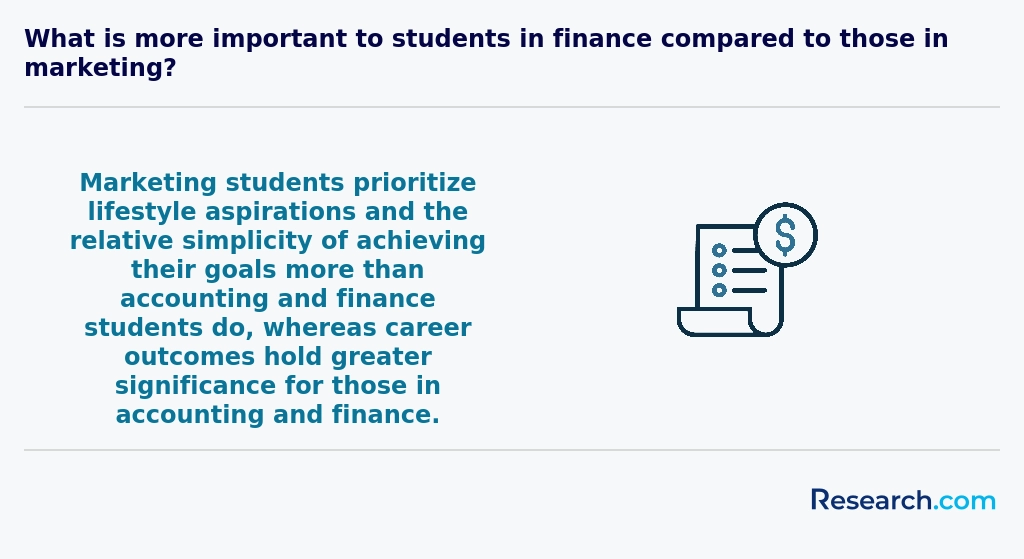
Graduates holding an online finance degree in America often embark on diverse career paths within the financial sector. Many find success as financial analysts, a role that involves evaluating investment opportunities and providing strategic advice-a common ambition among students from universities renowned for finance programs. These professionals earn a median annual wage near $89,000, reflecting their critical role in asset management. Others pursue careers as financial managers, responsible for overseeing corporate financial health and strategy, with salaries exceeding $140,000, indicative of the expertise demanded.
Positions like loan officers and credit analysts offer practical entry points into banking, combining quantitative skills with interpersonal acumen. Personal financial advisors are another growing profession, assisting clients with investments and retirement planning; demand in this area is projected to rise by 14% through 2032. Graduates at leading American colleges appreciate how their degrees open doors to the best finance careers in USA, enabling roles in corporate finance, risk management, and portfolio management.
For students exploring affordable study options, many also consider easy associate degrees to get as a stepping stone toward these opportunities. The online format delivers flexibility while preparing graduates for thriving job opportunities in America's financial landscape.
The job market for graduates with an online finance degree in America remains robust and promising. Employment in business and financial roles is expected to grow by 7% through 2031, signaling healthy demand for skills gained from finance programs at leading U.S. universities. Graduates from institutions known for their finance curricula often secure positions as financial analysts, advisors, and accountants, finding fulfillment in dynamic workplaces such as Wall Street firms or major corporate finance departments.
Many students earning an online finance degree report positive experiences combining flexible study schedules with internships in metropolitan hubs. The strong reputation of accredited online programs enables graduates to confidently enter competitive job markets across the country. These finance graduates reflect optimistic career outlooks, especially when equipped with certifications or practical experience in technology-driven areas like fintech and data analytics.
The encouraging landscape for online finance degree job prospects USA highlights the value of investing in an education that balances affordability and opportunity. Students seeking accelerated paths may also explore options like a quickest associates degree to build foundational skills quickly before pursuing finance careers.
2027 Most Valuable Online Bachelor's in Finance Degree Programs Ranking in the USA
Investing in your education is a significant decision that can shape your future, and the Research.com team understands the importance of making informed choices. To assist prospective students in selecting the best online bachelor's degree programs in finance, we have meticulously developed the "2027 Most Valuable Online Bachelor's in Finance Degree Programs Ranking in the USA." Our commitment to quality, credibility, and accuracy is demonstrated through the thorough research and analysis undertaken to create this ranking.
We utilized the following reputable data sources to ensure a comprehensive evaluation of finance programs:
By consulting this ranking, readers will gain valuable insights that empower them to make well-informed decisions about pursuing an online finance degree that aligns with their career goals and personal needs. For more information about the methodology behind this ranking, please visit our Research.com methodology page.


# 5 position
Penn State University Park
Bachelor of Finance





# 19 position
Western Governors University
Bachelor of Finance


Frequently Asked Questions About finance
To maximize their learning experience, online finance degree students in America should actively engage with interactive course materials and participate in discussion forums. According to the National Center for Education Statistics (NCES), students who interact regularly with peers and instructors tend to retain information better.
Setting a consistent study schedule is crucial. The U.S. Bureau of Labor Statistics (BLS) notes that time management skills correlate with higher graduation rates in online programs. Students should also seek out virtual internships or finance-related projects to apply theory in real-world contexts.
Utilizing additional resources such as the Financial Industry Regulatory Authority (FINRA) website and LinkedIn Learning can provide valuable insights. Lastly, networking through virtual finance clubs or organizations can expose students to current industry trends and job opportunities, enhancing both knowledge and career prospects.
The finance field in America is rapidly evolving, with several emerging niches gaining importance. One prominent area is financial technology (FinTech), which blends finance and digital innovation to improve services like payments, lending, and wealth management. According to the U.S. Bureau of Labor Statistics, demand for FinTech skills is expected to grow significantly through 2030.
Another promising niche is ESG (Environmental, Social, and Governance) investing, reflecting increasing focus on sustainable and ethical investments. The US sustainable investment market now represents over $17 trillion in assets, per the Forum for Sustainable and Responsible Investment (USSIF).
Additionally, data analytics in finance is expanding fast. Companies seek professionals who can interpret big data to guide investment and risk management decisions. Online finance degrees are increasingly incorporating these specialties to meet industry needs.
After earning an online finance degree in America, preparing for the job market requires strategic steps. Begin by gaining practical experience through internships or part-time roles; the U.S. Bureau of Labor Statistics notes that internships can increase job prospects significantly. Networking is equally crucial; joining professional organizations like the CFA Institute or local finance clubs helps connect with industry experts and potential employers.
Additionally, certification can enhance employability. Programs such as the Chartered Financial Analyst (CFA) certification are highly regarded in U.S. finance careers. Develop strong technical skills including proficiency in Excel, financial modeling, and data analytics, which are frequently requested by American employers.
Staying updated with U.S. financial regulations and trends, such as changes by the Securities and Exchange Commission (SEC), also adds value. Preparing tailored resumes and practicing interview skills focused on finance roles will improve your chances of entering the competitive U.S. finance job market.
Employers in the United States prioritize a blend of technical and interpersonal skills when hiring finance degree graduates. Analytical skills rank highest, as graduates must interpret complex financial data to support decision-making. According to the National Association of Colleges and Employers (NACE), 81% of finance employers value proficiency in data analysis and financial modeling.
Strong communication skills are also essential, allowing graduates to clearly explain findings and collaborate with diverse teams. Additionally, financial regulations knowledge is critical due to evolving compliance requirements.
Proficiency in software like Excel, SQL, and Bloomberg Terminal is often required, reflecting the digital transformation in finance roles nationwide.
Finding internships relevant to a finance degree in America requires a strategic approach. Many universities with online finance programs have dedicated career centers that list opportunities with banks, investment firms, and corporate finance departments. According to the National Association of Colleges and Employers (NACE), finance internships tend to offer strong pathways to full-time employment, with about 60% conversion rates in recent years.
Students should also use platforms like Handshake and LinkedIn, filtering for finance internships in top financial hubs such as New York, Chicago, and San Francisco. Networking through professional organizations like the CFA Institute or local chapters can further open doors.
Applying early and tailoring resumes to highlight analytical and technical skills are key steps recommended by career experts.
Obtaining an online finance degree in America significantly enhances career mobility and advancement opportunities. Employers increasingly recognize accredited online degrees as equally valid, especially from reputable institutions, broadening access to diverse finance roles.
According to the U.S. Bureau of Labor Statistics, finance-related occupations are projected to grow 7% from 2022 to 2032, faster than the average for all jobs. Completing an online finance degree equips graduates with key skills in financial analysis, risk management, and investment strategies, making them competitive candidates for promotions and salary increases.
Additionally, online programs offer flexibility, enabling professionals to pursue education without interrupting their careers, which supports continuous professional development and upward mobility.
Studying for a finance degree in America equips students with skills that extend beyond traditional finance roles. U.S. programs typically incorporate interdisciplinary coursework in economics, data analysis, business law, and information technology. This diverse curriculum prepares graduates to tackle complex challenges across sectors.
According to the U.S. Bureau of Labor Statistics, finance professionals increasingly collaborate with IT, marketing, and management teams, highlighting the value of interdisciplinary knowledge. Many online finance degrees also emphasize communication and critical thinking, essential for roles bridging finance and other fields.
Moreover, finance students often engage with real-world case studies involving cross-functional business problems. This practical exposure fosters adaptability applicable to careers in consulting, corporate strategy, or financial technology (fintech).
Choosing between a thesis and a non-thesis finance degree program in America depends largely on your career goals and learning preferences. Thesis programs focus on research and require students to produce an original paper, which is ideal for those considering graduate school or roles in financial analysis and economic research. Non-thesis programs often emphasize practical skills and coursework, suitable for students aiming to enter the workforce quickly in fields like corporate finance or financial planning.
According to the National Center for Education Statistics, about 40% of finance degree graduates pursue employment immediately, while 25% continue with further education. This highlights the importance of selecting a format that aligns with your professional plans.
Additionally, thesis tracks may demand more time and dedication, often extending program length, whereas non-thesis options usually offer more flexibility for working students. Understanding these differences will help in making an informed choice.
American students seeking to study finance abroad have several options through online programs offered by accredited U.S. institutions with international partnerships. Many universities now provide global learning opportunities via virtual exchange programs, allowing students to experience diverse financial systems without relocating. According to the National Center for Education Statistics, over 30% of U.S. undergraduates enroll in online courses, highlighting growing accessibility.
Additionally, some institutions collaborate with foreign universities to offer joint online degrees, combining American financial education standards with international perspectives. This approach helps students understand global markets while earning a U.S.-recognized credential. Popular destinations for study abroad physical exchanges include the UK, Canada, and Australia, but current online trends mitigate travel barriers. This flexibility benefits those balancing work and study while expanding their global finance knowledge base.
Part-time jobs can significantly enhance the learning experience of students pursuing online finance degrees in America. Popular roles include financial analyst internships, bookkeeping positions, and bank teller jobs, which provide practical insights into finance theories. According to the U.S. Bureau of Labor Statistics, financial analyst roles are expected to grow 11% from 2022 to 2032, indicating strong job prospects.
Many students also find opportunities in accounting firms or as tax preparers during tax season. These roles offer valuable exposure to financial regulations and tax codes, reinforcing academic knowledge.
Additionally, remote assistant roles for financial advisors are gaining popularity, offering flexible hours compatible with online studies.
Online finance students in America have access to numerous networking opportunities that can enhance their career prospects. Many accredited universities offer virtual career fairs and networking events specifically for remote learners, connecting students with alumni and industry professionals.
Professional organizations such as the Financial Management Association International (FMA) and the National Association of Personal Financial Advisors (NAPFA) provide student memberships, webinars, and regional meetups, helping online students build valuable contacts in finance.
LinkedIn groups and dedicated online communities also serve as platforms for students to engage in discussions and share job openings. According to the National Center for Education Statistics, over 30% of finance graduates find jobs through networking, highlighting its importance in career advancement.
Alumni networks provide essential support for online finance degree students in America by connecting them to a broad community of former graduates. These networks offer access to mentorship, industry insights, and exclusive job opportunities in the competitive finance sector. According to the National Association of Colleges and Employers (NACE), 70% of jobs are secured through networking, underscoring the value of such connections.
Through alumni events, webinars, and online platforms, students can build professional relationships that often lead to internships or entry-level positions in banks, investment firms, or corporate finance departments. Many universities report that active alumni networks increase graduate employment rates by up to 15% within six months after degree completion.
Additionally, alumni often share real-world finance trends, regulatory updates, and practical advice, enhancing the educational experience beyond classroom lessons. This support is especially important in fast-evolving fields like finance, where staying informed is key to career growth.
Customizing an online finance degree program in America allows students to align their studies with specific career goals. Many universities offer elective courses in areas such as investment analysis, corporate finance, and financial planning. Selecting these electives helps tailor the degree toward roles like financial analyst or wealth manager.
Students can also pursue specializations or concentrations within finance degrees. For example, some programs feature tracks in risk management or financial technology (FinTech), reflecting current industry demands.
Internship and capstone project opportunities offered through online programs provide practical experience valuable in the competitive US finance job market. According to the U.S. Bureau of Labor Statistics, finance-related occupations are projected to grow 7% from 2022 to 2032, emphasizing adaptable skill sets.
Online finance students in America often face challenges related to self-discipline and time management. Without the structure of traditional classrooms, staying motivated can be difficult. According to a 2023 report by the National Center for Education Statistics, nearly 20% of online learners struggle with timely course completion.
Another common issue is limited access to real-time interaction with faculty and peers, which may affect understanding complex finance topics like investment strategies or risk management. Networking opportunities, crucial in the finance industry, can also be harder to develop online.
Technical problems and varying levels of digital literacy further complicate learning experiences. Students must adapt quickly to platforms used by institutions, such as Canvas or Blackboard.
With an online finance degree in the United States, several professional certifications become available to enhance your career prospects. Popular options include the Certified Financial Planner (CFP), which requires specific education and experience in financial planning, and the Chartered Financial Analyst (CFA) designation, known for its rigor and prestige in investment management. According to the CFA Institute, over 170,000 professionals worldwide hold the CFA credential.
The Certified Public Accountant (CPA) license is another path for finance graduates interested in accounting and auditing, requiring passing exams and meeting state-specific experience requirements. Additionally, the Financial Risk Manager (FRM) certification is valuable for roles in risk management, regulated by the Global Association of Risk Professionals. Each certification can boost earning potential and job security in the competitive finance sector.
When applying for an online finance program in America, it is crucial to present a clear, well-organized application. Start by highlighting your academic background, especially coursework related to math, economics, or business. Admissions committees value applicants with strong quantitative skills, as these are fundamental in finance careers.
Include relevant work experience or internships, demonstrating your practical understanding of financial concepts. According to the U.S. Bureau of Labor Statistics, finance jobs are expected to grow 6% between 2021 and 2031, making experience a key differentiator.
Finally, write a compelling personal statement explaining your career goals and why you chose this program. Use specific examples and show your passion for finance.
The global perspective on a finance career highlights strong demand for skilled professionals across diverse markets. In the U.S., finance roles are projected to grow 8% from 2022 to 2032, faster than the average for all occupations, according to the Bureau of Labor Statistics. This growth is driven by globalization, technological innovation, and complex financial regulations.
Finance professionals versed in international markets and cross-border transactions gain a competitive advantage. Online finance degrees in America often integrate global financial practices, preparing graduates for careers both domestically and internationally.
Moreover, U.S. finance graduates benefit from high earning potential, with the median annual wage exceeding $80,000, according to BLS data. This aligns with worldwide trends emphasizing strategic decision-making and risk management skills in finance.
Gaining practical experience while pursuing an online finance degree in America is vital for career readiness. Many programs offer internship opportunities, allowing students to work with financial firms remotely or locally. According to the National Association of Colleges and Employers, 60% of employers prefer candidates with relevant internship experience.
Students can also engage in virtual simulations and case studies that mirror real-world finance challenges. Additionally, professional organizations like the Financial Management Association provide student memberships with access to networking and finance competitions.
Some universities partner with companies to offer co-op programs, combining coursework with paid work experience. Volunteering for nonprofit financial advising or personal finance workshops can enhance practical skills too. These options help build a strong resume before graduation.
Choosing the right concentration within an online finance degree program depends on your career goals and interests. Finance offers various specializations such as corporate finance, investment analysis, financial planning, and risk management.
Consider labor market demand. For example, the U.S. Bureau of Labor Statistics projects a 17% growth in financial analyst roles between 2022 and 2032, faster than average (BLS.gov). Concentrations aligned with this trend may offer better job prospects.
Also, assess the curriculum and ensure it covers practical skills like data analysis, financial modeling, or compliance regulations-skills valued by employers.
Finally, check if the program is accredited by recognized agencies like AACSB or ACBSP, which indicate quality education standards important for employers and certification eligibility.
See What Experts Have To Say About Studying Finance
Read our interview with Finance experts

Ekaterina Potemkina
Finance Expert
Assistant Professor of Finance
Indiana University

Jason James Sandvik
Finance Expert
Assistant Professor of Finance
University of Arizona

Andrew Karolyi
Finance Expert
Dean of the Cornell SC Johnson College of Business
Cornell University

- Why Alumni Networks Matter in Business School: 7 Reasons https://europe.ceibs.edu/article/why-alumni-networks-matter-business-school
- Top Ways to Leverage a Finance Degree – AP Professionals Rochester https://rochesterap.com/top-ways-to-leverage-a-finance-degree/
- International Finance (English) Master Programme (Thesis and Non-Thesis) - GRADUATE SCHOOL OF TRADE AND FINANCE https://ticaret.edu.tr/ticaret-ve-finans-enstitusu/en/ma-in-international-finance/
- International Finance Careers: A Comprehensive Guide https://survey.moorlandassociation.org/moorlandassociation-news/international-finance-careers-a-comprehensive-guide-1767647521
- 10 Challenges of Financial Management & How to Overcome Them https://itservices.saglobal.com/blogs/10-challenges-finance-teams-face/
- Study Finance Abroad | Go Overseas https://www.gooverseas.com/study-abroad/finance
- The Rise of Niche Jobs in Africa’s Finance Sector | CA Global https://www.caglobalint.com/post/the-rise-of-niche-jobs-in-africas-finance-sector/
- What Major is Best for Finance? Top 10 Picks https://zoetalentsolutions.com/what-major-is-best-for-finance/
- Best Finance Degrees Online | Accounting.com https://www.accounting.com/degrees/finance/bachelors/best-online-programs/
- How applied finance can boost your career goals | Kaplan Professional https://www.kaplanprofessional.edu.au/blog/how-applied-finance-courses-can-boost-your-career-goals/


