
2027 Most Affordable Finance Degree Programs Ranking in Tennessee

Co-Founder and Chief Data Scientist
Exploring finance degree programs in Tennessee just got easier. This article introduces the 2027 Most Affordable Finance Degree Programs Ranking in Tennessee, developed by the Research.com team of data scientists. It's designed to help you find affordable, quality options that fit your budget and career goals.
Choosing the right program can be overwhelming, but this ranking simplifies the process with reliable data. Earning a finance degree opens doors to rewarding opportunities, and knowing which programs offer the best value can boost your confidence on this journey.
Key benefits of getting finance degree in Tennessee
- Finance degree graduates in Tennessee can expect strong earning potential, with salaries like $150,670 for Financial Advisors and $112,950 for Financial Analysts, reflecting rewarding financial careers.
- Popular universities in Tennessee offer diverse finance career paths ranging from investment banking and credit analysis to insurance underwriting, enabling graduates to find roles that suit their skills and interests.
- Online finance degrees from well-known Tennessee schools provide flexible learning schedules and often lower costs, making it easier to balance work and study while still accessing quality education.
- 2027 Most Affordable Finance Degree Programs Ranking in Tennessee
- What can I expect from finance degree in Tennessee?
- Where can I work with finance degree in Tennessee?
What can I expect from finance degree in Tennessee?
In Tennessee, the average cost of pursuing a finance degree is impressively affordable, especially compared to national prices. Graduates from schools like the University of Tennessee system or Belmont University often share how the in-state tuition typically ranges between $9,000 and $12,000 per year at public universities, making hands-on financial education accessible without overwhelming debt.
Imagine diving into your studies at Middle Tennessee State University, while knowing the cost won't weigh you down-many students find this financial balance empowering. They focus more on mastering skills like financial modeling and data analysis with tools like Excel, while others in Nashville take advantage of internships that link academic concepts to real-world banking and investing scenes.
Such affordability inspires a sense of adventure in learning finance here. It opens doors to career-building experiences that graduates treasure long after leaving the classroom, confident their education was worth both the investment and the journey.
Where can I work with finance degree in Tennessee?
Finance graduates from institutions like the University of Tennessee or Vanderbilt find themselves stepping into dynamic roles across Tennessee's bustling financial landscape. Imagine joining a Nashville bank where you analyze loan portfolios or advising clients in Memphis on smart investment choices. These real-world roles turn classroom theories into powerful career moves.
Many grads discover thrilling opportunities in corporate finance with companies like FedEx or HCA Healthcare, where managing budgets and strategic planning become part of daily challenges. Others dive into the insurance world, sharpening skills in actuarial analysis and underwriting with firms such as State Farm right in their backyard.
Exploring public sector careers is equally exciting, with paths opening at the Tennessee Department of Treasury or local governments-perfect for those who enjoy economic planning and financial reporting that impact communities directly.
Each route offers a chance for discovery, growth, and real impact, making a finance degree in Tennessee a passport to diverse and rewarding careers across vibrant urban centers and beyond.
Graduates with a finance degree in Tennessee step into an exciting world where their earning potential can soar impressively. For example, fresh graduates from popular schools like the University of Tennessee often find roles as financial analysts, earning mean annual wages near $112,950, reflecting competitive opportunities right in their backyard. Imagine landing a job where your paycheck hits these figures while exploring a vibrant city like Knoxville or Nashville.
Other graduates pursue paths as financial advisors, where the thrill of combining steady salaries with commissions can push total earnings well above $150,000. Those starting out as credit analysts or insurance underwriters can expect mean annual wages around $94,750 and $85,610 respectively, giving a solid financial launchpad in Tennessee's diverse job market.
Many students from institutions like Belmont University discover that attaining certifications alongside their degree often unlocks higher pay and exciting career adventures. With finance professionals thriving in urban hubs filled with big corporations and financial firms, the journey for Tennessee graduates is as rewarding as it is promising.
- In-state tuition for finance degrees at public universities in Tennessee ranges from $10,000 to $12,000 annually.
- Private institutions charge between $20,000 and $35,000 per year for finance programs.
- Entry-level finance salaries in Tennessee typically range from $50,000 to $60,000 per year, increasing to $75,000-$90,000 with experience.
- Finance job growth in Tennessee is strong, especially in sectors like health care, banking, manufacturing, and real estate.
- Many Tennessee schools offer internships and cooperative education to provide practical experience.
Others enjoy the flexibility of part-time study, stretching their academic journey beyond four years while managing work and life. Community colleges offer a quicker two-year pathway with associate degrees, perfect for those seeking foundational knowledge before aiming higher. This blend of options in Tennessee makes the finance degree journey uniquely adaptable to your personal goals and lifestyle, promising both growth and opportunity.
Choosing between an online and on-campus finance degree in Tennessee feels like stepping into two distinct adventures. On-campus programs at schools like the University of Tennessee or Belmont University immerse students in lively campus life, where the buzz of finance clubs and face-to-face chats with professors create a dynamic learning vibe. Graduates often cherish the hands-on experiences-from internship fairs to finance labs-that bring theory to life and build lasting connections.
Meanwhile, online learners at institutions such as Middle Tennessee State University enjoy a flexible journey, fitting classes around jobs or family time. Imagine logging in at midnight after a busy day or diving into coursework during a coffee break. While the tuition may mirror on-campus fees-about $8,400 annually for in-state public universities-online students save on commuting and housing, turning flexibility into a practical perk.
Both paths are accredited, but graduates advise checking if the online program has AACSB recognition, a treasure for future career or grad school quests. Whether it's the energizing campus buzz or the freedom of remote study, Tennessee's finance degrees offer something exciting for every explorer.
The average cost of a finance degree Tennessee students often consider reflects an exciting blend of opportunity and investment. Public universities in Tennessee offer a more affordable path, with in-state students facing a median total cost around $18,801 for their four-year journey. This accessibility allows many graduates to embrace their studies with less financial stress, focusing on building skills rather than solely managing expenses. Out-of-state students should prepare for higher costs, near $36,476, but many find the experience valuable given the quality and connections they gain.
Private schools such as Lipscomb University and Belmont University, popular choices for finance majors, present a different scene. Graduates from these institutions often share stories of a more intimate learning environment and specialized resources, though the price can be steep. These schools can push total costs beyond the public university range, yet many find the investment worthwhile for the unique opportunities and career preparation they receive.
Considering the finance degree tuition and fees Tennessee requires, textbooks, housing, and supplies also add to the budget, shaping a real-life picture of college expenses. Many students discover that scholarships and programs like Tennessee Promise help brighten their financial outlook, empowering them to focus on their passion for finance.
For those eager to explore the path forward, learning how to become a financial manager is a thrilling next step after understanding these costs and considering the rich educational landscape Tennessee offers.

Earning a finance degree in Tennessee lays a strong foundation, but pursuing industry-recognized certifications can significantly boost your marketability, salary potential, and expertise. Here are the top credentials to consider: • Chartered Financial Analyst (CFA): Widely regarded as the gold standard for investment professionals, the CFA program covers portfolio management, ethics, and equity analysis. Passing all three levels demonstrates advanced analytical skills and global finance knowledge. • Certified Financial Planner (CFP): Ideal for those focused on personal financial planning, the CFP designation emphasizes retirement, estate planning, and tax strategies. It enhances trust with clients and can lead to higher advisory fees. • Financial Risk Manager (FRM): Offered by the Global Association of Risk Professionals, the FRM credential specializes in market risk, credit risk, and operational risk. It’s highly valued in banking and corporate risk departments. • Certified Public Accountant (CPA): Essential for roles in auditing, tax, and financial reporting, the CPA license requires passing a rigorous exam and meeting state-specific experience requirements. It opens doors to leadership positions in accounting firms and corporate finance. • Certified Treasury Professional (CTP): Focused on cash management and corporate treasury operations, the CTP certification is perfect for professionals managing liquidity and funding strategies. Preparing for these exams typically involves 300–400 hours of study per level and costs ranging from $1,000 to $3,000 in fees and materials. Many Tennessee universities and online platforms offer prep courses and study groups to help you succeed. For graduates aiming to move into strategic leadership roles, understanding how to become a financial manager provides a clear roadmap to senior-level responsibilities, from team oversight to long-term financial planning. Investing in the right certification not only validates your expertise but also aligns your credentials with employer expectations in Tennessee’s competitive finance sector.
Imagine starting your finance degree journey in Tennessee with a mix of excitement and a bit of worry about tuition fees. Luckily, federal financial aid like the Pell Grant can lift up to $7,395 off your bill each year without needing repayment-many finance students at the University of Tennessee have found this a game-changer. Then there's state aid: the Tennessee Student Assistance Award (TSAA) offers up to around $2,250 yearly for those attending public universities, easing the load for those focused on finance.
At colleges such as Vanderbilt or Middle Tennessee State University, finance graduates often remember snagging scholarships ranging from $1,000 to $5,000, awarded for merit or financial need. Plus, the HOPE and HOPE Lottery Scholarships reward GPA achievements, giving you tangible targets to aim for while pursuing that degree.
Beyond grants, federal student loans with friendly repayment terms help bridge gaps, and work-study jobs offer a chance to gain finance-related experience while earning. Filling out the FAFSA early is a smart move; many finance students here credit it with opening their path to success.
Investing in a finance degree requires a clear understanding of how tuition costs translate into career earnings. On average, Tennessee residents pay approximately $24,000 per year for in-state tuition in public universities and up to $37,000 annually at private institutions. Graduates entering roles such as financial analysts and credit analysts report starting salaries between $57,728 and $92,180, allowing many to recoup their educational investment within four to six years. When calculating ROI, consider the total cost of attendance-including fees, books, and living expenses-against median early-career salaries. For example, a student who graduates debt-free through scholarships and grants may see an ROI exceeding 150% over ten years, while those financing 70% of costs through loans might still achieve a positive return in under a decade. These figures demonstrate the long-term value of a finance degree, especially when paired with internships and part-time roles that reduce the need for student loans. For students seeking even more budget-friendly pathways, our Inexpensive Online Finance Degree Programs Ranking in Columbia, MO provides a detailed comparison of programs that minimize out-of-pocket expenses while maintaining strong job placement rates. By leveraging state-specific financial aid, employer tuition reimbursement, and accelerated degree options, prospective students can optimize net present value (NPV) and maximize lifetime earnings. Ultimately, a strategic approach to financing education-balancing scholarships, work-study, and loan repayment plans-ensures a robust ROI, solidifying a finance degree in Tennessee as a high-value investment for career growth.
To embark on a finance degree journey in Tennessee, aspiring students often start with a solid foundation: a high school diploma or GED. Imagine yourself walking through the doors of the University of Tennessee, where many graduates recall meeting minimum ACT scores around 21 or SAT scores near 1060 as key steps towards acceptance. Yet, with many schools embracing test-optional policies, there's a refreshing flexibility that lets your unique story shine beyond numbers.
Official transcripts showcasing strengths in algebra, statistics, and economics often become your academic passport. Finance students from Belmont University often share how early coursework in accounting and microeconomics made complex concepts feel like exciting puzzles rather than obstacles.
Transfer students frequently discover that completing introductory business or economics courses opens doors to upper-division studies. Application processes usually include a fee between $25 and $50, impacting many students but highlighting the real investment in their future. These prerequisites in Tennessee create a roadmap filled with challenges met and milestones celebrated.
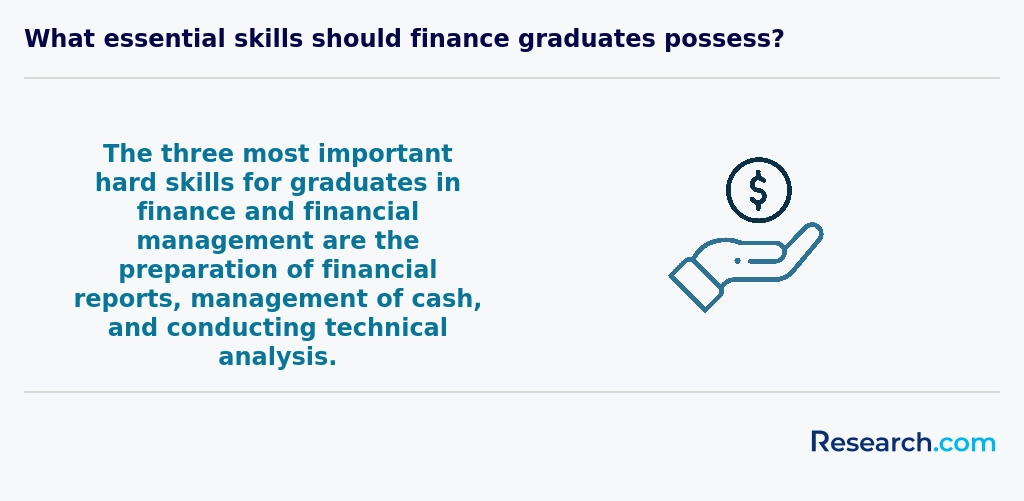
Diving into a finance degree in Tennessee feels like unlocking a toolkit designed for real-world success. At universities like the University of Tennessee or Belmont College, students jump right into core classes such as Principles of Finance and Financial Accounting, where they learn the fundamentals of managing money and understanding market movements. Imagine sitting in class solving real business cases or analyzing a local company's financial health-these courses bring the theory to life.
Beyond basics, students eagerly tackle advanced subjects like Corporate Finance and Investment Analysis and Portfolio Management, sharpening skills to navigate complex financial landscapes. Graduates often recall how projects in Risk Management and Insurance taught them to strategize for unexpected challenges, creating a sense of confidence and readiness for their careers.
Alongside finance-specific classes, many students explore business law and ethics, revealing the crucial rules and moral compass guiding the finance world in Tennessee's vibrant economy. Electives, from real estate finance to international finance, let learners tailor their path, making each degree truly an adventurous journey toward their unique ambitions.
Diving into finance degree specializations in Tennessee opens a world of exciting possibilities tailored to your career ambitions. Imagine yourself at a leading Tennessee university, exploring Financial Planning-a path chosen by graduates who find joy in crafting personal retirement strategies and wealth management plans for individuals and small businesses. Or picture the thrill of mastering Investment Analysis and Portfolio Management, where students sharpen their skills analyzing markets and balancing portfolios, ready to thrive in Nashville's bustling asset management scene.
Many students pursuing the best finance programs with specializations Tennessee offers discover a passion for Corporate Finance. Here, they tackle real corporate budgeting and risk challenges, often inspired by internships in Memphis' dynamic financial institutions. Others are drawn to Risk Management and Insurance, developing keen instincts for mitigating financial uncertainty.
Banking fans appreciate the hands-on experience in the Banking and Financial Institutions track, diving deep into lending practices and regulatory frameworks. For those looking to balance ambition and affordability, program options rank well, notably highlighted in the Inexpensive Online Finance Degree Programs Ranking in Columbia, MO.
To choose the best finance degree in Tennessee, start by seeking programs accredited by respected bodies like AACSB-this guarantees a high-caliber education recognized by employers. Graduates from universities such as the University of Tennessee share how their programs' focus on practical financial analysis and investment management prepared them for exciting careers in Nashville's bustling financial scene. Many student stories highlight the thrill of applying classroom theories directly during internships with local firms, offering a hands-on edge that shines on resumes.
When budgeting, remember that affordable finance colleges Tennessee include public institutions where residents pay significantly less, often around $10,000 yearly. This affordability lets students dive into their studies without overwhelming debt, opening the door to secure rewarding roles post-graduation. Others embrace flexible routes, exploring options like the one year online masters, which balances learning with real-world commitments and still upholds rigorous standards.
Finally, look for schools offering dynamic student resources-finance clubs, dedicated career services, and faculty deeply connected to Tennessee's finance sector-boosting confidence and opportunity for every aspiring finance professional ready to explore and thrive.

Graduates with a finance degree in Tennessee step into a world ripe with diverse career paths, reflecting the state's vibrant economy. Whether in Nashville's bustling banking sector or Memphis's dynamic logistics industry, students find themselves navigating real financial challenges and opportunities. Alumni from popular Tennessee universities often share how their roles as financial analysts plunge them into market trends that shape business decisions, sparking both excitement and confidence.
Jobs with a finance degree in Tennessee also stretch into government and non-profits, where graduates manage budgets and investments that impact communities. Some become savvy financial planners, guiding individuals through retirement strategies, while others dive into corporate finance, balancing budgets and steering companies toward growth. The thrill of risk management, particularly in insurance hubs around the state, pushes graduates to think critically and creatively.
Prospective students curious about these possibilities can explore further at open admission colleges in Tennessee, adventurous first steps toward a finance career filled with potential and discovery.
The job market for finance degree graduates in Tennessee is vibrant and full of opportunity. Students from universities like the University of Tennessee-Knoxville or Belmont University often find themselves stepping into roles such as financial analysts, budget analysts, and accountants, fueled by the strong demand within cities like Nashville and Memphis. This dynamic environment reflects the Tennessee finance career market outlook, where regional banks and healthcare giants provide solid entry points for emerging professionals.
Graduates frequently share stories of discovering their niche while interning with companies in Nashville's healthcare finance sector or with local financial advisory firms. This hands-on experience resonates with the state's steady job growth projected at around 7% through 2032, making the path promising and full of excitement for those curious to explore financial services.
When considering where finance education fits into this picture, many find Tennessee's affordable tuition appealing, especially when balanced against local salary ranges that encourage long-term financial stability. To explore more about career potential in related areas, check out what bachelor's degrees make the most money.
The landscape for finance degree job opportunities in Tennessee continues to encourage adventurous students to learn, grow, and thrive in a market anchored by diverse financial roles and evolving sectors.
2027 Most Affordable Finance Degree Programs Ranking in Tennessee
Investing in your education is a significant decision that can shape your future, and the Research.com team understands the importance of making informed choices. To assist prospective students in Tennessee, we have meticulously crafted the "2027 Most Affordable Finance Degree Programs Ranking in Tennessee." Our commitment to quality, credibility, and accuracy is reflected in the extensive research and analysis conducted to compile this ranking.
We utilized the following reputable data sources to ensure a comprehensive evaluation of finance degree programs:
By exploring this ranking, readers will gain valuable insights into the most affordable finance degree programs in Tennessee, helping them make well-informed decisions to optimize their educational investment. For more details on our methodology, please visit our Research.com methodology page.





Frequently Asked Questions About finance
Finance degree students in Tennessee can maximize their learning by engaging deeply with both coursework and practical experiences. Tennessee hosts several accredited universities offering finance programs aligned with the CFA Institute's standards, which helps students gain relevant skills valued by employers. Participation in internships, particularly in cities like Nashville and Chattanooga where financial services are growing sectors, can provide hands-on learning and networking opportunities. According to the Tennessee Department of Labor, finance and insurance jobs are expected to grow by 8% through 2030, reinforcing the importance of practical experience. Joining student finance clubs or attending local industry events also supports professional growth.
Emerging niches within the finance field in Tennessee reflect broader national trends, driven by technological advances and regulatory changes. One notable area is financial technology, or fintech, which integrates software solutions with financial services. According to the Tennessee Department of Economic and Community Development, fintech startups in Nashville have grown by over 25% since 2020, showing strong local demand for professionals skilled in blockchain, digital payments, and cybersecurity.
Another growing niche is sustainable finance, focusing on investments that consider environmental, social, and governance (ESG) factors. As Tennessee businesses adopt greener practices, finance graduates with expertise in ESG criteria are increasingly valuable.
Additionally, data analytics for financial decision-making is critical. Employers seek individuals able to analyze large data sets to improve risk management and customer insights, highlighting the importance of combining finance knowledge with data skills.
After earning a finance degree in Tennessee, preparing for the job market involves several key steps. Graduates should prioritize gaining practical experience through internships or co-op programs, which are often available at businesses in Nashville, Memphis, and Chattanooga-major economic hubs. According to the Tennessee Department of Labor and Workforce Development, finance-related jobs in the state are expected to grow by about 7% through 2030, indicating solid opportunities for entry-level candidates.
Building a strong professional network is crucial; attending local finance meetups and joining organizations such as the Tennessee Society of Certified Public Accountants can enhance connections. Additionally, obtaining certifications like CFA or CPA can boost employability.
Enhancing technical skills in Excel, financial modeling, and data analysis also aligns with employer expectations. Tennessee's finance sector tends to favor candidates comfortable with financial software and compliance regulations, especially in banking and healthcare industries.
Employers in Tennessee highly value finance degree graduates who demonstrate strong analytical and quantitative skills. These abilities are essential for roles involving financial modeling, budgeting, and risk assessment. According to the Tennessee Department of Labor and Workforce Development, proficiency in data analysis tools like Excel and SQL is increasingly sought after.
Communication skills also play a crucial role. Graduates must clearly explain complex financial concepts to clients and colleagues. Tennessee's growing finance sector emphasizes adaptability and critical thinking due to the dynamic nature of markets and regulations.
Additionally, knowledge of financial regulations and ethics is important to meet compliance standards in local businesses and government agencies.
To find internships in Tennessee relevant to a finance degree, start by exploring opportunities at local banks, investment firms, and corporate finance departments. Cities like Nashville and Memphis host many financial institutions offering internships to finance students. Utilize university career centers, which often have partnerships with these firms.
The Tennessee Department of Labor and Workforce Development reports steady growth in finance-related jobs, encouraging internships. Additionally, websites like Handshake and the Tennessee Higher Education Commission provide regional internship listings specifically for finance majors. Networking through finance clubs and local chapters of professional organizations, such as the CFA Society Nashville, is especially valuable.
A finance degree significantly enhances career mobility and advancement opportunities in Tennessee's competitive job market. Graduates with finance credentials have access to diverse roles such as financial analysts, advisors, and managers, especially in urban centers like Nashville and Memphis. According to the U.S. Bureau of Labor Statistics, Tennessee's finance-related occupations are projected to grow by approximately 5% from 2021 to 2031, reflecting steady demand.
Employers often prefer candidates with formal finance education because it provides a solid foundation in financial principles, accounting, and investment strategies. This qualification can accelerate promotions and salary increases, particularly in local industries like healthcare, banking, and insurance. Furthermore, professional certifications combined with a degree can further boost advancement prospects.
Studying for a finance degree in Tennessee equips students with skills applicable across multiple industries. Tennessee universities emphasize courses that blend finance with economics, accounting, and information technology, fostering interdisciplinary knowledge.
Students gain practical experience through internships in finance firms, healthcare, and manufacturing sectors, all significant to Tennessee's economy, which reported over 3.5 million employed individuals in 2023 (Bureau of Labor Statistics).
The integration of data analytics and financial modeling prepares graduates for roles that require technical and business acumen. This versatility allows them to work in diverse fields such as financial planning, corporate strategy, and risk management.
These programs often collaborate with local businesses, promoting real-world problem-solving skills relevant to interdisciplinary careers.
When choosing between a thesis and a non-thesis finance degree program in Tennessee, consider your career goals and learning style. A thesis option typically involves original research and is suited for students interested in academic, research, or advanced graduate studies. The non-thesis path focuses more on practical skills and coursework, appealing to those aiming to enter the finance workforce quickly.
Many Tennessee universities offer both options, with the thesis often required for roles involving quantitative analysis or economic research. According to the Tennessee Higher Education Commission, students pursuing finance degrees in 2023 showed a 15% higher job placement rate in industry positions when completing a non-thesis program.
Evaluate faculty expertise, program flexibility, and potential internships in local financial hubs such as Nashville. These factors affect the practical value of your education and your readiness for Tennessee's competitive finance job market.
Students in Tennessee seeking to study finance abroad have several practical avenues through their home institutions. Many Tennessee universities offering finance degrees participate in established study abroad programs that partner with schools worldwide. For example, the University of Tennessee and Belmont University provide structured exchanges in Europe, Asia, and South America, allowing students to earn credits toward their finance degrees.
Additionally, organizations like the Council on International Educational Exchange (CIEE) offer finance-related programs tailored to US students, including Tennesseans. Financial aid and scholarships are often available for eligible students, helping reduce costs abroad.
According to the Tennessee Higher Education Commission, approximately 7% of undergraduates engage in study abroad experiences, reflecting growing interest in international finance education among Tennessee students. These programs often include internships and global finance workshops, enhancing practical skills.
Part-time job opportunities in Tennessee that complement finance degree education include roles such as bank teller, financial services assistant, and accounting clerk. These positions offer practical experience with financial transactions, customer service, and basic bookkeeping, all of which enhance classroom learning.
According to the U.S. Bureau of Labor Statistics (2023), Tennessee has a growing demand for financial professionals, with sectors like banking and insurance expanding notably in cities like Nashville and Memphis.
Students can also seek internships with local investment firms or non-profits, providing exposure to financial analysis and portfolio management. These experiences help build skills needed for careers in finance.
Overall, Tennessee's diverse financial sector creates many part-time opportunities suitable for students aiming to strengthen their finance credentials.
Finance students in Tennessee benefit from numerous networking opportunities that connect them with industry professionals and potential employers. Many universities, such as the University of Tennessee and Belmont University, host finance clubs and organizations where students engage in events, guest lectures, and workshops.
Additionally, the Tennessee Bankers Association and the Financial Executives International Nashville chapter offer memberships and networking events accessible to students. These platforms allow for direct interaction with finance leaders across the state.
Tennessee's growing finance sector, including Nashville's status as a financial hub with over 200 finance-related firms, creates strong internship and mentorship possibilities. According to the Tennessee Department of Labor, finance is among the top three employment sectors in the region, enhancing practical connections for students.
Alumni networks offer significant benefits to finance degree students in Tennessee by providing valuable professional connections. These networks often include graduates working in major financial hubs like Nashville and Memphis, which helps current students access internship and job opportunities.
According to the Tennessee Higher Education Commission, strong alumni connections can increase employment rates for finance graduates by up to 15%. This is particularly important in a competitive industry where networking plays a key role in career advancement.
Additionally, alumni often provide mentorship, advice, and industry insights, helping students understand local economic trends and regulatory environments specific to Tennessee's finance sector.
In Tennessee, students can tailor their finance degree programs by selecting electives and concentrations that align with their career goals. Many universities offer specializations in areas such as corporate finance, investment analysis, or financial planning. For example, students might choose courses in risk management or banking to prepare for specific roles in the financial sector.
Additionally, practical experience through internships or cooperative education programs is common and highly encouraged. According to the Tennessee Higher Education Commission, nearly 65% of finance undergraduates participate in internships, enhancing career readiness.
Students should also explore dual degree and certificate options to broaden their expertise and marketability.
Finance students in Tennessee often face several challenges that can affect their academic and career progression. One common issue is the competitive job market, especially in metropolitan areas like Nashville and Memphis, where the demand for entry-level finance roles can outpace supply. According to the Tennessee Department of Labor and Workforce Development, finance-related employment growth is steady but modest, making practical experience critical for graduates.
Another challenge is managing the cost of education. While Tennessee offers some affordable options, students frequently encounter expenses related to textbooks and technology, which add to overall debt burden. Additionally, mastering complex subjects like investment analysis and financial modeling requires strong quantitative skills, which can be a hurdle for some students.
Finally, balancing internships or part-time jobs with rigorous coursework is a notable struggle. Practical finance experience is essential but demands time that might otherwise be spent on studies.
Graduates with a finance degree in Tennessee have several professional certification options to enhance their career prospects. Popular choices include the Chartered Financial Analyst (CFA) designation, which is highly valued in investment management and requires passing three exams.
Another common certification is the Certified Financial Planner (CFP), ideal for those interested in personal financial advising. It mandates education, an exam, and relevant work experience.
Additionally, Tennessee finance professionals often pursue the Certified Public Accountant (CPA) license, especially if their focus includes accounting or auditing. The CPA credential demands passing the Uniform CPA Exam and fulfilling state-specific experience requirements.
These certifications can significantly improve job opportunities, as reported by the Tennessee Department of Labor, which notes faster employment growth in certified finance roles across the state compared to non-certified positions.
To write a winning application for a finance program in Tennessee, start by highlighting your academic strengths, particularly in math and economics. Many Tennessee universities value applicants with strong quantitative skills, given the analytical nature of finance careers.
Include relevant experience such as internships or part-time jobs in financial services. This practical background signals your commitment and understanding of the field.
Tailor your personal statement to Tennessee's financial landscape. For example, mention how local industries like banking and healthcare finance align with your career goals.
Ensure your application includes strong letters of recommendation from instructors or employers familiar with your abilities.
According to the Tennessee Higher Education Commission, finance graduates from in-state programs earn a median annual salary around $65,000, underscoring the value of a quality application to access these opportunities.
Global perspectives on finance careers highlight increasing demand for professionals skilled in international markets and cross-border transactions. Finance graduates from Tennessee gain relevant skills valuable in multinational corporations and financial hubs worldwide. According to the Bureau of Labor Statistics, finance roles are expected to grow nationally by 17% from 2022 to 2032, reflecting strong global opportunities.
Tennessee's expanding financial sector, including Memphis and Nashville, offers practical experience tied to global commerce, especially in logistics and healthcare finance. Familiarity with international regulations and economic trends enhances employability. As global business environments evolve, Tennessee students with finance degrees can access careers in investment banking, corporate finance, and risk management internationally.
Gaining practical experience while studying for a finance degree in Tennessee can significantly enhance job prospects. Many Tennessee universities, such as the University of Tennessee and Belmont University, offer internship programs that connect students with local businesses and financial institutions. These internships often provide real-world insights into financial analysis, portfolio management, and risk assessment.
Additionally, students can participate in student-managed investment funds, where they actively make investment decisions using real money, developing hands-on skills. Attending finance-related workshops, networking events, and joining finance clubs also helps build professional connections within Tennessee's growing finance sector.
The Tennessee Department of Labor reports that internships in finance-related fields have increased by 12% over recent years, reflecting greater opportunities for practical training.
Choosing the right concentration within a finance degree in Tennessee depends on your career goals and industry interests. Common specializations include corporate finance, investment analysis, financial planning, and risk management. Tennessee's economy has strong sectors in healthcare, manufacturing, and banking, so aligning your focus with local industries can enhance job prospects.
Consider the University of Tennessee's finance program, which highlights concentrations like real estate and financial analytics, reflecting market demands. Research from the Tennessee Department of Labor emphasizes the growing need for financial analysts and planners, with a projected 7% job growth through 2030.
Evaluate course offerings, internship opportunities, and faculty expertise at schools to ensure they match your chosen path. Also, explore licensing or certification compatibility, such as CFA or CFP programs, if relevant to your concentration.
- 2027 Most Affordable Finance Degree Programs Ranking in Kentucky
- 2027 Most Affordable Finance Degree Programs Ranking in Alabama
- 2027 Most Affordable Finance Degree Programs Ranking in Missouri
- 2027 Most Affordable Finance Degree Programs Ranking in Arkansas
- 2027 Most Affordable Finance Degree Programs Ranking in Florida
- 2027 Most Affordable Finance Degree Programs Ranking in Louisiana
- 2027 Most Affordable Finance Degree Programs Ranking in Maryland
- 2027 Most Affordable Finance Degree Programs Ranking in Michigan
- 2027 Most Affordable Finance Degree Programs Ranking in Delaware
- 2027 Most Affordable Finance Degree Programs Ranking in New Jersey
See What Experts Have To Say About Studying Finance
Read our interview with Finance experts

Andrew Karolyi
Finance Expert
Dean of the Cornell SC Johnson College of Business
Cornell University

H. Kent Baker
Finance Expert
Professor at Department of Finance and Real Estate
American University

Ekaterina Potemkina
Finance Expert
Assistant Professor of Finance
Indiana University

- Master of Science (M.S.) Major in Quantitative Finance and Economics (Non-thesis Option) https://mycatalog.txstate.edu/graduate/mccoy-business-administration/finance-economics/quantitative-finance-economics-nonthesis/
- Getting a Finance degree: All you need to know https://www.study.eu/article/getting-a-finance-degree-all-you-need-to-know
- Top 10 Accounting and Finance Skills Employers Want | Tamarack Recruiting | Tamarack Recruiting https://tamarackrecruiting.com/top-10-accounting-and-finance-skills-employers-want-tamarack-recruiting/
- Why Alumni Networks Matter in Business School: 7 Reasons https://europe.ceibs.edu/article/why-alumni-networks-matter-business-school
- Finance Work Experience Reviews | Higherin https://higherin.com/search-reviews/work-experience/finance
- FINANCE AND BANKING (THESIS / NON-THESIS) - Lisansüstü Eğitim Enstitüsü https://lee.nisantasi.edu.tr/en/finance-and-banking-thesis-non-thesis-2/
- JA Personal Finance 2.0 https://easttennessee.ja.org/programs/ja-personal-finance-2-0
- Exploring Alternative Finance Careers: Niche Opportunities in Cambridge's Dynamic Sector https://www.cavillrobinson.co.uk/blog/2023/07/exploring-alternative-finance-careers-niche-opportunities-in-cambridges-dynamic-sector
- Associate Degree in Finance - Nashville State https://www.nscc.edu/academics/programs/finance.php
- Must-Have Skills for Accounting & Finance Graduates Entering Singapore’s Competitive Job Market https://www.lsbf.edu.sg/blog/accountancy-and-finance/must-have-skills-for-accounting-finance-graduates-entering-singapores-competitive-job-market


