2027 Most Affordable Finance Degree Programs Ranking in Michigan

Co-Founder and Chief Data Scientist
Choosing the right finance degree program in Michigan can be overwhelming. That's why we're here to help guide you through the options with the 2027 Most Affordable Finance Degree Programs Ranking in Michigan created by the Research.com team of data scientists.
This article offers clear, data-driven insights, making it easier for you to identify quality programs that fit your budget and goals. A finance degree opens doors to exciting career paths, and finding an affordable program means less stress about costs.
Discover affordable opportunities that set you on a path toward financial success and personal growth.
Key benefits of getting finance degree in Michigan
- Finance degree graduates in Michigan can earn attractive salaries, such as Financial Advisors making a mean annual wage of $150,670 and Financial Analysts earning about $112,950 per year.
- Graduates from popular Michigan schools often pursue diverse career paths, including roles as Credit Analysts or Insurance Underwriters, enjoying strong job opportunities statewide.
- Obtaining a finance degree online from Michigan universities offers flexibility and convenience, allowing students to balance work and studies while gaining valuable skills for a rewarding career.
- 2027 Most Affordable Finance Degree Programs Ranking in Michigan
- What can I expect from finance degree in Michigan?
- Where can I work with finance degree in Michigan?
What can I expect from finance degree in Michigan?
The average cost of obtaining a finance degree in Michigan is notably affordable, particularly at public universities where in-state tuition rates generally fall below $15,000 per year. Graduates from institutions like the University of Michigan and Michigan State University often describe their investment in education as reasonable, especially considering the access to quality faculty and robust finance programs. The combination of theoretical coursework and hands-on experience makes the cost worthwhile, as students frequently secure internships and job placements in Detroit's revitalized financial district while still enrolled.
Many finance students appreciate that financial aid options further reduce their expenses, easing the burden on personal finances. The affordability paired with opportunities for CFA and CPA certification preparation strengthens their market position post-graduation. For example, finance graduates often share how their education set a strong foundation that translated into early career success, spurring confidence and motivation. These factors make Michigan a practical choice for students aiming to balance cost with comprehensive finance education and promising career prospects.
Where can I work with finance degree in Michigan?
Graduates with a finance degree from institutions like the University of Michigan or Michigan State University find ample employment opportunities across the state's robust economic sectors. Many launch careers in banking and financial services, joining organizations such as Comerica Bank or Fifth Third Bank, where they engage in financial analysis, risk management, and loan underwriting-roles that are both challenging and professionally rewarding.
Corporate finance positions at major Michigan companies like Ford or Dow Inc. attract graduates eager to apply budgeting and forecasting skills in strategic decision-making. Students often share how working closely with senior management provides valuable insights and rapid career growth.
Additionally, the rise in demand for certified financial planners has created pathways in personal investment advising, a popular pursuit among graduates from schools like Wayne State University eager to help clients navigate retirement and estate planning.
Government roles with the Michigan Department of Treasury offer stable careers managing public budgets, while Michigan's vibrant startup scenes in Ann Arbor and Lansing provide dynamic opportunities in venture capital and financial consulting, reflecting the diverse career avenues available from a Michigan finance degree.
Finance graduates in Michigan can anticipate competitive salaries that reflect both their skill set and the state's dynamic economy. For instance, financial analysts based in Detroit or Ann Arbor, areas known for their strong business communities and universities like the University of Michigan, earn mean annual wages around $112,950. Graduates stepping into roles as financial advisors see even higher compensation, with mean annual salaries reaching approximately $150,670, highlighting the value of advisory expertise in Michigan's evolving markets.
Entry into credit analyst positions typically offers mean annual earnings near $94,750, offering a solid start for many finance program alumni eager to apply analytical skills developed through internships or campus projects. Roles such as investment banking analysts also command a mean salary close to $112,950, presenting graduates with exciting opportunities in corporate finance hubs within the state.
Insurance underwriting, a vital component of Michigan's financial sector, shows mean annual wages near $85,610. Graduates from institutions like Michigan State University often appreciate how these figures reflect growing demand for finance professionals who combine technical knowledge with practical experience gained during their studies.
- Annual tuition for in-state students at public universities in Michigan ranges from $13,000 to $16,000, while private colleges charge between $30,000 and $45,000 per year.
- Starting salaries for entry-level finance graduates in Michigan are typically between $55,000 and $65,000 annually.
- Experienced finance professionals in Michigan can earn median salaries exceeding $90,000 in roles such as financial analysis and investment banking.
- The demand for finance-related jobs is expected to grow steadily, especially for financial advisors, credit analysts, and accountants.
- Michigan schools offer specialized courses in corporate finance, risk management, and financial technology to enhance employability.
Completing a finance degree in Michigan typically requires about four years of full-time study, consistent with the standard duration across the United States. For example, graduates from the University of Michigan and Michigan State University often recount dedicating four intensive years to complete foundational courses in economics, accounting, and corporate finance, along with specialized investment analysis classes.
Some students choose accelerated paths or transfer credits from community colleges, reducing the timeframe to approximately three years. Conversely, part-time learners who balance jobs often extend their studies beyond four years, sometimes taking five or more years. These options provide flexibility for those managing work and academic commitments.
Graduate degrees such as an MBA with a finance focus usually add one to two years, though part-time MBA programs in Michigan can stretch the experience over three to four years. Many graduates appreciate the practical skills gained during internships, which may lengthen study but significantly enhance career readiness and confidence.
Earning a finance degree is just the first step; obtaining industry-recognized certifications can significantly enhance your profile and accelerate career growth. Many Michigan graduates pursue one or more of the following credentials:
- Chartered Financial Analyst (CFA): Regarded as the gold standard for investment professionals, the CFA designation deepens expertise in portfolio management, equity analysis, and ethical standards. Completing the three-level exam series demonstrates a profound commitment to the field and is often a prerequisite for senior analyst roles.
- Certified Financial Planner (CFP): Ideal for those interested in personal financial advisory, the CFP credential covers retirement planning, tax strategies, and estate management. Graduates frequently report that this certification boosts client trust and expands service offerings.
- Financial Risk Manager (FRM): Focused on risk assessment, quantitative analysis, and market risk, the FRM designation equips professionals to design robust risk-control frameworks within banking and corporate environments.
- Certified Public Accountant (CPA): While traditionally linked to accounting, a CPA license is invaluable for finance grads aiming to excel in corporate finance, auditing, and compliance.
- Certified Treasury Professional (CTP) and Certified Anti-Money Laundering Specialist (CAMS): These specializations are becoming increasingly relevant in corporate treasury, fintech compliance, and international banking. Continuing education also encompasses workshops, online courses in Python and data analytics, and finance bootcamps that address emerging trends like blockchain, ESG investing, and machine learning. For those targeting a financial analyst role, understanding practical steps is crucial-explore our guide on how to start as a financial analyst for actionable advice on exam preparation, resume optimization, and networking strategies. Integrating these certifications and lifelong learning opportunities into your career plan ensures that you remain competitive in Michigan’s dynamic finance industry.
Online finance degree programs in Michigan offer substantial flexibility, allowing students to balance coursework with work or family commitments. Graduates from Western Michigan University's online program often praise the ability to learn asynchronously, fitting studies around busy schedules without sacrificing academic rigor. These programs typically feature the same curriculum and faculty as their on-campus counterparts, ensuring consistent quality and accreditation.
Conversely, on-campus students at institutions like Michigan State University benefit from direct interaction with professors, access to campus resources, and immersive experiences such as networking events and internships within Detroit's financial hubs. Many find this environment motivating and community-building, enhancing their practical understanding of finance.
Cost differences also influence decisions; on-campus tuition averages around $400 per credit hour for in-state students, while online fees can be lower by reducing extra expenses like commuting or housing. Regardless of mode, Michigan finance graduates generally enjoy comparable career prospects, as employers increasingly value accredited online credentials in the evolving professional landscape.
In Michigan, the average cost of earning a finance degree varies significantly based on residency and institution type. In-state students at public universities typically face median tuition costs close to $16,458 for the entire program, a figure that presents a relatively affordable finance degree tuition fees Michigan residents can consider. Many graduates from well-known institutions such as the University of Michigan or Michigan State University report positive experiences balancing quality education and manageable expenses.
Out-of-state students encounter higher costs, with total tuition averaging around $45,437, reflecting the added premium charged by public universities to non-residents. Private colleges, popular among many aspiring finance professionals, often demand tuition fees within this higher range, making the overall investment more substantial but offering tailored programs and smaller class sizes. These financial obligations can seem daunting initially; however, many Michigan students find the commitment rewarding as their education opens doors to diverse career paths.
Beyond tuition, additional expenses such as textbooks, technology fees, and housing costs contribute to the total investment. However, numerous scholarships and financial aid opportunities are available through both universities and the Michigan Department of Treasury, which help offset expenses. Students exploring more affordable options often start with community colleges or online courses that provide transfer pathways, reducing financial strain while maintaining academic rigor.
For those keen on maximizing their return on investment, understanding the how to start as a financial analyst pathway can provide direction and purpose alongside financial planning. This approach blends practical career ambitions with the realities of tuition costs, enabling students to thrive both academically and professionally.
Investing in a finance degree requires balancing tuition costs against expected earnings, and Michigan’s affordable programs deliver strong ROI metrics. On average, graduates from in-state public institutions incur $40,000 in total tuition and fees, while starting salaries for entry-level financial analysts hover around $60,000 annually-translating to a payback period of under three years. Private college graduates, who may face up to $70,000 in costs, still recoup their investment within four years due to robust job placements and networking support. Examining median student debt alongside regional salary data reveals that finance alumni in Detroit and Grand Rapids pay down loans faster than the national average. For example, a $45,000 debt at a 4.5% interest rate can be retired in just under eight years with consistent $5,500 annual payments, thanks to Michigan’s higher salary floor for finance roles. Meanwhile, graduates entering specialized fields such as investment banking or risk management often see starting wages of $75,000–$80,000, further accelerating their ROI. To contextualize Michigan’s affordability, it’s instructive to compare similar metrics in other regions. Prospective students may also explore the Affordable Finance Degree Programs Ranking in Providence, RI, where tuition averages and salary outcomes offer a benchmark for evaluating cost-benefit trade-offs. Ultimately, calculating ROI involves not only direct costs and salaries but also intangible benefits: alumni networks, on-campus career services, and internship pipelines. By integrating these factors into your decision-making process, you can identify programs that maximize both affordability and long-term career growth.
Students pursuing a finance degree in Michigan often benefit from a range of financial aid options that ease the burden of tuition, especially at institutions like the University of Michigan and Michigan State University. Federal aid such as Pell Grants, which can cover up to $7,395 annually, provides vital support for many undergraduates, reducing out-of-pocket expenses significantly.
Direct Subsidized and Unsubsidized Loans are also popular among students, offering manageable interest rates and flexible repayment terms. Graduate finance students often access Grad Plus Loans to cover remaining costs, enabling them to focus on advanced studies without immediate financial stress.
State programs, including the Michigan Competitive Scholarship and Tuition Incentive Program, reward academic achievement and financial need, making these prestigious universities more accessible. Merit-based scholarships and departmental awards from colleges further encourage talented finance majors, with many recipients sharing how these funds transformed their educational journey.
Work-study opportunities on campuses like Wayne State University also allow students to gain hands-on experience while earning, creating a positive balance between academics and financial responsibilities.
Enrolling in a finance degree program in Michigan typically requires a high school diploma or its equivalent, with a strong emphasis on mathematical proficiency. For instance, graduates from prominent institutions such as the University of Michigan and Michigan State University often reflect on how their solid background in Algebra II and precalculus eased their transition into rigorous finance coursework. Finance programs prioritize quantitative skills, so applicants should be comfortable with algebra, statistics, and calculus concepts.
Standardized test scores remain influential at many Michigan universities. Most admitted students in finance-related majors report SAT scores between 1050 and 1250, demonstrating the competitive academic standards needed. However, some schools have adopted test-optional policies, focusing instead on applicants' overall profiles.
Admissions also require comprehensive documentation, including transcripts, letters of recommendation, and personal statements. Graduates attest that illustrating a genuine passion for finance and strong analytical thinking in these materials can significantly enhance the application's strength. Additionally, prerequisite courses such as introductory economics or accounting, commonly offered at Michigan community colleges, often support a smooth entry into four-year finance programs.
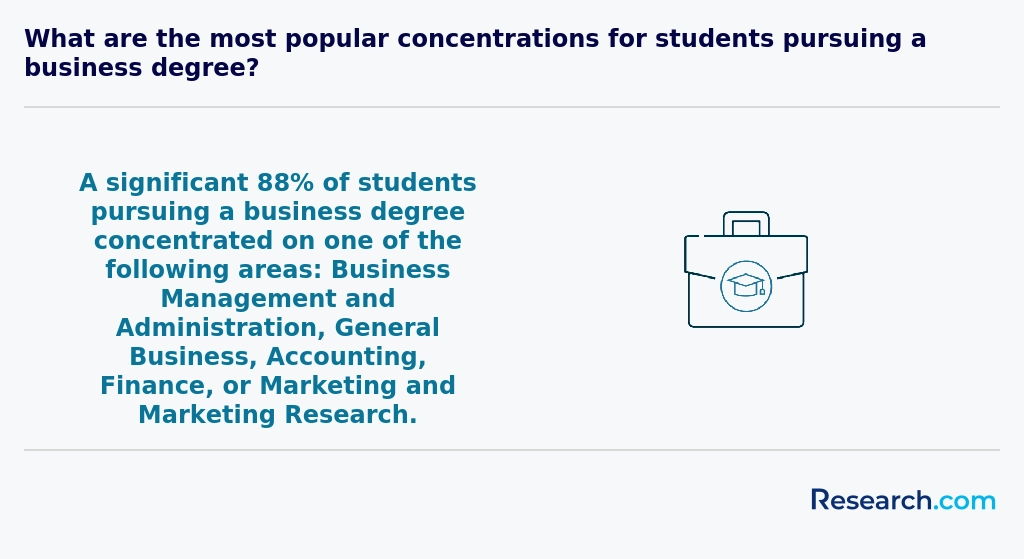
Finance degree programs in Michigan commonly include a set of core courses that establish a strong foundation in both theoretical and practical financial concepts. Graduates from institutions such as the University of Michigan and Michigan State University often recall how courses like Principles of Finance provided them with essential insights into financial management and decision-making, skills they later applied during internships or entry-level roles.
Students typically engage with Financial Accounting and Managerial Accounting to develop a solid understanding of financial statements and internal business decision processes, crucial for careers in corporate finance or banking. Corporate Finance classes, emphasizing capital budgeting and funding strategies, prepare students to analyze real-world corporate funding challenges notably prevalent in Michigan's auto and manufacturing sectors.
Courses in Investments and Financial Markets and Institutions offer hands-on learning experiences that help students understand portfolio management and the dynamics of financial intermediaries, concepts often encountered during internships with Michigan-based financial services firms. Many graduates express enthusiasm about how Business Statistics and Quantitative Methods sharpened their data analysis skills, enabling them to confidently navigate complex market data in professional settings.
Finance degree specializations in Michigan typically include Corporate Finance, Investment and Portfolio Management, Financial Planning and Wealth Management, Risk Management and Insurance, and Financial Technology (FinTech). Graduates from popular institutions in Michigan often share how Corporate Finance coursework helped them understand the financial strategies behind the state's manufacturing giants, enabling practical applications in budgeting and capital structure decisions. Those specializing in Investment and Portfolio Management benefit from Michigan's expanding financial services sector, gaining skills in securities analysis while connecting with asset management firms in Detroit or Grand Rapids.
Students pursuing Financial Planning and Wealth Management frequently cite the satisfaction of preparing individuals and families for financial security, reflecting a profound personal impact. FinTech has become a rising specialization, especially with Michigan's tech growth and the integration of blockchain and data analytics in finance. Prospective students at local universities appreciate how these diverse tracks make Michigan finance bachelor's degree options adaptable and relevant, offering clear pathways to competitive careers in a dynamic economy. For more about affordable options, consider this Affordable Finance Degree Programs Ranking in Providence, RI.
Choosing the best affordable finance degree Michigan offers involves evaluating several key factors tailored to your academic and professional aspirations. Graduates from prominent universities in Michigan often highlight the value of programs accredited by AACSB, which ensures rigorous curriculum and respected faculty expertise. Many find that pursuing degrees with specialized tracks in investment management or corporate finance better aligns with their career ambitions, providing clarity in a competitive job market.
Another crucial factor is tuition cost. Public universities in Michigan typically offer more affordable options compared to private institutions, making them attractive for budget-conscious students. Those who have interned in Detroit's robust finance sector emphasize how experiential learning opportunities connected to Michigan's automotive and manufacturing industries enriched their understanding and network.
When deciding among top finance programs Michigan 2027 projections suggest, consider access to cooperative education programs and financial aid availability. Prospective students should also explore published graduate outcomes and median wages, which often exceed $70,000, reflecting strong return on investment. Additionally, exploring certification programs that pay well can complement your degree and enhance your professional profile.
Graduates holding a finance degree in Michigan enter diverse career paths shaped by the state's strong financial services sector and evolving economy. Many find success as financial analysts, where they assess investments and advise businesses, benefiting from median wages around $78,000 in Michigan. Others pursue roles as financial advisors, offering personal wealth management and retirement solutions tailored to local clients. Corporate finance positions are abundant, especially in Detroit's automotive and manufacturing hubs, with graduates managing budgets and forecasts to support growing companies.
Career opportunities expand to include risk management specialists and credit analysts overseeing financial stability and creditworthiness within Michigan's banks. Alumni from well-known Michigan universities often share how public accounting roles-such as accountants and auditors-offer direct experience with regulatory compliance for both firms and corporations, fueling their career growth. Insurance underwriters and financial examiners add further diversity by ensuring sound policies and regulatory adherence, reflecting the wide range of finance degree career opportunities in Michigan.
Many finance students also explore options linked to wealth management and investment sectors in cities like Grand Rapids. For those curious about choosing a major, resources discussing what are the easiest degrees to get help in decision-making alongside finance. This practical approach helps students embrace career paths that align with Michigan's dynamic economic landscape.
The job market for finance degree holders in Michigan is notably robust due to the state's diverse economy, which integrates sectors like manufacturing, healthcare, and financial services. Graduates from prominent institutions such as the University of Michigan and Michigan State University have found rewarding roles in metropolitan areas like Detroit and Grand Rapids, where finance jobs are expanding beyond traditional industries into technology and service sectors. Employment opportunities for finance graduates Michigan present competitive salaries, typically ranging from $65,000 to $90,000 annually, depending on experience and location.
Finance students studying locally often benefit from tuition costs between $15,000 and $25,000 per year at public universities, making education accessible compared to higher national averages. These programs frequently provide practical exposure to banking, corporate finance, and investment firms, helping students transition smoothly into careers.
Many graduates appreciate Michigan's stable finance sector, supported by ongoing economic initiatives and diversification efforts. Those researching options may also explore the best non profit accredited colleges to find tailored financing programs that match their career goals in the state's evolving job market.
2027 Most Affordable Finance Degree Programs Ranking in Michigan
Investing in your education is a significant decision that can shape your future, and the Research.com team understands the importance of making informed choices. To assist prospective students, we have carefully developed the "2027 Most Affordable Finance Degree Programs Ranking in Michigan." Our dedication to quality, credibility, and accuracy is evident through the thorough research and analysis undertaken to compile this ranking.
We utilized the following reputable data sources to ensure a comprehensive evaluation of finance programs:
By exploring this ranking, readers will gain valuable insights into the most affordable finance degree programs available in Michigan, helping them make well-informed decisions about their educational and professional futures. For more details on our methodology, please visit our Research.com methodology page.


# 17 position
Hillsdale College
Bachelor of Financial Management

# 18 position
Saginaw Valley State University
Bachelor of Science in Business Administration in Finance


Frequently Asked Questions About finance
Finance degree students in Michigan can enhance their learning by engaging in internships with local financial institutions such as Michigan's prominent banks and the auto industry's finance departments. Practical experience complements classroom theory, providing valuable industry insights. Michigan boasts a growing financial sector, contributing over $4 billion annually to the state's economy, which creates numerous opportunities for hands-on learning (Source: Michigan Economic Development Corporation).
Participating in student organizations like finance clubs at universities facilitates networking with professionals and peers. Attending workshops and conferences focused on Michigan's economic trends also deepens understanding of regional finance dynamics.
Additionally, using state resources like the Michigan Economic Development Corporation's data can help students apply statistical analysis to real-world economic challenges, enhancing both skills and resumes.
Emerging niches within the finance field reflect evolving market demands and technological advances, especially relevant for students pursuing a finance degree in Michigan. One prominent area is financial technology (FinTech), which combines finance with innovative software, impacting payments, lending, and blockchain. Michigan's growing tech sector, particularly in Detroit and Ann Arbor, supports this trend.
Another niche is sustainable finance, focusing on investments that promote environmental and social governance (ESG). Interest in ethical investing is rising nationally and within Michigan's corporate sector. Additionally, data analytics integrated with finance helps companies predict trends and optimize portfolios, creating demand for finance professionals skilled in analytics and programming.
After earning a finance degree in Michigan, preparing for the job market involves a combination of practical experience and strategic networking. Internships with local banks, financial services firms, or Detroit's automotive industry provide valuable hands-on opportunities. According to the Michigan Department of Technology, Management & Budget, finance-related jobs are expected to grow by 6.5% through 2030 in the state, highlighting the importance of relevant experience.
Joining professional organizations such as the Michigan Association of CPAs or local chapters of the CFA Institute can help build connections. Additionally, obtaining certifications like the CFA or CFP enhances employability.
Strong communication and data analysis skills are also essential, as employers increasingly seek candidates proficient in financial software and analytics platforms.
Employers in Michigan seek finance graduates who demonstrate strong analytical skills and proficiency with financial software. According to the Michigan Workforce Intelligence Network, about 70% of job openings in finance require skills in Excel, data analysis, and financial modeling.
In addition, communication abilities are highly valued. Finance professionals must explain complex data clearly to clients or colleagues. The Michigan Business Network highlights that employers emphasize teamwork and problem-solving alongside technical expertise.
Furthermore, knowledge of regulatory compliance and risk management is crucial due to Michigan's robust auto and manufacturing sectors, which demand careful financial oversight.
Experience with information technology and adaptability to new financial technologies also rank among top desired skills in the region's competitive job market.
Finding internships in Michigan relevant to a finance degree begins with leveraging local resources and networking opportunities. Many universities, including the University of Michigan and Michigan State University, offer career services that connect students with internships in finance sectors such as banking, investment, and insurance.
Students should also explore internship listings on platforms like Handshake, LinkedIn, and Michigan-based job boards. According to the Michigan Economic Development Corporation, the finance and insurance sector accounts for over 150,000 jobs statewide, indicating a robust market for internships.
Additionally, reaching out to local branches of national banks and financial firms in cities like Detroit and Grand Rapids can provide valuable hands-on experience. Attending finance-related career fairs and professional association events, such as those hosted by the CFA Society Detroit, also enhances internship prospects.
A finance degree in Michigan significantly enhances career mobility and advancement opportunities. Graduates gain essential skills in financial analysis, risk management, and investment strategies, which are highly valued by local employers in Detroit, Grand Rapids, and other economic hubs.
According to the Bureau of Labor Statistics (BLS 2023), finance-related roles in Michigan are projected to grow by 7% over the next decade, faster than the average for all occupations. This growth creates a competitive market where a specialized degree improves job prospects.
Employers in Michigan's financial services sector often prioritize candidates with formal education, resulting in higher salaries and quicker promotions for degree holders. Universities such as the University of Michigan and Michigan State University provide strong connections to regional industries, further supporting networking and career advancement.
Studying for a finance degree in Michigan equips students with skills beyond traditional financial analysis by integrating knowledge from economics, business management, and data analytics. Michigan universities often emphasize interdisciplinary coursework that prepares graduates to tackle complex problems in various industries.
For example, finance programs in Michigan incorporate technology tools like Excel, SQL, and financial modeling software, fostering data literacy crucial for roles in fintech and consulting. According to the University of Michigan's Ross School of Business, 70% of graduates engage in cross-industry functions, reflecting this broad preparation.
Additionally, Michigan's diverse economy-which includes manufacturing, automotive, and tech sectors-offers students internships and co-op experiences that enhance versatile skill sets required for interdisciplinary careers.
Choosing between a thesis and a non-thesis finance degree program in Michigan depends on your career goals and academic interests. A thesis program typically involves conducting original research, which can be beneficial if you plan to pursue a PhD or work in research-heavy roles. It often requires strong analytical and writing skills.
Non-thesis programs focus more on coursework and practical skills, ideal for those targeting immediate employment in finance sectors such as banking or corporate finance. According to the National Center for Education Statistics, Michigan offers numerous accredited programs with both options.
Consider your future path carefully when deciding.
Students based in Michigan who wish to study finance abroad have several pathways through partnerships and exchange programs offered by Michigan's universities. Institutions like the University of Michigan and Michigan State University maintain global exchange agreements that allow finance students to study at partner schools in Europe, Asia, and Australia for a semester or a year. These programs provide exposure to international financial markets and business practices.
Additionally, many Michigan colleges participate in programs funded by the U.S. Department of Education, such as the Gilman Scholarship, which supports undergraduate students studying abroad in finance or related fields.
More than 10 percent of Michigan's finance undergraduates participate in some form of study abroad, according to the Institute of International Education's latest Open Doors report.
Students pursuing finance degrees in Michigan have several part-time job opportunities that align well with their field of study. Positions such as bank teller, financial clerk, or accounting assistant offer practical experience with financial transactions and recordkeeping. According to the U.S. Bureau of Labor Statistics, Michigan's financial sector employs many entry-level workers in banking and insurance, providing valuable exposure.
Internships at local financial firms or within university finance departments are common, allowing students to develop analytical and client-service skills. Part-time roles in data analysis or budgeting support at small businesses also complement classroom learning by applying financial principles in real-world scenarios.
These roles help build skills essential for future finance careers, including critical thinking, communication, and technical proficiency in financial software commonly used in Michigan's market.
Finance students in Michigan benefit from numerous networking opportunities through university-sponsored events, local finance organizations, and professional groups. Many state universities, such as the University of Michigan and Michigan State University, host career fairs and finance clubs that connect students with alumni and industry professionals. According to the Michigan Finance Authority, the state's strong financial sector-including Detroit's growing banking and investment industry-provides ample internship placements and mentorship programs.
Additionally, chapters of national finance organizations, like the CFA Institute and Financial Management Association, are active in Michigan. These groups organize seminars and workshops where students can expand their professional contacts. Networking through these channels considerably enhances job prospects in competitive markets such as Detroit and Grand Rapids.
Alumni networks offer significant advantages for finance degree students in Michigan by providing access to professional connections and career opportunities. Many universities in Michigan, such as the University of Michigan and Michigan State University, maintain robust alumni communities that actively support recent graduates.
Through these networks, students gain mentorship, internship leads, and job referrals within Michigan's financial sector, which includes banking, investment firms, and automotive finance companies. According to the Michigan Economic Development Corporation, finance and insurance together contributed over $30 billion to the state economy in 2022, highlighting growth and opportunity in this field.
Engaging with alumni can also facilitate attendance at industry events and exclusive workshops, helping students stay informed of market trends and professional standards. This direct connection enhances learning beyond the classroom and improves employment prospects locally and nationally.
In Michigan, customizing a finance degree to align with your career goals involves selecting elective courses and specializations offered by many universities. For example, students can focus on areas like corporate finance, investment analysis, or financial planning. Institutions such as the University of Michigan and Michigan State University provide opportunities for internships with local financial firms, enhancing practical experience.
Additionally, some programs offer certificates in risk management or data analytics, which are valuable in finance roles. According to the Bureau of Labor Statistics, Michigan's financial sector is growing at a steady pace, with around 50,000 finance-related jobs statewide as of 2023. Tailoring your degree through targeted coursework and experiential learning helps meet industry demands and prepares you for specific roles in Michigan's finance job market.
Finance students in Michigan often face challenges related to balancing academic rigor with financial pressures. According to the National Center for Education Statistics, many students struggle to cover tuition and living expenses, especially as the average annual cost for in-state public universities in Michigan exceeds $15,000. Additionally, the competitive job market in cities like Detroit and Grand Rapids puts pressure on students to gain relevant internships and work experience early.
Students also encounter difficulties adapting to evolving financial technologies and regulations, requiring continuous learning beyond traditional coursework. Limited access to specialized finance programs at some institutions can restrict opportunities for in-depth study. These factors contribute to both financial and academic stress during their studies.
With a finance degree in Michigan, you can pursue several key professional certifications to enhance your career prospects. The most common is the Certified Financial Planner (CFP), which focuses on personal financial planning and investment advice.
Another valuable credential is the Chartered Financial Analyst (CFA) designation, ideal for those interested in investment management or financial analysis. This certification is widely respected in Michigan's growing financial services sector, especially in Detroit and Grand Rapids.
Additionally, the Certified Public Accountant (CPA) license can complement a finance degree, particularly for roles involving accounting or auditing. Michigan requires 150 credit hours and passing the Uniform CPA Exam.
The Financial Risk Manager (FRM) certification is also popular for professionals focusing on risk assessment within banks and firms across the state. These certifications facilitate career advancement and demonstrate expertise to employers in Michigan's competitive finance job market.
When applying for a finance degree program in Michigan, start by highlighting your quantitative skills and academic achievements. Finance programs often prioritize strong math and analytical abilities, so include any relevant coursework or standardized test scores.
Tailor your personal statement to reflect your understanding of Michigan's economic landscape, including its key industries such as automotive and banking. According to the Michigan Economic Development Corporation, these sectors heavily influence local finance careers, making your knowledge relevant.
Include any internships or work experience in finance or related fields to demonstrate practical skills. Finally, make sure your application is error-free and submitted on time, as most Michigan universities enforce strict deadlines.
Finance careers in Michigan are increasingly viewed through a global lens as businesses expand internationally. Graduates with finance degrees often engage with multinational corporations, managing investments, risks, and financial strategies that cross borders.
The Bureau of Labor Statistics projects a 7% growth in financial analyst jobs nationwide by 2032, reflecting demand for professionals skilled in global market trends. In Michigan, the presence of major automotive and manufacturing companies enhances opportunities for finance graduates to work in international finance and supply chain financing.
Understanding global economic factors is essential, as currency fluctuations, international regulations, and trade policies impact corporate finance decisions. Programs in Michigan universities integrate these global perspectives to prepare students for such challenges.
Gaining practical experience while studying for a finance degree in Michigan is essential for career readiness. Many universities encourage internships at local financial institutions, such as banks, credit unions, and investment firms in Detroit and Grand Rapids. According to the Michigan Economic Development Corporation, the state's banking sector employs over 80,000 people, offering numerous internship opportunities.
Students can also participate in finance-focused student organizations and competitions, which help develop analytical and leadership skills. Additionally, some programs partner with businesses for cooperative education (co-op) placements, blending academic study with hands-on work experience.
Choosing the right concentration within a finance degree program in Michigan involves evaluating your career interests and the state's economic sectors. Michigan's finance industry often intersects with automotive, manufacturing, and healthcare sectors, which may influence concentration options like corporate finance, investment banking, or risk management.
Reviewing program curricula and considering local job market data from sources such as the Michigan Department of Labor can guide your choice. For example, demand for financial analysts and accountants in Detroit and Grand Rapids is growing, which aligns with concentrations in financial analysis or accounting.
Additionally, consider concentration areas that offer internships or partnerships with Michigan-based companies to enhance practical experience. Aligning your passion with regional industry trends increases employability after graduation.
- 2027 Most Affordable Finance Degree Programs Ranking in Minnesota
- 2027 Most Affordable Finance Degree Programs Ranking in Kentucky
- 2027 Most Affordable Finance Degree Programs Ranking in Missouri
- 2027 Most Affordable Finance Degree Programs Ranking in New York
- 2027 Most Affordable Finance Degree Programs Ranking in North Carolina
- 2027 Most Affordable Finance Degree Programs Ranking in Maryland
- 2027 Most Affordable Finance Degree Programs Ranking in Delaware
- 2027 Most Affordable Finance Degree Programs Ranking in New Jersey
- 2027 Most Affordable Finance Degree Programs Ranking in Connecticut
- 2027 Most Affordable Finance Degree Programs Ranking in Massachusetts
See What Experts Have To Say About Studying Finance
Read our interview with Finance experts

Ekaterina Potemkina
Finance Expert
Assistant Professor of Finance
Indiana University

Jason James Sandvik
Finance Expert
Assistant Professor of Finance
University of Arizona

H. Kent Baker
Finance Expert
Professor at Department of Finance and Real Estate
American University

- Master of Science (M.S.) Major in Quantitative Finance and Economics (Non-thesis Option) https://mycatalog.txstate.edu/graduate/mccoy-business-administration/finance-economics/quantitative-finance-economics-nonthesis/
- What studies are needed to work in finance? https://www.monaco.edu/en/everything-you-need-to-know-about-the-role-of-an-hse-manager-duties-studies-and-salary-2-2-3-2/
- Study Finance Abroad | Go Overseas https://www.gooverseas.com/study-abroad/finance
- International Finance (English) Master Programme (Thesis and Non-Thesis) - GRADUATE SCHOOL OF TRADE AND FINANCE https://ticaret.edu.tr/ticaret-ve-finans-enstitusu/en/ma-in-international-finance/
- Top Ways to Leverage a Finance Degree – AP Professionals Rochester https://rochesterap.com/top-ways-to-leverage-a-finance-degree/
- Level up your finance future - propel your career with our MBA in Financial Management! https://www.daad.pl/pl/university-ad/coburg-hs-fm-260414/
- Getting a Finance degree: All you need to know https://www.study.eu/article/getting-a-finance-degree-all-you-need-to-know
- 10 Challenges of Financial Management & How to Overcome Them https://itservices.saglobal.com/blogs/10-challenges-finance-teams-face/
- FINANCE AND BANKING (THESIS / NON-THESIS) - Lisansüstü Eğitim Enstitüsü https://lee.nisantasi.edu.tr/en/finance-and-banking-thesis-non-thesis-2/
- International Finance Careers: A Comprehensive Guide https://survey.moorlandassociation.org/moorlandassociation-news/international-finance-careers-a-comprehensive-guide-1767647521