2027 Most Affordable Online Finance Degree Programs Ranking in the West

Co-Founder and Chief Data Scientist
Choosing the right finance degree program can feel overwhelming, especially when juggling costs and quality. This article presents the 2027 Most Affordable Online Finance Degree Programs Ranking in the West, carefully crafted by the Research.com team of data scientists.
Our goal is to help you make an informed decision by showcasing programs that offer great value without compromising education. Pursuing a finance degree opens doors to exciting career paths and financial growth. We encourage you to explore these options thoughtfully and confidently as you plan your future.
Key benefits of getting online finance degree in the West
- Finance degree graduates can earn competitive salaries, with roles like Financial Advisor averaging $150,670 annually and Financial Analyst or Investment Banking Analyst earning around $112,950 per year.
- A finance graduate from a well-known Western university often finds diverse career paths in banking, investment management, or corporate finance, opening doors to exciting opportunities for growth and stability.
- Completing a finance degree online offers flexibility and convenience, allowing students to balance work and study effectively, as seen in successful online graduates from top Western universities enhancing their skills without sacrificing income.
- Key benefits of getting online finance degree in the West
- What can I expect from online finance degree in the West?
- Where can I work with online finance degree in the West?
- How much can I make with online finance degree in the West?
- 2027 Most Affordable Online Finance Degree Programs Ranking in the West
- Key Findings
- How long does it take to complete online finance degree in the West?
- What's the difference between online and on-campus finance degree?
- What is the average cost of online finance degree in the West?
- What financial aid is available to online finance degree students in the West?
- What are the prerequisites for enrolling in online finance degree program in the West?
- Return on Investment: Cost Versus Earnings Over Time
- What courses are typically in online finance degree programs in the West?
- What types of specializations are available in online finance degree programs in the West?
- How do you choose the best online finance degree in the West?
- What career paths are available for online finance degree students in the West?
- What is the job market for online finance degree in the West?
- Top Trending Finance Rankings
- See What Experts Have To Say About Studying Finance
What can I expect from online finance degree in the West?
The average cost of an online finance degree in the Western United States varies significantly depending on the institution and degree level. For example, graduates from public universities in California report tuition costs near $5,000 to $7,000 per year for in-state students, thanks to favorable state tuition policies for online learners. Private institutions and out-of-state enrollments can see costs rising to $15,000 or more annually. Most bachelor's degree programs require about 120 credit hours, translating to a total tuition range between $20,000 and $50,000 for online students depending on residency and school selection.
Many graduates from well-known West Coast universities appreciate the affordability combined with quality, noting how financial aid and scholarships significantly offset expenses. A master's level online finance degree typically demands 30 to 36 credit hours, with costs ranging from $10,000 to $25,000 total, which aligns well with professional certification preparation such as CFA courses integrated into the curriculum. This financial accessibility enhances student motivation and fosters confidence in career advancement within booming regional markets like Silicon Valley and Seattle.
Where can I work with online finance degree in the West?
Graduates with an online finance degree from institutions like the University of Southern California or the University of Washington typically find abundant career opportunities in major financial hubs such as Los Angeles, San Francisco, and Seattle. Many enter roles as financial analysts, accountants, or advisors within banking, insurance, real estate, and investment firms, sectors that hire aggressively to manage assets and develop financial strategies.
California alone employs over 250,000 workers in financial activities, reflecting solid demand for skilled professionals. Graduates often secure positions in corporate finance departments at leading tech companies in Silicon Valley and Seattle, where responsibilities include budgeting, forecasting, and capital planning.
Others work in government agencies or nonprofit organizations focusing on budgeting and compliance, such as Washington State's Office of Financial Management. Many take entrepreneurial paths, launching consulting firms or working freelance, leveraging flexibility valued in the gig-friendly Western economy. These career options offer graduates both stability and independence, making finance degrees from Western colleges both practical and rewarding.
How much can I make with online finance degree in the West?
Graduates holding an online finance degree from prominent Western institutions like the University of California, Los Angeles (UCLA) or the University of Washington can expect competitive salaries that reflect the region's robust economy. For example, financial analysts-common roles for finance grads-earn a mean annual wage of about $112,950, aligning with the data reported by the U.S. Bureau of Labor Statistics. Entry-level analysts in cities like San Francisco or Seattle might start near $60,000 to $70,000, but wage growth is substantial with experience and advanced skills.
Financial advisors, another in-demand career path, have a mean annual wage around $150,670, showing the potential for high earnings especially when based in thriving Western markets. Credit analysts typically earn about $94,750 annually, while investment banking analysts earn similarly to financial analysts, with about $112,950 yearly.
Graduates often share that the practical skills gained online-financial modeling, data analytics-help them land lucrative positions quickly. With Western states offering higher salaries to offset living costs, graduates from schools like University of Southern California find the return on their investment very rewarding.
2027 Most Affordable Online Finance Degree Programs Ranking in the West
How do we rank schools?
Investing in your education is a significant decision that can shape your future, and the Research.com team understands the importance of making informed choices. To assist prospective students seeking finance degrees in the western United States, we have carefully developed the "2027 Most Affordable Online Finance Degree Programs Ranking in the West." Our commitment to quality, credibility, and accuracy is reflected in the rigorous research and analysis behind this ranking.
We utilized the following reputable data sources to ensure a comprehensive evaluation of finance programs:
By consulting this ranking, readers will gain valuable insights into affordable and high-quality online finance degree options tailored to the western region, empowering them to make confident educational choices. For a detailed explanation of how this ranking was created, please visit our Research.com methodology page.
# 1 position
College for Financial Planning
Master of Personal Financial Planning


# 5 position
Western Governors University
Bachelor of Finance

Key Findings
- Tuition for online finance degrees at public universities in the Western US ranges from $8,000 to $15,000 per year for in-state students, while private schools may charge over $25,000 annually.
- Starting salaries for finance graduates in the West average around $58,000 per year, with mid-career earnings increasing to between $95,000 and $110,000.
- The finance job market in the West is growing at about 7% over the next decade, faster than the average for all fields.
- Common job roles for graduates include financial analysts, investment advisors, risk managers, and corporate finance specialists.
- Online programs in the region focus on key subjects like financial modeling, portfolio management, and regulatory compliance to support career growth.
How long does it take to complete online finance degree in the West?
Completing an online finance degree in the Western United States typically requires about four years for full-time undergraduates, mirroring the pace of traditional on-campus programs. For instance, graduates from California State University often share that managing a 120-credit curriculum within this timeframe feels both structured and achievable. Part-time students, however, may experience a longer journey, often extending their studies to six years or more, as balancing work and family commitments becomes necessary.
Graduate-level programs such as a Master of Finance or an MBA with a finance concentration generally take between 18 to 24 months of full-time study. Students at institutions like the University of Washington benefit from flexible scheduling, allowing some to stretch their graduation timeline to three or four years while maintaining employment.
Many Western online programs offer accelerated courses during summer sessions, empowering students to shorten their completion time. Tuition costs - varying from roughly $300 per credit at public universities to over $1,000 at private colleges - also influence how students pace their studies, often motivating them to choose options that promote both academic progress and financial stability.
What's the difference between online and on-campus finance degree?
Online finance degrees in the Western US offer flexibility unmatched by traditional on-campus programs, allowing students to study at their own pace without commuting. Graduates from well-known institutions like the University of Washington recall balancing coursework with full-time jobs and family, a crucial advantage for many. In contrast, on-campus students at schools such as the University of California, Berkeley, benefit from face-to-face interactions that enhance networking vital for careers in finance.
Tuition varies notably: public universities in the region typically charge between $6,000 and $15,000 annually for in-state students. Online formats often cost less by cutting campus-related fees, yet prestigious programs maintain similar pricing due to rigorous content standards. Both pathways adhere to accreditation from bodies like AACSB, ensuring degree value and employer recognition in finance.
Student support differs; on-campus students easily access career centers and internships, while online students must often pursue these opportunities proactively. Graduates appreciate the inclusive, diverse online community but note that hands-on experiences require extra effort.
What is the average cost of online finance degree in the West?
The average cost of an online finance degree in the West varies considerably depending on factors such as residency status and the type of institution. For many students pursuing an online finance degree in public state universities in California, Oregon, or Washington, tuition rates typically reflect a median total cost near $61,875. Graduates often recall managing per-credit fees around $300 to $600, which, over approximately 120 credit hours needed for the degree, align with this total cost range. These costs are notably lower for in-state students, providing a relatively affordable path compared to out-of-state fees that can escalate substantially.
Private universities and nonprofit colleges in the Western U.S. tend to have higher tuition, sometimes reaching or exceeding $25,000 annually. However, many students value the flexible payment plans and scholarships that can make these investments feel more manageable, especially when balancing work and study commitments remotely. Several Western states, including Nevada and Arizona, have expanded affordable online finance degree programs, enabling students to find competitive pricing without sacrificing quality.
Many prospective learners consider community colleges as an initial step to reduce expenses, leveraging transfer credits toward a bachelor's degree in finance. This strategy highlights a practical route when searching for affordable online finance degree programs Western US offers. Graduates frequently emphasize the importance of factoring in additional expenses such as textbooks and technology fees, which can add hundreds of dollars per semester but are often offset by scholarships tailored to distance learners.
Potential students wanting to understand long-term career benefits may find it useful to explore the best careers to pursue with an economics masters degree, which can align closely with skills developed in finance programs and justify the tuition investment.

What financial aid is available to online finance degree students in the West?
Students pursuing online finance degrees in the Western US often rely on federal financial aid, which includes Pell Grants, work-study programs, and federal student loans. For example, graduates from public universities such as the University of Washington have benefited from Pell Grants that cover up to $6,895 annually, substantially lowering tuition expenses. These grants require no repayment, providing crucial support to students facing financial challenges.
State-specific assistance is also pivotal. California's Cal Grant program, offering up to $12,570 per year, has enabled many finance students at institutions like UCLA to manage costs while studying remotely. Additionally, numerous scholarships targeting finance and business students reward academic excellence or professional experience, making education more affordable and motivating.
- Employer tuition reimbursement is another common resource, especially in metro areas like San Francisco, where firms encourage employee advancement through education.
- Federal Direct Student Loans provide low-interest borrowing options tailored by academic level.
- Institutional aid often includes reduced fees or discounted tuition for distance learners at Western universities.
Financial aid offices often offer personalized guidance, helping students navigate these funding options early to optimize their financial plans and reduce stress during their studies.
What are the prerequisites for enrolling in online finance degree program in the West?
Enrollment in online finance degree programs in the Western United States typically requires completion of a high school diploma or equivalent, such as a GED, ensuring foundational academic preparedness. Many prominent institutions, like those at the University of California system, expect applicants to maintain a minimum GPA around 2.5, though some competitive programs may demand higher academic standards.
Graduates from these programs often recall the importance of submitting official transcripts, demonstrating consistent academic performance. While standardized tests such as the SAT or ACT have become optional at many Western schools, programs may still request them to better assess candidate readiness.
- Applicants aiming for graduate finance degrees usually need a bachelor's from an accredited university, with a preference for majors in business or economics.
- English proficiency scores like TOEFL or IELTS are necessary for non-native English speakers to ensure clear communication and academic success.
- Additional materials such as recommendation letters and personal statements highlight motivation and career goals, particularly valued in programs tailored for working professionals advancing in finance careers.
Students often find the clear prerequisites reassuring, helping them navigate the application process confidently, especially when enrolling in well-regarded Western institutions known for their finance programs.

Return on Investment: Cost Versus Earnings Over Time
One of the most critical considerations for prospective students is the return on investment (ROI) of an online finance degree in the West. By comparing total program costs against post-graduation earnings, you can estimate how long it takes to “break even” and start seeing net financial benefits. On average, a bachelor’s in finance in the West costs $59,850 in tuition and fees, and graduates report starting salaries between $60,000 and $70,000. Assuming conservative salary growth of 5% annually and factoring in living expenses, most students recoup their initial investment in approximately 4–6 years. For those weighing broader career options, students from quantitative finance programs may find additional pathways by exploring the best careers to pursue with an economics masters degree, which can further accelerate earning potential and diversify long-term outcomes. Key ROI metrics to consider:
- Payback Period: Time required to recover tuition costs through incremental earnings above a baseline salary.
- Net Present Value (NPV): Discounted value of future earnings minus educational expenses, highlighting lifetime financial gain.
- Salary Growth Rate: Average percentage increase in earnings over the first 10 years post-graduation.
- Opportunity Cost: Income foregone while studying full-time, balanced against flexible online delivery that enables part-time work. By analyzing these factors, prospective students can make data-driven decisions. High-return programs often combine affordable tuition, accelerated completion options, and strong career services that facilitate early internships and job placements. Ultimately, understanding your personal ROI empowers you to choose a program that aligns with both your financial constraints and long-term career goals.
What courses are typically in online finance degree programs in the West?
Online finance degree programs in the Western United States typically include courses that build a comprehensive foundation in both finance theory and practical application. Core subjects often cover financial accounting, corporate finance, investments, and financial markets and institutions, ensuring students grasp essential concepts like capital budgeting, asset valuation, and the role of financial intermediaries.
Students at institutions such as the University of Washington and Arizona State University often highlight how business statistics and quantitative methods courses sharpen their analytical skills, essential for data-driven decision-making in real-world finance roles. Courses in economics, covering micro and macro perspectives, help contextualize financial trends within broader market behaviors, a critical advantage for graduates entering dynamic Western markets influenced by technology and real estate sectors, especially in California.
Many programs also offer specialized topics like risk management, insurance, and financial modeling, enabling students to simulate scenarios they will face professionally. Graduates consistently report that this blend of synchronous and asynchronous learning-combining video lectures and case studies-makes the curriculum both engaging and applicable to their career aspirations in the West's competitive economy.
What types of specializations are available in online finance degree programs in the West?
Online finance degree specializations in the West typically include corporate finance, financial planning, investment analysis, banking, and risk management. Graduates from universities in California and Washington often highlight how corporate finance courses taught them to manage budgeting and capital strategies, directly preparing them for roles in financial management and consulting. Those focusing on financial planning appreciate how the curriculum supports certification goals like the CFP®, which enhances career prospects in personal wealth management.
Investment analysis is another key concentration, with programs emphasizing securities and portfolio management. Graduates express confidence entering markets as analysts or portfolio managers thanks to strong training in equity valuation and derivatives. Banking specialization addresses the evolving regulatory and technological landscape, equipping students for credit analysis or compliance roles in dynamic financial institutions prevalent throughout the Western region.
Risk management programs cover crucial skills in assessing and mitigating financial risks, aligning with recent regulatory demands. Prospective students are encouraged to explore regional options, as the affordability of online finance programs in the West-particularly at public universities-can vary significantly. For detailed comparisons, see the Most Affordable Finance Degree Programs.
Western region finance degree concentration options reflect both market demands and localized industry trends, enabling learners to tailor their education to specific career paths, ensuring relevance and job readiness.
How do you choose the best online finance degree in the West?
Choosing the best online finance degree in the West requires verifying regional accreditation, such as from WSCUC, to ensure the program meets employer standards. Graduates from well-known Western universities often highlight how curriculum relevance-covering investment analysis, corporate finance, and risk management-directly supports their career advancement. Tuition varies widely; public institutions in the region typically charge between $7,000 and $12,000 annually for in-state students, while private colleges may exceed $30,000. Many students appreciate programs that combine affordability with strong financial aid options, enhancing access to these degrees.
Flexibility is crucial for working professionals in the Western US. Programs offering asynchronous courses help manage busy schedules, with some leading to completion in as little as two years, compared to five for part-time students. Student support services, including advising and tech support, play a vital role in online learning success, as reported by graduates from California and Washington colleges. Their positive experiences also reflect regional economic strength, where starting salaries for finance roles surpass national averages.
Prospective students exploring affordable finance degree programs Western US may also consider shorter pathways like a 1 year masters program online to accelerate their credentials and career growth.
What career paths are available for online finance degree students in the West?
Graduates with an online finance degree in the West enter a robust job market offering diverse career paths. Many begin as financial analysts or advisors, leveraging their expertise to assess investments and guide portfolio management, especially in regions like California where average salaries exceed $90,000 annually. Others pursue roles in investment banking, helping companies secure capital and navigate mergers and acquisitions, while corporate finance specialists focus on budgeting and risk management for businesses. Popular universities such as the University of California and Oregon State University equip students with real-world skills, preparing them for thriving careers.
Additional opportunities include financial planning and wealth management, insurance underwriting with growing demand in states like Oregon and Washington, and financial management within government or nonprofit sectors. Certifications like CFA or CFP further enhance prospects. Students interested in exploring broader finance options can check out what are the easiest bachelor degrees to get to align their career goals efficiently. The range of the best finance careers in the western US reflects strong growth trends and competitive compensation.
Choosing an online finance degree opens multiple pathways, supported by solid job growth and tangible outcomes for graduates.
What is the job market for online finance degree in the West?
The job market for online finance degree programs in the West is robust, with increasing demand for graduates who combine traditional financial expertise with digital proficiency. Graduates from leading Western universities report strong employment outcomes, particularly in financial hubs like San Francisco and Seattle, where median salaries for finance professionals often exceed $90,000 annually. Employers in the region have shown increasing trust in online degrees earned from accredited Western institutions, which aligns well with a projected 9% growth in finance-related roles nationally through 2031.
Employment opportunities for online finance graduates western US include roles in banking, investment firms, and emerging fintech sectors. Graduates often praise the practical focus of programs at popular colleges, which prepare them for specialized roles in risk management and financial planning. Many note that their online studies, combined with local industry connections, helped them secure competitive positions without relocating.
Students looking to accelerate their careers may also consider programs like the shortest masters program, offering efficient pathways to higher qualification and improved job prospects in this dynamic market.
Frequently Asked Questions About finance
Online finance degree students in the West can maximize their learning experience by actively engaging in virtual class discussions and utilizing available digital resources. Research from the National Center for Education Statistics shows that student interaction accounts for higher retention rates in online programs.
It is also beneficial to connect with regional finance professionals through virtual networking events or online finance forums. According to the Bureau of Labor Statistics, the Western U.S. has a growing demand for finance roles, making local connections valuable for internships and job placements.
Regularly scheduling dedicated study times and leveraging interactive tools like financial modeling software can improve comprehension. Many Western universities provide access to such software for students enrolled in their programs.
The finance field is evolving with several emerging niches gaining prominence, especially in the Western United States. One key area is financial technology (fintech), which integrates technology to improve banking, payments, and investment services. The U.S. fintech sector attracted over $55 billion in venture capital funding in 2023, highlighting strong growth (Source: CB Insights).
Another expanding niche is sustainable finance, focusing on investments that consider environmental, social, and governance (ESG) criteria. Western universities are increasingly offering specialized coursework in this area.
Risk management powered by big data and AI analytics also marks a vital trend, with demand rising as financial institutions aim to navigate complex markets more effectively.
Preparing for the job market after earning an online finance degree in the West involves several key steps. First, gaining relevant experience through internships or part-time roles is essential. Many Western states, such as California and Washington, have growing finance sectors offering entry-level opportunities.
Networking is also crucial. Joining professional associations like the CFA Institute or local finance groups can open doors. According to the U.S. Bureau of Labor Statistics, finance jobs in the Western U.S. are expected to grow by 7% through 2030, making timely preparation important.
Finally, consider professional certifications, such as the CFA or CPA, to improve job prospects and salary potential.
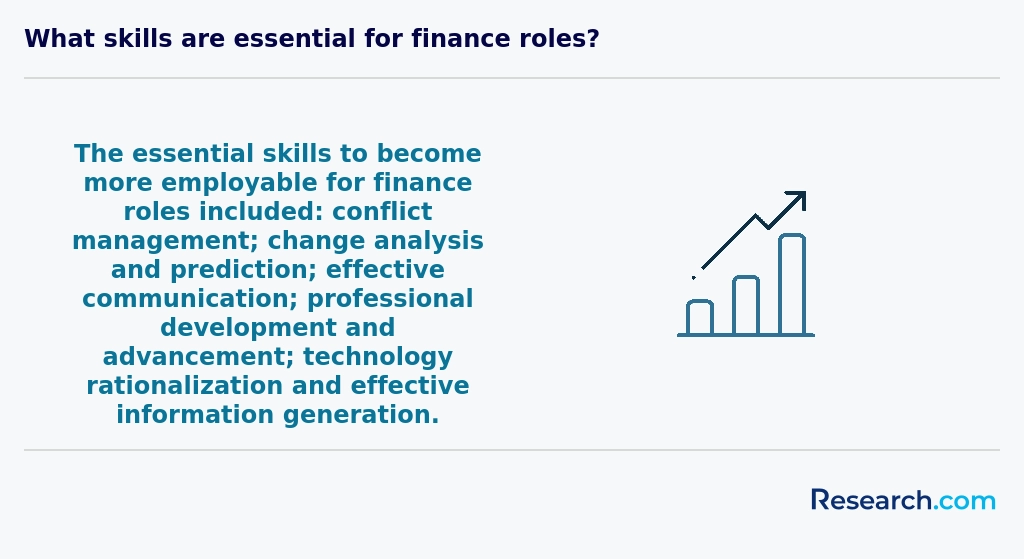
Employers in the Western U.S. seek specific skills in graduates holding finance degrees, especially those from online programs. Critical thinking and analytical abilities top the list, as professionals must interpret complex financial data effectively. According to the National Association of Colleges and Employers (NACE) 2023 report, 78% of employers prioritize problem-solving skills for finance roles.
Technical proficiency with financial software and tools, such as Excel and Tableau, also remains essential. The Bureau of Labor Statistics notes that familiarity with data analysis and financial modeling significantly improves hiring prospects in finance.
Additionally, communication skills are vital, enabling graduates to convey financial concepts clearly to diverse audiences. Employers in the West value adaptability and ethical judgment amid rapidly changing market conditions.
Finding internships relevant to a finance degree in the Western United States begins with leveraging university career services, which often provide tailored opportunities and connections with local finance firms. Many Western universities maintain partnerships with companies in financial hubs like San Francisco, Seattle, and Los Angeles.
Students should also explore online job platforms such as Handshake and LinkedIn, focusing on internships in banking, investment, and corporate finance sectors. According to the National Association of Colleges and Employers (NACE), approximately 60% of finance internships in the West convert into full-time roles, making these opportunities valuable for practical experience.
Networking through finance-related student organizations and attending regional career fairs can significantly improve internship prospects. Additionally, checking for remote internships allows flexibility, which is ideal for online finance students.
In the Western United States, earning an online finance degree can significantly boost career mobility and advancement opportunities. Employers increasingly recognize accredited online programs from reputable universities, especially as remote work grows. According to the National Association of Colleges and Employers (NACE), graduates with finance degrees see faster job placement and a higher average starting salary compared to non-degree holders.
The U.S. Bureau of Labor Statistics (BLS) projects a 7% growth in financial analyst roles between 2022 and 2032, with many positions accessible to those holding relevant finance credentials. Online degrees offer flexible learning, enabling working professionals to upskill without interrupting employment.
Regional economic hubs in the West, such as San Francisco and Seattle, favor candidates with updated financial knowledge and technological proficiency, often gained through modern online programs. Consequently, graduates can pursue roles in investment firms, corporate finance, or financial consulting with improved prospects.
Studying for a finance degree in the West offers students a unique advantage in preparing for interdisciplinary roles. Western universities emphasize combining finance with fields like technology, economics, and data analytics.
For example, institutions incorporate coursework in financial modeling and business intelligence tools, reflecting the increasing demand for hybrid skills. According to the National Center for Education Statistics (NCES), over 60% of finance graduates in the West pursue jobs requiring cross-disciplinary expertise.
Moreover, many programs offer elective courses in areas such as cybersecurity and management, expanding students' knowledge beyond traditional finance.
This comprehensive approach equips graduates to work effectively in diverse teams and adapt in dynamic industries.
Choosing between a thesis and a non-thesis online finance degree program in the West depends on your career goals and learning preferences. A thesis program involves conducting original research and writing a substantial paper, which is ideal for students considering further academic work or research roles.
Non-thesis programs typically emphasize coursework and practical skills, appealing to professionals aiming for immediate application in finance jobs such as financial analysis or portfolio management. According to the National Center for Education Statistics, over 60% of finance graduates in Western U.S. states choose non-thesis tracks for faster completion and practical experience.
Cost and time commitment also differ: thesis programs may take longer and involve advising fees. Consider your schedule, funding, and how each aligns with your career path.
Students based in the Western United States have increasingly accessible options for studying finance abroad through online degree programs. Many regionally accredited universities offer fully online bachelor's and master's degrees in finance, allowing students to access international perspectives without leaving the U.S. For example, institutions in California and Washington frequently collaborate with global business schools to enhance curriculum relevance.
According to the National Center for Education Statistics, approximately 35% of students in the West enroll in online finance programs at public universities. These programs often include coursework on international finance, preparing graduates for global markets.
Studying online abroad also offers flexibility for working professionals seeking affordable and reputable American degrees with a global outlook.
Students pursuing online finance degrees in the Western US benefit from various part-time job opportunities that enhance their practical knowledge. Roles such as bank teller, financial clerk, or bookkeeping assistant provide hands-on experience with financial transactions and record keeping. According to the U.S. Bureau of Labor Statistics, these positions often pay between $15 and $20 per hour in Western states. Internships at local accounting firms or financial consultancy agencies also offer valuable exposure to analyzing financial data, which complements coursework.
The growing fintech sector in cities like San Francisco and Seattle introduces part-time roles including data entry for financial software and customer service for investment platforms. The exposure to these job roles reinforces theoretical finance concepts with applied skills, preparing students for advanced careers.
Online finance students in the Western US have growing access to valuable networking opportunities despite remote learning. Many universities partner with regional financial organizations and alumni groups based in cities like San Francisco, Seattle, and Los Angeles to host virtual career fairs, webinars, and mentorship programs.
According to the Western Association of Schools and Colleges, over 70% of accredited institutions offer dedicated online networking platforms for students. These platforms connect learners with industry professionals, internship opportunities, and peer study groups.
Additionally, national organizations such as the CFA Institute and Financial Management Association offer local chapters that welcome online students, facilitating in-person meetups in key financial centers throughout the West.
These combined resources help online finance students build professional relationships essential for career advancement.
Alumni networks play a crucial role for online finance degree students in the Western United States by providing valuable professional connections. These networks offer access to a wide community of graduates working in key financial hubs such as San Francisco, Seattle, and Denver. According to a 2023 report from the National Association of Colleges and Employers (NACE), 70% of job placements in finance involve some form of networking. Online students benefit through virtual events, mentorship programs, and industry-specific job boards maintained by alumni.
Engaging with alumni increases career opportunities and enhances knowledge exchange about Western regional market trends and emerging fintech sectors. Many programs encourage ongoing interactions, which can lead to internships and job referrals crucial in a competitive finance job market.
Customizing an online finance degree program in the Western United States typically involves selecting electives and specializations aligned with your career goals. Many universities offer concentrations such as investment management, financial planning, or corporate finance. This flexibility allows you to build expertise in areas important for roles like financial analyst or wealth manager.
Additionally, some programs provide options to engage in internships or capstone projects that offer practical experience. According to the National Center for Education Statistics, about 35% of Western universities with finance degrees support these hands-on opportunities.
Accreditation by bodies like AACSB ensures a curriculum reflecting current financial industry standards, crucial for career advancement in competitive Western markets.
Online finance students in the West often face challenges related to balancing coursework with professional and personal commitments. According to the National Center for Education Statistics (NCES), nearly 40% of online learners in the US juggle jobs while studying, which can impact their focus and time management. Limited access to in-person networking opportunities also affects students' abilities to build relationships within the finance industry, crucial for internships and job placements. Additionally, navigating complex financial concepts through virtual platforms may lead to decreased engagement and difficulty grasping practical skills, a concern highlighted in a 2023 report by the Western Interstate Commission for Higher Education (WICHE).
Technical issues and varying access to reliable internet further complicate remote learning experiences. Many institutions emphasize self-discipline as a key factor for success, yet some students struggle without direct faculty interaction. Lastly, understanding financial regulations specific to western states requires tailored resources that online programs sometimes lack, making localized support a significant challenge.
Graduates with an online finance degree in the Western United States can pursue several respected professional certifications to enhance their careers. The Certified Financial Planner (CFP) and Chartered Financial Analyst (CFA) designations are highly valued in investment management and financial planning sectors. According to the CFA Institute, over 50,000 candidates enrolled in CFA programs in the U.S. in 2023, a trend growing strongly in Western states like California and Washington.
Other certifications include the Certified Public Accountant (CPA) credential for those leaning toward accounting and auditing. The CPA license is essential for many finance jobs and requires passing a rigorous exam and meeting state-specific education standards. The Financial Risk Manager (FRM) certification is another option, especially for candidates interested in risk assessment roles, with many Western finance professionals gaining this designation.
These certifications help graduates leverage their online degree to meet employer demands and increase earning potential. Reputable sources like the U.S. Bureau of Labor Statistics report that holders of finance-related certifications can see salaries 10-20% higher than non-certified peers.
When applying to an online finance program in the West, start by highlighting your academic background and relevant work experience clearly. Admissions committees typically look for candidates with strong quantitative skills and an understanding of financial principles. According to the National Center for Education Statistics, programs in Western states often emphasize practical knowledge in areas such as corporate finance and investment management.
Customize your personal statement to demonstrate your career goals and how the program aligns with them. Use specific examples to show your commitment and readiness for rigorous online study. Including up-to-date certifications or courses in finance can strengthen your application.
A finance career in the West offers strong global relevance, as financial markets are highly interconnected. According to the U.S. Bureau of Labor Statistics, employment in finance-related occupations is projected to grow 8% from 2022 to 2032, faster than the average for all jobs. This reflects increasing demand for financial expertise in global trade, investment, and risk management.
Professionals with finance degrees often work in multinational firms, where understanding international regulations and markets is essential. The rise of fintech and sustainable finance also broadens career opportunities worldwide.
Online finance degrees from Western institutions provide skills valued globally, supporting careers beyond borders.
Gaining practical experience while studying for an online finance degree in the West is increasingly accessible through internships, virtual simulations, and real-world projects. Many Western universities partner with regional financial firms, offering remote internships to online students. According to the National Association of Colleges and Employers (NACE), 65% of finance majors who completed internships received job offers from their internship employers.
Students can also engage in virtual trading platforms and finance labs offered by institutions to practice investment strategies safely. Participating in finance-related case competitions gives hands-on problem-solving experience and networking opportunities with industry professionals. Finally, online finance students are encouraged to join local finance clubs and professional associations to build connections in their region.
Choosing the right concentration within an online finance degree in the West requires understanding your career goals and the regional job market. Popular concentrations include financial planning, investment analysis, corporate finance, and risk management. According to the U.S. Bureau of Labor Statistics, finance jobs in Western states like California, Washington, and Oregon are growing faster than the national average, especially in investment sectors and financial services.
Research local industry demand and connect with potential employers. Many online programs offer specialized courses tailored to Western economic hubs such as Silicon Valley or Seattle, which can boost your employment prospects. Consider programs accredited by recognized bodies like AACSB for validated quality.
Top Trending Finance Rankings
See What Experts Have To Say About Studying Finance
Read our interview with Finance experts

H. Kent Baker
Finance Expert
Professor at Department of Finance and Real Estate
American University

Jason James Sandvik
Finance Expert
Assistant Professor of Finance
University of Arizona

Ekaterina Potemkina
Finance Expert
Assistant Professor of Finance
Indiana University

References
- Online Bachelor's Degree: Finance https://www.umgc.edu/online-degrees/bachelors/finance
- Alumni Rate Their Business School https://poetsandquantsforundergrads.com/news/best-business-schools-alumni-rate-undergraduate-business-degrees/5/
- 2026 Most Affordable Online Finance Degrees https://www.onlineu.com/most-affordable-colleges/finance-degrees
- Why Alumni Networks Matter in Business School: 7 Reasons https://europe.ceibs.edu/article/why-alumni-networks-matter-business-school
- Navigating financial challenges in higher education https://www.officeforstudents.org.uk/publications/navigating-financial-challenges-in-higher-education/
- Bachelor of Commerce, Finance Major | Online BComm https://www.athabascau.ca/programs/summary/bachelor-of-commerce-in-finance.html
- Top Ways to Leverage a Finance Degree https://rochesterap.com/top-ways-to-leverage-a-finance-degree/
- 10 Challenges of Financial Management & How to ... https://itservices.saglobal.com/blogs/10-challenges-finance-teams-face/
- What Major is Best for Finance? Top 10 Picks https://zoetalentsolutions.com/what-major-is-best-for-finance/
- Best Finance Degrees Online https://www.accounting.com/degrees/finance/bachelors/best-online-programs/