2027 Most Affordable Finance Degree Programs Ranking in Denver

Co-Founder and Chief Data Scientist
Choosing the right finance degree program in Denver can feel overwhelming. That's why this article presents the 2027 Most Affordable Finance Degree Programs Ranking in Denver, developed by the Research.com team of data scientists. It's designed to help you find quality programs without overspending.
With this ranking, you'll discover affordable options that fit your goals and budget. Pursuing a finance degree opens doors to rewarding careers and financial independence. Dive in to make an informed decision that sets you up for future success.
Key benefits of getting finance degree in Denver
- Finance degree graduates in Denver can expect competitive salaries, such as Financial Advisors earning a mean annual wage of $150,670 and Financial Analysts earning around $112,950, providing strong financial rewards for their skills.
- Career paths after earning a finance degree include roles like Investment Banking Analyst or Credit Analyst, with many Denver graduates from universities such as the University of Colorado Denver thriving in these dynamic and rewarding fields.
- Online finance degrees offer flexibility and convenience, allowing graduates from institutions like Metropolitan State University of Denver to balance work and study while gaining credentials that boost their career opportunities.
- 2027 Most Affordable Finance Degree Programs Ranking in Denver
- What can I expect from finance degree in Denver?
- Where can I work with finance degree in Denver?
What can I expect from finance degree in Denver?
The average cost of a finance degree in Denver varies depending on the institution and program level. For many students attending public universities like the University of Colorado Denver, in-state tuition can be more affordable, typically ranging from $10,000 to $15,000 per year. Graduates often highlight how scholarships and financial aid made this investment manageable, allowing them to focus on hands-on experiences rather than financial stress.
Private colleges in Denver generally have higher tuition, often between $25,000 and $35,000 annually, but students appreciate smaller class sizes and personalized support that can accelerate learning and networking opportunities.
Many finance graduates recall balancing internships with their studies, which helped offset costs and build valuable industry connections. Some also took advantage of employer partnerships through local universities, facilitating part-time work or paid internships within Denver's banking or fintech sectors. This practical approach not only eased financial burdens but enhanced confidence and readiness for the job market.
Where can I work with finance degree in Denver?
With a finance degree from schools like the University of Denver or Metropolitan State University of Denver, graduates find ample opportunities in the city's thriving banking sector. Many secure roles at major banks such as Wells Fargo or KeyBank, working as financial analysts or credit managers. These positions provide hands-on experience with real-world financial data and client portfolios, boosting confidence and career growth.
Graduates often move into Denver's booming real estate industry, joining firms like CBRE or JLL to handle investment evaluation or market research. This path is ideal for those who enjoy dynamic environments where every day presents new challenges and rewards.
For those interested in insurance, companies like Liberty Mutual offer openings in underwriting and risk assessment. Finance students describe the satisfaction of applying quantitative skills to protect people and businesses.
Tech-savvy graduates tap into Denver's growing fintech sector, where startups value budgeting and data analysis expertise. Additionally, government agencies offer roles in municipal finance, providing a stable and community-focused career option.
Overall, finance students in Denver benefit from a diverse job market that aligns with their skills and ambitions, often landing fulfilling positions that blend analytical rigor with real-world impact.
Graduates with a finance degree in Denver typically start their careers earning between $55,000 and $65,000 annually in entry-level roles like junior financial analyst or financial advisor. For example, recent graduates from well-regarded local schools often find positions where they can quickly grow their income as they gain experience.
With strong performance and additional qualifications like a CFA certification, salaries can rise notably. Financial analysts in Denver see an average annual wage around $82,000, while more seasoned professionals often earn mid-$80,000 to mid-$90,000. According to the U.S. Bureau of Labor Statistics, financial analysts nationally have a mean salary of $112,950, reflecting opportunities to scale income over time.
Finance managers benefit from Denver's growing economy, earning a median salary near $120,000, supported by roles in budgeting, investment, and forecasting. Other roles like credit analysts and insurance underwriters come with solid earnings of about $94,750 and $85,610 respectively.
Graduates from Denver's universities consistently report positive career growth, taking advantage of the city's expanding financial sector and professional networks to boost their salaries beyond the national averages.
- In-state tuition for finance degrees at public universities in Denver ranges from $10,000 to $20,000 per year, while private institutions can charge over $30,000 annually.
- Additional costs such as books, supplies, and living expenses add several thousand dollars per year to the total cost of education.
- Entry-level finance jobs in Denver typically offer salaries between $55,000 and $65,000, which is above the national average for finance graduates.
- Experienced finance professionals in Denver can earn between $90,000 and $110,000 annually, especially in specialized roles like financial analysts and portfolio managers.
- The finance and insurance sector in Denver is growing faster than the national average, increasing job opportunities from entry-level to advanced positions.
- Local universities provide internships and networking opportunities, often including practical skills training valuable to regional employers.
Completing a finance degree in Denver typically takes around four years of full-time study at local universities like the University of Denver or Metropolitan State University of Denver. Graduates often describe this timeline as manageable when balancing academics with part-time jobs or internships, making the experience both rewarding and practical.
Part-time students at these schools often extend their studies to 6-8 years due to work or family commitments, but many find this flexibility crucial for maintaining their financial stability. On the other hand, accelerated programs offered by some Denver colleges allow ambitious students to finish in as little as three years by taking extra courses and studying over summer terms.
Many students who start at community colleges in the Denver area take advantage of transfer agreements, reducing their bachelor's completion time by up to two years. This pathway is praised for saving money and time while keeping students on track toward their career goals in finance.
Graduate degrees in finance or an MBA with a finance focus from Denver institutions commonly require 1 to 2 years beyond the bachelor's, with part-time options catering well to working professionals aiming to advance without pausing their careers.
Online and on-campus finance degrees in Denver differ mainly in flexibility, cost, and interaction. Graduates from the University of Denver often highlight the value of face-to-face engagement, where attending classes on campus fosters meaningful connections with professors and peers, boosting job prospects in the local financial sector. By contrast, students pursuing online finance degrees appreciate the ability to study around work or family commitments, benefiting from video lectures and virtual discussions without sacrificing career momentum.
Cost is another key factor. On-campus programs at institutions like Metropolitan State University of Denver usually carry higher tuition, sometimes over $30,000 annually at private schools. Online programs tend to be more affordable, ranging from $7,000 to $20,000 per year, making them attractive for budget-conscious students.
Practical challenges also differ: while campus learners gain direct access to resources and networking events, online students must maintain discipline and ensure reliable internet. Ultimately, Denver students must align their choice with personal circumstances and career goals for optimal success.
The average finance degree cost in Denver typically reflects a blend of tuition, fees, and living expenses. For students attending public universities like the University of Colorado Denver, the median in-state total cost for a finance degree is approximately $10,753. Out-of-state students, however, face a much steeper price tag, with median total costs around $48,282. Community colleges provide an affordable pathway to a finance degree for many, often costing under $5,000 per year, making them a practical option for budget-conscious students aiming to transfer later to a four-year institution.
Graduates from private institutions in Denver frequently balance their higher tuition, often between $35,000 and $45,000 annually, with access to robust networks and scholarships that help ease financial stress. These students often describe their experience as an investment in resources and connections that fuel confidence and career readiness. By planning carefully and seeking financial aid options, students can manage these expenses without feeling overwhelmed.
To make the best financial decisions, it's important to explore affordable finance degree programs Denver offers and to consider factors beyond tuition, including living costs. Many students have found success by consulting university financial aid offices and utilizing scholarships targeted specifically toward finance majors. This approach helps them focus on their studies, fostering enthusiasm and motivation for their future careers.
Finally, those interested in the financial manager career outlook can benefit from understanding these costs early on and planning accordingly to maximize their educational investment.

Graduates considering a finance degree in Denver, CO, should weigh the long-term financial benefits against the cost of attendance. On average, students complete their bachelor’s programs with $24,000 in debt and enter the workforce earning a starting salary of approximately $60,000. With an estimated annual salary growth rate of 4–6%, the typical payback period for student loans is just under five years, making a finance degree in Denver one of the more cost-effective investments in higher education. Beyond salary figures, true ROI encompasses factors like career progression and debt-to-income ratios. Financial Advisors in Denver report a median five-year post-graduation salary increase of 35%, while Credit Analysts see average salary jumps of 28% within the same timeframe. When compared to national averages, Denver graduates often achieve a debt-to-income ratio below 0.4, indicating manageable loan repayments relative to earnings. Prospective students can also explore similar affordability metrics in neighboring states by reviewing the Most Affordable Finance Degree Programs Ranking in Michigan. To maximize ROI, students should leverage scholarship opportunities, federal aid, and part-time internships that provide both income and hands-on experience. Data shows that graduates who complete at least one paid internship during their studies increase their starting salary by 12% on average. Additionally, attending schools with strong alumni networks and robust career services can shorten job search durations-leading to earlier loan repayment and higher lifetime earnings. In summary, the financial payoff of a Denver finance degree extends well beyond tuition costs. By focusing on strategic financial planning-such as minimizing debt, securing internships, and engaging with career resources-students can significantly enhance their return on investment and set themselves on a path toward long-term financial stability.
Finance students in Denver can rely on several key financial aid options to help manage costs. Many graduates recommend starting with the Free Application for Federal Student Aid (FAFSA) to access federal grants and low-interest subsidized loans, which provide essential support without immediate repayment pressure during studies.
State-level programs like Colorado's Opportunity Scholarship Initiative (COSI) also offer renewable grants that have helped numerous University of Denver students significantly cut tuition expenses. Institutional scholarships at local schools are common as well; these awards often reward merit, financial need, or involvement in finance-related activities, easing the burden for many pursuing a business-focused degree.
Part-time work through federal and state work-study programs is a practical strategy too, allowing students to gain relevant finance sector experience while earning money. Graduates often reflect on internships and cooperative education programs with Denver employers as both financially and professionally rewarding, providing hands-on learning that complements classroom studies.
To enroll in a finance degree program in Denver, you'll need a high school diploma or GED along with a solid foundation in math, which is crucial for success in the field. Many students share how mastering algebra and statistics helped them tackle core subjects with confidence. At institutions like Metropolitan State University of Denver, standardized test scores like the SAT or ACT are often optional, but maintaining a GPA around 2.5 to 3.0 is critical for competitive admission.
Graduates commonly recall how completing prerequisite courses in math and basic business concepts before starting finance classes made their transition smoother. If you're an international student, proof of English proficiency through TOEFL or IELTS is essential to keep up with lectures and assignments effectively.
By meeting these requirements, you position yourself for success in Denver's finance programs, ready to build skills for rewarding careers in banking, investment, or financial analysis within the city's vibrant economy.
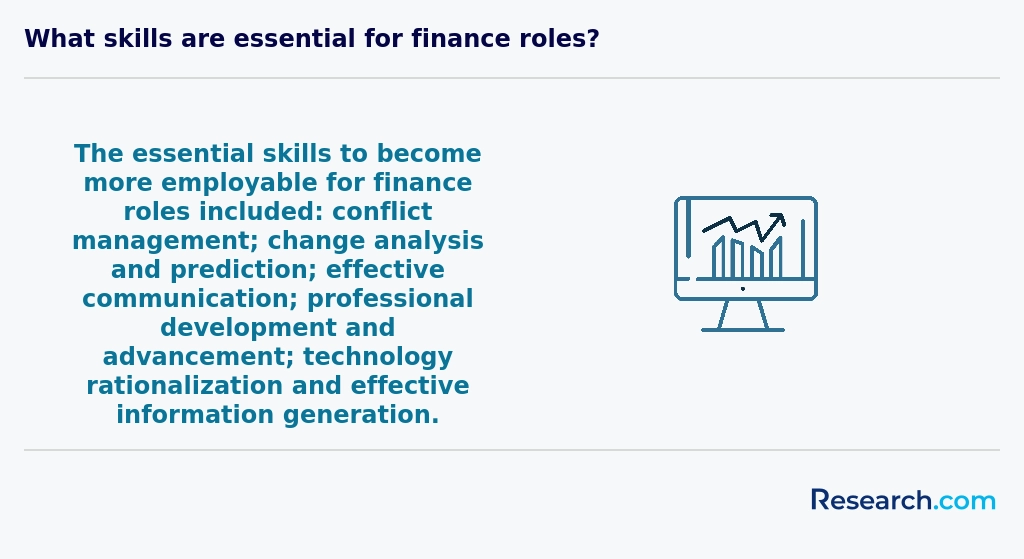
Obtaining industry-recognized certifications can significantly enhance the value of a finance degree in Denver, CO, by validating specialized skills and boosting employability. Top credentials include:
- Chartered Financial Analyst (CFA): Widely regarded for investment management and research roles, the CFA program deepens expertise in portfolio analysis, ethical standards, and quantitative methods.
- Certified Public Accountant (CPA): Ideal for graduates targeting corporate finance, auditing, or taxation, the CPA credential demonstrates mastery of accounting principles and regulatory compliance.
- Certified Financial Planner (CFP): Focused on personal financial planning, retirement strategies, and risk management, the CFP certification aligns with careers in wealth management and advisory services.
- Financial Risk Manager (FRM): Emphasizes risk assessment, derivatives, and market risk, preparing graduates for roles in risk management within banking or fintech firms. By integrating these certifications with hands-on experience, graduates differentiate themselves in Denver’s competitive job market. Before selecting a certification path, research the financial manager career outlook to align your credentials with in-demand roles. Additionally, many Denver institutions offer exam prep courses and mentorship programs, ensuring candidates can balance study commitments with work or internships. Earning a professional designation not only increases salary potential but also signals to employers a commitment to lifelong learning and ethical standards-key factors in achieving long-term career success in finance.
Finance degree programs in Denver typically include core courses that build essential skills for the competitive market. Graduates from local universities often highlight how courses like Financial Accounting helped them confidently analyze real company reports during internships at major Denver financial firms. Corporate Finance classes provide practical tools for managing capital budgeting and working capital - crucial when students work on live case studies reflecting Denver's business environment.
Investment Analysis and Financial Markets courses immerse students in understanding portfolio management and global financial systems, which recent graduates found invaluable when navigating Denver's growing investment sector. Quantitative Methods for Finance sharpens analytical skills with real-world data applications, helping students excel in data-driven projects and fintech collaborations.
Electives such as Financial Modeling and Data Analytics prepare students to tackle big data challenges, while Risk Management teaches strategies to mitigate financial risks-skills praised by graduates working in Denver's financial services. International Finance courses help those aiming to join global business teams expanding in the city.
Finance degree specializations in Denver offer practical pathways tailored to the city's vibrant economy. Many students choose corporate finance to gain skills in budgeting and capital management, preparing for roles in Denver's expanding businesses. Graduates from local universities often highlight how coursework directly applied to real-world financial planning in nearby companies.
Another key specialization is investment management, focusing on portfolio growth and asset valuation. Programs in Denver's colleges connect students to local investment firms, enhancing job prospects. Students pursuing a business finance concentration options Denver can benefit from this hands-on exposure as well.
Financial planning and wealth management is popular among those aiming to guide families on retirement and tax strategies, a growing need in the Denver area. Graduates from these tracks feel confident stepping into advisory roles thanks to internships at reputable firms around the city.
Risk management and insurance programs attract students keen on careers in Denver's energy and insurance sectors, teaching vital skills in compliance and underwriting. Financial technology (FinTech) specializations also thrive here, blending finance with innovation-students often intern at startups working on blockchain and cybersecurity.
The average tuition is about $11,000 yearly for in-state public university students, but costs vary. For insights into cost-effective programs, check the Most Affordable Finance Degree Programs Ranking in Michigan as a helpful reference when exploring finance degree specializations Denver offers.
To choose the best finance degree in Denver, start by focusing on programs that combine strong academic content with practical experience. Graduates from popular universities often praise curriculum elements covering corporate finance, investment strategies, and risk management, alongside internships with local firms. These real-world opportunities create confident, job-ready professionals. When considering cost, explore affordable finance degree programs Denver offers, such as those at community colleges where tuition can be significantly lower without sacrificing quality. Candidates talk positively about the accessibility and personal attention found there.
Reputation and accreditation matter too. Programs recognized by the AACSB signal academic rigor and better career prospects. Graduates frequently mention how these credentials helped them connect with Denver's finance sector employers. Employment outcomes are strong in Denver, where finance jobs are growing, so look into schools with active job placement programs and strong industry ties.
Finally, consider flexibility. Many students benefit from hybrid or evening classes that allow working while studying. For those needing quicker options, consider the best 6 month associate online degree programs, which can fast-track career entry.
Graduates with a finance degree in Denver have access to diverse career paths aligned with the city's growing economic landscape. Many find rewarding roles in corporate finance, managing budgeting and capital structuring for regional companies and startups affiliated with institutions like the University of Denver and Metropolitan State University of Denver. These graduates often describe the satisfaction of directly influencing company growth within Denver's dynamic business environment.
Another thriving option is financial analysis, where professionals assess investment opportunities and market trends. Denver's expanding financial sector employs thousands in this role, making it an attractive path for recent graduates. Many highlight gaining real-world experience through internships with local firms, helping bridge classroom theory and practical application, which enhances their job prospects in the competitive market for finance degree job opportunities in Denver.
Beyond traditional roles, finance students can pursue financial planning or risk management careers, especially within Denver's startup ecosystem. Graduates frequently appreciate the city's blend of opportunity and affordable living, which supports a balanced approach to advancing their careers. Those seeking to diversify skills might explore easy certifications to get online that pay well, broadening their qualifications while remaining local.
- Financial analyst
- Corporate finance manager
- Financial planner
- Investment banking associate
- Risk management specialist
- Business consultant
The finance degree job outlook Denver offers is promising, with steady job growth driven by the city's expanding economy and financial sector. Graduates from local institutions often find roles such as financial analyst or credit analyst at regional banks, credit unions, and growing fintech companies. For example, recent graduates from well-known colleges in Denver report securing positions in financial planning and investment analysis, thanks to networking opportunities through groups like the Denver CFA Society.
Cost of living in Denver is lower than in coastal cities, which paired with salaries ranging from $55,000 to $70,000, enhances the appeal for new finance graduates. Many students benefit from affordable tuition at public universities here, helping reduce debt and allowing a quicker transition into the workforce. Those interested in flexible learning can explore options like the best affordable online associate degrees if balancing work and study.
Leveraging Denver's growing tech sector also opens doors for finance graduates. Roles in corporate finance and risk management within tech firms provide diverse career opportunities, making career opportunities for finance graduates Denver wide-ranging and encouraging for the future.
2027 Most Affordable Finance Degree Programs Ranking in Denver
Investing in your education is a significant decision that can shape your future, and the Research.com team understands the importance of making informed choices. To assist prospective students interested in finance degrees in Denver, we have meticulously developed the "2027 Most Affordable Finance Degree Programs Ranking in Denver." Our dedication to quality, credibility, and accuracy is demonstrated through comprehensive research and analysis underpinning this ranking.
We utilized the following reputable data sources to ensure a thorough evaluation of finance degree programs:
By exploring this ranking, readers will gain valuable insights into affordable, high-quality finance degree programs in Denver, enabling confident and well-informed educational decisions. For more details on our methodology, please visit our Research.com methodology page.
# 1 position
Colorado State University Global
Master of Finance

# 2 position
Colorado State University Global
Bachelor of Science in Finance


Frequently Asked Questions About finance
Finance degree students in Denver can maximize their learning experience by engaging with the city's vibrant financial sector. Denver hosts numerous banks, investment firms, and corporate headquarters, offering students valuable internships and networking opportunities. According to the Denver Metro Chamber of Commerce, the financial services industry employs over 50,000 people locally, reflecting strong demand for skilled professionals.
Students should also take advantage of Denver's growing fintech scene, which integrates technology with finance, fostering innovative learning environments. Participating in local finance clubs and attending workshops or seminars at institutions like the University of Denver can deepen understanding.
Additionally, leveraging online resources and certifications such as the CFA can complement formal education and improve career prospects.
The finance field is evolving rapidly, with several emerging niches gaining prominence in Denver's market. One key area is financial technology (fintech), driven by innovations in blockchain, mobile banking, and digital payments. Denver's growing startup ecosystem supports this trend, making fintech expertise highly valuable.
Another niche is sustainable finance, focusing on investments that prioritize environmental, social, and governance (ESG) criteria. This aligns with Colorado's strong environmental initiatives and the increasing demand for ESG-compliant portfolios nationwide.
Data analytics in finance is also expanding, as companies rely on big data to inform investment strategies and risk management. The University of Denver's recent finance curriculum updates reflect this shift.
Emerging opportunities in behavioral finance and cybersecurity risk management also attract attention, addressing new challenges in financial decision-making and asset protection.
To prepare for the job market after completing a finance degree in Denver, students should focus on building practical skills alongside academic knowledge. Denver's robust economy, featuring strong finance and banking sectors, offers opportunities in investment firms, commercial banks, and corporate finance departments. Gaining internships locally can improve employability, as 62% of Denver employers prefer candidates with relevant experience, according to the Denver Metro Chamber.
Networking is vital in Denver's tight-knit business community. Participation in finance-related events and organizations like the Denver CFA Society can open doors. Additionally, proficiency in financial software such as Excel, Bloomberg, and QuickBooks enhances job prospects. Certification like the CFA or CPA may further distinguish candidates in a competitive market.
Employers in Denver increasingly value finance graduates who combine strong analytical skills with practical knowledge. According to the Denver Metro Economic Development Corporation, proficiency in data analysis and financial modeling is essential due to the city's growing finance and tech sectors.
Communication skills are also crucial. Finance professionals often work in teams and explain complex concepts to non-experts. The U.S. Bureau of Labor Statistics highlights that finance roles in Denver report higher demand for interpersonal and problem-solving abilities compared to national averages.
Additionally, knowledge of financial regulations and software such as Excel, QuickBooks, and SAP remains important. Staying updated with industry standards helps graduates stand out in Denver's competitive job market.
Finding internships in Denver relevant to a finance degree involves targeted research and networking. Denver hosts a growing financial sector, including firms like Charles Schwab and Janus Henderson Investors, which often offer internships tailored to finance students. Utilizing resources such as the University of Denver's Career Development Center can connect students to local opportunities. Websites like Handshake and LinkedIn list numerous internships available in Denver's finance industry.
Additionally, attending local finance and business events, such as those organized by the Colorado Finance Association, helps build connections. According to the U.S. Bureau of Labor Statistics, internships increase employment prospects, so seeking roles with banks, investment firms, or accounting companies in Denver is advisable.
Obtaining a finance degree in Denver significantly enhances career mobility and advancement within the city's dynamic financial sector. Denver hosts a large concentration of banking, investment, and corporate finance firms, offering graduates numerous job opportunities. According to the U.S. Bureau of Labor Statistics, the Denver metropolitan area has seen a 7% growth in financial analyst roles between 2021 and 2023, outpacing the national average.
Employers in Denver often prefer candidates with formal finance education, valuing the analytical and quantitative skills such programs provide. Graduates typically start in entry-level analyst or associate positions but can advance to managerial or specialized roles within five years. Networking and local internships available through Denver's universities also support career progression in the finance industry.
Studying for a finance degree in Denver offers a unique advantage for students aiming to enter interdisciplinary roles. Denver's growing economy, particularly in sectors like technology, healthcare, and energy, encourages finance graduates to develop skills that cross traditional boundaries. Many programs integrate courses from economics, data analytics, and business law to equip students with broad competencies.
According to the U.S. Bureau of Labor Statistics, Denver's financial sector is expanding by over 4% annually, increasing demand for versatile professionals. Local universities often emphasize collaboration with other departments, fostering abilities in communication and problem-solving. This prepares graduates to work effectively in teams spanning multiple industries and roles, enhancing their career flexibility.
Choosing between a thesis and a non-thesis finance degree program in Denver depends largely on your career goals. A thesis option focuses on research, ideal for students who want to pursue a PhD or roles in financial analysis and academia. Non-thesis programs emphasize practical skills and coursework, catering to those aiming for industry positions like financial planning or corporate finance.
Many Denver universities, such as the University of Colorado Denver, offer both options. According to the National Center for Education Statistics, thesis programs usually require a longer completion time but can provide deeper expertise. Employers in Denver's finance sector, which grew by 4.8% in 2023 (Denver Economic Report), often value hands-on experience, favoring the non-thesis path for immediate application.
Students based in Denver who wish to study finance abroad have several options through US university partnerships and exchange programs. Institutions such as the University of Denver and Metropolitan State University of Denver offer study-abroad programs in Europe and Asia, often focusing on global finance and economics.
According to the Institute of International Education's 2023 Open Doors report, finance is among the top fields for US students studying abroad. These programs typically last a semester or year, allowing hands-on experience in international markets, a valuable asset for finance careers. Cost and credit transferability are essential factors, so students should consult their home universities' international offices.
Denver's financial industry, contributing about $14 billion to the local economy (Denver Office of Economic Development), values graduates with global exposure, making these programs beneficial for future employment. Scholarships specifically for study abroad and finance majors are also available to mitigate costs.
Students pursuing finance degrees in Denver have access to various part-time job opportunities that enhance their education. Positions in local banks and credit unions offer practical experience with financial analysis and customer service. Denver's growing financial sector, supported by over 60 financial services firms reported by the Colorado Department of Labor, creates roles in bookkeeping and loan processing.
Internships at investment firms or accounting offices provide hands-on exposure to portfolio management and tax preparation. Additionally, roles as financial tutors or campus budget advisors help develop communication and analytical skills. These jobs not only improve resumes but also build connections within Denver's finance community.
Finance students in Denver benefit from a variety of strong networking opportunities that can enhance their career prospects. The city hosts events by organizations such as the Denver CFA Society, which offers seminars, workshops, and local meetups tailored to finance professionals and students. According to Denver Economic Development data, the finance sector employs over 45,000 workers locally, supporting a robust professional community.
Local universities often facilitate connections with alumni working in banking, investment, and corporate finance roles. Additionally, Denver's growing fintech industry provides internship and mentorship programs, giving students hands-on experience and direct contact with industry leaders. These networking platforms are essential for students aiming to enter competitive finance markets.
Alumni networks play a crucial role in supporting finance degree students in Denver. Graduates from local universities often remain connected, creating valuable opportunities for mentoring and career guidance. According to a 2023 report by the Denver Metro Chamber of Commerce, 68% of recent finance graduates found jobs through alumni referrals or networking events. These networks provide inside information about internships and positions within Denver's growing financial sector, which includes key industries such as banking, investment firms, and fintech startups.
Students benefit from events hosted by alumni associations, enabling face-to-face connections with industry professionals. This access can be pivotal in Denver's competitive job market, where personal recommendations often influence hiring decisions. Furthermore, alumni can offer advice on navigating certifications relevant to finance careers, such as the CFA or CPA licenses, enhancing student preparedness for professional success.
Customizing a finance degree program in Denver allows students to align their education with specific career ambitions. Many Denver universities offer elective courses in areas such as investment banking, financial analysis, or corporate finance, which help tailor skills toward desired roles. Students often choose concentrations or minors like accounting, economics, or data analytics to enhance their expertise.
Internship opportunities in Denver's robust financial sector, including firms like Janus Henderson Investors and Western Union, provide practical experience to complement academic learning. Additionally, programs may include networking events and career counseling focused on the Denver market, improving job placement success.
Professional certifications such as CFA or CFP can also be integrated into the curriculum to boost credentials. According to the Denver Metro Chamber of Commerce, local finance-related jobs are projected to grow by 5% through 2028, emphasizing the importance of specializing wisely.
Finance students in Denver often face challenges related to balancing rigorous coursework with practical experience. The competitive job market in Denver's growing financial sector demands strong analytical and technical skills, which can be difficult to develop alongside academic obligations.
Additionally, students may struggle with the high cost of living in Denver, impacting their ability to afford internships or part-time work related to finance. According to the Denver Metro Chamber of Commerce, the cost of living here exceeds the national average by about 20%, which adds financial pressure on students.
Furthermore, staying updated with rapidly changing financial regulations and technologies requires constant learning, making time management crucial. Access to networking opportunities is also key but can be limited for some students without established local connections.
With a finance degree in Denver, graduates can pursue several professional certifications to enhance their careers. Popular choices include the Chartered Financial Analyst (CFA) designation, highly regarded in investment management and widely recognized across the finance industry. The Certified Financial Planner (CFP) credential is another option, focused on personal financial planning and client advisory roles.
Denver's growing financial sector encourages certifications such as the Certified Public Accountant (CPA) for those interested in accounting aspects of finance. The Financial Risk Manager (FRM) certification is also valuable, especially for risk analysis positions. According to the Denver Metro Economic Development report (2023), professionals with such certifications often earn salaries above the regional average.
Applying to a finance program in Denver requires a clear and focused approach. Start by researching schools carefully, considering factors like curriculum quality and local industry connections. Highlight your quantitative skills and any relevant experience, such as internships or work in financial services, to show practical readiness. Programs in Denver often value applicants with strong analytical abilities and familiarity with local economic trends, like Denver's growing financial sector supported by firms referenced in the Denver Economic Development & Opportunity reports.
Write a compelling personal statement that explains your interest in finance and how studying in Denver aligns with your career goals. Be sure to include any leadership roles or extracurricular activities that demonstrate your commitment and teamwork skills. Additionally, meeting or exceeding required test scores, such as the SAT or ACT for undergraduates, and submitting strong letters of recommendation can strengthen your application. Properly organizing all paperwork and following each school's specific instructions will also increase your chances of success.
The global perspective on a finance career highlights increasing interconnectedness in markets and the rising importance of cross-border financial expertise. Professionals with a finance degree from Denver benefit from the city's growing status as a regional business hub, linked to international trade and investment.
Diversified skill sets, including knowledge of global regulations and currency markets, are valued. According to the U.S. Bureau of Labor Statistics, employment of financial analysts is projected to grow 9% nationally from 2022 to 2032, reflecting demand that extends beyond local borders.
Denver's finance graduates often engage with multinational corporations or firms focused on emerging markets, expanding their global reach and career potential.
Gaining practical experience while studying for a finance degree in Denver is crucial for career readiness. Many Denver universities offer internships with local financial firms, banks, and investment companies. These internships provide hands-on exposure to financial analysis, portfolio management, and risk assessment.
Students can also participate in finance clubs and student-run investment funds. For example, at the University of Denver, students manage real-money portfolios, refining their decision-making skills.
Additionally, Denver's growing finance sector, which employed over 25,000 workers in 2023 according to the U.S. Bureau of Labor Statistics, offers numerous networking events and workshops. These opportunities help students build valuable industry connections while still in school.
Choosing the right concentration within a finance degree program in Denver starts with understanding your career goals. Popular concentrations include corporate finance, investment management, financial planning, and risk management. Each area targets different skills and job markets.
Denver's growing financial sector offers opportunities in banking, insurance, and real estate finance, so consider concentrations aligned with local industry demands. For example, corporate finance specialists are in demand due to Denver's expanding business hubs, according to the Denver Metro Economic Development Corp.
Research each program's curriculum carefully, looking for courses that build expertise in your chosen concentration. Internships and connections to Denver's finance firms can also enhance your learning.
- 2027 Most Affordable Finance Degree Programs Ranking in Manhattan
- 2027 Most Affordable Finance Degree Programs Ranking in Lubbock
- 2027 Most Affordable Finance Degree Programs Ranking in Omaha
- 2027 Most Affordable Finance Degree Programs Ranking in Edmond
- 2027 Most Affordable Finance Degree Programs Ranking in Abilene
- 2027 Most Affordable Finance Degree Programs Ranking in Springfield
- 2027 Most Affordable Finance Degree Programs Ranking in Dallas
- 2027 Most Affordable Finance Degree Programs Ranking in Columbia
- 2027 Most Affordable Finance Degree Programs Ranking in Minneapolis
- 2027 Most Affordable Finance Degree Programs Ranking in Saint Paul
See What Experts Have To Say About Studying Finance
Read our interview with Finance experts

Jason James Sandvik
Finance Expert
Assistant Professor of Finance
University of Arizona

H. Kent Baker
Finance Expert
Professor at Department of Finance and Real Estate
American University

Andrew Karolyi
Finance Expert
Dean of the Cornell SC Johnson College of Business
Cornell University

- Must-Have Skills for Accounting & Finance Graduates Entering Singapore’s Competitive Job Market https://www.lsbf.edu.sg/blog/accountancy-and-finance/must-have-skills-for-accounting-finance-graduates-entering-singapores-competitive-job-market
- Finance Major, B.S. - MSU Denver https://www.msudenver.edu/finance/finance-major-b-s/
- Why Alumni Networks Matter in Business School: 7 Reasons https://europe.ceibs.edu/article/why-alumni-networks-matter-business-school
- The Rise of Niche Jobs in Africa’s Finance Sector | CA Global https://www.caglobalint.com/post/the-rise-of-niche-jobs-in-africas-finance-sector/
- Top Finance Jobs in Denver & Boulder, CO https://www.builtincolorado.com/jobs/finance
- Affordability & Student Financial Aid https://www.cu.edu/affordability
- Online Bachelor's Degree in Finance | CSU Global | Accredited https://csuglobal.edu/academic-programs/undergraduate-degrees/bachelors-degree-finance
- Finance https://www.regis.edu/academics/majors-and-programs/undergraduate/finance-bs
- Your Guide to Getting a Job in Finance https://www.mountunion.edu/academics/undergraduate-degrees/finance/your-guide-to-getting-a-job-in-finance
- Exploring Alternative Finance Careers: Niche Opportunities in Cambridge's Dynamic Sector https://www.cavillrobinson.co.uk/blog/2023/07/exploring-alternative-finance-careers-niche-opportunities-in-cambridges-dynamic-sector