2027 Most Affordable Finance Degree Programs Ranking in Abilene

Co-Founder and Chief Data Scientist
If you're considering a finance degree in Abilene, this article is here to guide you. We present the 2027 Most Affordable Finance Degree Programs Ranking in Abilene, developed by the Research.com team of data scientists to help you make an informed decision.
Exploring affordable options ensures you get quality education without unnecessary financial strain. A finance degree opens doors to exciting career opportunities, and knowing which programs offer the best value can set you up for success.
Read on to discover programs worth your attention and take a confident step toward your future.
Key benefits of getting finance degree in Abilene
- Finance degree graduates in Abilene can expect strong salary prospects, with roles like Financial Advisor earning a mean annual wage of $150,670 and Financial Analyst positions offering $112,950 on average.
- A finance graduate from a well-known Abilene college can explore diverse career paths including investment banking, credit analysis, and insurance underwriting, providing exciting opportunities to grow and succeed.
- Completing a finance degree online in Abilene offers flexibility and convenience, allowing students to balance studies with personal commitments while gaining quality education equivalent to traditional programs.
- 2027 Most Affordable Finance Degree Programs Ranking in Abilene
- What can I expect from finance degree in Abilene?
- Where can I work with finance degree in Abilene?
What can I expect from finance degree in Abilene?
Finance students in Abilene enjoy a surprisingly affordable education, with tuition rates generally below the national average. Graduates from McMurry University and Hardin-Simmons University often share how their manageable tuition costs made pursuing a finance degree less stressful, freeing them to focus on mastering financial analysis and portfolio theory without worrying excessively about debt.
Local programs offer small class sizes that foster close relationships with professors who bring real-world experience into the classroom, making complex subjects like risk management and investment analysis feel accessible and exciting. Imagine working through a capstone project where you create a detailed investment strategy, guided by an instructor who has worked in Texas's energy sector, which pulses through Abilene's economy.
Many students also appreciate how the affordability opens doors to supplement their studies with professional certifications like the CFA or CFP, enhancing job prospects. This balance between cost and quality creates an enriching experience, fueling confidence as students step into careers in financial services or corporate finance within the vibrant Abilene community.
Where can I work with finance degree in Abilene?
With a finance degree from popular schools like Hardin-Simmons University, graduates in Abilene dive into diverse career paths bursting with potential. Imagine starting your journey as a loan officer at a bustling local bank branch, where you analyze client applications and witness your decisions directly impact people's dreams of owning homes or starting businesses. This hands-on experience sharpens your analytical skills while immersing you in the heart of Abilene's financial scene.
Others find excitement guiding insurance firms through risk assessments or managing investment portfolios, roles that turn abstract numbers into concrete security for families and companies. Healthcare finance is another thrilling avenue-balancing budgets for major providers like Hendrick Health System lets you blend finance with community wellbeing, offering meaningful impact.
Venturing into the energy sector? You could craft financial strategies for West Texas oil and gas companies, navigating complex markets with smart budgeting. Many finance graduates also serve local government or schools, managing public funds that keep Abilene thriving. These real-world roles, accessible right here, make finance degrees an invitation to explore and shape your city's future.
With a finance degree in Abilene, graduates often find themselves earning between $45,000 and $60,000 when starting out, stepping into roles like financial analysts or accountants. Imagine a freshly minted graduate from Hardin-Simmons University landing a financial analyst position, enjoying a median annual wage around $60,000, which feels rewarding for the region.
As they gain experience, the adventure continues upward-mid-career financial managers and senior analysts can expect salaries ranging from $75,000 to $90,000. Recent graduates who pursued certifications such as CFA or CPA often see their earnings climb closer to the $85,000 mark, reflecting real growth possibilities within Abilene's supportive economic environment.
Positions such as financial advisors shine with even higher potential, boasting mean annual wages around $150,670 nationwide, sparking excitement for those ambitious graduates aiming high. Credit analysts and insurance underwriters also present solid career paths, with wages near $94,750 and $85,610 respectively, offering a comfortable lifestyle given Abilene's lower cost of living.
- Finance degree programs in Abilene range from associate to bachelor's levels, often through public and private institutions.
- Tuition costs vary from $6,000 to $10,000 annually at public universities for in-state students, while private schools charge between $15,000 and $20,000 per year.
- Entry-level salaries for finance graduates average about $50,000 per year, with mid-career earnings between $70,000 and $85,000.
- The local job market supports roles in banking, insurance, investment services, and corporate finance, benefiting from a diverse economy.
- Internships and networking opportunities are readily available through local universities and business organizations to help gain practical experience.
In Abilene, diving into a finance degree typically means embracing a journey of about four years for a traditional Bachelor's program. Imagine yourself navigating courses at Abilene Christian University or Hardin-Simmons University, where structured programs guide you through roughly 120 to 130 credit hours, fueling both knowledge and excitement. Graduates often share how this steady pace helped them build confidence, balancing study with campus life and future ambitions.
For those feeling the pull of a quicker path, associate degrees offer a two-year adventure into financial principles, perfect for launching an entry-level career or setting the stage for further study. Meanwhile, the ambitious adventurers eyeing graduate degrees like an MBA or Master's in Finance find their path unfolding in one to two years, sometimes accelerated or part-time, matching diverse personal rhythms.
Beyond program lengths, many students thrive by planning carefully around course availability, transfer credits, and enriching internships-turning the experience into a dynamic exploration of finance right here in Abilene.
Investing in a finance degree is not just about tuition costs-it’s about the long-term financial payoff. On average, graduates from Abilene Christian University carry a student debt of approximately $22,000, while those from Hardin-Simmons University report debts closer to $25,500. Given the mean starting salary of $77,000 for entry-level financial analysts and the median wage of $137,740 for financial advisors, most graduates recoup their investment in under three years. Beyond salary metrics, consider career-long earnings: with an 8% projected growth rate for financial analysts through 2032, professionals can expect a cumulative five-year increase in earning potential of up to 15%. Additionally, graduates who pursue certifications like the CFP or CFA often see salary bumps of 8–12% within the first two years of certification. For those weighing regional options, it’s insightful to compare tuition-to-salary ratios across states. For example, our neighbors benefit from different cost structures-explore the Most Affordable Finance Degree Programs Ranking in Kentucky to see how Kentucky institutions stack up in terms of affordability and ROI. Ultimately, the true ROI of a finance degree in Abilene hinges on factors like program length, on-campus versus online delivery, and individual career trajectories. By mapping tuition, average debt, and salary growth together, prospective students can make data-driven decisions that align with their financial goals.
Imagine diving into finance at Texas State Technical College in Abilene, where on-campus students thrive in buzzing hallways and lively classrooms, soaking up immediate feedback from professors and forming connections during finance club meetings or local internships. This face-to-face energy often sparks inspiration and builds strong networks, critical for future finance careers.
Meanwhile, online learners embrace freedom, fitting courses around busy jobs or family life. Picture tackling investment analysis late at night, pausing and replaying lectures when needed, all while enjoying the affordability of about $135 per credit hour-much friendlier than some on-campus fees. Graduates often mention the self-discipline required but celebrate the chance to create personalized study rhythms without losing sight of their goals.
Both paths digest core topics like financial management and risk assessment, yet while on-campus students benefit from campus libraries and career services, online students tap into virtual counseling and databases, keeping them connected even from afar.
- On-campus study cultivates peer bonds and structured days.
- Online study offers adaptability to life's unpredictable moments.
- Tuition online in Abilene generally costs less, easing financial worries.
- Networking blossoms in person but online platforms are improving connectivity.
The average cost of a finance degree in Abilene stretches across a range that reflects the diverse educational options available here. Many students find themselves budgeting around $38,580 for in-state total costs, particularly when enrolling in popular local institutions such as Hardin-Simmons University or Abilene Christian University. These private universities are known for combining solid academic reputations with a vibrant campus life, leading graduates to often recall a rewarding investment in both education and personal growth. This cost is a significant factor for students exploring affordable finance degree tuition fees in Abilene, especially when balancing tuition alongside everyday expenses.
For those who dream big yet want to keep expenses manageable, public colleges nearby offer a welcoming alternative with lower in-state tuition, though travel might factor in. The financial landscapes at these schools inspire students to embrace the challenge, knowing they're carving a path forward without overwhelming debt. Beyond tuition, students often mention budgeting for books, materials, and living costs, all contributing to the total annual investment.
Exploring paths in finance doesn't stop at traditional routes-many graduates speak of later pursuing advancement through best DBAprograms online, blending flexibility with deepening expertise while managing costs effectively. For those curious about diving into Abilene's finance degree scene, understanding this financial range opens doors to new possibilities and adventures in learning.
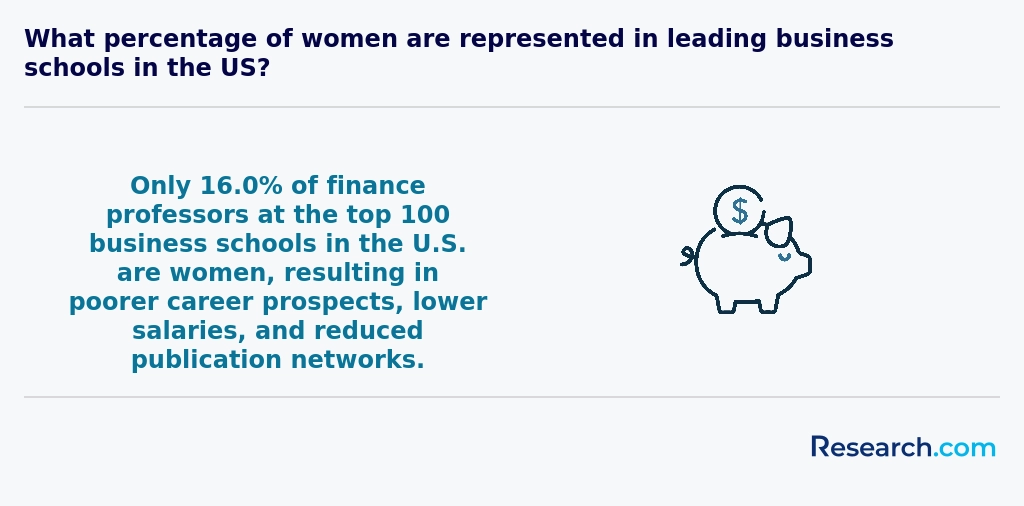
Imagine unlocking your finance degree journey in Abilene with powerful financial aid tools at your disposal. Graduates from Abilene Christian University often share how the Free Application for Federal Student Aid (FAFSA) became their passport to grants and work-study jobs, lightening the weight of tuition costs that typically range from $10,000 to $15,000 annually for Texas residents. The Pell Grant, offering up to $7,395, feels like a generous boost that many low-income students celebrate as a game changer.
State grants, like the Texas Educational Opportunity Grant, open additional doors for those attending public institutions such as Texas State Technical College - Abilene. Picture using the Texas Tuition Promise Fund to lock in future tuition rates, easing your family's worries as you chase your finance dreams.
Local scholarships here sparkle with promise-merit-based awards recognize your hard work and passion, adding excitement as you imagine the support from Abilene's colleges. Private finance associations, including the Financial Management Association International, create a vibrant tapestry of opportunities that reward both effort and need.
Work-study programs and employer tuition reimbursements offer hands-on experience while earning, empowering many students to fund their education actively and confidently.
Imagine stepping onto the vibrant campuses of Abilene Christian University or McMurry University, ready to dive into the dynamic world of finance. To embark on this journey, you'll need more than enthusiasm; academic readiness is key. Graduates often recall how strong high school performance in math-heavy courses like Algebra II or Calculus opened doors for them. Admissions teams seek this solid foundation to ensure you can navigate complex financial concepts.
Many students remember the excitement-and nerves-of submitting SAT or ACT scores, with math results boosting their confidence. Even though some schools are test-optional, high scores still give you a competitive edge, especially in these top Texas programs.
Beyond numbers, you'll want to demonstrate your passion through personal essays or recommendations, painting a picture of your analytical mind and leadership potential. Enrolling also means preparing financially-tuition typically runs between $15,000 and $25,000 annually, motivating students to explore scholarships or aid early on.
Some recall placement exams for courses like accounting or statistics, stepping stones that help tailor their academic path. This blend of preparation makes the finance degree adventure in Abilene both challenging and deeply rewarding.
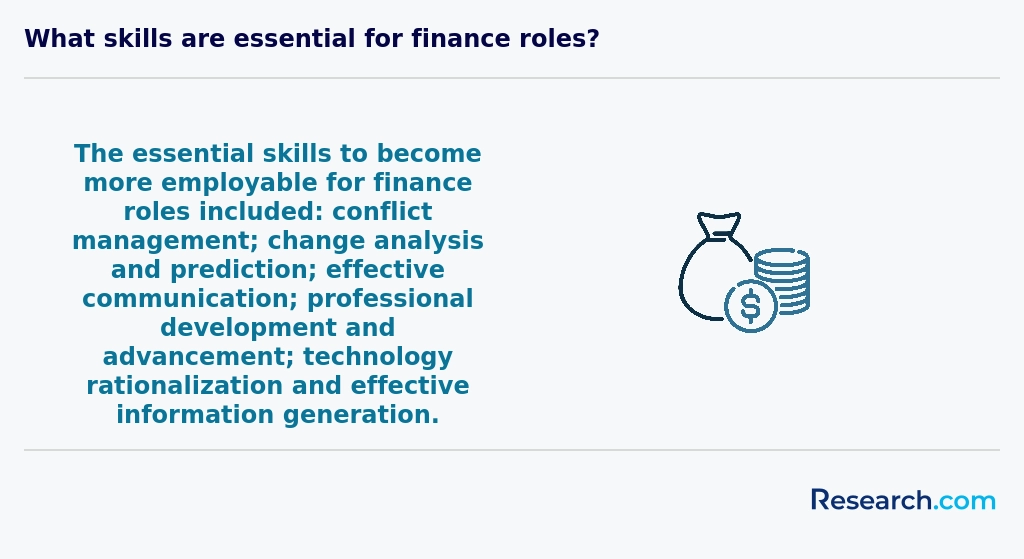
Prospective students often wonder whether to pursue a finance degree or delve into broader economic theory-each path offers distinct skill sets and career trajectories. While finance programs emphasize practical skills like portfolio management, risk assessment, and corporate finance, economics degrees focus on understanding market forces, policy analysis, and data modeling. Key considerations include:
- Career Focus: Finance graduates typically enter roles such as investment banking, financial planning, and corporate treasury, whereas economics majors may pursue positions in government agencies, economic research, or consulting.
- Curriculum Differences: Finance coursework centers on financial instruments, valuation techniques, and quantitative analysis, while economics covers microeconomics, macroeconomics, econometrics, and statistical modeling.
- Skill Development: A finance degree hones skills in financial reporting, asset allocation, and regulatory compliance; an economics degree develops analytical reasoning, policy evaluation, and long-term trend forecasting.
- Return on Investment: Both degrees offer competitive salaries, but finance roles often provide higher starting salaries, whereas economics roles may require advanced degrees for top compensation. For a deeper dive into program structures, career outcomes, and long-term benefits, explore our guide on which is better economics or finance degree program.
Diving into a finance degree in Abilene opens the door to an exciting mix of courses that blend theory with real-world application. At popular local colleges, students eagerly explore Principles of Financial Management, learning to weigh risks and returns just like real investors analyzing their next big move. Graduates often recall how Corporate Finance courses made the puzzle of company funding feel like a strategic game they could master.
Imagine sitting in a classroom at an Abilene university, engrossed in Investment Analysis, where the ups and downs of markets translate into dynamic portfolio challenges. Many students find Financial Markets and Institutions fascinating as it reveals the hidden mechanics behind the scenes of the U.S. economy.
International Finance courses add a thrilling global angle, making students aware of the financial ties that link Abilene to worldwide markets. Meanwhile, Accounting Fundamentals serve as a trusty compass, helping graduates confidently interpret financial statements in internship roles across town.
This robust curriculum, paired with practical electives and hands-on case studies, transforms eager learners into savvy finance professionals ready to navigate the financial seas of Abilene and beyond.
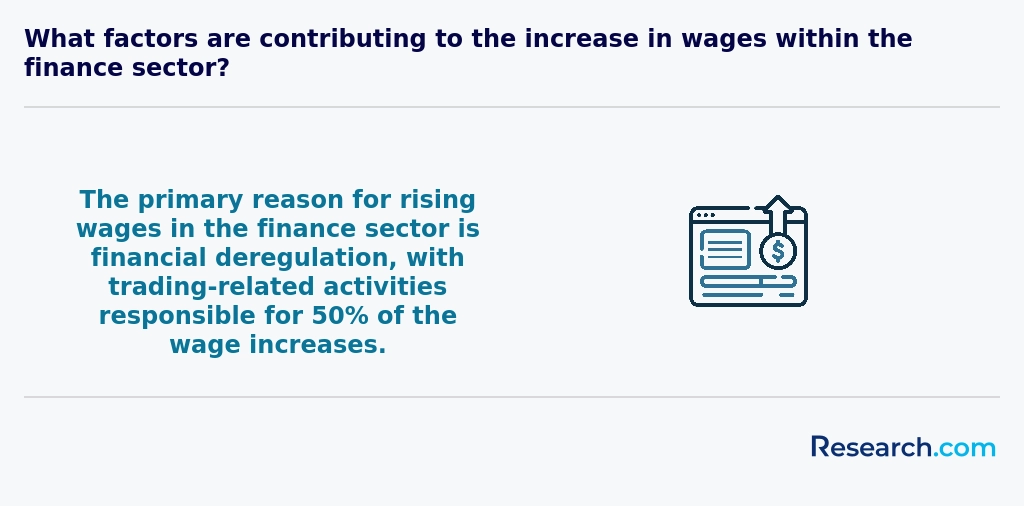
Finance degree specializations in Abilene open doors to adventurous career paths, letting students dive into areas like corporate finance, financial planning, investment management, and risk management. Imagine working alongside peers at popular colleges in Abilene, where graduates often describe hands-on projects simulating real-world financial decisions in local businesses. Exploring corporate finance means learning how to steer companies through complex budgeting and funding puzzles-a thrilling challenge for those excited by strategic thinking.
Abilene finance degree program concentrations also include financial planning, a favorite among graduates who enjoy advising families on budgeting and retirement-turning numbers into empowering life choices. Others enthusiastically pursue investment management, mastering the art of managing diverse asset portfolios as if navigating a dynamic stock market adventure. Risk management lovers relish analyzing threats and crafting safeguards, skills highly valued in the insurance and banking sectors around Abilene.
Many students appreciate that their studies come with practical experience and affordable tuition. For those seeking flexibility, there's even encouragement to explore affordable online bachelor's in business from nearby institutions, blending convenience with quality education.
Diving into the search for the best finance degree programs in Abilene means embracing a spirit of exploration-look beyond just textbooks and lectures. Graduates from Texas Tech University often share how hands-on internships with local companies like First Financial Bank transformed their classroom theory into thrilling real-world challenges. Imagine working on real investment projects while building your network in Abilene's dynamic economy!
Affordability is crucial, too, especially when considering affordable finance schools near Abilene TX. Many students find that public universities here offer competitive tuition paired with strong regional accreditation, giving peace of mind that their degree holds weight. Balancing costs with program quality can open doors to flexible online or hybrid courses, perfect for juggling studies and life.
Curiosity also leads to checking out outcomes-graduates often celebrate how programs with high job placement rates and solid career support helped them land rewarding roles. For inspiration, explore the top paying bachelor's degrees to see how your finance degree could launch a prosperous future in Texas and beyond.
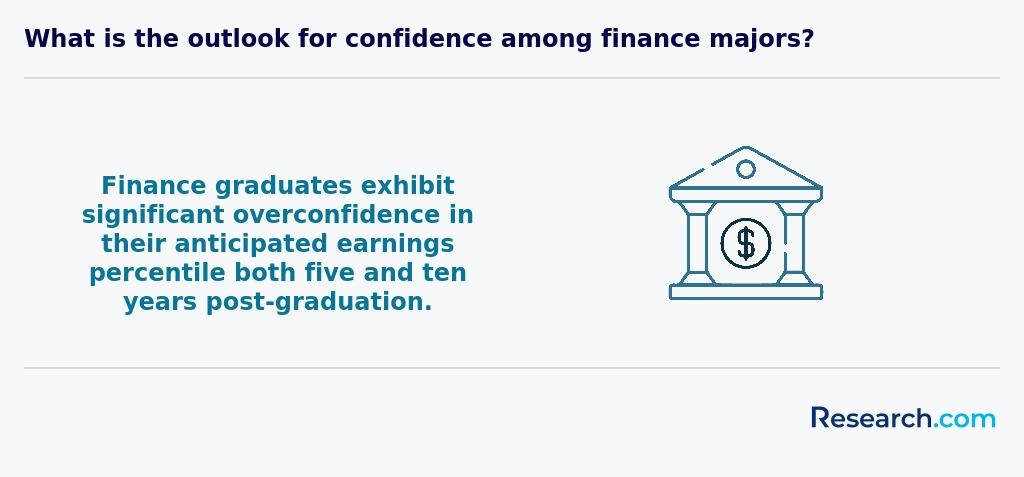
Finance degree career opportunities in Abilene unlock an exciting variety of paths tailored to the city's unique market. Graduates from local universities often find themselves stepping into roles like financial analysts, where they dive into evaluating investments and shaping smart decisions for companies. Others enjoy the steady rhythm of accountants and auditors, ensuring smooth financial records and compliance in Abilene's diverse industries-from healthcare to agriculture.
Personal financial advisors thrive helping individuals plan for their futures, while loan officers connect businesses and families with key financing, experiencing firsthand the collaborative spirit of Abilene's financial community. Some graduates take on risk management, creatively identifying and tackling financial uncertainties. Jobs with finance degree in Abilene TX often come with hands-on experiences, thanks to internships at regional banks where theory meets vibrant local markets.
Many who study at universities in Abilene find themselves curious about broader financial questions, sometimes wondering which is better economics or finance degree program for their career goals. This sense of exploration fuels adventurous grads eager to carve out their niche in insurance, real estate finance, or consulting, discovering opportunities uniquely tied to Abilene's growing economy.

The job market for finance degree employment opportunities in Abilene offers an exciting landscape full of diverse paths. Graduates from local institutions like Hardin-Simmons University often find themselves stepping directly into roles within banks, credit unions, and investment firms that value hands-on experience and sharp financial insight. Many have found that internships and networking events hosted by these universities create bridges to lasting industry connections, helping smooth their entry into competitive positions.
Exploring the job outlook for finance graduates in Abilene reveals a steady demand for financial analysts and advisors, especially as the regional economy grows and more individuals seek expert financial guidance. While the average annual wage is slightly below national figures, specialized skills such as risk management and data analysis can unlock higher salaries and dynamic career growth. For those curious about managing education costs in similar regions, checking out the Most Affordable Finance Degree Programs Ranking in Kentucky provides a helpful glimpse into balancing tuition with opportunity.
2027 Most Affordable Finance Degree Programs Ranking in Abilene
Investing in your education is a significant decision that can shape your future, and the Research.com team understands the importance of making informed choices. To assist prospective students in Abilene, we have meticulously developed the "2027 Most Affordable Finance Degree Programs Ranking in Abilene." Our commitment to quality, credibility, and accuracy is reflected in the thorough research and analysis used to create this ranking.
We utilized the following reputable data sources to ensure a comprehensive evaluation of finance degree programs:
By exploring this ranking, readers will gain valuable insights into the most affordable finance degree programs in Abilene, enabling them to make well-informed decisions about their educational investments. For more details on how we crafted this ranking, please visit our Research.com methodology page.


Frequently Asked Questions About finance
Finance degree students in Abilene can maximize their learning experience by actively engaging with local financial organizations. Abilene hosts several branches of regional banks and investment firms, offering valuable internship opportunities that provide real-world exposure. According to the U.S. Bureau of Labor Statistics, internships significantly improve job prospects for finance graduates nationwide.
Students should also take advantage of resources at institutions such as McMurry University and Abilene Christian University, which offer finance clubs and guest lectures from industry professionals. Networking through these events connects students to Abilene's growing business community.
Finally, seeking certification opportunities, such as preparing for the CFA exam, can complement academic learning and boost employability in this competitive field.
The finance field is rapidly evolving, with several emerging niches gaining importance. In Abilene, finance students can explore areas such as financial technology (fintech), which integrates technology to improve financial services. According to the Texas Workforce Commission, demand for fintech specialists is growing nationwide, including Texas.
Another niche is sustainable finance, focusing on investments that consider environmental, social, and governance (ESG) factors. This area is expanding as more companies adopt responsible investing practices.
Lastly, data analytics and quantitative finance are becoming integral as firms rely more on big data to guide financial decisions. These specialties offer promising career paths for students in Abilene pursuing finance degrees.
After earning a finance degree in Abilene, students should actively build practical skills to enhance employability. Internships with local banks, investment firms, or businesses are crucial for gaining experience and expanding professional networks. According to the Texas Workforce Commission, financial services jobs in Abilene have grown by approximately 5% over the past five years, highlighting steady demand in this sector.
Additionally, obtaining certifications such as the CFA or CFP can improve job prospects. Engaging in networking events hosted by the Abilene Chamber of Commerce or finance associations can connect graduates with potential employers. Developing strong communication and analytical skills remains essential for success in Abilene's competitive finance job market.
Employers in Abilene highly value finance graduates who demonstrate strong analytical and quantitative skills. These abilities are essential for interpreting financial data and making informed decisions. According to the Texas Workforce Commission, positions in finance demand proficiency in tools like Excel and financial modeling software. Communication skills also rank high, as graduates must clearly present complex information to clients and teams.
Problem-solving and critical thinking are key skills that help graduates adapt to Abilene's diverse economy, which includes healthcare, education, and manufacturing sectors. Ethical judgment and attention to detail are increasingly important, given the regulatory environment in finance jobs. These competencies shape successful careers in the local job market.
Finding internships in Abilene related to a finance degree involves targeting local businesses and financial institutions. Abilene hosts several banks, insurance firms, and investment companies that often seek interns from nearby universities. Students should visit career services at institutions like Hardin-Simmons University, which regularly posts internship opportunities with local partners. Networking events and finance-related workshops in Abilene also provide avenues to connect with professionals.
The Texas Workforce Commission reports Abilene's finance and insurance sector employs over 2,000 people, indicating a steady demand for entry-level talent, including interns. Utilizing online job boards tailored to Abilene and engaging with alumni networks improves the chances of finding relevant internships.
A finance degree in Abilene significantly enhances career mobility and advancement opportunities within the local job market. The city's growing economy, supported by sectors such as banking, insurance, and energy, benefits from finance professionals who understand both theory and local business practices. According to the U.S. Bureau of Labor Statistics, finance-related occupations in Texas are expected to grow by 8% through 2031, which aligns with Abilene's steady demand.
Graduates with a finance degree often qualify for positions with higher salaries and leadership potential, such as financial analysts, advisors, and managers. Employers in Abilene value formal education combined with practical experience, which can lead to quicker promotions and geographic transfer within larger Texas firms. Moreover, local universities frequently connect students with internships and networking events, crucial for career progression in finance.
Studying for a finance degree in Abilene equips students with versatile skills that apply to various industries. Abilene's higher education programs often emphasize the integration of finance with business analytics, economics, and management. This interdisciplinary approach reflects the needs of local employers, such as financial services, healthcare, and manufacturing sectors, which dominate the regional economy according to the Abilene Chamber of Commerce.
Students gain practical knowledge in financial modeling, risk assessment, and data analysis, which are critical in roles beyond traditional finance, including consulting and strategic planning. Coursework frequently involves collaborative projects that mimic real-world business challenges.
Additionally, connections with Abilene's business community offer hands-on internships, enhancing students' adaptability across disciplines.
Choosing between a thesis and a non-thesis finance degree program in Abilene depends on your career goals and learning preferences. A thesis option typically involves conducting original research and writing a substantial document, which can be advantageous if you plan to pursue a PhD or a research-oriented role. It may take more time-often adding a semester or more to your studies. Non-thesis programs focus more on coursework and practical skills, appealing to those targeting immediate employment in finance sectors like banking or asset management.
Local institutions such as Abilene Christian University offer both options, and the choice should align with your interest in research versus applied finance practice. According to the National Center for Education Statistics, finance graduates who completed a thesis are 25% more likely to engage in analytical roles, while non-thesis graduates often enter business or financial planning positions directly.
Consider your schedule and whether you prefer a structured course load or independent research. Also factor in potential employer preferences in Abilene's finance job market, which heavily favors practical skills according to workforce reports from the Abilene Chamber of Commerce.
Students in Abilene who wish to study finance abroad have several pathways through U.S. universities' exchange and study abroad programs. While Abilene itself lacks a major international campus, institutions like McMurry University and Abilene Christian University often partner with universities in Europe and Asia. These partnerships enable finance students to spend a semester or year overseas, gaining global financial perspectives important in today's economy.
According to the Institute of International Education, about 10% of U.S. finance undergraduates participate in study abroad programs, focusing on key financial hubs such as London and Singapore. Students should check with their home institution's study abroad office to explore these options and ensure credits transfer smoothly.
For students pursuing finance degrees in Abilene, several part-time job opportunities can enhance their academic experience and build relevant skills. Positions such as bank teller, accounting assistant, or financial clerk offer practical exposure to financial transactions and customer service within local banks like First Financial Bank and Allegiance Bank. These roles help students understand financial regulations and improve accuracy in handling accounts.
Additionally, internships at Abilene-based firms in sectors like insurance, investment, and real estate provide hands-on experience with market analysis and portfolio management. According to the Bureau of Labor Statistics, the demand for financial analysts in Texas is expected to grow 10% through 2032, making early professional experience crucial.
Finance students in Abilene have access to several valuable networking opportunities that can enhance their academic and professional development. Institutions like Abilene Christian University and McMurry University often host finance-related career fairs and guest speaker events featuring local business leaders and financial professionals. According to the Abilene Chamber of Commerce, the city supports multiple business networking groups where students can connect with employers in banking, investment, and financial services.
Local chapters of national organizations such as the Financial Management Association International (FMA) also provide finance students chances to build professional contacts and attend workshops. Additionally, internships with firms in Abilene's growing energy and manufacturing sectors offer practical experience and networking platforms ahead of graduation.
Alumni networks provide significant advantages for finance degree students in Abilene by offering professional connections in a competitive job market. These networks often include graduates working in local financial institutions, such as banks and investment firms, which helps students gain industry insights and internship opportunities.
According to the Texas Workforce Commission, Abilene's finance sector has shown steady growth, increasing the demand for skilled professionals. Alumni can act as mentors, providing guidance on career paths and credentialing, which is crucial for fields like financial analysis and planning.
Furthermore, alumni events and online platforms facilitate knowledge sharing and networking, aiding job placement and career development for recent graduates.
Students pursuing a finance degree in Abilene can tailor their education to align with specific career goals through elective courses, internships, and specializations. Many local institutions offer options to focus on areas such as investment analysis, corporate finance, or financial planning. Choosing electives that match professional interests helps build relevant skills.
Additionally, engaging in internships within Abilene's growing financial services sector provides practical experience and networking opportunities. According to the Texas Workforce Commission, finance and insurance jobs in Abilene have grown steadily, reinforcing the value of industry connections.
Some programs also allow students to pursue certificates alongside their degree, enhancing expertise in areas like risk management or financial modeling.
Finance students in Abilene often face challenges related to access to specialized local resources and networking opportunities. While Abilene hosts institutions like Hardin-Simmons University, students may find fewer finance-specific internship options compared to larger metropolitan areas. According to the Texas Workforce Commission, the financial sector in Abilene is modest, which can limit practical experience during studies.
Another challenge is balancing rigorous coursework with part-time employment, as many students work to support their education. Additionally, staying updated with constantly evolving financial regulations and technologies requires dedicated effort outside classroom hours.
Lastly, some students report difficulty in finding mentors within the local finance community, affecting career guidance and job placement.
Graduates with a finance degree in Abilene have various professional certification options to enhance their careers. One of the most recognized is the Certified Financial Planner (CFP), which demonstrates expertise in financial planning and wealth management. The CFP requires a bachelor's degree, relevant work experience, and passing an exam.
The Chartered Financial Analyst (CFA) designation is highly respected for investment analysis and portfolio management roles. It involves passing three rigorous exam levels and meeting work experience criteria.
Additionally, the Certified Public Accountant (CPA) credential benefits finance graduates interested in accounting and auditing fields. Local resources like the Abilene-Sweetwater CPA Society provide exam support and networking opportunities.
To write a winning application for a finance program in Abilene, start by clearly demonstrating your academic readiness, emphasizing strong performance in math and economics courses. Most local institutions, like Abilene Christian University, look for applicants with a GPA around 3.0 or higher. Highlight relevant experiences such as internships, part-time jobs, or participation in finance clubs, which showcase practical skills. Craft a concise personal statement that outlines your passion for finance and career goals, tailored specifically to the program. Lastly, request thoughtful recommendation letters from teachers or employers who can attest to your analytical abilities and work ethic.
Finance careers globally are shaped by increasing market integration and technological advances. For students in Abilene, understanding this global context is essential as finance roles often involve multinational firms or international markets. The U.S. Bureau of Labor Statistics projects a 7% growth for financial analyst jobs nationwide between 2022 and 2032. Abilene's growing regional economy offers opportunities in banking, investment, and corporate finance.
Globally, finance professionals must adapt to evolving regulations and economic conditions. Programs in Abilene typically emphasize analytical skills and ethical frameworks, aligning graduates with international standards. Knowledge in global finance helps graduates stay competitive and ready for careers in various sectors including consulting, asset management, and risk assessment.
Gaining practical experience while studying for a finance degree in Abilene is essential for career readiness. Many local colleges offer internship programs with regional banks, investment firms, and insurance companies, providing hands-on finance exposure. For example, Abilene's growing financial sector employs over 1,200 professionals, according to the Texas Workforce Commission (2023), creating valuable intern opportunities.
Students can also participate in campus finance clubs or investment groups, which often simulate real market scenarios. Additionally, volunteering for tax preparation programs or small business consulting projects helps develop critical skills. Networking events hosted by the Abilene Chamber of Commerce connect students with industry professionals, further enriching their practical knowledge.
Choosing the right concentration within a finance degree program in Abilene requires understanding your career goals and the local economy. Key options often include corporate finance, investment analysis, financial planning, and risk management. Abilene's economy, shaped by sectors like healthcare, education, and manufacturing, may influence demand for specific skills.
Students should review program curricula and consider concentrations offering practical skills applicable to Abilene's job market. For instance, expertise in financial planning is valuable as the region's population grows, increasing demand for personal financial advisors, according to the U.S. Bureau of Labor Statistics (2023).
Additionally, connecting with local employers or alumni can clarify which concentrations offer the best networking opportunities and job placement rates in Abilene.
- 2027 Most Affordable Finance Degree Programs Ranking in Lubbock
- 2027 Most Affordable Finance Degree Programs Ranking in Dallas
- 2027 Most Affordable Finance Degree Programs Ranking in San Antonio
- 2027 Most Affordable Finance Degree Programs Ranking in Edmond
- 2027 Most Affordable Finance Degree Programs Ranking in Houston
- 2027 Most Affordable Finance Degree Programs Ranking in Springfield
- 2027 Most Affordable Finance Degree Programs Ranking in Manhattan
- 2027 Most Affordable Finance Degree Programs Ranking in Denver
- 2027 Most Affordable Finance Degree Programs Ranking in New Orleans
- 2027 Most Affordable Finance Degree Programs Ranking in Columbia
See What Experts Have To Say About Studying Finance
Read our interview with Finance experts

Andrew Karolyi
Finance Expert
Dean of the Cornell SC Johnson College of Business
Cornell University

Jason James Sandvik
Finance Expert
Assistant Professor of Finance
University of Arizona

H. Kent Baker
Finance Expert
Professor at Department of Finance and Real Estate
American University

- Getting a Finance degree: All you need to know https://www.study.eu/article/getting-a-finance-degree-all-you-need-to-know
- Finance and… at Abilene Christian University | Vaia https://www.vaia.com/s/degree/abilene-christian-university/finance-and-financial-management-services-bba/
- The Rise of Niche Jobs in Africa’s Finance Sector | CA Global https://www.caglobalint.com/post/the-rise-of-niche-jobs-in-africas-finance-sector/
- What Major is Best for Finance? Top 10 Picks https://zoetalentsolutions.com/what-major-is-best-for-finance/
- Finance Degree Program in Texas | HSU https://www.hsutx.edu/academics/undergraduate-majors-minors/finance-degrees/
- 2024 Best Business Schools | How Alumni Rate Their Undergraduate Business Degrees https://poetsandquantsforundergrads.com/news/best-business-schools-alumni-rate-undergraduate-business-degrees/5/
- Finance Work Experience Reviews | Higherin https://higherin.com/search-reviews/work-experience/finance
- Top 10 Accounting and Finance Skills Employers Want | Tamarack Recruiting | Tamarack Recruiting https://tamarackrecruiting.com/top-10-accounting-and-finance-skills-employers-want-tamarack-recruiting/
- Upgrade to Global Finance Major: What It Is & Why It Matters https://pages.riley-eyewear.com/riley-eyewear/global-finance-major-what-it-is-and-why-it-matters-1767646948
- Navigating financial challenges in higher education - Office for Students https://www.officeforstudents.org.uk/publications/navigating-financial-challenges-in-higher-education/