2027 Fastest Online Finance Degree Programs Ranking in Florida

Co-Founder and Chief Data Scientist
Choosing the right online finance degree program can be overwhelming, especially with so many options available in Florida. This article presents the 2027 Fastest Online Finance Degree Programs Ranking in Florida, created by the Research.com team of data scientists to guide you toward the best choices.
By exploring these top programs, you'll discover opportunities that fit your pace and career goals.
Earning a finance degree opens doors to rewarding careers and personal growth, making this an important step in your future. Let's help you find the path that suits you best.
Key benefits of getting online finance degree in Florida
- Salary Benefits: Graduates with a finance degree can pursue roles such as Financial Advisor, earning a mean annual wage of $150,670, or Financial Analyst, with an average salary of $112,950, offering strong financial rewards.
- Career Paths: A finance graduate from the University of Florida, for example, can explore diverse careers including Investment Banking Analyst or Credit Analyst, providing exciting opportunities in various sectors.
- Online Degree Advantages: Completing a finance degree online from Florida State University allows flexible learning schedules and savings on commute costs while still gaining valuable skills respected by employers.
- 2027 Fastest Online Finance Degree Programs Ranking in Florida
- What can I expect from online finance degree in Florida?
- Where can I work with online finance degree in Florida?
What can I expect from online finance degree in Florida?
The average cost of an online finance degree in Florida varies widely but tends to offer significant savings compared to traditional on-campus programs. Many graduates from the University of Florida or Florida State University share how in-state tuition rates made their education affordable, allowing them to focus more on learning than financial stress. Unlike relocating for study, these students avoided expenses like rent and commuting, which can easily add thousands annually.
One graduate from the University of Central Florida described how choosing an online program meant balancing work, family, and education without sacrificing quality. Their experience exemplifies how Florida's public universities strive to provide accessible, flexible finance degrees with competitive tuition tailored for residents.
Tuition varies by institution and program length, but residents often pay less than $15,000 in-state for a full online bachelor's or master's degree. This affordability combined with career support makes the value clear, especially with Florida's booming financial sectors promising job growth after graduation.
Where can I work with online finance degree in Florida?
With an online finance degree from institutions like the University of Florida or Florida State University, graduates often find themselves stepping into dynamic roles across the state's vibrant economy. Picture a recent graduate landing a financial analyst position at a Miami banking firm, where the city's international connections open doors to unique challenges in global finance.
Others discover fulfilling careers as underwriters or risk managers in Florida's insurance companies, directly influencing how businesses prepare for unpredictable events like hurricanes. The sense of purpose is tangible when you know your work helps protect communities.
Graduates from programs at the University of Central Florida report thriving in real estate financial analysis, navigating Florida's booming housing markets and contributing to multi-billion dollar property investments. Meanwhile, some find inspiration working in corporate finance departments of major employers like Walt Disney World, blending analytical skills with fast-paced business needs.
Emerging startups in Tampa and Orlando also offer exciting roles in venture capital and financial planning, where graduates use versatile finance skills to innovate and grow new ventures. The diversity of paths shows that a finance degree in Florida truly prepares you for a career as broad as your ambitions.
Graduates who earn an online finance degree in Florida often discover salary ranges that challenge the usual expectations. For instance, financial analysts with degrees from well-regarded institutions such as the University of Florida often start with mean annual wages around $112,950, reflecting strong demand in cities like Miami and Tampa. This surpasses the typical entry-level figure many imagine, highlighting the state's vibrant finance landscape.
Similarly, those stepping into roles as financial advisors in Florida experience even higher earnings, with mean annual wages reaching approximately $150,670. Graduates from Florida International University have shared how the ability to work remotely while studying online helped them jumpstart their careers in insurance or personal finance fields, where professionals like insurance underwriters still earn competitive salaries near $85,610.
These figures reveal that a finance degree in Florida isn't just a credential-it's a gateway to lucrative and flexible opportunities. Graduates often reflect on how balancing work and study through online programs positioned them uniquely to capitalize on evolving financial markets and growing investment sectors across the state.
- Tuition for online finance degrees in Florida generally ranges from $5,000 to $15,000 per year for undergraduate programs.
- Florida residents often receive in-state tuition discounts even for online courses at public universities and state colleges.
- Early-career finance graduates in Florida earn between $50,000 and $60,000 annually, with mid-career salaries rising to about $90,000 or more.
- Employment for financial analysts in Florida is expected to grow around 6% over the next decade, matching the national growth rate.
- Florida's strong sectors such as tourism, real estate, and banking create steady demand for finance professionals in cities like Miami, Tampa, and Jacksonville.
- Many online finance programs offer flexible schedules, and accreditation is important for ensuring quality and better job prospects.
Completing an online finance degree in Florida often challenges the notion of a fixed timeline. While many graduates from well-known schools like the University of Florida or Florida State University finish their bachelor's in around four years, the reality is far more flexible. Some students juggle full-time work and family, stretching their studies to six years or more, while others leverage accelerated programs and transfer credits to wrap up in as little as two or three years.
Imagine a working professional at the University of Central Florida opting for a part-time pace versus a recent high school graduate diving into a full-time, accelerated track at Florida International University. Both paths feel fulfilling but vary drastically in duration.
Ultimately, the time to completion depends less on a one-size-fits-all schedule and more on individual motivation, program structure, and life circumstances. This freedom allows students to tailor their journey without sacrificing quality, a defining feature of Florida's online finance degrees.
Earning an online finance degree in Florida lays the groundwork for a successful career, but securing industry-recognized certifications and licenses can significantly boost your credibility and job prospects. Many finance roles require specialized credentials-such as the Chartered Financial Analyst (CFA) designation or the Certified Financial Planner (CFP) certification-to demonstrate expertise in portfolio management, financial analysis, and ethical standards. Additionally, passing FINRA exams like the Series 7 (General Securities Representative) and Series 63 (Uniform Securities Agent State Law) is essential for professionals handling securities transactions. Key certifications and licenses to consider: • Chartered Financial Analyst (CFA): Offered by the CFA Institute, this three-level program covers investment analysis, ethics, and portfolio management. Candidates typically complete the CFA Level I exam while finishing their bachelor’s degree. • Certified Financial Planner (CFP): Administered by the CFP Board, this credential focuses on comprehensive financial planning, requiring a bachelor’s degree, completion of approved coursework, and passing the CFP exam. • Financial Risk Manager (FRM): Awarded by the Global Association of Risk Professionals, the FRM designation validates proficiency in risk assessment, derivatives, and quantitative analysis, making it ideal for risk management careers. • Securities Licenses (Series 7, 63, 65): Required by FINRA for roles in brokerage and advisory services. For instance, to work as an investment banker you often need an investment banker license, which entails passing the Series 7 and Series 63 exams and registering with a broker-dealer. • Certified Management Accountant (CMA): Awarded by the Institute of Management Accountants, the CMA focuses on financial planning, analysis, control, and decision support-key skills for corporate finance specialists. By strategically pursuing these certifications and licenses alongside your online finance degree, you’ll not only meet regulatory requirements but also differentiate yourself in Florida’s competitive finance job market.
Choosing between an online and on-campus finance degree in Florida often hinges on how you picture your daily life as a student. Imagine a graduate from the University of Florida who thrived in face-to-face financial modeling workshops, feeling the buzz of a classroom where immediate feedback and group dynamics sharpened their skills. Contrast this with a graduate of Florida International University who juggled a full-time job and family, finding the online program's asynchronous lectures and virtual discussions perfectly tailored to their hectic schedule.
This difference isn't just about convenience; it's a shift in the learning environment. On-campus students soak in the energetic atmosphere of in-person networking events and campus resources, like finance labs and career centers. Online students, meanwhile, embrace flexibility and self-paced learning, accessing diverse digital tools while saving on commuting and housing costs.
Florida's institutions ensure both paths follow rigorous, SACSCOC-accredited curricula, yet the student experience diverges vividly, shaping not only knowledge but confidence and career readiness in unique ways.
The average cost of an online finance degree in Florida hovers around $30,780, a figure that challenges many assumptions about affordability in higher education. Graduates from well-known public universities often share how this investment felt manageable when balanced against the flexibility of online classes and the possibility of continuing full-time work. For many, this financial commitment opens doors to careers in finance that might otherwise feel out of reach.
When examining total expenses for online finance degrees Florida 2027, it's important to remember that tuition is only part of the picture. Textbooks, software, and other learning tools add to costs, yet Florida's public schools often participate in scholarship programs making education more accessible. Many students at popular institutions across the state find this combination of affordability and quality education a strong motivator in their journey, sparking hope and confidence for their futures.
Interestingly, private colleges in Florida charge notably higher tuition, sometimes doubling the cost seen in public universities. Yet, some students report that the perceived prestige and networking opportunities justify that expense. These personal experiences remind prospective students that cost is one factor in a complex equation of value and outcome. To gauge the return on investment, it helps to look at lists like the highest salary colleges, which include many Florida institutions offering finance degrees.

Many students pursuing an online finance degree in Florida find that navigating financial aid is more promising than they initially imagined. Federal aid programs like Pell Grants can offer up to $7,395 annually, a substantial help that often surprises students managing tight budgets. Completing the FAFSA is the gateway to these opportunities, and Florida institutions readily accept it, making the process smoother than expected.
Consider graduates from the University of Central Florida who leveraged merit-based scholarships, easing the burden of out-of-pocket costs while balancing work and family. The Florida Student Assistance Grant (FSAG) and Bright Futures Scholarship Program act as crucial supports, turning dreams of affordable online study into reality. For some, the Benacquisto Scholarship opens doors by covering full tuition at select schools, an extraordinary lifeline for those targeting finance fields.
Beyond traditional aid, employer tuition assistance adds an unexpected layer of financial relief in Florida's bustling business sectors, empowering working professionals to advance without overwhelming debt. These intertwining layers of aid reshape the narrative around financing an online finance degree, proving affordability is attainable with the right resources and guidance.
Enrolling in an online finance degree program in Florida demands more than just paperwork-it calls for real academic readiness. Graduates from universities like the University of Florida often recall the challenge of meeting prerequisite standards that go beyond a simple high school diploma or GED. A solid grasp of math, especially algebra and statistics, proved essential, echoing the tricky placement tests they faced. Many institutions now ease standardized test burdens, yet a foundation in precalculus or calculus remains a common expectation to navigate the complexities of finance.
Transferring students at Florida State University frequently emphasize the importance of completing courses in economics or accounting beforehand, ensuring they don't get lost in the fast pace of upper-level studies. Non-native English speakers share similar experiences, highlighting TOEFL or IELTS scores as gateways to confidently engaging with demanding coursework. These prerequisites aren't mere hurdles; they prepare you to thrive, sparking a rewarding journey through Florida's dynamic online finance programs.
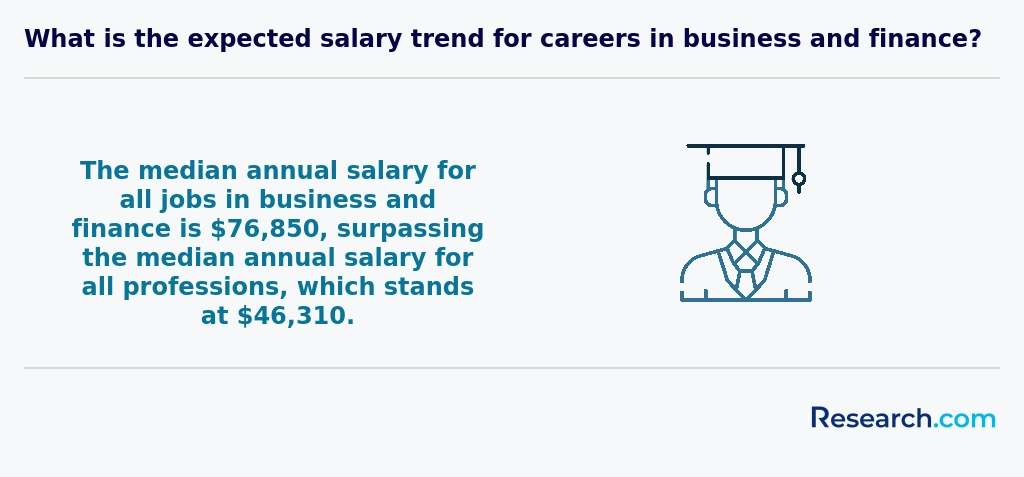
Investing in an online finance degree requires balancing upfront costs against long‐term earnings potential. On average, Florida students pay approximately $38,400 for a four-year online bachelor’s program when accounting for tuition, fees, and materials. With entry-level financial analysts earning a mean annual salary of $68,000 and financial advisors commanding up to $62,000 in their first year, most graduates recoup their educational investment within 4–6 years. A key metric is the payback period, calculated by dividing total program cost by annual post-graduation salary. For example, if a graduate incurs $38,400 in debt and secures a $68,000 position, the payback period is roughly 0.6 years-an attractive timeframe compared to many professional fields. Even with conservative estimates-assuming a starting salary of $50,000-the investment still pays off in under a decade. Beyond salary, graduates benefit from career services, alumni networks, and industry partnerships that accelerate job placement. Florida’s top online finance programs boast average job placement rates above 80%, positioning alumni for rapid advancement. When comparing affordability without sacrificing quality, prospective students may also explore our Affordable Finance Degree Programs Ranking in Texas to identify additional cost-effective pathways. Ultimately, a strong return on investment makes online finance degrees in Florida not only accessible but also financially rewarding, ensuring that the upfront commitment yields solid professional and economic gains over a graduate’s career.
Students enrolled in online finance degrees in Florida quickly discover courses that push beyond basic theory, diving into practical, hands-on knowledge. Graduates often reflect on classes like Principles of Finance, which challenged them to grasp the critical time value of money through real-world budgeting exercises relevant to Florida's dynamic housing market. At well-known institutions such as the University of Florida or Florida State University, Investment Analysis courses prompt students to analyze actual portfolios, sparking excitement as they assess asset performance in live market conditions.
Corporate Finance classes further develop decision-making skills by simulating capital budgeting scenarios common in Florida's growing business sectors. The study of Financial Markets and Institutions brings clarity to how banks and regulatory bodies shape the state's economy-vital insights for those aiming to work locally. Many also emphasize Accounting for Finance to understand the language of business reports.
These programs demand more than rote learning; students learn to navigate ethical challenges and regulatory frameworks, reflecting Florida's evolving compliance landscape, which often surprises and motivates them. Such targeted coursework builds confidence and readiness to thrive in Florida's vibrant financial environment.
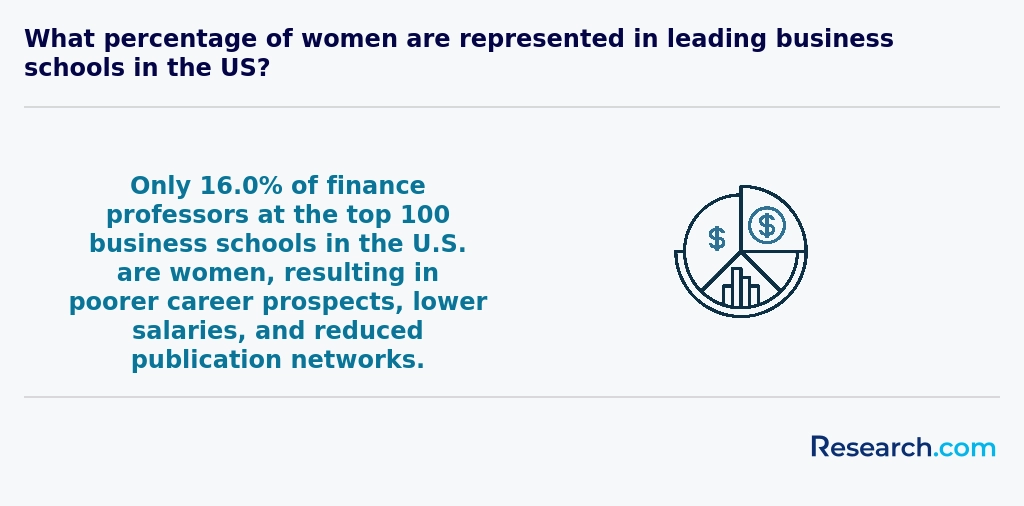
Choosing a specialization in an online finance degree in Florida often means stepping beyond textbook theory into the vibrant realities of the state's economic landscape. Graduates from well-known universities in Florida frequently recall how focusing on Corporate Finance equipped them with skills directly applicable to managing budgets and investments within local firms, fueling growth in bustling metropolitan areas. Others, inspired by Florida's dynamic real estate market, chose Real Estate Finance, enabling them to navigate property investment and valuation with confidence-skills that became indispensable when working on deals in cities like Miami.
Many students find the best finance concentration options Florida offers are not just practical but personally rewarding. For instance, those specializing in Financial Planning and Wealth Management often describe a profound satisfaction in helping families plan for retirement or secure their financial futures. Similarly, specializations like Risk Management and Insurance resonate deeply with students who want to protect communities from financial uncertainty.
Some graduates emphasize that exploring online finance degree specializations Florida provides means engaging with the local economy on a deeper level. This connection is further enriched when finance learners in the state discover resources like Atlanta accounting programs for cross-regional insights, highlighting the value of broadening finance perspectives while rooted in Florida's unique economic environment.
Choosing the best online finance degree in Florida means going beyond flashy marketing or just price tags. Graduates from prominent universities in Florida often reflect on how accreditation, specifically regional accreditation like from SACSCOC, shaped employer trust in their careers. This trust often opens doors in Florida's competitive finance market. One graduate shared how programs integrating technology and data analytics better prepared them for real-world finance challenges, pushing them ahead of peers.
Consider the curriculum carefully; some of the top accredited finance programs Florida online offer not just theory but practical applications-corporate finance, investment analysis, and risk management-tailored to Florida's economic landscape. Flexibility in class schedules proved a game-changer for many working students, especially those juggling family. The real test? Searching for programs with strong alumni networks and connections to local banks, providing internships and career support in a thriving 7% growth job market.
Budget still matters, but don't overlook additional resources like career services or specialization certificates. If you're new to higher education, you might even explore how a project management degree for beginners can complement your finance goals.

Graduates earning an online finance degree careers in Florida find themselves at the crossroads of a vibrant economy teeming with diverse opportunities. Many of them quickly embrace roles as financial analysts, where evaluating investments becomes a daily challenge blending technical skill with intuitive market insight. Those from popular institutions like the University of Florida or Florida State University reflect on how their hands-on projects prepared them for these fast-paced roles, offering a rewarding sense of impact and growth.
Others take on financial management positions in bustling business hubs such as Miami or Tampa, overseeing entire financial operations and making strategic decisions that shape company futures. These roles often evoke pride and responsibility, as graduates balance complex financial landscapes and high stakes. For those intrigued by specialized paths, becoming personal financial advisors taps into Florida's unique demographics, including retirees seeking expert guidance.
Students often explore diverse finance job opportunities in Florida for graduates by considering pathways like credit analysis or accounting. Additionally, some ambitious learners deepen their credentials through online PhD accounting degree programs, expanding their impact beyond standard roles into advanced financial strategy and research.

The online finance degree job market Florida graduates enter is marked by a dynamic blend of opportunity and challenge. Graduates from well-regarded institutions like the University of Florida often find themselves stepping into roles such as financial analysts or credit analysts within the state's vibrant economic sectors like banking and real estate. These positions reflect a positive trajectory, supported by an 8% projected growth in finance careers through 2032, closely mirroring national trends.
Graduates share stories of applying skills learned online to real-world demands, such as assessing investment options for Florida's large retiree population, where personalized financial planning becomes crucial. The relatively affordable tuition at Florida universities makes this pursuit feel more achievable and rewarding, opening doors without overwhelming financial burdens.
For those exploring specialized paths, obtaining an investment banker license represents a strategic move that can accelerate career growth and income. This nuanced blend of education, economic climate, and demographic factors paints a compelling picture of finance careers growth Florida 2027 and beyond.
2027 Fastest Online Finance Degree Programs Ranking in Florida
Investing in your education is a significant decision that can shape your future, and the Research.com team understands the importance of making informed choices. To assist prospective students in Florida, we have meticulously crafted the "2027 Fastest Online Finance Degree Programs Ranking in Florida." Our commitment to quality, credibility, and accuracy is reflected in the extensive research and analysis conducted to compile this ranking.
We utilized the following reputable data sources to ensure a comprehensive evaluation of finance programs:
By exploring this ranking, readers will gain valuable insights into the fastest finance degree programs available online in Florida, empowering them to make informed decisions about their educational paths. For more details on our methodology, please visit our Research.com methodology page.


Frequently Asked Questions About finance
Online finance degree students in Florida can maximize their learning by engaging actively with their coursework and utilizing available resources. Many Florida universities offer access to virtual tutoring, financial databases, and career services tailored to the finance sector. Staying updated on Florida's specific economic trends, such as the state's growing financial services industry worth over $17 billion annually, helps contextualize learning. Networking through online student groups or local finance associations can also enhance practical insights. Furthermore, dedicating consistent time to study and applying theory through simulations or internships strengthens understanding and employability in Florida's competitive finance job market.
The finance field is rapidly evolving, with several emerging niches gaining prominence, especially for students pursuing online finance degrees in Florida. One key area is financial technology (fintech), where innovations like blockchain, digital payments, and AI-driven financial analysis are shaping new career paths. According to the Florida Department of Economic Opportunity, demand for fintech specialists is expected to grow by over 15% through 2028.
Another growing niche is sustainable finance, focusing on investments that support environmental and social governance (ESG). Florida's increasing emphasis on green energy projects creates opportunities for specialists in this area.
Lastly, behavioral finance is gaining attention as firms seek to understand psychological factors driving market trends. This niche combines finance with data analytics and psychology, appealing to those interested in innovative approaches.
Graduates with an online finance degree in Florida should begin preparing for the job market early by gaining practical experience. Internships or part-time roles in financial services help build essential skills and expand professional networks. According to the Florida Department of Economic Opportunity, the finance and insurance sector in Florida is projected to grow by 8.6% from 2021 to 2031, creating promising opportunities.
Additionally, earning professional certifications such as CFA or CFP can increase competitiveness. Staying updated with Florida's regulatory environment and financial trends is important to meet employer expectations. Effective resume writing and interview preparation tailored to finance roles in Florida can also enhance job prospects.
Employers in Florida seek finance graduates with strong analytical skills, as these are essential for interpreting financial data and making informed decisions. Proficiency in financial modeling and the use of software like Excel and Bloomberg Terminal is highly valued. According to the Florida Department of Economic Opportunity, candidates who demonstrate solid communication abilities, both written and verbal, gain a competitive edge, as explaining complex concepts clearly is crucial in finance roles.
Problem-solving skills and attention to detail are also top priorities. The growing financial sector in cities like Miami and Tampa further elevates demand for graduates familiar with regulatory compliance and risk management. Practical experience through internships or projects is often preferred by employers in Florida's dynamic market.
Finding internships in Florida related to a finance degree involves several strategic steps. Start by utilizing your university's career services, as many Florida colleges maintain partnerships with local businesses and financial institutions. Networking through events hosted by organizations such as the Florida Bankers Association can open up opportunities in finance fields.
The state's finance sector is robust, with Miami and Tampa being major hubs. According to Florida's Department of Economic Opportunity, finance and insurance jobs are projected to grow by 5% through 2030.
Online job platforms like Handshake and LinkedIn also feature internship listings specific to Florida. Apply early and tailor your application to highlight relevant skills.
Obtaining an online finance degree in Florida can significantly enhance career mobility and advancement opportunities. The state's growing financial sector, which includes major hubs like Miami and Tampa, values candidates with formal finance education. According to the Florida Department of Economic Opportunity, finance-related jobs in Florida are expected to grow 7% through 2030, faster than the national average.
Graduates with an online finance degree benefit from gaining relevant skills in financial analysis, investment management, and risk assessment. These competencies improve prospects for promotions or transitions to specialized roles such as financial analyst, auditor, or financial manager.
Moreover, online programs offer flexible scheduling, allowing working professionals to upskill without interrupting their careers. This flexibility supports continuous professional development essential for advancement in competitive markets like Florida's finance industry.
Employers increasingly recognize accredited online degrees, making these programs a practical pathway for career progression within the state's diverse economy.
Studying for a finance degree in Florida equips students with skills applicable across multiple disciplines, enhancing career flexibility. Florida's universities emphasize integrating finance with economics, data analysis, and business management, reflecting the state's diverse economic landscape. This interdisciplinary approach helps students navigate sectors such as real estate, healthcare, and technology, all major contributors to Florida's $1 trillion economy as reported by the Florida Chamber of Commerce.
Online finance programs often include coursework in risk management, financial modeling, and strategic decision-making, linking finance with quantitative and managerial expertise. Graduates gain tools to interpret complex financial data and collaborate with professionals from various fields, fostering adaptability in dynamic business environments.
According to the National Center for Education Statistics, Florida awarded over 4,000 bachelor's finance degrees in 2022, indicating strong demand and broad applicability.
When choosing between a thesis and a non-thesis online finance degree program in Florida, consider your career goals. A thesis option is research-focused, ideal for students interested in pursuing graduate studies or analytical roles. It requires completing an original research project under faculty supervision.
Non-thesis programs emphasize practical skills with more coursework and often include internships or capstone projects, suiting students aiming for immediate employment in finance sectors such as banking or wealth management.
In Florida, where the finance industry contributes over $160 billion annually to the economy (Florida Chamber Foundation, 2023), practical knowledge is highly valued.
Evaluate also your time availability, as thesis tracks typically take longer to complete.
Students in Florida seeking to study finance abroad can explore various options through partnerships between Florida institutions and international universities. Many Florida universities-such as the University of Florida and Florida State University-offer exchange programs or joint degrees that allow students to earn credits overseas while benefiting from their home state's educational standards.
Additionally, online finance degree programs in Florida sometimes include global study components or internships with international firms, providing practical exposure without leaving the state. According to the Florida Department of Education, nearly 20% of students in finance-related fields participate in study-abroad or global learning programs.
This approach helps students gain international finance perspectives vital in today's global economy.
Students pursuing an online finance degree in Florida have various part-time job options that can enhance their learning and professional experience. Positions such as financial analyst interns, bookkeeping assistants, and bank tellers provide practical exposure to fundamental finance concepts. According to the Florida Department of Economic Opportunity, financial services jobs in the state are projected to grow by 5% from 2022 to 2032, creating opportunities for students to gain relevant experience while studying.
Working part-time in accounting firms or credit unions can also strengthen skills in data analysis, budgeting, and client communication. Employers often seek candidates familiar with financial software like QuickBooks or Excel, which aligns well with finance coursework. Gaining hands-on experience in these roles benefits students aiming for careers in investment, corporate finance, or financial planning.
Online finance students in Florida have multiple networking opportunities despite studying remotely. Many Florida universities offering online finance degrees provide virtual career fairs, webinars, and alumni networking events. For example, the University of Florida hosts online professional development workshops that connect students with finance industry experts.
Additionally, statewide organizations like the Florida Finance Professionals Association offer memberships with access to local chapters and online discussion forums. These platforms help students build connections within the Florida financial sector, which employs over 400,000 people, according to the Florida Department of Economic Opportunity.
Students can also leverage LinkedIn groups focused on Florida finance and join virtual meetups hosted by major finance hubs such as Miami and Tampa. These activities are valuable for gaining mentorship, internships, and job leads within the state's growing finance industry.
Alumni networks offer significant advantages for online finance degree students in Florida. These networks connect current students with graduates who have experience in the finance industry, providing valuable mentorship and career guidance. Florida's growing finance sector, especially in cities like Miami and Tampa, benefits from strong alumni ties that can lead to internships and job placements.
Engaging with alumni helps students access exclusive job postings and professional events often unavailable through standard channels. According to the Florida Department of Economic Opportunity, finance-related jobs in the state are projected to grow by 7% through 2028, making connections crucial.
Additionally, alumni networks foster lifelong learning opportunities and keep students informed about evolving market trends.
Students pursuing an online finance degree in Florida can tailor their programs to align with specific career goals by selecting specialized electives such as investment analysis, corporate finance, or financial planning. Many Florida institutions offer concentrations that reflect the state's regional economic strengths, including real estate finance and banking. Incorporating internships or virtual practicums with local financial firms enhances practical experience.
Additionally, Florida's strong financial sector-boasting over 25,000 finance-related jobs as reported by the Bureau of Labor Statistics in 2023-makes networking through local professional organizations valuable. Students should consult academic advisors to balance core finance courses with these flexible options, ensuring their education matches evolving industry demands.
Online finance students in Florida often face challenges related to balancing coursework with personal and professional responsibilities. Many must juggle jobs while completing demanding finance classes, which can impact time management and stress levels.
Another common hurdle is limited access to in-person networking opportunities. Finance careers frequently benefit from internships and face-to-face connections, which online students may find harder to secure in Florida's competitive markets such as Miami and Orlando.
Technical issues and the quality of digital platforms also affect learning. According to the Florida Department of Education, about 12% of students report difficulties with online learning technology, which can delay progress.
Finally, financial aid complexities and understanding industry-specific content, like Florida's strong banking sector regulations, add extra layers of difficulty for online finance learners.
With an online finance degree from a Florida institution, graduates can pursue several respected professional certifications to boost their careers. Common certifications include the Certified Financial Planner (CFP) and the Chartered Financial Analyst (CFA), both highly valued in finance roles across Florida's growing financial services sector.
The Certified Public Accountant (CPA) credential is also popular, especially for those interested in accounting functions within finance. Florida's Board of Accountancy sets specific education and exam requirements for CPA licensure.
Other notable certifications are the Financial Risk Manager (FRM) and the Certified Treasury Professional (CTP), which align well with risk analysis and corporate finance roles, respectively.
These certifications often require passing rigorous exams and meeting work experience criteria, so planning early during or after an online finance degree is advisable.
To write a winning application for an online finance program in Florida, start by clearly demonstrating your interest and understanding of finance principles. Highlight relevant experience, such as internships or jobs in finance sectors prominent in Florida, like banking in Miami or investment firms in Tampa.
Florida employers value practical skills in financial analysis and software tools, so mention any proficiency with Excel, QuickBooks, or financial modeling. Include your academic achievements, especially in math or economics, to show your quantitative capability.
Strong letters of recommendation from professionals or professors who know your analytical skills strengthen your application.
Finally, tailor your personal statement to connect your career goals with the program's offerings, using recent data from the Florida Department of Economic Opportunity on finance job growth to emphasize demand.
Finance careers today are influenced by global markets and international regulations, making a strong understanding of global economics essential. Professionals with finance degrees in Florida benefit from the state's diverse economy and its connections to global trade hubs like Miami, a leading center for Latin American finance. According to the U.S. Bureau of Labor Statistics, financial analysts in Florida are projected to grow 7% from 2022 to 2032, reflecting demand tied to expanding international business.
Finance professionals often need to navigate cross-border investments, currency fluctuations, and international compliance standards. Schools in Florida emphasize global finance topics to prepare students for these challenges. This global focus helps graduates remain competitive in a market where firms value knowledge of worldwide financial systems and emerging markets.
Gaining practical experience during an online finance degree in Florida is essential for career readiness. Many universities encourage students to participate in virtual internships, allowing them to work with finance firms remotely while studying.
Joining student organizations related to finance can help build networks and develop leadership skills. Additionally, some programs offer hands-on projects or case studies that simulate real-world financial scenarios.
Florida's financial sector includes key industries such as banking, insurance, and international trade, providing diverse opportunities for students. The Florida Department of Economic Opportunity reports strong job growth in financial services, highlighting the importance of practical experience.
Choosing the right concentration within an online finance degree program in Florida depends on your career goals and interests. Popular concentrations include corporate finance, financial planning, investments, and risk management. According to the Florida Department of Economic Opportunity, jobs in financial services are projected to grow by 8% through 2030 in the state.
Consider local industry demands, such as Miami's strength in international banking and Tampa's growing financial technology sector. Research each program's curriculum to see if it aligns with your target role. Many Florida schools offer specialized courses that reflect regional market needs, enhancing your job prospects after graduation.
Additionally, check for program accreditation and the availability of internships or networking opportunities in Florida's finance community, which can be crucial for practical experience and job placement.
- 2027 Fastest Online Finance Degree Programs Ranking in Georgia
- 2027 Fastest Online Finance Degree Programs Ranking in Missouri
- 2027 Fastest Online Finance Degree Programs Ranking in Pennsylvania
- 2027 Fastest Online Finance Degree Programs Ranking in Texas
- 2027 Fastest Online Finance Degree Programs Ranking in Kansas
- 2027 Fastest Online Finance Degree Programs Ranking in Michigan
- 2027 Fastest Online Finance Degree Programs Ranking in Massachusetts
- 2027 Fastest Online Finance Degree Programs Ranking in South Dakota
- 2027 Fastest Online Finance Degree Programs Ranking in Colorado
- 2027 Fastest Online Finance Degree Programs Ranking in Utah
See What Experts Have To Say About Studying Finance
Read our interview with Finance experts

Ekaterina Potemkina
Finance Expert
Assistant Professor of Finance
Indiana University

H. Kent Baker
Finance Expert
Professor at Department of Finance and Real Estate
American University

Andrew Karolyi
Finance Expert
Dean of the Cornell SC Johnson College of Business
Cornell University

- 10 Challenges of Financial Management & How to Overcome Them https://itservices.saglobal.com/blogs/10-challenges-finance-teams-face/
- Getting a Finance degree: All you need to know https://www.study.eu/article/getting-a-finance-degree-all-you-need-to-know
- Top 10 Accounting and Finance Skills Employers Want | Tamarack Recruiting | Tamarack Recruiting https://tamarackrecruiting.com/top-10-accounting-and-finance-skills-employers-want-tamarack-recruiting/
- Master of Science (M.S.) Major in Quantitative Finance and Economics (Non-thesis Option) https://mycatalog.txstate.edu/graduate/mccoy-business-administration/finance-economics/quantitative-finance-economics-nonthesis/
- Finance Degrees | Florida College | Academics https://floridacollege.edu/degrees/finance/
- What studies are needed to work in finance? https://www.monaco.edu/en/everything-you-need-to-know-about-the-role-of-an-hse-manager-duties-studies-and-salary-2-2-3-2/
- Your Guide to Getting a Job in Finance https://www.mountunion.edu/academics/undergraduate-degrees/finance/your-guide-to-getting-a-job-in-finance
- 2025 Most Affordable Online Finance Degrees https://www.onlineu.com/most-affordable-colleges/finance-degrees
- Best Finance Degrees Online | Accounting.com https://www.accounting.com/degrees/finance/bachelors/best-online-programs/
- How to write a cover letter for a finance job | Standard Chartered https://www.sc.com/en/news/careers-about-standard-chartered/cover-letter-for-a-finance-job/