
2027 Most Affordable Online Finance Degree Programs Ranking in Missouri

Co-Founder and Chief Data Scientist
Choosing the right online finance degree program can feel overwhelming, especially when cost is a major concern. This article presents the 2027 Most Affordable Online Finance Degree Programs Ranking in Missouri, created by the Research.com team of data scientists to help students like you make informed decisions.
By exploring affordable options, you can find quality programs that fit your budget. Earning a finance degree opens doors to rewarding career opportunities and financial stability. Let this ranking guide you toward a path that suits your goals and sets you up for success.
Key benefits of getting online finance degree in Missouri
- Finance degree graduates in Missouri can expect competitive salaries, with roles like Financial Advisor earning around $150,670 annually and Financial Analysts making approximately $112,950 per year.
- Graduates from Missouri universities often pursue varied career paths, including Investment Banking Analyst or Credit Analyst, each offering strong growth opportunities and rewarding experiences.
- Completing a finance degree online allows flexible scheduling and saving on commuting costs, making it easier for working students in Missouri to advance their education without sacrificing income or family time.
- 2027 Most Affordable Online Finance Degree Programs Ranking in Missouri
- What can I expect from online finance degree in Missouri?
- Where can I work with online finance degree in Missouri?
What can I expect from online finance degree in Missouri?
The average cost of an online finance degree in Missouri usually falls somewhere between $15,000 and $30,000 for the entire program. Many students find this pricing pretty reasonable, especially when you consider that schools like the University of Missouri or Missouri State offer flexible payment options and sometimes cheaper rates for in-state students. Graduates often mention how affordable it feels compared to traditional on-campus programs, especially since they save on commuting and housing.
Plus, a lot of these programs let you study part-time, which means you can keep working while you pay, making the cost manageable. Some even offer scholarships or financial aid tailored to online learners. A common story you'll hear is how students balance family, work, and school without breaking the bank, really appreciating the chance to grow their careers without drowning in debt.
So, if you're worried about cost but want that Missouri finance degree, the option to study online makes it possible to invest in your future without a ton of stress.
Where can I work with online finance degree in Missouri?
If you're earning an online finance degree in Missouri, you've got some great options waiting for you once you graduate. Many grads from universities like the University of Missouri or Missouri State find themselves landing solid gigs in Kansas City or St. Louis, where banks, investment firms, and insurance companies are always looking for fresh talent.
Some grads jump straight into roles like financial analysts or loan officers, crunching numbers to help people make smart money moves. Others head into credit analysis at local credit unions or even step into the government world, working with the Missouri Department of Revenue or city finance teams budgeting and planning for the community.
What's cool is how diverse the opportunities are. Missouri's insurance industry, especially near Kansas City, is booming - so you might become an underwriter or claims analyst, helping folks navigate complex policies. Many grads mention how rewarding it feels to apply what they learned online in real office settings around the state.
Plus, with Missouri's cost of living being pretty reasonable, those decent wages in finance go a long way! Finance grads often say they appreciate the balance between a good paycheck and affordable living, making Missouri a smart place to build a finance career.
If you're finishing up an online finance degree in Missouri, you're probably wondering, "How much can I actually make?" Well, graduates from schools like the University of Missouri or Missouri State University have landed roles where the pay is pretty solid. For example, financial analysts in Missouri earn around $85,000 a year on average, but nationally, that number can hit about $113,000, so there's definitely room to grow.
Many grads start out in entry-level spots like junior analysts making between $45,000 and $60,000, which matches what you'd expect getting your foot in the door. But after gaining some experience, moving up to roles like financial advisors can boost your salary to an average of $150,670 nationwide - that's a serious jump! Other cool gigs include credit analysts earning around $94,750 and insurance underwriters making about $85,610.
One thing Missouri grads love is how local employers appreciate the practical skills developed through online programs, particularly in St. Louis or Kansas City where salaries tend to be a bit higher. It really feels good knowing your online degree can open doors to growing paychecks in a diverse finance job market.
- The total cost for an online finance bachelor's degree in Missouri ranges from $20,000 to $35,000, varying by institution and residency status.
- In-state students typically pay lower tuition at public universities, and some schools offer financial aid and scholarships for online learners.
- Entry-level finance jobs in Missouri offer annual salaries between $55,000 and $65,000, with higher pay common in metropolitan areas like St. Louis and Kansas City.
- Mid-career finance professionals can earn between $85,000 and $110,000 per year.
- The finance job market in Missouri is stable, with a projected 6% growth for financial specialist roles over the next decade.
- Online students can benefit from virtual internships and networking opportunities that connect them to Missouri's local finance industries.
Finishing an online finance degree in Missouri usually takes about two to four years, depending on your situation. For example, most students at Missouri State University going full-time for a Bachelor of Science in Finance wrap up their degree around the four-year mark-pretty much the same as on-campus programs. But if you're juggling work or family, like many who choose the University of Missouri's online options, part-time study might stretch your timeline a bit.
Some graduates who transferred credits or took extra classes per term sped things up and finished closer to two or three years. And if you're eyeing an associate degree, those generally take around two years statewide, offering a quicker way into finance jobs or a head start toward a bachelor's.
Graduate degrees, like a Master of Finance or an MBA with a finance focus from Missouri schools, often take one to two years full-time. The flexibility of online programs really helps fit study around busy lives, which many graduates appreciate.
When you compare online and on-campus finance degrees in Missouri, it's really about what fits your lifestyle. Online programs give you the freedom to study whenever and wherever-perfect if you're juggling work or family. For example, graduates from Missouri State University's online program often mention how great it was to finish coursework on their own time without missing out on career moves.
On the flip side, if you thrive in face-to-face settings, schools like the University of Missouri offer that traditional college vibe. Students there enjoy hands-on experiences, like hitting finance labs or networking in person, which can really boost confidence and connections. Many grads say those moments make a difference when starting their careers.
Cost-wise, Missouri's public universities often keep online tuition close to in-state on-campus rates, but online learners save extra on commuting and housing. Plus, both options stick to solid regional accreditation, so you're getting quality no matter what. It really comes down to whether you want flexibility or more direct interaction during your finance journey.
Investing in an online finance degree in Missouri often yields a strong return on investment (ROI), combining affordable tuition with competitive post-graduation salaries. On average, Missouri graduates see a break-even point within 3–4 years, thanks to median entry-level salaries around $60,000–$70,000 and mean wages exceeding $90,000 for experienced professionals. Key factors influencing ROI include:
- Tuition vs. Earnings: With annual tuition ranging from $9,600 at public universities to $20,000 at private institutions, students can compare lifetime earnings potential-often surpassing $500,000 over a 20-year career-to total program costs.
- Payback Period Analysis: Assuming an average debt load of $30,000 and an early-career salary of $60,000, graduates typically recoup their investment in under four years, especially when factoring in employer tuition reimbursement and accelerated credit options.
- Scholarship Impact: State grants and merit-based scholarships can reduce out-of-pocket expenses by up to 50%, shortening the payback period to as little as two years.
- Comparative Rankings: For those weighing regional alternatives, the Affordable Online Master's in Finance Degree Programs Ranking in the West provides insights into cost-effective programs in neighboring states, helping students benchmark Missouri’s offerings.
- Long-Term Growth: With finance occupations projected to grow 7% through 2031, career advancement into roles like finance manager or CFO can double starting salaries, further enhancing ROI. By conducting a personalized ROI assessment-considering tuition, financial aid, and salary projections-prospective students can make data-driven decisions that maximize both affordability and earning potential.
If you're looking into the average cost of online finance degree Missouri options, you'll find it varies quite a bit depending on where you enroll. Graduates from well-known programs at public universities often mention the relief of more affordable tuition rates. For example, if you study at a popular Missouri public university known for its finance program, expect to pay around $38,520 for the entire degree, which is a solid deal compared to many private schools.
Many students share that Missouri's online finance degree programs strike a nice balance-they're affordable yet still reputable. The cost covers roughly 120 credit hours, and public universities usually charge between $250 and $350 per credit, which helps keep things manageable for those juggling work or family. Sometimes there might be additional fees like technology or administrative costs, but many programs offer flexible payment options tailored to online learners' schedules.
Those seeking affordable online finance degree programs Missouri-wise often find that private colleges can be pricier-anywhere from $25,000 to $40,000 annually. However, they frequently provide scholarships or grants specifically for online students, so it's worth applying. Many graduates mention that these financial aids really made a difference and allowed them to focus more on studies rather than finances.
If you're curious about career prospects post-degree, it's smart to check out resources on business analytics career requirements, since that field often overlaps with finance and can open up exciting job opportunities.

If you're eyeing an online finance degree in Missouri, there's a good chance you'll find helpful financial aid options to ease the cost. Many graduates from schools like the University of Missouri or Missouri State University share how federal Pell Grants-sometimes helping cover up to $7,395-took off a big chunk of their tuition. These grants don't need to be paid back, which feels like a huge weight off your shoulders.
Then there are federal student loans, like the Direct Subsidized Loans, which some students loved because the government covers the interest while they're still studying. For example, first-year students can borrow up to $5,500 on subsidized loans, which usually have better rates than private loans.
On top of that, Missouri's state-specific offers, like Access Missouri Financial Assistance, often come through for online students. Plus, lots of folks I've talked to found private scholarships through their universities or local groups-merit-based or need-based-that helped plug the gap.
Lastly, if you're balancing a job, employer tuition reimbursement programs can be a big win. It's pretty common around here for working students to get some or all of their tuition paid back, keeping finances manageable while going after that finance degree.
Accreditation is a critical factor when evaluating online finance degree programs in Missouri, as it ensures that your education meets rigorous academic standards and is recognized by employers, professional bodies, and federal financial aid programs. Look for regional accreditation from the Higher Learning Commission (HLC) or program-level accreditation from organizations like the Association to Advance Collegiate Schools of Business (AACSB) and the Accreditation Council for Business Schools and Programs (ACBSP). These credentials not only validate the quality of your coursework in areas such as financial analysis, risk management, and corporate finance but also streamline credit transfers if you decide to pursue advanced study or certifications. Employers in the finance sector often prefer graduates from accredited institutions, viewing them as better prepared for real-world challenges. Accreditation impacts your eligibility for federal grants and loans, so confirming a program’s status on the U.S. Department of Education website can save you time and money down the road. Additionally, an accredited finance program typically offers robust student support services-such as tutoring, career counseling, and library access-that enhance learning outcomes and job placement rates. For students aiming to complement their finance expertise with data-driven decision-making skills, understanding cross-disciplinary requirements is essential. To see how foundational analytics competencies can bolster your finance career prospects, explore our guide on business analytics career requirements. This integrated approach ensures you graduate with both the financial acumen and analytical prowess employers demand in today’s competitive market.
If you're thinking about enrolling in an online finance degree in Missouri, the basics are pretty straightforward. Most schools, like the popular University of Missouri or Webster University, want you to have finished high school or have a GED. That's just the starting point to make sure you're ready for college-level work.
Some grads recall having to submit SAT or ACT scores, but these days, many Missouri schools have gone test-optional-so you might skip that step, especially after the COVID shakeup. Transferring students usually need to show their past transcripts to make sure their credits match up with the finance courses.
Getting comfortable with math really helps. Imagine juggling algebra, statistics, and basic accounting before you dive into harder stuff. Some programs even suggest you take prep classes online to build that muscle first.
One thing that stands out is that you gotta have steady internet and know your way around a computer-online classes use cool financial modeling software and virtual lectures, so tech skills are key.
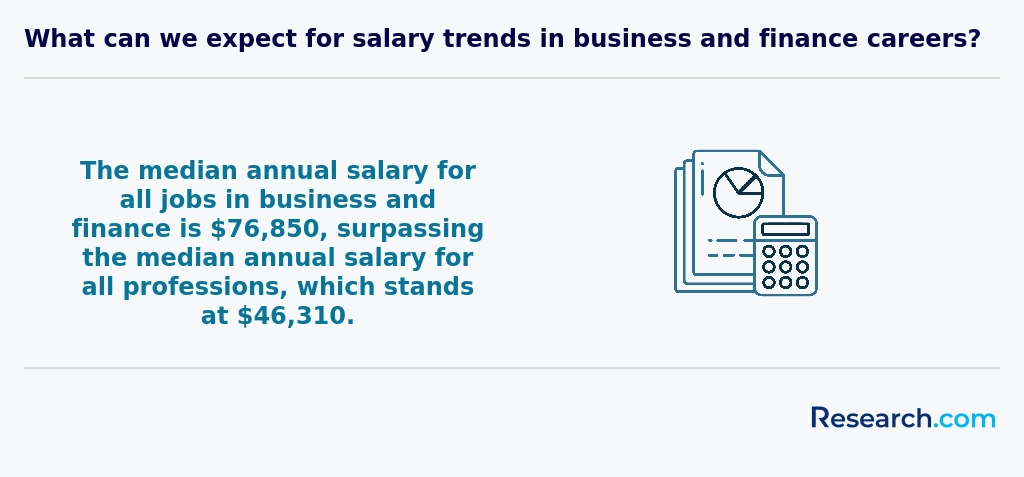
If you're diving into an online finance degree in Missouri, expect a mix of solid business basics and specialized finance classes that really get you ready for the real world. Graduates from popular schools like the University of Missouri often share how courses like Financial Accounting helped them understand company finances by breaking down real financial statements. Managerial Accounting is another favorite, making it easier to imagine running budgets and steering business decisions.
Special finance courses are cool because they focus on practical stuff. For example, Corporate Finance covers how companies manage money for big projects, while Investment Analysis dives into stocks and portfolios-super useful if you're eyeing a career as a financial advisor. And if you're curious about global money flow, International Finance opens that door.
Many folks appreciate how Missouri programs also beef up quantitative skills with Business Statistics, helping you crunch numbers like a pro. It's no wonder students feel confident stepping into analyst roles right after graduation.
If you're exploring an online finance degree in Missouri, you'll find plenty of specializations that fit different career paths. Many graduates from well-known Missouri schools rave about diving into Corporate Finance, where they learn to handle company budgets, investments, and risk-skills perfect for the state's bustling manufacturing and service sectors. Others lean toward Investment Analysis and Portfolio Management, which is all about stocks, bonds, and financial markets-ideal if you're aiming for jobs in St. Louis or Kansas City's financial hubs.
Some students enjoy focusing on Financial Planning, helping families manage money, plan retirement, and tackle taxes. Missouri's growing demand for personal finance pros makes this a smart choice. Then there's Risk Management and Insurance, perfect for anyone interested in protecting Missouri's farms and factories from financial fallout. The newer Financial Technology (FinTech) track gets a lot of buzz too, especially with innovations like blockchain popping up in local finance scenes.
Those curious about different finance program concentration options Missouri-wide often find these pathways relatable and practical for today's job market. If cost is a concern, check out this Affordable Online Master's in Finance Degree Programs Ranking in the West to compare tuition and find your best fit!
When choosing the best online finance degree programs Missouri has to offer, start by looking at accreditation-it's a big deal here since it affects your eligibility for financial aid and how employers see your degree. Graduates from popular schools like the University of Missouri often praise how accredited programs gave them confidence in their education quality and helped with job interviews.
Cost matters too, especially if you're hunting for affordable finance degrees Missouri online. In-state tuition at local public universities usually runs between $7,000 and $10,000 a year, making it easier on your wallet compared to pricier private colleges. One graduate shared how sticking to a well-priced online program let them work full-time without stressing about student debt.
Flexibility is key-many online finance students in Missouri juggle work and family, so look for programs that offer asynchronous classes. Plus, check the curriculum for stuff like fintech and data analytics to stay current. Some grads recommend exploring internship opportunities through your school's connections to get real-world experience.
If you want a smoother path, also see if credits transfer easily or if program lengths fit your schedule. For those wondering about simpler routes, consider exploring the easiest master degree to complete options, which some Missouri students found helpful to jumpstart their careers.

Thinking about what career paths are available for an online finance degree in Missouri? Graduates from well-known schools like the University of Missouri or Saint Louis University often find themselves stepping into roles as financial analysts, loan officers, or even financial managers within the state's robust banking and corporate scenes. One graduate shared how landing a job in Kansas City's banking sector meant diving into credit analysis and risk management-real stuff that keeps the local economy ticking.
Missouri's insurance firms also open doors for those with finance degrees, with positions like underwriters or claims adjusters being popular picks. With the state's insurance industry employing tens of thousands, it's a solid route for steady work. Graduates appreciate how finance roles in Missouri companies, especially in manufacturing and healthcare, let them flex skills in budgeting, internal audits, and financial planning-often bringing a competitive salary to the table.
Many students enjoy how affordable online options make earning their degree doable, especially compared to private schools elsewhere. If you want to explore advanced options, check out these affordable online phd programs that can further boost your career prospects in the finance world.
If you're thinking about an online finance degree in Missouri, the job market here is pretty solid. Graduates from schools like the University of Missouri or Saint Louis University often find opportunities in cities like St. Louis and Kansas City, where big banks and insurance companies love hiring finance pros. The growth in finance careers growth Missouri is steady, with jobs in areas like financial analysis, budgeting, and loan processing all in demand.
Many students share how earning their degree online gave them the flexibility to juggle work and classes, which really helped them gain real-world experience while studying. Missouri's average salaries for finance roles are competitive enough, especially when you consider the lower cost of living here.
On top of that, thanks to affordable tuition prices, it's easier to start a career without drowning in debt. You can learn more about finding a low cost online college that fits your budget and goals.
2027 Most Affordable Online Finance Degree Programs Ranking in Missouri
Investing in your education is a significant decision that can shape your future, and the Research.com team understands the importance of making informed choices. To assist prospective students, we have meticulously crafted the "2027 Most Affordable Online Finance Degree Programs Ranking in Missouri." Our commitment to quality, credibility, and accuracy is reflected in the extensive research and analysis conducted to compile this ranking.
We utilized the following reputable data sources to ensure a comprehensive evaluation of finance degree programs:
By exploring this ranking, readers will gain valuable insights into the most affordable and credible online finance degree options in Missouri, enabling them to make well-informed decisions about their education. For more details on how this ranking was developed, please visit our Research.com methodology page.



Frequently Asked Questions About finance
Online finance degree students in Missouri can maximize their learning by actively engaging with course materials and participating in virtual discussions. Missouri has a growing financial sector, with cities like St. Louis and Kansas City ranking among the nation's top financial hubs, making local internships valuable for practical experience. According to the Missouri Economic Research and Information Center, finance-related jobs in Missouri have grown steadily, highlighting the importance of applied knowledge.
Utilizing university resources, such as online tutoring and career services, can enhance understanding and job readiness. Networking through Missouri's finance associations also provides insights into industry trends and job opportunities.
The finance field is rapidly evolving, with several emerging niches gaining traction, especially relevant to Missouri students pursuing online degrees. One key area is financial technology (fintech), which integrates software and finance to improve services like payments, lending, and blockchain applications. Missouri's growing fintech sector, centered in Kansas City, offers many career opportunities.
Another emerging niche is sustainable finance, focusing on investments that promote environmental and social governance (ESG). Interest in ESG practices is growing among Missouri investors and companies.
Behavioral finance is also becoming popular, studying how psychology affects financial decisions. This field supports better risk management and investment strategies.
These niches reflect a shift toward technology-driven and ethically conscious finance roles.
After earning an online finance degree in Missouri, preparing for the job market involves several strategic steps. Start by building a strong professional network through platforms like LinkedIn and joining Missouri-based finance organizations, such as the Missouri Society of CPAs. Networking increases access to job openings in cities like St. Louis and Kansas City, where finance-related jobs are concentrated.
Gain practical experience via internships or entry-level roles. Missouri's financial sector offers opportunities in banking, insurance, and investment firms. According to the U.S. Bureau of Labor Statistics, finance jobs in Missouri are expected to grow by 5% through 2030, signaling steady demand.
Consider earning certifications like the CFA or CPA to enhance your credentials and competitiveness. These certifications are highly valued by employers statewide.
Lastly, tailor your resume and interview skills to highlight relevant finance software proficiency and analytical abilities, key competencies sought after in the Missouri job market.
Employers in Missouri seek specific skills from finance degree graduates to meet the state's evolving economic demands. Analytical abilities top the list, as professionals need to interpret complex financial data efficiently. According to the Missouri Economic Research and Information Center, positions requiring data analysis are growing faster than average in the region.
Strong communication skills are also crucial. Graduates must clearly explain financial concepts to clients and stakeholders who may lack technical expertise. Additionally, proficiency in financial software, such as Excel and industry-standard platforms, is highly valued.
Risk management knowledge is another priority, particularly given Missouri's diverse industries including agriculture, manufacturing, and services. Understanding regulatory compliance and ethical standards is essential for employers.
Finally, employers often look for candidates with problem-solving skills and adaptability, reflecting the dynamic nature of financial markets in Missouri.
Finding internships in Missouri relevant to a finance degree requires leveraging local resources and networks. Start by exploring career services at online degree programs, as many schools have partnerships with Missouri businesses. The Missouri Chamber of Commerce and Industry offers internship portals that connect students with regional employers, especially in finance sectors like banking and investment.
Utilize platforms such as Handshake and LinkedIn, filtering positions by location and finance-related roles specific to Missouri. According to the Missouri Economic Research and Information Center, St. Louis and Kansas City are financial hubs in the state, offering diverse internship opportunities. Applying to internships with local banks, accounting firms, and financial planning companies can provide valuable practical experience.
Engaging with professional organizations like the CFA Society St. Louis or Missouri Society of CPAs may also open doors through networking events and job boards.
Online finance degrees in Missouri can significantly enhance career mobility and advancement opportunities for students and professionals. The state's growing financial sector, including major urban centers like St. Louis and Kansas City, offers diverse roles in banking, investments, and corporate finance. According to the Missouri Economic Research and Information Center, finance-related jobs are expected to grow by approximately 5% through 2028, indicating steady demand.
Having an online finance degree provides flexibility and accessibility, allowing students to gain critical financial knowledge and skills without disrupting their careers. Graduates often qualify for promotions or shift into higher-paying positions such as financial analysts, managers, or advisors. Credentials earned online are widely recognized and can open doors statewide, helping individuals compete effectively in Missouri's job market.
Studying for an online finance degree in Missouri equips students with skills applicable across multiple disciplines. Missouri's programs often include courses in economics, data analysis, and business law, providing a well-rounded understanding beyond traditional finance topics. This interdisciplinary approach is essential because finance professionals frequently collaborate with marketing, technology, and management teams.
According to the Missouri Department of Higher Education & Workforce Development, nearly 40% of finance-related jobs in the state require familiarity with analytics and regulatory compliance, which courses in Missouri finance programs address.
Additionally, Missouri schools incorporate practical applications through case studies and project-based learning to prepare students for roles in sectors like healthcare, energy, and agriculture, where financial expertise intersects with industry-specific knowledge.
When choosing between a thesis and a non-thesis finance degree program in Missouri, consider your career goals and learning preferences. Thesis programs typically require original research and are suited for students aiming at academic or research roles. Non-thesis options often focus on practical skills and may include internships or comprehensive exams.
The Missouri Department of Higher Education notes that online finance programs often align with local industry demands, such as financial analysis and banking sectors centered in St. Louis and Kansas City. A thesis can provide a competitive edge for research-based roles, while a non-thesis path may be faster and cost-effective.
Additionally, consider faculty expertise and resources for thesis supervision in the institution you choose to ensure support for your study.
Students in Missouri seeking to study finance abroad through online programs have several avenues to explore. Many Missouri universities, such as the University of Missouri System, offer partnerships with international institutions, enabling students to take finance courses overseas while completing their degree online. These programs often include exchange opportunities or virtual collaborations with schools in Europe and Asia. According to the National Center for Education Statistics, online enrollment continues to grow, making global finance education more accessible.
Missouri residents can also consider accredited online finance degrees from foreign universities that accept U.S. students, though they should verify credit transferability. Ensuring programs meet standards set by organizations like the AACSB is crucial for quality education.
Students pursuing an online finance degree in Missouri can gain valuable experience through part-time jobs that align with their studies. Positions such as accounting assistants, bank tellers, and financial clerks offer practical exposure to financial operations. According to the Missouri Economic Research and Information Center, finance-related roles in the state are growing steadily, providing increasing opportunities for students.
Internships at local financial firms or credit unions also allow students to apply theory to real-world scenarios while building professional networks. Moreover, roles in data entry or bookkeeping help develop analytical skills crucial for finance careers. These part-time jobs not only supplement education but also enhance employability post-graduation.
Online finance students in Missouri have various networking opportunities despite the remote nature of their programs. Many universities offer virtual events, such as webinars, guest speaker sessions, and online career fairs, which connect students with finance professionals across the state. Organizations like the Missouri Society of Certified Public Accountants and the Financial Management Association provide student memberships, enabling access to regional networking events and workshops.
Additionally, students can benefit from Missouri's strong financial sector, which employs over 100,000 workers according to the U.S. Bureau of Labor Statistics (2023). This robust local market increases the availability of internships and mentorships, facilitating valuable professional connections.
Alumni networks play a crucial role for students pursuing online finance degrees in Missouri. These networks provide access to established professionals who can offer mentorship, internships, and job opportunities within the state's growing financial sector. Missouri's finance industry employs over 120,000 people, according to the U.S. Bureau of Labor Statistics, making connections especially valuable.
Through alumni events and online platforms, students can build relationships that enhance their career development. Networking also helps with local market insights and professional growth, which is vital in finance roles requiring up-to-date knowledge of Missouri's regulatory environment and economic trends.
Students pursuing an online finance degree in Missouri can tailor their education to match specific career goals by selecting specialized courses and electives offered by many universities. Common focus areas include investment analysis, corporate finance, financial planning, and risk management. Missouri institutions often allow students to concentrate on these fields while maintaining a broad finance foundation.
The Missouri Department of Higher Education notes that customization enhances employment prospects in key sectors such as banking, insurance, and investment firms, which are active statewide. Additionally, internships and capstone projects provide practical experience aligned with career interests.
Choosing programs with flexible credit options or dual concentrations supports individual career paths, making the degree more relevant and marketable. Consulting academic advisors ensures the selected curriculum aligns with industry standards and professional certifications.
Online finance students in Missouri often face challenges related to time management and self-discipline. Balancing coursework with work or family obligations can be difficult, especially since finance programs frequently require understanding complex topics like investment analysis and financial modeling.
Another common issue is limited access to in-person networking opportunities, which can impact career development. Missouri's finance sector benefits from cities like St. Louis and Kansas City, but online students might miss face-to-face interaction with local professionals and peers.
Technical difficulties and navigating learning platforms also pose hurdles, particularly for those less familiar with digital tools.
Finally, ensuring program accreditation and transferability of credits can be a concern, as quality varies among institutions offering online finance degrees.
With an online finance degree in Missouri, graduates can pursue several professional certifications to enhance their careers. Popular certifications include the Chartered Financial Analyst (CFA), Certified Financial Planner (CFP), and Certified Public Accountant (CPA) credentials. The CPA is especially relevant for those interested in accounting and auditing, often requiring 150 credit hours, which many Missouri online programs help fulfill.
Missouri ranks well for finance jobs, with the Bureau of Labor Statistics projecting a 7% growth in financial analyst roles from 2022 to 2032. This growth supports demand for certifications like CFA and CFP. These credentials demonstrate expertise and often lead to higher salaries and advancement opportunities.
The Missouri Society of CPAs is a valuable resource for exam preparation and networking locally. Additionally, candidates should verify specific certification requirements as they vary by profession and state regulations.
To write a winning application for an online finance program in Missouri, start by emphasizing your quantitative skills and any relevant work experience. Missouri employers in finance value proficiency in statistics and financial analysis, so demonstrate these through your resume and essays.
Highlight your motivation clearly; explain why an online finance degree fits your career goals in sectors prominent in Missouri, such as banking or agriculture finance. According to the Missouri Economic Research and Information Center, the financial sector employs over 150,000 people statewide, signaling strong industry demand.
Be sure to request strong letters of recommendation from professionals who can attest to your skills and work ethic. Lastly, proofread carefully and tailor each element to the specific program's values and requirements.
The global perspective on a finance career recognizes it as a vital component of the world economy. Professionals trained in finance help manage investments, analyze risks, and support economic growth internationally. For students in Missouri, earning an online finance degree offers access to a career field that is not only strong locally but also connects to global markets.
Missouri's finance sector is significant, with financial services employing over 100,000 people statewide as reported by the Missouri Economic Research and Information Center (MERIC). This reflects the demand for well-prepared finance professionals who understand both domestic and international markets.
Finance careers often require familiarity with global financial regulations, cross-border transactions, and international trade. This makes an online degree with a curriculum incorporating global finance topics advantageous for Missouri students. The industry's evolving nature means continual learning and adaptability are crucial for success worldwide.
Students pursuing an online finance degree in Missouri can gain practical experience through internships, cooperative education programs, and virtual simulations offered by many universities. Missouri's growing financial sector, particularly in Kansas City and St. Louis, provides diverse opportunities for internships in banks, investment firms, and corporate finance departments. According to the Missouri Economic Research and Information Center, finance-related jobs in the state have grown by over 5% in recent years, increasing the demand for skilled interns.
Some online programs partner with local businesses to facilitate remote internships, allowing students to apply theoretical knowledge in real-world settings. Additionally, finance students can participate in case competitions and financial modeling exercises provided by organizations such as the CFA Society St. Louis.
Choosing the right concentration within an online finance degree program in Missouri depends on your career goals and interests. Missouri's growing financial sector offers opportunities in corporate finance, investment banking, financial planning, and risk management. Research current job market trends in the state to identify high-demand specialties. For example, St. Louis and Kansas City host many financial firms seeking professionals skilled in data analysis and compliance. According to the Missouri Economic Research and Information Center (MERIC), finance-related jobs are expected to grow by 5% through 2030. Consider programs offering concentrations aligned with these trends for stronger employment prospects.
Next, assess your own strengths and preferred skills. Concentrations like investment analysis require strong analytical and quantitative abilities, while financial planning focuses more on client communication and advisory skills. Additionally, explore whether programs provide relevant certifications, such as CFA or CFP preparation, which are valuable in Missouri's finance job market. Comparing curriculum details and alumni outcomes across Missouri's accredited online programs can guide you to a concentration that fits both your aspirations and the state's industry needs.
- 2027 Most Affordable Online Finance Degree Programs Ranking in Texas
- 2027 Most Affordable Online Finance Degree Programs Ranking in Pennsylvania
- 2027 Most Affordable Finance Degree Programs Ranking in Nebraska
- 2027 Most Affordable Finance Degree Programs Ranking in Arkansas
- 2027 Most Affordable Finance Degree Programs Ranking in Oklahoma
- 2027 Most Affordable Finance Degree Programs Ranking in Kentucky
- 2027 Most Affordable Finance Degree Programs Ranking in Minnesota
- 2027 Most Affordable Finance Degree Programs Ranking in Colorado
- 2027 Most Affordable Finance Degree Programs Ranking in Louisiana
- 2027 Most Affordable Finance Degree Programs Ranking in North Dakota
See What Experts Have To Say About Studying Finance
Read our interview with Finance experts

H. Kent Baker
Finance Expert
Professor at Department of Finance and Real Estate
American University

Andrew Karolyi
Finance Expert
Dean of the Cornell SC Johnson College of Business
Cornell University

Ekaterina Potemkina
Finance Expert
Assistant Professor of Finance
Indiana University

- Finance, BSBA https://www.ucmo.edu/academics/programs/majors/hcbps/economics-and-finance/finance-bsba/
- Exploring Alternative Finance Careers: Niche Opportunities in Cambridge's Dynamic Sector https://www.cavillrobinson.co.uk/blog/2023/07/exploring-alternative-finance-careers-niche-opportunities-in-cambridges-dynamic-sector
- Finance Remains the Top Career Choice as Graduates Prepare for an Increasingly Competitive, AI-Shaped Job Market https://www.cfainstitute.org/about/press-room/2026/global-graduate-outlook-survey-2026
- Online bachelor's in finance degrees | edX https://www.edx.org/bachelors/online-bachelors-degree-finance
- Top Ways to Leverage a Finance Degree – AP Professionals Rochester https://rochesterap.com/top-ways-to-leverage-a-finance-degree/
- International Finance (English) Master Programme (Thesis and Non-Thesis) - GRADUATE SCHOOL OF TRADE AND FINANCE https://ticaret.edu.tr/ticaret-ve-finans-enstitusu/en/ma-in-international-finance/
- How to Get a Finance Internship with No Experience – 365 Financial Analyst https://365financialanalyst.com/career-advice/how-to-get-a-finance-internship-with-no-experience/
- What Major is Best for Finance? Top 10 Picks https://zoetalentsolutions.com/what-major-is-best-for-finance/
- Navigating financial challenges in higher education - Office for Students https://www.officeforstudents.org.uk/publications/navigating-financial-challenges-in-higher-education/
- Getting a Finance degree: All you need to know https://www.study.eu/article/getting-a-finance-degree-all-you-need-to-know


