
2027 Most Affordable Online Bachelor's in Finance Degree Programs Ranking in Missouri

Co-Founder and Chief Data Scientist
Choosing the right finance degree program is an important step toward a successful career. For students in Missouri, finding an affordable and quality option can feel overwhelming.
Our article features the 2027 Most Affordable Online Bachelor's in Finance Degree Programs Ranking in Missouri, created by the Research.com team of data scientists. This ranking helps you compare programs based on key factors, making your decision easier and smarter.
Reading this guide will empower you to choose a program that fits your budget and career goals, opening doors to exciting opportunities in finance.
Key benefits of getting online finance degree in Missouri
- Finance degree graduates in Missouri can earn competitive salaries, such as Financial Advisors making a mean annual wage of $150,670 and Financial Analysts earning about $112,950 per year.
- Career paths from a Missouri university include roles like Credit Analyst or Insurance Underwriter, offering diverse opportunities in finance and insurance sectors.
- Online finance degrees offer flexibility and often lower costs, letting students balance work and study effectively while gaining the same valuable skills as traditional programs.
- Key benefits of getting online finance degree in Missouri
- What can I expect from online finance degree in Missouri?
- Where can I work with online finance degree in Missouri?
- How much can I make with online finance degree in Missouri?
- 2027 Most Affordable Online Bachelor's in Finance Degree Programs Ranking in Missouri
- Key Findings
- How long does it take to complete online finance degree in Missouri?
- What's the difference between online and on-campus finance degree?
- What is the average cost of online finance degree in Missouri?
- What financial aid is available to online finance degree students in Missouri?
- What are the prerequisites for enrolling in online finance degree program in Missouri?
- Regional Comparison: Missouri vs. Georgia Affordable Finance Programs
- What courses are typically in online finance degree programs in Missouri?
- What types of specializations are available in online finance degree programs in Missouri?
- How do you choose the best online finance degree in Missouri?
- What career paths are available for online finance degree students in Missouri?
- What is the job market for online finance degree in Missouri?
- Related Finance Rankings for Nearby States
- Top Trending Finance Rankings
- See What Experts Have To Say About Studying Finance
What can I expect from online finance degree in Missouri?
The average cost of an online finance degree in Missouri can vary, but many public universities offer in-state tuition rates that make these programs affordable for local students. Graduates often recall paying between $8,000 and $15,000 per year, depending on the institution and course load. For example, attending a well-known Missouri university with AACSB accreditation might cost slightly more but offers valuable recognition that proves worth the investment.
Those who studied at prominent Missouri colleges appreciated the transparency of tuition fees and the possibility to lock in lower, in-state rates even while learning remotely. This significantly eased financial stress, allowing them to focus on challenging coursework like financial modeling and risk analysis. Some graduates remember stretching their budgets with financial aid and scholarships targeted towards online learners, which helped cover expenses beyond tuition.
Moreover, many programs incorporate internships or virtual cooperative experiences with local financial firms, adding hands-on work without extra cost, a real bonus for students balancing jobs or family commitments. These practical opportunities help cement concepts learned during lectures into real-world skills, making the tuition investment feel tangible and rewarding.
Where can I work with online finance degree in Missouri?
Graduates with an online finance degree from Missouri universities often find direct entry into local banks, credit unions, and investment firms, especially in metropolitan areas like St. Louis and Kansas City. For instance, many alumni from the University of Missouri have secured roles as financial analysts or budget specialists at regional banks, where they apply their skills in financial planning and risk assessment. This hands-on experience in familiar settings builds confidence and strengthens resumes.
Another common path is joining government agencies such as the Missouri State Treasurer's Office or city finance departments. Graduates from Missouri State University have reported satisfaction working in public finance roles, managing municipal budgets or overseeing investment programs-roles that offer stability and a chance to impact community finance.
Missouri's insurance sector, especially near Kansas City, hires graduates as underwriters or financial examiners. Recent online finance graduates often mention how coursework involving financial technology from their schools made them highly competitive for these roles.
Finally, fintech startups around the state welcome finance graduates with data analysis skills. Universities with strong tech-focused programs give students an edge entering this innovative field, helping them feel excited about career growth in Missouri's evolving economy.
How much can I make with online finance degree in Missouri?
Graduates with an online finance degree in Missouri often find promising salary opportunities tied directly to the job roles they pursue. For example, financial analysts in Missouri earn a median annual wage around $74,000, while national data shows the mean salary can reach approximately $113,000. This makes the career rewarding for those who sharpen their analytical skills through programs offered by institutions like the University of Missouri or Missouri State University.
Early career finance graduates working as financial advisors can expect mean annual wages near $150,670 nationally, reflecting the value of client management and advisory expertise. Similarly, credit analysts earn about $94,750 per year, and investment banking analysts can also earn close to $113,000. Graduates often tell stories of starting in entry-level positions with salaries ranging from $50,000 to $60,000 but quickly advancing as they gain experience and certifications.
Insurance underwriters earn a mean wage of about $85,610, demonstrating diverse options for finance graduates in Missouri's strong insurance sector. Graduates from online programs emphasize that Missouri's vibrant financial services market, supported by banks and investment firms, presents solid paths to increase earnings.
2027 Most Affordable Online Bachelor's in Finance Degree Programs Ranking in Missouri
How do we rank schools?
Investing in your education is a significant decision that can shape your future, and the Research.com team understands the importance of making informed choices. To support prospective students in Missouri, we have carefully developed the "2027 Most Affordable Online Bachelor's in Finance Degree Programs Ranking in Missouri." Our dedication to quality, credibility, and accuracy is demonstrated through rigorous research and thorough analysis used to create this ranking.
We utilized the following reputable data sources to ensure a comprehensive evaluation of finance degree programs:
By reviewing this ranking, readers will gain valuable insights into affordable, quality online finance bachelor's options in Missouri, enabling well-informed decisions for their academic and professional futures. For more information about how this ranking was developed, please visit our Research.com methodology page.



Key Findings
- Annual tuition for online bachelor's finance degrees in Missouri ranges from about $7,500 to $12,000 for in-state students.
- Public institutions generally offer lower tuition costs compared to private schools for residents.
- Entry-level finance jobs in Missouri pay around $55,000 per year on average, increasing to about $85,000 with experience and certifications.
- Major employment centers include St. Louis and Kansas City, where banks and financial firms offer job opportunities for graduates.
- Many online programs prepare students for key certifications like CFP and CFA to enhance career prospects.
How long does it take to complete online finance degree in Missouri?
Most students pursuing an online finance degree in Missouri can expect to complete their bachelor's in about four years of full-time study. For example, graduates from the University of Missouri system typically follow a plan requiring 120 to 128 credit hours, averaging around 15 credit hours per semester. This steady pace fits well with balancing coursework and personal commitments.
Many students appreciate the flexibility offered by schools like Missouri State University, where online programs allow adjustments to course loads. Some graduates report accelerating their studies by using transferable credits from community colleges or AP exams, shortening their time to as little as three years.
On the other hand, if you're working or managing family life, part-time study is common and can extend the degree to five or six years. Many graduates find this flexibility invaluable, helping them maintain motivation and gradually progress without feeling overwhelmed.
Factoring in these options makes completion time manageable, giving you control over your educational journey based on your circumstances and goals.
What's the difference between online and on-campus finance degree?
Online finance degrees in Missouri, such as those offered by the University of Missouri or Missouri State University, give you the freedom to study on your own schedule. Graduates often share how this flexibility helped them balance full-time jobs and family life without sacrificing their education. You can watch lectures late at night or during lunch breaks, ideal if you have unpredictable hours.
In contrast, on-campus programs require attending classes in person, which some Missouri students find valuable for building direct connections with professors and classmates. This face-to-face interaction at campuses like Saint Louis University creates a community feel and immediate access to resources like finance labs and career services, which many graduates highlight as career-boosting.
Cost-wise, online learners save on commuting and housing, which adds up in cities like Columbia or Springfield. Tuition at Missouri public schools tends to be similar across delivery methods, but the reduced living expenses make online degree pathways financially appealing. Missouri's accredited institutions keep curriculum quality consistent across both formats, ensuring you gain solid financial skills either way.
What is the average cost of online finance degree in Missouri?
The average total cost of an online finance degree in Missouri typically centers around $45,000 for the full program. This figure reflects the median expenses reported by graduates from various public and private institutions well-known for their finance offerings. Many students appreciate how public universities in the state keep tuition competitive, especially for in-state learners, making affordable online bachelor's finance programs Missouri residents seek more attainable. For instance, graduates of popular programs at state universities often share how their financial planning included factoring in not just tuition but also smaller technology or course fees.
One practical approach for prospective students is to explore schools with generous credit transfer policies or accelerated degree tracks, which can reduce overall costs and time to completion. Online programs also eliminate commuting and housing expenses, a relief for many working adults balancing family and jobs. This makes pursuing your finance degree from a well-regarded Missouri institution more manageable financially.
It's worthwhile to visit specific university websites and speak with admissions advisors to find out about scholarships, special online rates, or financial aid opportunities tailored to your situation. Many students have successfully reduced their costs through such avenues, enabling them to invest more confidently in their education and career.
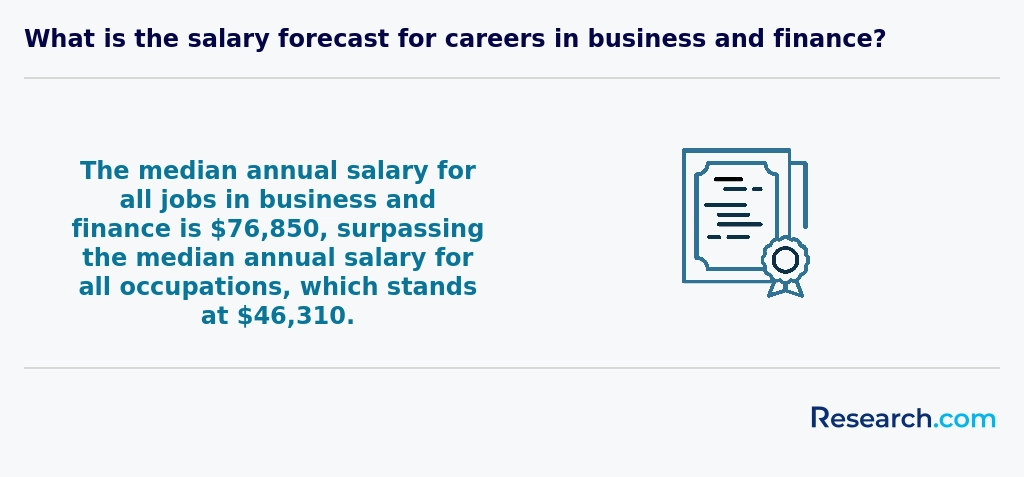
If you are curious about career outcomes after obtaining your degree, researching the highest paying careers for finance majors in Missouri can help justify your investment and guide your academic choices.
What financial aid is available to online finance degree students in Missouri?
Students enrolled in online finance degree programs at institutions like the University of Missouri or Saint Louis University often rely on federal financial aid to manage costs. Completing the FAFSA is essential; it unlocks eligibility for Federal Pell Grants, which can cover up to $7,395 annually, significantly easing tuition expenses. Graduates recall how this grant was key to making their education affordable without excessive debt.
Beyond federal options, Missouri offers the Access Missouri Financial Assistance Program. This need-based grant is especially helpful for undergraduates attending state colleges online, offering real relief amid everyday expenses. Additionally, institutional scholarships are common-for example, finance-focused awards at Missouri State University have enabled many students to reduce their financial burden while staying focused on their studies.
Employer tuition assistance is another valuable resource. Many working students in the Kansas City area found these benefits vital for balancing jobs and education. Federal student loans remain a dependable option due to favorable interest rates, though it's wise to prioritize them over private loans, which can be costlier.
Finally, scholarships from professional groups like the Financial Management Association have helped graduates pursue their degrees with confidence, often rewarding academic and leadership achievements in finance fields.
What are the prerequisites for enrolling in online finance degree program in Missouri?
To enroll in an online finance degree program in Missouri, you'll first need a high school diploma or GED. Graduates from institutions like the University of Missouri often share that this foundational step is non-negotiable and sets the stage for success. Many schools have moved to test-optional policies, so don't stress too much over SAT or ACT scores unless specifically requested. However, expect a strong emphasis on math proficiency. For example, graduates from Missouri State University recommend brushing up on algebra and statistics before applying, as these skills are critical in finance coursework.
Transfer students must submit official transcripts, allowing colleges to credit previous related classes. This savvy move saved time and money for many who switched to online finance degrees at Saint Louis University. Some programs may ask for letters of recommendation or personal statements, helping admissions understand your motivation. Finally, reliable internet and basic tech skills are essential - graduates often highlight how mastering online tools early made their virtual learning smooth and enjoyable.
Regional Comparison: Missouri vs. Georgia Affordable Finance Programs
When evaluating the most affordable online finance degree options, it’s helpful to benchmark Missouri’s offerings against those in nearby states. According to the Inexpensive Online Finance Degree Programs Ranking in Georgia, Georgia schools often feature per-credit costs that are 5–10% below Missouri averages, with in-state rates starting as low as $280 per credit hour. Beyond cost, Georgia’s top programs boast graduation rates above 60% and strong career-placement services, metrics that prospective Missouri students should consider when weighing return on investment. In Missouri, institutions like the University of Missouri-St. Louis and Missouri State University maintain accreditation from the Higher Learning Commission and AACSB, matching Georgia’s quality standards. However, Georgia’s emphasis on employer partnerships has produced slightly higher internship placement rates-70% compared to Missouri’s 65%-which can accelerate early career growth. Additionally, student satisfaction scores in Georgia’s online finance programs average 4.2 out of 5, indicating effective support services such as dedicated academic advising and 24/7 tech assistance. By comparing these regional benchmarks, Missouri students can identify areas for improvement-such as enhanced alumni mentorship-and advocate for similar resources at their institutions. Ultimately, aligning Missouri’s affordability and academic rigor with proven best practices from Georgia can ensure that graduates enter the workforce with both competitive credentials and minimized debt.
What courses are typically in online finance degree programs in Missouri?
Online finance degree programs in Missouri typically feature essential courses designed to build practical skills for real-world finance roles. Graduates from institutions like the University of Missouri and Missouri State University often highlight courses such as Financial Accounting, which lays the groundwork by teaching how to analyze financial statements-a crucial skill when reviewing a company's health or preparing budgets.
Students also take Corporate Finance, focusing on managing investments and understanding risk, a daily reality for finance professionals handling portfolios or advising businesses. Economics courses-including both Microeconomics and Macroeconomics-help learners grasp market behaviors and broader economic trends that impact financial decisions.
Business Statistics teaches how to interpret data, a necessity in today's data-driven finance industry. Many graduates appreciate Investment Analysis for its focus on portfolio management and securities valuation, directly connecting classroom theory to personal investing or asset management careers.
Additional courses like Financial Markets and Institutions and International Finance prepare students for global finance environments, equipping them to navigate currency management or banking sectors, which are active and growing industries in Missouri.
What types of specializations are available in online finance degree programs in Missouri?
Online finance degree specializations Missouri students choose often include focused options like Corporate Finance, Financial Planning, Investment Analysis, Risk Management and Insurance, and Banking and Financial Services. Graduates from popular Missouri institutions find these concentrations offer practical skills directly applicable to local industries, such as executive roles in St. Louis's corporate sector or personal financial advising within community practices.
For example, a graduate focusing on Corporate Finance might navigate budgeting and investment decisions in real Missouri companies, gaining confidence by applying theory to live scenarios. Another concentrating in Financial Planning develops strategies for retirement and tax management, skills in high demand for clients throughout Missouri. These graduates often share feeling prepared and optimistic about job prospects due to the relevancy of their chosen track.
Choosing the right finance degree concentration options Missouri offers can significantly impact career outcomes. Tuition varies, but public institutions typically charge between $8,000 and $10,500 yearly for in-state students. Prospective students can explore affordable options through resources like the Inexpensive Online Finance Degree Programs Ranking in Georgia to compare cost-effective pathways.
How do you choose the best online finance degree in Missouri?
To choose the best online finance degree in Missouri, start by confirming the program's accreditation-regional accreditation by the Higher Learning Commission (HLC) is most respected. Graduates from popular Missouri colleges often praise the smooth credit transfer and graduate school acceptance this brings. Next, consider affordability; many students find that affordable finance bachelor programs Missouri-wide offer tuition between $8,000 and $12,000 annually for in-state learners, especially in public universities. Private schools may cost more but provide strong financial aid options. Look closely at the curriculum: programs that blend core finance courses with electives in data analytics or financial software prepare you well for the evolving job market.
Flexibility significantly impacts your success, especially if you juggle work or family like many Missouri students. Choose programs offering asynchronous classes and robust student support such as advising and career services. Graduates frequently highlight how such resources helped them secure local internships and jobs in St. Louis or Kansas City's finance sectors. Finally, check how the degree aligns with certifications like CFA or CFP, enhancing your competitiveness. Exploring the most successful college majors related to finance can also guide your decision.
What career paths are available for online finance degree students in Missouri?
Graduates with an online finance degree in Missouri find diverse career options that fit different interests and skill sets. In cities like St. Louis and Kansas City, many finance degree jobs Missouri graduates pursue include financial analyst roles, where they analyze market trends to help businesses make informed decisions. Others choose to become financial planners, offering personalized advice on retirement and investments, often working remotely while balancing their priorities.
Many graduates from universities known for finance programs in Missouri highlight how hands-on experience helped them qualify for credit analyst or risk manager positions in local banks and insurance firms. Accountants and auditors also remain in demand across the state, managing financial records and ensuring regulatory compliance with growing companies. Those who want a faster-paced environment sometimes enter investment banking, assisting corporate clients in capital raising.
For prospective students wondering how to start, exploring the easiest degree options within finance can provide a practical entry point. This approach helps balance study with work, making the path to advancing in Missouri's financial sector more accessible and motivating.
What is the job market for online finance degree in Missouri?
Graduates pursuing an online finance degree in Missouri find a steady job market with opportunities concentrated in metropolitan areas like Kansas City and St. Louis. These financial hubs house banks, investment firms, and insurance companies that actively recruit finance professionals. Many graduates from popular universities in Missouri recall landing entry-level roles in budgeting or financial advising soon after completing their programs, benefiting from close ties local colleges maintain with employers.
The demand for finance careers in Missouri reflects anticipated growth of 7-9% over the next decade, matching national trends. Entry-level salaries start around $71,000 annually, which, when combined with Missouri's moderate cost of living, translates into a practical and attractive career path. Practical experience gained through internships or projects at local institutions enhances graduates' readiness for roles in financial planning and risk management.
For students weighing costs, Missouri public universities offer tuition between $8,000 and $12,000 yearly for residents, making an online finance degree job prospects in Missouri both accessible and economically feasible. Many former students appreciate how this balance of affordability and opportunity supports their ambitions to climb finance career ladders. To explore related options, students can consider the best money making majors linked to their career goals.
Frequently Asked Questions About finance
Students pursuing online finance degrees in Missouri can enhance their learning by actively engaging with their coursework and utilizing available university resources. Many Missouri institutions offer virtual tutoring, career services, and networking events tailored for finance majors. Participating in these can deepen understanding and professional connections.
Additionally, students should stay informed about Missouri's economic climate, which includes key sectors such as manufacturing and financial services. According to the Missouri Economic Research and Information Center (MERIC), the finance and insurance sector employs over 150,000 people, highlighting strong local job opportunities.
Joining virtual finance clubs or forums also helps students apply theoretical knowledge to real-world scenarios, preparing them for Missouri's competitive job market.
Emerging niches within the finance field reflect shifting economic trends and technological advances. In Missouri, growing opportunities include fintech, sustainable finance, and data analytics. Fintech combines finance and technology, driving innovation in digital payments and blockchain applications, which have seen a 20% growth nationally according to the U.S. Bureau of Labor Statistics.
Environmental, social, and governance (ESG) investing is gaining traction as firms integrate sustainability into financial decisions. Missouri-based companies increasingly focus on these principles, creating demand for specialists in sustainable finance.
Data analytics skills are crucial as financial institutions harness big data for risk assessment and investment strategies. The Missouri Economic Research and Information Center notes finance jobs requiring analytics expertise growing faster than average statewide.
After earning an online finance degree in Missouri, preparing for the job market involves a mix of practical experience and networking. Internships or part-time roles in local firms help build relevant skills. The Missouri Economic Research and Information Center reports steady growth in finance-related jobs, emphasizing opportunities in St. Louis and Kansas City.
Graduates should also leverage Missouri's professional organizations like the Finance Association of Missouri for networking and mentorship. Developing proficiency in software such as Excel, QuickBooks, and financial modeling tools enhances employability. Additionally, obtaining certifications like the CFA or CFP can provide a competitive advantage when applying for finance positions across the state.
Employers in Missouri highly value finance graduates who demonstrate analytical thinking and strong quantitative skills. These abilities are essential for interpreting financial data and making informed decisions in roles such as financial analysts or advisors.
Communication skills are also crucial. Graduates must effectively convey complex financial concepts to clients and colleagues. Missouri's finance sector, which includes firms in St. Louis and Kansas City, demands professionals who can collaborate across departments.
Additionally, proficiency in financial software like Excel, QuickBooks, and emerging fintech tools is increasingly important. The Missouri Economic Research and Information Center highlights technological adaptability as a key factor for career growth in finance.
Ethical judgment and knowledge of regulatory standards complete the skill set employers look for.
Finding internships in Missouri relevant to a finance degree involves a strategic approach focused on local industry connections and university resources. Many Missouri universities with online finance programs, such as the University of Missouri system, offer career services that help students access internship listings statewide. The Missouri Department of Economic Development reports that finance and insurance industries employ over 100,000 workers in the state, highlighting strong opportunities.
Online students should explore internship listings on platforms like Missouri Job Center and Handshake, which feature finance-specific roles. Networking events hosted by local finance associations, such as the St. Louis CFA Society, also provide valuable contacts and internship leads.
Contacting regional banks, financial planning firms, or corporate headquarters in Missouri cities like Kansas City and St. Louis can uncover additional opportunities. Internships in these locations often offer real-world experience aligned with academic finance programs.
An online finance degree in Missouri significantly enhances career mobility by equipping graduates with essential skills that meet the state's growing business demands. Missouri's finance sector employs over 200,000 people, with key industries including banking, insurance, and investment services, according to the Missouri Economic Research and Information Center (MERIC).
Graduates with an online finance degree often qualify for roles such as financial analysts, advisors, or managers, positions that typically require a bachelor's degree. Online programs offer flexibility, allowing working professionals to advance their education without pausing their careers, which supports upward mobility.
The Bureau of Labor Statistics (BLS) projects a 7% growth in financial occupations in Missouri through 2030, indicating ample opportunities for advancement. Employers increasingly value the analytical and technological competencies fostered by these programs, further aiding career progression in the state's competitive job market.
Studying for a finance degree in Missouri offers students valuable exposure to interdisciplinary skills critical in today's job market. Online programs commonly integrate coursework in economics, accounting, and data analysis, enabling students to understand financial systems within broader business contexts. Missouri's strong presence in sectors like agriculture, healthcare, and manufacturing provides real-world case studies for applying finance knowledge across industries.
Research from the Missouri Department of Higher Education highlights that many finance graduates find roles blending finance with information technology, marketing, or management. This reflects the state's evolving economy, where professionals must interpret financial data alongside other business functions.
Online programs emphasize analytical thinking and problem-solving, preparing students to collaborate across departments effectively. Combining core finance concepts with interdisciplinary skills helps graduates adapt to roles such as financial analysts who support varied industries in Missouri's diverse economic landscape.
Choosing between a thesis and a non-thesis online finance degree program in Missouri depends largely on your career goals and learning preferences. A thesis option typically involves conducting original research and writing a detailed paper, which may benefit those considering graduate studies or roles in research and analysis. Non-thesis programs generally focus on practical skills and coursework, ideal for students aiming to enter the workforce quickly.
Missouri's finance sector, with its concentration in St. Louis and Kansas City, values both advanced research capabilities and applied finance knowledge. According to the Missouri Economic Research and Information Center, financial services are a significant part of the state's economy, so practical skills may offer quicker entry into competitive positions.
Graduate students should also consider program length and flexibility, as thesis tracks often require more time. Reviewing course catalogs and speaking with advisors at institutions offering online finance degrees in Missouri can provide clarity tailored to your goals.
Students based in Missouri who wish to study finance abroad have several options, primarily through partnerships between Missouri universities and international schools. Many Missouri institutions offer study abroad programs, but these typically supplement, rather than replace, online finance degrees. For full online finance programs with international perspectives, students often choose universities accredited in the U.S. with global business curricula. According to the Missouri Department of Higher Education, students can also pursue exchange semesters or internships linked with institutions abroad, enriching their finance education.
Online studies remain popular, allowing students to combine Missouri-based accreditation with global finance insights. These hybrid approaches address the challenges of studying entirely abroad, such as visa and residency requirements, while still broadening professional outlooks in finance.
Students pursuing online finance degrees in Missouri can benefit from several part-time job opportunities that enhance their practical skills. Positions such as bank teller, accounting assistant, or financial clerk provide hands-on experience with financial transactions and data management. These roles build foundational knowledge applicable to more advanced finance careers.
Missouri's finance and insurance sector employs over 115,000 people, according to the U.S. Bureau of Labor Statistics (2023). This local demand supports job availability for finance students seeking real-world exposure while studying.
Internships in local financial firms and credit unions are also valuable, offering insight into investment analysis and portfolio management. These experiences can improve employability after graduation.
Online finance students in Missouri have access to various networking opportunities that can enhance their career prospects. Many universities offering online finance degrees encourage participation in virtual student organizations and finance clubs, fostering connections with peers and faculty. Additionally, Missouri hosts professional groups like the Financial Executives International (FEI) St. Louis Chapter and the Missouri Society of Certified Public Accountants (MOCPA), where students can attend local events and webinars.
The state's financial sector, including firms in Kansas City and St. Louis, often participates in career fairs and internships, providing practical networking channels. According to the Missouri Economic Research and Information Center, nearly 44,000 professionals are employed in finance-related occupations statewide, emphasizing a strong local network for graduates.
Online platforms such as LinkedIn further support students by connecting them with alumni and industry experts in Missouri's finance community.
Alumni networks are a valuable resource for students pursuing online finance degrees in Missouri. These networks connect current students with graduates who have experience in Missouri's financial sector, fostering mentorship and career guidance. According to the Missouri Economic Research and Information Center, the state's finance and insurance industries employ tens of thousands, highlighting the importance of local connections.
Online students gain access to job leads and internships through alumni who understand regional market demands. Networking events and online communities offer platforms to build professional relationships, enhancing job prospects upon graduation. Research from the National Association of Colleges and Employers shows that 85% of jobs are filled through networking, underscoring alumni network importance.
Customizing an online finance degree in Missouri allows students to align their education with specific career goals. Many programs offer concentrations such as financial planning, investment analysis, or corporate finance, enabling focused study. Electives can be chosen based on industry demands or personal interests, like risk management or real estate finance.
Missouri's online degrees often incorporate practical components such as internships or capstone projects, providing real-world experience. Additionally, some schools partner with local financial firms, helping students build networks within the state's job market. According to the Missouri Economic Research and Information Center, finance-related roles are growing steadily, so tailoring your program can improve job readiness.
Advisors in these programs typically assist in creating an academic plan that meets professional certification requirements, such as CFA or CFP, enhancing future credentials.
Online finance students in Missouri commonly face challenges related to balancing studies with work and family responsibilities. Many learners juggle full-time employment while trying to maintain progress in demanding finance coursework, which requires strong time-management skills.
Access to reliable technology and high-speed internet can also be a barrier, especially in rural areas of Missouri where connectivity varies. This impacts students' ability to participate fully in live lectures and timely submission of assignments.
Additionally, some students report difficulties with limited in-person networking opportunities, which are crucial for building connections in Missouri's competitive finance job market. According to the Missouri Department of Higher Education, retention rates for online programs remain lower than traditional ones, partly due to these factors.
Finally, comprehending complex financial theories without immediate access to instructors can challenge self-motivation and academic performance.
With an online finance degree in Missouri, you can pursue several key professional certifications to enhance your career prospects. Popular options include the Certified Financial Planner (CFP), highly valued for personal financial advisory roles.
The Chartered Financial Analyst (CFA) designation is ideal for those interested in investment management and research. Earning the CFA requires passing multiple exam levels and relevant work experience.
The Certified Public Accountant (CPA) credential is another option, especially for finance graduates focused on accounting or auditing. The Missouri Board of Accountancy oversees CPA licensure specific to state requirements.
Additionally, the Financial Risk Manager (FRM) certification can benefit graduates aiming for risk management careers in banks or financial firms.
The choice depends on your desired career path and Missouri's local job market demands, often shaped by data from the Missouri Economic Research and Information Center (MERIC).
Writing a winning application for an online finance program in Missouri involves clear presentation and attention to detail. Begin by carefully researching the specific program's requirements, as Missouri schools often value both academic records and relevant experience. Highlight your quantitative skills, such as proficiency in statistics or economics, which are crucial for finance studies.
Missouri's job market for finance professionals is growing, with the state's financial sector providing over 140,000 jobs as of 2023 (Bureau of Labor Statistics). Mention any relevant internships or work experience tied to this industry.
Strong letters of recommendation and a well-crafted personal statement that explains your goals and motivation can set your application apart. Lastly, ensure your application reflects your readiness for online learning, demonstrating time management and self-motivation abilities.
The finance industry is increasingly global, influencing how professionals in Missouri approach their careers. A finance degree provides skills valued worldwide, including financial analysis, risk management, and investment strategies. Globally, finance roles often require awareness of international markets and regulations.
Missouri's finance graduates benefit from the state's strong banking and insurance sectors, ranking among the top employers locally, according to the Missouri Economic Research and Information Center (MERIC). This local strength complements global opportunities, as firms seek candidates who understand both domestic and international finance.
With an online finance degree, students gain flexibility to engage with global financial trends while staying based in Missouri. Knowledge of global finance standards enhances employability in multinational firms and improves career mobility.
Gaining practical experience while studying for an online finance degree in Missouri is essential to enhance skills and employability. Students often pursue internships with local financial firms, banks, and corporations based in cities like St. Louis and Kansas City, where Missouri's finance sector is concentrated. According to the Missouri Economic Research and Information Center, the finance and insurance industry employs over 100,000 people statewide, offering diverse internship opportunities.
Many online programs encourage experiential learning through virtual internships and cooperative education (co-op) placements. Additionally, students may engage in finance-related projects or case studies provided by their institutions to apply theoretical knowledge in real-world contexts.
Choosing the right concentration within an online finance degree program in Missouri begins by assessing your career goals and interests. Popular concentrations include corporate finance, investment analysis, risk management, and financial planning. Each concentration prepares students for specific roles in Missouri's diverse economy, which has strong finance, insurance, and manufacturing sectors.
Consider Missouri's job market: the Missouri Economic Research and Information Center reports steady demand for financial analysts, with an expected growth of 5% through 2030. Aligning your concentration with industry needs enhances employability.
Additionally, review course offerings carefully. Some programs may emphasize practical skills like portfolio management or budgeting, while others focus on financial theory or data analytics. Accreditation and faculty expertise also matter.
Related Finance Rankings for Nearby States
Top Trending Finance Rankings
See What Experts Have To Say About Studying Finance
Read our interview with Finance experts

Ekaterina Potemkina
Finance Expert
Assistant Professor of Finance
Indiana University

Andrew Karolyi
Finance Expert
Dean of the Cornell SC Johnson College of Business
Cornell University

H. Kent Baker
Finance Expert
Professor at Department of Finance and Real Estate
American University

References
- What Major is Best for Finance? Top 10 Picks https://zoetalentsolutions.com/what-major-is-best-for-finance/
- Top Ways to Leverage a Finance Degree https://rochesterap.com/top-ways-to-leverage-a-finance-degree/
- Why Alumni Networks Matter in Business School: 7 Reasons https://europe.ceibs.edu/article/why-alumni-networks-matter-business-school
- Bachelor of Commerce, Finance Major | Online BComm https://www.athabascau.ca/programs/summary/bachelor-of-commerce-in-finance.html
- Online Bachelor's Degree: Finance https://www.umgc.edu/online-degrees/bachelors/finance
- Students can immediately apply skills learned in Financial ... https://www.mehlvilleschooldistrict.com/p/~board/news/post/students-can-immediately-apply-skills-learned-in-financial-planning-to-the-real-world
- Online Finance Degree | Westminster Online https://www.wcmo.edu/academics/westminster-online/finance.html
- Best Finance Degrees Online https://www.accounting.com/degrees/finance/bachelors/best-online-programs/
- Alumni Rate Their Business School https://poetsandquantsforundergrads.com/news/best-business-schools-alumni-rate-undergraduate-business-degrees/5/
- Finance Bachelor of Science in Business Administration https://www.ucmo.edu/academics/programs/majors/hcbps/economics-and-finance/finance-bsba/


