2027 Fastest Online Finance Degree Programs Ranking in Boston, MA

Co-Founder and Chief Data Scientist
Choosing the right finance degree program can shape your future, especially in a dynamic city like Boston. This article introduces the 2027 Fastest Online Finance Degree Programs Ranking in Boston, MA, carefully compiled by the Research.com team of data scientists to guide you toward smart decisions.
Whether you're starting fresh or advancing your career, understanding which programs combine speed and quality can save time and effort.
Explore options tailored for busy students and unlock new opportunities in finance with confidence.
Key benefits of getting online finance degree in Boston
- Salary for finance degree graduates: Graduates can expect rewarding salaries, such as $150,670 mean annual wage for Financial Advisors and $112,950 for Financial Analysts and Investment Banking Analysts, ensuring strong financial stability.
- Career paths: A Boston finance graduate often pursues roles like credit analyst, insurance underwriter, or financial advisor, gaining versatile opportunities in finance sectors.
- Online degree benefits: Earning a finance degree online from a respected Boston university offers flexibility and the chance to balance work and study, making it easier to gain experience while advancing education.
- Key benefits of getting online finance degree in Boston
- What can I expect from online finance degree in Boston?
- Where can I work with online finance degree in Boston?
- How much can I make with online finance degree in Boston?
- 2027 Fastest Online Finance Degree Programs Ranking in Boston, MA
- Key Findings
- How long does it take to complete online finance degree in Boston?
- What's the difference between online and on-campus finance degree?
- What is the average cost of online finance degree in Boston?
- What financial aid is available to online finance degree students in Boston?
- What are the prerequisites for enrolling in online finance degree program in Boston?
- What courses are typically in online finance degree programs in Boston?
- What types of specializations are available in online finance degree programs in Boston?
- How do you choose the best online finance degree in Boston?
- What career paths are available for online finance degree students in Boston?
- What is the job market for online finance degree in Boston?
- Top Trending Finance Rankings
- See What Experts Have To Say About Studying Finance
What can I expect from online finance degree in Boston?
The average cost of an online finance degree in Boston typically ranges between $30,000 and $60,000, depending on the institution and program length. Many students at schools like Boston University or Northeastern University find the investment worthwhile, as these programs offer rigorous coursework and strong connections to Boston's thriving financial sector.
Graduates often recall balancing their studies while leveraging internships at local financial powerhouses such as Fidelity Investments or State Street Corporation, which helped them apply classroom theories to real-world challenges. This hands-on experience adds immense value beyond the tuition, making the cost feel like a stepping stone toward rewarding careers.
Financial aid, scholarships, and employer tuition assistance programs can significantly reduce out-of-pocket expenses. It's essential to explore these options early, as they can transform what seems like a daunting cost into an achievable goal.
Ultimately, the price reflects more than education - it's an investment in Boston's rich economic ecosystem and your future potential within it.
Where can I work with online finance degree in Boston?
With an online finance degree earned while studying at institutions like Boston University or Northeastern, many graduates find themselves thriving in Boston's dynamic job market. Picture yourself stepping into a bustling asset management firm such as Fidelity Investments, confidently analyzing portfolios and managing risks-the skills you honed during your program come alive in these roles.
Others have secured positions in prominent local banks or regional financial institutions, applying their knowledge in commercial banking or credit analysis, navigating Boston's steady economic growth. Insurance companies like Liberty Mutual eagerly welcome finance graduates who excel in financial planning and underwriting, making a tangible impact on the local community.
Graduates also report rewarding careers at consulting firms-Deloitte or PwC-where financial advisory and market trend analysis challenge and grow their expertise daily. Even roles within tech companies and hospitals become accessible, offering diverse opportunities to manage budgets and investments in Boston's evolving industries.
The practical experience gained through Boston's university networks combined with an online degree opens doors, instilling confidence and excitement as you embark on your finance career journey.
How much can I make with online finance degree in Boston?
Graduates holding an online finance degree in Boston find themselves well-positioned to earn competitive salaries thanks to the city's dynamic financial landscape. For example, financial analysts in the Boston area earn a mean annual wage of about $112,950, a figure that reflects the strength of Boston's finance sector and surpasses national averages. Many graduates from local institutions such as Boston University or Northeastern University have shared how this salary enabled them to confidently start their careers, balancing student loans while enjoying Boston's vibrant city life.
Beyond analysts, financial advisors in Boston make an impressive mean annual salary of $150,670, demonstrating that specialized roles offer significant earning potential. Graduates who enter these fields often mention how the real-world applications learned in their online courses gave them the skills to excel quickly and stand out among peers. Even entry-level roles like credit analysts command average wages near $94,750, making the journey from student to professional financially rewarding.
Meanwhile, investment banking analysts also see similar salaries around $112,950, blending analytical rigor with Boston's booming finance industry opportunities. Insurance underwriters earn about $85,610 annually, showing there are multiple career paths with strong earning prospects. With dedication and continued certification, your online finance degree from Boston can unlock doors to these financially fulfilling roles.
2027 Fastest Online Finance Degree Programs Ranking in Boston, MA
How do we rank schools?
Investing in your education is a significant decision that can profoundly impact your career and future opportunities. The Research.com team recognizes this importance and has taken great care to ensure the quality, credibility, and accuracy of the "2027 Fastest Online Finance Degree Programs Ranking in Boston, MA." Our thorough research and analysis involved multiple trusted data sources to offer a reliable resource for prospective students.
We utilized the following reputable data sources to create this ranking:
By consulting this ranking, readers will gain clear insights into the fastest online finance degree programs available in Boston, enabling informed decisions about their education and career paths. For more details on how this ranking was developed, please visit our Research.com methodology page.

# 2 position
Cambridge College Global
Master of Finance


Key Findings
- Online finance degrees in Boston typically cost between $15,000 and $40,000, with public universities offering lower tuition than private institutions.
- Entry-level salaries for finance graduates in Boston start around $60,000 annually and can exceed $100,000 after about 10 years of experience.
- Boston has a strong job market in finance, including roles in asset management, financial analysis, and risk management.
- Many online finance programs in Boston are flexible and accredited, designed to help working professionals balance study and work.
- Employment in Boston's financial services sector is expected to grow by about 6% over the next decade, supporting job availability for graduates.
How long does it take to complete online finance degree in Boston?
Completing an online finance degree in Boston typically takes about four years for full-time students, mirroring the standard timeline at well-known institutions like Boston University or Northeastern University. Graduates often share how flexible pacing options helped them balance their busy lives, especially when working part-time or managing family commitments.
Some students choose accelerated tracks, finishing their bachelor's degree in as little as two and a half to three years by taking heavier course loads or enrolling year-round. Imagine a graduate from a local college who managed to complete their degree quickly by transferring credits earned at a nearby community college-this approach can drastically shorten your timeline.
Master's programs often range from one to two years full-time, but accelerated options sometimes allow dedicated students to finish within 12 to 18 months. The key is to analyze your personal schedule and financial situation, leveraging scholarships or financial aid unique to Boston's online programs to sustain steady progress.
Your journey is unique-explore credit transfers and program pacing at Boston's universities to design the path that motivates and excites you every step of the way.
What's the difference between online and on-campus finance degree?
Choosing between an online and on-campus finance degree in Boston comes down to your lifestyle and learning preferences. Online programs, like those offered by Suffolk University and Northeastern University, provide incredible flexibility. Imagine finishing a demanding workday and then diving into finance lectures at your own pace without the stress of commuting. Graduates appreciate how this option allows them to balance family or jobs while gaining a respected degree aligned with Boston's financial sector standards.
On the other hand, students attending Boston University or Boston College thrive on the immersive, face-to-face experience. Picture engaging in lively discussions, networking events, and internships right in the heart of Boston's financial community. This connection often sparks new opportunities and friendships that can last a lifetime.
Cost-wise, online degrees may save you money on commuting and housing, with tuition typically ranging between $20,000 and $40,000. This financial flexibility can give you peace of mind while you build your career in one of America's top financial hubs.
What is the average cost of online finance degree in Boston?
The average online finance degree cost Boston students face typically centers around $38,200 for the full program. This figure reflects a blend of public and private institution pricing common in the city's competitive educational landscape. Graduates from universities like Boston University and Northeastern share that while the tuition feels like a major investment upfront, the quality of the program and access to Boston's financial district opportunities provide tremendous value.
In practical terms, students pursuing a finance degree online often budget for about $400 to $1,200 per credit hour depending on whether they attend public or private institutions, translating to a range that can climb past $120,000 at the highest end. Yet, real affordability is boosted by many who secure financial aid, scholarships, or employer tuition assistance, making this attainable for ambitious learners. One graduate recalled balancing online classes with their job, emphasizing how the flexible format helped them steadily progress without sacrificing income.
Additional fees, such as technology and material costs, are something to prepare for, but those add a manageable $500 to $1,000 annually. Compared to the national average, the total tuition fees for finance degree Boston MA options tend to be somewhat higher due to the city's prestige and demand for qualified finance professionals. Thanks to Boston's vibrant economy, completing an online finance degree here opens doors to internships and careers that truly reward your commitment.
If you want inspiration beyond tuition specifics, consider exploring great careers for introverts in finance, which is an especially welcoming field for thoughtful, analytical minds like yours. This insight can help guide your educational path toward meaningful and satisfying work.
What financial aid is available to online finance degree students in Boston?
When pursuing an online finance degree in Boston, you have access to a wealth of financial aid opportunities that can turn what feels like a daunting investment into an achievable goal. Many graduates from institutions like Boston University or Northeastern University recall how federal Pell Grants lightened their financial load, providing need-based aid without the pressure of repayment. Additionally, federal student loans with low interest rates offered flexible repayment options tailored to their post-graduation plans.
Massachusetts residents are fortunate to benefit from state-specific programs such as the MassGrant, which supports students attending accredited online finance programs right here in Boston. Several Boston colleges also offer their own targeted scholarships and grants, designed to encourage finance students striving for success despite financial hurdles.
Think about working professionals enrolled at these schools who leverage employer tuition reimbursement programs-transforming their career ambitions into reality while easing the burden of out-of-pocket expenses. Private scholarships from local foundations round out this support network, making your educational journey more accessible and inspiring.
What are the prerequisites for enrolling in online finance degree program in Boston?
Your journey toward an online finance degree in Boston begins with meeting key prerequisites that set you up for success. Most programs require a high school diploma or GED if you're going for a bachelor's degree, while master's programs usually ask for a relevant bachelor's degree in finance, economics, or business. Graduates from Boston universities often share how mastering algebra and statistics gave them confidence tackling complex financial models in their coursework.
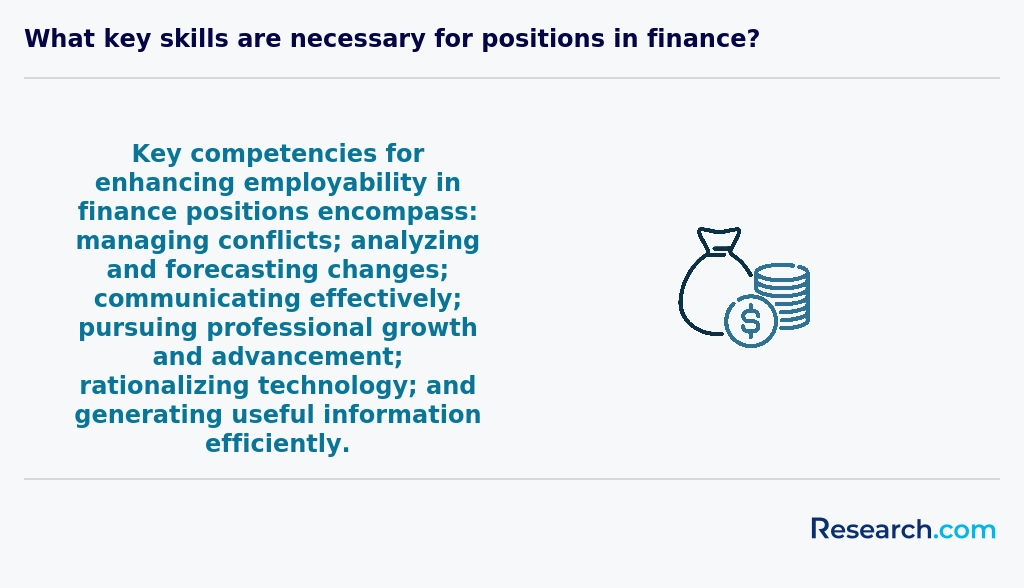
Communication skills are crucial too-imagine collaborating with peers on virtual projects or presenting clear financial reports, just like many students at Boston's well-known colleges have experienced. Some programs still request SAT or ACT scores, but many have moved past this, easing your application process. For graduate studies, GRE or GMAT scores might be required, though policies vary.
Reliable internet and familiarity with tools like Excel are non-negotiable; graduates often recall how these technical skills saved them when deadlines loomed. Personal statements, recommendation letters, and resumes form the final piece, allowing admissions to see your passion and readiness for Boston's competitive finance environment.

What courses are typically in online finance degree programs in Boston?
When pursuing an online finance degree in Boston, you'll dive into courses designed to build both your analytical skills and practical knowledge. Graduates from institutions like Boston University and Northeastern University often share how courses in Financial Accounting gave them a solid grasp on reading and interpreting financial statements, a skill crucial for real-world roles in banks and investment firms.
Expect to explore Corporate Finance early on, where you'll understand how companies make strategic budgeting and investment decisions-knowledge that's directly applicable when analyzing local startups or large enterprises in Boston's vibrant economy. Investment Analysis classes prepare you to evaluate securities effectively, just as alumni did when working with Boston's venture capital firms.
Courses in Risk Management train you to anticipate and mitigate financial threats, a skill loved by graduates who entered risk assessment roles at major financial institutions. Additionally, studying Financial Markets and Institutions reveals the backbone of the industry, helping you connect classroom theory with Boston's bustling finance sector.
Quantitative Methods, covering statistics and modeling, equip you to make data-driven decisions, a necessary expertise in today's tech-focused financial landscape. These courses mirror what many Boston-based finance students experience, balancing theory and practice to thrive in a competitive job market.
What types of specializations are available in online finance degree programs in Boston?
When exploring an online finance degree in Boston, you'll find a range of specializations designed to align with the city's thriving financial ecosystem. Graduates from well-known Boston colleges often choose Corporate Finance to master financial planning and capital management-skills highly valued by both established companies and startups in the city.
Others thrive in Investment Management, where they learn about portfolio strategies and securities analysis, perfectly suited to Boston's massive asset management industry. For those drawn to innovation, the Financial Technology (Fintech) specialization offers cutting-edge knowledge in blockchain and AI, preparing students for the city's expanding fintech job market.
Specializations like Risk Management and Personal Financial Planning also attract students eager to meet Boston's demand for risk mitigation expertise and certified financial planners. If you're considering these options, researching the best accelerated online degree programs for working adults can help you balance your studies and career effectively within Boston's competitive environment while benefiting from these practical concentrations in your online finance degree specializations Boston.
How do you choose the best online finance degree in Boston?
Choosing the best online finance degree in Boston means focusing on programs accredited by top agencies like AACSB to ensure quality education recognized by employers. Graduates from renowned Boston colleges often emphasize how accreditation opened doors to roles at local financial hubs such as Fidelity Investments. When searching for affordable finance degrees online Boston MA offers a variety of options, but keep in mind that tuition cost is just one piece of the puzzle-consider financial aid and how the program's reputation influences your career path.
Many students appreciate programs with flexible, asynchronous courses that fit busy schedules, allowing them to balance work and life seamlessly. Boston's vibrant financial scene makes curriculum relevance essential; courses featuring FinTech or investment analysis prepare you for the city's competitive market. Graduates have shared how networking opportunities through their schools connected them with leading firms in the area, making career services a vital factor to assess.
If you're looking for quick career boosts, exploring 6 month certificate programs that pay well can be a smart complement to your degree. Choosing wisely now can position you for both personal fulfillment and financial success in Boston's dynamic finance landscape.
What career paths are available for online finance degree students in Boston?
Graduates holding an online finance degree in Boston step into a city where the financial sector pulses with opportunity. Popular institutions like Boston University and Northeastern University offer students exposure to real-world scenarios, from corporate finance roles at local banks to investment banking firms headquartered nearby. Many graduates find themselves analyzing budgets, making strategic decisions, or managing portfolios with confidence thanks to strong academic foundations combined with Boston's thriving finance scene.
Career opportunities with finance degree Boston MA include positions in asset management, financial planning, risk management, and emerging fields like fintech. For example, graduates often secure roles as financial analysts or advisors, helping clients shape investment strategies in a city that boasts one of the highest concentrations of financial corporations in the U.S. Local alumni highlight how certifications like CFA or CFP boost their career growth, opening doors to senior-level roles.
For those exploring options, Boston's dynamic market rewards adaptability and continuous learning. Many find value in accelerating their credentials through programs like the best 6-month online associate degree programs, blending convenience with career readiness while targeting demanding jobs in the city's lucrative finance industry.
What is the job market for online finance degree in Boston?
The job market for an online finance degree in Boston is vibrant and full of promise. Graduates from institutions like Boston University and Northeastern University often share how their flexible online programs allowed them to intern simultaneously at firms such as Fidelity Investments and State Street Corporation, gaining hands-on experience while studying. This real-world exposure in Boston's financial hub significantly boosts confidence and employability.
Boston's diverse financial sector-including banks, asset managers, and fintech startups-means career opportunities are abundant. Entry-level positions typically offer salaries between $60,000 and $75,000, with mid-career wages rising above $110,000. The strong presence of financial services and insurance companies, combined with a steady 5% job growth rate, creates a thriving environment for professionals.
Many graduates appreciate the option to pursue an accelerated associate degree or bachelor's online, which fits busy schedules. For those eager to jump-start their careers, exploring accelerated associate degree options can be a strategic move. Overall, Boston clearly ranks as a top choice for finance career opportunities Boston MA, making it an inspiring place to launch your finance journey.
Frequently Asked Questions About finance
Online finance degree students in Boston can maximize their learning experience by actively engaging with course materials and leveraging local financial resources. Boston is a leading financial hub, home to major banks, investment firms, and fintech companies, providing students unique opportunities to connect theory with practice.
Students should participate in virtual networking events and seek internships with Boston-based firms to gain real-world insights. According to the Boston Planning & Development Agency, the finance sector employs over 80,000 professionals locally, offering substantial opportunities for mentorship and career growth.
Utilizing Boston's rich online libraries and databases, such as those from local universities, further enhances research capabilities.
The finance field is rapidly evolving, with several emerging niches gaining prominence. One key area is financial technology (FinTech), which combines finance with innovative technology such as blockchain and artificial intelligence. Boston is a growing FinTech hub, hosting over 400 startups as reported by the Massachusetts Technology Collaborative.
Another niche gaining traction is sustainable finance, focusing on environmental, social, and governance (ESG) criteria. Boston investment firms increasingly prioritize ESG, reflecting national trends highlighted by the US SIF Foundation.
Additionally, cybersecurity in finance is critical as digital threats grow. Finance professionals with expertise in protecting financial data are in high demand across Boston's financial institutions, according to the Boston Planning & Development Agency.
After completing an online finance degree in Boston, preparing for the job market involves several key steps. First, gaining relevant experience through internships or part-time finance roles helps build practical skills and a professional network. Boston is a major financial hub, home to firms like Fidelity Investments and State Street, which offer internship opportunities for graduates.
Next, obtaining certifications such as the CFA (Chartered Financial Analyst) can significantly improve job prospects in competitive finance sectors. According to the Boston Economic Development report (2023), the demand for financial analysts in Boston is projected to grow by 8% through 2030.
Additionally, strong proficiency in financial software and data analysis tools is essential. Joining local finance groups or attending virtual networking events can also provide valuable connections and job leads.
Employers in Boston's finance sector highly value analytical skills in graduates, as these competencies enable professionals to interpret complex financial data effectively. According to the Boston Planning & Development Agency, finance roles increased by 5% from 2021 to 2023, emphasizing demand for such expertise.
Strong proficiency in financial modeling and Excel is frequently requested. These tools are essential for budgeting, forecasting, and risk management tasks common in the city's growing fintech and investment industries.
Communication skills also play a critical role, as finance professionals often work across teams and with clients. The ability to clearly explain financial concepts remains a top priority for Boston employers, as cited in recent reports from the Massachusetts Financial Services Council.
Finding internships in Boston relevant to a finance degree requires a strategic approach. Start by exploring career services offered by online finance programs, as many partner with Boston-area firms for internship placements. Boston is a major financial hub, home to companies like Fidelity Investments and State Street, which frequently offer internships to students.
Utilize local job platforms such as Handshake, LinkedIn, and Indeed to search for finance internships specifically located in Boston. Networking is crucial; attend virtual finance career fairs and join professional groups such as the Boston Security Analysts Society for connections.
The Massachusetts government's Executive Office of Labor and Workforce Development reports finance and insurance jobs grew by over 5% from 2018 to 2023, indicating expanding opportunities for interns in this sector.
An online finance degree can significantly enhance career mobility and advancement opportunities in Boston's competitive financial sector. Boston hosts a robust financial services industry, including banks, investment firms, and insurance companies, which consistently seek professionals with updated financial knowledge and analytical skills.
According to the Massachusetts Executive Office of Labor and Workforce Development, financial analysts in Boston earn a median annual wage of about $95,000, above the national average. Holding an online finance degree often qualifies graduates for advanced roles such as financial managers or portfolio analysts, positions that saw a 7% job growth between 2020 and 2023 in the area.
Employers in Boston increasingly recognize accredited online degrees from reputable institutions as legitimate credentials, enabling graduates to switch industries or climb the corporate ladder without geographic limitations. Additionally, programs with flexible schedules allow working professionals to continue accumulating experience while upgrading qualifications.
Studying for a finance degree in Boston offers students a strong interdisciplinary foundation essential for today's complex business environment. Boston's universities integrate finance with courses in data analytics, economics, technology, and risk management, enabling students to develop versatile skills.
The city's vibrant financial sector, including firms in asset management and fintech, provides practical case studies and internship opportunities that blend finance expertise with technology and regulatory knowledge. According to the Boston Planning & Development Agency, finance and insurance industries employ over 60,000 people locally, reflecting diverse career paths.
This multidisciplinary approach equips graduates to work effectively in roles that require both financial acumen and cross-functional collaboration.
When choosing between a thesis and a non-thesis finance degree program online in Boston, consider your career goals. A thesis option requires original research and can be ideal if you aim to pursue a PhD or work in academic or research roles. Non-thesis programs usually emphasize practical skills and coursework, suitable for immediate entry into finance positions.
Boston is a financial hub, with a strong job market in asset management and banking. The non-thesis track may better align with fast-paced industry demands. According to the U.S. Bureau of Labor Statistics, Boston's finance sector grows steadily, favoring hands-on experience.
Evaluate your learning style, time availability, and whether you seek specialized research opportunities or quicker degree completion before deciding.
Students in Boston interested in studying finance abroad through online degrees have diverse options. Many US universities offer online finance programs with global recognition, allowing enrollment without relocating. Boston's strong financial sector, including firms like Fidelity Investments, supports a practical approach to finance education.
Additionally, some programs partner with international institutions, providing students with access to global finance perspectives while studying remotely. Accreditation by bodies such as AACSB ensures program quality.
While direct overseas study might require travel, online degrees enable access to global finance curricula and often include virtual international experiences or internships.
Sources like the Bureau of Labor Statistics highlight finance as a growing field, reinforcing the value of flexible, internationally-informed online education for Boston students.
Boston offers a variety of part-time job opportunities that can complement an online finance degree. Positions in local banks, credit unions, and investment firms give students valuable real-world experience. According to the Massachusetts Executive Office of Labor and Workforce Development, the Boston metropolitan area employed over 30,000 finance and insurance workers in 2023.
Internships or assistant roles in financial planning, accounting, or risk analysis provide hands-on skills aligned with academic learning. Additionally, freelance bookkeeping and tax preparation for small businesses can enhance practical knowledge.
Working in Boston's growing fintech sector also exposes students to cutting-edge financial technologies, fostering a competitive advantage post-graduation.
Online finance students in Boston have various networking opportunities despite not attending classes in person. Many local universities offer virtual access to career fairs, webinars, and industry panels, connecting students with Boston's robust financial sector.
The city is home to over 1,600 financial services firms, including major banks and investment firms, providing ample chances to build professional relationships. Organizations like the Boston Security Analysts Society host events that online students can attend remotely.
Additionally, platforms like LinkedIn have Boston-specific finance groups where students can engage with professionals and alumni.
Collaborations between institutions and companies also often include mentoring programs and internships accessible to online learners.
Alumni networks play a crucial role for online finance degree students in Boston, providing valuable connections in a competitive job market. Boston's financial sector, which employed over 100,000 people in 2023 according to the Massachusetts Executive Office of Labor and Workforce Development, benefits greatly from strong professional relationships.
These networks offer mentorship, internship opportunities, and industry insights that can accelerate career growth. Alumni often share job openings and advice, helping students navigate local companies like Fidelity Investments and State Street Corporation.
Access to a Boston-based alumni community increases visibility with employers, boosting chances of securing positions in investment banking, asset management, and corporate finance.
Customizing an online finance degree program in Boston allows students to align their studies with specific career goals. Many Boston institutions offer electives or specializations such as corporate finance, investment analysis, or financial planning. This flexibility helps students gain targeted skills relevant to the city's robust financial sector, which includes major firms like Fidelity and State Street.
Students can often choose capstone projects or internships that provide practical experience in Boston's financial markets. According to the Boston Planning & Development Agency, the finance sector contributes significantly to local employment, highlighting diverse opportunities.
Additionally, some programs enable part-time enrollment and accelerated courses, making it easier for working professionals to tailor their schedules. This adaptability ensures that learning matches both career ambitions and personal circumstances.
Online finance students in Boston often face challenges related to balancing rigorous coursework with personal and professional responsibilities. Many students are working adults who must manage time effectively to meet deadlines and participate in virtual classes. Technical issues with online platforms also pose obstacles, particularly for those unfamiliar with digital learning environments.
Furthermore, engaging with peers and instructors remotely can limit networking opportunities, which are crucial in Boston's competitive finance landscape. According to a 2023 report from the Boston Economic Institute, 42% of online learners cited limited interaction as a barrier to deeper understanding.
Lastly, rising tuition costs remain a concern, with finance degree programs averaging over $25,000 annually in the region, causing financial strain for many.
With an online finance degree, you can pursue various professional certifications to advance your career. Popular options include the Chartered Financial Analyst (CFA) credential, highly respected in investment management and offered by the CFA Institute. Earning the CFA designation requires passing three exams and relevant work experience.
Another widely recognized certification is the Certified Financial Planner (CFP), valuable for those interested in personal financial advising. The CFP requires specific coursework, an exam, and practical experience.
In Boston, a major financial hub, employers often value the Financial Risk Manager (FRM) credential, which focuses on risk management. According to the CFA Institute, Massachusetts ranks among the top states for CFA charterholders.
Writing a winning application for an online finance program in Boston requires clear organization and attention to detail. Start by researching each program's specific requirements, which often include a resume, personal statement, and transcripts. Highlight your relevant work experience and skills, especially those connected to Boston's vibrant financial sector, such as banking, asset management, or fintech.
Boston is a leading financial hub with over 400 finance-related firms, according to the Boston Planning & Development Agency, making practical experience highly valuable.
In your personal statement, demonstrate your career goals and how the program aligns with the city's economic landscape. Strong letters of recommendation and competitive GPA or test scores further strengthen your application.
Global perspectives on a finance career emphasize the increasing interconnectedness of markets, demanding professionals who understand both local and international economic factors. For Boston students pursuing an online finance degree, this means gaining skills valued worldwide, particularly in areas like investment banking, asset management, and financial analysis.
The U.S. Bureau of Labor Statistics projects a 17% growth in financial analyst jobs nationwide from 2022 to 2032. Boston's strong financial sector, including institutions like Fidelity Investments and State Street, offers robust opportunities that reflect global trends.
Many Boston programs now integrate global finance topics, preparing graduates to navigate diverse regulations and multinational finance environments effectively. This international focus enhances career flexibility and employability in a globalized economy.
Gaining practical experience while pursuing an online finance degree in Boston is crucial for career readiness. Students can seek internships with Boston's robust financial sector, which includes major firms like Fidelity Investments and State Street Corporation. Many local companies offer remote internship opportunities tailored to online learners.
Additionally, students should consider participating in virtual finance clubs or competitions, often organized by universities or professional groups. These activities enhance skills in real-world scenarios.
Boston's access to networking events and workshops, sometimes available online, also provides valuable industry connections. Utilizing these resources strengthens practical knowledge alongside academic study.
Choosing the right concentration within an online finance degree program in Boston begins with understanding your career goals. Areas like corporate finance, investment analysis, or financial planning each prepare you for distinct roles and industries. According to the Boston Planning & Development Agency, Boston's financial sector continues to grow, especially in asset management and fintech, suggesting strong demand in these fields.
Consider the curriculum focus and practical opportunities offered by each concentration. Look for programs aligned with industry certifications such as CFA or CFP, which can boost employability.
Research faculty expertise and local internship options in Boston, as hands-on experience is valuable in finance careers.
Top Trending Finance Rankings
See What Experts Have To Say About Studying Finance
Read our interview with Finance experts

Andrew Karolyi
Finance Expert
Dean of the Cornell SC Johnson College of Business
Cornell University

H. Kent Baker
Finance Expert
Professor at Department of Finance and Real Estate
American University

Jason James Sandvik
Finance Expert
Assistant Professor of Finance
University of Arizona

References
- Online CFP® Courses & Programs - Compare Tuition | BIF https://www.bostonifi.com/cfp
- Top 10 Accounting and Finance Skills Employers Want | Tamarack Recruiting | Tamarack Recruiting https://tamarackrecruiting.com/top-10-accounting-and-finance-skills-employers-want-tamarack-recruiting/
- Upgrade to Global Finance Major: What It Is & Why It Matters https://pages.riley-eyewear.com/riley-eyewear/global-finance-major-what-it-is-and-why-it-matters-1767646948
- Finance Internships: Find 255 Finance Intern Jobs https://internshala.com/internships/finance-internship/
- Must-Have Skills for Accounting & Finance Graduates Entering Singapore’s Competitive Job Market https://www.lsbf.edu.sg/blog/accountancy-and-finance/must-have-skills-for-accounting-finance-graduates-entering-singapores-competitive-job-market
- Online Bachelor's Degree: Finance https://www.umgc.edu/online-degrees/bachelors/finance
- Athabasca University https://www.athabascau.ca/programs/summary/bachelor-of-commerce-in-finance.html
- FINANCE AND BANKING (THESIS / NON-THESIS) - Lisansüstü Eğitim Enstitüsü https://lee.nisantasi.edu.tr/en/finance-and-banking-thesis-non-thesis-2/
- Level up your finance future - propel your career with our MBA in Financial Management! https://www.daad.pl/pl/university-ad/coburg-hs-fm-260414/
- 2025 Most Affordable Online Finance Degrees https://www.onlineu.com/most-affordable-colleges/finance-degrees