2027 Most Affordable Online Finance Degree Programs Ranking in Georgia

Co-Founder and Chief Data Scientist
Choosing the right finance degree program can be overwhelming, especially when balancing quality and affordability. This article introduces the 2027 Most Affordable Online Finance Degree Programs Ranking in Georgia, created by the Research.com team of data scientists to guide Georgia students toward smart academic decisions.
By exploring this ranking, you'll discover valuable options that combine cost-effectiveness with strong curriculum offerings. Earning a finance degree can open doors to exciting career opportunities and financial independence. We hope this guide inspires and supports your educational journey.
Key benefits of getting online finance degree in Georgia
- Finance degree graduates in Georgia can expect appealing salaries, such as $150,670 annually for Financial Advisors and $112,950 for Financial Analysts, reflecting strong earning potential in the field.
- Graduates often pursue diverse career paths including roles like Investment Banking Analyst or Credit Analyst, benefiting from Georgia's growing financial sector and networking opportunities at top universities.
- Completing a finance degree online offers flexibility and convenience, allowing students from Georgia to balance work and study, as shown by successful online graduates from well-known state schools.
- 2027 Most Affordable Online Finance Degree Programs Ranking in Georgia
- What can I expect from online finance degree in Georgia?
- Where can I work with online finance degree in Georgia?
What can I expect from online finance degree in Georgia?
If you're looking into an online finance degree in Georgia, you'll be happy to know the costs are pretty reasonable, especially at public universities. Most grads say they paid somewhere between $3,000 and $6,000 a year for their online finance coursework. This affordable range makes it easier to manage while juggling work or family.
For example, students taking classes at popular Georgia schools often share how budget-friendly tuition allowed them to focus more on learning without stressing about huge loans. One recent graduate mentioned appreciating that their degree combined quality content with costs that didn't break the bank, letting them invest in tools like extra certifications or networking events instead.
The best part? Georgia's pricing usually comes with solid program quality and plenty of support, from flexible schedules to helpful career services. So you get a great education without feeling squeezed financially-which is a huge relief when you're balancing life and school.
Where can I work with online finance degree in Georgia?
With an online finance degree in Georgia, you're pretty much set up to work in a bunch of exciting places. Graduates from schools like the University of Georgia or Georgia State often find jobs at big banks headquartered right in Atlanta, such as Truist or Synovus. Imagine yourself as a loan officer or financial advisor helping real people secure their dreams-that's a common path many grads take and love.
Cities like Savannah and Augusta also offer great roles in corporate finance, where budgeting and risk management are daily challenges. You might land a position as a finance manager and enjoy a salary that beats the national average, which is a win for anyone starting out.
Some grads dive into insurance, working as underwriters or claims adjusters, especially since Georgia ranks high for insurance companies. Others find fulfilling careers in public accounting or government finance jobs that involve managing budgets and keeping things compliant. Plus, Georgia's growing fintech scene opens fresh doors for those who want to mix tech with finance.
If you're studying finance online in Georgia, you're probably wondering what kind of paycheck you can expect after graduation. Well, grads from schools like the University of Georgia or Georgia State often jump into roles like financial analysts or advisors, where the average salary is pretty solid. For instance, financial analysts pull in around $112,950 a year on average, while financial advisors can make even more, roughly $150,670 annually.
Entry-level grads usually start closer to $50,000-$60,000, especially in smaller firms, but with some experience and certifications, that number climbs fast. A common path is moving into investment banking analyst roles, which carry similar salaries to financial analysts, about $112,950 yearly. Credit analysts earn about $94,750, and insurance underwriters around $85,610, so there's variety depending on what sparks your interest.
Many grads report feeling pumped when they land their first big salary in Atlanta, where companies often pay 10-20% above the state average. That extra boost is a nice reward for hard work and smart decision-making in such a competitive finance market.
- Online finance degree programs in Georgia are available at public universities like the University of Georgia and Georgia State University, as well as private institutions.
- Tuition for online bachelor's programs ranges from $4,000 to $10,000 per year at public schools for in-state students, while private schools can charge over $15,000 annually.
- Entry-level salaries for finance graduates in Georgia typically start between $50,000 and $60,000 annually, with median salaries reaching about $90,000 within five to ten years.
- Atlanta is a major financial hub offering job opportunities in banking, financial analysis, investment management, and accounting.
- Many programs have regional accreditation from SACSCOC, and some carry the specialized AACSB International accreditation for business education quality.
If you're eyeing an online finance degree in Georgia, you'll find that a typical bachelor's takes about four years if you're studying full-time. For example, students at Georgia Southern University often mention how balancing their coursework with work felt doable because of the flexible schedules offered.
But if you need more time, part-time options are there to help, stretching the program out so you can keep up with a job or family. On the flip side, some graduates from Kennesaw State University completed their degrees faster by taking extra courses during summer sessions, finishing in about three years.
For master's degrees like an MBA in finance, expect around two years full-time. Many grads appreciate programs that let them study part-time or accelerate through 12 to 24 months, which suits busy professionals wanting to advance quickly.
Bottom line: Georgia's online finance programs get that life happens, so they offer ways to match your pace and personal rhythm-whether that means speeding up, slowing down, or keeping steady.
If you're thinking about getting a finance degree in Georgia, choosing between online and on-campus programs comes down to how you like to learn and live. On-campus students at places like Georgia State University enjoy the buzz of face-to-face classes, quick chats with professors after lectures, and easy access to campus resources like career centers and study groups. It's perfect if you love that college vibe and want to build a local network.
Online programs, including solid options from the University of Georgia, give you the freedom to study from anywhere in the state-great if you're juggling work or family. Graduates often say the flexibility to set their own pace helped them stay motivated and manage busy schedules without missing out on quality lessons.
Cost-wise, going online can sometimes save you money since you avoid campus fees, but remember tuition rates vary. It's about balancing convenience, interaction, and price in a way that fits your lifestyle and goals.
The average cost of an online finance degree in Georgia varies quite a bit, mainly depending on whether you choose a public or private school. Graduates from public universities like the University of Georgia or Georgia Southern usually paid between $16,000 and $28,000 for their entire degree. This more affordable price tag makes public schools a popular choice if you're looking for affordable online finance degree programs Georgia offers without breaking the bank.
On the flip side, students attending private colleges such as Mercer University often see higher price tags, sometimes over $80,000 for their online finance degree. But the good news is that many private schools offer financial aid that can greatly reduce those costs, letting students take advantage of the personalized support those institutions are known for without the sticker shock.
Aside from tuition, it's important to factor in extra fees like technology charges and course materials. These paid extras can add a few hundred to a couple thousand dollars annually, which past graduates often recommend budgeting for when planning your finances.
Students who completed their online finance degrees at Georgia universities often highlight how choosing public schools helped them balance quality education with manageable costs. If you're weighing your options, it's smart to look into specific programs and even explore how a marketing major future prospects might complement your finance studies for a broader career path.

Pursuing an online finance degree in Georgia lays a strong foundation, but supplementing your academic credentials with industry-recognized certifications can significantly boost employability and earning potential. Many programs integrate preparatory coursework for exams such as the Chartered Financial Analyst (CFA) Level I, Certified Financial Planner (CFP), and Financial Risk Manager (FRM). Graduates often report that specialized electives in investment analysis and risk management align closely with these certification objectives, reducing study time and increasing pass rates. Key certifications to consider:
- Chartered Financial Analyst (CFA): Globally respected for asset management and investment research roles. Look for schools that offer CFA Society student memberships and exam prep workshops.
- Certified Financial Planner (CFP): Essential for personal financial planning careers; programs with a CFP Board Registered Program status ensure curriculum coverage of all exam topics.
- Financial Risk Manager (FRM): Ideal for risk management specialists; coursework in derivatives, market risk, and credit risk prepares students for the GARP exam. Continuing education options, such as micro-credentials in fintech, blockchain finance, and sustainable investing, help professionals stay ahead of emerging trends. For additional insights into affordable finance pathways across the region, explore the Cheapest Finance Degree Programs Ranking in Kansas.
If you're going after an online finance degree in Georgia, there's a bunch of financial aid options that can really ease the money stress. First up, federal aid like Pell Grants and loans are big helpers. Pell Grants, which don't need to be paid back, can cover up to $7,395 for students who qualify, which is a huge relief when tuition starts adding up.
Lots of Georgia students I know benefited from the HOPE Scholarship, which hands out up to $4,000 each year-perfect if you keep your GPA above a 3.0. Georgia Tech and the University of Georgia both have foundations offering scholarships just for finance majors, so keep an eye out for those campus-specific deals too.
Some grads shared how employer tuition assistance was a game-changer, especially working in Georgia's bustling finance sector. Plus, federal work-study gigs helped them bring in cash while building relevant experience. Just remember to get your FAFSA done early to grab these opportunities!
To jump into an online finance degree in Georgia, you'll generally need a high school diploma or something equivalent like a GED. Many students I've heard from say having some solid math skills-think algebra and a bit of statistics-really helps because finance leans heavily on numbers. At places like Georgia State University or the University of Georgia, applicants usually need to share official transcripts and prove they're good with English, whether through past schooling or tests.
Graduate programs, like an MBA with a finance twist, expect even more. That usually means having a bachelor's degree and sometimes relevant work experience. Graduates often mention that showing real-world finance know-how boosted their chances a lot.
One thing students appreciate is how these schools balance academic smarts with practical readiness, making sure you're set up to succeed in Georgia's busy financial scene around Atlanta.
Graduates of an online finance degree in Georgia often set their sights on the competitive field of investment banking. To stand out, begin by excelling in core courses such as investment analysis, corporate finance, and financial modeling. Maintaining a high GPA demonstrates your technical proficiency, while hands-on projects-like simulated M&A case studies-reinforce real-world skills. Next, seek internships or part-time roles at regional banks and boutique advisory firms in Atlanta or Savannah. Networking through your university’s alumni association and finance clubs can unlock hidden opportunities; attend virtual career fairs and industry panels to connect directly with recruiters. Complement practical experience with professional certifications, such as the CFA Level I, which signals a commitment to rigorous ethical and quantitative standards. Additionally, refine your interview techniques by practicing common valuation and LBO modeling questions, and tailor your resume to highlight measurable achievements-think “analyzed a $5M portfolio” rather than generic coursework. Finally, leverage online resources to deepen your understanding of the sector’s entry pathways. For a comprehensive step-by-step guide on breaking into investment banking, explore our detailed article on how to become a investment banker. By strategically combining academic excellence, targeted internships, professional credentials, and focused networking, you’ll be well-positioned to launch a successful career in investment banking.
If you're diving into an online finance degree in Georgia, expect to tackle courses that really get you prepped for real-world money moves. Graduates from popular schools around Atlanta often mention how core classes like Principles of Finance break down the basics, like understanding how money grows over time-kind of like learning how to make your first smart investment.
Then you jump into Financial Markets and Institutions, which explains how banks and stock markets tick, something grads say helped them make sense of Wall Street news. Corporate Finance is another big one, showing you how companies budget and invest, making those confusing business decisions easier to grasp.
Students also love courses like Investment Analysis and Risk Management because they teach you how to choose the right stocks and protect your money-skills perfect for anyone eyeing Georgia's booming business scene. Add in Accounting and Business Stats, and you're set with the tools to handle financial data just like pros at Georgia's top universities do every day.
If you're looking into an online finance degree in Georgia, you'll find plenty of specializations to choose from that fit different career paths. For example, many students go for Corporate Finance, which is super handy if you want to dive into budgeting and risk management-especially with Atlanta being a big financial hub. Graduates from schools like Georgia State have shared how this focus really prepared them to handle real-world business finances confidently.
Financial Planning and Wealth Management is another popular pick, perfect for helping families and individuals with their retirement and investments. Many graduates from Georgia Southern find this specialization rewarding because it connects directly to local needs, given Georgia's growing population.
Other cool avenues include Investment Analysis, which gears you for evaluating stocks and bonds, and Risk Management, which is all about protecting businesses from financial pitfalls. You'll also see some programs blend finance with tech through Financial Technology (FinTech), which really excites students eyeing the future of digital payments and blockchain in Georgia's innovative economy. These online finance degree specializations in Georgia give you real options to tailor your education.
Tuition-wise, many students appreciate Georgia affordable finance degree options that won't break the bank, letting them focus on what matters most: learning and growing. If you want to know how finance grads are using their skills in tech roles, check out this MBA degree in tech jobs for more insights.
Picking the best affordable online finance degree Georgia has to offer means focusing on what really matters: accreditation and how the program fits your lifestyle. Graduates from popular schools in Georgia often mention that knowing the program is accredited by bodies like SACSCOC gave them peace of mind when applying for jobs. It's also smart to dive into the curriculum-does it cover the stuff you want, like investment management or risk analysis? Many students juggling work and family find programs with flexible schedules and asynchronous classes a game-changer.
Cost is a big deal too. In-state tuition usually hovers around $9,200 a year, but watch out for tech fees or pricey textbooks that can sneak up on you. Some students from well-known Georgia colleges shared how comparing tuition per credit hour helped them snag a great deal without sacrificing quality. Plus, if you're curious about options outside finance, you might want to check out affordable public relations degree programs to keep your career options open.
Finally, check out what kind of support the school offers-online advising, career services, and tutoring can really boost your confidence. Graduates often say that schools with strong connections to Georgia's financial scene made landing their first job easier, which matters when finance-related roles in Georgia are growing fast and paying well.
Graduates with an online finance degree in Georgia have a bunch of exciting career options right at their fingertips. Whether you're aiming to dive into roles like financial analyst, where you get to evaluate investments and crunch numbers, or become a financial advisor helping people shape their money futures, Georgia's booming financial scene has it all. Many grads from popular schools like the University of Georgia or Georgia State find themselves working with big names headquartered in Atlanta, like Coca-Cola and Delta Air Lines, which really ups the game for finance job opportunities for Georgia graduates.
It's cool how online programs here prepare you for practical roles, like credit analysts or risk managers, that are in high demand across the state. Plus, students often mention how gaining skills in financial modeling and analysis gives them a real confidence boost when stepping into the workforce. For those wondering about mixing things up, combining this with professional certifications or looking into an online MBA nonprofit management degrees can add even more career flexibility.
If you're thinking about an online finance degree job prospects Georgia offers a pretty solid landscape. Graduates from schools like the University of Georgia or Georgia State University often find plenty of opportunities because Atlanta is a financial hotspot in the Southeast. Many grads land roles as financial analysts, planners, or risk managers, thanks to the state's growing demand for finance pros. The local cost of living also makes it easier to jump into your career without stressing too much about expenses.
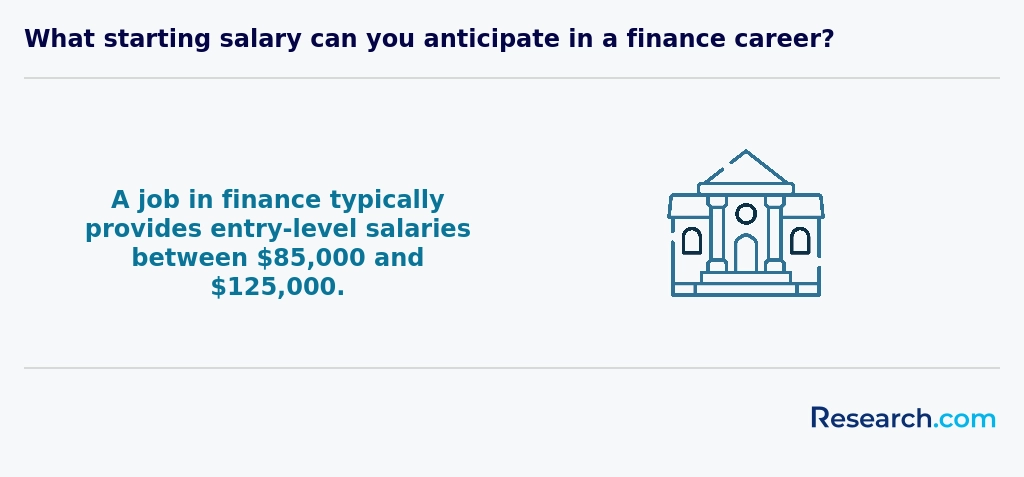
Many students tell stories of how their internships and networking around Atlanta helped them stand out, especially when combined with certifications like CFA or CFP. Plus, with an average salary range between $65,000 to $95,000, it's a reassuring start after earning that degree. If you want to dive even deeper into finance, you can explore how to become a investment banker, which some Georgia grads have pursued for advanced career moves.
In short, the finance career opportunities in Georgia feel promising for online degree holders, especially if you tap into the right credentials and local connections.
2027 Most Affordable Online Finance Degree Programs Ranking in Georgia
Investing in your education is a significant decision that can profoundly impact your future, and the Research.com team is committed to helping you make the best choice. To support prospective students in Georgia, we have carefully developed the "2027 Most Affordable Online Finance Degree Programs Ranking in Georgia." Our dedication to quality, credibility, and accuracy is demonstrated through rigorous analysis and thorough research.
We utilized the following reputable data sources to ensure a comprehensive evaluation of finance degree programs:
Reading this ranking will provide valuable insights into affordable, high-quality online finance programs in Georgia, helping you make informed educational decisions. For more information on how the ranking was created, please visit our Research.com methodology page.

Frequently Asked Questions About finance
Online finance degree students in Georgia can maximize their learning by actively engaging with course materials and participating in virtual discussions. Utilizing resources offered by Georgia's public universities, such as the University System of Georgia's online learning platforms, enhances understanding and practical skills.
Students should take advantage of Georgia's growing finance sector, including Atlanta's status as a major financial hub, by seeking internships or virtual networking opportunities with local firms. According to the Georgia Department of Economic Development, finance jobs in the state are projected to grow 6.3% through 2028, highlighting opportunities for hands-on experience.
Regular communication with professors and peers also supports deeper learning and retention in an online format.
Emerging niches within the finance field reflect shifts in technology and market demand, especially relevant for students pursuing online finance degrees in Georgia. One growing area is financial technology (FinTech), which combines finance with digital tools like blockchain and mobile banking. Georgia's expanding tech industry supports this trend, with Atlanta recognized as a FinTech hub according to the Atlanta FinTech Week reports.
Another important niche is sustainable finance. This includes investments focused on environmental, social, and governance (ESG) criteria, driving demand for experts who understand green bonds and impact investing. The Georgia Department of Economic Development notes a rising interest from local firms in ESG strategies.
Risk management and data analytics also remain vital, with employers seeking finance professionals skilled in interpreting big data to predict financial trends. The Bureau of Labor Statistics projects a 6% growth in financial analyst roles in Georgia through 2030, highlighting increased opportunities in these specializations.
After completing an online finance degree in Georgia, preparing for the job market requires a strategic approach. Start by gaining relevant experience through internships or part-time finance roles. Many Georgia-based companies, including those in Atlanta's growing financial sector, seek candidates familiar with local regulations and market trends. According to the Georgia Department of Labor, the finance and insurance sector is projected to grow by 7% through 2030, creating strong demand for skilled graduates.
Additionally, obtaining certifications such as the CFA or CFP can enhance your credentials. Networking through local finance associations or Georgia-specific career fairs also proves valuable.
Employers in Georgia value finance graduates who combine strong analytical abilities with practical knowledge. Key skills include proficiency in financial modeling, data analysis, and familiarity with tools like Excel and SQL. According to the Georgia Department of Labor, candidates demonstrating critical thinking and problem-solving skills are highly sought after in the state's financial sector.
Communication skills are also important, as finance professionals must explain complex information clearly to clients and teams. Additionally, an understanding of regulatory compliance and risk management is critical in Georgia's evolving finance landscape.
Graduates prepared with these competencies tend to have better employment outcomes in Atlanta and other business hubs across the state.
Finding internships in Georgia relevant to a finance degree begins with exploring local opportunities in Atlanta, the state's financial hub. The city hosts headquarters for major banks like SunTrust and large firms that frequently offer internships. Georgia's Department of Economic Development highlights that finance remains a growth sector, with over 120,000 finance-related jobs statewide as of 2023.
Students should utilize university career centers, even when enrolled in online programs, as many maintain local employer connections. Websites like Georgia's GoHigher Georgia and the Georgia Finance Authority provide internship listings and resources tailored to finance students.
Networking through professional organizations such as the Georgia Society of Certified Public Accountants can also open doors to internships and mentorships in finance careers.
Obtaining an online finance degree in Georgia can significantly enhance career mobility and advancement opportunities. Georgia's growing finance sector, driven by Atlanta's role as a major financial hub, creates demand for skilled professionals. According to the Georgia Department of Labor, finance and insurance jobs are projected to grow by 8% from 2022 to 2032, faster than the average for all occupations.
Graduates with an online finance degree gain essential analytical and management skills valued by employers across banking, investment, and corporate finance sectors. Many online programs in Georgia offer flexible schedules, enabling working adults to upskill without interrupting their careers.
Employers increasingly recognize degrees earned online from accredited Georgia institutions, reducing barriers for promotions or job changes within the state's competitive market. This credential also helps meet requirements for certifications like CFA or CPA, which are vital for professional advancement in finance roles.
Studying for an online finance degree in Georgia equips students with skills that extend beyond traditional finance roles, fostering interdisciplinary competencies. Georgia's online programs emphasize areas like economics, data analysis, and business management, offering a broad knowledge base applicable across various sectors.
Many programs incorporate coursework in information technology and communication, preparing graduates to collaborate effectively in diverse teams. According to the Georgia Department of Labor, finance professionals often engage with fields such as marketing, operations, and technology.
This interdisciplinary preparation is crucial as 46% of financial analysts in Georgia work closely with other business units, enhancing adaptability and strategic thinking. Such training supports careers in corporate finance, consulting, and risk management, where multi-faceted expertise is vital.
Choosing between a thesis and a non-thesis online finance degree program in Georgia depends largely on your career goals and learning preferences. Thesis programs typically focus on research skills and deeper academic inquiry, which benefits students aiming for careers in research, academia, or advanced graduate studies.
Non-thesis programs often emphasize practical coursework and applied skills, ideal for professionals seeking direct entry into finance roles such as financial analysts or planners. According to the National Center for Education Statistics, Georgia grants over 1,200 finance-related degrees annually, with many online students preferring non-thesis tracks for faster completion.
Consider your readiness to conduct independent research and your desired level of specialization when making your choice.
Students in Georgia seeking to study finance abroad through online programs have several pathways. Many accredited U.S. institutions offer fully online finance degrees with global curricula designed to meet international standards. These programs often include case studies and coursework relevant to global markets, allowing learners to gain an international perspective without leaving Georgia.
Georgia students can also consider universities with established international partnerships or exchange agreements that provide access to foreign faculty or joint degree opportunities. The U.S. Department of Education's Database of Accredited Postsecondary Institutions is a reliable source for verifying such programs.
Considering Georgia's growing finance sector, with Atlanta ranking among the top U.S. financial hubs according to the Bureau of Labor Statistics, students are advised to choose programs that balance local market relevance with international finance principles.
Students pursuing online finance degrees in Georgia can benefit from several part-time job opportunities that align with their academic focus. Positions such as financial clerks, bookkeepers, and accounting assistants are commonly available and provide practical experience. According to the U.S. Bureau of Labor Statistics (2023), Georgia employs over 15,000 bookkeeping and accounting clerks, many of whom work part-time.
Additionally, internships with local banks, credit unions, and investment firms in cities like Atlanta offer valuable hands-on training while accommodating student schedules.
Roles in small businesses handling payroll or budget tracking are also viable options that enhance understanding of finance principles.
These jobs not only support coursework but also improve employability after graduation.
Online finance students in Georgia have multiple networking opportunities designed to support career growth and professional connections. Many accredited universities offer virtual career fairs and alumni networking events, connecting students with local finance professionals and potential employers across Atlanta and other economic hubs.
The Georgia Finance Authority and the Georgia Bankers Association often host conferences and seminars, allowing online students to engage with industry leaders either in-person or through live-streaming.
Additionally, finance students can join professional organizations such as the Georgia chapter of the CFA Institute or local chapters of the Financial Management Association to access mentorships, workshops, and networking mixers.
Alumni networks offer valuable support to students pursuing online finance degrees in Georgia by connecting them with professionals and mentors. These networks often provide access to exclusive job opportunities in the state's growing financial sector, which includes hubs like Atlanta, home to over 75% of Georgia's financial services jobs, according to the Georgia Department of Economic Development.
Members benefit from networking events, workshops, and career fairs that help build practical skills and industry knowledge. This community connection can increase employment prospects and salary potential for graduates entering Georgia's competitive finance job market.
Additionally, alumni can share insights about navigating the local regulatory environment and industry trends, enhancing students' understanding beyond the classroom.
Customizing an online finance degree in Georgia allows students to align their education with specific career goals. Many institutions in Georgia offer elective courses or concentrations such as financial analysis, risk management, or investment banking, enabling learners to specialize. Accredited programs typically provide flexibility in course selection and pacing, ideal for working professionals.
Additionally, some schools incorporate real-world projects or internships with Georgia-based financial firms to enhance practical experience. According to the Georgia Department of Labor, finance-related occupations in the state are projected to grow by 7% from 2022 to 2032, highlighting opportunities in diverse fields such as banking, corporate finance, and insurance.
Advisors at online programs often assist students in mapping coursework to industry certifications like CFA or CFP, further tailoring education to career paths.
Online finance students in Georgia often face several challenges that impact their learning experience. One major issue is balancing coursework with work and family responsibilities, as many learners are adult students managing multiple commitments. According to the National Center for Education Statistics, about 36% of online college students juggle full-time jobs.
Another challenge is limited face-to-face interaction with professors and peers, which can hinder networking and collaborative learning opportunities crucial in finance careers. Access to local internship opportunities may also be restricted for remote learners, affecting practical experience.
Additionally, some students struggle with self-discipline and time management. Technical issues and varying quality of online programs can further complicate their progress. Ensuring the program is regionally accredited and offers relevant Georgia-specific finance courses is essential for success.
With an online finance degree in Georgia, graduates can pursue several professional certifications to boost their careers. Popular choices include the Chartered Financial Analyst (CFA), widely recognized in investment management and financial analysis. The CFA requires passing three exams and relevant work experience.
Another common certification is the Certified Financial Planner (CFP), ideal for those focused on personal financial advising. This certification involves completing coursework, an exam, and experience in financial planning.
Additionally, the Financial Risk Manager (FRM) certification is valuable for risk assessment roles in Georgia's growing banking and finance sector.
These credentials enhance job prospects in Georgia's finance industry, which reported over 100,000 financial specialists in 2023, according to the U.S. Bureau of Labor Statistics.
To write a winning application for an online finance program in Georgia, start by thoroughly researching accredited institutions offering such degrees. Highlight your academic background, especially in mathematics and economics, as Georgia employers value these skills. Include clear career goals related to Georgia's growing finance sector, which the Georgia Department of Labor forecasts to expand by 6% through 2030.
Emphasize any relevant work experience or internships with financial firms in Atlanta, the state's financial hub. Be sure to write a compelling personal statement explaining why you chose finance and how the program fits your ambitions. Finally, check all application deadlines and submit required documents, like transcripts and recommendation letters, promptly to increase your chances of acceptance.
Finance careers today are influenced by global economic trends and technological advances. Professionals with finance degrees, including those earned online in Georgia, can find opportunities not only locally but also internationally. The U.S. Bureau of Labor Statistics projects a steady 7% growth in financial analyst jobs by 2031, reflecting global demand for skilled finance workers.
According to the Georgia Department of Labor, Atlanta is a major financial hub, hosting branches of multinational firms that value employees with global financial knowledge.
Understanding international markets, regulations, and cultural differences is increasingly important for finance professionals. Online finance degrees from Georgia institutions often include coursework on global finance principles to prepare graduates for diverse roles.
Overall, a finance career in Georgia offers pathways connected to the global economy, requiring updated skills and awareness of worldwide financial systems.
Gaining practical experience while pursuing an online finance degree in Georgia is essential for career readiness. Many Georgia institutions encourage internships with local firms in Atlanta, one of the Southeast's top financial hubs. According to the Georgia Department of Economic Development, finance and insurance jobs in the state grew by over 7% from 2020 to 2023, highlighting opportunities for hands-on roles.
Students can also engage in virtual internships and project-based learning offered by schools. Networking through professional associations like the Georgia Finance Association provides mentorship and real-world case studies. Some programs include capstone projects with Georgia businesses, allowing practical application of finance theories while studying remotely.
Choosing the right concentration within an online finance degree program in Georgia depends on your career goals and interests. Popular concentrations include corporate finance, investment analysis, and financial planning. According to the Georgia Department of Labor, sectors like financial services and insurance are growing steadily, making corporate finance and risk management attractive options.
Consider your strengths: if you enjoy numbers and analysis, investment finance may suit you. For those interested in advising clients, financial planning is a strong choice. Also, check if Georgia schools offer certifications alongside degrees, such as CFA preparation, which can enhance employability.
Cost and flexibility are key too; Georgia's Southern Association of Colleges and Schools accredits many institutions providing affordable online options.
- 2027 Most Affordable Online Finance Degree Programs Ranking in Missouri
- 2027 Most Affordable Online Finance Degree Programs Ranking in Pennsylvania
- 2027 Most Affordable Online Finance Degree Programs Ranking in Texas
- 2027 Most Affordable Finance Degree Programs Ranking in Florida
- 2027 Most Affordable Finance Degree Programs Ranking in Alabama
- 2027 Most Affordable Finance Degree Programs Ranking in Kentucky
- 2027 Most Affordable Finance Degree Programs Ranking in Louisiana
- 2027 Most Affordable Finance Degree Programs Ranking in Arkansas
- 2027 Most Affordable Finance Degree Programs Ranking in Missouri
- 2027 Most Affordable Finance Degree Programs Ranking in Maryland
See What Experts Have To Say About Studying Finance
Read our interview with Finance experts

Andrew Karolyi
Finance Expert
Dean of the Cornell SC Johnson College of Business
Cornell University

H. Kent Baker
Finance Expert
Professor at Department of Finance and Real Estate
American University

Ekaterina Potemkina
Finance Expert
Assistant Professor of Finance
Indiana University

- Study Finance Abroad | Go Overseas https://www.gooverseas.com/study-abroad/finance
- Business and Finance Internships | InternshipFinder https://www.internshipfinder.com/members/business-internships/
- Online vs. Traditional College: The Honest Cost, Time, and Outcomes Comparison https://www.decidemycampus.com/blog/online-vs-traditional-college-honest-comparison
- 2026 Finance Internships in El Cajon, CA - WayUp https://www.wayup.com/s/internships/finance/el-cajon-ca/
- Study Finance Abroad: 2026 Global Guide to Courses & Careers https://www.hotcoursesabroad.com/subject/finance/
- Online bachelor's in finance degrees | edX https://www.edx.org/bachelors/online-bachelors-degree-finance
- Choosing Between a Thesis & Non-Thesis Master's Degree https://www.gograd.org/resources/thesis-or-non-thesis-masters-degree/
- Getting a Finance degree: All you need to know https://www.study.eu/article/getting-a-finance-degree-all-you-need-to-know
- Finance Remains the Top Career Choice as Graduates Prepare for an Increasingly Competitive, AI-Shaped Job Market https://www.cfainstitute.org/about/press-room/2026/global-graduate-outlook-survey-2026
- Top 10 Countries to Build a Career in Finance [2025] - DigitalDefynd https://digitaldefynd.com/IQ/countries-to-build-career-in-finance/