2027 Most Affordable Finance Degree Programs Ranking in Boca Raton

Co-Founder and Chief Data Scientist
Choosing the right finance degree program in Boca Raton can feel overwhelming, but you're not alone. This article presents the 2027 Most Affordable Finance Degree Programs Ranking in Boca Raton, created by the Research.com team of data scientists.
The ranking is designed to help you make an informed choice, focusing on affordability without sacrificing quality. A finance degree opens doors to a range of exciting career opportunities and financial independence.
By exploring this guide, you'll gain clarity and confidence in selecting a program that fits both your goals and budget.
Key benefits of getting finance degree in Boca Raton
- Salary for finance degree graduates: Graduates in Boca Raton can expect rewarding salaries such as $150,670 annually for Financial Advisors and $112,950 for Financial Analysts, offering strong financial stability and growth potential.
- Career paths: A finance graduate from a Boca Raton university often pursues diverse roles like Credit Analyst or Investment Banking Analyst, opening doors to dynamic and exciting industries.
- Online degree benefits: Completing a finance degree online through a Boca Raton program allows flexibility, balancing work and study, while gaining the same valuable skills that boost career opportunities locally and beyond.
- 2027 Most Affordable Finance Degree Programs Ranking in Boca Raton
- What can I expect from finance degree in Boca Raton?
- Where can I work with finance degree in Boca Raton?
What can I expect from finance degree in Boca Raton?
Students pursuing a finance degree in Boca Raton, particularly at Florida Atlantic University (FAU), find that the average cost for in-state tuition remains affordable, generally under $6,000 per academic year. This cost-effectiveness is a major advantage cited by graduates, who appreciate high-quality education without overwhelming debt. FAU's competitive pricing, combined with access to hands-on learning opportunities like internships and financial modeling, creates a compelling value proposition for local students.
Many graduates highlight how this affordability allows them to focus on gaining practical skills using industry-standard tools such as Bloomberg terminals and Excel. The relatively low cost, paired with a 75% job placement rate within six months post-graduation, helps reduce financial stress as students transition into positions in banking, insurance, and consulting sectors around Boca Raton and the greater Miami area.
Where can I work with finance degree in Boca Raton?
Graduates with a finance degree from institutions like Florida Atlantic University in Boca Raton often find employment in the city's robust financial services sector. Regional offices of national banks such as BB&T and BankUnited provide roles including financial analysts, loan officers, and credit analysts. These positions align well with graduates' skills in financial modeling and risk assessment.
The local demand is supported by data from the U.S. Bureau of Labor Statistics, which forecasts a 7% growth in financial analyst jobs in Florida through 2030, signaling steady career opportunities. Graduates report feeling encouraged by the availability of positions within small to medium-sized enterprises that require expertise in corporate finance, budgeting, and investment strategies.
Wealth management is another attractive path due to Boca Raton's affluent community, where financial advisory roles are growing above the national average, according to the Florida Department of Economic Opportunity. Recent alumni working in this field highlight the rewarding nature of helping families plan for retirement and estate management.
Furthermore, the city's expanding real estate market offers entry points into mortgage finance and investment analysis, while healthcare and educational institutions create roles in budget management and grant administration, broadening career possibilities for finance graduates locally.
Graduates with finance degrees from Boca Raton institutions like Lynn University or Florida Atlantic University often begin their careers with competitive salaries that reflect the local demand for skilled financial professionals. Entry-level financial analysts typically earn around $55,000 to $70,000 annually, closely aligned with the U.S. Bureau of Labor Statistics mean wage of $112,950, which indicates solid earning potential as experience grows.
Financial advisors based in Boca Raton, benefiting from the area's affluent market and corporate presence, can expect salaries approaching the national mean annual wage of $150,670. Credit analysts and investment banking analysts also see rewarding compensation, with mean wages of $94,750 and $112,950 respectively, demonstrating a breadth of lucrative options after graduation.
Successful graduates recall securing internships at local banks or wealth management firms, which often translate into higher starting salaries and rapid career progression. This, combined with the region's growing economy and proximity to Miami's financial sector, makes pursuing a finance degree in Boca Raton a promising investment in one's future earnings.
- The total cost for an in-state finance bachelor's degree in Boca Raton ranges from $20,000 to $30,000 over four years.
- Out-of-state students typically face costs exceeding $60,000, though financial aid may be available.
- Starting salaries for entry-level finance jobs in Boca Raton are around $50,000 to $60,000 per year.
- Mid-career finance professionals often earn between $80,000 and $100,000 annually in this area.
- The finance job market in Boca Raton is strong, with roles like financial analysts, investment advisors, and risk managers in demand.
- The finance sector in Palm Beach County is projected to grow at or above the national average in the next decade.
Completing a finance degree in Boca Raton usually takes around four years of full-time study. For example, students at Florida Atlantic University (FAU), a popular choice for finance education, often finish their Bachelor of Science in Finance within eight semesters. These undergraduates balance general education courses with specialized finance classes, typically completing between 120 and 130 semester credits.
Many graduates reflect positively on their paced experience, citing the structured schedule that allows immersion in both theory and practical skills. Part-time students, however, may extend their studies beyond four years, sometimes up to five or more, to accommodate work or personal commitments.
Transfer credits and prior AP coursework can shorten this timeline, while internships or cooperative education programs might slightly prolong it but offer valuable hands-on experience, enhancing job prospects after graduation. This dynamic journey at institutions like FAU mirrors real student experiences, reinforcing the flexible yet focused nature of finance studies in Boca Raton.
Finance students in Boca Raton often face a key choice between online and on-campus degree programs, each offering distinct benefits. On-campus students at universities like Florida Atlantic University experience direct interaction with professors and peers, enriching their education through face-to-face networking and access to campus facilities such as finance labs and career centers. Graduates commonly recall internships secured via campus connections to Boca Raton's expanding finance sector, a crucial step towards employment.
Online students, including those enrolled in University of Florida's accredited programs, appreciate the flexibility of asynchronous schedules, enabling them to balance studies with work or family. Reported tuition savings of 20-30% compared to traditional programs make online finance degrees especially attractive for cost-conscious residents. However, these programs depend heavily on digital tools like recorded lectures and forums rather than in-person debates, which some graduates find less engaging but still effective.
Ultimately, many find that on-campus degrees foster stronger community ties, while online options prioritize affordability and convenience in Boca Raton's competitive finance education landscape.
Earning a finance degree in Boca Raton, FL, is a strong foundation, but supplementing your education with professional certifications and ongoing training can dramatically enhance your marketability and potential earnings. Industry-recognized credentials such as the Chartered Financial Analyst (CFA), Certified Public Accountant (CPA), Financial Risk Manager (FRM), and Chartered Alternative Investment Analyst (CAIA) validate specialized expertise and signal to employers that you’re committed to excellence. Many Boca Raton graduates report that completing a CFA Level I exam during their undergraduate studies not only deepened their investment analysis skills but also opened doors to competitive internship placements. Continuing education through executive programs and certificate courses keeps your knowledge current in an ever-evolving financial landscape. Local institutions and online platforms frequently offer short-term workshops on blockchain applications in finance, ESG (Environmental, Social, and Governance) investing, and advanced financial modeling. These targeted programs help you adapt to emerging trends, from algorithmic trading to sustainable finance strategies. For cost-effective program options outside Boca Raton, consider exploring the Most Affordable Finance Degree Programs Ranking in the South to identify high-quality, budget-friendly continuing education pathways. Networking with professional organizations such as the CFA Institute, American Finance Association, and Financial Planning Association provides mentorship opportunities, study groups, and access to exclusive job boards. Participation in local chapter events in South Florida not only strengthens your resume but also connects you with seasoned practitioners who can guide your career trajectory. Moreover, many certifications allow you to earn continuing education credits through webinars and conferences, ensuring you maintain your credential status while staying engaged with the broader finance community. By strategically combining your Boca Raton finance degree with certifications and lifelong learning, you’ll position yourself as a versatile candidate prepared for roles in investment banking, corporate treasury, risk management, or financial consulting-ultimately maximizing both your professional impact and your return on educational investment.
The average cost of a finance degree in Boca Raton reflects a combination of tuition, fees, and living expenses unique to this affluent city. While median in-state total costs hover around $4,879, the overall median total cost, which includes out-of-state and additional expenses, reaches approximately $37,612. Public institutions such as Florida Atlantic University (FAU) provide an affordable option, with many graduates appreciating the balance between quality education and cost, especially when factoring in financial aid and scholarships available to Florida residents. This affordability makes some of the most sought-after affordable finance degree programs Boca Raton offers particularly attractive to local students who want to manage debt effectively while preparing for a competitive job market.
Out-of-state students tend to face higher costs, often nearing the median out-of-state total of $37,612 due to increased tuition fees and living costs. Many successful graduates recall managing these expenses by leveraging state grants or work-study opportunities, emphasizing the importance of understanding financial aid options early. In addition, smaller fees for books, technology, and university services contribute to the overall cost but remain manageable compared to private institutions, which are less prevalent in Boca Raton.
Living expenses in Boca Raton, including housing and daily costs, can be significant but are outweighed by the vibrant professional network and internship opportunities students in finance programs enjoy. For those exploring further education pathways, accelerated Ph.D. programs offer a streamlined option to advance beyond a bachelor's degree without excessive additional expense, a pathway some local finance graduates have pursued to deepen expertise or pivot careers.

Calculating the ROI of a finance degree in Boca Raton involves comparing total program costs-tuition, fees, and living expenses-against average starting salaries and long-term earnings. For a bachelor’s degree costing between $10,000 and $30,000 per year at an in-state public university, graduates earning an entry-level salary of $52,936 can expect to recoup their investment within 4 to 6 years, assuming modest annual salary growth of 5%. Private college graduates investing $30,000–$50,000 annually may see a payback period of 5 to 7 years, but often command higher starting salaries, which shortens the timeline. Net present value (NPV) further refines ROI by discounting future cash flows to today’s dollars. Using a 3% discount rate, a graduate earning an average of $75,000 annually over 20 years nets an NPV of approximately $450,000, against an average total program cost of $120,000. Factoring in scholarships and grants, such as the Florida Bright Futures award or institutional aid, can reduce break-even points by 1 to 2 years and boost overall ROI by 10–15%. For those considering an advanced credential, enrolling in an online masters in finance can significantly amplify lifetime earnings. Graduates with a master’s degree often report starting salaries 20–30% higher than bachelor’s holders, accelerating payback periods to 3–5 years post-graduation. Moreover, career trajectories in roles like financial director or portfolio manager become accessible, offering median wages exceeding $120,000. To maximize ROI, prospective students should:
- Leverage federal and state financial aid before private loans.
- Pursue internships early to secure job offers and bonuses.
- Compare part-time and accelerated program options to minimize living costs.
- Network through alumni associations and local finance meetups to increase earning potential. By strategically planning expenses, selecting programs with strong career services, and exploring advanced degrees, finance students in Boca Raton can achieve a robust ROI and a rewarding professional journey.
Students pursuing finance degrees in Boca Raton typically rely on federal aid as a financial cornerstone. By completing the FAFSA, they become eligible for Pell Grants, which for the 2023-2024 academic year can provide up to $7,395 without requiring repayment. Many graduates from Florida Atlantic University have noted that this grant significantly reduces their loan burden, making it easier to focus on coursework.
State-sponsored programs like the Florida Bright Futures Scholarship also play a crucial role by offering tuition coverage for qualifying Florida residents. Many Boca Raton finance students have benefited from this, easing the strain of attending local public institutions.
- Institutional scholarships at Boca Raton colleges often award between $1,000 and $10,000 to finance students recognized for academic merit.
- Private scholarships from business clubs and finance associations provide additional competitive funding based on merit or need.
- Federal work-study programs enable students to earn while gaining relevant experience, supporting both finances and resumes.
Furthermore, employer tuition reimbursement programs serve as an invaluable resource for students already working in finance-related roles, allowing many to complete their degrees while managing job responsibilities. This multifaceted support landscape fosters both financial relief and motivation among Boca Raton's aspiring finance professionals.
Enrolling in a finance degree program in Boca Raton requires a high school diploma or equivalent, such as a GED, emphasizing strong performance in mathematics like algebra and precalculus. Graduates from popular local universities often recall how mastering these subjects early prepared them for quantitative demands in coursework.
Applicants must usually provide transcripts and standardized test scores like the SAT or ACT, though some institutions have adopted test-optional policies. Nevertheless, strong scores remain an advantage, especially at competitive schools. Graduate programs demand a completed undergraduate degree, often supplemented by GRE or GMAT results.
International students must demonstrate English proficiency through TOEFL or IELTS, ensuring effective communication in class and group projects. Administrative steps include submitting application fees, recommendation letters, and personal statements expressing clear finance career goals.
Students report that meeting these prerequisites opens doors to rigorous, rewarding study experiences at Boca Raton's finance programs, equipping them for successful careers in a vibrant economic hub.

Finance degree programs in Boca Raton consistently include foundational courses such as financial and managerial accounting. Graduates frequently highlight how mastering financial statements and decision-making processes gave them confidence when entering internships or roles at local banks. Economics courses, covering both micro and macro perspectives, are essential for understanding market trends that shape South Florida's dynamic economy.
Mathematics, particularly statistics and calculus, are integral, offering practical tools for data analysis-skills often applied during group projects at popular institutions like Florida Atlantic University. Specialized classes typically feature corporate finance, investment analysis, and risk management. One graduate from a Boca Raton college shared that hands-on training with financial software through these courses directly strengthened their portfolio management abilities.
Additionally, courses in international finance reflect the global reach of Boca Raton's financial markets. The practical, case-study approach common in these programs resonates well with students, who appreciate relating theoretical knowledge to real-world financial decision-making in South Florida's growing financial sector.
Finance degree specializations in Boca Raton typically include Corporate Finance, Investment Management, Financial Planning, Risk Management and Insurance, and Real Estate Finance. Corporate Finance focuses on optimizing firm performance, attracting graduates who enjoy managing capital budgets and strategic financial decisions in dynamic business settings found at local companies.
Investment Management prepares students for roles analyzing securities and portfolio management, reflecting strong job prospects as financial analyst roles are projected to grow by 10% nationally through 2032. Many graduates appreciate how their coursework directly applies to Florida's expanding financial services sector, enhancing their career prospects.
Financial Planning specialization gears students towards certifications like CFP, emphasizing retirement and tax planning-vital for Florida's aging population. Students studying finance degree specializations in Boca Raton often share positive experiences about tailored electives and hands-on internships that make theoretical concepts tangible.
Risk Management and Insurance graduates find the local economy's proximity to financial hubs ideal for practical application. Real Estate Finance specialization is valued for its direct link to Boca Raton's active property market. Those seeking broader knowledge may also explore accounting degree courses to complement their skill set.
Choosing the best finance degree in Boca Raton starts with verifying program accreditation, especially from bodies like AACSB that uphold rigorous academic standards. Graduates from local institutions often highlight how accreditation boosted their confidence in employer recognition, directly impacting their job prospects.
Curriculum specialization plays a crucial role; programs emphasizing investment banking, corporate finance, or wealth management align well with Boca Raton's dynamic financial sector. Students who engaged in internships with local firms frequently report gaining practical insights essential for career readiness. Prospective candidates should seek programs offering hands-on opportunities reflecting this market demand.
Cost considerations are vital. Boca Raton's private universities typically present higher tuition, near the $30,000 annual average, compared to public options around $6,000 for in-state students. Exploring affordable finance degree programs Boca Raton-wide, including scholarship and federal aid avenues, can alleviate financial burdens.
Career support and alumni networks in Boca Raton's finance community greatly aid placement rates. Graduates often emphasize the advantage of strong university-business connections. For those considering future education paths, reviewing options for an online MBA California universities could also broaden prospects after completing finance studies locally.

Finance graduates in Boca Raton can pursue roles such as financial analysts, budget analysts, and financial planners, which involve detailed assessment of financial data and forecasting trends. Many Boca Raton graduates from institutions like Florida Atlantic University find these entry-level positions rewarding, with median analyst salaries around $89,160 nationwide and anticipated growth of 7% in Florida through 2031. The vibrant local economy and proximity to Miami's financial district expand possibilities in corporate finance and commercial banking.
Graduates often advance to positions like loan officers or credit analysts, essential in business funding decisions. Wealth management and insurance underwriting are prominent paths too, benefiting from Boca Raton's affluent and retiree populations. Students from popular schools appreciate how local programs prepare them for certifications like CFA and CFP, improving employability in competitive markets.
For those comparing finance degree career opportunities in Boca Raton with other business fields, exploring related options through accounting education Florida programs can offer additional insights and alternative pathways.
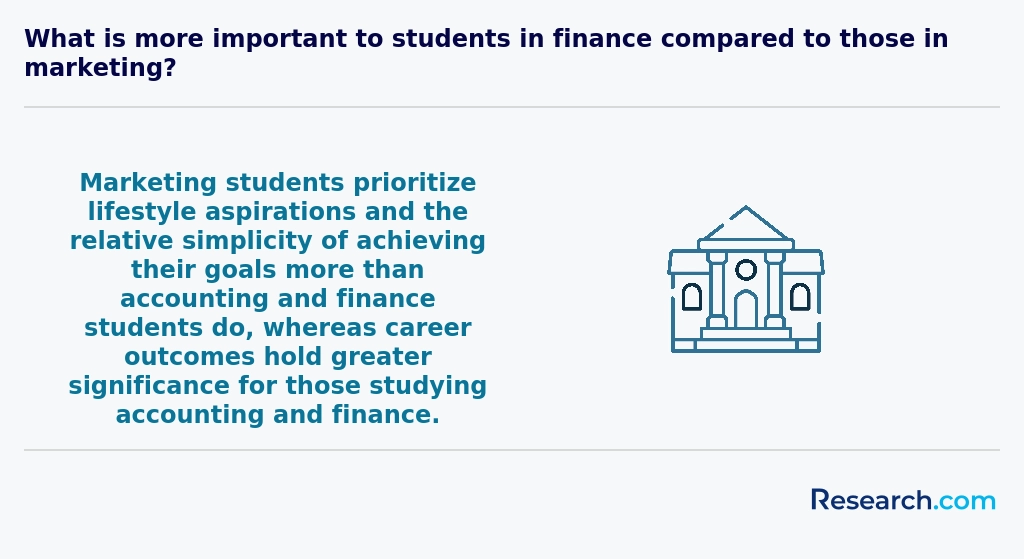
Finance degree job opportunities in Boca Raton are steady, bolstered by the city's connection to South Florida's expanding financial services sector. Graduates from local institutions often find roles as financial analysts, loan officers, or advisors within regional banks and investment firms. Typical salaries range between $55,000 and $70,000 annually, influenced by experience and certifications like CFA or CFP. The job outlook is supported by data from the U.S. Bureau of Labor Statistics, projecting about 6% growth in business and financial operations jobs in the Miami-Fort Lauderdale-West Palm Beach metro area, which includes Boca Raton.
Students at Boca Raton's prominent colleges frequently share positive experiences securing competitive internships with local companies, helping them build the skills recruiters seek. Many graduates appreciate the city's proximity to Miami's robust financial hub, which widens professional opportunities. For those considering advanced studies, exploring online PhD accounting degree programs can further enhance career prospects.
Overall, Boca Raton finance graduate employment outlook remains promising due to the city's diverse economy and accessible internship pathways, attracting driven students committed to financial careers.
2027 Most Affordable Finance Degree Programs Ranking in Boca Raton
Investing in your education is a significant decision that can shape your future, and the Research.com team fully recognizes the importance of making informed choices. To support prospective students in Boca Raton, we have carefully developed the "2027 Most Affordable Finance Degree Programs Ranking in Boca Raton." Our dedication to quality, credibility, and accuracy is demonstrated through thorough research and analysis underpinning this ranking.
We utilized the following reputable data sources to ensure a comprehensive evaluation of finance degree programs:
By exploring this ranking, readers will gain valuable insights into the most affordable and credible finance programs in Boca Raton, helping them make well-informed educational decisions. For more information on how this ranking was created, please visit our Research.com methodology page.


Frequently Asked Questions About finance
Finance degree students in Boca Raton can maximize their learning experience by engaging with local financial institutions and internships. Boca Raton, home to a growing financial sector, offers students opportunities to apply classroom knowledge in real-world settings through companies headquartered or operating in the area. According to the Bureau of Labor Statistics, internships improve job placement rates by up to 16% for finance graduates.
Taking advantage of networking events hosted by local business organizations can also enhance learning. Students should consider joining finance clubs or societies at their institutions to collaborate on projects and gain insights into industry trends. Utilizing Boca Raton's access to financial technology firms encourages exposure to innovative tools, improving both technical and analytical skills.
Emerging niches within the finance field reflect the evolving demands of global markets and technological progress. In Boca Raton, a growing focus is on financial technology, or fintech, which integrates software and digital innovation to enhance financial services. According to recent trends, fintech roles are expanding rapidly, driven by the region's proximity to Miami's tech hub. Another area gaining attention is sustainable finance, which combines investment strategies with environmental and social governance (ESG) criteria. Data analytics in finance also stands out, where professionals use big data to inform investment decisions and risk assessments. These niches offer promising career paths for students pursuing finance degrees locally.
After completing a finance degree in Boca Raton, preparation for the job market involves several key steps. First, gaining practical experience through internships is crucial; local financial firms and banks often offer opportunities that provide hands-on learning. According to the U.S. Bureau of Labor Statistics, internships can increase employment chances by up to 60%. Boca Raton's growing business community, including finance and real estate sectors, creates a favorable environment for entry-level roles.
Networking is another essential strategy. Joining local finance associations or attending Boca Raton financial workshops helps connect graduates with industry professionals. Additionally, obtaining certifications like the CFA or CFP can enhance credentials and prove expertise to employers.
Employers in Boca Raton seek finance degree graduates with strong analytical and quantitative skills. Proficiency in data analysis tools and financial software like Excel, Bloomberg Terminal, and QuickBooks is often essential. According to the Bureau of Labor Statistics, 70% of finance roles demand expertise in interpreting complex financial data. Communication skills are crucial, as graduates must clearly present financial advice to clients and stakeholders. Additionally, knowledge of local industries, including real estate and wealth management-which are significant sectors in Boca Raton-adds value. Ethical judgment and familiarity with regulatory compliance also rank highly among employers in the region.
Finding internships in Boca Raton relevant to a finance degree involves using several strategic approaches. Start by exploring local business districts such as the Mizner Park area, which hosts finance, banking, and investment firms. Boca Raton is part of Palm Beach County, where finance and insurance industries employed over 60,000 people in 2023, according to the U.S. Bureau of Labor Statistics.
Students should utilize career services offered by nearby colleges, including Florida Atlantic University, which connects students with internships through job fairs and employer partnerships. Additionally, websites like Handshake and local chambers of commerce often list finance-related internships.
Networking events and finance meetups in Boca Raton are great for meeting professionals who may offer internships. Securing an internship through these channels is vital as 70% of internships in the finance sector lead to job offers, based on national data from the National Association of Colleges and Employers.
Obtaining a finance degree in Boca Raton significantly enhances career mobility and advancement within the local job market. Boca Raton's growing financial services sector, including banks, investment firms, and real estate companies, often seeks candidates with formal finance education. According to the U.S. Bureau of Labor Statistics, finance roles in Florida are projected to grow about 7% between 2022 and 2032, a rate consistent with national averages. Graduates with a finance degree have a competitive edge, as they possess essential skills in financial analysis, investment management, and risk assessment.
Employers in Boca Raton also value candidates with credentials like the CFA or CPA, which often require or complement a finance degree.
Higher education credentials can lead to faster promotions and access to specialized roles such as financial analyst, portfolio manager, or financial advisor within the city's expanding economy.
Studying for a finance degree in Boca Raton equips students with skills that extend beyond traditional finance roles. Programs often integrate courses in economics, data analytics, and business law, fostering a broad understanding of interconnected fields.
Boca Raton's proximity to diverse industries-including technology, real estate, and healthcare-offers students practical exposure through internships and partnerships. According to the Florida Department of Economic Opportunity, finance-related jobs in Palm Beach County are projected to grow by 7% by 2028, illustrating demand for versatile professionals.
This interdisciplinary approach prepares graduates to adapt to roles requiring analytical, strategic, and regulatory knowledge, enhancing their competitiveness in the evolving job market.
Choosing between a thesis and a non-thesis finance degree program in Boca Raton depends largely on your career goals and learning preferences. A thesis option involves conducting original research, which is ideal for students considering doctoral studies or roles in financial analysis and research. It usually requires more time and strong writing skills. In contrast, a non-thesis program focuses on coursework and practical skills, appealing to those seeking immediate employment in areas like corporate finance or financial planning.
Local universities such as Florida Atlantic University offer both tracks, with typically fewer credit requirements for thesis programs. According to the National Center for Education Statistics, finance graduates in Florida earn an average starting salary of about $60,000, so selecting a program aligned with your career path is crucial.
Students in Boca Raton interested in finance degrees have several options for studying abroad through their U.S. institutions. Many universities in Florida, including those near Boca Raton, offer study abroad programs tied to their finance curricula. For example, some Florida Atlantic University programs provide short-term finance-focused exchanges in Europe and Asia.
These programs often include internships or coursework in international finance, exposing students to global markets and regulations. According to the Institute of International Education, the number of U.S. students studying business and finance abroad increased by 7% from 2021 to 2023.
Financial aid and scholarships specific to study abroad in business fields are frequently available, helping to reduce costs for Boca Raton students pursuing overseas experiences.
Students pursuing finance degrees in Boca Raton can enhance their education through various part-time jobs that develop relevant skills. Positions such as financial clerk, bank teller, or accounting assistant are often available at local banks and credit unions. According to the U.S. Bureau of Labor Statistics, these roles offer practical experience in financial transactions and customer service.
Internships with Boca Raton-based firms in wealth management or real estate finance present opportunities to apply theoretical knowledge. Additionally, roles in data analysis or bookkeeping at small businesses help build quantitative and analytical abilities. These jobs align with core finance competencies and improve career readiness.
Finance students in Boca Raton benefit from strong networking opportunities linked to local universities and professional organizations. Florida Atlantic University (FAU) hosts career fairs, guest lectures, and finance-focused clubs, connecting students with regional employers in banking, investment, and real estate sectors.
Additionally, the Boca Raton Chamber of Commerce regularly organizes events where students can engage with business leaders and alumni working in finance. This offers valuable chances for mentorship and internships.
Moreover, South Florida's growing financial services industry provides access to conferences and workshops, helping students build professional contacts. According to the Florida Department of Economic Opportunity, finance-related jobs in Palm Beach County are projected to grow 5% through 2028, enhancing networking prospects.
Alumni networks play a crucial role for finance degree students in Boca Raton by providing valuable connections within the local financial industry. These networks often include graduates working in prominent firms across South Florida, enhancing students' access to internships and job opportunities. According to data from the Florida Department of Economic Opportunity, the finance sector in Palm Beach County is growing steadily, which benefits active alumni communities through expanding professional networks.
Students tapping into alumni resources gain mentorship and guidance, helping them navigate the competitive job market. Alumni events and online platforms facilitate knowledge sharing on industry trends, certifications, and career advancement strategies. This support system can improve employment outcomes and salary prospects for Boca Raton finance graduates.
Customizing a finance degree program in Boca Raton involves selecting courses and experiences that align with your career ambitions. Many institutions offer electives in areas such as financial planning, investment analysis, or corporate finance, allowing students to focus on specialized fields. For example, choosing internships with local firms in South Florida's growing financial sector can provide practical skills and networking opportunities.
Students might also consider participating in finance clubs or case competitions, which are common at Boca Raton colleges. According to the Bureau of Labor Statistics, finance job growth in Florida is projected to be around 8% through 2030, making tailored education essential for standing out.
Finance students in Boca Raton often face several challenges as they pursue their degrees. One common difficulty is managing the high cost of tuition and living expenses. According to the National Center for Education Statistics, average annual tuition for public universities in Florida exceeds $6,000, excluding additional fees. This financial pressure can lead to significant student debt, impacting many local students.
Another challenge is the competitive job market. Boca Raton's growing finance sector demands strong analytical skills and relevant internships, which can be hard to secure. Additionally, students must stay updated with rapidly changing financial technologies and regulations, requiring continuous learning outside traditional coursework.
A finance degree from institutions in Boca Raton prepares students for several respected professional certifications. The most common is the Chartered Financial Analyst (CFA) credential, which is highly valued in investment management. Passing all three CFA exam levels typically requires strong analytical skills and financial knowledge gained during a finance degree. Another widely pursued certification is the Certified Financial Planner (CFP), ideal for those focusing on personal financial advising and wealth management.
Other options include the Financial Risk Manager (FRM) designation, beneficial in risk analysis careers, and the Chartered Alternative Investment Analyst (CAIA) for those interested in alternative investments. According to the CFA Institute, nearly 100,000 professionals worldwide hold the CFA charter, including many Florida-based experts.
Locally, Boca Raton's finance sector, with its growing wealth management firms and financial services companies, values these certifications highly as they demonstrate expertise and commitment. The Florida Department of Economic Opportunity reports a 5% job growth in financial specialists in the region, reinforcing the importance of these qualifications.
To write a winning application for a finance program in Boca Raton, focus first on demonstrating strong academic performance, particularly in math and economics courses. Many institutions value a GPA above 3.0 and standardized test scores that reflect quantitative reasoning skills. Highlight any relevant internships or work experience, especially those linked to local financial industries in South Florida.
Craft a clear personal statement explaining your interest in finance and your career goals. Use this to connect your aspirations with what programs in Boca Raton offer, such as access to financial firms clustered in the region. According to the Bureau of Labor Statistics, financial employment in Florida is growing, so showing local economic awareness can be advantageous.
Secure strong letters of recommendation from teachers or supervisors who can affirm your abilities and professionalism. Finally, ensure your application materials are error-free and tailored to the specific program to increase your chances of admission.
Finance careers have a global appeal due to the interconnectedness of markets and economies, but the U.S. remains a key leader, especially for students in Boca Raton. According to the U.S. Bureau of Labor Statistics, financial analysts are projected to grow 9% from 2022 to 2032, faster than average. Boca Raton offers access to Florida's growing financial services sector, including wealth management and fintech startups, linking local talent to global markets.
Understanding global finance trends is crucial, as professionals often manage international portfolios or navigate regulatory environments across countries. Boca Raton's proximity to Miami, a major financial hub, enhances opportunities for networking and internships with global firms. Sources like the Florida Department of Economic Opportunity confirm steady job growth in finance roles statewide, reflecting strong local potential grounded in global finance needs.
Gaining practical experience while studying for a finance degree in Boca Raton is essential for career readiness. Many local colleges offer internship programs connecting students with financial firms in the area, such as Raymond James or Office Depot's corporate branches. According to the National Association of Colleges and Employers, nearly 60% of finance students secure internships, which greatly improve job prospects.
Students can also participate in campus investment clubs or organizations to practice portfolio management and financial analysis. Volunteering for local nonprofits with financial needs provides real-world experience as well.
Additionally, some programs include cooperative education (co-op) options, allowing extended work terms integrated with academic study.
Choosing the right concentration within a finance degree program in Boca Raton begins with understanding your career goals. Common concentrations include corporate finance, investment analysis, and financial planning. Each offers unique career paths tailored to different interests and skills.
The local economy in Boca Raton features strong sectors such as real estate, banking, and technology, which influence demand for finance professionals. For instance, corporate finance skills are highly valued among the city's numerous businesses and startups.
Researching program curricula and internship opportunities in Boca Raton can help you align your studies with the local job market. According to the U.S. Bureau of Labor Statistics, financial analyst roles in Florida are expected to grow 7% from 2022 to 2032, supporting informed concentration choices.
Additionally, connect with academic advisors and industry professionals in Boca Raton to gather insights. Their guidance can clarify which concentration best matches your strengths and market demands.
- 2027 Most Affordable Finance Degree Programs Ranking in Miami
- 2027 Most Affordable Finance Degree Programs Ranking in Tampa
- 2027 Most Affordable Finance Degree Programs Ranking in Jacksonville
- 2027 Most Affordable Finance Degree Programs Ranking in New Orleans
- 2027 Most Affordable Finance Degree Programs Ranking in Washington
- 2027 Most Affordable Finance Degree Programs Ranking in Baltimore
- 2027 Most Affordable Finance Degree Programs Ranking in Cincinnati
- 2027 Most Affordable Finance Degree Programs Ranking in Columbus
- 2027 Most Affordable Finance Degree Programs Ranking in Houston
- 2027 Most Affordable Finance Degree Programs Ranking in Pittsburgh
See What Experts Have To Say About Studying Finance
Read our interview with Finance experts

H. Kent Baker
Finance Expert
Professor at Department of Finance and Real Estate
American University

Andrew Karolyi
Finance Expert
Dean of the Cornell SC Johnson College of Business
Cornell University

Ekaterina Potemkina
Finance Expert
Assistant Professor of Finance
Indiana University

- Master of Science (M.S.) Major in Quantitative Finance and Economics (Non-thesis Option) https://mycatalog.txstate.edu/graduate/mccoy-business-administration/finance-economics/quantitative-finance-economics-nonthesis/
- Top Accounting Skills to Land Finance and Accounting Jobs https://www.kbwfinancial.com/top-skills-for-accounting-and-finance/
- Finance Internships: Find 245 Finance Intern Jobs https://internshala.com/internships/finance-internship/
- 2024 Best Business Schools | How Alumni Rate Their Undergraduate Business Degrees https://poetsandquantsforundergrads.com/news/best-business-schools-alumni-rate-undergraduate-business-degrees/5/
- Your Guide to Getting a Job in Finance https://www.mountunion.edu/academics/undergraduate-degrees/finance/your-guide-to-getting-a-job-in-finance
- What studies are needed to work in finance? https://www.monaco.edu/en/everything-you-need-to-know-about-the-role-of-an-hse-manager-duties-studies-and-salary-2-2-3-2/
- Level up your finance future - propel your career with our MBA in Financial Management! https://www.daad.pl/pl/university-ad/coburg-hs-fm-260414/
- International Finance Major https://catalog-2025-2026.aup.edu/undergraduate-requirements/major-requirements/international-finance-major
- 2026 Finance Career Outlook: Top 7 Global Roles, Salaries & Skill Requirements | Saraf Academy https://saraf.academy/top-7-global-finance-careers-in-2025-skills-salaries-and-the-best-courses-to-get-you-there/
- 10 Challenges of Financial Management & How to Overcome Them https://itservices.saglobal.com/blogs/10-challenges-finance-teams-face/