
2027 Most Valuable Online Finance Degree Programs Ranking in the Northeast

Co-Founder and Chief Data Scientist
Choosing the right finance degree program can shape your future career, especially in today's competitive market. Our article introduces the 2027 Most Valuable Online Finance Degree Programs Ranking in the Northeast, developed by the Research.com team of data scientists to provide clear, data-driven insights.
By exploring this ranking, you'll discover programs that combine quality education with strong career prospects. Whether you're starting fresh or advancing your skills, a finance degree opens doors to exciting opportunities. This guide aims to support your decision-making with trustworthy, research-based information for your academic journey.
Key benefits of getting online finance degree in the Northeast
- Salary benefits: Graduates with an online finance degree in the Northeast can expect strong earnings, with roles like Financial Advisor averaging $150,670 annually and Financial Analyst roles around $112,950, showcasing solid return on investment.
- Career paths: Finance graduates from popular Northeastern colleges often pursue diverse careers such as Credit Analyst or Investment Banking Analyst, offering flexibility and growth in fields like banking, insurance, or investment management.
- Online degree advantages: Earning a finance degree online from a well-known Northeastern university provides flexibility to balance work and study, often speeding up career advancement while saving commuting time and costs.
- Key benefits of getting online finance degree in the Northeast
- What can I expect from online finance degree in the Northeast?
- Where can I work with online finance degree in the Northeast?
- How much can I make with online finance degree in the Northeast?
- 2027 Most Valuable Online Finance Degree Programs Ranking in the Northeast
- Key Findings
- How long does it take to complete online finance degree in the Northeast?
- What's the difference between online and on-campus finance degree?
- What is the average cost of online finance degree in the Northeast?
- Application Timeline and How to Apply
- What financial aid is available to online finance degree students in the Northeast?
- Advanced Degrees and Certifications to Elevate Your Finance Career
- What are the prerequisites for enrolling in online finance degree program in the Northeast?
- What courses are typically in online finance degree programs in the Northeast?
- What types of specializations are available in online finance degree programs in the Northeast?
- How do you choose the best online finance degree in the Northeast?
- What career paths are available for online finance degree students in the Northeast?
- What is the job market for online finance degree in the Northeast?
- Top Trending Finance Rankings
- See What Experts Have To Say About Studying Finance
What can I expect from online finance degree in the Northeast?
The average cost of an online finance degree in the Northeast varies but generally offers flexible options to fit different budgets. Graduates from well-known institutions in New York, Boston, or Philadelphia often highlight how public universities provided affordable tuition, especially as in-state students, enabling them to pursue their dreams without overwhelming debt. Meanwhile, some private colleges with specialized finance programs served those seeking prestige and unique networking opportunities, though at a higher price point.
Many students share that financial aid, scholarships, and employer tuition reimbursement made significant differences in making their education achievable. Imagine balancing a full-time job while engaging with courses tailored for the Northeast's dynamic finance landscape-covering topics from portfolio management to fintech innovations. This real-world focus prepares students for thriving in roles aligned with regional financial hubs. The investment in a quality, accredited online finance degree creates a path to a rewarding career supported by local industry connections and growth potential.
Where can I work with online finance degree in the Northeast?
Graduates with online finance degrees from renowned Northeast institutions like Boston University or New York University often find themselves thriving in vibrant financial hubs. In New York City, for example, many alumni confidently step into roles in investment banking, corporate finance, and asset management, energized by the city's dynamic markets and top-tier firms.
Others from schools such as Northeastern University push forward in Boston's wealth management and insurance sectors, where their skills in financial advisory open doors to rewarding careers. These graduates frequently share how engaging directly with local firms helped them build meaningful professional networks.
In New Jersey and Pennsylvania, online finance degree holders discover fulfilling positions in risk management, accounting, and financial planning. With the rise of fintech companies across the region, graduates feel empowered by opportunities to work on cutting-edge projects involving data analytics and regulatory compliance.
Many also pursue the respected CFA credential, which boosts their confidence and makes them highly competitive candidates in these fast-growing markets, inspiring continuous growth and success.
How much can I make with online finance degree in the Northeast?
Graduates with an online finance degree in the Northeast can anticipate rewarding earnings that reflect the region's dynamic financial landscape. For instance, a financial analyst starting out near Boston or New York often earns a mean annual wage of about $112,950, according to 2023 BLS data. This level of income energizes many recent graduates from institutions like Boston University and Northeastern University, who find themselves quickly advancing in competitive roles.
Similarly, those pursuing careers as financial advisors in the Northeast enjoy even higher mean salaries, averaging $150,670 annually, a figure that inspires confidence and ambition. Graduates equipped with their degree and certifications like the CFA find doors opening to career paths with both growth and financial stability.
Credit analysts make approximately $94,750 yearly, while investment banking analysts earn around $112,950. These salary levels empower professionals from schools such as Rutgers University or the University of Connecticut to build prosperous futures. Even insurance underwriters receive solid mean wages of $85,610, underscoring diverse opportunities within finance.
The Northeast's strong economic environment and concentration of top-tier firms ensure graduates are well-positioned to realize impressive earning potential and sustainable career success.
2027 Most Valuable Online Finance Degree Programs Ranking in the Northeast
How do we rank schools?
Investing in your education is a significant decision that can shape your future, and the Research.com team understands the importance of making informed choices. To assist prospective students interested in finance degrees in the Northeast, we have meticulously crafted the "2027 Most Valuable Online Finance Degree Programs Ranking in the Northeast." Our commitment to quality, credibility, and accuracy is reflected in the extensive research and analysis conducted to compile this ranking.
We utilized the following reputable data sources to ensure a comprehensive evaluation of finance programs:
By exploring this ranking, readers will gain valuable insights into the most valuable online finance degree programs available in the Northeast, helping them make informed decisions about their educational paths. For more details on our methodology, please visit our Research.com methodology page.


# 3 position
Penn State University Park
Master of Finance


# 5 position
Penn State University Park
Bachelor of Finance


# 8 position
Cambridge College Global
Master of Finance


# 10 position
Thomas Edison State University
Bachelor of Finance

Key Findings
- The average tuition cost for online finance bachelor's degrees in the Northeast ranges from $15,000 to $35,000, varying by public or private institutions.
- Entry-level finance salaries in this region typically range between $55,000 and $70,000 annually, which is above the national average.
- Finance graduates can expect median salaries of $100,000 or more within 10 years, aligned with the region's high living costs.
- Finance-related jobs in the Northeast are projected to grow at about 7% over the next decade, slightly higher than the national growth rate.
- Many online finance programs in the Northeast hold regional and AACSB accreditations, ensuring quality and market value.
- Flexible learning options like part-time and asynchronous courses are commonly offered to accommodate working professionals.
How long does it take to complete online finance degree in the Northeast?
Completing an online finance degree in the Northeast is an exciting journey that adapts perfectly to your lifestyle and ambitions. Many students at universities like Northeastern and Penn State World Campus find that a standard bachelor's degree takes about four years of full-time study, aligning with the traditional undergraduate experience. Imagine balancing your daily routine while making steady progress toward your goals, supported by flexible schedules designed specifically for working professionals.
For those eager to accelerate, some graduates have cut their studies to as few as two or three years by transferring prior credits or embracing intensive programs. This path sparks a sense of accomplishment and momentum early on. Meanwhile, part-time learners often take five to six years, blending education with work and family responsibilities, fostering pride in their ability to manage it all.
Graduate students pursuing a master's in finance typically finish within 18 to 24 months, benefiting from evening or weekend classes that fit their busy lives. The strong support and innovative online environments in the Northeast make achieving your finance degree an inspiring and attainable reality.
What's the difference between online and on-campus finance degree?
Choosing between online and on-campus finance degrees in the Northeast opens exciting opportunities tailored to your lifestyle and ambitions. Graduates from reputable schools in Boston and New York often share how on-campus programs immersed them in vibrant networking events, hands-on internships, and lively classroom debates that sparked their passion for finance.
Meanwhile, online students from top institutions experience unmatched flexibility, juggling family commitments or full-time jobs while engaging with dynamic digital coursework. Imagine watching recorded finance modeling lessons after your day's work or joining virtual finance clubs connecting you to peers across time zones-all designed to empower your growth without sacrificing convenience.
Costs also inspire confidence: many find online programs in the Northeast affordably priced, easing financial stress while maintaining rigorous academic standards. Whether it's lively campus energy or the freedom of remote learning, both paths build strong foundations in investment analysis and corporate finance, helping you confidently step into the region's competitive financial landscape.
What is the average cost of online finance degree in the Northeast?
The average cost of an online finance degree in the Northeast typically centers around a median total of $40,640, reflecting a thoughtful balance between quality education and an investment in your future. Graduates from renowned universities like Pennsylvania State University World Campus, University of Massachusetts Amherst, and Rutgers University often share how their commitment to the finance program was well worth the cost, as the knowledge and skills gained opened doors to rewarding career opportunities. Whether attending as an in-state student or from elsewhere, many students experience these costs as an investment that propels them toward their professional aspirations.
Prospective students should consider that the total tuition and fees for online finance programs Northeast include not only tuition but also a reasonable range of additional expenses, such as technology and textbook fees, which typically add only a modest amount to the overall price. This transparent cost structure allows learners to plan confidently, knowing there are options to fit many budgets while receiving top-tier education.
Those eager to enhance their career prospects often find that exploring scholarship opportunities and financial aid can significantly lighten the financial load. Embracing the journey at these institutions means joining a vibrant network of peers and professionals dedicated to growth. For inspiration on career paths after completing advanced finance studies, students can explore the best rated careers to pursue with an economics masters degree, helping align their education with their ambitions.
Application Timeline and How to Apply
Embarking on the application process for online finance degree programs in the Northeast requires careful planning and attention to deadlines. Most institutions open their fall semester applications as early as September, with priority deadlines between November and January. Spring and summer terms often have deadlines from June to August. To ensure a smooth submission: 1. Research Program Requirements: Review each school’s prerequisites, required GPA, test scores (if applicable), and supplemental materials. Many programs now accept test-optional applications, but a strong personal statement and résumé can distinguish your candidacy. 2. Prepare Transcripts and Recommendations: Request official transcripts from all previous institutions at least eight weeks before deadlines. Aim to secure two to three letters of recommendation from academic or professional referees familiar with your quantitative skills and leadership potential. 3. Craft a Compelling Personal Statement: Highlight your career ambitions in finance, relevant work experience, and any specialized interests-such as sustainable investing or corporate risk management. Use clear, concise language and keywords like “online finance degree Northeast” to align with SEO best practices. 4. Submit Financial Aid and Scholarship Applications: Complete the FAFSA as soon as it becomes available (usually October 1). Investigate institutional scholarships and external grants; some deadlines fall as early as December. For additional cost comparisons, check out the Cheapest Finance Degree Programs Ranking in Alabama. 5. Monitor Application Status and Interview Invitations: After submission, create a checklist to track each application’s status. Some programs conduct virtual interviews-prepare by reviewing common finance case studies and reflecting on your online learning experiences. By mapping out these steps on a calendar, prospective students can avoid last-minute rushes and demonstrate a proactive, organized approach-qualities highly valued by admission committees.
What financial aid is available to online finance degree students in the Northeast?
Many online finance students in the Northeast find financial aid to be a crucial support on their educational journey. Federal aid, such as Pell Grants offering up to $7,395 annually, provides life-changing opportunities for those balancing work and study. Graduate learners often benefit from Direct Unsubsidized Loans, easing access to advanced degrees with reasonable repayment options.
State programs amplify this support-New York's TAP, for example, offers up to $5,665 yearly, helping residents attend top schools like NYU or Syracuse University without overwhelming debt. Graduates from these programs often speak about how combining state grants and federal aid made their goals achievable.
Private scholarships and institutional packages also brighten the path. Organizations like the CFA Institute award scholarships that recognize dedication and potential, while universities in the Northeast frequently provide tailored aid for part-time or military-affiliated students. This blend of resources creates an encouraging environment where aspiring finance professionals can thrive.
Advanced Degrees and Certifications to Elevate Your Finance Career
Building on your online finance degree, pursuing advanced credentials or complementary graduate programs can unlock higher‐level opportunities and specialized roles. Popular certifications such as the Chartered Financial Analyst (CFA), Certified Public Accountant (CPA), and Financial Risk Manager (FRM) demonstrate expertise and can boost salary potential by 20–30%. For example, a recent graduate who earned the CFA designation reported a 25% salary increase within two years of certification. Beyond professional credentials, many finance professionals deepen their analytical skills with a master’s degree in economics, quantitative finance, or business administration. If you’re considering further specialization, exploring the best rated careers to pursue with an economics masters degree can reveal high-growth paths in economic consulting, policy analysis, and macroeconomic research. Key advanced pathways to consider:
- Master of Business Administration (MBA): Ideal for leadership roles in corporate finance and strategy.
- Master’s in Quantitative Finance: Focuses on advanced modeling, algorithmic trading, and data analytics.
- Master’s in Economics: Prepares you for policy, research, and consultancy positions that shape financial markets. When selecting an advanced program, assess curriculum alignment with your career goals, alumni success rates, and flexible learning formats. Many institutions in the Northeast offer hybrid options, allowing you to continue working while earning your graduate degree. By strategically combining your online finance foundation with targeted certifications or graduate study, you’ll position yourself for senior roles and long-term career growth in the dynamic world of finance.
What are the prerequisites for enrolling in online finance degree program in the Northeast?
To embark on your journey toward an online finance degree in the Northeast, the foundational step is demonstrating your readiness through key academic prerequisites. For undergraduate programs at renowned institutions like Boston University or Northeastern University, a high school diploma with strong math skills is essential-think algebra, calculus, and the quantitative mindset that powers finance. Many students share how excelling in these areas ignited their confidence as they tackled challenging finance concepts online.
Graduate degrees from prestigious schools such as NYU or Boston College often require a bachelor's degree in business, economics, or math, highlighting the importance of a solid academic background. Graduates recall how their prior coursework and work experience helped them thrive in competitive finance hubs like New York City and Philadelphia.
Technical readiness is equally empowering. Reliable internet and familiarity with platforms used by top Northeast programs unlock seamless learning. Embracing tools like Excel or Python not only boosts your skillset but also fosters excitement about your future career in finance. Many students found mastering these prerequisites opened doors to transformational opportunities in dynamic financial markets.
What courses are typically in online finance degree programs in the Northeast?
Online finance degrees in the Northeast offer a vibrant, comprehensive curriculum designed to equip you with both foundational knowledge and advanced financial skills. Graduates from well-regarded schools like those in Boston or New York often highlight courses such as Financial Accounting and Managerial Accounting, which provide essential insight into how businesses track their finances day-to-day.
Core economics classes, including Microeconomics and Macroeconomics, immerse you in understanding market forces and economic trends that shape financial decisions. Many students find these courses relatable as they learn to analyze real-world business scenarios from major financial hubs in the region.
- Corporate Finance dives into budgeting and risk analysis, empowering you to make strategic company decisions confidently.
- Investments courses open doors to mastering portfolio management and market strategies, reflecting the dynamic trading floors of the Northeast's financial centers.
- Financial Markets and Institutions studies bring to life the crucial players and systems that drive the economy locally and globally.
- Business Statistics and Quantitative Methods sharpen your analytical mindset, preparing you for data-driven roles.
- International Finance extends your perspective beyond borders, a perfect fit for the Northeast's diverse, global business environment.
- Financial Modeling equips you with cutting-edge tools to forecast and plan, just like professionals working in top firms.
Electives such as risk management or real estate finance offer flexibility, allowing you to tailor your education toward personal passions and career goals. This blend of rigorous academics and practical applications inspires many to confidently step into the financial world, ready to lead and innovate.
What types of specializations are available in online finance degree programs in the Northeast?
Online finance degree specializations Northeast students often embrace include Corporate Finance, Financial Planning, Investment Management, and Risk Management. Graduates from well-known universities in Boston and New York share how focusing on Corporate Finance helped them master strategic budgeting and capital structuring, skills directly applicable to leadership roles in major firms. Financial Planning remains a popular path, empowering students to become trusted advisors in wealth management and tax planning, particularly appealing in regions with affluent communities.
Finance degree concentrations in Northeast programs often expand into dynamic fields like Investment Management, where learners gain hands-on experience analyzing securities and managing portfolios, reflecting the vibrant investment scene around Wall Street and other financial hubs. Risk Management specialization attracts those inspired by protecting institutions against financial uncertainties-a crucial skill in the region's large banking and insurance sectors.
Students appreciate the flexibility to tailor their education according to career ambitions, with some even combining traditional finance studies with emerging tech-focused courses. For prospective students weighing financial options, consulting the Cheapest Finance Degree Programs Ranking in Alabama can provide valuable guidance on affordable paths to success.
How do you choose the best online finance degree in the Northeast?
Choosing the best online finance degree programs Northeast means focusing on what truly empowers your career and lifestyle. Graduates from popular colleges in the region often highlight the value of programs with strong regional accreditation, such as Middle States, ensuring their education is respected by employers. Imagine balancing work and family with flexible course schedules designed for online learners, just like many who thrive while earning their degree from well-known Northeast institutions.
Students find success when they select programs featuring comprehensive courses in investment analysis, financial modeling, and risk management-skills vital in Northeast's dynamic markets. Affordability matters too; many online programs in this region offer competitive tuition or discounts for remote students, making financial goals achievable without compromise. Exploring options like quick college degrees can also accelerate your path.
Finally, graduates praise schools that share robust career services and post-graduation outcomes, helping them secure rewarding finance roles locally. Choosing an affordable finance degrees online Northeast with these qualities sets you on a confident path toward success and fulfillment.

What career paths are available for online finance degree students in the Northeast?
Graduates with an online finance degree in the Northeast have access to many dynamic career options that align with the region's vibrant financial ecosystem. For instance, alumni from renowned colleges in New York and Boston often pursue roles as financial analysts, where they leverage their skills to guide investment decisions, often earning competitive salaries exceeding $90,000 annually. Others branch into corporate finance, thriving as financial managers or controllers, equipped to steer budgeting and financial strategy in top firms.
Many graduates find fulfillment in personal financial advising, helping clients plan retirement and investments in cities like Philadelphia. Career paths also include risk management, a fast-growing field driven by tighter regulations in the Northeast, demanding expertise in compliance. Finance students often explore opportunities in fintech or economic consulting, translating academic insights into real-world financial innovation and strategy.
For those considering their best fit, exploring the easiest bachelor degree online can be an empowering first step, opening doors to rewarding job opportunities in the Northeast and beyond.
What is the job market for online finance degree in the Northeast?
The job market for online finance degree graduates in the Northeast is vibrant and full of opportunity, reflecting the region's powerful financial centers like New York City and Boston. Graduates from top universities often find themselves quickly absorbed into sectors such as investment banking, asset management, and corporate finance, thanks to the strong demand for skilled professionals in these fields. Many graduates share stories of landing internships or entry-level roles while studying online, a testament to how accessible and practical education in the area has become.
For those curious about the online finance degree job outlook Northeast residents enjoy, the prospects are prosperous. The region's employers highly value candidates who can merge digital proficiency with financial expertise, a combination online programs emphasize. This exciting blend helps graduates stand out in competitive job markets tied to major hubs, encouraging career growth and rewarding compensation.
Popular institutions in the Northeast consistently support students through local industry connections and flexible learning pathways. For some, transitioning to advanced degrees like a phd without dissertation has further amplified their career trajectory, opening doors to leadership and advisory roles throughout the finance sector.
Frequently Asked Questions About finance
Students pursuing online finance degrees in the Northeast can maximize their learning by actively engaging with their program's virtual resources. Many accredited Northeastern universities offer access to financial databases like Bloomberg Terminal or Morningstar, vital for practical experience. According to the Bureau of Labor Statistics, the Northeast hosts a significant concentration of finance jobs, making regional market knowledge especially valuable.
Networking through online forums and local finance organizations, such as the CFA Society New York, provides insight into real-world trends and job opportunities. Utilizing virtual internships and participating in case competitions can deepen understanding. Consistency in time management and setting a dedicated study schedule also significantly improves outcomes for remote learners.
The finance field is evolving rapidly, especially in the Northeast, where digital innovation meets traditional finance hubs. Emerging niches include fintech, which integrates technology with financial services to create new products like mobile payments and blockchain applications. According to a 2023 report by the New England Council, fintech jobs grew 15% annually in the region.
Another growing area is sustainable finance, focusing on environmental, social, and governance (ESG) investing. Colleges in the Northeast increasingly offer courses on ESG principles reflecting rising market demand.
Additionally, data analytics in finance is critical, as firms look for professionals who can interpret big data to guide investment decisions and risk management.
Graduates with an online finance degree in the Northeast should focus on building practical skills demanded by regional employers. The Bureau of Labor Statistics shows that financial analyst jobs in New York, New Jersey, and Massachusetts are expected to grow about 7% through 2031. Developing expertise in data analysis software like Excel, SQL, and Python can boost employability.
Networking plays a crucial role in this region's competitive markets. Joining local finance associations and attending virtual job fairs helps connect with industry professionals. Internships or part-time roles, even remote, provide valuable experience and can lead to full-time offers.
Lastly, obtaining relevant certifications such as the CFA or CPA enhances credibility and widens career options in banking, investment, and corporate finance.
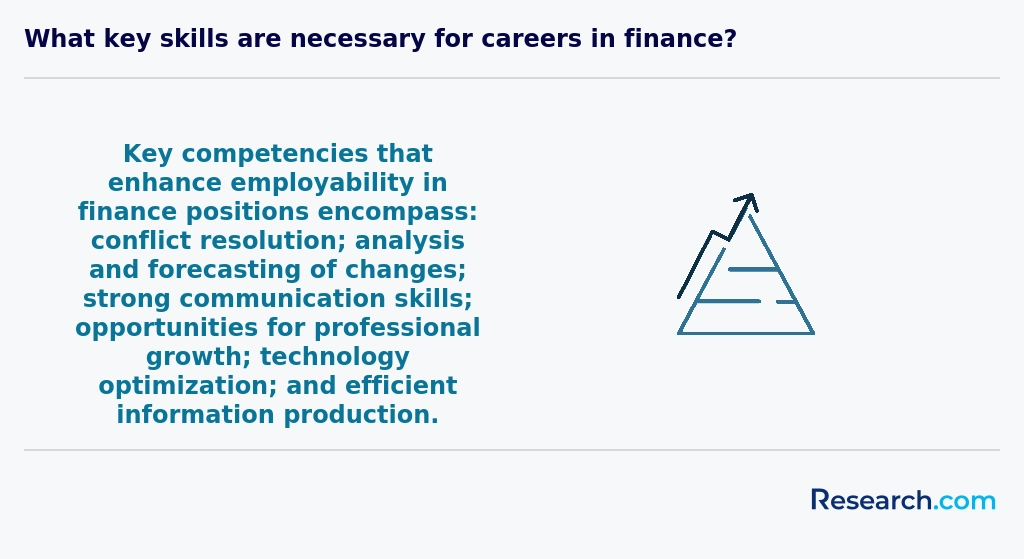
Employers in the Northeast region highly value finance degree graduates with strong analytical and quantitative skills. According to a 2023 report by the National Association of Colleges and Employers (NACE), proficiency in data analysis tools such as Excel and SQL ranks among the top requirements. Professionals must also demonstrate critical thinking and problem-solving abilities to navigate complex financial markets found in hubs like New York City and Boston.
Communication skills are essential for explaining financial concepts to non-experts, with 68% of surveyed finance employers emphasizing teamwork and interpersonal abilities. Additionally, knowledge of regulatory compliance, especially related to U.S. Securities and Exchange Commission (SEC) rules, is increasingly important in this region known for its concentrated financial institutions.
Finding internships in the Northeast relevant to a finance degree involves leveraging regional resources and targeted strategies. The Northeast is home to major financial hubs such as New York City and Boston, offering abundant internship opportunities in banking, investment management, and fintech.
Students should utilize university career centers, which often have partnerships with local firms and exclusive internship listings. Platforms like Handshake and LinkedIn also provide access to thousands of finance internships tailored to this region.
Networking at finance-focused events and webinars hosted by organizations such as the CFA Society New York can increase chances of securing internships. According to the U.S. Bureau of Labor Statistics, internships enhance employment prospects by 20% in finance careers.
Local government websites and industry associations frequently post internship openings specific to the Northeast. Early application and active engagement are key to success.
An online finance degree can significantly enhance career mobility and advancement for professionals in the Northeast, a region known for its robust financial sector. Many employers in cities like New York, Boston, and Philadelphia increasingly value candidates with accredited online degrees, which offer flexibility without compromising educational quality. According to the U.S. Bureau of Labor Statistics, finance-related employment in the Northeast is projected to grow about 6% through 2030, indicating expanding opportunities.
Online programs also provide access to up-to-date skills in financial analysis, investment, and risk management, often aligning with industry demands. This relevance improves graduates' competitiveness for promotions and lateral moves within finance firms and related industries.
Networking opportunities through virtual platforms linked to online programs further aid career growth by connecting students with regional finance professionals and alumni.
Studying for an online finance degree in the Northeast offers significant advantages for students aiming at interdisciplinary roles. Many universities in this region emphasize integrating finance with fields like data analytics, economics, and information technology. According to the National Center for Education Statistics, Northeastern institutions frequently incorporate cross-departmental coursework, fostering versatile skill sets.
The Northeast is home to major financial hubs such as New York City and Boston, where interdisciplinary knowledge is highly valued. Employers there often seek candidates who understand both financial principles and related areas like risk management or business intelligence.
Furthermore, regional online programs usually include practical case studies reflecting the dynamic financial markets of the Northeast, preparing students for real-world challenges across sectors.
Choosing between a thesis and a non-thesis online finance degree program in the Northeast involves considering your career goals and learning preferences. Thesis options emphasize research skills and can benefit students aiming for academic, research, or PhD pursuits. Non-thesis paths focus on practical knowledge and applied skills, often preferred by working professionals seeking faster completion.
The Northeast hosts many accredited programs; for example, the Bureau of Labor Statistics reports a 7% growth in finance jobs there through 2031, emphasizing practical expertise. Research from the National Center for Education Statistics shows that 60% of online finance graduates choose non-thesis programs for their flexibility.
Evaluate whether you prefer in-depth research or immediate application of finance concepts when deciding which path best fits your future.
Students in the Northeast interested in studying finance abroad have several pathways to consider. Many universities in this region partner with international institutions, offering exchange programs that allow students to gain global perspectives while earning credits toward their degrees.
While fully online finance degrees through foreign universities are less common, hybrid models and study-abroad opportunities during summer or winter breaks provide valuable overseas experience. According to the Institute of International Education, Northeastern U.S. students engaging in study abroad have increased steadily, with finance and business among popular fields.
Additionally, some accredited online programs emphasize global finance topics, bridging domestic education with international market knowledge without requiring travel.
Part-time job opportunities in the Northeast that complement an online finance degree include roles such as financial tutoring, bookkeeping, and internship positions at regional banks or investment firms. Many financial institutions headquartered in cities like New York and Boston offer flexible internships that provide practical experience alongside academic learning.
Accounting assistant jobs are also common, allowing students to gain hands-on experience with financial statement preparation and tax-related tasks. According to the U.S. Bureau of Labor Statistics, the Northeast has a higher concentration of finance-related jobs compared to other regions, making these roles more accessible.
Additionally, roles in retail banking and financial customer service support can help develop client interaction skills vital for finance careers.
Online finance students in the Northeast benefit from robust networking opportunities tied to the region's dense concentration of financial firms and academic institutions. Many online programs partner with local business schools in cities like New York, Boston, and Philadelphia, offering virtual and in-person networking events. According to the National Association of Colleges and Employers (NACE), 72% of finance graduates in the Northeast find employment through networking connections.
The region hosts numerous finance-focused professional organizations, such as the New York Society of Security Analysts (NYSSA), which welcomes students online. These platforms provide webinars, workshops, and mentorship programs tailored to online learners, helping them build industry connections despite physical distance.
Alumni networks play a crucial role for students pursuing online finance degrees in the Northeast by providing valuable professional connections. Many universities in this region maintain strong alumni communities that help graduates access job opportunities in major financial hubs like New York City and Boston, where over 30% of U.S. financial services jobs are concentrated according to the Bureau of Labor Statistics.
These networks often offer mentorship programs, career workshops, and exclusive job listings tailored to finance professionals. Engaging with alumni can improve a student's chances of securing internships and full-time roles post-graduation. Studies show that 70% of jobs are filled through networking, highlighting the advantage of being part of an active alumni group.
For online finance students, especially those balancing work and study, alumni networks provide flexible, accessible ways to build industry ties and stay updated on regional market trends.
Many online finance degree programs in the Northeast offer flexible curricula that allow students to tailor their studies based on career goals. Students can usually choose elective courses focused on areas like corporate finance, investment analysis, or financial planning. Specialized concentrations or certificates may also be available within the program. For example, several accredited schools in New York and Massachusetts provide options aligned with certifications such as CFA or CFP, helping students meet industry standards.
Additionally, online programs often include practical components like internships or capstone projects, enabling real-world application of concepts. According to the National Center for Education Statistics, tailoring coursework increases employability by enhancing relevant skills for regional finance job markets.
Online finance students in the Northeast often face challenges related to balancing rigorous coursework with professional and personal responsibilities. Many are working adults who need flexible schedules, but asynchronous classes may limit real-time interaction with instructors or peers. Technological access can also be a barrier; reliable internet service, though generally strong in urban Northeast areas, is less consistent in rural parts.
Students may struggle with networking and gaining practical experience, which are crucial in finance careers. According to the National Association of Colleges and Employers, finance internships in the Northeast saw a slight decline in 2023, affecting experiential learning opportunities.
Additionally, regional differences in state licensing or certification requirements can complicate students' post-graduation plans, as some finance roles require specific credentials varying by state.
With an online finance degree, you can pursue several respected professional certifications that enhance career prospects in the Northeast. Popular choices include the Chartered Financial Analyst (CFA) designation, which is highly regarded in investment management and requires passing three exam levels. Another common certification is the Certified Financial Planner (CFP), focused on financial advising and planning.
The Financial Industry Regulatory Authority (FINRA) licenses, such as the Series 7 and Series 63, are also crucial for many finance professionals working in securities firms. According to the CFA Institute, over 50,000 members in the Northeast hold the CFA charter, reflecting its regional significance.
Other valuable certifications include the Certified Public Accountant (CPA) credential for those interested in accounting aspects of finance. Online degree holders often meet the educational requirements needed to sit for these exams, making these paths accessible and practical for students based in the area.
When applying for an online finance degree in the Northeast, start by highlighting your academic background clearly, focusing on relevant coursework like economics, accounting, and statistics. Many top programs in this region value applicants with strong quantitative skills demonstrated through transcripts or standardized tests.
Include a well-crafted personal statement that explains your interest in finance and goals within the industry, referencing local opportunities such as New York's financial district or Boston's growing fintech scene. The National Center for Education Statistics notes that programs in the Northeast often receive a high volume of applicants, so distinguishing your motivation is key.
Letters of recommendation should ideally come from professors or professionals familiar with your analytical abilities and commitment. Lastly, emphasize any relevant work or internship experience, especially within finance sectors prevalent in the region, to strengthen your application.
A finance career today is shaped by global economic integration and technological advances. Professionals with finance degrees, especially those earned online from Northeastern schools, gain skills relevant not only to the US but to markets worldwide. According to the U.S. Bureau of Labor Statistics, the finance sector in the Northeast is projected to grow by 8% through 2030, driven by demand for international expertise.
Global firms in cities like New York and Boston often seek graduates familiar with cross-border regulations and diverse financial markets. This international focus means understanding global trade, currency exchange, and multinational investment strategies is crucial.
Online finance degrees in the Northeast often emphasize this global outlook, preparing students to navigate complex worldwide financial environments.
Gaining practical experience while studying for an online finance degree in the Northeast is essential for career readiness. Many universities in this region collaborate with local financial firms in cities like New York and Boston, offering remote internships tailored for online students. According to the National Association of Colleges and Employers, 60% of finance students who complete internships secure full-time jobs faster.
Students can also engage with virtual trading platforms and simulation tools provided by institutions to build hands-on skills in portfolio management and financial analysis. Furthermore, online finance programs often encourage participation in regional finance competitions and networking events, accessible digitally, which enhance real-world understanding and professional connections.
When choosing a concentration within an online finance degree in the Northeast, start by assessing your career goals. Finance is broad, with areas like investment analysis, corporate finance, and risk management. The Northeast houses major financial hubs such as New York City and Boston, where demand for specialties like financial technology and portfolio management is growing, according to the U.S. Bureau of Labor Statistics.
Consider the curriculum carefully; concentrations aligned with regional industries may offer better job prospects. Networking opportunities and internship availability are important too, especially through schools connected to the Northeast's robust banking and insurance sectors.
Lastly, review accreditation and faculty expertise to ensure quality education that matches local market needs.
Top Trending Finance Rankings
See What Experts Have To Say About Studying Finance
Read our interview with Finance experts

Andrew Karolyi
Finance Expert
Dean of the Cornell SC Johnson College of Business
Cornell University

Jason James Sandvik
Finance Expert
Assistant Professor of Finance
University of Arizona

Ekaterina Potemkina
Finance Expert
Assistant Professor of Finance
Indiana University

References
- Top Accounting Skills to Land Finance and Accounting Jobs https://www.kbwfinancial.com/top-skills-for-accounting-and-finance/
- How to Get a Finance Internship with No Experience – 365 Financial Analyst https://365financialanalyst.com/career-advice/how-to-get-a-finance-internship-with-no-experience/
- Finance Internships: Find 245 Finance Intern Jobs https://internshala.com/internships/finance-internship/
- Athabasca University https://www.athabascau.ca/programs/summary/bachelor-of-commerce-in-finance.html
- International Finance (English) Master Programme (Thesis and Non-Thesis) - GRADUATE SCHOOL OF TRADE AND FINANCE https://ticaret.edu.tr/ticaret-ve-finans-enstitusu/en/ma-in-international-finance/
- Best Finance Degrees Online | Accounting.com https://www.accounting.com/degrees/finance/bachelors/best-online-programs/
- Getting a Finance degree: All you need to know https://www.study.eu/article/getting-a-finance-degree-all-you-need-to-know
- 2026 Finance Career Outlook: Top 7 Global Roles, Salaries & Skill Requirements | Saraf Academy https://saraf.academy/top-7-global-finance-careers-in-2025-skills-salaries-and-the-best-courses-to-get-you-there/
- Upgrade to Global Finance Major: What It Is & Why It Matters https://pages.riley-eyewear.com/riley-eyewear/global-finance-major-what-it-is-and-why-it-matters-1767646948
- 2024 Best Business Schools | How Alumni Rate Their Undergraduate Business Degrees https://poetsandquantsforundergrads.com/news/best-business-schools-alumni-rate-undergraduate-business-degrees/5/





