2027 Most Popular Finance Degree Programs Ranking in Missouri

Co-Founder and Chief Data Scientist
Choosing the right finance degree program can shape your future career and open doors to exciting opportunities. This article presents the 2027 Most Popular Finance Degree Programs Ranking in Missouri, created by the Research.com team of data scientists. It's designed to help you make an informed decision based on reliable, up-to-date data.
Exploring these programs can provide insight into which schools offer strong curricula, supportive environments, and career prospects. Pursuing a finance degree is a smart step toward gaining valuable skills and building a rewarding path in the financial industry. Let's help you find the best fit for your goals.
Key benefits of getting finance degree in Missouri
- Finance degree graduates in Missouri can earn competitive salaries, such as Financial Advisors making around $150,670 annually and Financial Analysts earning approximately $112,950 per year, which reflects strong financial rewards.
- A graduate from the University of Missouri often finds diverse career options in finance, including roles like Credit Analyst or Insurance Underwriter, offering exciting opportunities to grow and specialize.
- Completing a finance degree online through Missouri State University provides flexibility for working students and access to quality education, making it easier to balance life while advancing a promising career.
- 2027 Most Popular Finance Degree Programs Ranking in Missouri
- What can I expect from finance degree in Missouri?
- Where can I work with finance degree in Missouri?
What can I expect from finance degree in Missouri?
The average cost of earning a finance degree in Missouri typically ranges from $20,000 to $40,000 for in-state students at public universities like Missouri State University or the University of Missouri system. Graduates often share that this investment feels worthwhile, given the robust career opportunities and strong regional connections they gain during their studies. Many alumni recall how programs emphasized practical skills and real-world applications, preparing them to confidently enter Missouri's dynamic financial markets.
For example, students in Kansas City or St. Louis tap into the local financial hubs, securing internships and jobs with major banks and investment firms. This hands-on experience paired with manageable tuition costs creates a sense of accomplishment and motivation. Graduates feel empowered knowing their education aligns with both their career goals and the economic growth of Missouri.
Where can I work with finance degree in Missouri?
Graduates with a finance degree from universities like the University of Missouri or Saint Louis University find themselves stepping confidently into vibrant job markets across Missouri's major cities. With strong economic hubs such as St. Louis and Kansas City, these graduates often land roles in banking, financial institutions, and corporate finance. Imagine working as a financial analyst for regional leaders like Commerce Bank or thriving as a risk manager at established firms such as Edward Jones - real opportunities just waiting for your skills.
Many graduates also report exciting careers in insurance companies like Shelter Insurance, where they apply their expertise to real-world problems, helping communities secure their futures. Public sector roles with the Missouri Department of Revenue offer stability and a chance to make a positive impact through budgeting and auditing. Moreover, the thriving fintech scene in Kansas City provides innovative graduates the thrill of blending technology with finance, turning bold ideas into reality.
Finance students in Missouri often share how local internships and university connections open doors to these diverse pathways, fueling ambition and career satisfaction. Your degree here isn't just a piece of paper - it's a gateway to meaningful, dynamic work across the Show-Me State.
Graduates from Missouri universities who earn a finance degree can look forward to rewarding salary prospects that reflect their expertise and dedication. For example, financial analysts in Missouri typically earn around $112,950 annually, a figure that both excites recent graduates and encourages those advancing in their careers. In cities like St. Louis and Kansas City, finance graduates from schools such as the University of Missouri or Washington University often land roles paying close to or above this average shortly after graduation.
Beyond financial analysis, roles like financial advisors see even higher earnings, with a mean annual wage near $150,670. Graduates stepping into financial advisory positions often enjoy the satisfaction of assisting clients while benefiting from competitive compensation. Missouri's credit analysts earn around $94,750 per year, and insurance underwriters bring in approximately $85,610, rounding out diverse, well-paying opportunities across the state.
Many graduates find motivation in real stories of peers who boosted their income by gaining certifications or specializing further. The vibrant business scenes in Missouri's metro areas provide a solid foundation for finance degree holders eager to thrive and shape their futures.
- Annual tuition for in-state students at public universities in Missouri ranges from $9,000 to $11,000, while private institutions often charge over $25,000 per year.
- Finance degrees cover topics like corporate finance, investment analysis, financial planning, and risk management.
- Entry-level finance jobs in Missouri typically start with salaries between $50,000 and $60,000 annually.
- Experienced finance professionals with certifications can earn median salaries between $85,000 and $110,000.
- Key industries employing finance graduates include banking, insurance, manufacturing, and healthcare.
- Job growth in finance-related fields in Missouri is expected to match the national average, reflecting steady demand.
Completing a finance degree in Missouri typically takes around four years when attending full-time, following a clear and rewarding path toward your career goals. Many graduates from well-known institutions like the University of Missouri and St. Louis Community College share how the steady pace across eight semesters allows them to balance studies, internships, and personal growth effectively.
For those juggling part-time schedules or other life commitments, the timeline might be a bit longer, yet every credit earned brings you closer to your dream. Some students bring in Advanced Placement (AP) credits or transfer hours from community colleges like Metropolitan Community College, which can accelerate their journey and add momentum.
Additionally, innovative programs at the University of Missouri system offer the exciting option to combine a bachelor's with a master's degree, completing both within five years. This creates powerful opportunities for ambitious students eager to dive deeper into finance without delay.
Every step is an investment in a bright, fulfilling future in the financial world.
Choosing between online and on-campus finance degrees in Missouri opens exciting possibilities tailored to your lifestyle and goals. Online programs offer flexibility that empowers students to juggle work, family, and studies seamlessly. Imagine a busy professional from Kansas City advancing their finance skills through an accredited online degree while maintaining their career momentum.
On the other hand, on-campus degrees at schools like the University of Missouri or Missouri State University create vibrant environments where face-to-face engagement sparks ideas. Graduates often cherish lively classroom debates and real-time networking events, connecting with professors and peers who inspire and support their ambitions.
Missouri's on-campus students enjoy hands-on experiences-career counseling, internships, and finance clubs-that build confidence and relationships essential for success. Meanwhile, online learners benefit from interactive platforms that fit learning into their unique rhythms without sacrificing quality.
Both paths radiate opportunities: it's about finding the perfect fit that ignites your passion for finance in Missouri's thriving community.
Evaluating the return on investment (ROI) of a finance degree in Missouri is essential for prospective students who want to balance educational costs against long-term earning potential. On average, bachelor’s degree holders in finance from Missouri public universities incur tuition costs of around $9,600 per year, while private institutions may charge up to $37,220 annually. With graduates earning median starting salaries of approximately $96,220 as financial analysts and up to $137,740 as financial advisors, most students recoup tuition expenses within 3–5 years of professional employment. Key factors influencing ROI include:
- Total Cost of Attendance: Tuition, fees, and living expenses can range from $38,400 to $148,880 over four years.
- Average Debt Load: Missouri finance graduates report an average student loan balance of $25,000–$30,000, significantly lower than the national average for business degrees.
- Salary Growth Trajectory: Annual salary increases of 3–5% in the first decade can double starting pay, shortening the break-even point.
- Career Advancement: Specializations in areas like risk management or financial planning often lead to higher mid-career salaries and leadership roles. For students seeking more budget-friendly alternatives or comparing online versus on-campus ROI, see our Inexpensive Online Bachelor's in Finance Degree Programs Ranking in Texas for additional insights into cost-effective pathways. By analyzing both upfront costs and long-term earnings, you can make an informed decision that maximizes your financial and professional returns.
The average cost of a finance degree in Missouri presents an exciting investment in your future, with a median total cost of about $38,073. For many students at popular public universities across Missouri, such as the University of Missouri or Missouri State University, this cost is often more manageable when considering in-state tuition, which averages around $23,713. Graduates from these schools often share how their degree empowered them without overwhelming financial strain, making the pursuit of a finance degree in Missouri feel both achievable and rewarding.
Private institutions, like Washington University in St. Louis or Saint Louis University, offer exceptional finance programs with a higher tuition price tag but are accompanied by strong career support and networking opportunities. Many students embracing these paths highlight scholarships and financial aid that substantially ease the financial journey, keeping the dream within reach despite higher costs.
Understanding finance degree tuition and fees Missouri residents face is key to planning a successful academic adventure. Beyond tuition, students often manage costs for books, housing, and fees, making it essential to budget smartly. Many who complete their degrees recall how state grants and scholarships helped them manage expenses, encouraging them to focus on their growth and career ambitions.
For those eager to map out their path, learning how long does it take to become a business analyst is a helpful step after earning a finance degree, often linking directly to promising career trajectories in Missouri's vibrant economy.
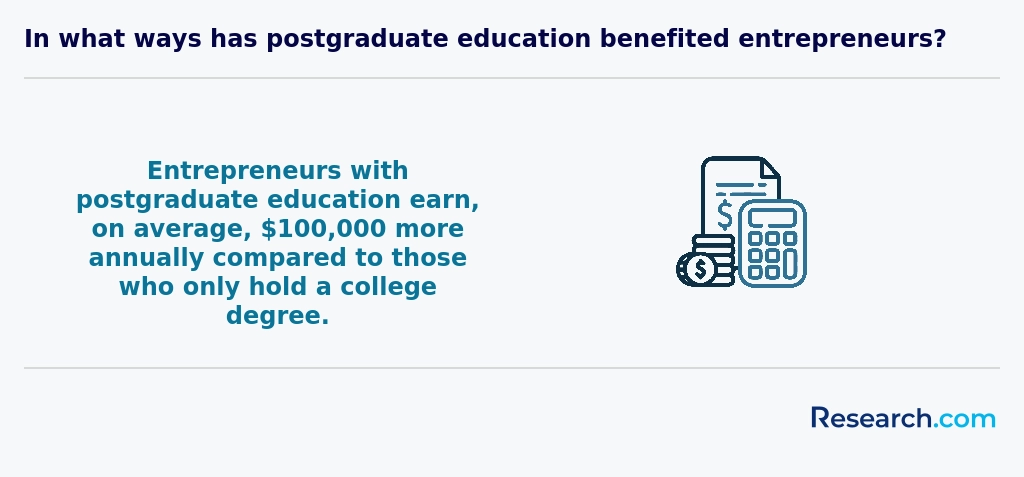
Finance students in Missouri can tap into a rich variety of financial aid opportunities that make pursuing their dreams genuinely achievable. Imagine attending the University of Missouri or Missouri State University, where dedicated scholarships aimed at business and finance majors can significantly ease your financial journey. These awards often come through merit or financial need, providing vital support just when you need it most.
Federal aid is another powerful source-Pell Grants offer up to $7,395 annually to qualifying students, a helping hand that many finance graduates recall as a game-changer in funding their education. Plus, federal student loans with favorable interest rates provide manageable options to cover remaining costs.
Missouri's state programs add to this support. The Access Missouri Financial Assistance Program and the Bright Flight Scholarship reward hard work and determination, offering essential funding for deserving residents. Many Missouri students also find work-study roles or employer tuition assistance, blending education with real-world experience and support.
Obtaining a Finance degree in Missouri lays a strong foundation, but professional certifications and ongoing education distinguish exceptional candidates in a competitive market. Certifications such as the Chartered Financial Analyst (CFA), Certified Financial Planner (CFP), and Financial Risk Manager (FRM) are globally recognized and directly align with the skills employers seek. Pursuing these credentials demonstrates expertise in investment analysis, risk management, and ethical standards-qualities that contribute to higher salary potential and accelerated career progression. Key certifications and their benefits:
- Chartered Financial Analyst (CFA): Covers portfolio management, equity analysis, and fixed income, with a three-level exam structure recognized by top investment firms.
- Certified Financial Planner (CFP): Emphasizes personal financial planning, tax strategies, and retirement analysis; ideal for those pursuing advisory roles.
- Financial Risk Manager (FRM): Focuses on quantitative risk assessment, market risk, and credit risk, preferred by banks and regulatory agencies.
- Professional Risk Manager (PRM) and Certified Treasury Professional (CTP): Cater to specialized roles in corporate treasury and enterprise risk.
- Certified Management Accountant (CMA): Bridges accounting and financial management, enhancing skills in budgeting and performance management. In addition to certifications, consider advanced degrees and specialized training programs that sharpen analytical and technical abilities. For finance graduates interested in cross-functional roles, resources like how long does it take to become a business analyst provide detailed pathways into business analysis, further diversifying career options. Engaging in webinars, industry conferences, and online courses ensures that finance professionals remain current with regulatory changes, financial software innovations, and emerging market trends-ultimately fortifying your expertise and marketability.
Enrolling in a finance degree program in Missouri is an exciting journey that begins with a few essential steps. Most graduates from popular universities in Missouri recall how having a high school diploma and solid foundations in math, especially algebra or calculus, gave them the confidence to tackle finance coursework. Many also emphasize how strong communication skills, honed through English classes, helped them excel in analyzing financial reports and presenting ideas clearly.
Completing some basic economics or business courses in high school often sparks early enthusiasm, preparing you for the world of finance. Official transcripts and maintaining a good GPA, generally between 2.5 and 3.0, are key milestones; many students found that meeting these requirements opened doors to top Missouri schools known for their finance programs.
Transfer students who took introductory college courses in business or accounting often felt well-prepared to dive straight into advanced finance topics, embracing challenges with enthusiasm. Being proactive by visiting campuses or attending orientation sessions has guided many students toward success in their Missouri finance studies.
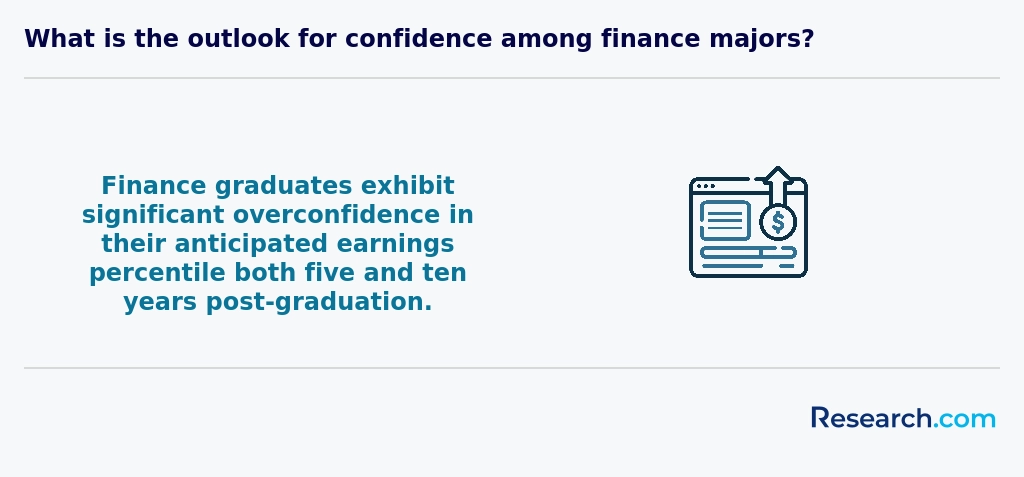
Finance degree programs in Missouri often include courses that build a strong foundation and sharpen practical skills sought by employers. Students at popular institutions like the University of Missouri or Saint Louis University find themselves mastering Principles of Finance, where they learn to evaluate real-life investment opportunities and understand risk versus reward in everyday decisions.
Classes such as Financial Accounting and Managerial Accounting prepare graduates to confidently analyze company performance and manage budgets, skills they apply during internships with local businesses or banks. Investment Analysis introduces them to portfolio management strategies, helping them envision guiding families or firms toward financial security.
Corporate Finance courses bring the thrill of solving complex challenges around funding and capital management, often inspired by case studies from Missouri's vibrant industries like agriculture and healthcare. Practical exposure to Financial Markets and Institutions equips students with insights into how regional banks and insurance firms support economic growth.
Graduates frequently share how these courses gave them confidence to step into roles where their analytical thinking and ethical judgment make tangible impacts in Missouri's dynamic financial landscape.
Finance degree specializations in Missouri offer vibrant pathways that empower students to build rewarding careers. Graduates from popular universities in Missouri immerse themselves in corporate finance, mastering capital budgeting and risk management, preparing for dynamic roles like finance managers within thriving regional companies. Others choose investment management, where their expertise in asset valuation and securities analysis opens doors to exciting positions as portfolio managers or financial advisors.
Missouri's finance degree concentration options also include financial planning and wealth management, perfect for students eager to guide individuals toward financial security with skills in retirement planning and taxation. Graduates often feel inspired by their ability to make a real difference in people's lives. Meanwhile, risk management and insurance specializations equip students to tackle challenges in risk assessment and regulatory environments, which are critical sectors in Missouri's robust insurance industry.
For those drawn to innovation, financial analytics combines finance with data science, a specialization growing rapidly and embraced by Missouri's data-driven business landscape. Aspiring finance students can explore a range of options and even find Inexpensive Online Bachelor's in Finance Degree Programs Ranking in Texas to expand their horizons beyond state borders.
Choosing the best finance degree in Missouri starts by focusing on accredited programs like those at the University of Missouri-Columbia's Trulaske College of Business, where graduates feel confident knowing their education meets top-tier standards. Many students thrive in programs offering hands-on courses such as investment analysis and financial modeling, which build strong, practical skills for real-world finance careers. Exploring electives and specializations tailored to your passion-whether it's banking or real estate finance-can shape a rewarding path that feels both exciting and relevant.
Affordability is key, and many find that looking into affordable finance colleges Missouri helps balance quality with cost. Public universities often provide excellent value with in-state tuition around $9,000 to $11,000 annually, opening doors without overwhelming debt. Additionally, graduates appreciate that Missouri's vibrant metro areas like St. Louis and Kansas City foster invaluable internships and networking, further enriching the learning journey and future job prospects.
For those seeking to accelerate their studies, researching options like one year degree programs can be a smart way to enter the finance world faster while still gaining essential skills. By thoughtfully combining these factors, you can confidently select a program that inspires growth and success in Missouri's finance field.

Graduates with a finance degree in Missouri unlock doors to vibrant career paths deeply connected to the state's dynamic economy. From bustling classrooms at universities like the University of Missouri to the real-world finance scenes in Kansas City and St. Louis, students are stepping into roles as financial analysts, loan officers, and budget analysts, thriving in environments where their skills are highly valued. The strength of Missouri's manufacturing and healthcare sectors fuels demand, offering graduates rewarding opportunities to influence major business decisions.
Many find inspiring success in personal financial advising, guiding families and individuals through investment growth and retirement planning. The demand for licensed advisors is rising, creating optimistic futures for those passionate about making a difference. Finance degree holders also flourish in corporate finance roles within prominent companies such as Emerson Electric, navigating treasury management and mergers that shape the local market.
For those exploring diverse options, insurance underwriting and real estate finance offer exciting avenues, highlighted by steady growth in Missouri's property market. Students eager for practical, rewarding careers often look for easy masters programs to enhance their qualifications and broaden ambitions in the thriving finance sector. Such finance career opportunities in Missouri show that a degree here is truly a gateway to meaningful, prosperous work.
The finance degree job opportunities in Missouri reveal a vibrant and growing market fueled by thriving sectors like financial services, insurance, manufacturing, and healthcare. Graduates from well-regarded institutions across Missouri often find rewarding careers in St. Louis and Kansas City, where major financial firms eagerly seek skilled professionals. Many alumni recount landing early roles in corporate finance or insurance underwriting, thanks to Missouri's steady 5% growth forecast in finance-related jobs.
Studying finance at Missouri universities offers more than just affordable education; it opens doors to real-world internships that prepare students to excel. By combining strong academic foundations with hands-on experience, graduates confidently enter a competitive landscape energized by expanding financial services companies and insurance firms. For those eager to maximize their career potential, exploring certifications alongside their studies is a smart step to securing impressive roles.
With tuition ranging from $10,000 to $12,000 annually, Missouri's institutions provide an accessible path to financial expertise. Students interested in advancing their careers might also consider the options among highest paying online master's degrees to build on their foundation, ensuring they thrive in a flourishing Missouri finance job market.
2027 Most Popular Finance Degree Programs Ranking in Missouri
Investing in your education is a significant decision that can shape your future, and the Research.com team understands the importance of making informed choices. To assist prospective students, we have meticulously crafted the "2027 Most Popular Finance Degree Programs Ranking in Missouri." Our commitment to quality, credibility, and accuracy is reflected in the extensive research and analysis conducted to compile this ranking.
We utilized the following reputable data sources to ensure a comprehensive evaluation of finance degree programs:
By exploring this ranking, readers will gain valuable insights into the most popular finance degree programs in Missouri, enabling them to make well-informed decisions about their educational and career paths. For more details on our methodology, please visit our Research.com methodology page.
# 1 position
Washington University in St Louis
Bachelor of Science in Business Administration in Finance


Frequently Asked Questions About finance
Finance degree students in Missouri can maximize their learning experience by seeking internships with local financial institutions. The state hosts several Fortune 500 companies, including Edward Jones and Stifel Financial, which offer valuable real-world experience. According to the Missouri Economic Research and Information Center, internships often lead to higher employment rates post-graduation.
Students should also participate in finance-related student organizations and competitions, such as those offered through Missouri's universities, to build practical skills and professional networks. Additionally, leveraging online resources and Missouri's universities' access to Bloomberg terminals or similar financial software enhances analytical capabilities.
Finally, students are encouraged to explore scholarships and mentorship programs available through Missouri's business schools to reduce financial burdens and gain guidance from industry professionals.
Within Missouri's finance sector, emerging niches reflect broader national trends while responding to local economic conditions. One growing area is financial technology (fintech), driven by Kansas City's expanding startup ecosystem and investments in digital payment systems.
Another key niche is sustainable finance, where professionals focus on environmental, social, and governance (ESG) criteria to guide investments. This field is gaining attention due to Missouri's increased interest in green energy projects.
Data analytics applied to finance is also rising, with employers seeking graduates skilled in big data and predictive models to improve financial decision-making. The Missouri Economic Research and Information Center highlights steady job growth in analytics-related roles statewide.
Lastly, risk management and cybersecurity finance are critical as businesses protect assets from cyber threats, especially in financial hubs like St. Louis.
After completing a finance degree in Missouri, it is important to develop practical skills that employers seek. Internships with local financial institutions like St. Louis-based banks or Kansas City investment firms provide valuable hands-on experience. According to the Missouri Department of Higher Education, graduates with internship experience have a 20% higher employment rate within six months.
Networking is essential; attending events hosted by organizations such as the Missouri Society of Certified Public Accountants helps build professional connections. Additionally, pursuing certifications like the CFA or CFP can significantly enhance job prospects in Missouri's competitive financial sector.
Staying updated with industry trends and leveraging university career services are also critical steps toward success in the job market.
Employers seeking graduates with finance degrees in Missouri prioritize a combination of technical and interpersonal skills. Key abilities include strong analytical skills, which allow graduates to interpret financial data effectively. Proficiency in financial modeling, Excel, and relevant software like QuickBooks or SAP is often essential, as noted by the Missouri Economic Research and Information Center (MERIC).
Communication skills rank highly, enabling graduates to explain complex financial concepts to non-experts. Additionally, problem-solving capabilities and attention to detail are crucial in roles involving risk assessment and compliance. Many Missouri employers also value adaptability and teamwork given the dynamic nature of the financial sector.
Finding finance internships in Missouri involves a strategic approach combining university resources and local industry connections. Many universities in Missouri offer dedicated career centers that connect students with internships through job fairs, on-campus recruiting, and alumni networks. For example, the University of Missouri's Trulaske College of Business annually hosts finance-specific networking events, helping students secure internships.
Additionally, students should explore internships at major Missouri financial hubs, such as Kansas City and St. Louis, where many banks, investment firms, and insurance companies operate. According to the Missouri Economic Research and Information Center, finance and insurance industries accounted for over 100,000 jobs statewide in 2023, signaling significant internship opportunities.
Online platforms like Handshake and Missouri Career Center also publish internship listings tailored to finance students. Building relationships with professors and attending industry conferences can further increase internship prospects.
A finance degree in Missouri significantly enhances career mobility and advancement opportunities within the state's diverse economy. Graduates gain essential skills in financial analysis, budgeting, and investment strategies, which are highly valued in sectors like banking, insurance, and corporate finance. According to the Missouri Economic Research and Information Center (MERIC), finance-related occupations in Missouri are projected to grow by 7% from 2022 to 2032, outpacing average job growth.
Additionally, possessing a finance degree often leads to higher starting salaries and expedited promotion tracks. Data from the U.S. Bureau of Labor Statistics shows that financial analysts in Missouri earn a median annual wage of approximately $72,000, with experienced professionals reaching well above this figure. Employers in metropolitan areas such as St. Louis and Kansas City particularly favor candidates with formal finance education due to their ability to manage complex financial systems.
Studying for a finance degree in Missouri equips students with skills that transcend traditional finance roles, enabling success in interdisciplinary careers. Missouri's programs often integrate coursework from economics, data analytics, and business law, reflecting the diverse demands of modern finance.
Many universities in Missouri emphasize experiential learning through internships in Kansas City and St. Louis, two major financial hubs, providing real-world applications that blend finance with technology and management.
The Missouri Economic Research and Information Center reports that finance-related occupations in the state are growing steadily, highlighting the need for versatile professionals.
This broad academic foundation prepares graduates for roles in consulting, risk management, and financial technology sectors.
When choosing between a thesis and a non-thesis finance degree program in Missouri, consider your career goals and learning preferences. Thesis programs focus heavily on research, requiring students to produce an original academic paper. This path suits those interested in pursuing a PhD or research-intensive roles in finance.
Non-thesis programs emphasize coursework and practical skills, often including internships, making them ideal for students targeting immediate employment in Missouri's financial sector. According to the Missouri Department of Higher Education, finance professionals in Kansas City and St. Louis often seek practical experience over research credentials.
Additionally, thesis options generally require more time, potentially extending graduation by a semester or more. Prospective students should assess program curricula and consult academic advisors to understand specific Missouri institutions' requirements and opportunities.
Students in Missouri interested in studying finance abroad have several pathways through exchange programs and partnerships offered by universities. Many Missouri institutions, including the University of Missouri and Washington University in St. Louis, participate in study abroad initiatives that allow finance majors to gain international exposure.
These programs often include semesters or summer sessions at partner universities in Europe, Asia, and other regions, providing hands-on experience with global financial markets and practices. According to the Institute of International Education, about 10% of Missouri college students engage in study abroad, with business and finance among the popular fields.
Financial aid and scholarships specifically for study abroad can also assist Missouri students pursuing finance degrees overseas, making international education more accessible. It is advisable to consult each school's study abroad office for detailed, up-to-date offerings and support.
Students pursuing finance degrees in Missouri have access to various part-time job opportunities that enhance their education. Common roles include internships or assistant positions with banks, credit unions, and investment firms, especially in cities like St. Louis and Kansas City, where the finance sector is more developed.
The Missouri Economic Research and Information Center (MERIC) reports steady growth in finance-related employment, suggesting increasing demand for support roles such as financial clerks and analysts. Working in these positions provides hands-on experience with financial tools, customer service, and data analysis.
Additionally, some students find work in accounting firms or business consultancies, which strengthens their understanding of financial regulations and reporting.
Finance students in Missouri benefit from numerous networking opportunities that help them connect with professionals and advance their careers. Many universities in the state host finance clubs and chapters of national organizations such as the Financial Management Association International (FMA) and the CFA Institute Research Challenge. These platforms offer events, workshops, and competitions where students can engage with peers and industry leaders.
Additionally, St. Louis and Kansas City, Missouri's two largest metropolitan areas, have active finance sectors with frequent networking events sponsored by local business groups and chambers of commerce. According to the Missouri Economic Research and Information Center, Missouri's finance and insurance industry employs over 120,000 professionals, creating a rich environment for internships and mentorships.
Some universities also collaborate with regional financial firms, facilitating internships that often lead to job placements. Students can leverage career fairs regularly held on campuses alongside alumni networking events, which are vital for building professional relationships in Missouri's finance industry.
Alumni networks play a crucial role for finance degree students in Missouri by providing valuable connections in the state's financial sector. Missouri hosts a diverse economy with strong banking, investment, and insurance industries centered in cities like Kansas City and St. Louis.
Through alumni events, mentorship programs, and exclusive job postings, students can access insider information and opportunities. According to the Missouri Department of Higher Education, graduates with active alumni support report a 25% higher chance of securing internships and full-time finance roles.
Moreover, alumni often guide students on industry trends and certifications, such as CFA or CPA, boosting career readiness.
Customizing a finance degree program in Missouri begins with selecting relevant electives and concentrations that align with your career goals. Many universities offer options such as investment analysis, corporate finance, and financial planning. Consider courses tied to emerging fields like fintech or risk management to enhance employability.
Missouri students can also pursue internships or cooperative education opportunities through university partnerships with firms in Kansas City and St. Louis, where major financial employers operate. These experiences provide practical skills and valuable connections.
Additionally, some schools allow you to combine finance with minors like data analytics or economics, broadening career prospects. According to Missouri Department of Higher Education, finance graduates with specialized skills increasingly benefit from a local job market growing in sectors such as banking and insurance.
Finance students in Missouri often face the challenge of balancing rigorous coursework with practical experience. According to the Missouri Department of Higher Education, many programs emphasize complex topics like investment analysis, financial modeling, and regulatory compliance, which require strong quantitative skills. This can be difficult for students without a solid math background.
Another issue is limited access to internships in Missouri's smaller cities compared to financial hubs like St. Louis and Kansas City. Internships are crucial for real-world learning and networking. Additionally, fluctuating local economic conditions may affect job placements and entry-level salaries, which averaged around $58,000 in 2023 according to the U.S. Bureau of Labor Statistics for financial analysts in the state.
With a finance degree in Missouri, graduates can pursue several professional certifications to enhance their career prospects. The most recognized include the Certified Financial Planner (CFP), Chartered Financial Analyst (CFA), and Certified Public Accountant (CPA) credentials, depending on career goals. The CFP is ideal for those aiming to work in personal financial planning, while the CFA suits investment analysts and portfolio managers.
Missouri's active financial sector supports these certifications well, with institutions like the CFA Society St. Louis offering local networking and exam resources. According to the Bureau of Labor Statistics, Missouri had a 5% growth in finance-related jobs through 2029, emphasizing demand for certified professionals.
The CPA is essential for finance graduates interested in accounting roles and requires passing the Uniform CPA Exam and meeting Missouri's experience requirements. Other credentials such as the Financial Risk Manager (FRM) and Certified Management Accountant (CMA) also hold value for specialized finance careers.
To write a winning application for a finance program in Missouri, start by highlighting your academic achievements, particularly in math, economics, and business-related courses. Many Missouri universities value a strong GPA and standardized test scores such as the SAT or ACT.
Include relevant extracurricular activities or work experience in finance, banking, or related fields to demonstrate practical interest. Tailor your personal statement to explain your career goals and why Missouri's finance programs fit your ambitions.
Missouri State University and the University of Missouri emphasize analytical skills and community involvement. Checking each program's specific requirements on their official websites helps ensure your application stands out.
Finance careers hold significant global relevance, offering diverse opportunities across industries and countries. Graduates with finance degrees from Missouri universities join a competitive field valued for its analytical and strategic skills. According to the U.S. Bureau of Labor Statistics (2023), financial analysts, a common finance career path, are projected to grow by 10% nationwide from 2022 to 2032, reflecting steady demand.
Missouri's finance professionals benefit from the state's central location and robust business environment, which includes sectors like banking, insurance, and investment firms. Professionals often work with international markets, requiring knowledge of global finance principles and regulations.
Furthermore, Missouri universities emphasize coursework that covers global financial systems, preparing students for careers that retain strong international components. This global perspective is essential as finance careers increasingly require understanding of cross-border trade, foreign exchange, and multinational corporate strategies.
Gaining practical experience while studying for a finance degree in Missouri is essential for building job-ready skills. Many Missouri universities offer internship programs that connect students with local financial institutions in cities like St. Louis and Kansas City. These internships often provide hands-on experience in areas such as investment analysis, risk management, and financial advising.
Students can also participate in finance clubs and competitions, which simulate real-world financial challenges. Missouri's strong presence of banks and corporate headquarters offers diverse opportunities for part-time roles or cooperative education.
According to the Missouri Department of Higher Education & Workforce Development, nearly 60% of finance students engage in internships before graduation, boosting their employment prospects.
Choosing the right concentration within a finance degree program in Missouri involves assessing your career goals and interests in specific financial sectors. Common concentrations include corporate finance, investment analysis, and financial planning. Each area offers different opportunities and skill sets tailored to industries prevalent in Missouri, such as banking in St. Louis or agricultural finance in rural regions.
Students should consider program accreditation and internship opportunities with Missouri-based firms to enhance practical experience. The Missouri Economic Research and Information Center reports steady growth in finance-related jobs locally, highlighting the value of specializations aligned with market demand.
Exploring faculty expertise and alumni outcomes can also guide your decision, ensuring the concentration you choose supports your professional ambitions in Missouri's diverse economy.
- 2027 Most Popular Finance Degree Programs Ranking in Kansas
- 2027 Most Popular Finance Degree Programs Ranking in Iowa
- 2027 Most Popular Finance Degree Programs Ranking in Nebraska
- 2027 Most Popular Finance Degree Programs Ranking in Arkansas
- 2027 Most Popular Finance Degree Programs Ranking in Illinois
- 2027 Most Popular Finance Degree Programs Ranking in Kentucky
- 2027 Most Popular Finance Degree Programs Ranking in Indiana
- 2027 Most Popular Finance Degree Programs Ranking in Minnesota
- 2027 Most Popular Finance Degree Programs Ranking in Colorado
- 2027 Most Popular Finance Degree Programs Ranking in Mississippi
See What Experts Have To Say About Studying Finance
Read our interview with Finance experts

Andrew Karolyi
Finance Expert
Dean of the Cornell SC Johnson College of Business
Cornell University

Ekaterina Potemkina
Finance Expert
Assistant Professor of Finance
Indiana University

Jason James Sandvik
Finance Expert
Assistant Professor of Finance
University of Arizona

- 2026 Finance Career Outlook: Top 7 Global Roles, Salaries & Skill Requirements | Saraf Academy https://saraf.academy/top-7-global-finance-careers-in-2025-skills-salaries-and-the-best-courses-to-get-you-there/
- Finance https://www.wcmo.edu/academics/programs/finance.html
- Why Alumni Networks Matter in Business School: 7 Reasons https://europe.ceibs.edu/article/why-alumni-networks-matter-business-school
- Best programs to become a financial in Missouri https://clema.ai/missouri/occupations/financial-and-investment-analysts
- Exploring Alternative Finance Careers: Niche Opportunities in Cambridge's Dynamic Sector https://www.cavillrobinson.co.uk/blog/2023/07/exploring-alternative-finance-careers-niche-opportunities-in-cambridges-dynamic-sector
- 2024 Best Business Schools | How Alumni Rate Their Undergraduate Business Degrees https://poetsandquantsforundergrads.com/news/best-business-schools-alumni-rate-undergraduate-business-degrees/5/
- Is Finance a Good Career Path? Predictions for 2040 https://mergersandinquisitions.com/is-finance-a-good-career-path/
- What Major is Best for Finance? Top 10 Picks https://zoetalentsolutions.com/what-major-is-best-for-finance/
- How to Get a Finance Internship with No Experience – 365 Financial Analyst https://365financialanalyst.com/career-advice/how-to-get-a-finance-internship-with-no-experience/
- Online BBA in FinTech vs Traditional Finance - Which Is Better? https://www.onlinecu.in/blog/cu/online-bba-fintech-vs-traditional-finance