2027 Most Popular Finance Degree Programs Ranking in Iowa

Co-Founder and Chief Data Scientist
Choosing the right finance degree program is an important step toward a successful career. If you're in Iowa and exploring your options, this article is designed to guide you.
We present the 2027 Most Popular Finance Degree Programs Ranking in Iowa, created by the Research.com team of data scientists. This ranking offers clear insights to help you understand which programs stand out.
By reading this article, you'll gain valuable information to make an informed decision. A finance degree can open doors to rewarding opportunities, and finding the right fit is key for your future success.
Key benefits of getting finance degree in Iowa
- Salary for finance degree graduates: Graduates can expect competitive earnings, such as a Financial Advisor's mean annual wage of $150,670 or a Financial Analyst's $112,950, reflecting strong financial reward potential within Iowa and beyond.
- Career paths: A graduate from the University of Iowa might explore diverse roles including credit analyst, investment banking analyst, or insurance underwriter, each offering meaningful opportunities to build a rewarding finance career.
- Benefits of online finance degrees: Online programs, like those from Iowa State University, offer flexibility and affordability, allowing graduates to advance their skills while balancing work and life commitments more smoothly than traditional programs.
- Key benefits of getting finance degree in Iowa
- What can I expect from finance degree in Iowa?
- Where can I work with finance degree in Iowa?
- How much can I make with finance degree in Iowa?
- 2027 Most Popular Finance Degree Programs Ranking in Iowa
- Key Findings
- How long does it take to complete finance degree in Iowa?
- Return on Investment for Finance Degrees in Iowa
- What's the difference between online and on-campus finance degree?
- What is the average cost of finance degree in Iowa?
- What financial aid is available to finance degree students in Iowa?
- Return on Investment of Finance Degrees in Iowa
- What are the prerequisites for enrolling in finance degree program in Iowa?
- What courses are typically in finance degree programs in Iowa?
- What types of specializations are available in finance degree programs in Iowa?
- How do you choose the best finance degree in Iowa?
- What career paths are available for finance degree students in Iowa?
- What is the job market for finance degree in Iowa?
- Related Finance Rankings for Nearby States
- Top Trending Finance Rankings
- See What Experts Have To Say About Studying Finance
What can I expect from finance degree in Iowa?
When considering the average cost of a finance degree in Iowa, students find a range that reflects both public and private options. For example, attending a renowned public university like the University of Iowa, Iowa residents typically spend between $10,000 and $15,000 per year in tuition and fees. Private institutions or out-of-state tuition can increase that to $30,000 or more annually, but many graduates share how scholarships and financial aid significantly ease this burden.
Graduates often express that investing in their education was worth it, especially when internships and hands-on projects at universities like Iowa State University helped them build valuable skills while still in school. These real-world experiences make the cost feel like a stepping stone toward exciting careers in Des Moines' bustling financial sector.
Thinking about cost this way helps you appreciate how Iowa's programs balance affordability and quality, preparing you to thrive in dynamic financial roles without overwhelming debt.
Where can I work with finance degree in Iowa?
With a finance degree from universities like the University of Iowa or Iowa State University, you have a world of opportunities right here in Iowa. Graduates often find rewarding roles in financial services at well-known regional institutions such as Principal Financial Group or Wells Fargo, where they dive into financial analysis, risk management, and wealth building. Imagine starting your career helping individuals or businesses make smart investment decisions-this practical experience builds a strong foundation.
Many graduates move into corporate finance working for leading Iowa companies like Hy-Vee or Pella Corporation. Here, they manage budgets, forecast company performance, and shape strategies that drive growth-skills perfectly honed during their studies.
Graduates also thrive in Iowa's robust insurance sector or public finance roles with government agencies. Others excited by innovation find fintech startups in Des Moines an inspiring place to blend finance knowledge with technology and data analytics, creating cutting-edge solutions that transform financial services.
This diversity of career paths means your finance degree opens doors to environments that challenge and motivate you daily.
How much can I make with finance degree in Iowa?
Graduates from finance programs at institutions like the University of Iowa or Drake University often find rewarding career paths in Iowa's stable financial sector. Early in their careers, many step into roles such as financial analysts, who earn a mean annual wage near $112,950 nationwide, though Iowa salaries typically start between $50,000 and $65,000 due to the state's cost of living. This means you can enjoy a solid income while gaining invaluable experience close to home.
As you grow professionally, roles like financial advisors command a mean annual wage of about $150,670 nationally, offering an inspiring goal for driven grads. Credit analysts and insurance underwriters also present strong options, with mean wages around $94,750 and $85,610 respectively. Iowa's top employers in Des Moines and Cedar Rapids tend to reward those who pursue certifications like the CFA or CFP, accelerating your earning potential.
Think of your finance degree as a passport. Stories from recent graduates highlight how internships and networking in Iowa's finance hubs turned opportunities into six-figure salaries, demonstrating that ambition paired with local knowledge truly opens doors.
2027 Most Popular Finance Degree Programs Ranking in Iowa
How do we rank schools?
Investing in your education is a significant decision that can shape your future, and the Research.com team understands the importance of making informed choices. To assist prospective students in Iowa, we have meticulously crafted the "2027 Most Popular Finance Degree Programs Ranking in Iowa." Our commitment to quality, credibility, and accuracy is reflected in the extensive research and analysis conducted to compile this ranking.
We utilized the following reputable data sources to ensure a comprehensive evaluation of finance degree programs:
By exploring this ranking, readers will gain valuable insights into the most popular finance degree programs available in Iowa, enabling them to make confident, well-informed decisions about their educational paths. For more details on how this ranking was created, please visit our Research.com methodology page.


Key Findings
- In-state tuition for public universities in Iowa ranges from $9,000 to $11,000 per year, while private schools can charge over $30,000 annually.
- Total yearly costs including fees and living expenses average between $21,000 and $43,000 for Iowa students.
- Des Moines is a major financial hub offering job opportunities in banking, insurance, investment firms, and corporate finance.
- Starting salaries for finance graduates in Iowa are about $55,000 per year, increasing to $85,000-$90,000 for mid-career professionals.
- Finance-related jobs in Iowa are expected to grow at about the national average rate, indicating steady demand for graduates.
How long does it take to complete finance degree in Iowa?
Completing a finance degree in Iowa generally takes about four years when studying full-time, which is the norm at universities like the University of Iowa or Iowa State. Many graduates share how maintaining a steady course load of 15 credit hours per semester helped them stay on track while gaining practical skills through internships embedded in the programs.
For those balancing work or other commitments, part-time options at institutions such as Des Moines Area Community College offer flexibility, extending the timeline to five or six years. Graduates often appreciate this route because it allows them to earn while they learn, making education feel more achievable and less stressful.
Some ambitious students choose accelerated paths available at select Iowa colleges, finishing their degree in as little as three years by taking summer courses and heavier semesters. This option demands dedication, but it rewards you by getting you into the workforce sooner.
Associate degrees, often completed in two years, provide a strong foundation for finance careers or serve as a stepping stone to bachelor's programs. Whichever path you choose in Iowa, many students find the journey manageable and rewarding with clear goals and support.
Return on Investment for Finance Degrees in Iowa
Calculating the return on investment (ROI) of a finance degree in Iowa involves weighing tuition costs against expected earnings and career growth. On average, a four-year finance degree at a public university in Iowa costs about $38,400 in tuition, while private institutions can exceed $148,880. Given that entry-level finance graduates in Iowa earn around $52,936 annually-and mid-career professionals report salaries north of $100,000-the typical break-even period ranges from three to six years. Beyond raw numbers, ROI also reflects intangible benefits such as networking opportunities, internship placements, and career services. Many Iowa institutions boast robust alumni networks, mentorship programs, and dedicated career centers that help graduates secure high-value roles in banking, corporate finance, and fintech. When comparing programs, prospective students should factor in employment rates and average starting salaries to identify the fastest path to profitability. For students concerned about upfront costs, exploring alternative markets can be insightful. For example, the Low Cost Finance Degree Programs Ranking in Chicago, IL highlights affordable options in a neighboring metropolitan area where in-state tuition and living expenses may be lower than Iowa’s private college rates. Such comparisons help clarify which programs deliver the strongest financial returns relative to investment. Ultimately, a high ROI finance program in Iowa combines competitive tuition, accelerated job placement, and long-term earning potential. By analyzing total education costs against salary projections and career advancement opportunities, students can make data-driven decisions that align with both their financial goals and professional aspirations.
What's the difference between online and on-campus finance degree?
Choosing between an online and on-campus finance degree in Iowa often comes down to your lifestyle and learning preferences. Graduates from the University of Iowa who studied on campus frequently highlight the value of face-to-face interactions with professors and peers, which foster strong professional networks and hands-on experiences like internships at local banks or finance firms in cities such as Iowa City and Cedar Rapids.
Conversely, students from Iowa State's online programs appreciate the flexibility to balance work, family, and study. These graduates often praise the ability to learn through video lectures and digital discussions at their own pace, especially when living in rural areas where commuting to campus isn't practical. Both options maintain rigorous curriculum standards, so employers in Iowa's finance sector recognize the degree's value regardless of the format.
Keep in mind that on-campus programs offer immediate support and campus resources, while online learners must develop strong self-discipline and time management to succeed. Whichever path you choose, the key is aligning the program with your goals and daily realities.
What is the average cost of finance degree in Iowa?
Understanding the average cost of a finance degree in Iowa is vital for students planning their educational journey. For many, attending public universities such as the University of Iowa or Iowa State University results in a median total cost around $35,710 for in-state students. Graduates often recall balancing tuition with living expenses, yet feel confident the investment leads to rewarding careers. Out-of-state students face higher costs, typically around $48,820 in total, reflecting the broader range of tuition and fees. Despite this, many find that financial aid and scholarships substantially ease their financial burden.
For those considering private colleges, the cost can be higher, but so are the resources and networks available to finance students. A graduate from a well-known private institution often shares stories of how these advantages accelerated their career launch, making the price worth it. Additional living and educational expenses, commonly between $10,000 and $15,000 annually, should also be factored into the budget to prepare for the full experience of college life in Iowa.
Many who pursue finance degrees in Iowa emphasize how understanding the finance degree tuition and fees Iowa can empower students to make informed decisions. They recommend connecting with financial aid counselors and exploring all options to reduce costs while maintaining the quality of education. For students curious about career outcomes related to their investment, researching the business analyst salary can provide helpful insight and encouragement as they plan their path ahead.
What financial aid is available to finance degree students in Iowa?
Finance students in Iowa often find that a mix of federal, state, and institutional aid transforms their educational journey from daunting to doable. Graduates from universities like the University of Iowa or Iowa State recall how Pell Grants, which can cover up to $7,395 annually, were a game-changer by easing tuition costs without the stress of repayment. Complementing this, many tap into federal student loans, such as Direct Subsidized Loans, offering flexible borrowing options when additional funds are needed.
State scholarships, like the Iowa Tuition Grant, provide up to $3,528 per year specifically for residents attending private colleges, helping bridge financial gaps. Vocational students also benefit from targeted tuition grants tailored to finance technology and bookkeeping programs. Institutional scholarships at Iowa universities reward merit and financial need, often dedicated to business or finance majors, easing expenses further.
Additionally, some students benefit from employer tuition reimbursements, a practical way to invest in one's future while working. Graduates emphasize exploring private scholarships through organizations like the Iowa Bankers Association, which often supports finance-focused students. Planning early and combining these resources opens doors to a rewarding finance education in Iowa.
Return on Investment of Finance Degrees in Iowa
Investing in a finance degree in Iowa often yields significant returns, balancing tuition costs against long-term earning potential. On average, bachelor’s programs at public universities charge around $9,600 per year, while private institutions may reach $37,220. Considering the average starting salary of $52,936 and a mid-career median exceeding $100,000, most graduates recover their educational investment within five to seven years of full-time employment. Several factors influence ROI: • Program Reputation: Graduates from top-ranked schools like the University of Iowa often secure higher starting offers and faster promotions. • Specializations: Concentrations in corporate finance, risk management, or financial modeling tend to command premium salaries. Even emerging roles such as business analysts benefit, with business analyst salary reports showing competitive compensation. • Internships and Networking: Hands-on experience through internships or finance clubs can increase initial offers by up to 15%, accelerating ROI. • Location and Industry: Urban centers like Des Moines and Cedar Rapids offer more finance roles, often with a 10–20% salary premium over rural areas. By carefully evaluating program costs, potential career paths, and local employment markets, prospective students can maximize their return on investment, ensuring a finance degree in Iowa translates into lasting professional and financial growth.
What are the prerequisites for enrolling in finance degree program in Iowa?
To embark on a finance degree journey in Iowa, you'll need a high school diploma or its equivalent as your foundation. Many successful graduates from the University of Iowa and Iowa State University share how a solid grasp of math-especially algebra and calculus-helped them confidently tackle their coursework. These skills aren't just academic hurdles; they're the tools you'll use daily in finance careers.
While some schools may waive standardized tests like the ACT, strong scores around or above Iowa's average of 22.5 have opened doors for many aspiring finance students. Think of your test scores as a way to showcase your readiness to handle challenging material.
Beyond numbers, writing a thoughtful personal statement or securing recommendations from math or economics teachers can really make your application shine. Past students often credit their involvement in extracurriculars or internships in finance-related roles for giving them an edge and a clearer sense of career goals.
For those aiming for graduate studies, completing key courses like economics and accounting, along with a relevant bachelor's degree and competitive GRE or GMAT scores, proves essential. Iowa's universities offer supportive environments where these prerequisites set you up for success both academically and professionally.

What courses are typically in finance degree programs in Iowa?
Students pursuing finance degrees in Iowa dive into courses that build a strong financial foundation essential for real-world success. At institutions like the University of Iowa and Iowa State University, graduates reflect on how classes in financial accounting helped them confidently interpret balance sheets, a skill they used during internships at local banks.
Courses in corporate finance and investment analysis teach you to evaluate company performance and make smart investment choices-imagine analyzing stock trends and understanding market behaviors while working in Iowa's financial hubs.
The curriculum also includes risk management and financial markets, which prepare you to handle economic uncertainties with poise. These topics come alive when students tackle case studies on portfolio management or derivatives, bridging classroom theory with practical strategies.
Mathematics-intensive courses like quantitative methods and econometrics sharpen your data analysis skills, empowering you to forecast trends-something graduates found invaluable when navigating Iowa's evolving economic landscape.
With electives like behavioral finance and financial modeling, you can tailor your studies to passions that spark your curiosity and career goals right here in Iowa.
What types of specializations are available in finance degree programs in Iowa?
When pursuing a finance degree in Iowa, you'll find an array of specializations that tailor your education to real-world financial challenges. Graduates from universities like the University of Iowa and Iowa State University often highlight how focusing on areas such as corporate finance equips them to handle budgeting and risk assessment within companies, preparing for roles as financial analysts or treasurers. Others choose investment management, gaining skills in securities analysis and portfolio oversight, fitting for careers in asset management.
In Iowa's finance degree specializations, practical pathways like financial planning stand out, teaching personal finance and retirement strategies that align with becoming trusted financial advisors. Risk management and insurance is another popular track, perfectly suited for students aiming to work in Des Moines' thriving insurance sector. Banking and financial institutions specialization prepares you for hands-on work in credit analysis and bank operations, a route many find rewarding given Iowa's commercial banking landscape.
It's inspiring to see how these diverse finance career options in Iowa empower students to connect classroom theory with internships and local industry experience. To explore more affordable education paths, check out the Low Cost Finance Degree Programs Ranking in Chicago, IL for helpful guidance as you plan your journey.
How do you choose the best finance degree in Iowa?
When choosing the best finance degree in Iowa, start by focusing on accreditation, such as programs from institutions with AACSB recognition. Graduates from Iowa State University and the University of Iowa often praise how this quality signals rigorous education and opens doors to top finance firms in Des Moines. Look closely at the curriculum; programs emphasizing financial markets, investment strategies, and internships provide hands-on experience that builds confidence and skills employers seek.
Cost is another major consideration. Many affordable finance schools Iowa offer valuable education without overwhelming debt-graduates often describe relief in managing expenses alongside quality coursework. Remember to factor in living costs and financial aid options too. Additionally, pick programs with strong employer ties in cities like Des Moines, enhancing your chances for internships and jobs with companies such as Principal Financial Group.
Finally, tracking alumni success can inspire you. Many graduates highlight small class sizes and access to student investment funds as game changers. If you're curious about accelerating your career, also explore which 6-month course is good for getting a high salary job for complementary skills that boost your finance degree's value.

What career paths are available for finance degree students in Iowa?
Graduates with a finance degree in Iowa find a diverse range of finance degree careers in Iowa that suit their interests and strengths. Many step confidently into roles as financial analysts, guiding businesses in Des Moines or Cedar Rapids through investment strategies, just as some graduates from the University of Iowa have done. Others thrive as financial advisors, helping local families and entrepreneurs plan for retirement and wealth management, leveraging the strong insurance and agricultural economy around them.
Accountants and auditors also play a vital role, ensuring businesses comply with regulations and keep clear financial records. Loan officers are in demand too, especially those who understand Iowa's community banks and agricultural lending markets, where graduates have found meaningful work supporting farmers and small enterprises. Those passionate about risk management often join the insurance sector, prominent in cities like Des Moines, a hub for financial services.
If you are curious about advanced studies, consider exploring which is the easiest phd course to complement your career path and further unlock opportunities in this thriving field.
What is the job market for finance degree in Iowa?
The job market for a finance degree in Iowa is both stable and promising, especially for graduates from well-regarded programs at universities like the University of Iowa and Iowa State University. These graduates often secure roles in major local banks, insurance firms, and the growing fintech sector in Des Moines. Employment opportunities for finance graduates Iowa show steady growth; financial analyst positions are expected to increase by about 7% through 2031, which is slightly above the national average. This steady demand means that your skills in financial modeling, data analysis, and regulatory knowledge will be highly valued.
Many graduates share how internships and cooperative education programs offered within these schools have given them an edge, turning classroom knowledge into real-world experience. For those weighing education costs, Iowa's public universities offer affordable tuition around $9,500 annually for in-state students, making it a smart financial choice with solid career returns.
If you want to explore further, consider how a finance degree fits into the broader market by reviewing the best paying majors nationwide, helping you plan a future that's both exciting and rewarding.
Frequently Asked Questions About finance
Finance degree students in Iowa can maximize their learning experience by engaging with internships offered by the state's robust financial sector, including opportunities in Des Moines, which hosts the headquarters of major insurance companies such as Principal Financial Group. Practical experience complements academic studies and enhances job readiness.
Students should take advantage of Iowa's strong community college transfer pathways to access affordable education while also connecting with universities that offer specialized finance courses and certifications.
Joining finance and investment clubs available at many Iowa campuses provides networking opportunities and practical skills through competitions and workshops.
Utilizing resources like the Iowa Workforce Development reports can help students stay informed about regional economic trends and emerging financial job markets.
Emerging niches within the finance field in Iowa reflect broader national trends with localized opportunities. One key area is financial technology (fintech), where Iowa's growing startup ecosystem supports innovations in digital payments, blockchain, and automated investing tools. According to the Iowa Economic Development Authority, fintech firms in the state have increased by 12% annually over the last five years.
Another expanding niche is sustainable finance, focusing on investments that promote environmental and social governance (ESG) criteria. Iowa's strong agricultural and renewable energy sectors create demand for finance professionals skilled in green bonds and impact investing. Data from the U.S. Bureau of Labor Statistics highlights growing roles in risk management and compliance, especially in regional banking hubs like Des Moines.
After earning a finance degree in Iowa, preparing for the job market involves several key steps. First, gaining practical experience through internships or part-time roles with local banks, insurance firms, or agricultural finance companies can greatly enhance employability. Iowa's economy relies heavily on agriculture and manufacturing, creating unique financial service opportunities.
Networking is essential; students should attend industry events and use platforms like the Iowa Society of CPAs or local chapters of national finance organizations. Additionally, certifications such as CFA or CFP can improve job prospects by demonstrating specialized knowledge.
The Iowa Workforce Development reports a steady demand for finance professionals, making early career preparation important.
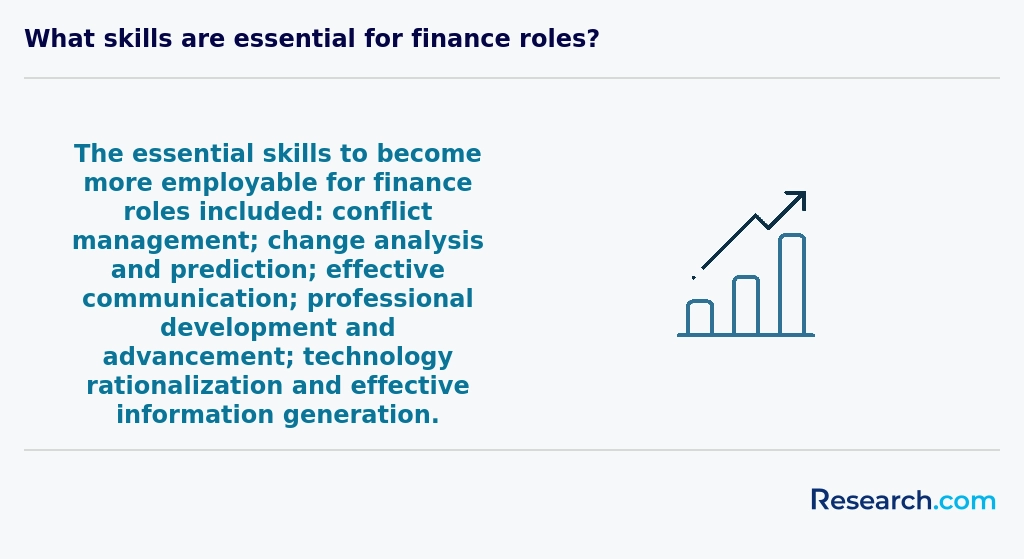
Employers in Iowa seek finance degree graduates with strong analytical and quantitative skills. According to the Iowa Workforce Development, proficiency in financial analysis and data interpretation is crucial, as many finance roles involve evaluating investment opportunities and managing risk.
Communication skills are also highly valued. Graduates must clearly explain complex financial concepts to clients and colleagues. Additionally, knowledge of financial software such as Excel and QuickBooks enhances job prospects in Iowa's competitive market.
Critical thinking and problem-solving abilities are essential, especially in Iowa's growing financial services sector. Adaptability and ethical judgment also remain key traits employers prioritize.
Finding internships in Iowa related to a finance degree involves several practical steps. Start by exploring resources offered by Iowa's universities, such as career centers at the University of Iowa or Iowa State University. These centers provide internship listings, resume workshops, and networking events tailored to finance students.
In addition, Iowa's growing financial sector offers opportunities in cities like Des Moines, known as a major insurance and finance hub. Companies such as Principal Financial Group and Wells Fargo often seek interns, especially during summer programs.
Students should also use online platforms like Handshake and LinkedIn to access local internships. According to the Iowa Workforce Development data, internships increase job placement chances by 20% after graduation, highlighting their value for finance students.
A finance degree in Iowa significantly enhances career mobility and advancement opportunities within the state's growing financial sector. Graduates gain essential skills in financial analysis, investment strategies, and risk management, which are highly valued by employers in banking, insurance, and corporate finance. According to Iowa Workforce Development, financial occupations in Iowa are projected to grow by 8% from 2020 to 2030, higher than the national average.
Possessing a finance degree often leads to faster promotions and access to managerial roles. Many employers in cities like Des Moines and Cedar Rapids prioritize candidates with formal education in finance for leadership and specialized positions. Certifications such as CFA or CPA, alongside a degree, further boost credentials and salary potential.
Studying for a finance degree in Iowa equips students with skills that transcend traditional finance roles, fostering interdisciplinary expertise. Iowa's colleges often integrate courses in economics, accounting, and information technology, enabling graduates to work across business sectors. According to the Iowa Workforce Development (2023), finance professionals increasingly collaborate with data analysts and marketing teams, emphasizing versatile knowledge.
Programs also emphasize critical thinking and communication, essential for bridging finance with fields like management and technology. Iowa's growing financial services and insurance industries benefit from graduates who understand diverse business functions, preparing them for dynamic roles in regional and national markets.
Choosing between a thesis and a non-thesis finance degree program in Iowa depends on your career goals and learning preferences. A thesis program emphasizes research, ideal for students aiming for academia or advanced analytic roles. You will spend significant time conducting original research and writing a detailed thesis.
Non-thesis programs focus more on coursework and practical skills, suitable for those seeking careers in finance industries like banking or investment. This path often involves internships and projects rather than a formal thesis.
According to the Iowa College Student Aid Commission, about 30% of graduate students in business fields choose thesis options, reflecting a moderate interest in research-based education statewide.
Students in Iowa seeking to study finance abroad have several options through their home institutions. Many Iowa universities, such as the University of Iowa and Iowa State University, offer study abroad programs specifically tailored to business and finance majors. These programs often include partnerships with universities in Europe, Asia, and Latin America, allowing students to earn credit towards their finance degree while gaining international experience.
Additionally, Iowa students may participate in exchange programs or faculty-led trips focusing on global finance topics. According to the Institute of International Education, over 18,000 U.S. business students studied abroad in 2022, reflecting the increasing emphasis on international exposure in finance education.
Financial aid and scholarships for study abroad are commonly available to Iowa finance students, helping to offset costs and expand opportunities.
Students pursuing finance degrees in Iowa have access to several part-time job opportunities that align well with their academic goals. Positions such as bank teller, financial clerk, or accounting assistant provide practical experience in financial transactions and data management. Iowa's strong regional banking sector, including institutions like Bank Iowa and Wells Fargo, often hire part-time staff, offering relevant work environments.
Internships with local financial advisory firms or insurance companies are also accessible, giving students exposure to investment analysis and client relations. According to the Iowa Workforce Development report, financial services jobs in Iowa grew by 3.4% between 2021 and 2023, which supports growing demand for part-time finance roles.
Finance students in Iowa benefit from various networking opportunities that connect them with industry professionals and potential employers. Many universities in Iowa, such as the University of Iowa and Iowa State University, host finance clubs and student organizations that organize networking events, guest lectures, and career fairs.
These events often feature local finance experts from banks, investment firms, and corporate finance departments, providing students with valuable insights and contacts.
Additionally, Iowa's strong financial sector, including Des Moines' status as a major insurance hub, offers internship opportunities and professional networking through organizations like the Iowa Bankers Association and local chapters of national finance groups.
According to the Iowa Workforce Development, the finance and insurance sector employed over 50,000 people in the state as of 2023, indicating robust networking potential for finance students preparing to enter the job market.
Alumni networks play a crucial role for finance degree students in Iowa by offering valuable connections within the state's financial sector. Graduates often join groups linked to major Iowa universities, such as the University of Iowa or Iowa State University. These networks provide access to internships, job opportunities, and mentorship from experienced professionals. According to the Iowa College Student Aid Commission, students with strong alumni contacts have a 20% higher chance of securing a job within six months of graduation.
Many Iowa-based employers value recommendations from alumni, enhancing students' career prospects locally. Networking events and online platforms allow students to build relationships industry-wide, increasing their chances of success in finance roles throughout Iowa's growing economy.
Students pursuing a finance degree in Iowa can tailor their programs by selecting electives that align with specific career goals, such as investment banking, financial planning, or corporate finance. Many Iowa universities offer specializations or concentrations within the finance curriculum, allowing deeper knowledge in areas like risk management or financial analytics. Internships and cooperative education programs available through these schools provide practical experience and networking opportunities in Iowa's growing financial sector, which employed over 75,000 people in 2023 (Bureau of Labor Statistics).
Advisors often help students map out courses and professional certifications such as the CFA or CFP, enhancing job prospects locally and nationally.
Finance students in Iowa often face several challenges during their studies. A primary difficulty is balancing rigorous coursework with part-time jobs, as many students work to manage tuition costs. According to the Iowa College Student Aid Commission, nearly 60% of undergraduates hold employment while enrolled. Additionally, mastering complex subjects such as financial analysis, investment strategies, and accounting principles requires strong quantitative skills, which some students find demanding.
Access to internships is another concern; although Iowa offers opportunities within its strong agricultural and banking sectors, competition for those positions remains high. Networking can also be challenging outside major cities like Des Moines. Lastly, staying updated with rapidly changing financial regulations and technologies adds pressure to keep learning beyond the classroom.
With a finance degree in Iowa, students can pursue several professional certifications to enhance their career prospects. Popular options include the Certified Financial Planner (CFP), which is valued for personal financial advisory roles. The Chartered Financial Analyst (CFA) is another respected credential, especially in investment management. Both require passing multiple exams and relevant work experience.
The Financial Risk Manager (FRM) certification is ideal for careers in risk assessment and management. Iowa finance graduates might also consider certifications like the Certified Public Accountant (CPA) if interested in accounting or audit-related finance roles.
According to the Iowa Workforce Development, demand for certified finance professionals is steadily growing in the state, driven by industries such as banking, insurance, and agriculture finance sectors.
To write a winning application for a finance program in Iowa, start by highlighting your academic achievements, especially in math, economics, and business-related subjects. Many Iowa universities, such as the University of Iowa and Iowa State University, value strong GPA and standardized test scores in their admissions process.
Include relevant extracurricular activities or internships that demonstrate your interest in finance, such as participation in finance clubs or local business projects. According to the Iowa College Aid reports, work experience in financial services can significantly strengthen your application.
Personalize your statement of purpose by explaining why you want to study finance in Iowa specifically, mentioning the state's robust financial sector that employs over 50,000 people as reported by the Iowa Workforce Development.
Lastly, request recommendation letters from teachers or professionals who can vouch for your analytical skills and commitment to the finance field.
A finance career in Iowa offers insights that connect with global economic trends. Internationally, finance professionals are valued for their skills in managing investments, risks, and financial planning. According to the U.S. Bureau of Labor Statistics, finance jobs are expected to grow 17% from 2022 to 2032, reflecting increasing demand worldwide.
Iowa's finance sector is influenced by global markets, especially agriculture finance and insurance. Many Iowa-based companies engage in international trade and require finance experts who understand cross-border financial regulations. This global perspective enhances job opportunities for graduates.
Students pursuing finance degrees in Iowa benefit from curricula designed to include international finance principles, preparing them for careers both locally and abroad. Financial literacy and adaptability are key skills that align with global economic needs.
Students pursuing a finance degree in Iowa can gain practical experience through internships, cooperative education (co-op) programs, and campus-sponsored projects. Many Iowa colleges, such as the University of Iowa and Iowa State University, maintain partnerships with local financial firms and banks, offering internship opportunities that provide hands-on learning.
Additionally, organizations like the Iowa Finance Authority and regional credit unions often welcome student interns, allowing exposure to real-world financial operations. According to the National Association of Colleges and Employers, 65% of finance graduates benefit from internship experiences when entering the workforce.
Finance students can also join student investment clubs and participate in case competitions, which develop analytical skills and practical knowledge. These opportunities are vital for building a strong resume and networking within Iowa's financial sector.
Choosing the right concentration within a finance degree program in Iowa depends on your career goals and interests. Popular areas include corporate finance, investments, financial planning, and risk management. Each offers different career paths with varying salary potentials. For example, the Iowa Workforce Development reports that financial analysts in Iowa earn an average annual wage of around $78,000, while financial managers earn about $130,000.
Consider the local economy's strengths, such as agriculture, insurance, and banking, which dominate Iowa's finance job market. Research schools' program offerings, internship opportunities, and connections to Iowa employers. This practical experience can be critical in selecting a concentration that matches local employment trends and demands.
Also, check for accreditation and faculty expertise in concentrations offered, ensuring your education aligns with industry standards. Exploring online resources like the U.S. Bureau of Labor Statistics can provide additional insights into job outlooks for finance roles in Iowa.
Related Finance Rankings for Nearby States
- 2027 Most Popular Finance Degree Programs Ranking in Minnesota
- 2027 Most Popular Finance Degree Programs Ranking in Illinois
- 2027 Most Popular Finance Degree Programs Ranking in Nebraska
- 2027 Most Popular Finance Degree Programs Ranking in Missouri
- 2027 Most Popular Finance Degree Programs Ranking in Kansas
- 2027 Most Popular Finance Degree Programs Ranking in Indiana
- 2027 Most Popular Finance Degree Programs Ranking in Michigan
- 2027 Most Popular Finance Degree Programs Ranking in Ohio
- 2027 Most Popular Finance Degree Programs Ranking in Kentucky
- 2027 Most Popular Finance Degree Programs Ranking in Arkansas
Top Trending Finance Rankings
See What Experts Have To Say About Studying Finance
Read our interview with Finance experts

H. Kent Baker
Finance Expert
Professor at Department of Finance and Real Estate
American University

Jason James Sandvik
Finance Expert
Assistant Professor of Finance
University of Arizona

Andrew Karolyi
Finance Expert
Dean of the Cornell SC Johnson College of Business
Cornell University

References
- Finance Internships: Find 245 Finance Intern Jobs https://internshala.com/internships/finance-internship/
- Financial Aid - Iowa Lakes Community College https://iowalakes.edu/paying-for-college/financial-aid/
- International Finance Careers: A Comprehensive Guide https://survey.moorlandassociation.org/moorlandassociation-news/international-finance-careers-a-comprehensive-guide-1767647521
- JA Afford Your Future | Junior Achievement of Central Iowa https://centraliowa.ja.org/programs/supplements/ja-afford-your-future
- Why Alumni Networks Matter in Business School: 7 Reasons https://europe.ceibs.edu/article/why-alumni-networks-matter-business-school
- Level up your finance future - propel your career with our MBA in Financial Management! https://www.daad.pl/pl/university-ad/coburg-hs-fm-260414/
- What does college cost in Iowa? See schools ranked on cost, quality https://www.desmoinesregister.com/story/news/education/2024/07/02/iowa-colleges-universities-tuition-money-best-colleges-2024/74266678007/
- Are Cover Letters Important? | Morgan Stanley https://www.morganstanley.com/articles/are-cover-letters-important
- 2024 Best Business Schools | How Alumni Rate Their Undergraduate Business Degrees https://poetsandquantsforundergrads.com/news/best-business-schools-alumni-rate-undergraduate-business-degrees/5/
- FINANCE AND BANKING (THESIS / NON-THESIS) - Lisansüstü Eğitim Enstitüsü https://lee.nisantasi.edu.tr/en/finance-and-banking-thesis-non-thesis-2/