2027 Fastest Online Bachelor's in Environmental Science Degree Programs Ranking in the West

Co-Founder and Chief Data Scientist
Exploring a degree in environmental science is an exciting step toward a meaningful and impactful career. If you live in the West and are ready to pursue your education online, this article is made just for you.
Here, you'll find the 2027 Fastest Online Bachelor's in Environmental Science Degree Programs Ranking in the West, thoughtfully created by the Research.com team of data scientists. This ranking is designed to guide you in choosing programs that match your goals and pace.
Reading this article can help you discover quality programs and make confident decisions for your future in environmental science. Your journey toward making a difference starts here.
Key benefits of getting online environmental science degree in the West
- The average salary for environmental science degree graduates in the US is around $71,360 per year, offering a rewarding financial outlook for those passionate about protecting the planet.
- Graduates from universities like the University of California often pursue diverse career paths such as environmental consulting, wildlife management, or sustainability coordination, providing exciting opportunities to make a real impact.
- Online degree graduates from institutions like Oregon State University enjoy flexible schedules and the ability to balance work and study, making it easier to earn a respected degree while managing life's demands.
- 2027 Fastest Online Bachelor's in Environmental Science Degree Programs Ranking in the West
- What can I expect from online environmental science degree in the West?
- Where can I work with online environmental science degree in the West?
What can I expect from online environmental science degree in the West?
The average cost of pursuing an online environmental science degree in the West typically ranges from $15,000 to $40,000 for the full program, though this varies by university and whether you attend a public or private institution. Graduates often share how programs at well-known Western colleges blend affordability with excellent regional relevance, making the investment feel rewarding rather than daunting.
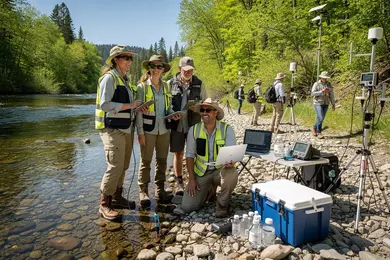
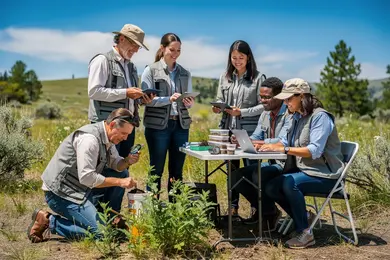
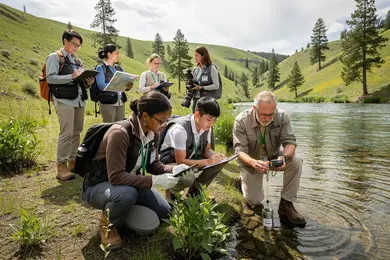
Students recall diving into virtual fieldwork focused on pressing local issues, like managing drought-stricken watersheds in California or studying wildfire patterns in Oregon. These hands-on experiences, paired with the convenience of online lectures from top Western schools, underscore the value behind the cost. Many programs provide flexible payment plans or financial aid options, helping aspiring environmental stewards balance tuition with everyday life.
Choosing a program accredited by recognized bodies also reassures students that their tuition is funding a rigorous, career-oriented education. The ability to study while connecting online with professionals thoughtfully tackling Western environmental challenges adds intangible benefits that make costs worthwhile.
Where can I work with online environmental science degree in the West?
Graduates armed with an online environmental science degree in the West often find themselves diving into careers that blend passion and purpose. Imagine working with the Environmental Protection Agency or the U.S. Forest Service, protecting California's majestic redwoods or Washington's lush forests-this is the reality for many who studied at prominent Western schools. Many grads from universities like the University of Washington or Arizona State University share stories of joining state agencies tackling real-world challenges such as water quality in Oregon or land management in Colorado.
Others take adventurous routes, entering renewable energy firms in sunny California or Nevada, helping design sustainable solar projects or wind farms. Private consulting firms also beckon, where graduates assess pollution impacts in bustling urban centers like San Francisco. Nonprofits focusing on wildlife conservation and habitat restoration often become meaningful workplaces, echoing the drive of students who once balanced fieldwork with their online studies.
The sense of contributing to vibrant, eco-conscious communities in cities such as Portland and Seattle energizes many graduates, who also explore remote consulting roles, broadening their impact across the breathtaking landscapes of the West.
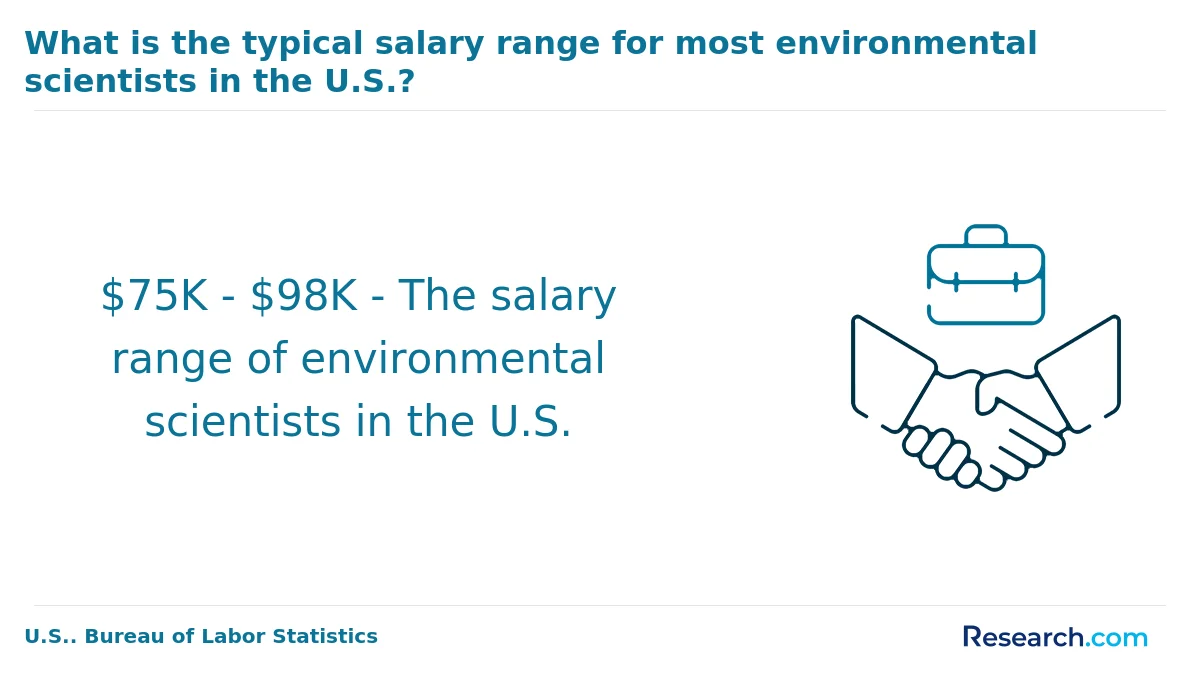
Graduates from online environmental science programs in the West often find themselves navigating a landscape where starting salaries typically range from $50,000 to $65,000, a rewarding beginning that sparks confidence and excitement about future prospects. Imagine a graduate from a well-known Western university stepping into a role as an environmental consultant in California, where the blend of urban growth and green initiatives nudges that starting pay toward the higher end of the scale.
As experience deepens, the adventure continues-professionals with five to ten years under their belts often land salaries between $75,000 and $100,000. Picture a senior analyst working in Washington's tech-forward environment, leveraging skills gained through online coursework to solve complex environmental challenges. The promise of advancement feels both tangible and thrilling.
Industry choice also colors this picture vividly. Those joining private consulting firms or renewable energy companies in states like Colorado can exceed the $100,000 mark, transforming passion for the environment into a prosperous, dynamic career. Credentials like Certified Environmental Professional (CEP) add an exciting edge, opening doors to even more rewarding opportunities.
- Tuition at public universities in the Western US ranges from $6,000 to $12,000 per year for in-state online environmental science programs.
- Private institutions typically charge between $20,000 and $35,000 annually for similar programs.
- Starting salaries for environmental science graduates in the West are usually between $50,000 and $60,000 per year.
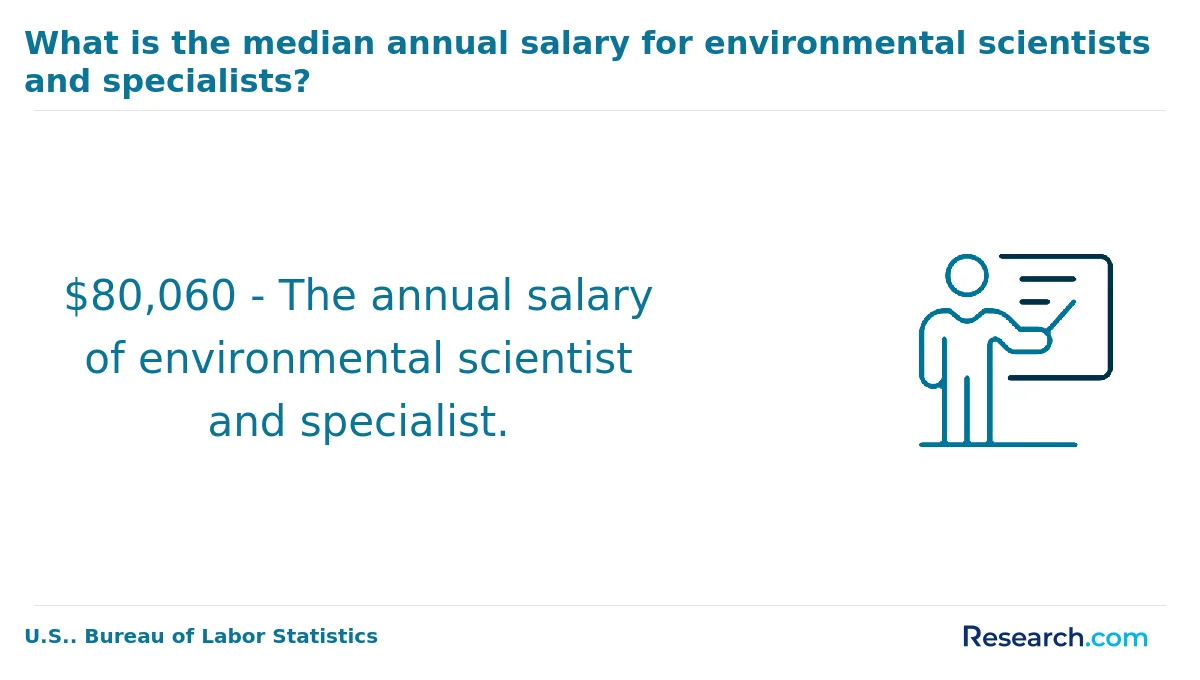
- Mid-career salaries can exceed $75,000, depending on specialization and employer.
- Employment for environmental science roles is expected to grow 8% nationally from 2022 to 2032, with strong demand in California.
- Specializations like environmental policy, water resources, and wildlife management are commonly offered in online programs in this region.
Completing an online environmental science degree in the Western U.S., at well-regarded schools like those in California, Oregon, or Washington, typically takes about four years-just like a traditional path. Imagine a full-time student at a university near the Pacific Coast, eagerly planning their coursework each semester, taking roughly 15 credit hours and steadily making progress toward their dream of protecting the planet.
Many graduates recall juggling their studies with work or family, shifting between part-time and full-time enrollment. Some took five or six years, embracing the flexibility to balance life's demands while absorbing theory and practical knowledge. Others found the thrill of accelerated programs, packing in summer classes to finish in as little as three years-a true adventure for those hungry to dive deep into climate science sooner.
- Hands-on lab work, even adapted for online learners, adds texture to their academic journey, sometimes stretching timelines but enriching understanding.
- Universities like Oregon State or the University of Washington design courses to fit busy lifestyles in the West's varied environments.
Their stories reflect an exciting mix of determination and adaptability, showing that your path can flex alongside your aspirations and schedule.
Diving into an environmental science degree in the West unveils two distinct adventures: online and on-campus. Imagine a student enrolling at California State University, embracing the freedom to study amidst the scenic backdrop of their own backyard, juggling family life while accessing virtual labs and video field trips. This flexibility has sparked a 30% rise in online enrollments across the West, opening doors for those balancing work and life commitments.
Meanwhile, on-campus experiences at universities like the University of Oregon offer energizing, hands-on moments-tracking wildlife on field trips, collaborating face-to-face in labs, and forging deep connections with faculty and peers. These immersive encounters build practical skills that many graduates cherish deeply.
Both paths share strong regional accreditation and comparable tuition ranges, often $7,000 to $12,000 for in-state students, but online learners enjoy savings on commuting and housing. Whether surrounded by vibrant campus life or engaging through a screen, many Western students find a fulfilling blend of flexibility and connection tailored to their unique journeys.
The average cost of an online environmental science degree in the West sparks curiosity for many prospective students eager to explore this dynamic field. Graduates from popular universities or colleges in this region often reflect on their journey, noting that the median total cost for completing such a degree online hovers around $59,760. Public institutions offer more accessible pricing, especially for residents, but options also stretch to private colleges, where tuition can be higher-sometimes reflecting robust digital learning resources and unique program benefits.
For those seeking affordable online environmental science bachelor's degrees Western US-based programs typically range in cost but make the dream of studying nature's complexities achievable. Residents often pay less thanks to in-state tuition benefits, an important consideration when budgeting for the whole experience, which includes not only tuition but also technology fees and sometimes virtual lab costs. Accelerated programs add an exciting twist, helping students cut years off their degree timeline, which can dramatically reduce total expenses and invite a sense of accomplishment sooner.
Imagine a student taking courses from a well-regarded college in the Pacific Northwest, balancing virtual lectures with weekend hikes to nearby conservation areas-the real-world application of lessons brings theory alive while keeping tuition manageable. Financial aid and scholarships also play a crucial role in this adventure, making the path less daunting. For those curious about careers that flow from these studies, exploring careers to pursue with a master's degree in sustainability can inspire the next steps beyond graduation.
Diving into an online environmental science degree in the West unlocks a treasure trove of financial aid opportunities that many graduates have navigated to ease their journey. Imagine a student at a renowned university in California discovering the power of FAFSA, unlocking Pell Grants that shaved thousands off tuition-up to $7,395 annually-while balancing work-study hours that complemented their passion for sustainability.
Others at Oregon State or the University of Washington found state-specific scholarships like Cal Grant or local merit awards, turning residency into a golden ticket for funding. These grants often feel like personalized boosts, rewarding academic grit and leadership in conservation efforts.
Additionally, graduates recall tapping into university scholarships tailored for veterans or first-generation students, creating inclusive paths packed with encouragement. Beyond campus, environmental organizations offer scholarships that spark excitement-scholarships that cross state lines and recognize the shared mission of protecting our planet.
For many already working in green industries, employer tuition reimbursement programs provide the perfect launching pad for advancement, making education a rewarding adventure without financial dread.
Diving into an online environmental science degree in the West is an exciting journey, but first, you'll need to clear a few academic hurdles. Most programs, like those at well-known Western universities, expect you to have a high school diploma with solid coursework in biology, chemistry, physics, and math. Imagine a graduate who first mastered chemistry and calculus in high school before tackling virtual ecology labs-this foundation made their online classes fly by with confidence.
Many schools still ask for SAT or ACT scores, though the tide is shifting toward test-optional policies, making enrollment more accessible for students juggling jobs or family. Transfer students tell stories of submitting official transcripts showing they aced general education and science classes elsewhere, easing their path into these programs.
Tech readiness is crucial too. Reliable internet and comfort with virtual tools unlock the door to interactive discussions and remote fieldwork simulations, common at top Western colleges known for their innovative online environmental science offerings.
Imagine diving into ecology, where you discover the delicate balance of forests and rivers right from your laptop-just like many online students at top Western colleges experience. Core courses include environmental chemistry and geology, unlocking the mysteries of pollution and Earth's shifting landscapes. Graduates often share how these classes illuminated the real impact of human choices on majestic Western ecosystems.
Alongside science, you'll journey through environmental policy, law, and ethics, exploring how sustainable decisions take shape in places keen on conservation, like Oregon and California. These courses spark a sense of responsibility and hope, connecting theory to vibrant local efforts protecting wilderness and wildlife.
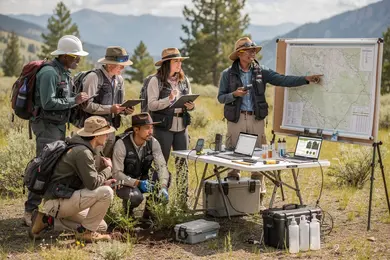
Many also find excitement in mastering data analysis and GIS technology-skills that transform raw environmental data into maps and insights useful for wildfire management or drought planning. Electives let students chase passions from renewable energy to climate change, tailoring their path to the urgent challenges shaping the Western U.S. landscape.
Online environmental science degree specializations West offer adventurous learners pathways as diverse as the landscapes they study. Graduates from popular universities like California State University dive into Environmental Policy and Management, where they actively engage with sustainability challenges and environmental laws shaping their communities. Others explore Wildlife and Conservation Biology, nurturing a hands-on passion for protecting the unique flora and fauna thriving in the Western US ecosystems.
Those drawn to the interplay between nature and human health find their spark in Environmental Health, tackling pollution's effects with zeal through dynamic coursework and real-world projects. Renewable energy buffs celebrate programs focusing on Solar and Renewable Energy, energized by the West's booming clean energy movement and practical lessons on sustainable technologies.
Many have discovered personalized pathways that fit their ambitions, especially in water resource management through tailored courses at institutions like the University of Arizona. Such concrete examples of West region environmental science bachelor concentrations make learning feel meaningful, immediate, and deeply connected to local priorities.
For students eager to expand horizons, combining environmental science with business savvy is possible through options like an mba energy and sustainability online, showcasing how this field invites endless exploration and impact.
When hunting for the best online environmental science degrees West offers, start with accreditation-know that graduates from well-known universities reflect pride in earning degrees recognized by bodies like the Western Association of Schools and Colleges (WASC). Imagine a former student sharing how their program's alignment with regional environmental issues, such as drought management or coastal conservation, brought real-world challenges into their virtual classroom. Affordable environmental science bachelor programs Western US means tuition won't overwhelm you; for many, this made the dream achievable without sacrificing quality.
Look for programs led by passionate faculty active in cutting-edge research or partnerships with local agencies. Graduates often recount excitement over virtual labs simulating western ecosystems or collaborating on climate policy projects relevant to their communities. Flexibility matters too-some programs offer accelerated tracks, enabling learners eager to quickly jump into their careers to move forward at a personalized pace.
Don't overlook outcomes: strong graduation rates and positive employment trends show your investment pays off. For those curious about career paths, exploring career opportunities in the sustainability field can frame your choice within a growing, impactful profession.
Graduates with an online environmental science degree in the West find themselves stepping into exhilarating career paths that blend adventure with purpose. Many have launched careers as environmental consultants or wildlife biologists, working amidst the stunning ecosystems surrounding universities like the University of Washington or Colorado State University. These roles allow them to protect endangered species or manage natural parks, turning passion into impact.
Others delve into water resource management or urban planning, helping fast-growing Western cities balance expansion with sustainability. Graduates equipped with sharp data skills embrace opportunities as GIS technicians, mapping California's diverse landscapes or tracking climate changes. The breadth of environmental scientist education requirements opens doors to government agencies and private firms alike.
Exploring online environmental science careers in the West reveals dynamic possibilities where curiosity meets critical stewardship. Whether analyzing policy or educating communities about conservation, graduates feel energized by their tangible contributions, eager to keep learning and evolving in this vital field.
The job market for graduates with an online environmental science degree in the West is vibrant and full of opportunity. Graduates from universities like UC Berkeley or University of Washington often find themselves drawn into roles within government agencies, consulting firms, or nonprofit groups focused on tackling climate change and natural resource management. This growth is fueled by strong environmental policies and the region's dedication to sustainability, creating an exciting frontier for young professionals eager to make a tangible impact.
Many alumni share stories of immediately engaging in projects that protect local ecosystems or working on renewable energy initiatives in cities like San Francisco and Seattle. The demand in these areas highlights the increasing environmental science career growth in Western states, where higher wages and meaningful work converge. For students balancing life and study, the flexibility of an online degree enhances accessibility, making it easier to dive into this expanding field.
Those curious about expanding their horizons even further can explore careers in sustainability after mba, adding a unique edge to their expertise in environmental science.
2027 Fastest Online Bachelor's in Environmental Science Degree Programs Ranking in the West
Investing in your education is a significant decision that can shape your future, and the Research.com team understands the importance of making informed choices. To support students interested in environmental science, we have carefully developed the "2027 Fastest Online Bachelor's in Environmental Science Degree Programs Ranking in the West." Our dedication to quality, credibility, and accuracy is demonstrated through rigorous research and thorough analysis.
We utilized the following reputable data sources to ensure a comprehensive evaluation of environmental science programs:
By reviewing this ranking, readers will obtain reliable guidance toward selecting fast, high-quality online environmental science programs in the Western U.S., helping them make well-informed educational decisions. For more information on how this ranking was created, please visit our Research.com methodology page.



Frequently Asked Questions About environmental science
Students pursuing online environmental science degrees in the West can enhance their learning by engaging actively with course materials and faculty. Many Western universities, such as those in California and Washington, offer virtual labs and research projects, which provide hands-on experience despite the online format. According to the National Center for Education Statistics, students who participate in interactive components of online courses tend to have higher retention rates.
Joining local or online environmental organizations helps students connect theory to real-world issues, especially given the region's diverse ecosystems. Utilizing resources like regional climate data from the EPA supports coursework with up-to-date, relevant information. Finally, time management and disciplined study routines are crucial to balancing work, family, and study commitments successfully.
Emerging niches within environmental science focus on areas shaped by increasing climate challenges and technological advancements. One key niche is renewable energy management, where professionals design and optimize solar and wind power systems. In the Western US, states like California invest heavily in this sector, creating demand for specialized skills.
Another developing area is climate adaptation and resilience planning, which involves preparing communities for extreme weather events and sea level rise. This niche aligns with growing policy efforts across Western coastal states.
Environmental data analysis, using GIS and remote sensing, is also expanding rapidly. According to the Bureau of Labor Statistics, jobs requiring these skills are projected to grow by over 15% by 2030 in the region.
Preparing for the job market after earning an online environmental science degree in the Western US involves building both technical skills and professional networks. Graduates should seek internships or volunteer opportunities with agencies like the California Environmental Protection Agency or Oregon's Department of Environmental Quality. These experiences provide valuable hands-on learning and local contacts.
It is also important to develop proficiency with geographic information systems (GIS) and data analysis tools, as employers frequently require these skills. According to the Bureau of Labor Statistics, environmental science jobs in the Western region are expected to grow by 8% through 2030, reflecting a steady demand.
Networking through local professional organizations such as the Western Section of the Air & Waste Management Association can increase employment opportunities. Additionally, earning certifications like the Certified Environmental Scientist can enhance a candidate's resume in this competitive market.
Employers in the Western U.S. value environmental science graduates who demonstrate strong analytical skills, especially in data interpretation and geographic information systems (GIS). According to the U.S. Bureau of Labor Statistics, proficiency in GIS technology is essential, as it supports roles in land use, resource management, and environmental planning.
Communication skills are also critical, enabling graduates to convey complex environmental data clearly to stakeholders and the public. Problem-solving ability is highly sought after due to the region's challenges like wildfire management and water resource conservation.
Additionally, knowledge of local regulations and sustainable technologies enhances a graduate's appeal in Western environmental careers.
Finding internships in the Western United States relevant to an environmental science degree involves research and networking. Many universities with online programs partner with local organizations, government agencies, and nonprofits focused on environmental issues. Students should explore opportunities offered by state environmental departments such as California's Environmental Protection Agency or Washington's Department of Ecology.
Using platforms like Handshake and the National Environmental Job Service can help locate openings tailored to environmental science students. According to the Bureau of Labor Statistics, internships increase employment chances by 15% post-graduation. Networking at regional conferences or joining local chapters of groups like the Sierra Club also expands internship possibilities.
Online environmental science degrees in the Western United States offer flexible pathways for career advancement and mobility. According to the U.S. Bureau of Labor Statistics, many environmental science roles in states like California and Washington expect employment growth between 5% and 8% by 2030. Earning a degree online helps students gain critical skills recognized by regional employers in government agencies, non-profits, and private sectors. Additionally, Western states' focus on sustainability initiatives increases demand for qualified professionals. Online programs accredited by recognized bodies ensure graduates meet industry standards, making career transitions and promotions more achievable in this competitive and evolving field.
Studying for an environmental science degree in the Western United States equips students with skills to tackle complex, interdisciplinary challenges. Programs often combine natural sciences, policy studies, and technology, reflecting the region's diverse ecosystems and environmental issues. For example, California schools emphasize climate change, water resource management, and sustainability, fields requiring collaboration across biology, chemistry, and social sciences.
According to the U.S. Bureau of Labor Statistics, environmental science jobs in the West are growing faster than the national average due to increased demand for renewable energy and conservation efforts. This growth encourages curricula that integrate data analysis, regulatory knowledge, and communication skills. Such interdisciplinary training prepares graduates for roles in government, industry, and nonprofits where multifaceted solutions are essential.
Choosing between a thesis and a non-thesis environmental science degree in the West depends largely on your career goals and learning preferences. Thesis programs emphasize original research, ideal for students aiming to pursue graduate study or research careers. Completing a thesis requires designing a project, data collection, and analysis, which can take an additional semester or two.
Non-thesis programs focus more on coursework and practical skills, suitable for those heading into industry jobs or government roles. They generally take less time to complete, offering flexibility for working professionals.
According to U.S. Department of Education data, Western states like California and Oregon offer a variety of accredited programs tailored to both paths, reflecting the region's focus on environmental innovation and policy.
Students based in the Western United States seeking online environmental science degrees have several options to study abroad through U.S. institutions offering international online programs. Many accredited universities in the West, such as the University of Washington and California State University, provide comprehensive online bachelor's degrees in environmental science. These programs often include global perspectives and partnerships with international research centers, enabling students to engage with worldwide environmental issues.
Programs emphasize sustainability, climate science, and conservation, reflecting regional priorities in the West. According to the National Center for Education Statistics, online environmental science enrollments have grown by over 20% in the past five years, indicating rising demand in this field. Students benefit from flexible schedules and access to faculty expertise without relocating internationally.
Students pursuing online environmental science degrees in the Western US often find valuable part-time work opportunities that enhance their academic experience. Common roles include environmental technician, research assistant, and conservation volunteer. These positions provide hands-on exposure to data collection, fieldwork, and environmental monitoring.
According to the Bureau of Labor Statistics, the Western states have higher than average demand for environmental science careers, especially in California, Oregon, and Washington. Working part-time in government agencies, NGOs, or private environmental consultancies allows students to apply classroom knowledge to real-world contexts.
Additionally, internships or lab assistant jobs at local universities or research centers often align closely with online coursework, promoting skill development in GIS, water quality testing, and ecological assessments.
Online environmental science programs in the Western US offer a variety of networking opportunities despite the virtual format. Many universities connect students with regional internships and research projects, often partnering with environmental agencies and organizations like the California Environmental Protection Agency or Washington State Department of Ecology.
Students can join online chapters of professional groups such as the Ecological Society of America or local Sierra Club affiliates, which host webinars and virtual conferences. These groups provide access to mentors and peers working in the West's diverse ecosystems and sustainability sectors.
Additionally, schools often facilitate virtual career fairs and alumni networking events, allowing online students to connect with professionals and potential employers across the region. According to the National Center for Education Statistics, these initiatives have increased post-graduation employment rates by 15% to 20% in environmental fields within Western states.
Alumni networks play a crucial role for online environmental science degree students in the Western United States. These networks offer valuable connections to professionals working in key sectors such as renewable energy, conservation, and policy development. According to the Western Regional Environmental Education Council, graduates with strong alumni ties are 30% more likely to receive job referrals.
Networking opportunities through alumni events and online platforms help students access internships and research projects, which are often pivotal for career advancement. Moreover, alumni can provide mentorship and guidance on navigating the evolving environmental landscape.
In a region known for environmental innovation, alumni connections often lead to collaborative projects with agencies like the EPA or local conservation groups, enhancing practical experience for online learners.
Customizing an online environmental science degree in the Western United States allows students to align their studies with specific career ambitions. Many Western universities offer flexible core and elective course options, enabling a focus on areas like conservation, sustainable energy, or environmental policy. For example, students can select courses addressing California's water management challenges or Oregon's forest ecosystems, relevant to regional industries.
Internships and research projects often complement coursework, providing practical experience tailored to professional goals. According to the Western Interstate Commission for Higher Education, approximately 65% of environmental science students in the West engage in experiential learning opportunities, which employers highly value.
Additionally, some programs offer certifications in geographic information systems (GIS) or environmental compliance, enhancing job prospects in governmental and private sectors.
Online environmental science students in the Western United States often face several challenges unique to their field and region. One major difficulty is gaining hands-on experience, which is critical in environmental science but harder to obtain remotely. Fieldwork or lab components may require travel or in-person attendance, complicating scheduling for online learners.
Additionally, technical issues such as reliable internet access can be a barrier in rural or mountainous areas common in the West. According to the Federal Communications Commission, approximately 23% of rural Western residents lack broadband connectivity.
Another challenge is accessing local environmental data or regional internships essential for a practical understanding of Western ecosystems. Networking opportunities also tend to be limited compared to traditional programs.
Students must often be highly self-motivated and organized to balance coursework with these constraints while gaining relevant experience.
With an online environmental science degree, graduates in the Western US can pursue several professional certifications to enhance their careers. Popular certifications include the Certified Environmental Scientist (CES) offered by the National Association of Environmental Professionals. This certification validates expertise in environmental regulations and science.
Another valuable credential is the Certified Hazardous Materials Manager (CHMM), recognized nationally and useful for roles involving waste management or pollution control.
For those interested in water resources, the American Water Works Association offers the Water Treatment Operator certification, crucial in Western states facing water scarcity issues.
Obtaining these certifications often requires relevant work experience and passing an exam, expanding job opportunities in government and private sectors.
Writing a strong application for an online environmental science program in the West requires clear organization and targeted content. Begin by highlighting your passion for environmental issues, supported by any relevant academic or professional experience. Many Western universities value applicants who demonstrate awareness of regional ecological challenges, such as California's water management or Oregon's forest conservation efforts.
Include specific examples of your commitment, such as volunteer work, internships, or community projects. According to the Western Interstate Commission for Higher Education, programs often look for candidates with a clear understanding of sustainability concepts and the ability to apply them remotely.
Additionally, a well-written personal statement that links your career goals with environmental science advancements in the West boosts your chances. Be concise and focus on how an online format matches your learning style and professional needs.
Environmental science careers have strong global relevance, reflecting worldwide efforts to address climate change, sustainability, and conservation. In the United States and the Western region, demand for environmental scientists grows as industries, governments, and communities prioritize environmentally responsible solutions.
According to the U.S. Bureau of Labor Statistics, the employment of environmental scientists and specialists is projected to grow 8% from 2022 to 2032, faster than the average for all occupations. This reflects global trends emphasizing environmental policy, renewable energy, and resource management.
Higher education institutions in the West offer many online environmental science degree options to meet these demands. They prepare students to work on international projects, comply with global environmental standards, and contribute to cross-border environmental research.
Gaining practical experience during an online environmental science degree in the West is crucial for building job-ready skills. Many programs integrate virtual labs and real-world data analysis projects, allowing students to apply theory practically. Additionally, internships with regional agencies like California's EPA or Washington State Department of Ecology offer hands-on exposure. According to the Bureau of Labor Statistics, in 2023, environmental science jobs in the Western US grew by 6%, highlighting increasing opportunities. Volunteering with local conservation groups or participating in citizen science initiatives can also supplement formal experiences. These options enable students to develop essential skills while completing their online studies.
Choosing the right concentration within an online environmental science degree in the Western U.S. depends on your career goals and regional environmental challenges. Popular options include conservation, sustainable energy, and water resource management. For instance, California and Washington have a strong focus on renewable energy and climate change policy, making related concentrations valuable.
It is useful to research local industries and employers. The U.S. Bureau of Labor Statistics highlights growing job opportunities in environmental consulting and natural resource management in Western states. Selecting concentrations aligned with these trends can improve employability.
Review program curricula carefully to ensure courses cover relevant skills such as GIS mapping, environmental law, or ecological restoration.
Also, consider programs with accredited faculty and opportunities for virtual internships with regional agencies.
- Graduate Schemes and Internships - Green Jobs for Nature https://greenjobsfornature.org/get-that-green-job/graduate-schemes-and-internships/
- Bachelor of Arts in Environmental Studies | Batten University Online https://online.batten.edu/undergraduate/bachelor-of-arts-environmental-studies
- Guide to Environmental Internships | Higherin https://higherin.com/career-guides/science-research/environmental-internships
- Application Letter to Master's Program in Environmental Science in Germany https://essayforum.com/letters/application-master-program-environmental-86188/
- How To Get Environmental Science Work Experience https://www.savemyexams.com/learning-hub/careers/environmental-science-work-experience/
- How to Become an Environmental Scientist: 8 Steps to Success - Prereqcourses https://www.prereqcourses.com/environmental-scientist/
- Environmental Scientist Cover Letter Examples https://www.careerfaqs.com.au/careers/resumes-cover-letters/environmental-scientist-cover-letter-example
- Environmental Science Courses & Degrees https://www.open.edu.au/study-online/science/environmental-science
- NETWORKING FOR SUCCESS: HOW TO SHINE IN ENVIRONMENTAL JOBS - Step(h) into Nature https://stephintonature.com/all-environmental-conservation-travel-blogs/environmental-jobs-networking
- CES - Certified Environmental Scientist https://www.nrep.org/certifications/certified-environmental-scientist-ces